Ireland Farm Worker Jobs with Visa Sponsorship 2026
Ireland Farm Worker Jobs with Visa Sponsorship 2026 offer a real route into Irish agriculture for workers from outside the European Economic Area, but only for certain roles and only when an Irish employer holds a permit quota and offers a job that meets the salary rules. This guide explains which farm jobs can be sponsored, what they pay, which permit applies, how the application works, and the mistakes that cost applicants time and money. Nothing here is a promise of a job or a permit. Sponsorship depends on the employer, the quota and the Department of Enterprise, Tourism and Employment.
Ireland grows mushrooms, strawberries, lettuce, potatoes and other crops on a large scale, and it has a big dairy and meat sector. These industries need workers all year, and many Irish farms and food plants recruit from outside Ireland because they cannot find enough local staff. The Irish government allows this through the General Employment Permit, with special lower salary rules for horticulture workers, meat processing operatives, meat deboners and dairy farm assistants. If you understand those rules before you apply, you will save yourself from scams and wasted fees.
Inside the Workplace: Lines, Shifts and the Working Week
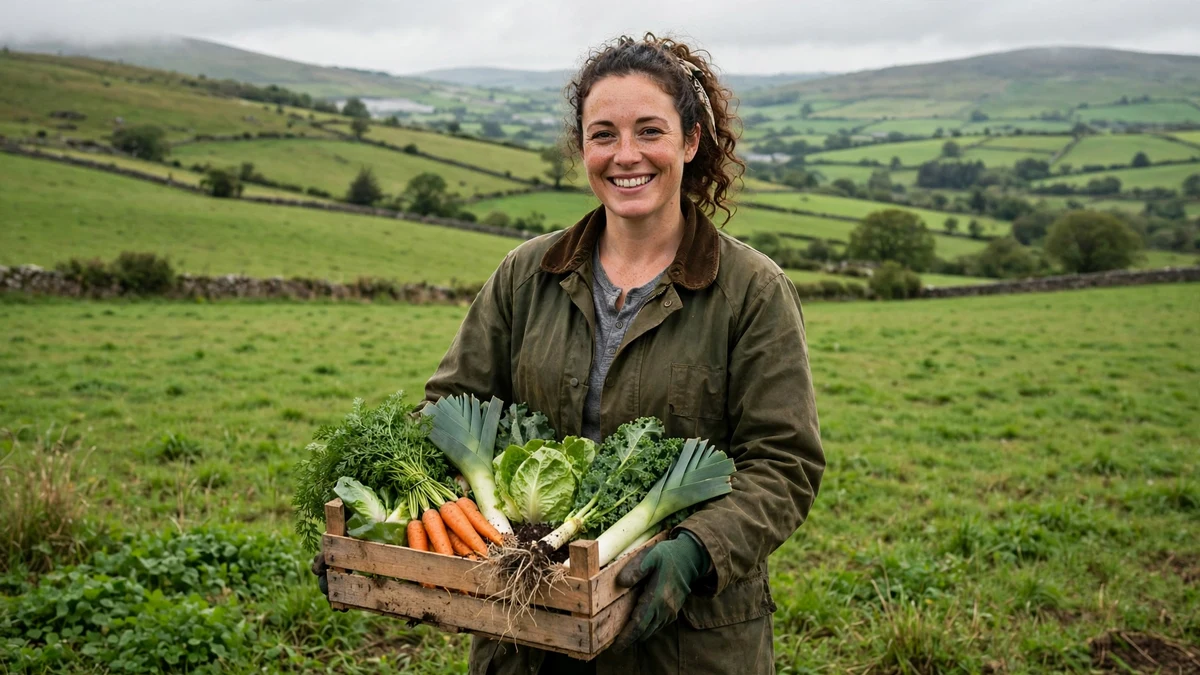
Farm work in Ireland is physical and hands on. A horticulture worker may spend the day picking mushrooms in a growing house, harvesting strawberries in a polytunnel, planting lettuce, packing vegetables or pruning plants. A dairy farm assistant milks cows twice a day, feeds calves, cleans the milking parlour and helps with calving. A meat processing operative works on a production line, cutting, trimming, packing and labelling meat in a chilled factory.
The working week for a General Employment Permit is usually 39 hours, and the permit salary is calculated on that basis. Many farm jobs involve early starts, because milking and harvesting begin at dawn, and some roles involve weekend work on a rota. Overtime is common at harvest time, and it is paid at the rate set in the employment contract. Irish employment law gives workers paid annual leave, rest breaks and a minimum notice period, and these rights apply to permit holders as well as Irish workers.
Most farm jobs are in rural counties such as Wexford, Cork, Monaghan, Cavan, Tipperary and Kilkenny, where the mushroom and horticulture industries are based. Dairy farms are spread across the south and midlands. Workers usually live in shared houses or on farm accommodation, and many employers help with housing, though this is not guaranteed. Life in rural Ireland is quiet, and public transport is limited, so many workers share cars or use employer transport.
Machines, Products and What You Handle
Irish farms use a mix of hand work and machines. Mushroom pickers work by hand, using a knife and a basket, and they need a gentle touch so the mushrooms are not bruised. Strawberry pickers work in polytunnels, picking fruit into punnets and checking for ripeness. Vegetable packers work on grading lines, sorting produce by size and quality and packing it into boxes for supermarkets.
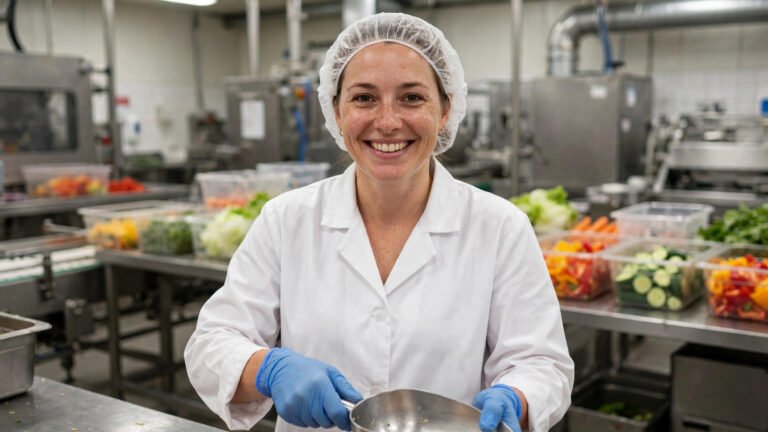
Dairy farm assistants work with milking machines, feed mixers, tractors and calf feeders. They need to learn the farm routine quickly, because cows are milked at the same times every day and the work cannot wait. Meat processing operatives work with knives, saws, mincers and packing machines, and they must follow strict hygiene rules, wearing protective clothing, hairnets and boots.
Training is usually given on the job, and employers are expected to provide it. For horticulture workers and meat processing operatives, the employer must sign a declaration that the worker will have access to suitable accommodation and training, including language training. This is a condition of the permit, and it is checked by the Department. Workers should ask about training and accommodation before they accept a job offer.
Pay and Benefits
Pay is where the Irish rules are precise, and they changed in 2026. For horticulture workers and meat processing operatives, the minimum annual pay for a General Employment Permit is 32,691 euro, based on a 39 hour week. That works out at 16.12 euro per hour. A 40 hour week must pay at least 33,529.60 euro a year. For meat deboners and dairy farm assistants, the minimum is higher, at 36,605 euro a year on a 39 hour week, or 18.05 euro per hour.
These figures are minimums, not typical pay. Some employers pay more, especially for experienced workers or for night and weekend shifts. Overtime, Sunday work and bank holiday work are usually paid at higher rates, and these are set out in the employment contract. Workers should check the contract carefully and keep a copy, because the contract is part of the permit application.
Workers in Ireland also get statutory benefits. These include paid annual leave of at least four weeks a year, paid public holidays, sick pay under the statutory scheme, and access to the public health service. After working in Ireland for a period, permit holders can apply to bring family members in some cases, and they can later apply for long term residence if they meet the rules. None of this is automatic, and the rules change, so workers should check the official immigration guidance before making plans.
What Employers Ask For
Most Irish farm jobs do not need a university degree, but they do need the right attitude and some basic skills. Employers look for people who are physically fit, reliable, willing to work early mornings and weekends, and able to follow instructions in English. Previous farm or factory experience helps, but many employers will train workers who have never done the job before.
For dairy farm work, experience with cattle is a big advantage, because the work involves handling large animals safely. For meat processing, a food hygiene certificate helps, though employers often provide the training. For horticulture, a steady hand and attention to detail matter, because the quality of the picked produce decides what supermarkets will pay.
Employers also need workers who can pass the permit checks. That means a valid passport, a clean record where required, and the ability to meet the English language needs of the job. Some employers interview by video call before offering a job, and they may ask for references from previous employers. Workers should be honest about their experience, because a false claim can lead to the permit being refused.
Documents You Will Need
A General Employment Permit application needs a full set of documents, and missing papers are the most common cause of delays. The worker needs a passport valid for at least six months for a new permit, and a copy of the job offer and employment contract signed by both sides. The contract must show the job title, the salary, the hours and the duties, and it must match the permit rules for that role.
The employer must provide company details, including proof that the business is registered with Revenue and trading, and details of how many Irish and non EEA workers it already employs. The employer must also show that a Labour Market Needs Test has been carried out, which means the job was advertised to workers in Ireland and the European Economic Area first. There are some exceptions, but the test is required for most farm roles.
Other documents include evidence of qualifications where relevant, details of previous visas or employment in Ireland, and the employer’s signed declaration about accommodation and training for horticulture and meat processing roles. The application is made online through the Employment Permits Online System, and either the employer or the worker can apply. The government fee is 1,000 euro for a permit of up to 24 months, or 500 euro for six months or less.
Visa Sponsorship Explained Honestly
Visa sponsorship in Ireland does not mean that any farm will sponsor any worker. It means that a specific employer, in a specific role that is eligible for a General Employment Permit, offers you a job and supports your permit application. The employer does not decide whether the permit is granted. The Department of Enterprise, Tourism and Employment decides, and it can refuse an application if the role is not eligible, the salary is too low, the quota is full or the documents are incomplete.
Quotas matter a great deal in 2026. The Department sets a limited number of permits for horticulture workers, meat processing operatives, dairy farm assistants and related roles, and once a quota fills, new applications are not accepted. In August 2026 the Department said that the 1,000 permit quota for meat processing operatives was almost full, and it asked employers not to submit new applications. Workers should ask an employer whether a quota place is available before paying any fees.
Processing times also matter. In October 2026 the Department reported that new General Employment Permit applications took about five weeks to process. That time can be longer if documents are missing or if the Department asks for more information. After the permit is granted, the worker still needs a visa to enter Ireland if they are from a visa required country, and they must register with immigration after arrival. A permit is not a visa, and a visa is not a permit, so both steps are needed.
How to Apply
Start by finding a genuine job, not by paying an agent. Look for Irish farm and food employers on official job sites such as JobsIreland, the public employment service, and on the websites of large mushroom growers, dairy cooperatives and meat plants. Be careful with social media adverts that promise guaranteed permits or ask for large upfront fees. A genuine employer will interview you and issue a written contract before any permit application is made.
Once you have a job offer, check that the role is eligible and that the salary meets the 2026 minimum. Ask the employer to confirm the quota position and to explain who will submit the permit application and pay the fee. In many cases the employer pays the permit fee, but this should be agreed in writing before the application is filed.
After the permit is granted, apply for an Irish employment visa if your nationality requires one, through the Irish embassy or visa office in your country. Book your travel only after the visa is issued, and bring your permit, contract and passport with you. On arrival in Ireland, register with immigration and apply for your Irish Residence Permit. Keep copies of every document, because you will need them for renewals and for any future application.
How to Spot and Avoid Scams
Farm job scams are common, and they target people who are desperate to move abroad. The warning signs are clear. No genuine Irish employer will ask you to pay for a job offer, a permit or a visa through a money transfer service or a personal bank account. No agent can guarantee a permit, because only the Department can grant one. Any advert that promises a job without an interview, or that uses only a messaging app and no company website, should be treated with suspicion.
Check every employer before you pay anything. Look up the company on the Irish Companies Registration Office, check that it has a real address and phone number, and search for reviews from other workers. Ask for the job offer in writing, with the company letterhead, the job title, the salary and the hours. If the salary is below the 2026 minimum for the role, the permit will be refused, so a low salary is itself a warning sign.
If an agent asks for a fee, ask for a written receipt, a contract and the agent’s licence details, and check whether the agent is registered. In Ireland, employment agencies are regulated, and they must not charge workers for finding them a job in many cases. If you think you have been scammed, report it to the Irish police and to the employment permits section. Never send your passport to a stranger, and never pay a fee before you have a written job offer from a verifiable employer.
Life and Working in Ireland
Life in rural Ireland is friendly and community based, but it can feel quiet if you come from a big city. Villages have a church, a shop, a pub and a school, and people know each other. The weather is mild but changeable, with rain in every season, so good waterproof clothing is essential for farm work. Summers are long and bright, with daylight lasting until late evening, while winters are dark and damp.
The cost of living in rural Ireland is lower than in Dublin, but rent, food and transport still add up. Shared houses are common, and many workers share a house with colleagues to keep costs down. Food shopping is available in supermarkets in nearby towns, and many towns have shops that sell food from Eastern Europe, Asia and Africa. English is the main language, and Irish is also an official language, though it is rarely used in daily life in most areas.
Workers in Ireland have the same employment rights as Irish citizens, including the minimum wage, paid leave and protection from unfair dismissal. If an employer treats you badly, you can contact the Workplace Relations Commission for free advice. Joining a community group or a local sports club is a good way to make friends, and many towns have groups for newcomers.
What People Ask Before Applying
Can I get Ireland Farm Worker Jobs with Visa Sponsorship 2026 without experience?
Yes, many horticulture and meat processing jobs do not need previous experience, because employers provide training on the job. Experience helps, especially for dairy farm work, but a willingness to work hard and learn is often enough. The key requirements are a genuine job offer, a salary that meets the 2026 minimum and an eligible role.
How much do farm workers earn in Ireland in 2026?
Horticulture workers and meat processing operatives must be paid at least 32,691 euro a year on a 39 hour week, or 16.12 euro an hour. Meat deboners and dairy farm assistants must be paid at least 36,605 euro a year, or 18.05 euro an hour. Some employers pay more, and overtime can add to the total.
How long does a General Employment Permit take in 2026?
In October 2026 the Department reported about five weeks for new General Employment Permit applications. The time can be longer if documents are missing or if the quota for the role is full. After the permit is granted, a visa application can take additional weeks, so workers should allow several months from job offer to arrival.
Can my family join me in Ireland on a farm worker permit?
Family reunification depends on the type of permit, the salary and how long you have worked in Ireland. General Employment Permit holders can apply to bring family members in some cases, but the rules are strict and they change. Workers should check the current guidance from Irish immigration before making plans for family members to travel.
Is the Atypical Working Scheme still available for seasonal farm work?
The Atypical Working Scheme was used for short term seasonal horticulture work, but the Employment Permits Act 2024 created a new Seasonal Employment Permit, which was piloted in horticulture in 2025. Seasonal workers should check the latest guidance from the Department, because the rules for short term farm work are changing and the old scheme may no longer be the right route.
Final Word
Ireland Farm Worker Jobs with Visa Sponsorship 2026 are a genuine opportunity for the right workers in the right roles, but they are not open to everyone and they are not guaranteed. The roles that can be sponsored are limited, the salaries are fixed by law, the quotas can fill, and the Department decides every application on its merits. Workers who succeed are the ones who find a real employer, check the salary and quota, gather their documents carefully and avoid agents who promise too much. If you follow those steps and deal only with verifiable employers, you give yourself the best chance of working on an Irish farm in 2026.