Top 15 Animals That Live in Bamboo Forests (With Images)
Did you know that bamboo forests are home to some of the most unique and endangered wildlife on the planet? In the realm of wildlife, animals that live in bamboo forests exhibit remarkable adaptations and behaviors that set them apart from their counterparts. Join us as we delve into the lives of these extraordinary creatures and discuss why the survival of their bamboo homes is crucial for our planet’s health.
List of Animals that Live in Bamboo Forests
Here is the list of animals that live in bamboo forests:
- Giant Forest Hogs
- Timber Rattlesnake
- Mountain Bongos
- Asian Elephants
- Bamboo Foliage-Gleaner
- Golden Monkey
- Red Pandas
- Giant Panda
- Bamboo Vipers
- Spotted Bamboowren
- Bamboo Rats
- Eastern Gorillas
- Bale Mountain Vervet
- African Elephants
- Bamboo Lemurs
Giant Forest Hogs
Scientific Name: Hylochoerus meinertzhageni
Class: Mammalia
Diet: Herbivore
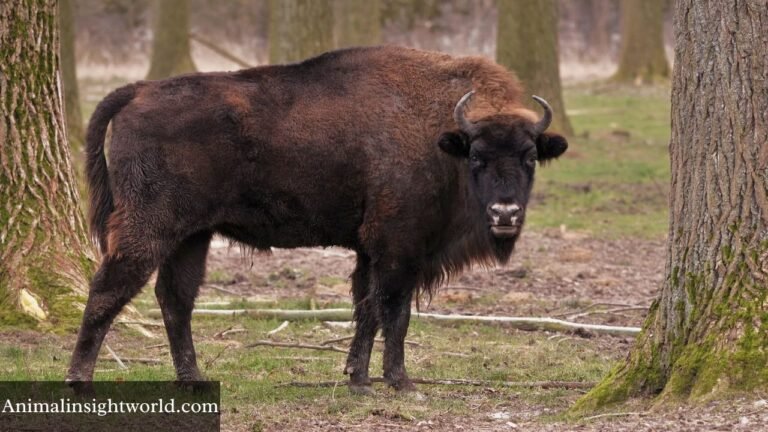
Giant forest hogs, with their striking bristled coats and impressive size, are one of the lesser-known marvels of bamboo forests. Found primarily in the dense undergrowth of African rainforests, these animals have adapted remarkably to their unique habitat. Their diet mainly consists of roots, tubers, and, interestingly, the tender shoots of bamboo, making them essential players in the nutrient cycle of their ecosystem. By foraging and rooting around, giant forest hogs aid in the distribution of plant seeds, thereby fostering the growth of diverse flora within their habitat.
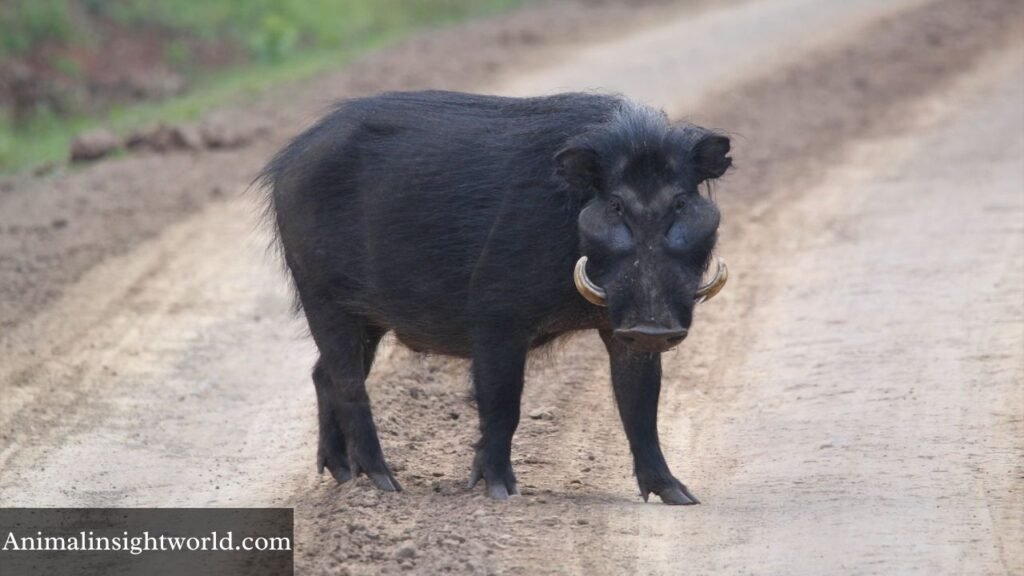
Social creatures at heart, they often travel in family groups, reflecting an intricate social structure that offers both protection and enhanced foraging opportunities. Observing them interacting within the shadows of towering bamboo is like witnessing a natural ballet — powerful yet graceful, they embody a harmony that underscores their role in maintaining the forest’s delicate balance. Unfortunately, habitat loss and hunting threaten these magnificent animals, prompting urgent conservation efforts. By protecting their bamboo habitat, we not only safeguard the giant forest hogs but also the myriad of life that relies on the rich tapestry of the forest.
Timber Rattlesnake
Scientific Name: Crotalus horridus
Class: Reptilia
Diet: Carnivore
The timber rattlesnake, often overlooked in discussions about bamboo forest inhabitants, offers fascinating insights into this unique ecosystem. Preferring the dappled sunlight of these environments, they camouflage seamlessly among the intertwining bamboo stalks, making them both elusive and intriguing. Their presence indicates a balanced ecosystem, as they help control populations of small mammals, which can often overpopulate in such lush settings.
Interestingly, timber rattlesnakes have adapted their hunting strategies to the verticality of bamboo. They may utilize the abundant cover provided by the forest’s dense foliage, ambushing prey that ventures too close to their territory. Moreover, their unique relationship with the habitat extends beyond mere survival; the timber rattlesnake plays a critical role in seed dispersal and maintaining the floral biodiversity of bamboo forests.
Mountain Bongos
Scientific Name: Tragelaphus eurycerus isaaci
Class: Mammalia
Diet: Herbivore
Mountain Bongos, often overshadowed by their more popular relatives, are truly remarkable creatures native to the dense bamboo forests of Central Africa. With their striking rust-colored coats and distinct white vertical stripes, these elusive antelopes blend seamlessly into their lush surroundings, making them masters of camouflage. Unlike their lowland counterparts, mountain bongos thrive at higher elevations, where the cool temperatures and thick vegetation provide both refuge and forage, primarily from the tender shoots of bamboo.
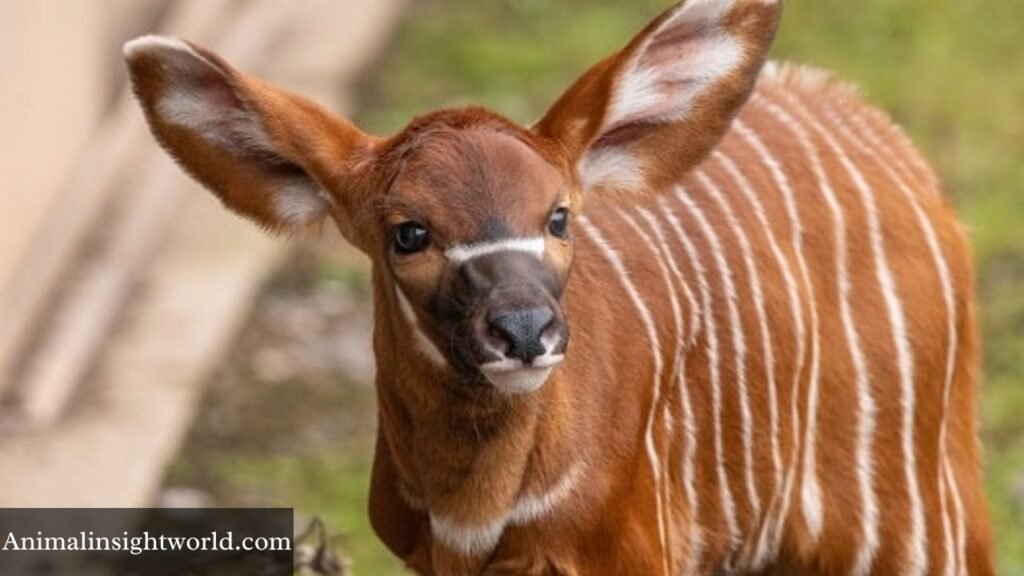
These graceful animals are also fascinating for their social structure. While they tend to be more solitary or found in small groups, female bongos often engage in nurturing behaviors, forming strong bonds with their offspring. This maternal instinct exemplifies the deep connection between species and their environment, highlighting the importance of community in the heart of the bamboo forest. As the pressures of habitat destruction and poaching mount, understanding and protecting these majestic animals becomes vital — not only for their survival but for maintaining the biodiversity of the ecosystems they inhabit.
You can also read: Explore Top 17 Animals With Red Eyes.
Asian Elephants
Scientific Name: Elephas maximus
Class: Mammalia
Diet: Herbivore
Asian elephants are remarkable inhabitants of bamboo forests, where these towering grasses form an essential part of their diet and habitat. Unlike their African counterparts, these majestic creatures have adapted to thrive in the dense and often challenging bamboo ecosystems. Their strong tusks and powerful trunks help them not only to forage for tender bamboo shoots but also to shape their environment by clearing paths through thick underbrush. This foraging behavior facilitates nutrient cycling, making them crucial to the overall health of the forest.
Moreover, the interplay between Asian elephants and bamboo is a testament to the interdependence of species within these ecosystems. When elephants consume bamboo, they stimulate new growth, allowing younger plants to thrive and creating a mosaic of different vegetation that supports various other wildlife. This natural landscaping effect nurtures a diverse range of flora and fauna, making bamboo forests vital sanctuaries for countless organisms, from insects to birds. In essence, Asian elephants are not merely inhabitants; they are ecosystem engineers, shaping their bamboo homes and playing an integral role in the ecological balance of the forest.
Bamboo Foliage-Gleaner
Scientific Name: Anabazenops dorsalis
Class: Aves
Diet: Insectivore
The Bamboo Foliage-Gleaner, a small yet fascinating bird, has carved out a unique niche in the heart of bamboo forests. These agile avian foragers are adept at navigating the intricate labyrinth of bamboo leaves and stems. Their diet consists primarily of insects and small invertebrates, which they expertly extract from the dense foliage using their sharp, curved beaks. This adaptability not only showcases their resourcefulness but also highlights the ecological symbiosis present in bamboo ecosystems, where every creature plays a pivotal role in maintaining balance.
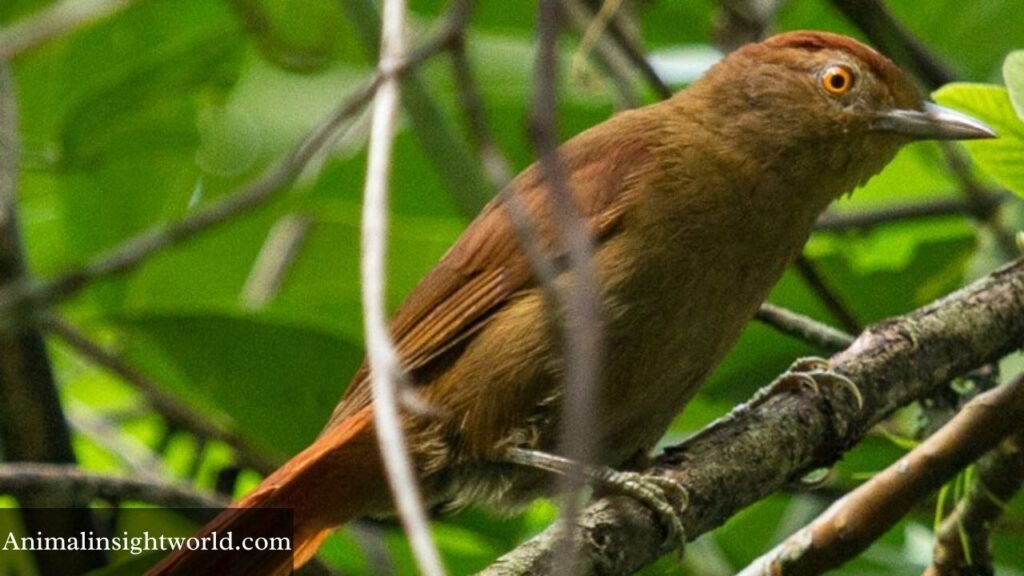
One of the most captivating aspects of the Bamboo Foliage-Gleaner’s behavior is their vocalization, often described as a melodious combination of chirps and whistles that resonate through the bamboo groves. These calls serve multiple purposes, from attracting mates to defending territory, adding an enchanting soundscape to their verdant habitat. Interestingly, the presence of these birds indicates the health of their bamboo environment; a thriving population often signifies a well-maintained ecosystem, rich in biodiversity.
Golden Monkey
Scientific Name: Cercopithecus kandti
Class: Mammalia
Diet: Herbivore
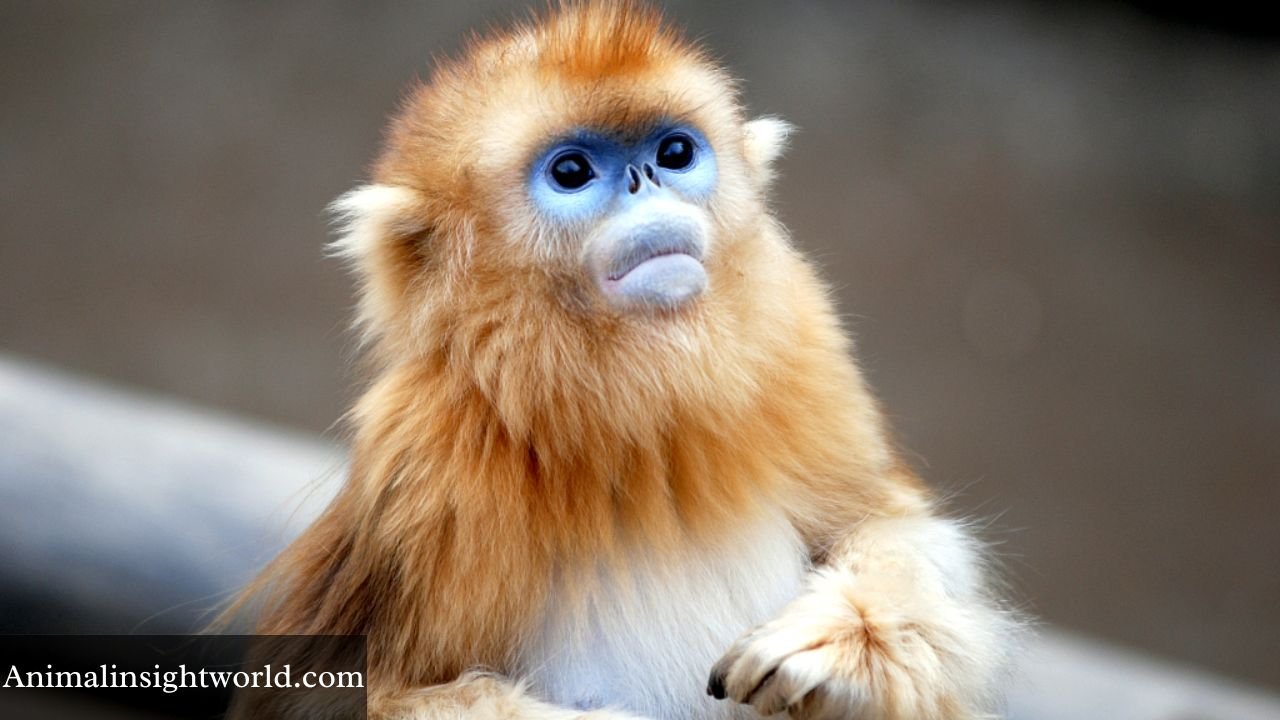
The golden monkey, also known as the Sichuan golden snub-nosed monkey, thrives in the mystical bamboo forests of China’s mountainous regions. Sleek black and golden fur grants these captivating primates exceptional camouflage among the dappled light of the forest canopy. Their unique adaptations, like a specialized digestive system designed for processing bamboo, allow them to thrive in an environment where few other species can sustain themselves.
These monkeys are not just masters of survival but also exhibit extraordinary social behavior. Living in groups of up to 30, they display intricate social hierarchies and playful interactions, which are vital for strengthening bonds within the troop. A remarkable yet often-overlooked aspect of their behavior is their vocal communication; their melodic calls echo through the bamboo thickets, creating a symphony of sound that adds to the enchanting atmosphere of their habitat. Observing a troop of golden monkeys playing among the swaying bamboo gives a glimpse into the vibrant social lives of these extraordinary creatures, reminding us of the delicate balance that exists in nature.
Red Pandas
Scientific Name: Ailurus fulgens
Class: Mammalia
Diet: Herbivore
Red pandas, with their striking reddish-brown fur and charmingly masked faces, are not just adorable but also fascinating creatures deeply adapted to their bamboo forest environment. Often mistaken for bears, these small mammals are more closely related to raccoons and have evolved unique characteristics to thrive in the cool, mountainous regions of Asia. Their specialized diet consists primarily of bamboo, which makes up about 95% of their intake. They possess a strong set of molars and a special wrist bone that acts as a pseudo-thumb, allowing them to grasp and manipulate bamboo stalks with surprising dexterity.
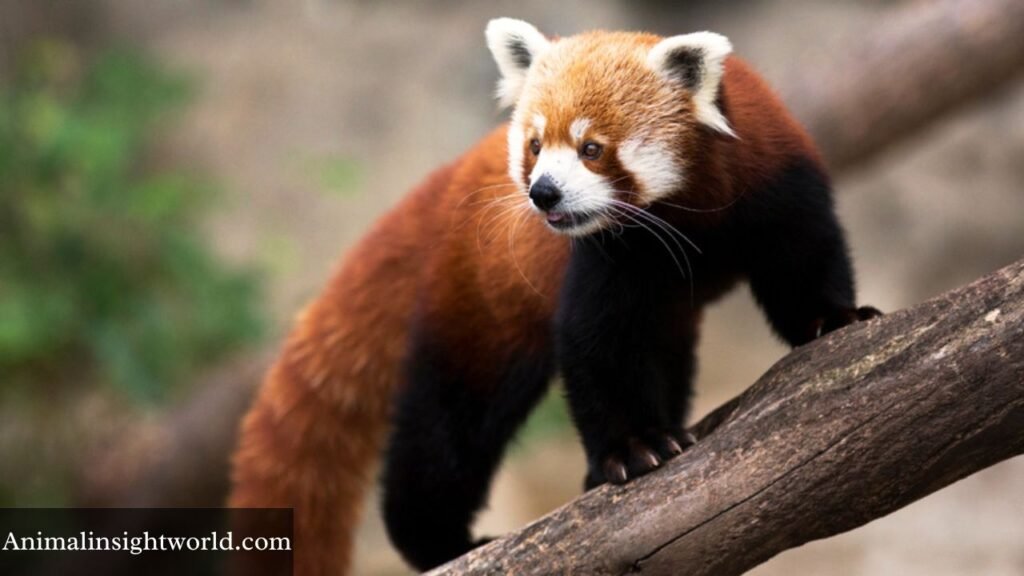
Beyond their dietary adaptations, red pandas play a crucial role in the ecosystem of bamboo forests. By consuming vast amounts of bamboo, they help manage the growth and health of these plants, preventing overgrowth and promoting biodiversity. Interestingly, red pandas are primarily solitary animals, coming together only during mating season. This solitary nature contributes to their vulnerable status, as they require large territories to find sufficient food. As climate change threatens their bamboo habitat, conservation efforts become increasingly vital, not just to protect the red pandas, but to preserve the intricate balance of their entire ecosystem.
Giant Panda
Scientific Name: Ailuropoda melanoleuca
Class: Mammalia
Diet: Herbivore
The giant panda, often recognized for its striking black-and-white fur, thrives in the cool, misty bamboo forests of China. These enchanting creatures have developed a specialized diet that consists almost entirely of bamboo, consuming up to 40 pounds of it daily. Remarkably, pandas have strong jaw muscles and unique molars designed to crush the tough, fibrous stalks, showcasing a fascinating adaptation that highlights their reliance on this seemingly simple plant. Yet, this dependence also underscores the vulnerability of both pandas and their habitats, making conservation efforts crucial in preserving their delicate ecosystem.
Beyond their dietary habits, giant pandas play a vital role in maintaining the health of their bamboo forests. As they forage, they help promote growth by enabling new shoots to spring up, creating a dynamic balance within the ecosystem. Rarely seen in the wild, these solitary animals are not just symbols of wildlife preservation; their coexistence with the surrounding flora emphasizes the intricate connections within the forest. Each panda represents a unique thread in the tapestry of biodiversity, reminding us of the delicate interdependence of life and the importance of safeguarding these precious habitats for generations to come.
Bamboo Vipers
Scientific Name: Trimeresurus stejnegeri
Class: Reptilia
Diet: Carnivore
Bamboo vipers, elusive denizens of Asia’s verdant bamboo forests, are a fascinating study in adaptation. Their vibrant green and yellow scales blend seamlessly with their surroundings, an evolutionary trait that offers both camouflage and a striking aesthetic. Unlike many snakes, bamboo vipers exhibit a remarkable arboreal lifestyle, often seen coiled around bamboo stalks or gracefully navigating their heights. This not only showcases their agility but also positions them to ambush unsuspecting prey, primarily small mammals and birds.
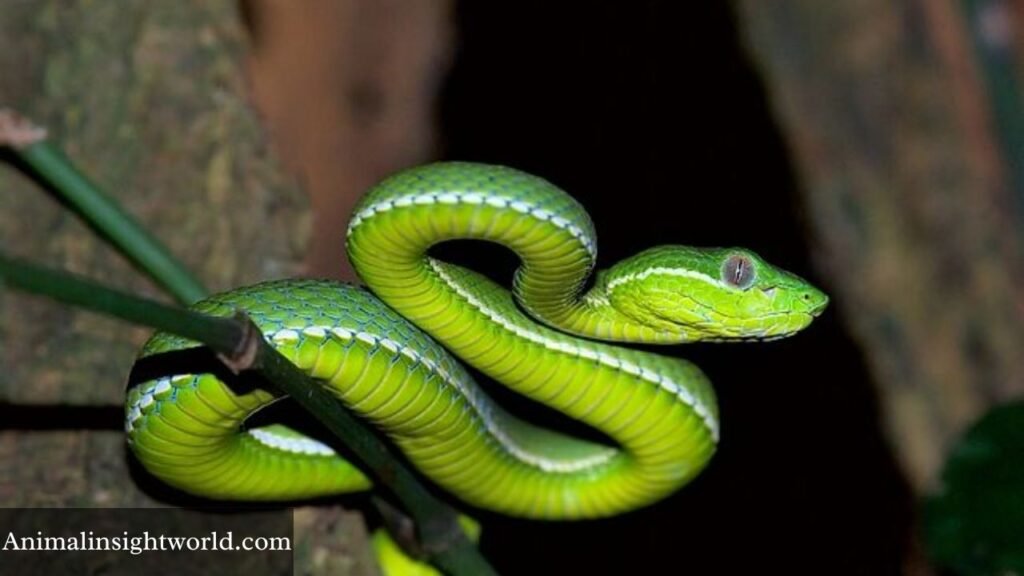
What sets these vipers apart is their unique sensory capabilities. Equipped with specialized pits, they can detect temperature variations, allowing them to hone in on warm-blooded animals even in the dim light of the forest. Moreover, their reproductive strategy is equally compelling; they bear live young, which enhances their survival in the competitive bamboo ecosystem. As bamboo forests face threats from deforestation and climate change, understanding the vital role of these snakes becomes paramount.
Spotted Bamboowren
Scientific Name: Psilorhamphus guttatus
Class: Aves
Diet: Insectivore
The Spotted Bamboowren, often overlooked amidst the lush greenery of bamboo forests, is a fascinating glimpse into the delicate balance of this unique ecosystem. These elusive birds possess a striking plumage, adorned with intricate patterns that blend seamlessly with their surroundings. This camouflage serves a dual purpose: not only do they evade predators, but they also become an integral part of the bamboo landscape, illustrating nature’s artistry and functional design.
Their diet is a testament to the bamboo forest’s rich biodiversity. Feeding primarily on insects and other small invertebrates, Spotted Bamboowrens play a crucial role in controlling pest populations, thereby fostering a healthier plant community. Interestingly, they have developed specialized foraging techniques, utilizing their long, slender bills to probe the nooks and crannies of bamboo stalks. This adaptation highlights the intricate relationship between the birds and their environment, where survival hinges on understanding the subtleties of a dynamic habitat.
Bamboo Rats
Scientific Name: Rhizomyinae
Class: Mammalia
Diet: Herbivore
Bamboo rats, unique rodents found in Southeast Asian bamboo forests, thrive in an environment that supports their extraordinary adaptations. These critters are not just adept at navigating the dense, labyrinthine growth of bamboo; they possess powerful front teeth specifically designed for gnawing through tough shoots. This allows them to feast on the nutritious rhizomes and stems that many other animals can’t access, providing them a competitive edge in a habitat teeming with other forage-seeking creatures.
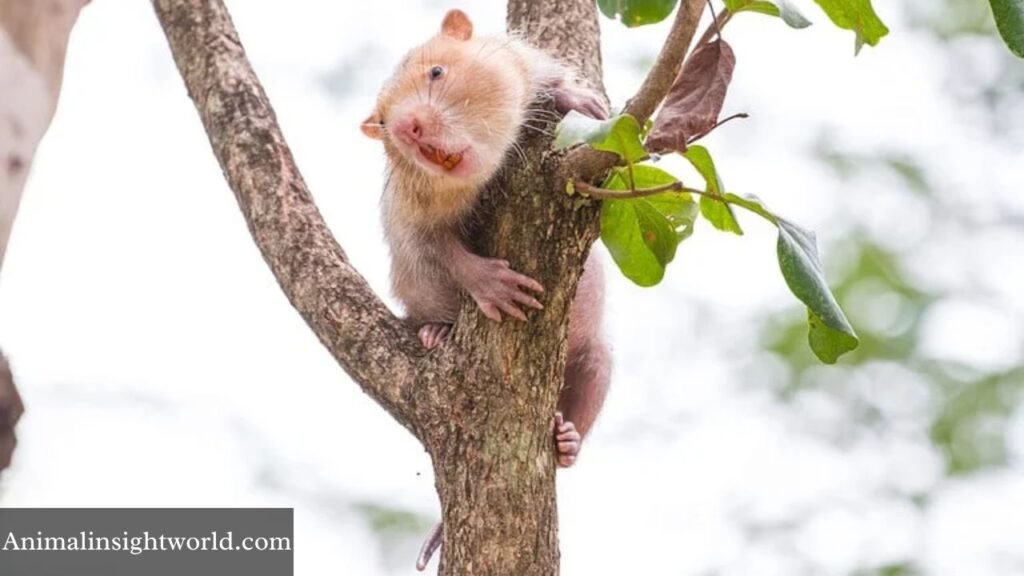
Beyond their diet, bamboo rats exhibit fascinating social behaviors that set them apart from traditional rodent species. Often living in intricate burrow systems beneath the forest floor, they create communal nests that foster a complex social structure. These burrows serve as safe havens from predators and harsh weather, reflecting a level of environmental intelligence that enhances their survival. As they interact with the dense bamboo, bamboo rats inadvertently contribute to forest health by aerating the soil and dispersing seeds, making them unsung heroes in maintaining the vitality of their unique ecosystem. Their presence is a reminder of how interconnected life can be, even among the smallest of inhabitants.
Eastern Gorillas
Scientific Name: Gorilla beringei
Class: Mammalia
Diet: Herbivore
Eastern gorillas, particularly the Grauer’s gorilla, inhabit the lush bamboo forests of the eastern Democratic Republic of the Congo. These ecosystems, richly layered with dense vegetation, provide not just shelter but a vital food source for these remarkable primates. Unlike their Western counterparts, Eastern gorillas have adapted well to the unique challenges of bamboo forests, showcasing their impressive foraging abilities. They consume vast amounts of bamboo shoots and leaves, processing nutrition from the fibrous plant that many other species struggle to digest.
What’s particularly fascinating is the social structure within these gorilla groups. Living in small, tight-knit troops, they engage in complex social interactions, using grooming and play to strengthen bonds. The peaceful coexistence in these forests highlights the balance of life in this fragile ecosystem, where each gorilla’s role is interconnected with its environment. However, the threats posed by habitat destruction and poaching loom large, emphasizing the urgent need for conservation efforts. The survival of these gentle giants depends not just on protecting their bamboo habitats but on understanding their vital role in maintaining the ecological health of the forests they call home.
Bale Mountain Vervet
Scientific Name: Chlorocebus djamdjamensis
Class: Mammalia
Diet: Herbivore
The Bale Mountain Vervet, a unique primate endemic to the lush bamboo forests of Ethiopia’s Bale Mountains, showcases the intricate relationship between wildlife and its environment. These nimble monkeys, with their striking emerald coats and expressive faces, have evolved to navigate the dense bamboo thickets with remarkable agility. Their diet primarily consists of bamboo shoots, leaves, and the occasional fruit, reflecting a specialization that emphasizes the importance of preserving their fragile habitat.
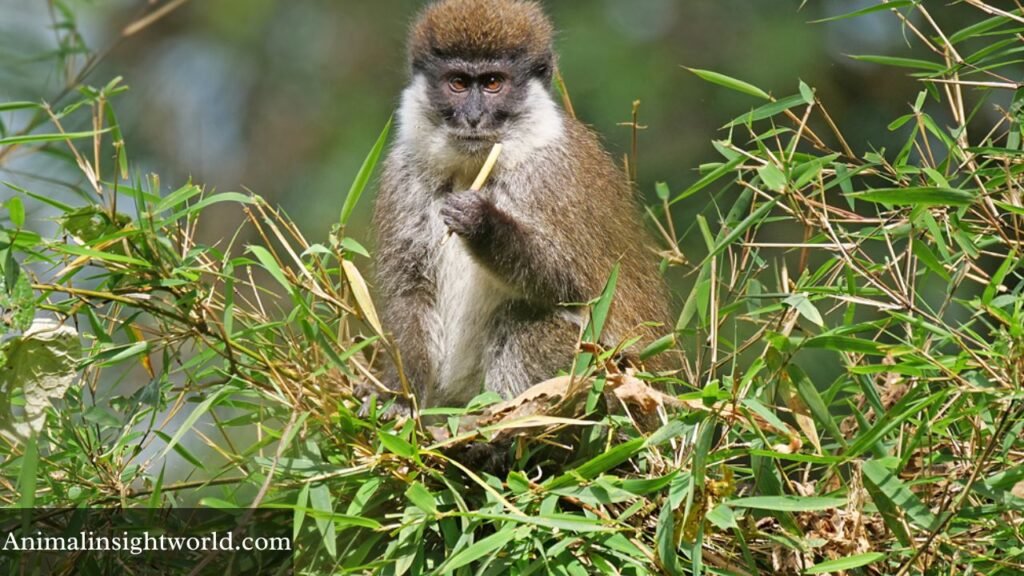
Beyond their physical adaptations, Bale Mountain Vervets exhibit fascinating social structures that highlight their intelligence and community-oriented behaviors. They communicate through a blend of vocalizations and physical gestures, fostering bonds within their groups while also working together to forage for food. As climate change threatens their bamboo forest home, the resilience of these vervets sparks a conversation about the delicate balance of ecosystems and the urgent need for conservation efforts. Observing their playful interactions and complex social dynamics offers a profound reminder of the interconnectedness of all living beings and the vital role that such unique species play in maintaining ecological health.
African Elephants
Scientific Name: Loxodonta africana
Class: Mammalia
Diet: Herbivore
African elephants are often associated with savannas and woodlands, yet their relationship with bamboo forests reveals a fascinating layer of their adaptability. In regions where bamboo thrives, these elephants have been observed engaging with this unique ecosystem in unexpected ways. Not merely as foragers, they play a crucial role in maintaining biodiversity. By uprooting and trampling dense bamboo thickets, elephants create pathways that benefit countless smaller species, allowing sunlight to penetrate and fostering a richer understory.
Beyond their ecological impact, bamboo offers a nutritious supplement to the elephants’ varied diet. In areas like the rainforests of Central Africa, young bamboo shoots are a seasonal delicacy, packed with essential nutrients. This dietary preference showcases their adaptability, as they shift feeding patterns in response to the availability of resources. Observing these majestic creatures in bamboo forests fosters a deeper appreciation for their intelligence and resourcefulness, reminding us of the intricate connections within ecosystems that depend heavily on keystone species like the African elephant.
Bamboo Lemurs
Scientific Name: Hapalemur
Class: Mammalia
Diet: Herbivore
Bamboo lemurs, unique to the lush bamboo forests of Madagascar, play a fascinating role in their ecosystem. These small primates have developed specialized adaptations that allow them to thrive in a habitat dominated by tall, swaying bamboo stalks. Their diet consists primarily of this versatile grass, which not only provides food but also shelter from predators. What’s particularly remarkable is their ability to consume bamboo shoots that are toxic to many other animals, showcasing a refined digestive system that has evolved specifically for this purpose.
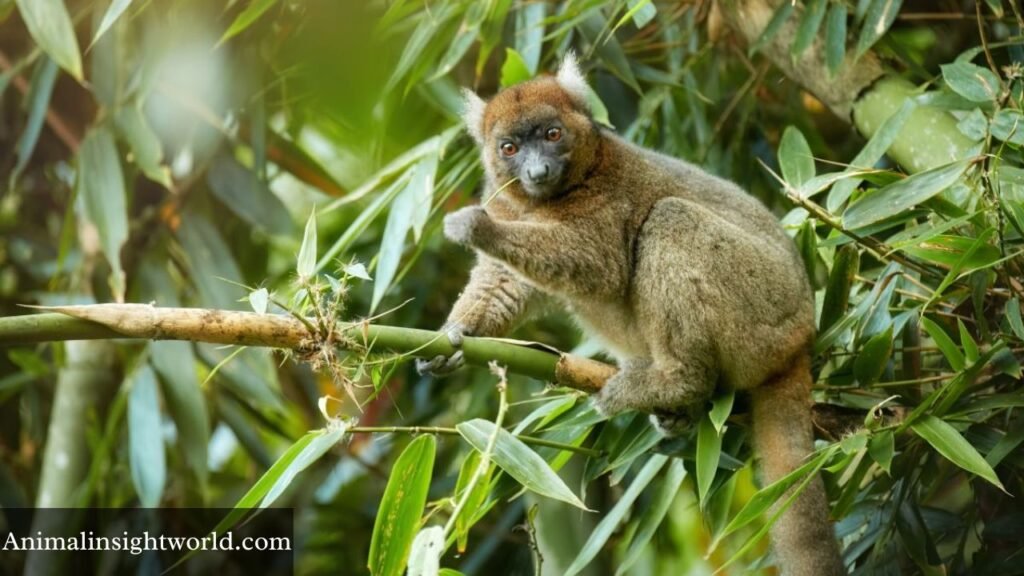
These lemurs also exhibit intriguing social behaviors, often living in small family groups. Their vocalizations resonate through the forests, creating a symphony of sounds that echo the vibrant life around them. Interestingly, bamboo lemurs demonstrate a unique foraging technique, preferentially selecting the most nutrient-rich parts of the bamboo, thus influencing the health of their ecosystem. By spreading seeds and helping maintain bamboo growth, they ensure that their intricate woodland home continues to flourish, making them not just inhabitants but essential stewards of their bamboo domain.
Readmore: Explore Top 15 Animals That Live in Rivers.
Final Thoughts
The inhabitants of bamboo forests showcase the incredible biodiversity that thrives within these ecosystems. Animals ranging from small rodents to large mammals depend on the bamboo for their survival, highlighting its importance as a resource. As we learn more about these species and their interdependence with their habitat, it becomes clear that protecting bamboo forests is vital for ecological balance. Initiatives aimed at conserving these unique environments can help mitigate the impacts of human activity. Let us take action today to safeguard these remarkable habitats and their diverse wildlife for future generations.
FAQs
Do sloths live in bamboo forests?
Sloths do not typically inhabit bamboo forests. These unique creatures are primarily found in the tropical rainforests of Central and South America, where they prefer the canopy of trees, particularly species like mahogany and rubber trees. Their diet mainly consists of leaves, fruits, and flowers from various tree species rather than bamboo, which doesn’t provide the nutritional needs that sloths require.
Do giraffes eat bamboo?
Giraffes primarily feed on leaves from trees and shrubs, with a particular fondness for acacia species. Their long necks and specialized tongues help them reach high branches, allowing them to access food that many other herbivores can’t. While bamboo is not a typical part of their diet, it’s important to note that giraffes are browsers and may nibble on various plant types when their preferred food sources are scarce.
What are the animals that eat bamboo?
The most well-known bamboo eaters are giant pandas. These bears rely almost exclusively on bamboo for their diet, consuming massive amounts daily to meet their nutritional needs. Their specialized digestive system allows them to process this tough plant, despite its low nutritional value. Other animals that enjoy bamboo include red pandas, which are not closely related to giant pandas but share a similar diet preference. Some species of lemurs, elephants, and various insects, like bamboo borers, also feast on bamboo.
What animals live in the bamboo forest?
Bamboo forests are home to a diverse range of animals. One of the most famous inhabitants is the giant panda, which relies heavily on bamboo for its diet. Other mammals like red pandas, which are also bamboo eaters, and various species of monkeys, including macaques, can be found in these habitats. In addition to mammals, bamboo forests support a variety of bird species such as the bamboo partridge and various woodpeckers that nest in the trees. You’ll also find reptiles and insects, including snakes and butterflies, which thrive in the lush, green environment of bamboo.