Top 11 Animals Like Horses (Images Included)
Animals like horses have captivated humans for centuries, serving as companions, workers, and athletes. Beyond their majestic stature and grace, these animals share unique bonds with other species. In this article, we’ll explore fascinating animals that mirror the qualities of horses, their significance in our lives, and how understanding them can enrich our appreciation for diverse wildlife. Join us on this journey to discover the poignant connections that exist in the animal kingdom.
List of Animals Like Horses
Below is the list of animals like horses:
- Zebras
- Kiang
- Donkey
- Mule
- Kulan
- Tapirs
- Przewalski’s Horse
- Okapi
- Onager
- Eland
- Moose
Zebras
Scientific Name: Equus quagga
Class: Mammalia
Diet: Herbivore
Zebras, often seen as the wild cousins of horses, embody a unique blend of beauty and enigma. Their striking black-and-white stripes are not merely a fashion statement; recent studies suggest that these patterns serve multiple purposes, including temperature regulation and camouflage against predators in the tall grasses of the savanna. This captivating adaptation challenges our perception of coloration in animals, pushing us to rethink the evolutionary advantages of such bold patterns in the natural world.
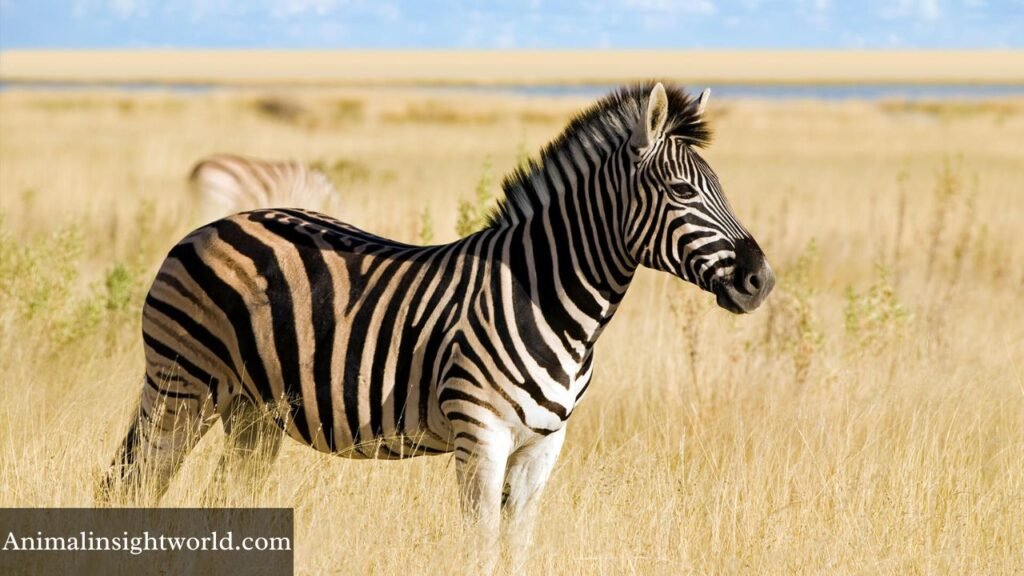
Beyond their appearance, zebras also display complex social behaviors that mirror those of horses in intriguing ways. They form tight-knit family units, known as harems, where a dominant stallion leads a group of mares and their young. These social structures illustrate the emotional depth of zebras, as they communicate through a variety of vocalizations and body language, fostering bonds that ensure the safety and cohesion of their groups. Observing these interactions not only enriches our understanding of zebras but also invites us to appreciate the intricate social networks that exist among animals, encouraging us to reflect on our connections within the human realm.
Kiang
Scientific Name: Equus kiang
Class: Mammalia
Diet: Herbivore
The kiang, a wild equine native to the Tibetan Plateau, is a remarkable example of nature’s resilience. Unlike domesticated horses, kiangs thrive in the harshest of environments, traversing high altitudes where few other animals can survive. Their sturdy, muscular build and unique adaptations allow them to endure extreme temperatures and scarce vegetation, showcasing an extraordinary relationship between species and habitat.
What’s particularly fascinating about kiangs is their social structure. They often form small, cohesive herds led by a dominant stallion, providing an incredible display of social dynamics akin to that of elephants or wolves. This cooperative behavior is vital for survival in the rugged landscape, as it enables them to both protect the young and collectively evade predators. Observing kiangs in their natural setting reveals a depth of emotional intelligence that challenges our perceptions of equine behavior, prompting further exploration into the complexities of their social interactions.
Donkey
Scientific Name: Equus africanus asinus
Class: Mammalia
Diet: Herbivore
Donkeys, often seen as the underdogs of the equine family, possess an undeniable charm and intelligence that many overlook. With their sturdy builds and expressive faces, these animals have a reputation for being stubborn, but this trait often stems from their deep-seated self-preservation instincts. Unlike horses, donkeys are incredibly careful thinkers — they’re not quick to jump into danger. This thoughtful nature makes them reliable companions, especially in challenging terrains where quick reflexes might lead to trouble.

Moreover, donkeys are social creatures that thrive on companionship. They form strong bonds with both humans and other animals, often displaying remarkable empathy. Their unique vocalizations, like the iconic bray, communicate a range of emotions, from excitement to distress, highlighting their complex personalities. As their popularity in sustainable agriculture rises, many are rediscovering the donkey’s versatility, from packing gear to providing companionship for livestock. This renaissance invites us to celebrate these misunderstood animals and view them not just as beasts of burden, but as intelligent, loving partners in our lives.
Mule
Scientific Name: Equus mulus
Class: Mammalia
Diet: Herbivore
Mules, the hybrid offspring of a male donkey and a female horse, are often overshadowed by their equine relatives, yet these remarkable creatures offer unique strengths and characteristics that merit attention. Known for their exceptional intelligence and strong work ethic, mules often outperform horses in various tasks, especially in challenging terrains. Their sturdy build and innate ability to navigate rocky paths make them indispensable in agriculture and mountainous regions, where their endurance can outlast that of standard horses.
Beyond their physical attributes, mules possess a fascinating emotional intelligence. They exhibit a blend of the tenacity of donkeys and the spirited nature of horses, leading to a personality that’s both resilient and thoughtful. This combination allows them to assess situations more cautiously than horses, making them less prone to impulsive behavior. As companions, mules can form strong bonds with humans, showcasing loyalty and a capacity for understanding that often surprises their handlers.
Kulan
Scientific Name: Equus hemionus kulan
Class: Mammalia
Diet: Herbivore
The kulan, often overshadowed by its more recognizable relatives, captivates with its unique blend of wild beauty and resilience. Native to the arid expanses of Central Asia, this elusive equid boasts a striking appearance: a robust body, large mane, and distinctively long ears reminiscent of the Nubian wild ass. Unlike domesticated horses, kulans possess a primal spirit that allows them to thrive in harsh environments, continuously adapting to the challenges posed by both predation and scarcity of resources.
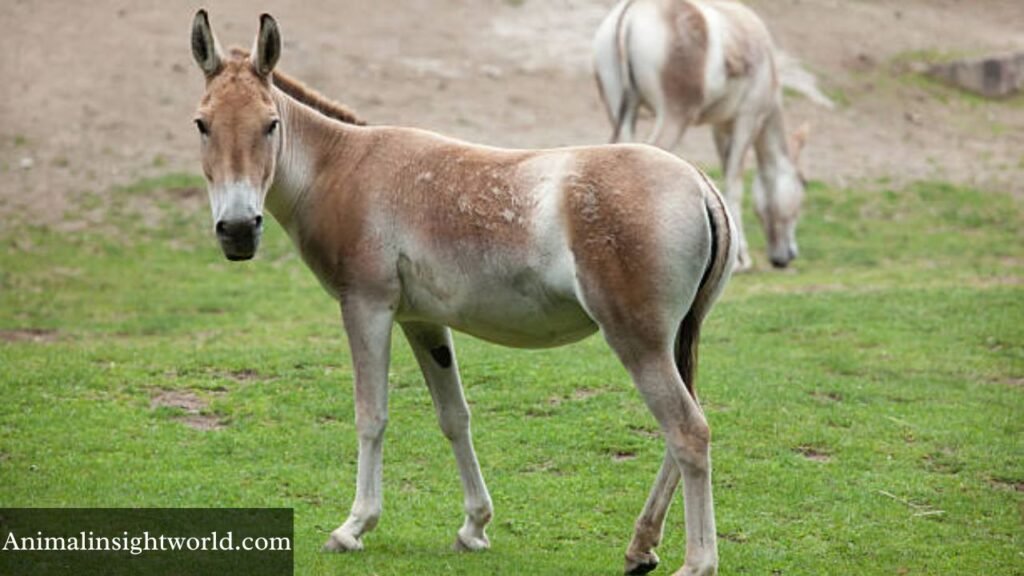
These animals exhibit remarkable social behaviors, forming tight-knit herds that reflect intricate social structures and hierarchies. Communication among kulans is nuanced, with a variety of vocalizations and body language facilitating interaction within their groups. Their survival instincts are sharpened by the volatile conditions they navigate daily, fostering a cleverness that rival even the most intelligent horse breeds. As human encroachment threatens their habitats, understanding the kulan’s adaptive strategies can inspire conservation efforts, emphasizing not only the need to preserve this unique species, but also to recognize the intricate ecosystems they are part of. Each kulan holds a story of resilience, offering a fascinating glimpse into the wild world of equids.
Tapirs
Scientific Name: Tapirus terrestris
Class: Mammalia
Diet: Herbivore
Tapirs, often overshadowed by more popular mammals, are intriguing creatures that share a surprising resemblance to horses in several ways. These semi-aquatic herbivores boast stout bodies, flexible snouts, and an endearing, almost prehistoric charm that captivates wildlife enthusiasts. Their ability to maneuver effortlessly through dense forests and swamps adds a layer of fascination to their existence, much like the grace of horses galloping along open plains.
One of the most captivating aspects of tapirs is their critical role in their ecosystems. As they forage, they consume a variety of fruits and plants, inadvertently aiding in seed dispersal and promoting biodiversity. This symbiotic relationship highlights how tapirs contribute to maintaining the health of their habitats, reminiscent of how horses can shape grasslands through their grazing. With their solitary and elusive nature, tapirs challenge our perceptions of social structure in the animal kingdom and remind us of the quiet yet vital roles that lesser-known species play in our world.
Przewalski’s Horse
Scientific Name: Equus ferus przewalskii
Class: Mammalia
Diet: Herbivore
The Przewalski’s horse, often considered the last truly wild horse species, carries an enigmatic legacy that stirs fascination among wildlife enthusiasts. Unlike their domestic relatives, these horses embody a raw, untamed spirit. Originating from the steppes of Central Asia, they thrive in arid landscapes, showcasing remarkable adaptability that speaks to their resilience and survival instincts. With their stocky build, erect mane, and distinctive dun coloring, Przewalski’s horses are easily recognizable, but what’s even more intriguing is their unique social structure. They live in small family groups led by a stallion, exhibiting behaviors that reveal deep social bonds and a complex understanding of their environment.

Moreover, the conservation story of Przewalski’s horse is one of triumph against extinction. Once declared extinct in the wild in the 1960s, their reintroduction through captive breeding programs has spurred a remarkable comeback. Today, they roam wild once more, albeit in limited areas, thanks to concerted efforts from conservationists and researchers. The challenges they face, however, serve as a poignant reminder of the delicate balance between preserving wild habitats and the encroaching pressures of human activity. Understanding their plight not only highlights the importance of biodiversity but also invites us to reflect on our responsibility toward the natural world. Engaging with the story of Przewalski’s horse enriches our appreciation for animal resilience and the intricate web of life they inhabit.
Okapi
Scientific Name: Okapia johnstoni
Class: Mammalia
Diet: Herbivore
The okapi, often dubbed the “forest giraffe,” is a remarkable creature that tantalizes scientists and wildlife enthusiasts alike. Native to the dense rainforests of the Democratic Republic of the Congo, this enigmatic animal blends elements of both giraffes and zebras, showcasing a stunning coat marked with horizontal stripes that mimic the vibrant patterns of the latter. However, unlike their more famous relatives, okapis have a short neck and a more compact body, allowing them to navigate through their lush, leafy habitat with ease.
What sets the okapi apart is not just its striking appearance but its role within its ecosystem. As browsers, they play a crucial part in the dispersion of seeds, facilitating the growth of various plant species. This unique relationship highlights the interconnectedness of life within the rainforest, reminding us that every species, no matter how unusual, contributes to the health of its environment. Yet, the okapi’s secretive nature and reliance on dense coverage make them difficult to spot in the wild, which adds an air of mystique and underscores the importance of conservation efforts aimed at preserving their dwindling habitat. Each sighting is a reminder of the extraordinary biodiversity that remains hidden within our world.
Onager
Scientific Name: Equus hemionus
Class: Mammalia
Diet: Herbivore
The onager, a wild equid native to the arid landscapes of Asia, often draws comparison to its domesticated relatives, like horses, but it offers a unique glimpse into the raw essence of equine life. Unlike horses, onagers are known for their strikingly robust resilience to harsh environments, often thriving where grass is scarce and water is a luxury. These animals possess a unique gait — more reminiscent of a donkey than a horse — which allows them to conserve energy while traversing rugged terrains.

Socially, onagers exhibit intriguing behaviors that challenge our understanding of equine dynamics. Unlike horses, which often form tight-knit herds, onagers tend to establish more fluid social structures. Their interactions can vary from the playful, engaging in sparring matches, to the solitary, where an individual may roam independently in search of resources. This adaptability is a testament to their survival instincts, showcasing a level of intelligence that allows them to navigate the complexities of their environment with finesse. As we delve deeper into their world, we begin to unravel not just the biological adaptations but also the rich tapestry of behaviors that define these remarkable creatures.
Eland
Scientific Name: Taurotragus oryx
Class: Mammalia
Diet: Herbivore
Elands, the largest of the African antelopes, are often overshadowed by their more famous counterparts like zebras and elephants. Yet, these majestic creatures boast an extraordinary blend of grace and strength. Their impressive spiraled horns can grow up to 39 inches long, serving not just as a weapon but also as a symbol of status among males. The striking color variations of their coats, ranging from light tan to deep chocolate, provide perfect camouflage among the savanna grasslands, making them a fascinating study of survival adaptation.
Unlike horses, which are often seen in domestic settings, elands thrive in the wild, exhibiting a fascinating social structure. They tend to form loose herds, often comprising females and their young, while males may roam solo or in bachelor groups. This fluidity allows them to cover vast territories in search of food, embodying an elegant nomadic lifestyle. Moreover, elands exhibit a unique behavior of “jumping” when startled — a broad, graceful leap that showcases their powerful legs, a spectacle that can leave onlookers in awe and dispel the myth that all antelope merely flee in straight lines when threatened. Their unbeaten charm lies not only in their physical prowess but also in their remarkable adaptability to Africa’s diverse ecosystems.
Moose
Scientific Name: Alces alces
Class: Mammalia
Diet: Herbivore
Moose are fascinating creatures that embody a unique blend of grace and robustness, much like their equine counterparts. Standing tall with their long legs and impressive antlers, these gentle giants roam the dense forests and wetlands of North America, capturing the imagination of those lucky enough to encounter them. Unlike horses, which have been domesticated and molded for companionship and labor, moose maintain a wild essence, a testament to nature’s design and untamed spirit.

These magnificent animals exhibit striking behaviors that can be akin to the camaraderie often seen in herds of horses. Moose are known to be social, particularly in the mating season, where their vocalizations echo through the woods, calling to potential mates. Yet, their solitary nature for most of the year reflects a deep-seated independence reminiscent of mustangs roaming free. The sheer power and poise of a moose navigating through dense brush or deep snow not only stir admiration but also highlight the incredible adaptations these animals have developed for survival in harsh environments.
Readmore: Explore Top 15 Most Active Animals in the World
Final Thoughts
Animals like horses, such as zebras, donkeys, and even some species of large mammals, offer fascinating insights into the equine family. Each of these creatures exhibits unique traits that reflect their adaptations to different environments and lifestyles, yet they all possess a shared lineage that connects them to the majestic horse. Understanding these similarities helps us appreciate the diversity of the animal kingdom and the role each species plays in its ecosystem. Furthermore, fostering a greater appreciation for these animals can lead to more sustainable conservation efforts. So, let us continue to explore and celebrate the remarkable world of equine relatives.
FAQs
What animals are similar to horses?
When considering animals like horses, several species come to mind that share physical traits, behaviors, or historical domestication. Donkeys, for instance, are closely related to horses and belong to the same family, Equidae. Known for their strength and endurance, donkeys are often used as pack animals and exhibit a gentle yet stubborn personality. Another notable relative is the zebra, which shares the horse’s distinctive physique but is easily identifiable by its unique black-and-white stripes. While zebras are not domesticated in the same way horses are, they exhibit strong herd instincts and social behaviors, making them fascinating subjects for study in their natural habitats.
What looks like a horse but is not a horse?
One animal that closely resembles a horse but isn’t one is the zebra. Zebras belong to the equine family, like horses, but they are distinct species with their own unique characteristics. Their striking black-and-white striped coats set them apart visually, and they have different behavioral traits, such as being more social and less domesticated than horses.