Explore Top 17 Animals That Hop (With Images)
In this article, we’ll explore the fascinating world of animals that hop, from kangaroos to frogs, revealing the unique adaptations that enable these creatures to leap great distances. Understanding these animals not only showcases the wonders of evolution but also highlights their importance in ecosystems. By reading on, you’ll gain insight into their behaviors and habitats, and perhaps discover a newfound appreciation for these dynamic jumpers.
List of Animals That Hop
Here is the list of animals that hop:
- Jerboa
- Snow Leopard
- Hare
- Kangaroo Rat
- Springbok
- Klipspringer
- Wallaby
- Cricket
- Red-Eyed Tree Frog
- Grasshopper
- Rabbit
- Jumping Mouse
- Jumping Spider
- Kangaroo
- Bharal
- Frog
- Leafhopper
Jerboa
Scientific Name: Dipodidae
Diet: Herbivore
The jerboa, a small rodent native to the deserts of Asia and North Africa, showcases a remarkable adaptation to its harsh environment through its unique hopping ability. These nimble creatures can hop distances of up to 3 meters in a single bound, navigating the rocky terrain with astounding grace. Their long hind legs are not just for show; they are finely tuned for speed and agility, allowing jerboas to evade predators and travel efficiently in search of food.
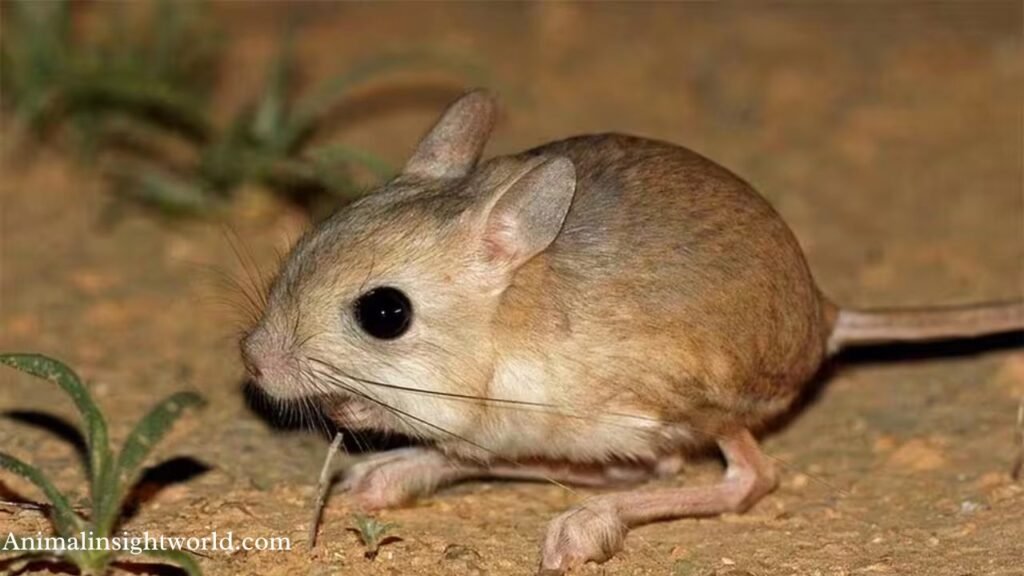
Interestingly, the jerboa’s hopping is not merely a means of movement; it serves a dual purpose in the animal’s survival. The rapid hops help conserve energy, a crucial factor in the energy-depleting desert climate where food and water resources can be scarce. This efficiency is complemented by their ability to maintain a consistent body temperature, allowing them to thrive in extreme heat while utilizing their impressive hops to forage and escape threats. Observing jerboas in action invites a newfound appreciation for how evolution shapes creature capabilities, transforming the desert’s challenges into opportunities for survival.
Snow Leopard
Scientific Name: Panthera uncia
Diet: Carnivore
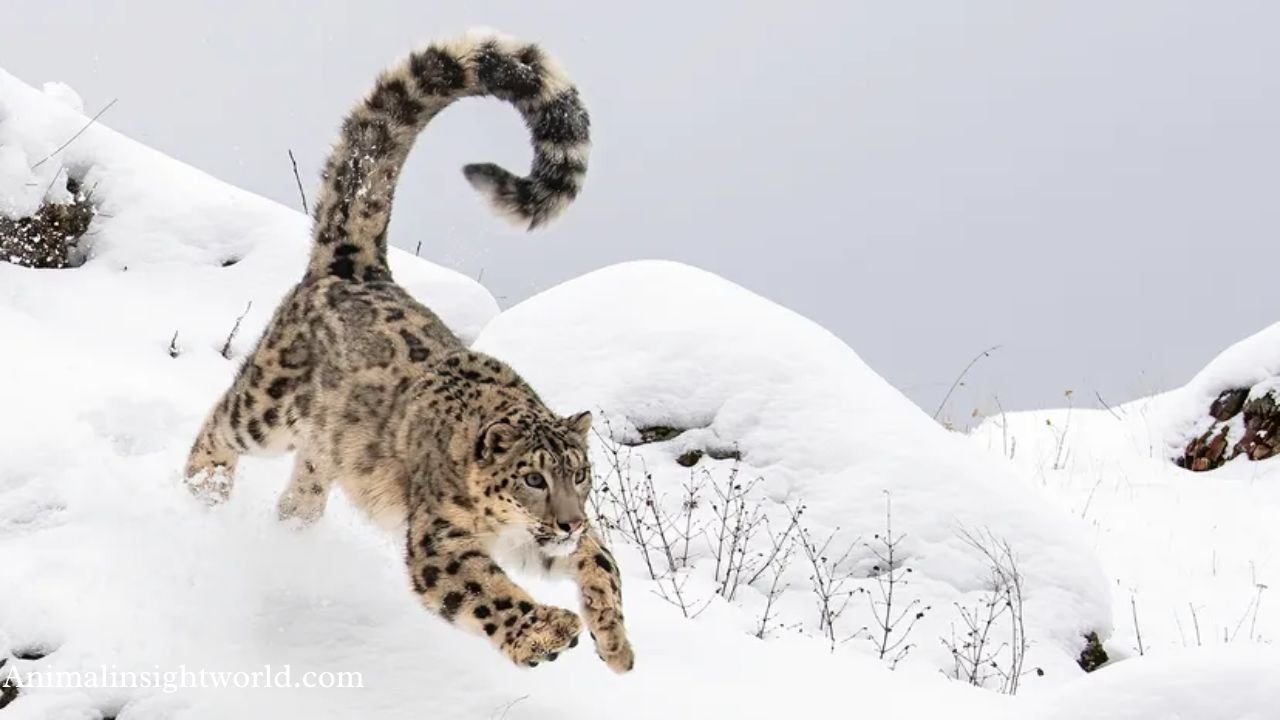
Snow leopards, elusive creatures of the high-altitude mountains, possess a remarkable ability to navigate their rugged terrain with astonishing grace. These magnificent cats can hop up to 50 feet in a single bound, a skill that enables them to traverse steep cliffs and snow-covered landscapes with ease. Their powerful hind legs allow them to make impressive hops, providing both a means of escape from potential predators and a method to skillfully pursue their prey.
What makes the snow leopard’s hopping technique fascinating is the way it blends agility with efficiency. Unlike other big cats, which rely heavily on speed, snow leopards use their powerful hops to cover significant ground without sacrificing energy — a vital trait in their cold, harsh environment. This specialized movement not only showcases their physical prowess but also highlights their adaptability, allowing them to thrive in some of the planet’s most challenging habitats.
Hare
Scientific Name: Leporidae
Diet: Herbivore
Hares are remarkable creatures, known for their extraordinary ability to hop great distances. They can cover up to 10 feet in a single hop, showcasing not only their powerful hind legs but also their keen survival instincts. This impressive distance allows them to evade predators effectively, adding an element of drama to their daily lives. Unlike rabbits, which tend to burrow, hares are born above ground and rely on their agility to escape danger.
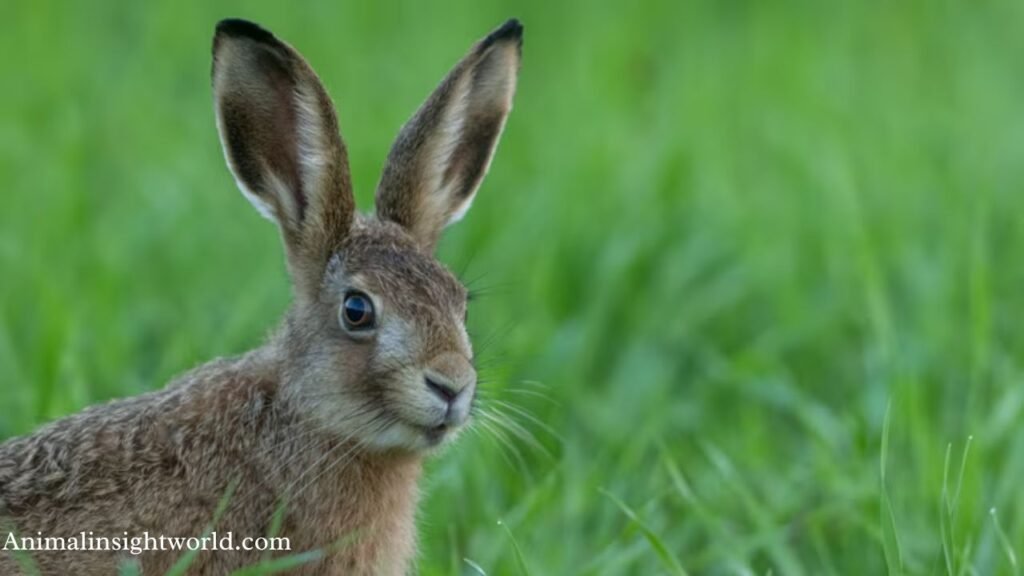
One fascinating aspect of a hare’s hop is how it reflects their evolution in various habitats. Their strong musculature and swift movements have adapted them to both open fields and dense underbrush, where agility can mean the difference between life and death. Observing a hare in action — hopping effortlessly across a meadow — offers a vivid insight into their world, where every hop serves a purpose, whether it’s for foraging or avoiding pursuit. This transition from steady grazing to explosive hops captures the very essence of their survival strategy, illustrating the intricate balance of power and grace that defines these remarkable animals.
Kangaroo Rat
Scientific Name: Dipodomy
Diet: Omnivore
The kangaroo rat, a marvel of adaptation, is known for its astounding ability to hop distances of up to 9 feet in a single bound. This small rodent, native to the arid landscapes of North America, relies on its powerful hind legs to navigate the sandy terrains of deserts with remarkable speed and agility. Its hops are not just for show; they serve as an essential survival mechanism, allowing it to evade predators and quickly access food sources.
What sets the kangaroo rat apart is its unique physiology. Equipped with a specialized system for retaining water, it can thrive in extreme environments where most animals would dehydrate. Unlike many rodents, it rarely drinks water, obtaining the moisture it needs from its food. Observing this creature in action offers a glimpse into the extraordinary lengths that evolution has taken to ensure survival in some of the harshest climates on Earth. Each hop tells a story of resilience, making the kangaroo rat a true emblem of adaptability in the wild.
Springbok
Scientific Name: Antidorcas marsupialis
Diet: Herbivore
Springboks are remarkable animals known for their incredible ability to hop impressive distances, often reaching up to 13 feet in a single bound. This extraordinary skill is not just a spectacle; it serves vital purposes in their natural habitat. By hopping, Springboks can quickly evade predators and navigate the rugged terrains of southern Africa. Their unique method of movement embodies a dance with nature, blending agility and grace in a way that captivates onlookers.
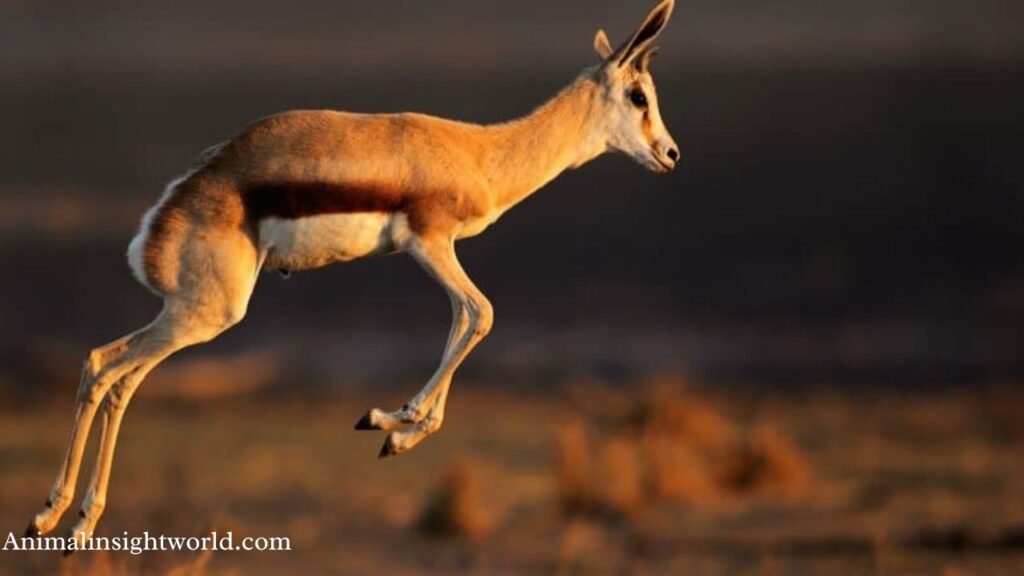
The Springbok’s hopping behavior also plays a crucial role in social interactions. During the breeding season, males often perform breathtaking display hops to attract females, showcasing their strength and vitality. These displays provide insights into fitness levels, essential for ensuring genetic diversity. Moreover, their iconic springing hops can communicate alarm to others in the herd, signaling danger without uttering a sound. Witnessing these lively creatures in action offers a vivid reminder of the intricate relationships between animals and their environment.
Klipspringer
Scientific Name: Oreotragus oreotragus
Diet: Herbivore
The Klipspringer, a small antelope native to the rocky hills and mountains of East and Southern Africa, showcases a remarkable ability that makes it a standout among hoppers. This nimble creature can effortlessly hop distances of up to six meters, enabling it to navigate the challenging terrain with ease and agility. Its unique, specialized hooves are designed for gripping rocky surfaces, allowing it to balance and hop with surprising precision on steep inclines.
What truly sets the Klipspringer apart is not just its impressive hopping skills, but its remarkable adaptation to its environment. This antelope’s coat changes from a grayish-brown in the summer to a lighter shade in winter, allowing it to blend seamlessly into its rocky surroundings and evade predators. Furthermore, its diet primarily consists of grasses and leaves, which it effectively grazes on while maintaining a vigilant posture, ready to hop away at a moment’s notice. Observing a Klipspringer in its natural habitat is a delightful reminder of nature’s ingenuity, illustrating how evolutionary traits can harmoniously coincide with the demands of survival.
Wallaby
Scientific Name: Macropodidae
Diet: Herbivore
Wallabies are a fascinating group of marsupials that exhibit incredible agility and strength through their unique hopping abilities. These charming creatures can cover distances of up to 30 feet in a single hop, a feat that not only showcases their physical prowess but also aids in traversing the rugged terrain of their native Australian habitats. Their powerful hind legs, designed for energy-efficient movement, allow them to travel quickly while conserving energy, making them adept at escaping predators.
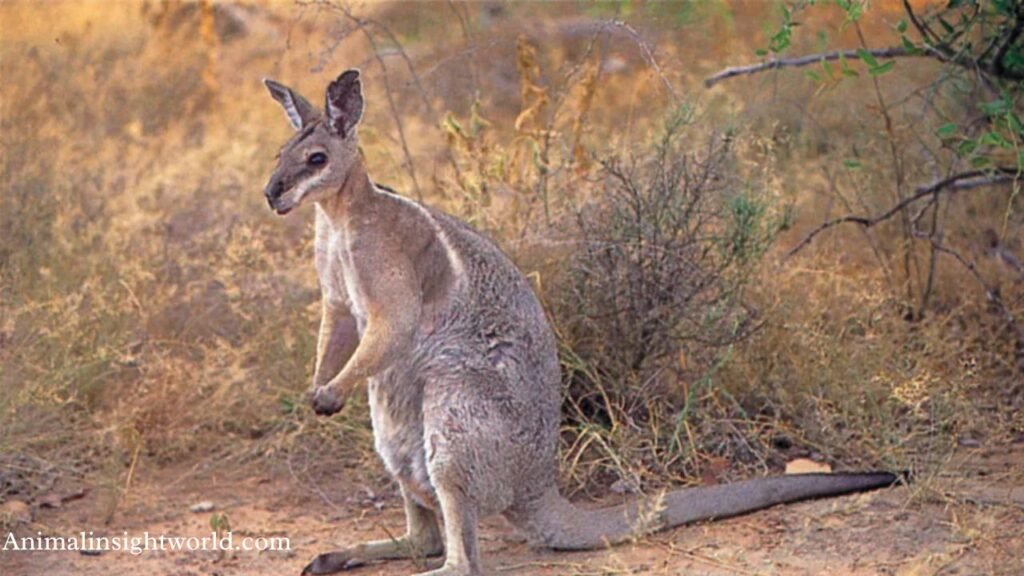
In addition to their impressive hop distance, wallabies possess highly developed senses, particularly their keen hearing and vision. These adaptations help them remain alert in their often-dense grassland environments. Interesting social dynamics emerge as well; wallabies are known to engage in playful hopping contests, which serve both as a bonding activity and a way to establish social hierarchies within their groups. Overall, wallabies’ unique combination of speed, agility, and social behavior makes them not just a marvel of nature, but also an essential part of Australia’s diverse ecosystems.
Cricket
Scientific Name: Grilloidea
Diet: Omnivore
Crickets are fascinating creatures that showcase remarkable agility with their impressive hop distances. These tiny insects can hop up to 12 inches, a feat that enables them to escape predators and explore their environment effectively. Their powerful hind legs, which have evolved specifically for this purpose, allow crickets to make quick, strategic movements — essential for both survival and finding mates. Watching a cricket hop feels like witnessing a miniature acrobatics performance, as they twist and turn in the air with astonishing precision.
What sets crickets apart in the hopping world is their unique ability to produce sound while they hop. As they lift off the ground, their wings create that iconic chirping noise, turning their hops into a rhythmic serenade for potential mates. This dual-functionality adds an intriguing layer to their behavior, as their hopping not only serves as a mode of transportation but also as a means of communication. When reflecting on the ecology of crickets, it’s fascinating to consider how their ability to hop helps maintain a delicate balance in ecosystems, influencing predator-prey dynamics and contributing to the symphony of natural sounds in various habitats.
Red-Eyed Tree Frog
Scientific Name: Agalychnis callidryas
Diet: Carnivore
The red-eyed tree frog, renowned for its vibrant coloration and distinctive red eyes, is not only a visual marvel but also an impressive athlete in the world of hoppers. Capable of hopping distances up to two meters, this agile amphibian relies on its powerful hind legs to navigate through its lush rainforest habitat. Each hop is a testament to its intricate muscle structure and bone alignment, allowing for both agility and precision as it avoids predators and seeks out food.
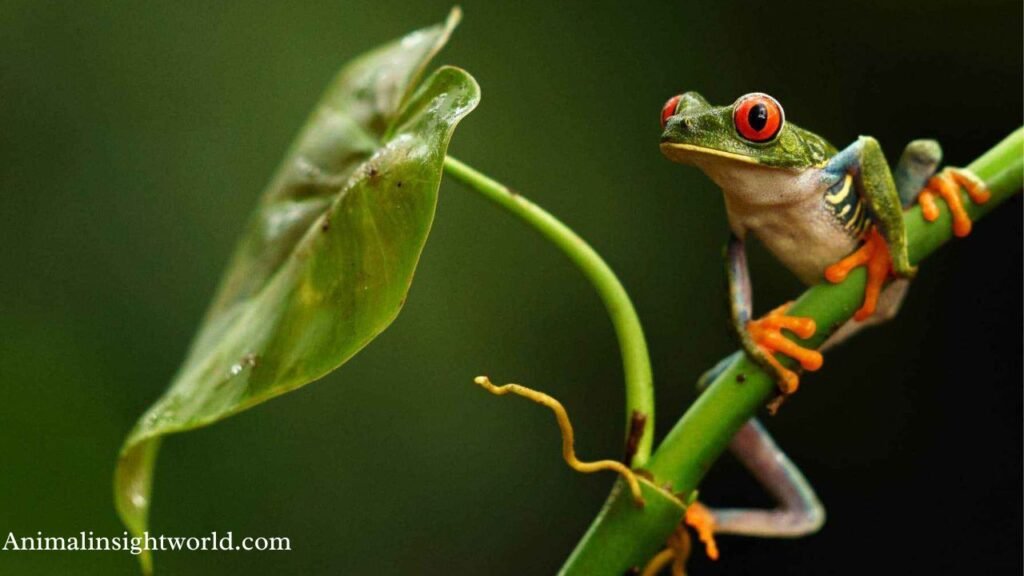
What sets the red-eyed tree frog apart is its unique method of hopping among the trees. Rather than simply bouncing from branch to branch, these frogs often perform controlled hops that minimize energy expenditure, demonstrating a remarkable efficiency. Their vibrant colors serve a dual purpose, not only providing camouflage among the leaves but also potentially signaling their toxicity to would-be predators — a fascinating example of evolutionary adaptation at work. Watching these frogs hop effortlessly can give you a newfound appreciation for the intricacies of life in the treetops.
Grasshopper
Scientific Name: Celifera
Diet: Herbivore
The grasshopper, with its vibrant green hues and intricate body structure, is not just a master of camouflage but also a champion hopper. These fascinating insects can hop distances reaching up to 20 times their own body length — an astonishing feat considering they measure only a few inches long. This impressive ability is largely attributed to their powerful hind legs, which act like springs to propel them upward and forward, allowing them to escape predators swiftly and explore their environment with agility.
Beyond their remarkable hopping skills, grasshoppers provide critical ecological contributions. As both herbivores and prey, they play a vital role in food chains, aiding in plant growth by consuming vast quantities of foliage. Moreover, their hopping creates ripples in the soil, which can facilitate seed dispersal and promote new plant growth. Observing a grasshopper in action not only reveals the sheer power of its hop but also underscores the delicate balance of ecosystems in which these tiny yet impactful creatures thrive.
Rabbit
Scientific Name: Oryctolagus cuniculus
Diet: Herbivore
Rabbits are fascinating creatures, particularly when it comes to their impressive hopping abilities. A healthy rabbit can hop distances of over three feet at a time, making them agile and quick. This remarkable skill is not just for show; it plays a crucial role in evading predators in the wild. Each hop is a well-calculated move that allows them to change direction swiftly, underscoring their survival instincts.
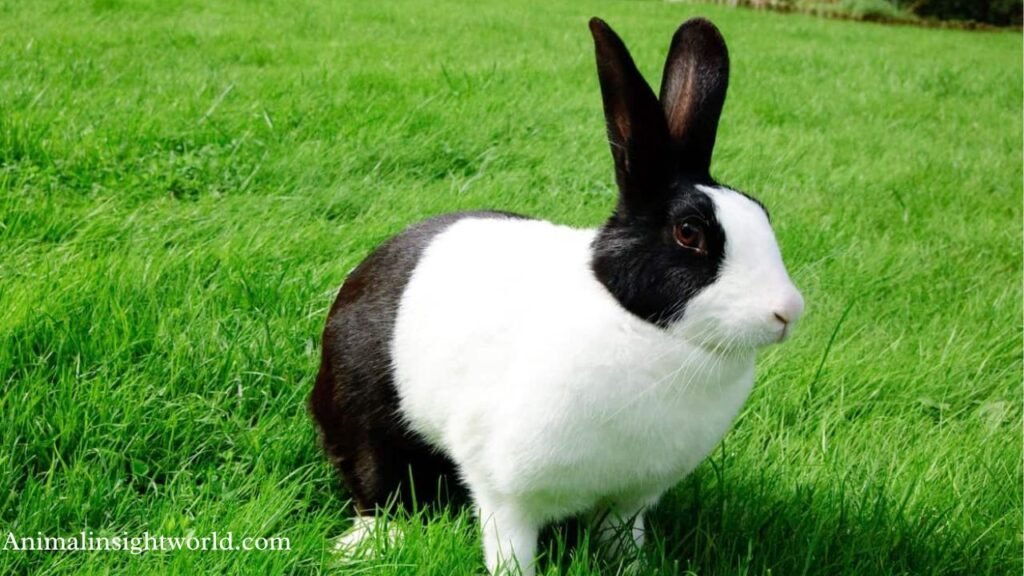
Beyond their physical prowess, rabbits exhibit a unique social behavior associated with hopping. When they feel safe and happy, they engage in a playful hopping dance, often circling and jumping in the air — a behavior popularly known as the “binky.” This joyful expression not only strengthens their bonds with one another but also adds a layer of depth to their character. Observing a rabbit in its natural habitat, you realize that every hop tells a story of survival, joy, and community.
Jumping Mouse
Scientific Name: Zapodine
Diet: Omnivore
The jumping mouse, a remarkable creature of the North American grasslands, showcases an incredible ability to hop great distances, often covering up to six feet in a single bound. This small rodent, with its elongated hind legs and sparse fur, has evolved not just to navigate its environment, but also to evade predators in a dazzling display of agility. Its hops are not only a means of escape but serve as an impressive survival tactic, allowing it to traverse tricky terrains quickly.
Beyond mere escape artistry, the physiology of the jumping mouse is fascinating. Its powerful hind limbs are specially adapted for quick, explosive hops, enabling it to navigate rapidly through tall grasses and evade potential threats. These rodents also exhibit unique social behaviors post-hop; they often communicate through high-pitched calls when they land, signaling safety or alerting others of danger. The combination of their incredible jumping prowess and social dynamics makes the jumping mouse a captivating subject for wildlife enthusiasts and researchers alike, reminding us that even the smallest creatures have intricate lives filled with extraordinary adaptations.
Jumping Spider
Scientific Name: Salticidae
Diet: Carnivore
The jumping spider, with its kinetic prowess, can hop distances that may astound many observers — up to 50 times its body length. This remarkable ability allows it to dart between surfaces with precision, whether pouncing on unsuspecting prey or making quick escapes from larger predators. Unlike many other spiders that build webs, the jumping spider relies on its exceptional vision and agile maneuvers, using its keen eyesight to gauge distances and plan its hops.
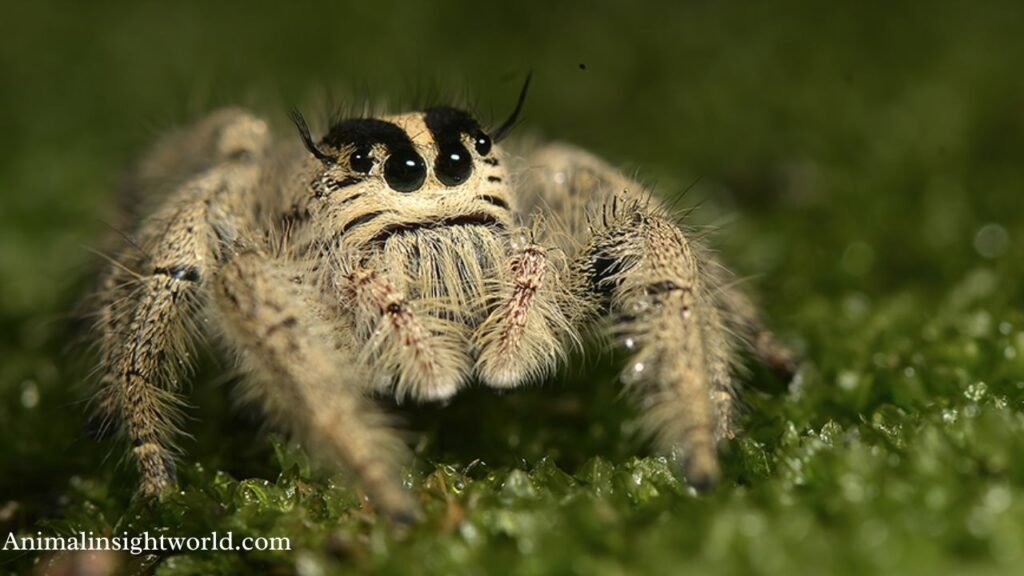
What makes these spiders fascinating is their unique hunting strategy. They often perform a “dance” or display to entice prey, showcasing agility paired with a boldness that’s both captivating and surprising. This behavior emphasizes the spider’s intelligence, as it not only relies on instinct but also engages in calculated movements. Observing a jumping spider in action reveals a world of precision and excitement, turning an ordinary backyard into a stage for its riveting performances.
Kangaroo
Scientific Name: Macropus
Diet: Herbivore
Kangaroos are remarkable for their unique mode of locomotion, as they can hop distances of up to 30 feet in a single bound. This incredible ability is not just a show of athleticism; it’s an energy-efficient way to travel across the vast Australian outback. By using their muscular hind legs, kangaroos can cover ground quickly while conserving energy, making them perfectly adapted to their environment.
Moreover, their hopping is crucial for their survival. In the wild, the speed and agility gained from their powerful hops help them evade predators. Interestingly, kangaroos also communicate using subtle body movements during their hops, signaling to one another about potential threats or the best routes to take. Each hop, therefore, serves a dual purpose — a means of transportation and a language of sorts in the heart of the bush. As these iconic animals continue to thrive in the wild, they remind us of nature’s ingenuity, showcasing how a simple act like hopping transcends mere movement to embody survival strategy and social interaction.
Bharal
Scientific Name: Pseudois nayaur
Diet: Herbivore
Bharals, also known as blue sheep, showcase an impressive ability to hop across rugged terrains, making them exceptional mountain dwellers. These agile creatures can cover distances of up to 10 feet in a single hop, effortlessly navigating the steep, rocky landscapes of the Himalayas. Their powerful hind legs are not just a means of movement; they are finely tuned for both agility and balance, allowing bharals to maintain stability even on the most treacherous ledges.
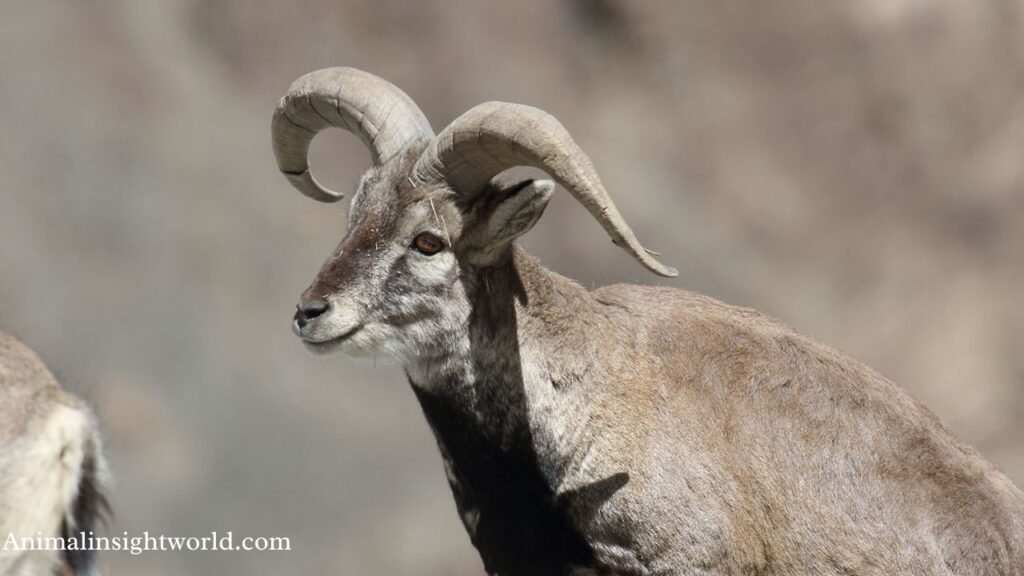
One fascinating aspect of the bharal’s hopping behavior is how it reflects their social dynamics. During mating season, males will engage in impressive displays that include hopping to show off their strength and fitness to potential mates. This captivating exhibition isn’t merely about attracting partners; it also establishes dominance within their herds. Observing these animals in action offers a striking reminder of how adaptability and physical prowess play crucial roles in survival in harsh environments. Every hop serves a purpose, crafting a story of resilience and beauty in the wild.
Frog
Scientific Name: Anura
Diet: Carnivore
Frogs are remarkable hoppers, showcasing an impressive range of abilities that go beyond their iconic jumping. Some species, like the South American Poison Dart Frog, can hop distances up to 10 times their body length, thanks to powerful legs designed for both mobility and evasion. This incredible hop distance not only helps them evade predators but also assists in navigating their lush, often complicated habitats.
Interestingly, frogs don’t just hop for escape; their movements are also essential for their mating rituals. Male frogs often engage in a captivating display where they hop around to attract females, using both sound and agility to impress. This dynamic hopping can create an intricate dance that highlights their fitness and vitality — an essential characteristic for successful reproduction. Each hop becomes a tactile conversation between potential mates, showcasing their physical prowess in a visually striking manner.
Leafhopper
Scientific Name: Cercopoidea
Diet: Herbivore
The leafhopper, a nimble insect found in diverse habitats, showcases a remarkable ability to hop distances up to 30 times its body length. This tiny powerhouse achieves this feat through a unique mechanism involving specialized hind legs that unfold explosively, propelling it into the air. Each hop serves not just as a means of escape from predators, but also as a strategy to navigate through dense vegetation, allowing it to find food and mates efficiently.
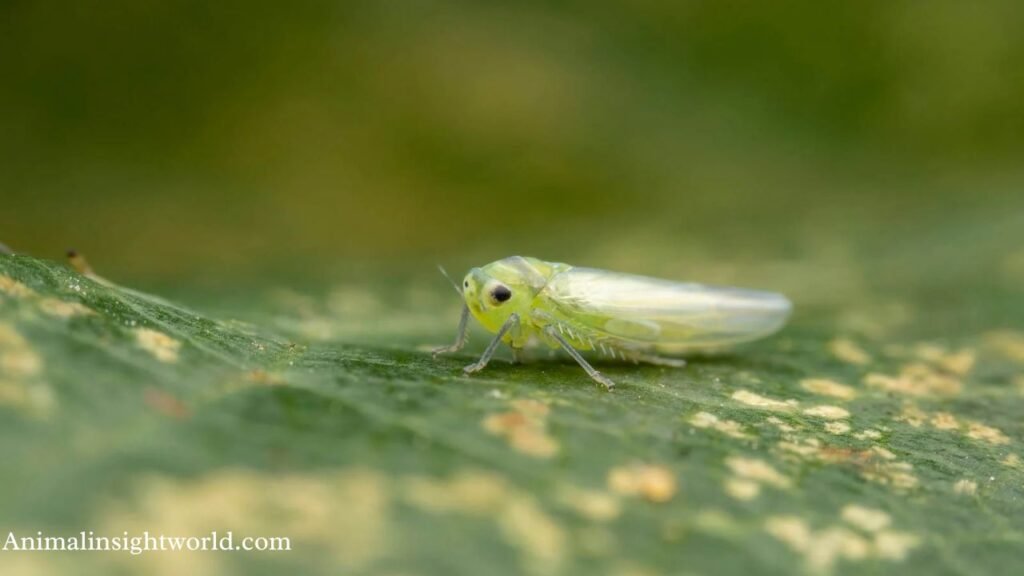
What truly captures the imagination is the leafhopper’s vibrant color palette, which ranges from bright greens to vivid yellows. These striking hues serve more than aesthetic purposes; they function as camouflage among the leaves, providing a dual advantage in both evasion and environment blending. While most insects rely on flight or crawling, the leafhopper’s hopping agility highlights a fascinating evolutionary adaptation — its ability to harmonize movement with its surroundings, ensuring survival in a complex ecosystem. Each hop isn’t just a simple motion; it’s a testament to the intricate dance of adaptation in the natural world.
Readmore: Top 17 Animals With Whiskers.
Final Thoughts
Animals that hop not only captivate our imaginations but also play vital roles in their ecosystems. Their ability to traverse terrain with ease allows them to escape predators, find food, and interact with their environment in unique ways. By examining the characteristics and lifestyles of these fascinating creatures, we can learn about the broader connections within nature. Protecting their habitats is essential for preserving biodiversity and the delicate balance of life on our planet. Join the effort to safeguard these extraordinary hoppers and ensure their survival for years to come.
FAQs
Which animals have hop?
Many animals are known for their hopping abilities, each adapted to this movement in unique ways. Among the most famous are kangaroos, which use their powerful hind legs to cover large distances in a singular bound. Their strong tail also helps them maintain balance while hopping. Other marsupials, like wallabies and pademelons, exhibit similar traits, with their hops serving as an efficient means of locomotion across various terrains.
What animal hops the most?
While several animals are known for their hopping abilities, the kangaroo stands out as the most iconic hopper. Native to Australia, kangaroos utilize their powerful hind legs to cover impressive distances in a single hop, reaching speeds up to 35 miles per hour. Their unique method of locomotion allows them to travel efficiently across the vast and often arid landscapes of their habitat.
Do kangaroos hop or jump?
Kangaroos primarily hop rather than jump. Hopping is a specific form of locomotion that allows them to move efficiently across long distances while conserving energy. Their powerful hind legs are adapted for this purpose; they can cover about 30 feet in a single bound and reach speeds of up to 40 miles per hour. This efficient method of travel is particularly advantageous in their natural habitats, where open spaces are abundant.