Explore Top 11 Animals That Live in Bogs (With Images)
Animals that live in bogs have evolved unique adaptations to survive in these challenging environments, making them fascinating subjects for study. Understanding these creatures not only broadens our knowledge of biodiversity but also highlights the critical role of wetlands in our ecosystems. In this article, we will explore various bog-dwelling animals and unveil their incredible adaptations and significance.
List of Animals that Live in Bogs
Here is the list of animals that live in bogs
- Short Eared Owls
- Bog Turtles
- Muskrats
- Sandhill Cranes
- Salamanders
- Beavers
- Smooth Newts
- Frogs
- Moose
- Dragonflies
- Snowshoe Hare
Short Eared Owl
Scientific Name: Asio flammeus
Class: Aves
Diet: Carnivore
The Short-eared Owl, a master of adaptability, thrives in the unique and often challenging environment of bogs. These striking birds, with their mottled feathers and striking yellow eyes, are more than just beautiful — it’s their behavior that captivates. Their exceptional ability to hunt in low-light conditions, often at dawn and dusk, transforms the bog into a dramatic stage where they perform aerial acrobatics, silently swooping down to catch unsuspecting prey like small mammals and birds.
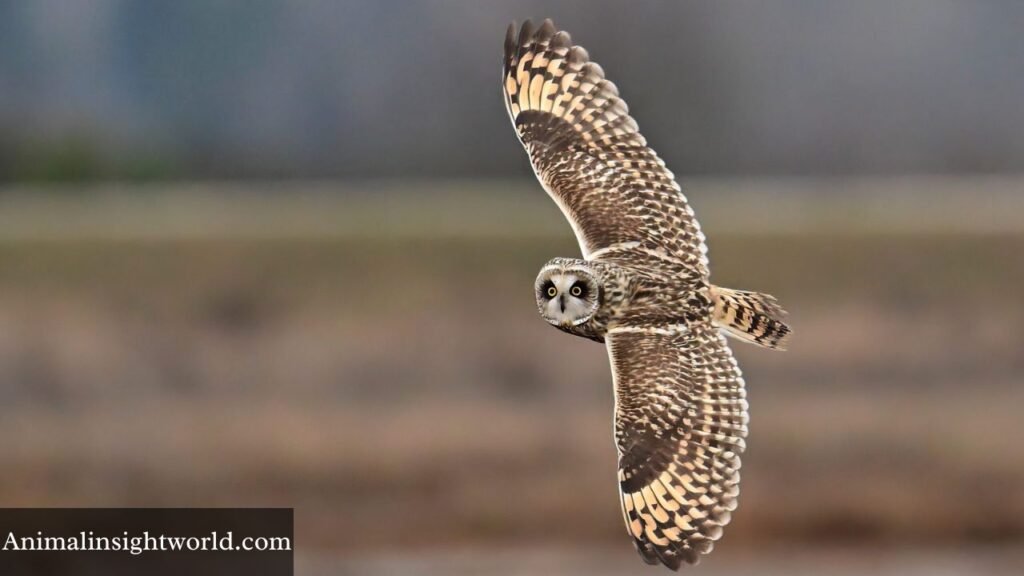
Interestingly, the bog plays a crucial role in their hunting strategy. The dense vegetation and rich ecosystem offer ample hiding spots, both for them and their prey. Unlike many other owls, which prefer wooded or urban areas, the Short-eared Owl exhibits a unique affinity for open landscapes, making the sprawling vistas of the bogs their ideal habitat. Their presence serves as a reminder of the intricate web of life that these seemingly barren landscapes can support, highlighting ecological interdependence in a space that, at first glance, appears inhospitable. The Short-eared Owl thus embodies resilience, time and again finding a way to thrive where few others can.
Bog Turtle
Scientific Name: Glyptemys muhlenbergii
Class: Reptilia
Diet: Omnivore
The bog turtle, a small yet striking species, thrives in the unique microhabitats of North America’s wetlands. Measuring only about four to five inches, these turtles sport a distinctively patterned carapace and a vibrant yellow or orange spot behind each eye. Their diminutive size and preference for bogs make them one of the most elusive reptiles, often hiding among dense vegetation and within the layers of sphagnum moss that blanket their habitat.
What makes bog turtles particularly fascinating is their role as indicators of ecological health. They rely on a delicate balance of wetland conditions and climate, making their presence a telling sign of a thriving ecosystem. Sadly, the destruction of their bog habitats through urbanization and agriculture poses significant threats, leading to their classification as a threatened species. These turtles offer a profound lesson in conservation; their struggle highlights the fragile interconnectedness of all life forms within these unique ecosystems. Protecting bog turtles means safeguarding not just a species, but the intricate web of life that relies on the bogs they call home.
Muskrats
Scientific Name: Ondatra zibethicus
Class: Mammalia
Diet: Omnivore
Muskrats are fascinating inhabitants of bogs, perfectly adapted to thrive in their unique ecosystem. These semi-aquatic mammals, often mistaken for large rats, boast a streamlined body that enables them to navigate through murky waters with ease. Their webbed hind feet and a long, flattened tail not only assist in swimming but also provide stability while diving for food or building their homes. Muskrats primarily feed on aquatic vegetation like cattails and pond lilies, but they occasionally hunt small fish or frogs, demonstrating an adaptability that showcases their role in maintaining ecological balance.
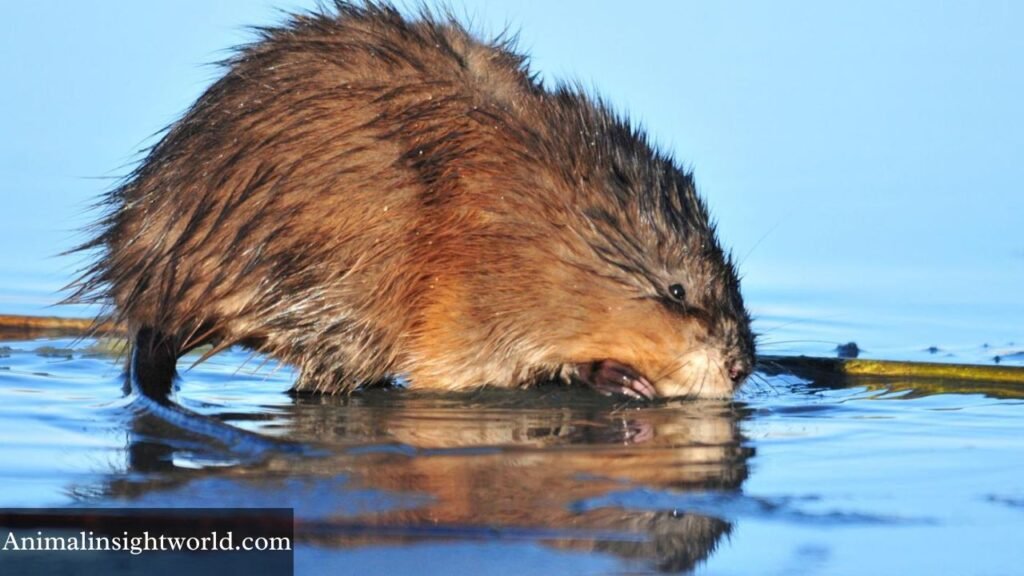
Interestingly, muskrats are also exceptional architects. They construct elaborate lodges, often using mud and vegetation, which serve as both shelter and nesting sites. These structures can become miniature ecosystems in their own right, attracting a variety of other species that rely on them for refuge. Moreover, muskrats play a crucial role in shaping bog landscapes; their constant foraging and burrowing can influence water flow and promote the growth of diverse plant life. Thus, in their pursuit of survival, muskrats not only enrich their immediate surroundings but also contribute to the overall health of the bog ecosystem.
Readmore: Explore Top 15 Animals that Live in Bamboo Forests.
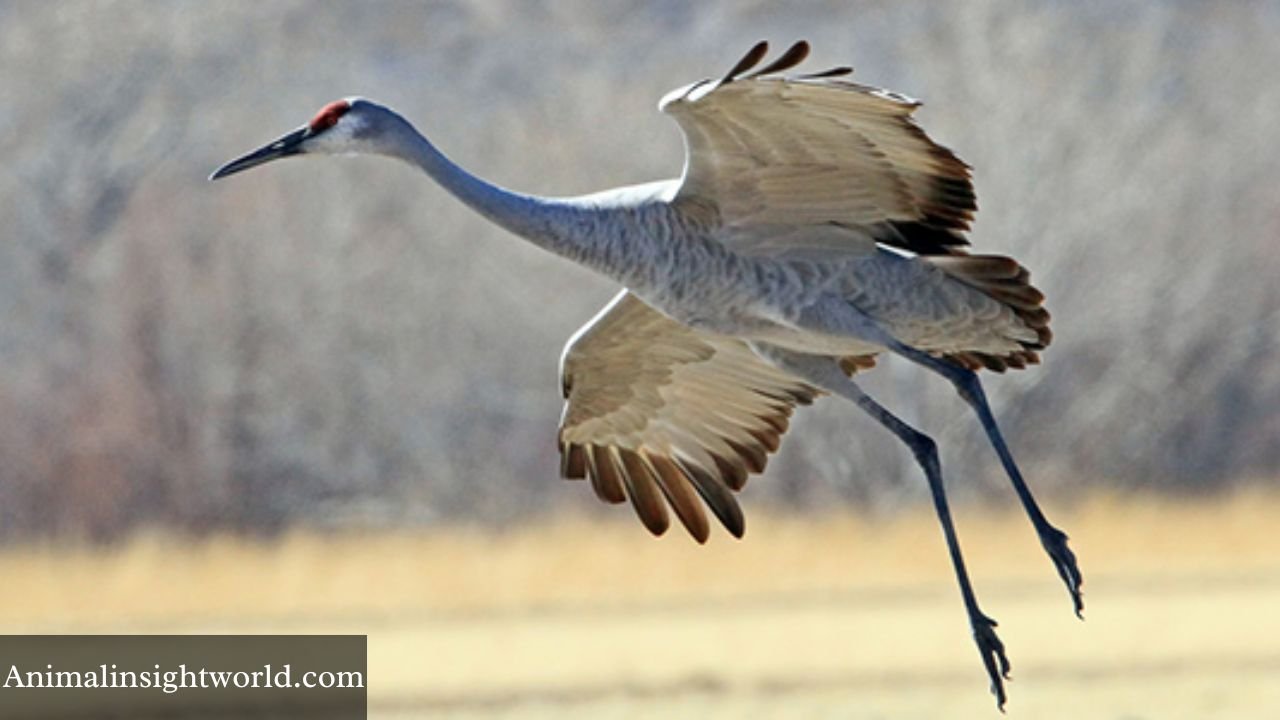
Sandhill Crane
Scientific Name: Antigone canadensis
Class: Aves
Diet: Omnivore
The Sandhill Crane, known for its graceful silhouette and striking red crown, thrives in bog environments, utilizing the unique blend of wetland vegetation and shallow waters to sustain its life cycle. These majestic birds are drawn to the rich food sources found in bogs, where they forage for seeds, small invertebrates, and aquatic plants. With their long legs, they wade through the marshy terrain, often seen performing an intricate dance — a display that echoes the rhythms of the natural landscape surrounding them.
Interestingly, Sandhill Cranes are also social creatures, gathering in large groups during migration, creating an awe-inspiring spectacle. Their distinctive calls resonate through the misty morning air, often dubbed the “sound of the wild.” These vocalizations serve not only as communication but also as a bonding mechanism during the mating season. Observing their interactions in the serene bog setting offers a glimpse into the complex social structures that define their existence, showcasing the interconnectedness of life in these fragile ecosystems.
Salamander
Scientific Name: Caudata
Class: Amphibia
Diet: Carnivore
The salamander, a creature often cloaked in mystery, thrives in the damp embrace of bog ecosystems. These amphibians possess a unique adaptability, allowing them to navigate the inhospitable terrain where waterlogged soil meets dense vegetation. Their moist skin, essential for respiration and hydration, perfectly suits the humid microclimate of bogs, making them camouflaged and elusive among the mosses and sphagnum. This environment not only provides crucial shelter but also sustains a rich diet of insects and small invertebrates that flourish in the watery depths.
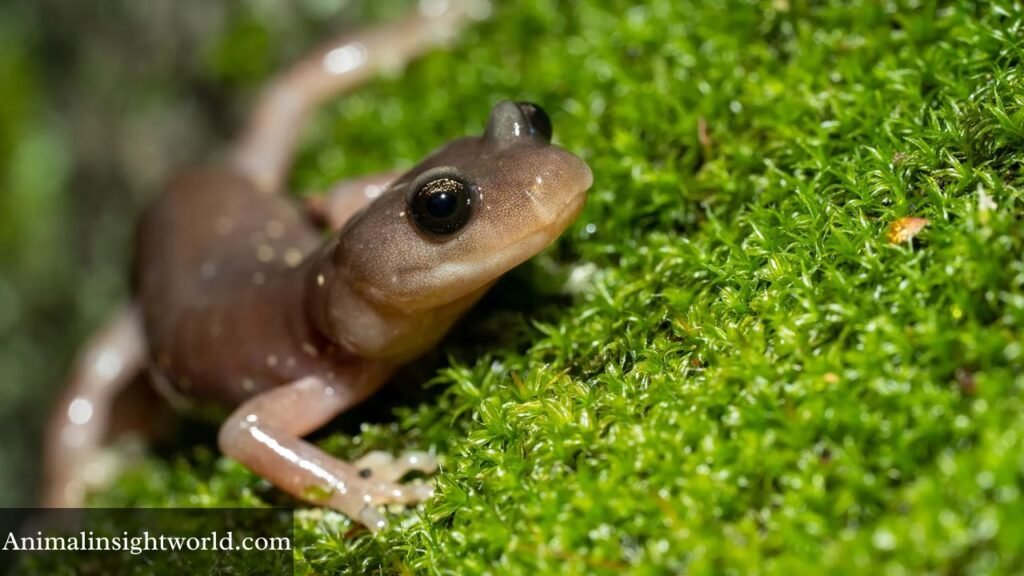
Interestingly, the salamander’s reproductive cycle is intricately tied to the bog’s seasonal rhythms. During spring, the males’ vibrant colors emerge as they engage in mesmerizing courtship displays, their soft croaks echoing across the still waters. The females lay their eggs in the shallows, where the warm, protected waters nurture the next generation. As they grow, young salamanders rely on the bog’s diverse plant life, which not only serves as a source of food but also offers vital cover from predators. This intricate dance of life in the bog highlights the salamander’s role as both predator and prey, weaving a complex tapestry of interdependent relationships that underscores the vital importance of preserving these unique ecosystems.
Beaver
Scientific Name: Castor canadensis
Class: Mammalia
Diet: Herbivore
Beavers, often celebrated for their engineering prowess, play an essential role in the biodiversity of bog ecosystems. Their dam-building activities create habitats that transform a stagnant landscape into a vibrant oasis. As beavers construct dams, they flood areas that were once dry, leading to the development of wetlands that support a myriad of plant and animal species, from frogs to dragonflies. This unique habitat not only benefits other wildlife but also helps improve water quality by filtering pollutants and promoting nutrient cycling.
Moreover, beavers are not just passive creators of habitat; their behaviors showcase a remarkable adaptability to bog environments. They thrive in waterlogged conditions, using their keen sense of instinct to locate food sources like willow and birch trees. Interestingly, their selective eating can influence the vegetation structure within the bog, preventing the dominance of certain plant species and encouraging biodiversity. This interplay between beavers and their bog habitat highlights the intricate balance of ecosystems, where even a single species can catalyze substantial ecological change.
You can also read: Explore Top 20 Animals With Fangs.
Smooth Newt
Scientific Name: Lissotriton vulgaris
Class: Amphibia
Diet: Carnivore
The smooth newt, often overlooked in the rich tapestry of bog ecosystems, is a fascinating creature that embodies the delicate balance of life in these watery habitats. With their sleek, glossy bodies and distinctive orange underside, smooth newts not only add a pop of color to the dreary browns and greens of peatlands but also play a crucial role in controlling mosquito populations. These amphibians thrive in the mucky waters, where they hunt for invertebrates, creating a ripple effect that supports the entire bog food web.
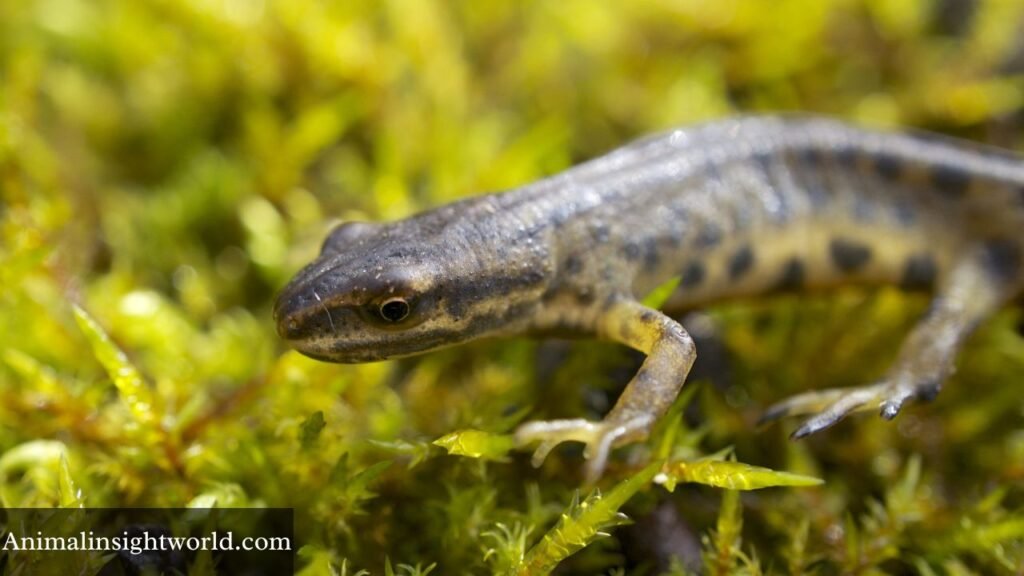
What’s particularly compelling about smooth newts is their remarkable adaptability. During the breeding season, males develop striking crests, turning them into aquatic gladiators as they engage in elaborate courtship displays. This transformation not only attracts potential mates but also highlights their survival strategy in a habitat that can shift dramatically with the wet and dry seasons. By embracing the unique features of their environment, smooth newts serve as indicators of ecosystem health, signaling changes in wetland conditions that can impact many other species. Engaging with these enchanting amphibians deepens our appreciation for the complexities of bog life, reminding us that even the smallest creatures have profound roles in the intricate web of nature.
Frog
Scientific Name: Anura
Class: Amphibia
Diet: Carnivore
Frogs are fascinating inhabitants of bog ecosystems, where their unique adaptations allow them to thrive in these saturated environments. With their permeable skins, frogs absorb moisture directly from the surrounding air and water, a crucial trait for survival in such damp habitats. This adaptation not only aids in hydration but also makes them sensitive indicators of environmental health. Changes in their populations can signal shifts in water quality, presenting a valuable insight into the bog’s overall ecosystem.
In addition to their physiological adaptations, the behavior of bog-dwelling frogs offers intriguing perspectives on biodiversity. Many species display remarkable camouflage, blending into the mossy and shadowy undergrowth, while others have developed intricate calls to communicate with potential mates over the soft laps of water. This acoustic richness adds a symphony of sounds to the bog, enriching the auditory experience for anyone fortunate enough to listen. The vibrant life cycles of these frogs, from their gelatinous egg masses to the symbiotic relationships they form with other organisms, weave a remarkable tapestry of life that underscores the importance of conserving bog habitats.
Moose
Scientific Name: Alces alces
Class: Mammalia
Diet: Herbivore
Among the myriad of creatures inhabiting bogs, the moose stands out not just for its size but for its unique adaptability to these lush ecosystems. Far from the dense forests where they are often associated, moose thrive in the wetter expanses of bogs, where they graze on aquatic vegetation that nourishes them. This includes a variety of shrubs and even the tender shoots of water lilies, showcasing their remarkable ability to exploit the rich, albeit sometimes challenging, resources of these wetland environments.
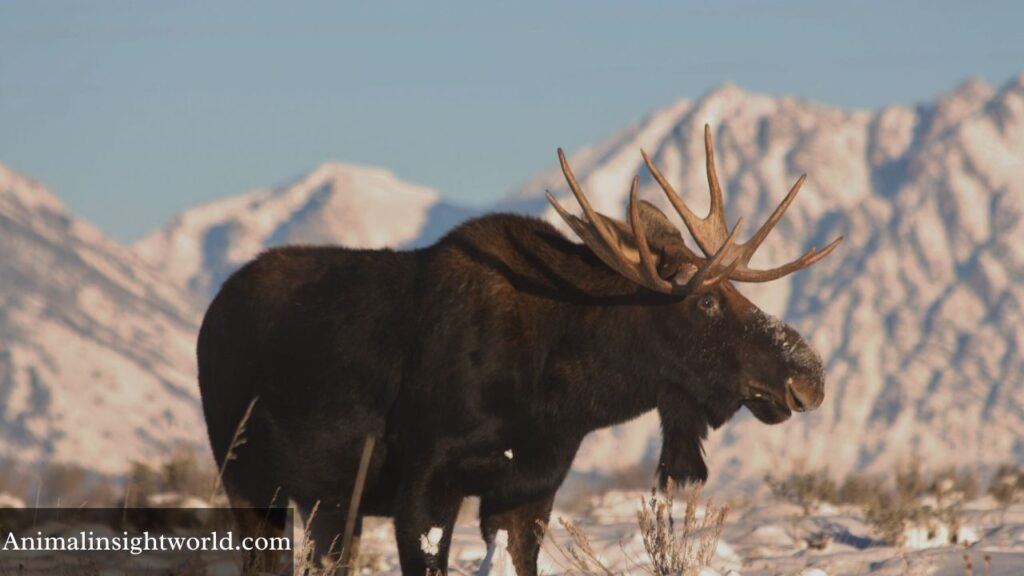
Bogs also offer the moose a hidden sanctuary from predators thanks to their intricate, often dense foliage. Here, these majestic animals can wander largely undisturbed while they take advantage of the seasonal abundance of food. Interestingly, moose play a key role in maintaining the health of bog ecosystems; their foraging habits promote plant diversity and create pathways that benefit other wildlife. As they navigate the soft, spongy ground, they inadvertently aerate the soil, enhancing the habitat for smaller organisms, like frogs and insects, which in turn supports a more diverse range of species. This symbiotic relationship highlights the moose not merely as a resident of the bog but as a crucial player in the delicate web of life that thrives there.
Readmore: Explore Top 20 Animals That Whistle.
Dragonfly
Scientific Name: Anisoptera
Class: Insecta
Diet: Carnivore
The dragonfly, often seen flitting above the still waters of bogs, is a master of adaptation that thrives in these unique ecosystems. With their striking iridescent wings and agile flight, dragonflies are not just beautiful; they play an essential role in maintaining the ecological balance of these wetlands. Their larvae, known as nymphs, thrive in the murky waters, preying on a variety of smaller aquatic creatures. This predatory behavior helps control populations of insects that can otherwise overwhelm the delicate balance of bog life.
What makes dragonflies particularly fascinating is their metamorphosis — from water-dwelling nymphs to aerial acrobats. This transformation is a testament to their resilience in the face of environmental challenges. In bogs, where oxygen is scarce and acidic conditions abound, the dragonfly adapts by developing specialized breathing structures in its nymph stage. Observing their life cycle offers insights into the delicate interplay between species and habitat, revealing how even the smallest creatures can influence a complex ecosystem.
Snowshoe Hare
Scientific Name: Lepus americanus
Class: Mammalia
Diet: Herbivore
The snowshoe hare, with its distinctive large feet and seasonal fur shifts, is a fascinating resident of bog ecosystems. Adapted to the challenges of these often marshy, densely vegetated regions, the snowshoe hare thrives among the tangled roots and thick underbrush. Its white winter coat not only camouflages it against snow but also helps regulate body heat, an essential adaptation in its chilly habitat. In warmer months, the hare’s fur turns a mottled brown, blending seamlessly with the various shades of green and earthy tones of the bog’s foliage.
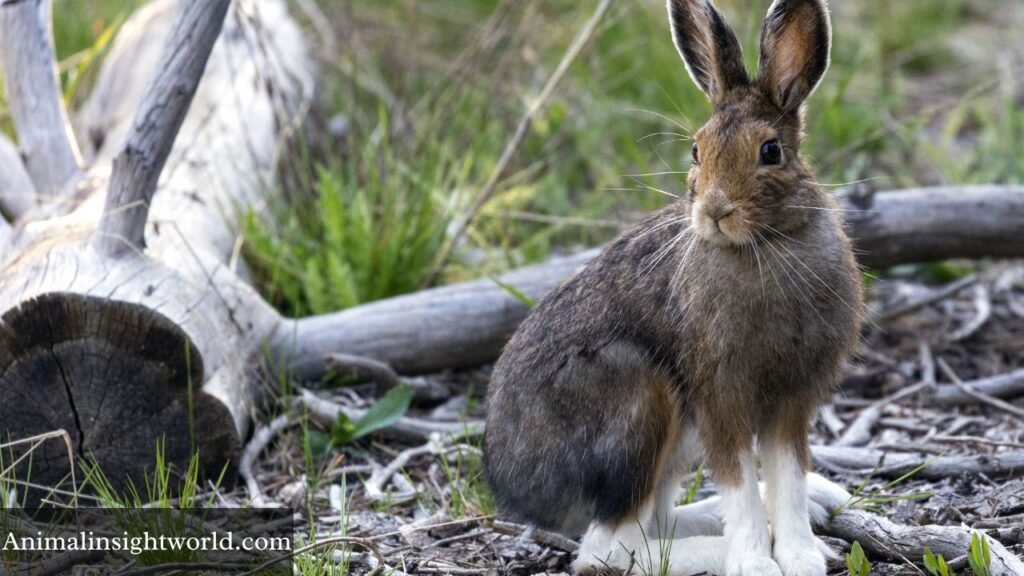
What sets the snowshoe hare apart from other small mammals is its remarkable speed and agility. Capable of making impressive leaps to navigate through dense vegetation, it is often pursued by predators such as foxes and coyotes. This dynamic interplay in the food web highlights the hare’s role in sustaining the ecosystem. Furthermore, its feeding habits, which include nibbling on tender woody plants, contribute to the delicate balance of plant life in bogs. Observing these hares in their natural habitat unveils a world of adaptation and survival that showcases the intricate relationships within this unique environment.
Readmore: Explore Top 10 Animals That Look Like Beavers.
Final Thoughts
Animals that live in bogs are essential contributors to the intricate web of life within these unique environments. They have evolved remarkable adaptations that allow them to navigate the specific challenges posed by their habitat, and in doing so, they help sustain the ecological balance. As part of a larger community, these animals impact everything from nutrient cycling to water quality in their surroundings. By highlighting the importance of bog-dwelling species, we can foster greater awareness of the need to conserve these fragile ecosystems. Join the effort to protect bog habitats and ensure a thriving future for the animals that call them home.
FAQs
What animals live in bogs?
Animals that live in bogs include a variety of species that are specially adapted to the unique conditions of these wetlands. Common inhabitants are amphibians like the Northern Leopard Frog and various salamanders, which thrive in the damp, humid environment. Birds such as the American Bittern and Snipe are also frequent visitors, using the dense vegetation for camouflage while hunting for insects and small fish. In addition to amphibians and birds, bogs support a range of invertebrates, including dragonflies and various beetles, which play essential roles in the ecosystem.
What animal likes to live in bogs?
One animal that thrives in bogs is the American bittern. This secretive bird has adapted well to wetland environments, using its camouflaged plumage to blend in with the tall reeds and grasses typical of bogs. It primarily feeds on fish, amphibians, and small invertebrates, making the swampy habitat ideal for hunting.