
Top 15 Animals That Live in Rivers (Images Included)
Animals that live in rivers are not just fascinating to observe; they are essential for sustaining the ecosystems that support them and indirectly, us. By delving into this article, you’ll discover the array of species that call rivers home, why they matter, and how we can protect their dwindling habitats. Join us on this enlightening journey through the aquatic realm!
List of Animals That Live in Rivers
Here is the animals that live in Rivers:
- Brazos water snake
- American alligators
- Platypus
- Diving bell spider
- Blue crab
- Pink river dolphin
- Red-eared slider turtle
- Common otter
- Blue catfish
- Capybara
- Chain pickerel
- River frog
- Belted crayfish
- Hippopotamus
- Freshwater eel
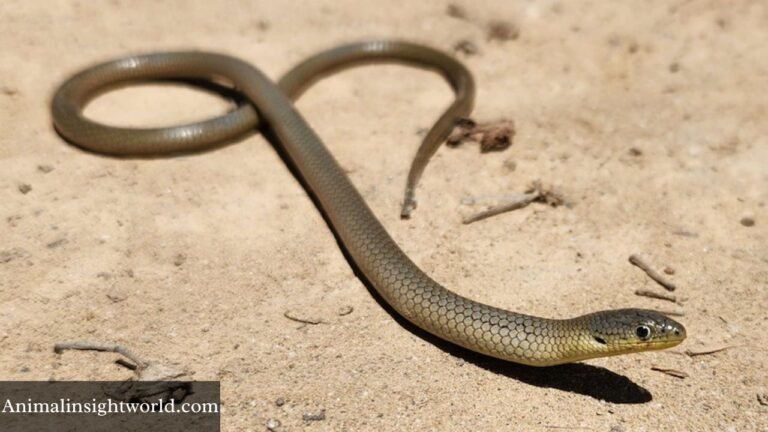
Brazos Water Snake
Scientific Name: Nerodia harteri
Class: Reptilia
Diet: Carnivore
The Brazos water snake, a non-venomous serpent native to the Brazos River system, showcases a fascinating adaptation to its aquatic habitat. Its sleek, dark coloration blends seamlessly with the murky waters and rocky riverbeds, making it an adept ambush predator. This snake is more than just a master of disguise; it plays a crucial role in maintaining the ecosystem by regulating populations of fish and amphibians, thus ensuring balance in its riverine environment.

What sets the Brazos water snake apart is its remarkable behavior. Unlike many of its terrestrial counterparts, it exhibits impressive swimming skills, often seen coiling elegantly through the currents. This agility, combined with a diet primarily consisting of fish, makes it a proficient hunter. Interestingly, these snakes also possess a unique method of hunting: they can stay submerged for extended periods, using strategic bursts of speed to catch their prey off guard. By understanding the intricacies of the Brazos water snake’s lifestyle, we gain deeper insights into the delicate interplay between species and habitat within river ecosystems.
American Alligators
Scientific Name: Alligator mississippiensis
Class: Reptilia
Diet: Carnivore
American alligators are not just the apex predators of freshwater ecosystems; they are also crucial architects of their habitats. By creating and maintaining “alligator holes,” these reptiles provide essential water sources for various species during dry seasons. This unintentional act of stewardship enhances biodiversity, fostering vibrant communities of fish, birds, and amphibians that rely on these aquatic havens.
Alligators play a vital role in the food web, influencing the populations of fish and other prey species. Their presence helps regulate these populations, which in turn maintains the health of the riverine ecosystem. However, their adaptability also raises concerns. With urban development encroaching on their habitats, these ancient creatures are often forced into closer contact with humans, leading to clashes that challenge both conservation efforts and public safety. Understanding the delicate balance they maintain in rivers can deepen our appreciation of these remarkable reptiles and motivate preservation initiatives for their natural environments.
Platypus
Scientific Name: Ornithorhynchus anatinus
Class: Mammalia
Diet: Carnivore
The platypus, a remarkable creature native to Australia’s freshwater rivers, defies conventional classifications. With its duck-bill, webbed feet, and the body of an otter, it challenges our understanding of mammalian traits — it’s one of the few mammals that lay eggs. This unique adaptation has allowed it to thrive in aquatic environments, where it hunts for aquatic invertebrates using its sensitive bill to detect electrical signals from prey. The platypus showcases nature’s ingenuity, blending features from different species to create a highly specialized river dweller.

In addition to its remarkable anatomy, the platypus embodies the notion of adaptability. During the day, it burrows into riverbanks to avoid predators, emerging at dusk to forage. Its ability to navigate complex river ecosystems highlights not only its individual resilience but also the intricate balance of river biodiversity. As an indicator species, the health of platypus populations reflects the overall vitality of their habitat, making their conservation vital for river ecosystems. Their enigmatic presence serves as a reminder of the delicate interplay between species and their environments, urging us to protect these fragile habitats for future generations.
Diving Bell Spider
Scientific Name: Argyroneta aquatica
Class: Arachnida
Diet: Carnivore
The Diving Bell Spider, an aquatic marvel, is one of the few spiders that have adapted to an underwater lifestyle. This unique arachnid spins a silken web that forms a bubble, allowing it to trap air and breathe while submerged. Imagine a spider crafting its own underwater breathing apparatus! It deftly navigates riverbeds, hunting small insects and even smaller aquatic invertebrates, using its nimble legs and keen predatory instincts.
What’s particularly fascinating is the Diving Bell Spider’s ability to adapt its hunting strategies to its environment. Instead of waiting patiently in ambush like many land-bound spiders, it actively hunts by swimming and pouncing, showcasing a remarkable blend of predation skills. Its role in river ecosystems is equally intriguing, as it helps maintain the balance by controlling insect populations. These spiders not only intrigue scientists but also challenge our perceptions of what it means to be a spider. Here, in their watery realm, they defy the conventional boundaries of arachnid life, merging both elegance and efficiency in their daily survival dance.
Blue Crab
Scientific Name: Callinectes sapidus
Class: Malacostraca
Diet: Omnivore
The blue crab is a remarkable inhabitant of estuarine and river ecosystems along the Atlantic and Gulf coasts of North America. With their vibrant blue claws and olive-green shells, these crabs are not just visually striking; they play a crucial ecological role in their habitats. As omnivores, blue crabs actively help control populations of other aquatic organisms, from small fish to various types of detritus, maintaining a delicate balance within their ecosystem.

Beyond their ecological significance, blue crabs also embody a fascinating example of adaptability. They thrive in brackish waters where fresh river currents meet saltier ocean tides, showcasing their resilience in fluctuating environments. This adaptability allows them to migrate vast distances upstream, thus shaping the dynamics of food chains in rivers. Their life cycle, which includes metamorphosis and seasonal migrations, highlights the intricate connections between freshwater and marine ecosystems, reminding us of the importance of preserving these habitats for future generations.
Pink River Dolphin
Scientific Name: Inia geoffrensis
Class: Mammalia
Diet: Carnivore
The Pink River Dolphin, or Amazon river dolphin, is a mesmerizing inhabitant of freshwater ecosystems, particularly in the Amazon and Orinoco river basins. Its striking pink hue, which can vary in intensity from soft blush to vibrant fuchsia, isn’t just a stunning visual; it reflects adaptations to its warm, murky habitat. As sunlight filters through the water, the dolphins’ unique pigmentation helps in camouflage against predators while also aiding in communication among their social groups.
These intelligent creatures display a remarkable blend of agility and curiosity, often seen leaping gracefully from the water, using their flexible bodies to navigate the intricate river systems filled with submerged obstacles. Beyond their physical prowess, Pink River Dolphins exhibit complex social behaviors, forming tight-knit pods that collaborate in hunting and socializing. Their vocalizations, including clicks and whistles, showcase a form of communication that echoes through the waterways, creating a rich tapestry of sound that characterizes life beneath the river’s surface. As the guardians of their aquatic realms, these dolphins play a pivotal role in maintaining the ecological balance of their habitat, acting as indicators of the river’s health and vitality.
Red-Eared Slider Turtle
Scientific Name: Trachemys Scripta Elegans
Class: Reptilia
Diet: Omnivore
The red-eared slider turtle, a familiar sight basking on logs or rocks in rivers across the United States, showcases a remarkable adaptability to various freshwater habitats. These turtles are not only known for their striking red ear markings but also for their intriguing behaviors. Often, they exhibit social dynamics rarely seen in reptiles, clustering together during sunbathing, displaying an unexpected affinity for communal living. This social aspect is not merely for warmth; it also aids in vigilance against predators as they benefit from the alertness of their companions.

Moreover, red-eared sliders play a crucial ecological role in river ecosystems. As omnivores, they contribute to the health of aquatic environments by controlling algae and aquatic plant growth. Their feeding habits help maintain a balance in the ecosystem, preventing overgrowth that could choke out native species. However, their popularity as pets has ironically become a concern, leading to invasive populations in areas where they outcompete native turtles. Understanding their behaviors and ecological impact reveals not only the richness of river environments but also the complex web of relationships that sustain those ecosystems.
Common Otter
Scientific Name: Lontra Canadensis
Class: Mammalia
Diet: Carnivore
The common otter is a fascinating river inhabitant, renowned for its playful antics and remarkable adaptations to aquatic life. With sleek fur that repels water and webbed feet designed for agile swimming, otters glide effortlessly through their riverine habitats. Their diet primarily consists of fish, amphibians, and crustaceans, making them apex predators within freshwater ecosystems. Observing an otter hunt is akin to witnessing nature’s own ballet, as they dive and surface with grace, showcasing their intelligence and skill.
Beyond their physical attributes, common otters play a crucial ecological role in maintaining the balance of river ecosystems. By controlling fish populations and preying on sick or weak individuals, they promote healthier aquatic communities. Their presence is often an indicator of a clean, healthy river environment; the vitality of otter populations can signal the overall well-being of their habitat. As we strive to protect our waterways, the common otter serves as both a symbol and a reminder of the interconnectedness of life within the fragile ecosystems that thrive along the banks of rivers.
Blue Catfish
Scientific Name: Ictalurus Furcatus
Class: Actinopterygii
Diet: Omnivore
Blue catfish, known for their impressive size and distinctive features, are among the largest freshwater fish in North America. These formidable predators can grow over 100 pounds, sporting a smooth, bluish-gray body adorned with a slightly forked tail. Their ability to thrive in a variety of riverine environments — from fast-moving currents to deep pools — demonstrates their remarkable adaptability. Interestingly, blue catfish have a keen sense of smell, which allows them to detect food from great distances, often relying on this heightened olfactory sense to hunt at night.

Beyond their size and hunting prowess, blue catfish play a crucial role in their ecosystems as both predator and prey. As they consume a wide range of smaller fish and invertebrates, they help maintain the balance within river systems. However, their increasing population in regions like the Chesapeake Bay has led to debates about their impact on local biodiversity, raising questions about the balance of nature. Sustainable fishing practices and habitat conservation efforts are essential to ensure that these mighty swimmers continue to thrive while maintaining the health of their aquatic environments.
Capybara
Scientific Name: Hydrochoerus Hydrochaeris
Class: Mammalia
Diet: Herbivore
The capybara, often dubbed the “giant guinea pig,” is a remarkable creature that thrives in riverine habitats across South America. These social rodents are typically found near bodies of water, where their semi-aquatic lifestyle enables them to stay cool and evade predators. With webbed feet and the ability to hold their breath for several minutes, capybaras have adapted seamlessly to aquatic environments, often seen lounging in the shallows or gliding gracefully beneath the surface.
What sets capybaras apart is not just their size but their intricate social structures. They live in groups averaging 10 to 20 individuals, displaying a unique form of communal living that enhances their survival. This strong social bond allows them to communicate effectively, using a range of vocalizations from barks to whistles, which deepens their connections within their family units. Observing a group of capybaras basking in the sun, surrounded by an assortment of birds and monkeys, reveals a fascinating ecosystem where harmony reigns, demonstrating how interconnected life in and around rivers truly is. Their presence not only enriches biodiversity but also emphasizes the crucial role rivers play in supporting life.
Chain Pickerel
Scientific Name: Esox Niger
Class: Actinopterygii
Diet: Carnivore
The chain pickerel, a sleek predator gliding through the shallow waters of North America’s rivers, possesses a striking beauty that often goes unnoticed. With elongated bodies adorned in a stunning pattern of dark green and yellow, they not only blend seamlessly with their aquatic surroundings but also embody the elegance of river life. What sets these fish apart is their relentless agility and aggressive hunting style, often resembling a martial artist with precision strikes, snapping up unsuspecting prey like smaller fish and amphibians with their sharp teeth.

Beyond their role as skilled hunters, chain pickerel contribute significantly to their ecosystems. Their presence helps regulate fish populations, preventing overgrazing of aquatic vegetation and maintaining a balanced habitat. Interestingly, these fish often serve as bioindicators, reflecting the health of their riverine environments. A thriving chain pickerel population typically signifies a diverse and vibrant river system, highlighting the interconnectedness of wildlife and ecology. Observing these fascinating creatures, one can’t help but appreciate the intricate dance of life that unfolds beneath the surface of our rivers.
River Frog
Scientific Name: Lithobates Heckscheri
Class: Amphibia
Diet: Carnivore
The river frog, with its vibrant coloration and distinctive calls, is a critical player in river ecosystems. These amphibians have adapted brilliantly to their aquatic habitats, often blending seamlessly with the lush vegetation along riverbanks. Their skin, which can range from bright green to earthy browns, not only provides camouflage from predators but also plays a role in moisture retention, allowing them to thrive in humid environments.
River frogs are fascinating not just for their morphology but also for their behavior. Unlike many frogs that rely heavily on still water, river frogs are adept swimmers, using their strong hind legs to navigate swift currents. Their calls, often heard during dusk, create a symphonic backdrop that signals not only breeding readiness but also the health of their habitat — each croak reflects the ecological balance of their environment. As indicators of water quality, river frogs illustrate the interconnectedness of species within river systems, reminding us that the vitality of one can profoundly affect the whole.
Belted Crayfish
Scientific Name: Faxonius Harrisonii
Class: Malacostraca
Diet: Omnivore
The Belted Crayfish, found primarily in the clear, cool streams and rivers of North America, showcases an incredible adaptation to its aquatic environment. Its striking coloration, often striking shades of blue and orange, not only adds vibrancy to its underwater habitat but also serves as a fascinating means of camouflage amidst the shifting hues of river stones and vegetation. This vivid appearance is not merely for show; it plays a crucial role in deterring predators while also attracting potential mates, making it an emblem of both beauty and survival in the ecosystem.
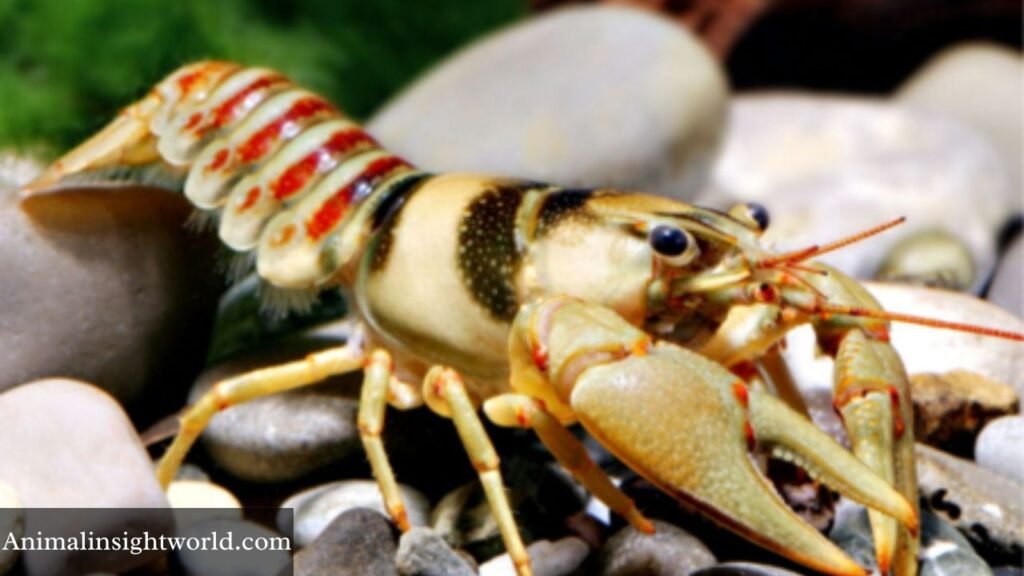
What really sets the Belted Crayfish apart is its impressive role in maintaining the health of river systems. As a voracious omnivore, it plays an essential part in controlling algae populations and breaking down organic materials, which contributes to nutrient cycling. This ecological interaction underscores the importance of preserving river habitats, as a decline in crayfish populations can lead to imbalances affecting countless other aquatic species. By observing these remarkable creatures, we gain insight into the intricate web of life that sustains our river ecosystems and the vital connections that exist beneath the water’s surface.
Hippopotamus
Scientific Name: Hippopotamus Amphibius
Class: Mammalia
Diet: Herbivore
Hippopotamuses, often portrayed as lumbering giants of the riverbanks, are marvelously adaptive creatures with a fascinating dual life straddling land and water. Despite their rotund appearance, they are surprisingly graceful in the water, using their nearly weightless bodies to their advantage. Submerging for up to five minutes at a time, they can glide along the river’s bottom, relying on their keen sense of hearing and smell to navigate. These semi-aquatic mammals have thick skin that secretes a natural sunscreen, protecting them from the sun during their time basking on the riverbanks.
Socially complex and often misunderstood, hippos thrive in large groups known as pods or pods, which can include up to 30 members. These social structures are not only for protection but also provide a dynamic community where they communicate through a jumble of grunts, bellows, and even explosive snorts. Interestingly, their behavior plays an essential role in river ecosystems — by grazing on riverside vegetation, they help control plant growth, ultimately contributing to habitat health. With their impressive physicality and intricate social lives, hippos embody the balance between raw power and tender kinship in the wild riverways they inhabit.
Freshwater Eel
Scientific Name: Anguilla Rostrata
Class: Actinopterygii
Diet: Carnivore
The freshwater eel, with its elongated body and mysterious lifestyle, is a fascinating inhabitant of rivers across multiple continents. These creatures exhibit a remarkable journey, often traveling thousands of miles from their freshwater habitats to the open ocean to spawn. The lifecycle of the eel is a spectacular tale of endurance; they begin their lives in the Sargasso Sea as tiny larvae, drifting into rivers and lakes where they mature. As they navigate their way upstream, they embody resilience, adapting to various water conditions and even overcoming harsh obstacles.
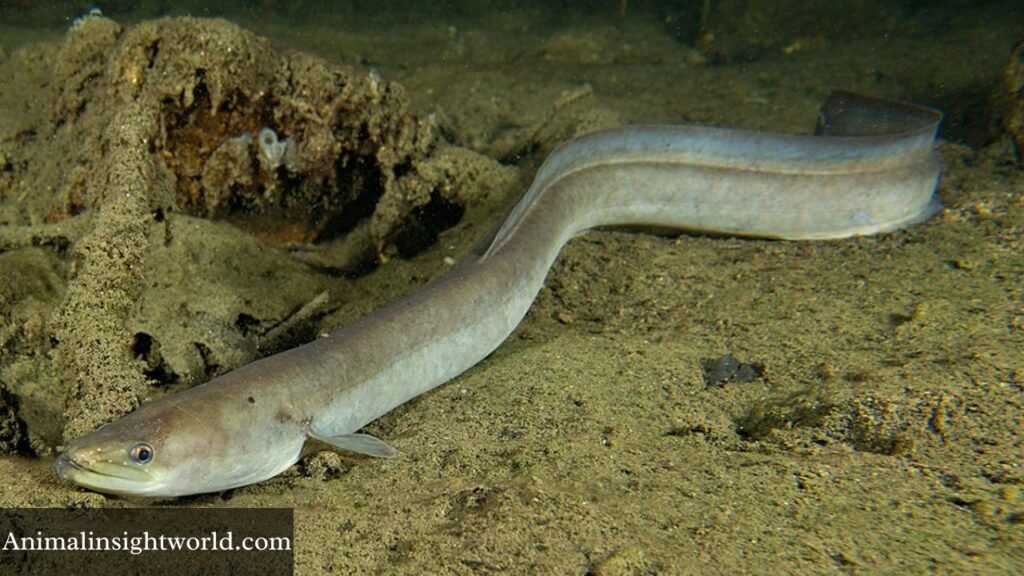
Not only are these eels masters of transformation, but they also play a pivotal role in their ecosystems. As both predator and prey, freshwater eels help maintain the balance within their habitats. They serve as a vital food source for larger fish and birds, while simultaneously controlling populations of smaller aquatic organisms. Their enigmatic existence adds an element of allure to river ecosystems, reminding us of nature’s intricate connections and the hidden life cycles that often go unnoticed. In a world increasingly shaped by human intervention, the plight of the freshwater eel serves as a poignant reminder of the delicate balance that sustains biodiversity in our rivers.
Readmore: Top 20 Annoying Animals in The World.
Final Thoughts
Animals that live in rivers highlight the importance of water bodies in sustaining wildlife. Each creature, whether it’s a swift fish or a graceful amphibian, contributes to a rich tapestry of life that enriches our planet. These habitats are essential not only for the animals themselves but also for human health and recreation. It is crucial that we recognize our role in protecting these environments against pollution and habitat destruction. Join us in promoting awareness and taking steps to preserve the rivers that nurture so many living beings.
FAQs
What animals live by the river?
Riverside ecosystems are vibrant and teeming with life, hosting a diverse array of animals. Common inhabitants include mammals like beavers, otters, and muskrats, which are well-adapted to aquatic environments. Beavers, for instance, are known for their dam-building skills, creating habitats that benefit many other species. Riverbanks also attract animals like deer and raccoons, which come to drink and forage in the lush vegetation.
What animals would you find in a river?
Rivers are home to a diverse array of animals, each adapted to the unique aquatic environment. You might encounter fish species like trout, bass, and catfish, which thrive in freshwater. Amphibians such as frogs and salamanders often inhabit riverbanks, relying on the water for both reproduction and hydration. Birds also frequent rivers, with species like kingfishers and herons often spotted hunting for fish or crustaceans along the shores. Mammals like beavers and otters are commonly found in and around rivers; beavers build dams to create habitats, while otters are playful hunters that glide through the water.
What animals live in freshwater?
Freshwater habitats are home to a diverse array of animals. Common examples include fish like trout, bass, and catfish, which thrive in rivers, lakes, and streams. Amphibians such as frogs and salamanders also depend on freshwater environments for mating and development. In addition to fish and amphibians, you’ll find various reptiles like turtles and alligators, as well as numerous invertebrates, including insects like dragonflies and aquatic snails.