Top 15 Animals That Look Like Deer (With Images)
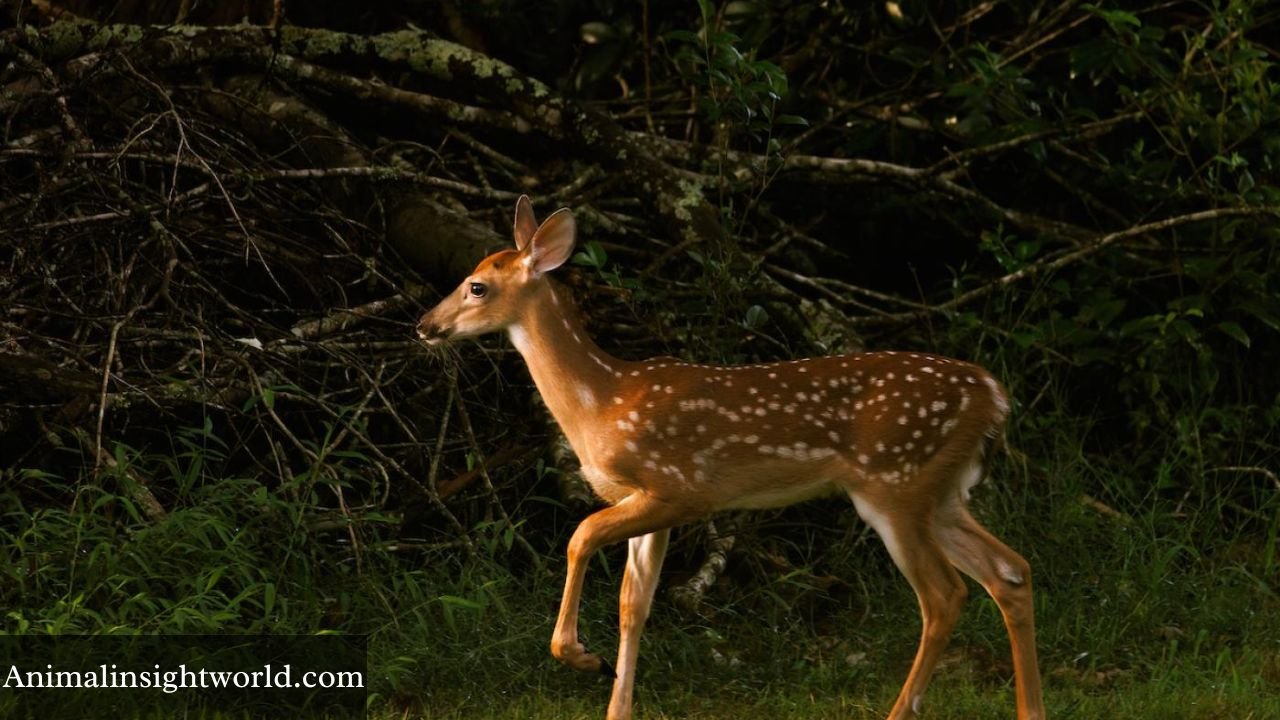
In the fascinating world of wildlife, several species bear an uncanny resemblance to these graceful creatures, defying traditional classifications. “Animals That Look Like Deer” delves into these unique species, revealing their characteristics, habitats, and the evolutionary stories behind their similarity. By exploring this topic, readers will gain insight into the rich diversity of nature and learn how even the most familiar creatures can surprise us.
List of Animals That Look Like Deer
Below is the list of animals that are like deer:
- Gazelle
- Gemsbok
- Blackbuck
- Muntjac
- Pronghorn
- Ladakh Urial
- Chinkara
- Elk
- Vietnam Mouse-Deer
- Moose
- Greater Kudu
- Reindeer
- Nyala
- Roan Antelope
- Giant Sable
Gazelle
Class: Mammalia
Diet: Herbivore
The gazelle, often mistaken for a deer due to its elegant, slender frame and graceful movements, occupies a unique niche in the animal kingdom. With its large, expressive eyes and powerful yet light limbs, the gazelle embodies a silent poetry as it bounds effortlessly across the arid landscapes of Africa. While they share a similar herbivorous diet with deer, gazelles have adaptations that allow them to thrive in harsh environments, such as their ability to go long periods without water and their lightweight bodies that enable swift escape from predators.
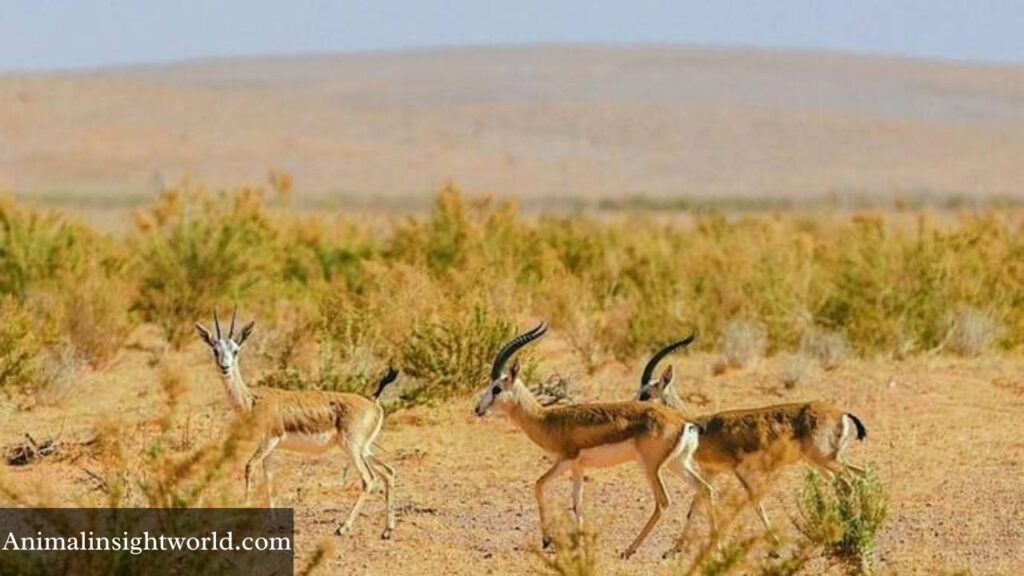
A fascinating aspect of gazelles is their social structure; they often live in herds, exhibiting playful behaviors that enhance camaraderie and safety. Unlike deer, which can exhibit solitary behavior, gazelles engage in intricate social interactions, including a series of leaps and twists known as “stotting,” which serves to confuse predators by showcasing their agility.
Gemsbok
Scientific Name: Oryx gazella
Class: Mammalia
Diet: Herbivore
The gemsbok, an iconic inhabitant of the arid savannas and semi-deserts of southern Africa, captivates with its striking appearance that often draws comparisons to deer. With its long, straight horns and distinctive facial markings, this antelope exhibits a grace reminiscent of its cervid cousins. However, what sets the gemsbok apart is its perfect adaptation to harsh environments, showcasing a remarkable ability to survive in scorching temperatures that would deter many other species.
Observing a gemsbok in its natural habitat reveals a fascinating blend of strength and elegance. Their robust build allows them to traverse challenging terrain with remarkable agility, while their striking coat — an interplay of tan, black, and white — provides a perfect camouflage against the dry scenery. Fascinatingly, gemsboks have evolved a sophisticated social structure, often forming herds that navigate migratory patterns in search of water and grazing, showcasing their resilience in the face of adversity.
Blackbuck
Scientific Name: Antilope cervicapra
Class: Mammalia
Diet: Herbivore
The Blackbuck, often mistaken for a small deer, is an enchanting creature with a graceful silhouette and striking coloration. Found primarily in the grasslands of India, this antelope boasts a sleek, glossy coat that varies from tan to dark brown, with white patches accentuating its elegant form. What truly sets the Blackbuck apart, however, are its impressive spiral horns, which can grow up to three feet long in males, adding an air of majesty to their already poised demeanor.
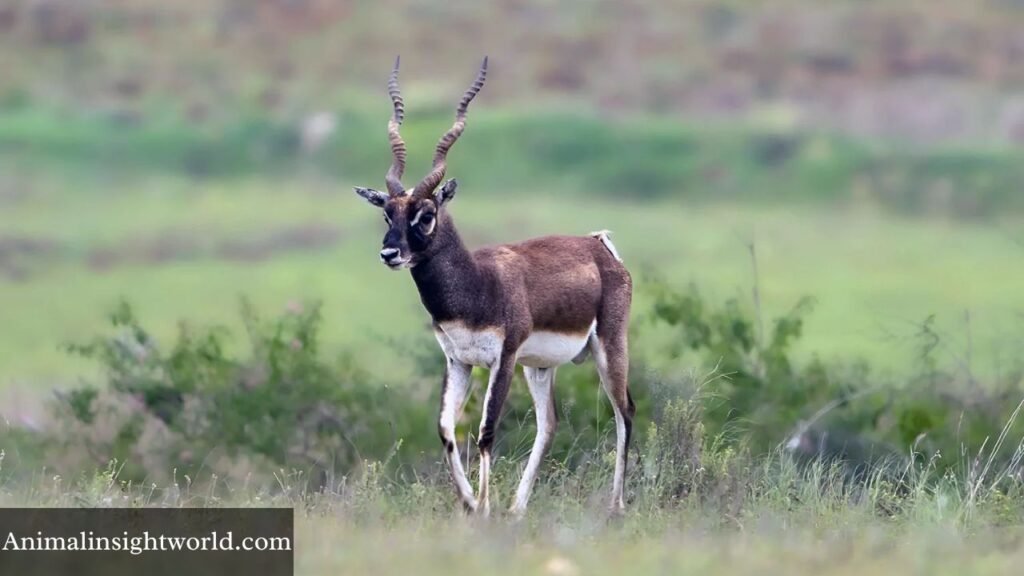
Beyond their captivating appearance, Blackbucks play a crucial ecological role in their habitats. Their grazing habits help maintain grassland ecosystems by controlling plant growth, thus promoting biodiversity. Socially, they are fascinating as well, often seen in herds led by a dominant male. This complex social structure creates a dynamic interaction among males, where competition and display become a critical part of their survival strategy.
Readmore: Explore Top 13 Animals Like Seals.
Muntjac
Scientific Name: Muntiacus
Class: Mammalia
Diet: Omnivore
The Muntjac, often referred to as the “barking deer,” mesmerizes with its unique blend of features that make it appear both delicate and formidable. With their large, expressive eyes and slender physique, these small deer — typically ranging from 18 to 38 inches tall — exude a charm that belies their sometimes aggressive demeanor. Their distinctive vocalizations, reminiscent of a dog’s bark, serve as a fascinating reminder of how these creatures communicate within their tightly-knit herds.
Intriguingly, Muntjacs possess antlers that are barely visible, often just small spikes emerging from their foreheads. This adaptation sets them apart from traditional deer, suggesting an evolutionary strategy that favors stealth over display. Their coat, a rich reddish-brown, blends seamlessly into dense underbrush, offering them camouflage in their forested habitats. Moreover, their diet, which consists mainly of leaves, fruits, and flowers, allows them to thrive in various ecosystems — from tropical jungles to temperate woodlands — highlighting their adaptability and resilience in changing environments.
Pronghorn
Scientific Name: Antilocapra americana
Class: Mammalia
Diet: Herbivore
Pronghorns, often mistaken for deer due to their slender bodies and graceful movements, offer a unique blend of characteristics that set them apart. Found primarily in North America, these remarkable creatures belong to a distinct family, Antilocapridae, making them the only surviving members of their lineage. Unlike true deer, pronghorns possess a unique pair of horns that can shed and regrow annually, a fascinating adaptation not seen in their more commonly known relatives.
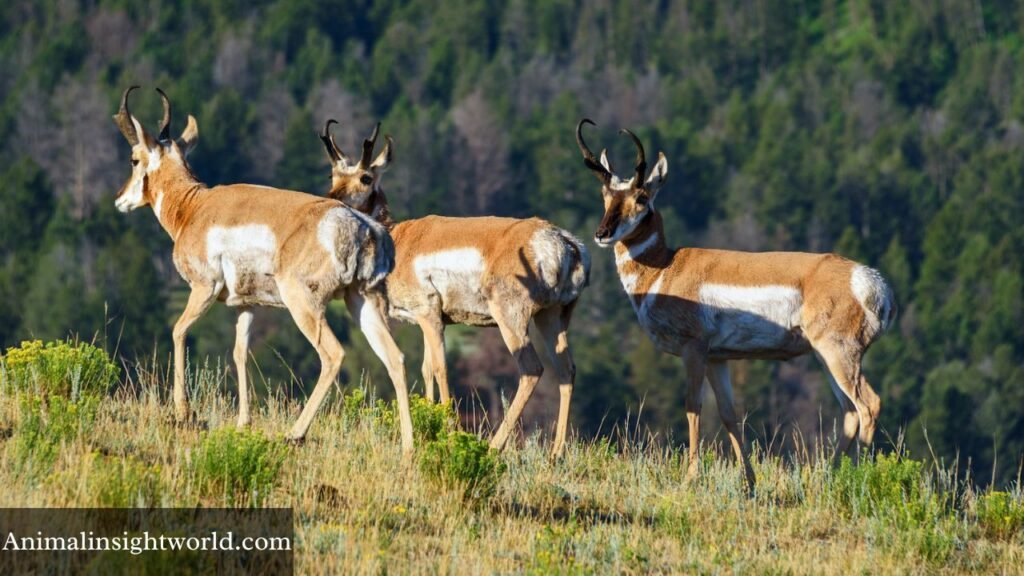
What truly captivates observers is their incredible speed; pronghorns are the second-fastest land mammals in North America, second only to the cheetah. This remarkable ability stems from evolutionary adaptations that allowed them to escape prehistoric predators. When you watch them dash across the open plains, the combination of agility and elegance is truly mesmerizing. Their striking coat patterns, with a tan and white coloration, not only blend beautifully with their arid habitat but also serve as effective camouflage from potential threats.
Ladakh Urial
Scientific Name: Ovis vignei vignei
Class: Mammalia
Diet: Herbivore
The Ladakh urial, a wild sheep native to the rugged terrains of northern India and Pakistan, often draws comparisons to deer due to its strikingly slender physique and graceful demeanor. With its crescent-shaped horns that can reach up to 32 inches, the urial presents an elegant visage, capturing the hearts of wildlife enthusiasts. Unlike the typical deer, which may inhabit lush forests, the Ladakh urial thrives in rocky, alpine meadows, showcasing its adaptability to harsh environments.
Intriguingly, these majestic animals display a unique social structure, often forming small groups led by a dominant male. During the rutting season, their playful yet fierce battles for dominance can be a spectacle, reminiscent of the spirited interactions among deer. Furthermore, their beautiful coat, ranging from rich reddish-brown to sandy hues, serves as a natural camouflage against the rocky backdrop, making them a fascinating study in evolution and adaptation.
You can also read: Explore Top 11 Animals Like Horses.
Chinkara
Scientific Name: Gazella bennettii
Class: Mammalia
Diet: Herbivore
The Chinkara, or Indian Gazelle, is a fascinating creature that brings a unique charm to the landscapes it inhabits, predominantly in India and parts of Pakistan. Unlike their more commonly recognized counterparts in the deer family, Chinkaras have a lithe build and exhibit a stunning golden-brown coat that allows them to seamlessly blend into their arid habitats. Their large, expressive eyes and slender legs evoke a sense of both grace and vulnerability, making them particularly enchanting to observe in the wild.
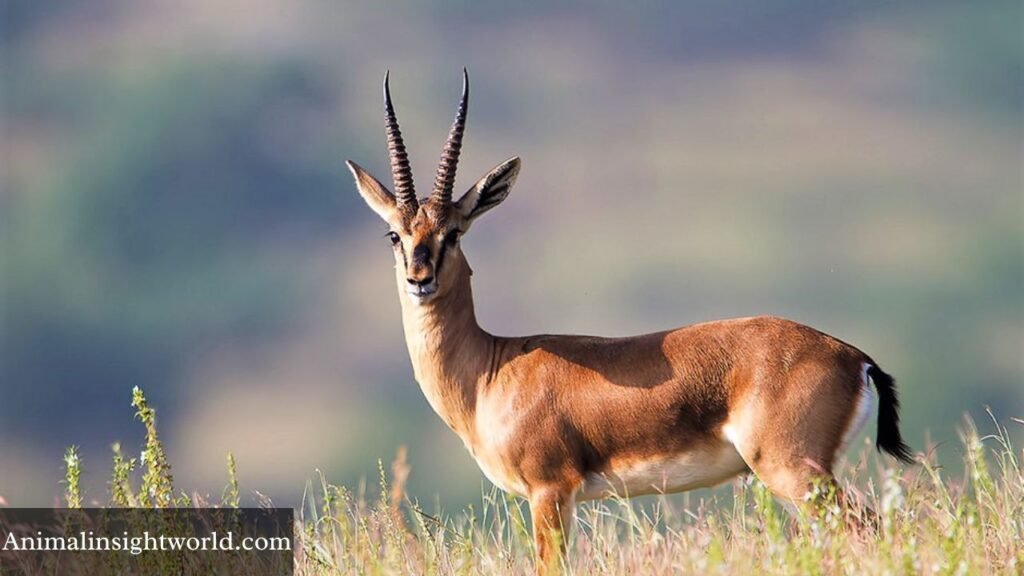
These animals are not just a visual delight; they possess remarkable adaptations that help them thrive in harsh environments. With an ability to survive without water for extended periods, Chinkaras have evolved to extract moisture from the vegetation they consume. Their keen senses and swift agility enable them to evade predators with effortless bounds, often reaching impressive speeds that mirror the elegance of their deer relatives. This combination of beauty and resilience encapsulates the spirit of the Chinkara, reminding us of the delicate balance of life in the ecosystems they inhabit.
Elk
Scientific Name: Cervus canadensis
Class: Mammalia
Diet: Herbivore
Elk, often overshadowed by their more famous relatives like deer, are fascinating creatures in their own right. With their impressive antlers that can span up to four feet and their striking golden-brown coats, these majestic animals command attention in their natural habitats. Unlike deer, which primarily exhibit solitary or small group behaviors, elk are highly social creatures, often forming large herds, especially during mating season. This dynamic not only fosters complex social interactions but also plays a crucial role in their survival, as there’s safety in numbers.
One of the most intriguing aspects of elk is their vocalizations, particularly the haunting bugle of the males during the rut. This call serves as both a mating signal and a way to assert dominance, adding a layer of drama to their breeding rituals. Moreover, elk are surprisingly adaptable, thriving in diverse ecosystems ranging from Rocky Mountain forests to grasslands. Their ability to navigate various terrains and climates showcases the robustness of their biology. As researchers continue to study these magnificent animals, it’s clear that understanding their behavior and ecology offers valuable insights into conservation efforts, ensuring these regal animals remain a vibrant part of our natural world.
Vietnam Mouse-Deer
Class: Mammalia
Diet: Herbivore
The Vietnam mouse-deer, a fascinating and elusive creature, is often referred to as a living relic of evolution. Scientifically known as “Tragulus versicolor”, this small mammal is not a true deer but belongs to a unique family called Tragulidae, making it a part of the superorder Laurasiatheria. With its compact size — averaging only about 50 centimeters in length — and delicate features, it is a charming blend of innocence and agility that can easily capture the attention of wildlife enthusiasts.
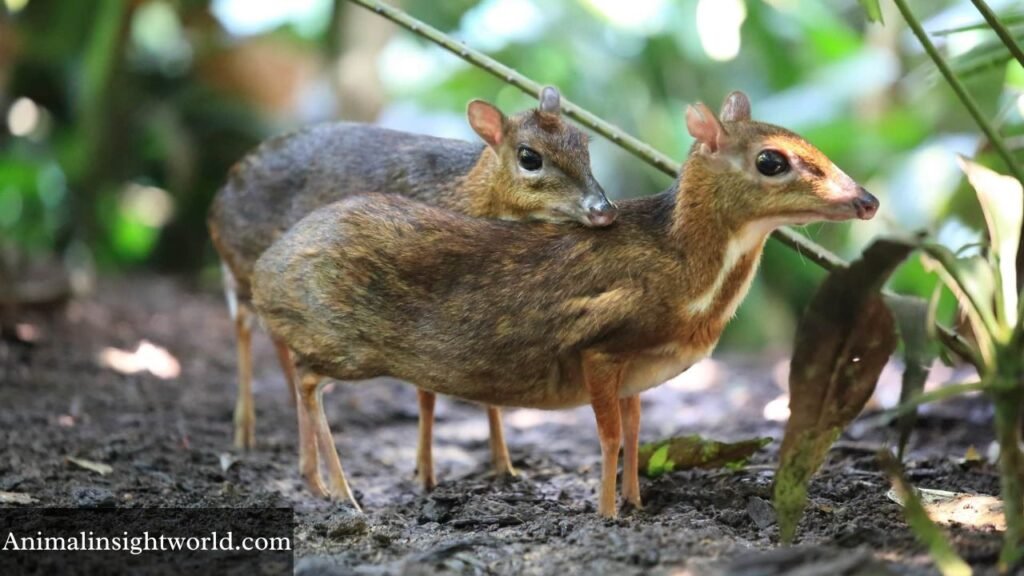
One of the most striking attributes of the Vietnam mouse-deer is its remarkable camouflage. Its reddish-brown fur, adorned with white spots, blends seamlessly into the forest floor, allowing it to evade predators effectively. This master of concealment thrives in the dense, damp jungles of Vietnam, where the humidity creates a lush, vibrant environment rich in biodiversity. Unlike larger deer species, the mouse-deer’s diet consists mainly of fruit, leaves, and tender shoots, showcasing its adaptation to a more solitary, herbivorous lifestyle.
Moreover, the Vietnam mouse-deer’s reproductive behaviors offer a window into the complexities of animal relationships. Males possess tiny, tusk-like canines, which they use in sparring matches during mating season, expressing dominance without severe aggression. This fascinating display of behavior is a reminder of nature’s intricacies, where even the smallest creatures can have impactful roles in their ecosystems. The ongoing challenges of habitat loss pose a threat to their survival, making awareness and conservation efforts crucial to protect this remarkable species that so beautifully resembles the grace of deer.
Readmore: Explore Top 10 Animals That Look Like Beavers.
Moose
Scientific Name: Alces alces
Class: Mammalia
Diet: Herbivore
Moose, the largest members of the deer family, embody a unique blend of majesty and awkwardness, captivating observers with their sheer size and distinctive features. Standing up to six and a half feet tall at the shoulder, these gentle giants possess long legs that enable them to traverse the dense forests and wetlands of North America and parts of Europe with surprising agility. One cannot help but be struck by their impressive antlers, which can span up to six feet in width, creating a stunning contrast against their massive bodies. Unlike traditional deer, moose sport a distinctive droopy nose and a pronounced dewlap, known as a bell, which adds to their unique appearance.
Despite their imposing size, moose are primarily browsers, savoring the tender shoots of trees, shrubs, and aquatic plants. This dietary preference allows them to thrive in various environments, from cold tundra to lush wetlands. Interestingly, moose are also quite social during mating season, showcasing a behavior that counters their typically solitary nature.
Greater Kudu
Scientific Name: Tragelaphus strepsiceros
Class: Mammalia
Diet: Herbivore
The Greater Kudu, with its impressive spiral horns and striking physique, often captivates wildlife enthusiasts and casual observers alike. Native to the woodlands and savannas of eastern and southern Africa, this antelope not only shares a graceful resemblance to deer but also showcases a unique beauty that sets it apart. The sleek, slate-gray coat, adorned with subtle vertical white stripes, allows the Greater Kudu to blend seamlessly into its surroundings, a master of camouflage in its natural habitat.
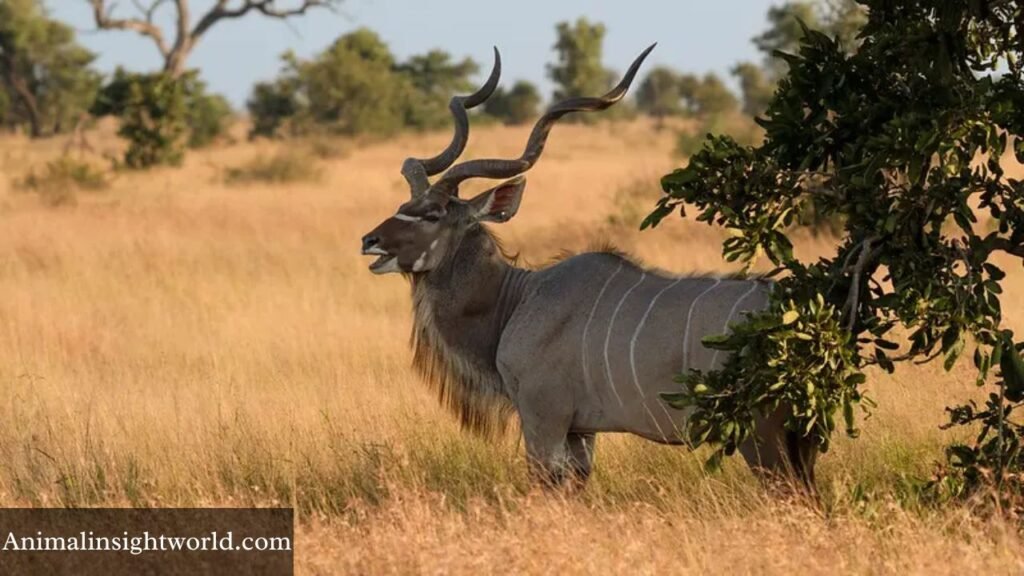
Beyond aesthetics, the Greater Kudu exhibits fascinating behavior that distinguishes it from deer. These majestic creatures possess a remarkable ability to navigate dense brush, often utilizing their agility and keen senses to evade predators. Socially, they tend to be more solitary compared to deer, forming small groups or remaining in pairs, which adds an element of mystery to their interactions. Unlike many other antelope species, Kudus are known for their impressive leaping ability, effortlessly clearing obstacles up to 2.5 meters high — a skill that is as astounding as it is practical in navigating their rugged habitats.
Reindeer
Scientific Name: Rangifer tarandus
Class: Mammalia
Diet: Herbivore
Reindeer, also known as caribou in North America, present a striking blend of beauty and resilience, perfectly adapted to their frigid habitats. With their majestic antlers, which can grow as large as 4 feet, these animals are uniquely equipped to navigate both snow-laden landscapes and the challenges of foraging in harsh winters. One fascinating aspect of reindeer biology is their thick, hollow hair, which traps air to provide insulation, making them one of the best-equipped mammals for cold climates.
Social creatures at heart, reindeer display remarkable migratory behaviors. Groups can travel over 3,000 miles annually in search of food, demonstrating not just resilience but also a deep connection to their ecosystem. Their relationship with indigenous cultures, particularly the Sámi people of Scandinavia, further enriches their narrative, symbolizing not just a source of livelihood but also ancient traditions and spiritual significance. As climate change impacts their habitats, these majestic animals remind us of the delicate balance between nature and human activity, urging us to appreciate and protect the ecosystems that sustain them.
You can also read: Explore Top 17 Animals Like Capybara.
Nyala
Scientific Name: Tragelaphus angasii
Class: Mammalia
Diet: Herbivore
The Nyala, a striking member of the antelope family, offers a unique twist on the deer-like aesthetics we often admire. Native to southern Africa, this animal displays an enchanting combination of physical traits that set it apart from its more common deer counterparts. Males, adorned with long, twisted horns and a rich, dark brown coat accented with white stripes and facial markings, present a regal appearance reminiscent of a forest deity. In contrast, the females flaunt a more understated elegance with their lighter, fawn-colored fur and subtle facial patterns, showcasing nature’s incredible diversity.
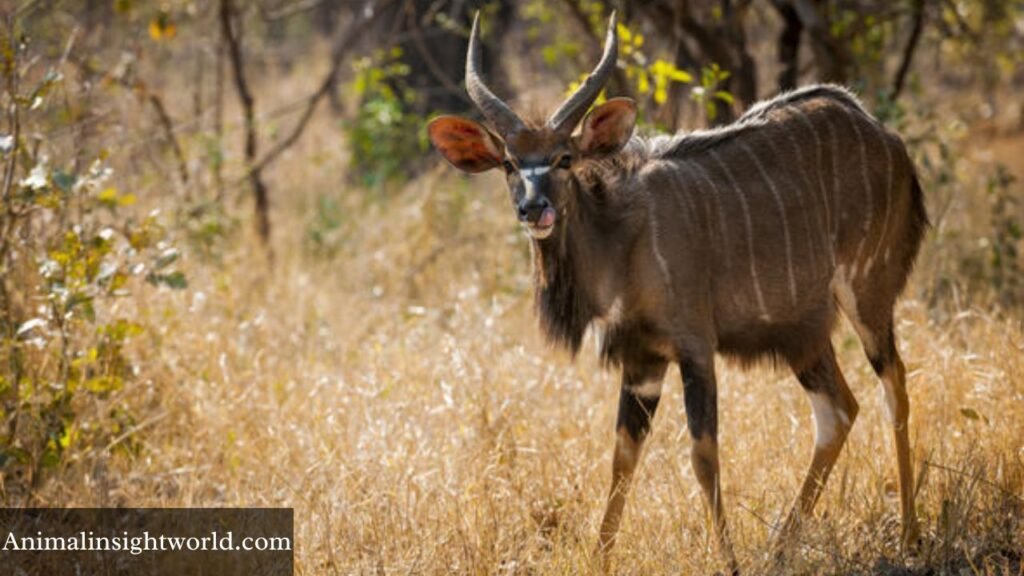
What truly captivates about the Nyala is its remarkable adaptability to its environment. These antelopes thrive in dense bush and woodland areas, elements often overlooked in typical deer habitats. Their unique behavior is another fascinating aspect; unlike many other grazers, Nyala are selective browsers, often feeding on leaves and branches rather than grass. This herbivorous diet allows them to utilize niches that other herbivores may overlook, giving them an advantage in their ecosystem. Observing them in the wild reveals a delicate balance between majesty and vulnerability, emphasizing the importance of conservation efforts to preserve their habitats amidst modern challenges.
Roan Antelope
Scientific Name: Hippotragus equinus
Class: Mammalia
Diet: Herbivore
The Roan Antelope, with its striking appearance and unique traits, often captivates those who encounter it in the wild. Native to the savannas and woodlands of Africa, this impressive creature not only shares physical similarities with deer but also embodies a fascinating blend of grace and strength. Sporting a sleek body, long legs, and distinct facial markings, the Roan Antelope features prominent, curved horns that can exceed three feet in length. These horns are not just for show; they play a crucial role in social interactions and defense against predators.
Interestingly, the Roan Antelope exhibits social structures similar to some deer species, forming herds led by a dominant male. This social behavior enhances their survival, facilitating group foraging and vigilance against threats. Moreover, their striking chestnut and white coloring enables them to blend seamlessly into their environment, a clever adaptation that speaks to their survival instincts.
Giant Sable
Scientific Name: Hippotragus niger variani
Class: Mammalia
Diet: Herbivore
The Giant Sable occupies a unique niche in the animal kingdom that often leaves onlookers mesmerized. With its imposing stature, this antelope not only shares an uncanny resemblance to deer, but also exhibits strikingly beautiful features, such as its long, curved horns and lustrous black coat. This majestic creature roams the savannas of Angola, where it serves as a symbol of national pride and wildlife conservation efforts.
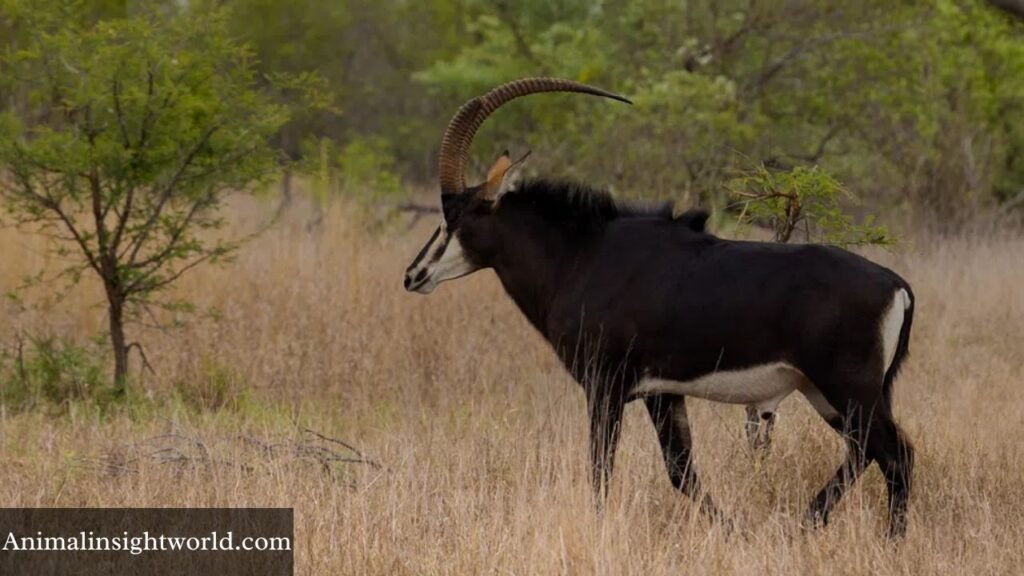
What sets the Giant Sable apart from its deer-like appearance is its behavior — more exuberant and social than typical deer, these animals thrive in herds that reflect complex social structures. Their charismatic nature allows for intriguing interactions within groups, often leading to displays of dominance and courtship rituals that mirror the drama of a wildlife documentary. Observing these magnificent animals in their natural habitat not only highlights their beauty but also underscores the importance of preserving the delicate ecosystems they inhabit.
Readmore: Explore Top 12 Animals like Sugar Glider.
Final Thoughts
The animal kingdom is full of fascinating creatures that share similarities with deer, whether in their physical appearance or behaviors. From the elegant antelope to the adorable muntjac, these animals remind us of the diversity and adaptability present in nature. Each species, with its unique traits, plays a vital role in its ecosystem, showcasing the interconnectedness of life. By appreciating and protecting these remarkable creatures, we contribute to the preservation of biodiversity.
FAQs
What animals look like deer?
Several animals resemble deer in terms of their body structure and overall appearance. One of the closest relatives is the antelope, which shares similar features like long legs and a graceful build. Different species, such as the gazelle and kudu, have slender bodies and large, expressive eyes that can remind you of deer. Another animal that looks like a deer is the moose, particularly because of its size and shape. However, moose are much bulkier and tend to have distinctively broad antlers. Animals like the elk and caribou also belong to the deer family and share similar traits, making them look quite alike, albeit on a larger scale.
What is a deer looking animal with horns?
A deer looking animal with horns is likely an impala. Impalas are medium-sized antelopes native to eastern and southern Africa. They have a sleek build, with long legs and a distinctive reddish-brown coat, making them quite agile. Males have long, curved horns that can grow up to 36 inches. These horns are not just for show; they play a crucial role during mating season when males compete for dominance. Impalas are known for their incredible leaping ability, often bounding gracefully away from predators.
What animal looks similar to a deer?
One animal that looks similar to a deer is the moose. Though larger, moose share the same elongated body shape and long legs typical of deer. Their distinctive features, like broad, palmed antlers and a hanging “bell” under the throat, set them apart, but they still possess that deer-like elegance.