Top 15 Animals With Hooves (With Pictures)
Have you ever wondered why some of the world’s most iconic animals have hooves? From the majestic zebra to the hardworking donkey, animals with hooves have evolved to thrive in various habitats and are essential to human society. In this article, we’ll dive into the characteristics and behaviors of these amazing creatures, including their ecological impact and roles in agriculture. Prepare to gain a deeper appreciation for these hoofed wonders and their place in our world.
List of Animals With Hooves
Here is the list of animals with hooves :
- Sheep
- Bison
- Giraffe
- Addax
- Moose
- Horse
- Hippopotamus
- Gazelle
- Pig
- Giant Eland
- Buffalo
- Cow
- Zebra
- Impala
- Donkey
Sheep
Scientific Name: Ovis aries
Class: Mammalia
Diet: Herbivore
Sheep are fascinating creatures, not just for their soft wool and gentle demeanor but also for the unique adaptations their hooves provide. The cloven hoof structure, split into two distinct digits, allows them to traverse rocky terrains and steep slopes with remarkable agility. This anatomical design is particularly beneficial in their natural habitats, where they can navigate rugged landscapes in search of grazing opportunities. The flexibility of their hooves aids not only in mobility but also in maintaining balance on uneven ground, making these animals surprisingly adept climbers.
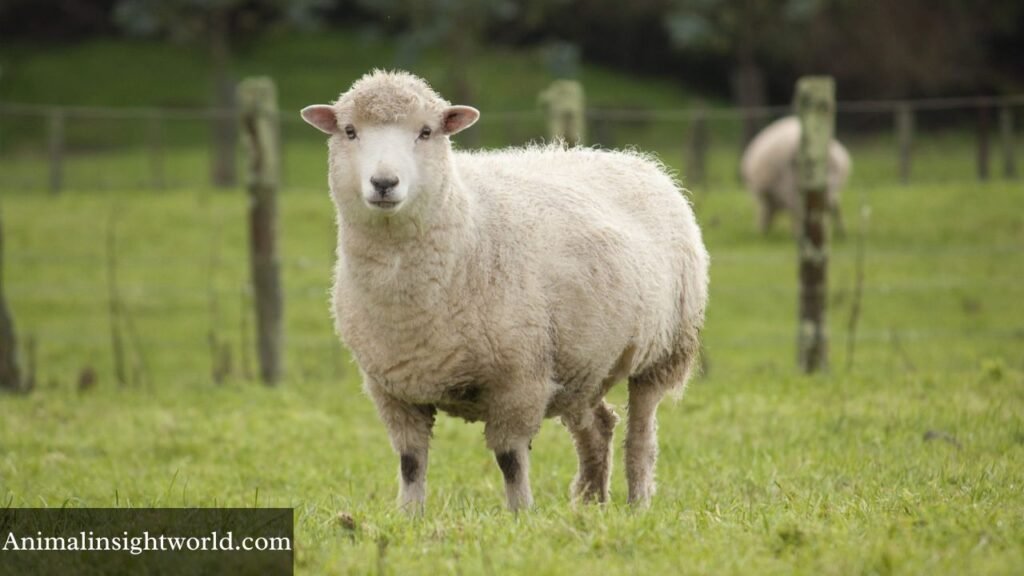
Beyond their physical traits, sheep have a rich social structure that contributes to their survival. They are highly social animals, often forming tight-knit flocks led by matriarchs. This herd mentality not only helps them evade predators but also fosters a complex communication system that involves a variety of bleats and body language. Interestingly, through social learning, younger sheep can pick up grazing preferences and navigational skills from older members, showcasing their capacity for cultural transmission within the flock. This depth of social interaction highlights the intelligence behind their seemingly simple exterior, revealing a world of dynamics that extends far beyond their woolly disguises.
Bison
Scientific Name: Bison bison
Class: Mammalia
Diet: Herbivore
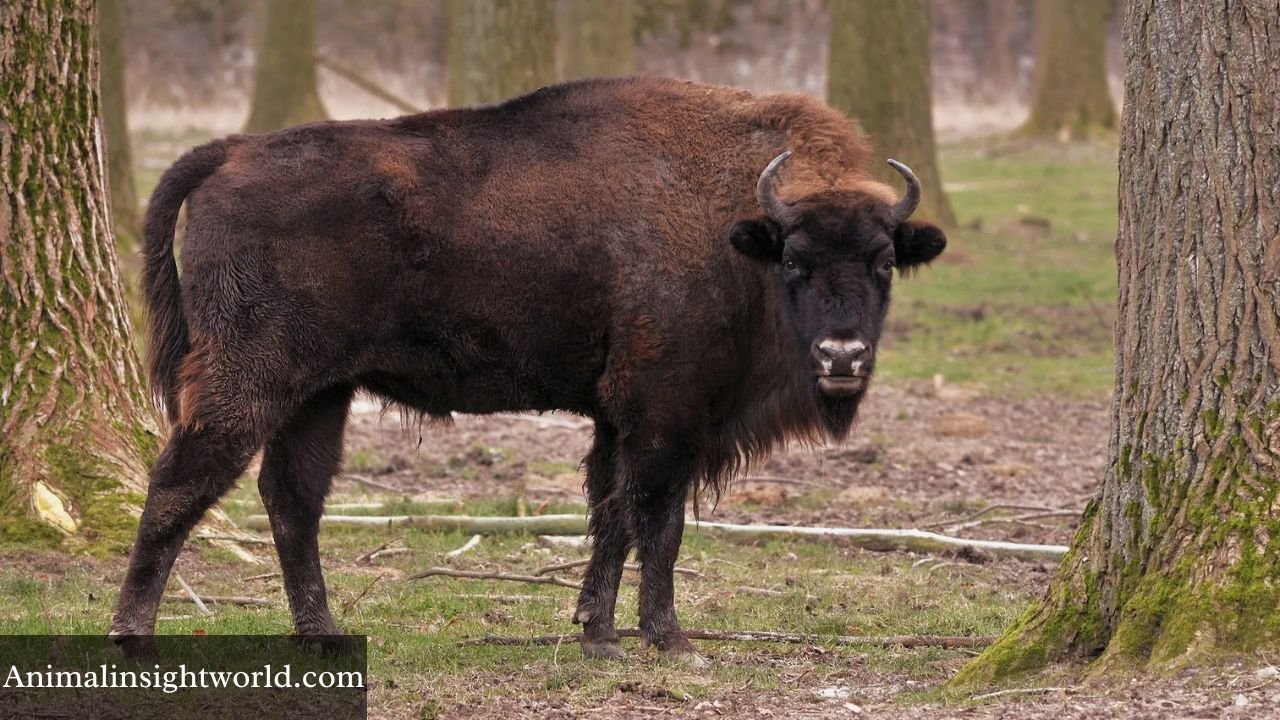
Bison are magnificent symbols of the North American plains, embodying strength and resilience. These colossal creatures can weigh up to a ton, yet their agility is striking, as their powerful limbs enable them to traverse rugged terrains with surprising ease. Notably, their hooves are uniquely adapted to their environment; broad and large, they act like snowshoes in winter, allowing them to navigate deep snow while foraging for grass hidden beneath the surface.
Ecologically, bison play a crucial role in maintaining the health of grasslands. Their grazing habits promote biodiversity by preventing any single species of grass from monopolizing the ecosystem. As they move through the landscape, they also aerate the soil, helping to foster a rich habitat for other plant and animal species. Furthermore, the dung of bison enriches the soil, providing a nutrient boost that supports a variety of life forms. This cyclical relationship underscores the importance of bison beyond their impressive size; they are vital contributors to the ecological balance of their habitats.
Giraffe
Scientific Name: Giraffa camelopardalis
Class: Mammalia
Diet: Herbivore
The giraffe, an iconic symbol of the African savanna, boasts unique hooves that play a crucial role in its survival. Unlike most hoofed animals, giraffes possess a two-toed structure with a broader surface area, allowing them to navigate their uneven terrain gracefully. This adaptation helps them traverse rocky landscapes and soft earth without sinking, showcasing their evolutionary brilliance.
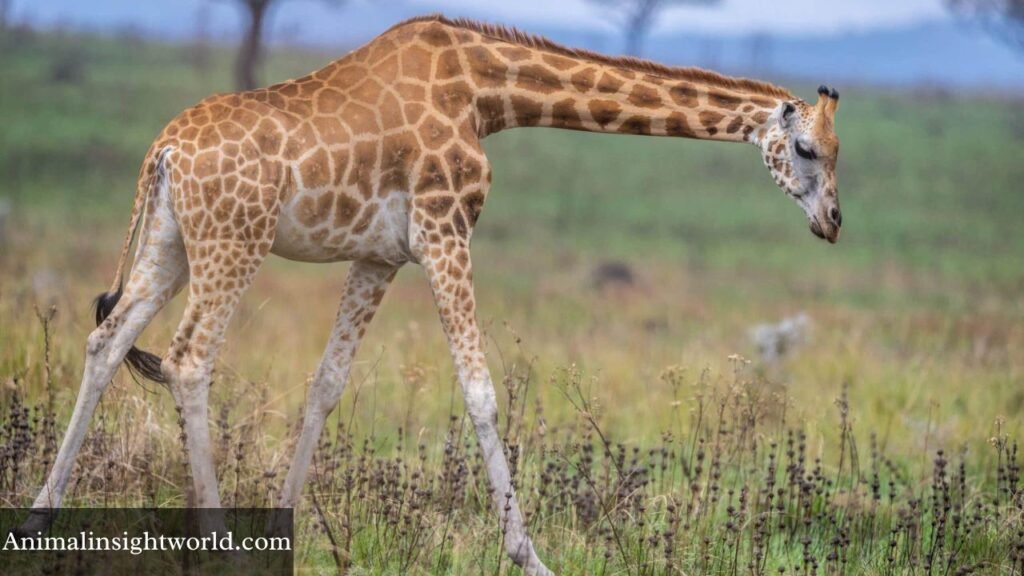
Moreover, giraffe hooves are not just a practical tool for mobility; they also serve as a defense mechanism. When threatened, a giraffe can deliver powerful kicks with its long legs, using its substantial weight to inflict severe damage on would-be predators. This surprising combination of elegance and strength highlights the giraffe’s niche as both a peaceful grazer and a formidable defender. Their hooves, often overlooked, emerge as silent sentinels, supporting a creature that epitomizes the majesty of the wild while ensuring survival in Africa’s diverse ecosystems.
Readmore: Explore Top 21 Animals With Scales.
Addax
Scientific Name: Addax nasomaculatus
Class: Mammalia
Diet: Herbivore
The Addax, or white antelope, is a striking example of evolution’s adaptability, thriving in the Sahara Desert’s harsh conditions. Sporting long, spiraled horns and a unique white-and-brown coat, this antelope has mastered the art of camouflage among the arid landscape of sand and sparse vegetation. Unlike many other hoofed animals, the Addax can survive without direct water sources, obtaining moisture from the vegetation it consumes. This remarkable ability allows it to roam vast territories, making it an impressive survivor in one of the world’s most inhospitable environments.
Moreover, the Addax plays a crucial role in its ecosystem as a grazer, helping to maintain the balance of plant life in its habitat. Its hoof structure, adapted to sandy terrain, prevents it from sinking during movement — a feature that also aids in escaping predators. Unfortunately, this remarkable species now faces significant threats from poaching and habitat loss, leading to a dramatic decline in its population. Conservation efforts are critical to ensure that future generations can marvel at the unique beauty and resilience of the Addax in the wild.
Moose
Scientific Name: Alces alces
Class: Mammalia
Diet: Herbivore
The moose, with its towering stature and impressive antlers, is a fascinating embodiment of adaptability in the wild. These enormous herbivores roam the boreal forests and wetlands of North America, Europe, and parts of Asia, using their hooves to navigate the often marshy terrain. Unlike many other hoofed animals, moose have long, splayed hooves that function like paddles, allowing them to traverse through deep snow and swampy ground with ease.
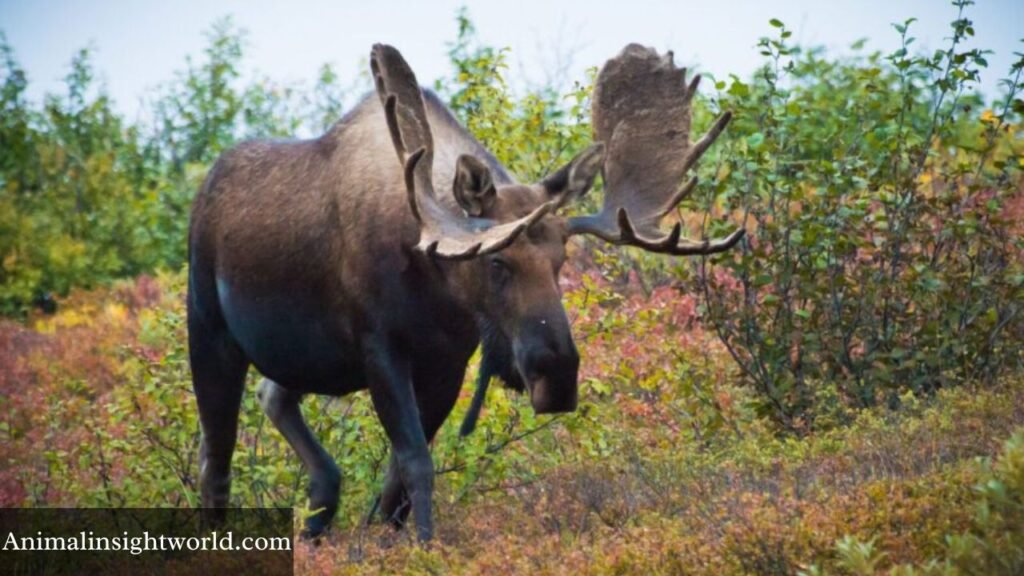
What truly sets moose apart is their unique feeding behavior. They are browsers, primarily selecting leaves, twigs, and aquatic plants, often dipping their heads into water to graze underwater vegetation. This ability not only showcases their adaptability but also highlights their role in maintaining ecosystem balance by controlling plant growth. Interestingly, a moose’s diet varies by season, reflecting a deep connection to their ever-changing environment, demonstrating how these majestic creatures elegantly navigate the challenges of their habitat.
Horse
Scientific Name: Equus ferus caballus
Class: Mammalia
Diet: Herbivore
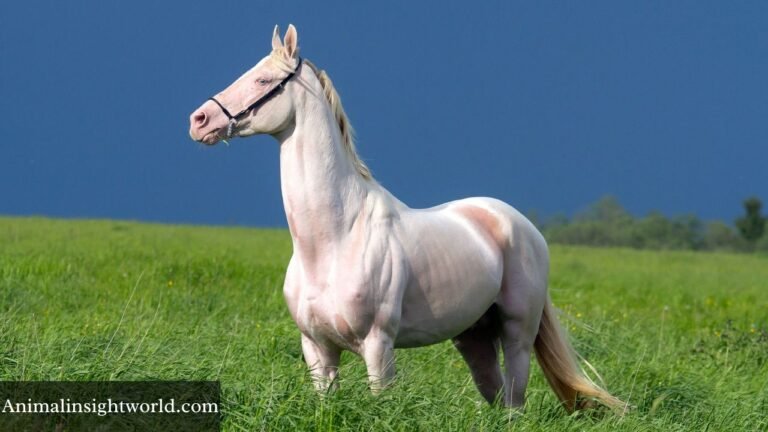
Horses, iconic symbols of strength and grace, showcase the remarkable adaptations of hoofed animals. With their unique, single-toed hooves, these magnificent creatures are not only built for speed but also for endurance. This evolutionary design allows them to traverse rugged terrains, from vast plains to steep mountains, making them exceptional travel companions throughout human history.
Beyond their physical capabilities, horses embody a complex spectrum of emotions and intelligence. They communicate through subtle body language, displaying everything from curiosity to deep empathy with their human handlers. This emotional connection has fueled long-standing partnerships, from warfare to recreational riding, highlighting their role as companions and collaborators rather than mere domesticated animals. Understanding these nuanced relationships can change how we view our interactions with these majestic beings, emphasizing that they are more than just athletes — they are sentient partners in our journeys.
Hippopotamus
Scientific Name: Hippopotamus amphibius
Class: Mammalia
Diet: Herbivore
The hippopotamus, often mistaken for a hefty marine creature, is indeed a fascinating example of hoofed mammals, though its lifestyle might surprise some. These semi-aquatic giants possess large, webbed feet that end in four distinct toes, supporting them as they roam their often muddy habitats. Despite their bulky appearance, hippos can sprint surprisingly fast on land, reaching speeds of up to 19 miles per hour. This unique combination of characteristics showcases their adaptability, allowing them to thrive both in water and on solid ground.
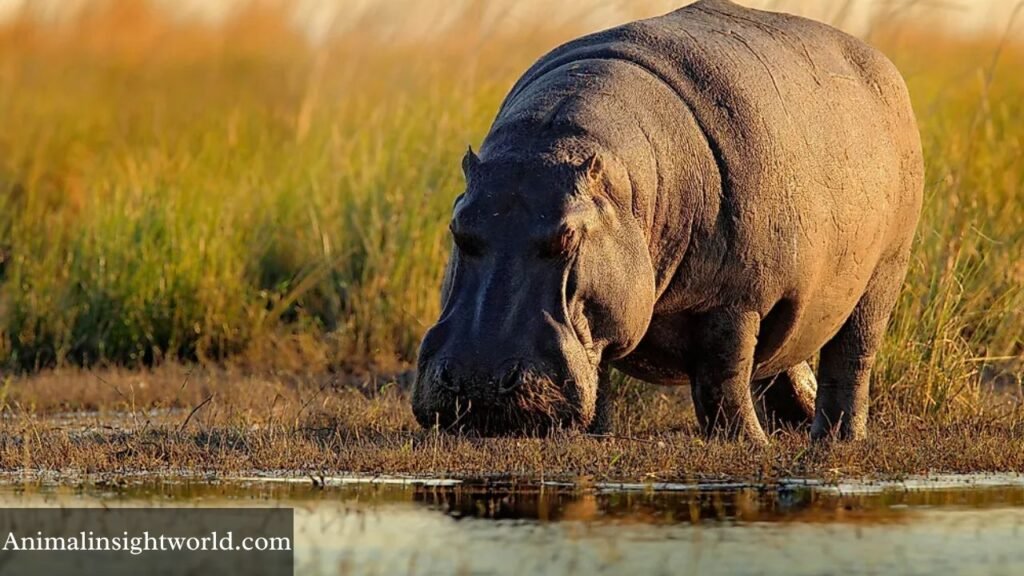
Social creatures by nature, hippos spend a significant amount of their time submerged in rivers and lakes, which not only keeps them cool but also serves as a refuge from the sweltering sun. They engage in intricate social behaviors, communicating through a series of grunts and wheezes, often observed during their twilight gatherings. However, their seemingly docile demeanor masks a fierce territorial instinct. Males, in particular, are known to be aggressively protective of their turf, reminding us that even the most charismatic animals can possess a wild, untamed edge. Understanding these dynamics highlights the delicate balance within their ecosystems, revealing how essential these creatures are to their environments.
Gazelle
Scientific Name: Gazella gazella
Class: Mammalia
Diet: Herbivore
The gazelle, a quintessential symbol of grace and elegance in the animal kingdom, is renowned for its remarkable agility and speed. These nimble herbivores are equipped with slender legs and specialized hooves, enabling them to navigate their often arid habitats with astounding ease. Their unique foot structure allows them to run at speeds of up to 60 miles per hour, making them one of the fastest animals on land. This remarkable mobility serves as a crucial survival mechanism in the face of predators, creating an intricate dance of predator and prey in open grasslands.
Beyond their physical prowess, gazelles possess a fascinating social structure. They often form herds, providing safety in numbers while engaging in dynamic interactions. The signature leaps and bounds they exhibit aren’t merely for display; these behaviors serve to communicate alarm or attract mates within these tight-knit groups. Gazelles play a pivotal role in their ecosystem, influencing vegetation patterns and serving as prey for larger carnivores, thus maintaining the natural balance. Observing their behavior offers a glimpse into the interplay of adaptation, social bonding, and environmental stewardship, reminding us of the delicate complexity of life on Earth.
Pig
Scientific Name: Sus scrofa domesticus
Class: Mammalia
Diet: Omnivore
Pigs, despite their reputation for being dirty, are remarkably intelligent and versatile creatures, often overshadowed by their hoofed cousins. Their hooves, split into two parts known as cloven hooves, provide them with stability and agility in varied terrains. This adaptability allows pigs to thrive in diverse environments, from lush forests to sprawling farms. Notably, their keen sense of smell is unparalleled; they can root around for food, unearthing truffles and other delicacies hidden beneath the soil. This unique foraging ability not only highlights their intelligence but also illustrates their integral role in many ecosystems.
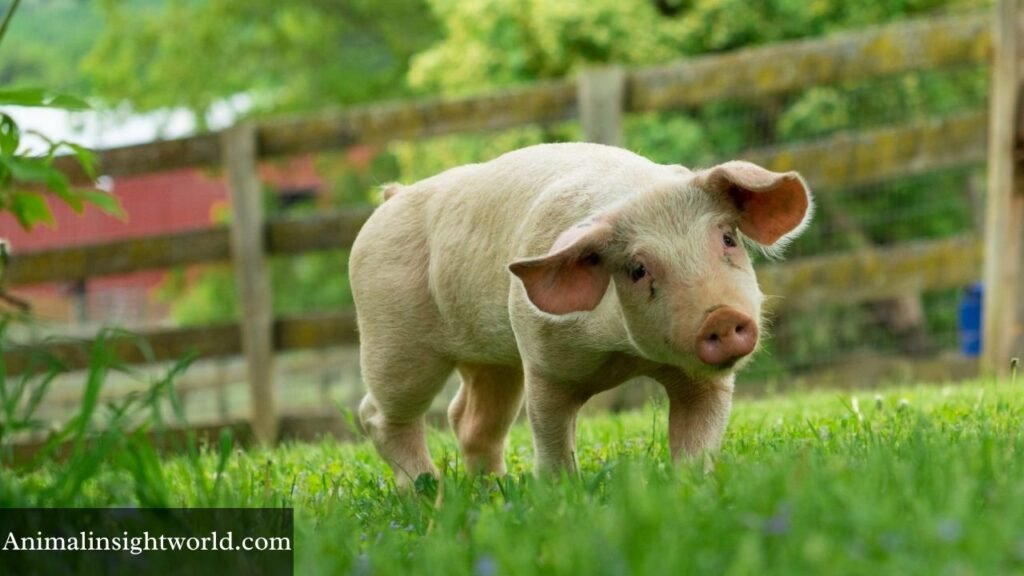
Beyond their ecological contributions, pigs offer fascinating insights into social behavior. These animals are known to form complex social hierarchies, exhibiting strong familial bonds and even friendships that can persist throughout their lives. Their vocalizations convey a wide range of emotions, from contentment to distress, showcasing their communicative capabilities. Furthermore, as we increasingly explore ethical farming practices, pigs are becoming symbols of sustainability, teaching us about the importance of humane treatment and ecological balance. These insights reveal that beneath their humble exterior lies a remarkable creature deserving of respect and deeper understanding.
Giant Eland
Scientific Name: Taurotragus derbianus
Class: Mammalia
Diet: Herbivore
The giant eland, the largest of all antelope species, seamlessly blends grace with raw power. Standing up to six feet tall at the shoulder and weighing as much as 2,000 pounds, these majestic creatures roam the savannas and woodlands of central and West Africa. Their impressive horns, which can spiral up to four feet in length, are not just for show; they play a crucial role in social hierarchies and mating displays, allowing males to establish dominance without resorting to physical confrontation.
While their size may suggest a lumbering nature, giant elands are surprisingly nimble, often leaping over obstacles up to eight feet high. This agility is vital for their survival, as they navigate predator-filled terrains. Fascinatingly, they exhibit a unique social structure, often forming loose herds that foster cooperation among mothers and young calves. Even their digestive system tells a tale of adaptation; as ruminants, they boast remarkable efficiency in extracting nutrients from the tough, fibrous vegetation typical of their habitat. Observing these gentle giants in the wild offers a glimpse into a world where strength and elegance coexist, reminding us of the intricate balance of nature.
Buffalo
Scientific Name: Syncerus caffer
Class: Mammalia
Diet: Herbivore
Buffalo, often celebrated for their strength and resilience, are fascinating creatures that play a pivotal role in numerous ecosystems. These formidable herbivores exhibit a remarkable social structure, forming tight-knit herds that provide safety in numbers. Their impressive hooves, designed for traversing a variety of terrains, allow them to graze efficiently in both grasslands and wetlands. Interestingly, the unique structure of their hooves supports their hefty weight, enabling them to navigate muddy areas without sinking.
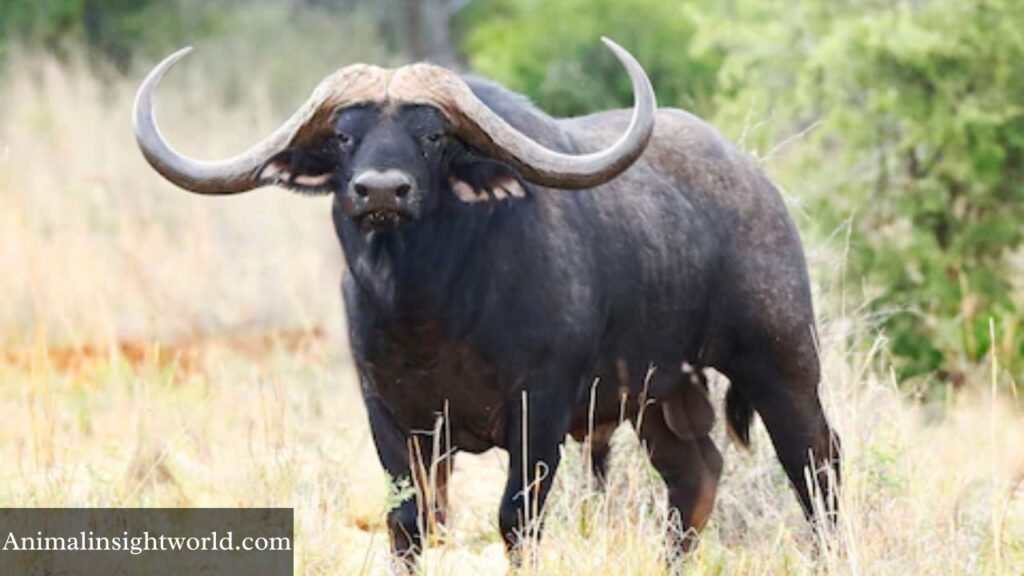
Beyond their physical adaptations, buffalo possess an intriguing social behavior that enhances their survival. When threatened, they demonstrate an extraordinary ability to coordinate as a group, using their sheer size and strength to deter predators. Furthermore, their grazing habits contribute significantly to their habitats, as they help maintain the balance of grasslands by promoting new plant growth. This interplay reflects a deeper ecological truth: the presence of buffalo can shape entire landscapes, making them indispensable to the biodiversity of their environments. Such insights illuminate the interconnectedness of species, reminding us that the survival of one often hinges on the well-being of many.
Cow
Scientific Name: Bos taurus
Class: Mammalia
Diet: Herbivore
Cows, often seen as the quintessential example of hoofed animals, are remarkable creatures that play a significant role in agriculture and ecosystems. Their unique digestive system, comprising a four-chambered stomach, allows them to extract nutrients from tough grasses that many other animals cannot digest. This remarkable adaptation not only helps them thrive in varying environments but also contributes to soil health by breaking down plant materials, enhancing nutrient cycling in grasslands.
Beyond their agricultural value, cows are social beings that exhibit complex behaviors and strong familial bonds. They communicate through a variety of vocalizations and body language, forming tight-knit groups that support each other. Research has shown that cows can recognize one another and even experience emotions akin to joy and distress. This social intelligence underscores the importance of understanding animal behavior, challenging the traditional views of livestock merely as production units, and inviting us to reconsider our ethical responsibilities towards these sentient beings.
Zebra
Scientific Name: Equus quagga
Class: Mammalia
Diet: Herbivore
Zebras, with their striking black-and-white stripes, are more than just visually captivating animals; they embody a unique social structure and behavior that sets them apart in the equine family. Each zebra’s stripe pattern is as distinctive as a human fingerprint, serving not only as camouflage in the wild but also as a means of reinforcing social bonds within their herds. When zebras gather, their stripes create a mesmerizing optical illusion, making it difficult for predators, such as lions, to single out an individual during a chase.
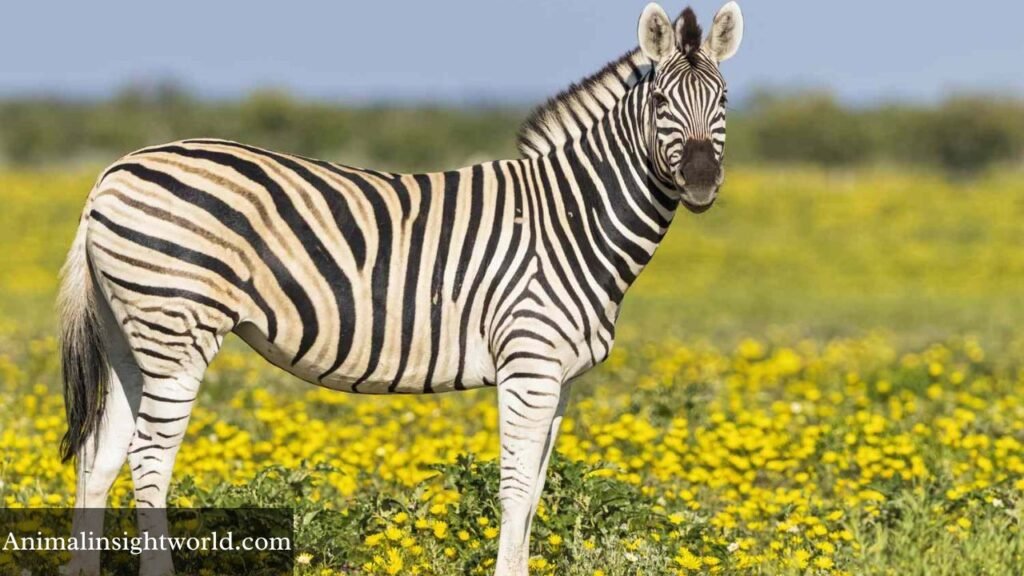
Moreover, these hoofed wonders exhibit fascinating adaptations for survival. Their hooves, designed for swift movement across diverse terrains, allow them to navigate the grasslands of Africa with agility and grace. Zebras are also known for their strong familial bonds, often seen grooming each other and forming tight-knit family groups. This social dynamic not only enhances their resilience against predators but also fosters a sense of community that is crucial for their survival. Emphasizing cooperation over competition, zebras teach us valuable lessons about the strength of unity in a world filled with challenges.
Impala
Scientific Name: Aepyceros melampus
Class: Mammalia
Diet: Herbivore
The impala, a hallmark of African savannahs, is renowned for its remarkable agility and grace. With long, slender legs and a unique ability to leap up to ten feet high, these medium-sized antelopes embody the essence of speed and elegance. Watching an impala perform its signature “stotting” — a high, bounding jump — offers a mesmerizing display of athleticism. This behavior not only showcases their physical prowess but also serves as a crucial survival tactic, signaling to predators that they are fit and healthy, thus potentially deterring pursuit.
Social beings, impalas often form large herds, which can reach up to several hundred individuals. This communal lifestyle fosters a sense of safety, as their keen senses and coordinated movements help spot threats from afar. Interestingly, impalas practice a unique form of social organization; males stake out territories and compete for dominance through displays and rituals, while females tend to roam more freely. Their adaptability to various habitats — from savannahs to woodlands — demonstrates their resilience and plays a vital role in the dynamic ecosystems they inhabit. Observing impalas not only reveals the beauty of nature but also underscores the intricate networks of survival and social interaction in the animal kingdom.
Donkey
Scientific Name: Equus africanus asinus
Class: Mammalia
Diet: Herbivore
Donkeys possess a unique charm and depth that goes beyond their sturdy hooves and braying calls. These intelligent creatures have been companions to humans for thousands of years, serving as gentle beasts of burden in diverse cultures. Their hooves, designed for endurance and stability, allow them to navigate challenging terrains, making them invaluable in rural and mountainous regions where larger animals struggle.
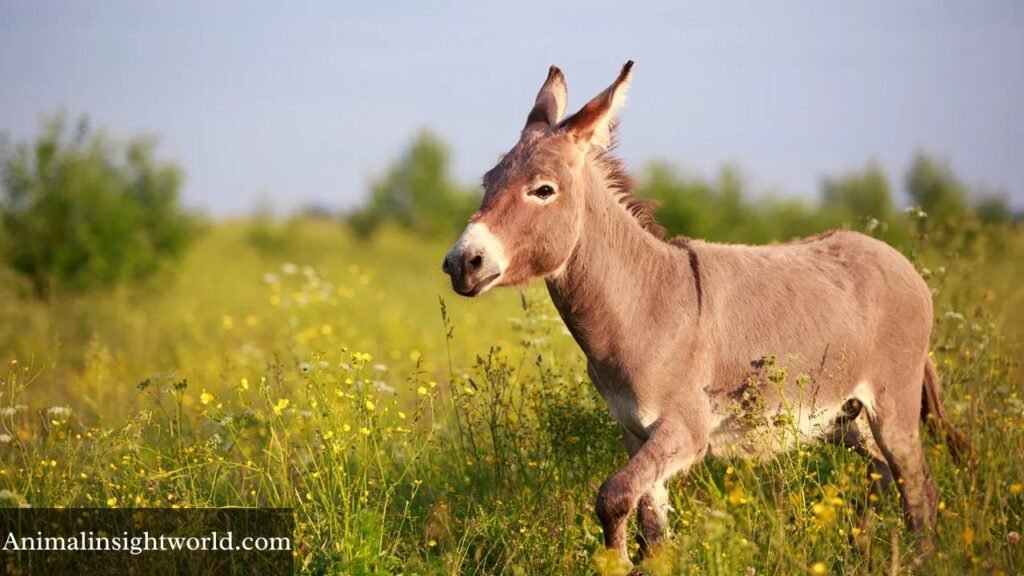
Interestingly, donkeys exhibit a remarkable level of emotional intelligence, often forming strong bonds not only with humans but also with other animals. Their calming presence can soothe nervous horses and facilitate social dynamics within mixed herds. Moreover, donkeys communicate through a range of vocalizations, body language, and even facial expressions, engaging us in a silent dialogue that speaks to the depth of their character. By appreciating these attributes, we can begin to see donkeys not just as work animals but as complex beings deserving of respect and understanding.
Readmore: Explore Top 17 Weakest Animals in the World.
Final Thoughts
Hoofed animals play a crucial role in their ecosystems, serving as grazers, pollinators, and prey for predators. Their unique adaptations enable them to thrive in diverse habitats, from grasslands to mountainous regions. Understanding the behaviors and needs of hoofed animals can deepen our appreciation for biodiversity and the complexities of nature. By protecting their habitats and advocating for conservation efforts, we can ensure that these remarkable creatures continue to roam the Earth for generations to come. Let’s commit to preserving their environments and fostering a future where all wildlife can flourish.
FAQs
What kind of animal has hooves?
Hooved animals, also known as ungulates, belong to a diverse group of mammals characterized by their hoofed feet. This category includes both even-toed ungulates, like cows, pigs, and deer, and odd-toed ungulates, such as horses and rhinoceroses. Most of these animals are herbivorous, adapted to grazing or browsing on grasses, leaves, and other vegetation.
The structure of hooves provides significant advantages for movement and survival. Hooves are designed to support the weight of these animals, allowing them to run swiftly and navigate various terrains. For example, horses have a single, strong hoof that enables speed and agility, while deer possess split hooves that aid in their ability to traverse uneven landscapes.
Do cows and pigs have hooves?
Yes, both cows and pigs have hooves, but they differ in structure. Cows have cloven hooves, meaning their hooves are split into two toes. This adaptation helps them navigate various terrains and provides stability. Pigs also have cloven hooves but are more rounded and sturdy, suited for their rooting behaviors. Both animals’ hooves play a crucial role in their ability to graze and roam effectively.
What animals have cloven hooves?
Cloven-hoofed animals, also known as even-toed ungulates, include several species from various families. Notable examples are pigs, deer, sheep, goats, and cattle. These animals have two primary toes on each foot, which is their defining characteristic. Cloven hooves help with balance and stability, especially on uneven terrain. This anatomical feature is common among herbivores, as it aids in foraging and navigating their natural habitats efficiently.