Explore Top 17 Animals With Red Eyes (With Pictures)
Animals with red eyes might bring to mind eerie impressions, but this eye color serves vital purpose in the animal kingdom. The striking appearance of certain species does more than captivate our attention — their red eyes are often reflections of their lifestyles, whether they’re nocturnal hunters or creatures thriving in unique habitats. Join us as we dive into the world of these remarkable animals, uncovering the truths behind their vivid gaze and what it means for their survival.
List of Animals With Red Eyes
Here is the animals with red eyes:
- Red-eyed vireo
- Albino European hedgehog
- Indian golden oriole
- Red-tailed flesh fly
- Black-necked grebes
- Red-eyed tree frog
- Peacock mantis shrimp
- Satanic leaf-tailed gecko
- Phainopepla
- Red-eye tetras
- Stejneger’s pit viper
- Albino corn snake
- Eastern box turtle
- Red-eyed crocodile skink
- Ring-tailed lemur
- Red-Eyed Dove
- Asian Glossy Starling
Red-Eyed Vireo
Scientific Name: Vireo olivaceus
Class: Aves
Diet: Omnivore
The Red-Eyed Vireo, a small songbird found across North America, captivates birdwatchers not just with its distinctive ruby-red eyes but also with its remarkable vocal talent. Known for its complex songs that echo throughout the treetops, this avian artist can produce an array of over 20 different phrases, often weaving melodies that seem to converse with each other. This symphonic ability has earned the species a reputation as a formidable communicator, reflecting both its social nature and its adaptability in varied habitats.
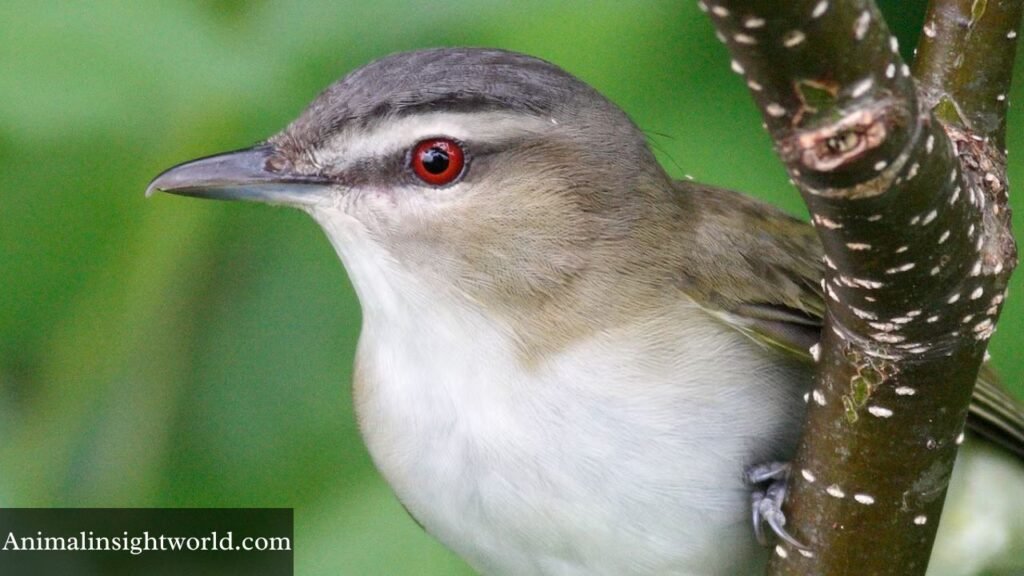
What’s particularly fascinating about the Red-Eyed Vireo is its knack for survival amidst a myriad of threats, including habitat loss and climate change. With its keen foraging skills, it doesn’t rely solely on readily available food; instead, it forages selectively, making strategic choices from caterpillars to berries. This adaptability not only illustrates the bird’s resilience but also highlights the intricate relationships it shares within its ecosystem. As they flit among the leaves, these vibrant creatures remind us of the hidden wonders in our natural world, urging us to tune into the subtle, yet profound, symphonies of nature that often go unnoticed.
Albino European Hedgehog
Scientific Name: Erinaceus europaeus
Class: Mammalia
Diet: Omnivore
The Albino European Hedgehog stands out not only for its striking white quills but also for its captivating red eyes, which add an air of mystery to its already charming appearance. Unlike typical hedgehogs, the albino variety lacks pigmentation, resulting in this unique eye color that is often associated with an array of fascinating biological phenomena. These eyes are more than just aesthetically intriguing; they are a testament to adaptations that help these critters thrive in their natural habitats.
In the wild, the Albino European Hedgehog relies on its keen sense of smell and hearing more than its eyesight. Although its red eyes might seem disadvantageous, they are well-adapted for low-light environments, allowing the hedgehog to navigate through dusk and dawn. Furthermore, the presence of albinism in these animals raises questions about genetic diversity and adaptability in changing ecosystems. As habitats face increasing threats from urban development and climate change, observing the Albino European Hedgehog can provide vital insights into the resilience of such unique species.
Indian Golden Oriole
Scientific Name: Oriolus kundoo
Class: Aves
Diet: Omnivore
The Indian Golden Oriole, with its striking yellow plumage and captivating red eyes, is a true marvel of nature. These birds are often heard before they’re seen, filling the air with their melodious calls. The vibrant contrast of their red eyes against their bright feathers adds a layer of intrigue, making them a favorite among birdwatchers.

Beyond their stunning appearance, Indian Golden Orioles play a crucial role in their ecosystem. As fruit-eaters and pollinators, they help maintain the health of forests. Observing them in their natural habitat reveals a graceful dance of survival, often flitting between branches in search of ripe figs and blossoms. Their presence reminds us that even in the bustling landscapes of India, beauty and function go hand in hand, creating a dynamic and interconnected web of life.
Readmore: Explore Top 17 Animals With Whiskers.
Red-Tailed Flesh Fly
Scientific Name: Sarcophaga pernix
Class: Insecta
Diet: Carnivore
The red-tailed flesh fly is a striking example of nature’s vibrant palette. Its most distinguishing feature, those piercing red eyes, serves not only as a visual marvel but also plays a crucial role in its survival. This unique trait enhances its ability to detect predators and locate potential mates, allowing this insect to thrive in various environments. The intensity of their color resembles glowing embers, offering a stark contrast against their greyish bodies, making them unforgettable to anyone fortunate enough to spot them.
Beyond their captivating appearance, red-tailed flesh flies engage in fascinating behaviors that elevate them beyond mere insects. Often found hovering over decaying matter, they are consummate recyclers, playing a vital role in the ecosystem by breaking down organic material. Yet, their connection to decomposition can render them misunderstood; they are not just harbingers of death but pivotal players in nutrient cycling. Their life cycle is a balance of beauty and practicality, embodying a reminder that even the most striking creatures can carry out essential functions in the web of life.
Black-Necked Grebes
Scientific Name: Podiceps nigricollis
Class: Aves
Diet: Carnivore
The Black-Necked Grebe is a fascinating avian species that stands out not just for its striking red eyes but also for its remarkable transformations throughout the year. During the breeding season, these grebes don an extravagant plumage, featuring a mix of delightful chestnut and black hues, which accentuates their already captivating red eyes. This intense eye color is not just for show; it plays a crucial role in courtship displays, signaling vitality and readiness to mate.
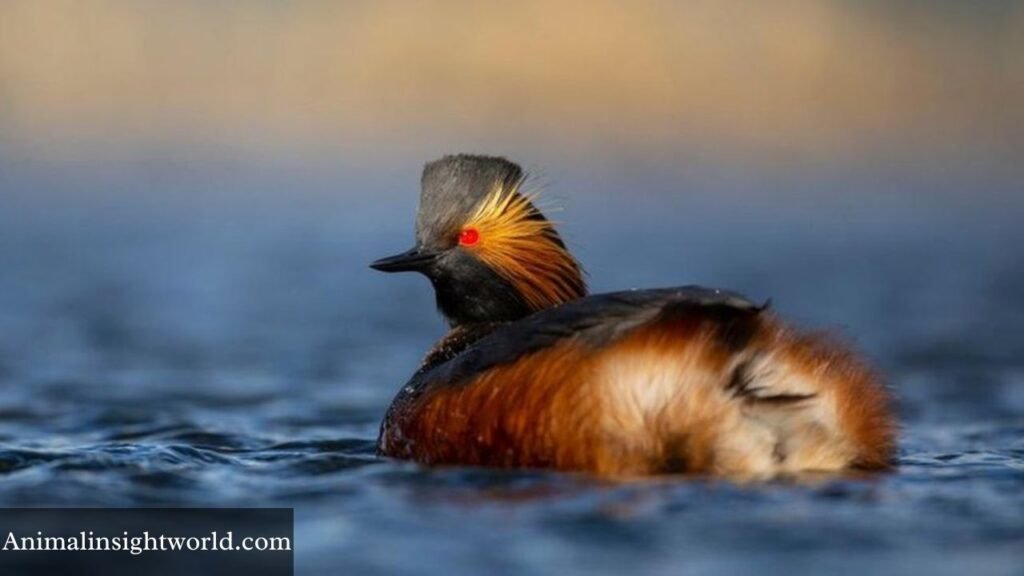
Their habitat is as intriguing as their appearance. Black-Necked Grebes prefer marshy environments and tranquil lakes, where they can dive for fish and aquatic invertebrates. When diving, their body creates minimal disturbance, allowing them to quickly catch prey while avoiding potential predators. This unique adaptation is complemented by their intelligent behavior — often seen engaging in elaborate courtship dances on the water’s surface, an enchanting spectacle that combines agility with artistry.
Red-Eyed Tree Frog
Scientific Name: Agalychnis callidryas
Class: Amphibia
Diet: Carnivore
The red-eyed tree frog, with its stunningly vibrant green body and striking crimson eyes, showcases one of nature’s most enchanting forms of camouflage and defense. Native to the rainforests of Central and South America, these small amphibians illustrate a fascinating biological phenomenon known as “startle coloration.” When threatened, their luminous red eyes and the bright orange hues of their feet pop into view, serving toleap to the advantage of surprise and distraction, potentially startling predators just long enough for the frog to make its escape.
Moreover, the red-eyed tree frog plays a vital role in its ecosystem as an indicator species, reflecting the health of the lush environments they inhabit. As they thrive in humid conditions filled with diverse plant life, their presence signals a balanced ecosystem. However, their habitat is increasingly threatened by deforestation and climate change, making conservation efforts essential. Observing these captivating creatures in their natural habitat is not only a feast for the eyes but also a reminder of the intricate interconnections within our planet’s ecosystems.
Peacock Mantis Shrimp
Scientific Name: Odontodactylus scyllarus
Class: Malacostraca
Diet: Carnivore
The peacock mantis shrimp, a marvel of the underwater world, captivates with its striking appearance and extraordinary capabilities. With vibrant colors splashed across its exoskeleton, its most striking feature is undoubtedly its large, red eyes. These eyes are not just for show; they house an incredible array of photoreceptor cells that allow the mantis shrimp to see an astonishing spectrum of colors, including ultraviolet light that is invisible to human eyes. This sensory advantage not only aids in communication and mate selection but also enhances its hunting prowess, allowing it to detect prey in complex environments.
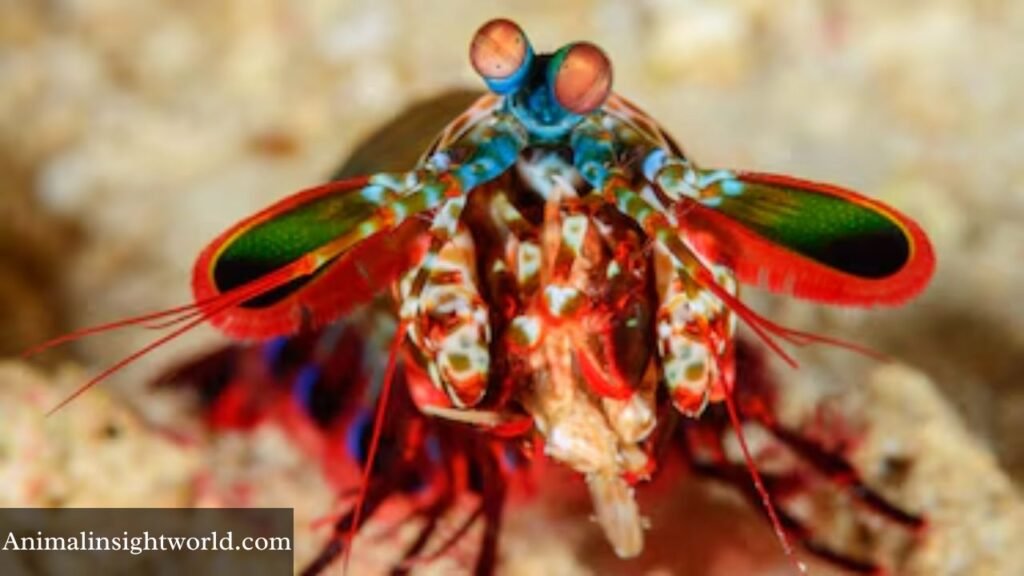
What’s truly fascinating about the peacock mantis shrimp is its exceptional vision combined with a unique method of attack. It can strike with the force of a bullet, delivering a blow so powerful that it can break through aquarium glass. Such speed and precision are enhanced by its keen eyesight, enabling it to assess the distance and movement of its prey flawlessly. This unique combination of vibrant coloration, striking red eyes, and incredible speed positions the peacock mantis shrimp as one of the ocean’s most formidable hunters, reminding us of the astonishing adaptability and complexity of marine life.
Satanic Leaf-Tailed Gecko
Scientific Name: Uroplatus phantasticus
Class: Reptilia
Diet: Carnivore
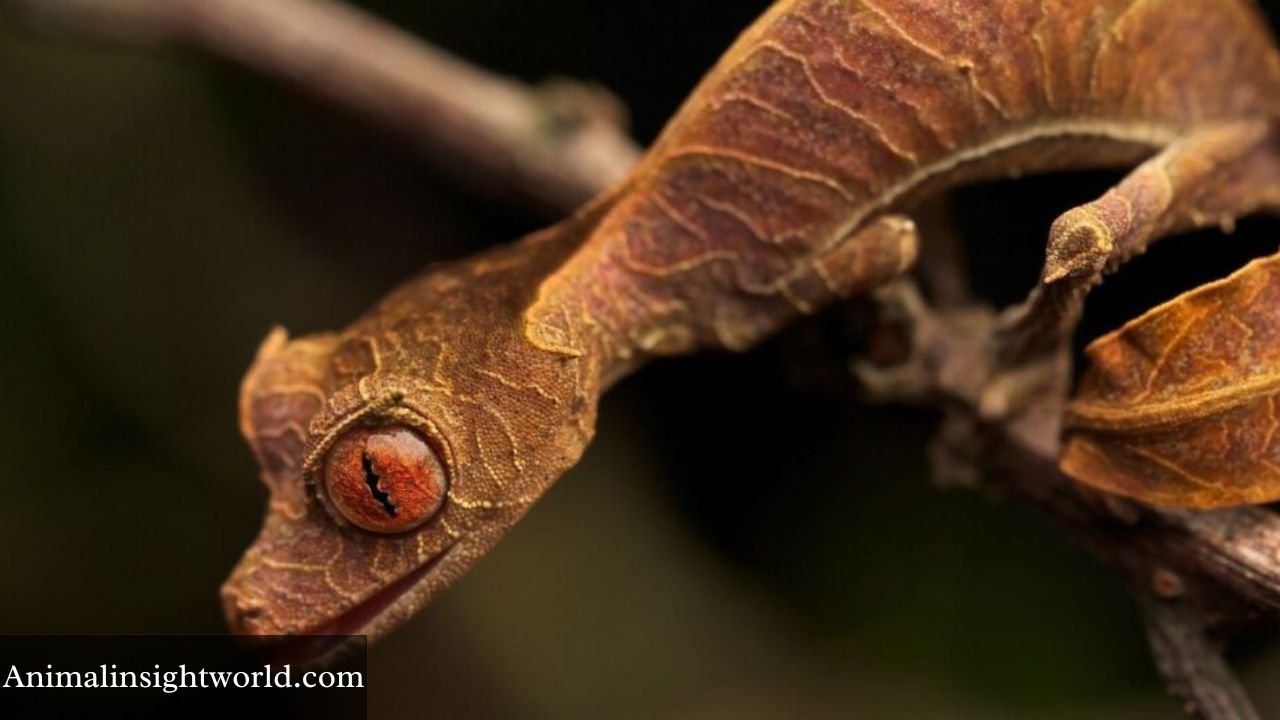
The Satanic Leaf-Tailed Gecko, native to Madagascar, is a mesmerizing example of nature’s artistry and adaptability. Its striking red eyes, often likened to glowing embers, serve a dual purpose: not only do they enhance its hauntingly beautiful appearance, but they also provide remarkable night vision, essential for its nocturnal lifestyle. As it clings to trees and blends seamlessly into its leaf-shaped form, the gecko becomes a master of disguise, evading predators and ambushing unsuspecting prey.
What’s particularly fascinating about these geckos is how their unique coloration plays a role beyond mere camouflage. In the dark, their vivid eyes can be a cryptic signal to other geckos during mating rituals, a contrast to the otherwise drab environment that surrounds them. This hint of vibrant red challenges conventional notions of color use in nature; it’s not merely for warning or attraction, but a strategic evolutionary adaptation that makes the gecko a captivating subject for scientists and wildlife enthusiasts alike. As we delve into the realm of these extraordinary reptiles, we begin to appreciate the delicate interplay of survival, beauty, and intricate ecological relationships that define their existence.
Phainopepla
Scientific Name: Phainopepla nitens
Class: Aves
Diet: Omnivore
The Phainopepla is a striking bird that flits through the arid landscapes of the southwestern United States and Mexico, often drawing attention with its glossy black plumage complemented by its vivid red eyes. This small member of the silk tree family is not just a visual marvel; its adaptations are fascinating. Unlike many birds that stick to a single habitat, the Phainopepla is known for its remarkable flexibility, thriving in both desert scrub and urban parks.
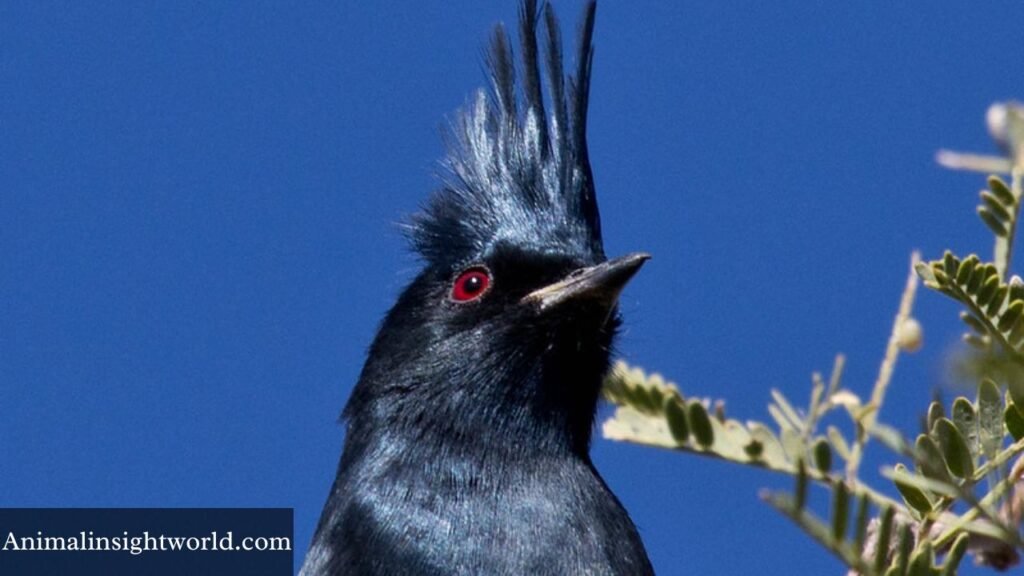
One of the most captivating aspects of this bird is its lifestyle. Phainopeplas are unique in their diet, primarily feeding on mistletoe berries, a food source that few birds exploit due to their toxicity when unripe. Their relationship with mistletoe plants goes deeper; they aid in the plant’s reproduction, making them vital players in their ecosystems. As they nibble on the berries, they facilitate seed dispersal, effectively intertwining their fate with their favorite food. Observing the Phainopepla in its natural habitat offers a glimpse into the delicate balance of nature, showcasing how one species can thrive while contributing to the health of its environment.
Red-Eye Tetras
Scientific Name: Moenkhausia sanctaefilomenae
Class: Actinopterygii
Diet: Omnivore
Red-Eye Tetras are not just a striking aquatic species; they are also fascinating indicators of the health of their environment. With their luminous red eyes and vibrant bodies, these small fish (typically around 2 inches long) add a splash of color to any freshwater aquarium. They prefer living in schools, showcasing playful and social behaviors that mirror their natural habitats in the Amazon River basin. Observing their interactions offers insights into their social structures, making them an engaging species for both novice and experienced aquarists.
Beyond their aesthetics, Red-Eye Tetras play a crucial role in their ecosystems. As omnivores, they help control algae and serve as prey for larger fish, contributing to the delicate balance of life in their aquatic environments. This ecological significance raises awareness about the importance of conserving their natural habitats amidst environmental changes.
Stejneger’s Pit Viper
Scientific Name: Trimeresurus stejnegeri
Class: Reptilia
Diet: Carnivore
Stejneger’s Pit Viper, predominantly found in the lush forests of East Asia, is a true marvel of nature with its striking red eyes that seem to pierce through the underbrush. These vibrant orbs not only serve an aesthetic purpose; they also play a crucial role in its survival strategy. The red pigmentation can be a warning to potential predators, signaling the snake’s venomous capabilities. Coupled with its impressive camouflage in the rainforest floor, this visual duality makes Stejneger’s a master of disguise and intimidation.
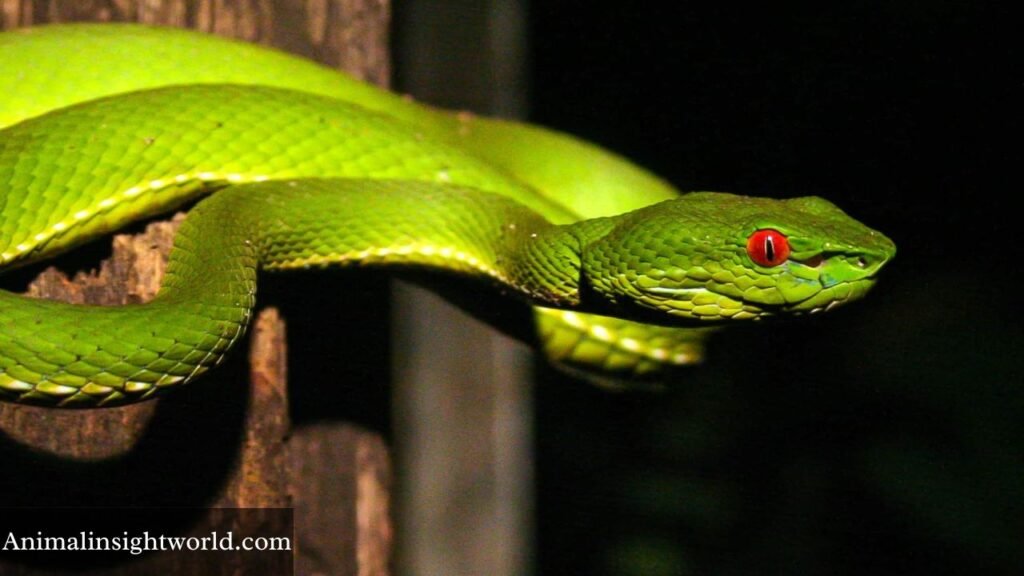
Beyond their fearsome appearance, these vipers exhibit fascinating behavior. They employ a unique ambush tactic, lying in wait for unsuspecting animals, which their acute eyesight helps them detect — even in dim light. The contrasting brightness of their eyes against their earthy skin creates a stunning visual impact, suggesting a deeper connection between their evolutionary adaptations and the dense, colorful habitat they occupy. Observing Stejneger’s Pit Viper in its natural surroundings, one cannot help but appreciate the intricate balance of beauty and danger embodied in every glance from those mesmerizing red eyes.
Albino Corn Snake
Scientific Name: Pantherophis guttatus
Class: Reptilia
Diet: Carnivore
The albino corn snake, a striking variant of the more commonly known corn snake, captivates with its unique appearance. Characterized by its creamy yellow and orange hues, its most striking feature is undeniably its vivid red eyes. These ruby orbs are not just a result of genetic anomaly; they serve as windows into the snake’s world, revealing a fascinating adaptation. Unlike their pigmented counterparts, the absence of melanin in albinos means these snakes rely more heavily on their other senses, making their intricate patterns and colorations all the more fascinating in the absence of traditional camouflage.
The red eyes of the albino corn snake invite intrigue and curiosity, sparking discussions about the mysteries of vision and perception in reptiles. For instance, while many assume that these snakes may be at a disadvantage in the wild due to their striking colors, their unique adaptations — such as superior heat sensing — allow them to thrive. Moreover, their vibrant appearance often evokes deeper contemplation on the beauty of diversity within species, reminding us how variations can lead to an unexpected allure. Every glance at an albino corn snake becomes a reminder of nature’s creativity, challenging our perceptions of what it means to survive and thrive in a world filled with color.
Eastern Box Turtle
Scientific Name: Terrapene carolina carolina
Class: Reptilia
Diet: Omnivore
The Eastern Box Turtle, with its strikingly vivid red eyes, offers a fascinating glimpse into the diversity of animal adaptations. While these captivating features are undeniably beautiful, they also serve a functional purpose. The brilliant red hue can act as a warning signal to predators, showcasing the turtle’s hardiness and deterring potential threats. This strategy, in the world of color, illustrates an intriguing interplay between art and survival.
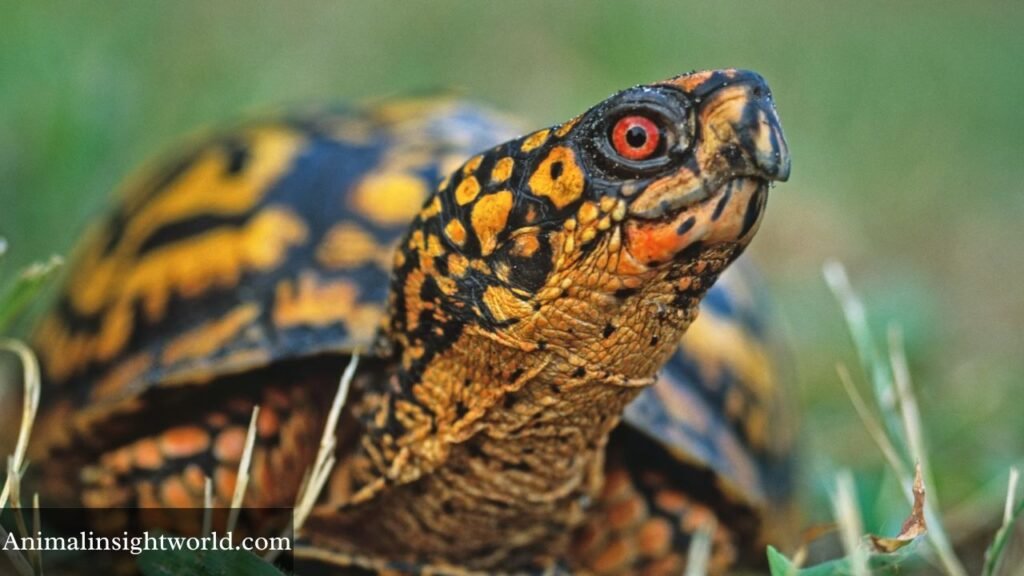
Moreover, the evolutionary adaptations of the Eastern Box Turtle go beyond its appearance. Scientists suggest that red eyes may enhance visual clarity in dim environments, which is especially beneficial for a creature that thrives in the forest understory. This unique adaptation allows them to navigate their habitats more effectively, searching for food and shelter among the vibrant foliage. Thus, the red eyes of the Eastern Box Turtle symbolize not just beauty but also a remarkable evolutionary journey shaped by nature’s demands.
Red-Eyed Crocodile Skink
Scientific Name: Tribolonotus gracilis
Class: Reptilia
Diet: Carnivore
The red-eyed crocodile skink, native to the lush forests of New Guinea, captivates with its striking appearance and unusual behaviors. Unlike many reptiles, this skink boasts vibrant red eyes that contrast beautifully with its dark, scaly exterior, enhancing its unique charm. These vivid eyes serve a dual purpose: not only do they make the skink more visually stunning, but they also aid in its survival. In the dim light of its rainforest habitat, the skink’s red eyes can provide better night vision, allowing it to navigate and hunt more effectively.
Beyond its eye-catching looks, the red-eyed crocodile skink displays fascinating social behaviors. These skinks exhibit a blend of arboreal and terrestrial lifestyles, often seen basking on tree branches or burrowing in leaf litter. When threatened, they employ a clever defensive strategy: they can mimic the appearance of a crocodile by flattening their bodies and holding their heads low, complete with an open-mouthed display to deter predators. This adaptability not only underscores their survival skills but also reveals a complex interplay of instincts and environmental adaptation, making the red-eyed crocodile skink a remarkable subject of study for enthusiasts and researchers alike.
Ring-Tailed Lemur
Scientific Name: Lemur catta
Class: Mammalia
Diet: Omnivore
The ring-tailed lemur, native to Madagascar, captivates with its striking red eyes, a feature that not only enhances its expressive face but also serves vital evolutionary purposes. These vivid eyes are more than just a stunning trait; they help the lemur thrive in the complex canopy of its forest home. With exceptional night vision, the red coloration allows them to navigate through their arboreal environment, where they are primarily active during dawn and dusk. This adaptation provides an edge over predators, giving them the ability to see clearly in low-light conditions.
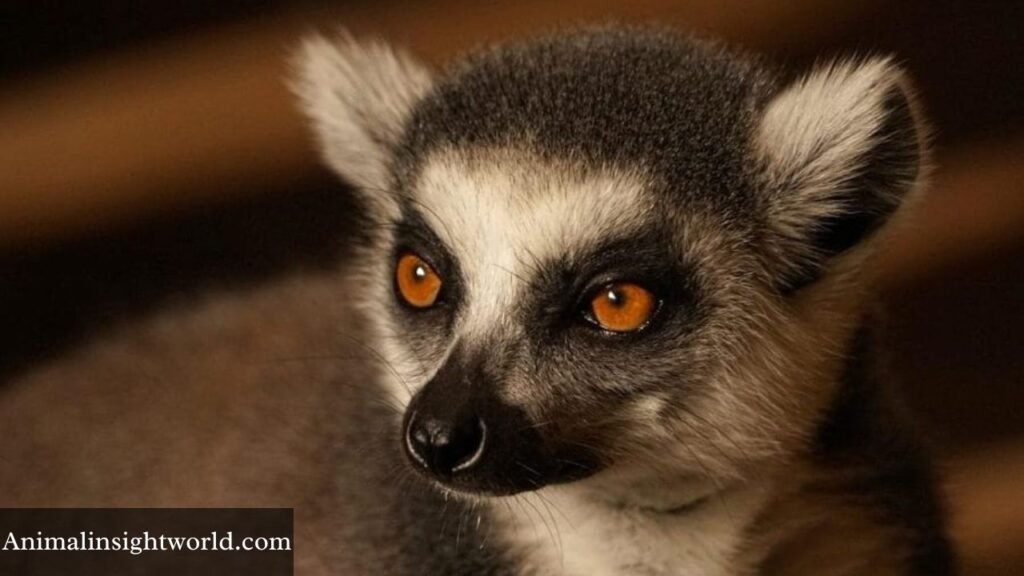
Beyond their visual acuity, the red eyes of ring-tailed lemurs play a pivotal role in social interactions. These mammals live in matriarchal groups, and eye contact can be a powerful communicator of emotions and intentions. The rich hue can signal readiness to connect or establish dominance, creating a dynamic social tapestry woven through non-verbal cues. Observing these interactions reveals deeper insights into their complex social structure, where every glance and gesture counts. The vivid eyes not only enhance physical capabilities but also enrich their social lives, making them truly fascinating beings in the animal kingdom.
Red-Eyed Dove
Scientific Name: Streptopelia semitorquata
Class: Aves
Diet: Omnivore
The Red-Eyed Dove, often overshadowed by more flamboyant birds, carries an intriguing mystique in its crimson gaze. Found primarily in African woodlands and savannas, these doves are not just a pretty sight; their striking eyes are an adaptation that enhances their vision during twilight hours. This unique trait allows them to navigate their environment efficiently while avoiding predation.
Observing a Red-Eyed Dove in its natural habitat reveals a more complex behavior than meets the eye. Their calls, a soft cooing, resonate through the trees, creating a serene atmosphere that belies the fierce survival instincts that lie beneath their calm exterior. Furthermore, their social structures often include intricate courtship rituals, where males display vibrant plumage and engage in melodic duets — reminders of the intricate balance between beauty and nature’s harsher realities. In a world often captivated by vivid colors, the Red-Eyed Dove reminds us that subtlety and grace can also command attention.
Asian Glossy Starling
Scientific Name: Aplonis panayensis
Class: Aves
Diet: Omnivore
The Asian Glossy Starling, with its striking iridescent plumage and vivid red eyes, is a fascinating example of nature’s artistry. These birds are not just visually captivating; their bold coloration serves crucial roles in communication and mating displays. The reflective sheen of their feathers, coupled with those piercing red eyes, creates a stunning visual contrast that is hard to overlook, especially in the lush greenery they often inhabit.
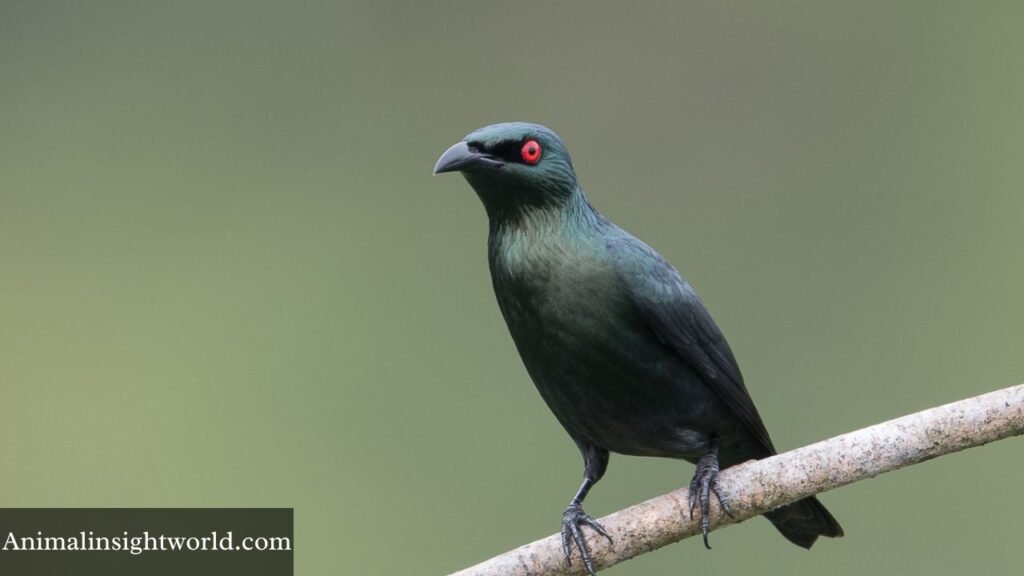
Beyond their aesthetic appeal, the Asian Glossy Starling is a social creature, often found in large flocks. This gregariousness isn’t merely for companionship; it’s a strategy that enhances foraging efficiency. When these birds band together, they can better locate food sources and watch for predators, highlighting a remarkable adaptability that goes beyond mere survival.
Readmore: Explore Top 17 Most Greedy Animals.
Final Thoughts
Animals with red eyes embody the extraordinary adaptations that have evolved in nature. Their vibrant eye color not only adds to their aesthetic appeal but also plays crucial roles in survival and reproduction. By studying these animals, we can gain insights into their behaviors and habitats, fostering a greater understanding of biodiversity. It is imperative that we take action to preserve their environments and advocate for conservation efforts. Together, we can help protect these captivating species and the ecosystems they inhabit.
FAQs
What kind of animal has red eyes?
Many animals can have red eyes, particularly certain species of mammals, reptiles, and even insects. A commonly known example is the red-eyed tree frog, which is easily recognizable due to its striking bright red eyes that contrast with its vibrant green body. This coloration is believed to be a defensive adaptation, startling predators and helping the frog escape.
Why do some animals have red eyes?
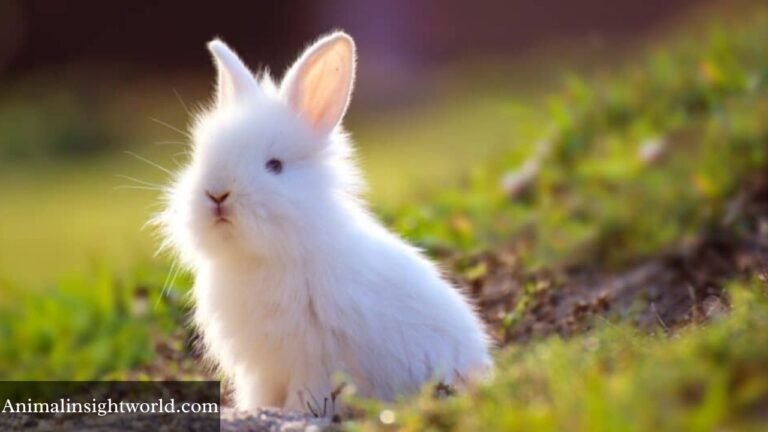
Some animals have red eyes due to the presence of certain pigments, lack of pigment, or the structure of their eyes. For example, many albino animals, such as rabbits and some rodents, have red or pink eyes because they lack melanin, the pigment that normally gives color to the iris. Without melanin, the blood vessels in the eye become more visible, resulting in that distinctive red appearance.