Top 17 Bald Animals in The World (With Pictures)
Bald animals in the world challenge our perceptions of beauty and survival in the wild. From skin textures to heat regulation, these intriguing species adapt in extraordinary ways. In this article, we’ll delve into the reasons behind baldness in animals, highlighting their unique traits and the importance of their existence within ecosystems. Prepare to be amazed by the fascinating diversity of these often-overlooked creatures!
List of Bald Animals in The World
Below is the list of animals that are bald:
- Sphynx cat
- Naked mole rat
- Hippopotamus
- Chinese crested dog
- Naked Bulldog Bat
- Babirusa
- Elephant
- Skinny pig
- Dolphins
- Andean Condor
- Xoloitzcuintli
- Walrus
- Bald uakaris
- Rhinoceros
- Peruvian Inca orchid
- Marabou Stork
- Axolotl
Sphynx cat
Class: Mammalia
Diet: Carnivore
The Sphynx cat, with its hairless exterior, challenges traditional notions of feline beauty while illuminating the depth of individuality within the animal kingdom. Despite lacking fur, these cats are renowned for their striking appearance, characterized by prominent cheekbones and large, expressive eyes. Their nakedness isn’t just skin-deep; it highlights their playful and affectionate nature, revealing a personality that draws admirers who appreciate both their quirks and charm.
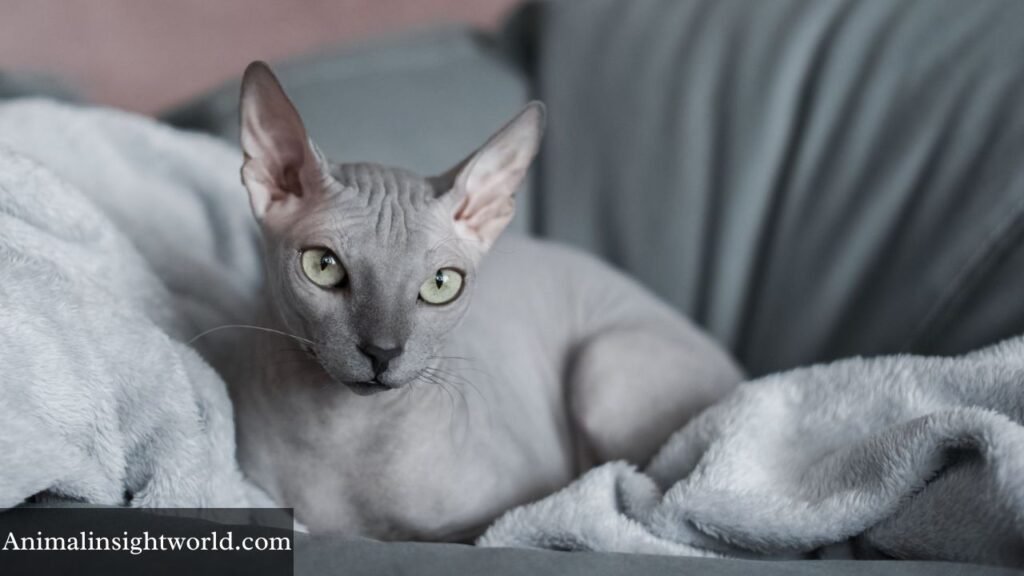
The Sphynx’s unique physiology requires special care, which can deepen the bond between cat and owner. Regular baths are essential to manage the oils that accumulate on their skin, prompting many to find joy in this grooming ritual. This significance of routine care not only underscores the Sphynx’s uniqueness but also fosters a nurturing relationship that transcends conventional pet ownership.
Naked mole rat
Scientific name: Heterocephalus glaber
Class: Mammalia
Diet: Herbivore
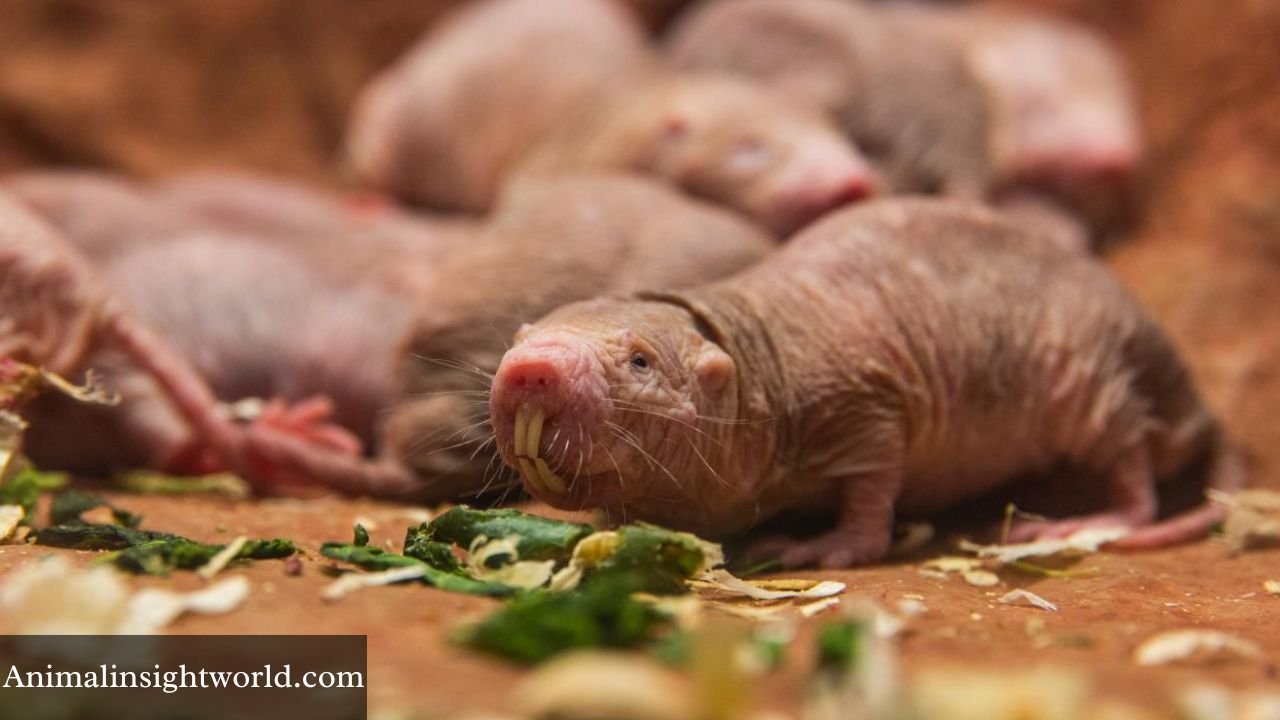
The naked mole rat, a fascinating creature native to East Africa, is a marvel of evolutionary adaptations. While its lack of fur might make it seem like an oddity, this distinctive trait serves multiple purposes. Burrowing deep underground, these rodents thrive in harsh, arid environments where temperature regulation is crucial. Their hairlessness helps to dissipate heat and conserve moisture in their subterranean habitats, making them well-suited for survival in environments that would be unbearable for many other species.
Beyond their unusual appearance, naked mole rats exhibit remarkable social structures, living in colonies reminiscent of eusocial insects like bees and ants. This cooperative lifestyle not only aids in foraging and caretaking but also ensures the survival of the colony.
Hippopotamus
Scientific name: Hippopotamus amphibius
Class: Mammalia
Diet: Herbivore
The hippopotamus, often celebrated for its hefty size and formidable presence, has an unexpected allure in its unique baldness. Unlike many other mammals that sport thick coats, the hippo’s hair is sparse, with its skin presenting a glossy, almost leathery texture that glistens in the sunlight. This distinctive lack of fur isn’t merely a quirk of nature; it plays a crucial role in their survival. The hippo’s skin secretes a natural sunscreen called “blood sweat,” helping protect them from harmful UV rays while also possessing antibacterial properties.
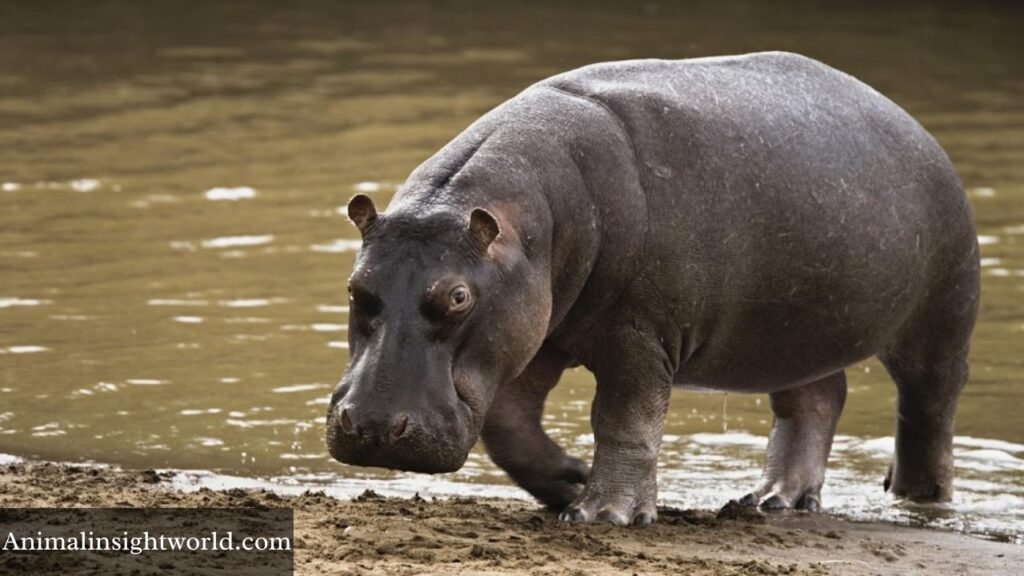
Moreover, their exposed skin facilitates a vital connection to water. Hippos spend much of their day submerged to keep cool and retain moisture, but when they do emerge, their bare skin is often seen covered in mud. This not only provides additional UV protection but also aids in thermoregulation, allowing these massive creatures to thrive in their habitat.
Chinese crested dog
Class: Mammalia
Diet: Omnivore
The Chinese Crested dog is a striking blend of elegance and quirkiness, often surprising observers with its unique appearance. This breed, known for its hairless variety, has a delicate, almost sculptural quality that’s complemented by its affectionate personality. The contrasting textures of its exposed skin and the tufts of hair on its head, paws, and tail create a visually compelling look that is adored by many.
Beyond aesthetics, the Chinese Crested is a testament to resilience and adaptability. These dogs have been bred for centuries, originating from Africa and later being refined in China. Their hairless nature isn’t just a fashion choice; it reflects practical adaptations to different climates and environments. Interestingly, their sensitive skin requires diligent care — owners often invest in special moisturizers and sunblock to protect their pets, highlighting the deep bond formed between them and their owners.
Naked Bulldog Bat
Scientific name: Cheiromeles torquatus
Class: Mammalia
Diet: Insectivore
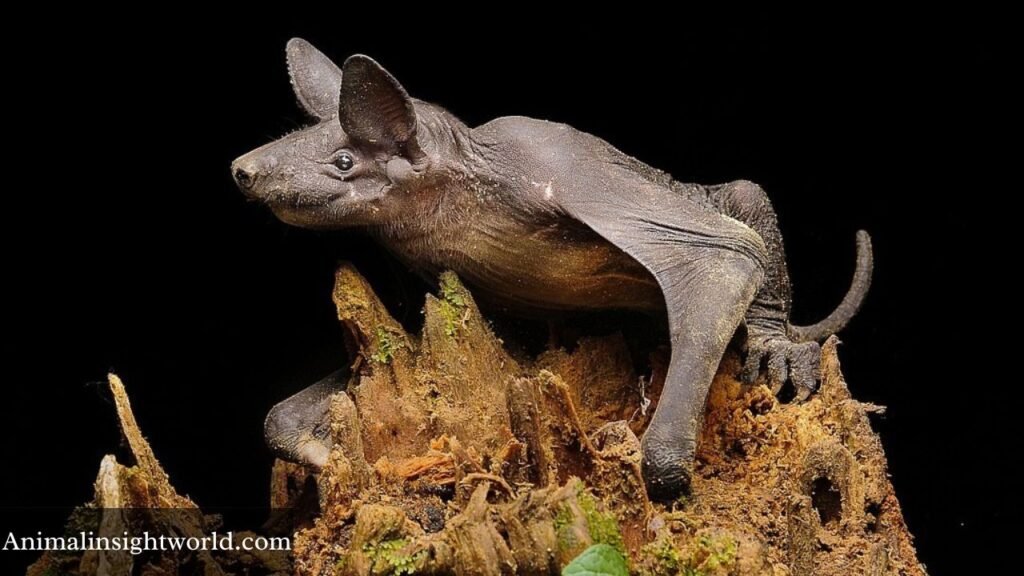
The Naked Bulldog Bat is a remarkable example of evolution’s playful twist on nature. Unlike its fur-covered counterparts, this bat flaunts its unique baldness, which serves more than aesthetic purposes. Emblazoned with a striking wrinkled face and large ears, the bat’s lack of fur enhances its ability to regulate body temperature, making it an adept forager in tropical climates. Its nakedness may seem vulnerable, but it’s an evolutionary advantage that helps it thrive in dense habitats where flight agility and sensory perception are paramount. What truly sets the Naked Bulldog Bat apart is its intriguing social behavior. These bats engage in sophisticated vocal communications, fostering a sense of community among their roosts.
Babirusa
Scientific name: Babyrousa babyrussa
Class: Mammalia
Diet: Omnivore
The babirusa, often dubbed the “deer pig,” challenges our perceptions of beauty in the animal kingdom with its bizarre yet fascinating appearance. Native to the forests of Indonesia, these creatures are remarkable not only for their lack of fur, which gives them an almost prehistoric look, but also for their impressive, spiraled tusks that can grow to extraordinary lengths. These tusks, primarily found in males, serve both as tools for foraging and as weapons in battles for dominance, painting a vivid picture of survival strategy in a unique ecological niche.
Beyond their striking features, babirusas have a profound role in their ecosystem. As omnivores, they contribute to seed dispersal and help maintain the forest’s health, nourishing the delicate balance of their habitat. Their social behavior is equally intriguing; babirusas often engage in playful interactions, showcasing a level of social complexity that echoes the bonds found in more universally appreciated species.
Elephant
Scientific name for African elephant: Loxodonta africana
Scientific name for Asian elephant: Elephas maximus
Class: Mammalia
Diet: Herbivore
Elephants, known for their grandeur and intelligence, don’t immediately come to mind when discussing bald animals, yet their unique relationship with hair offers fascinating insights into their biology. Unlike many mammals, elephants have very sparse body hair, which might seem strikingly bald compared to the furry coats of their animal counterparts. This adaptation serves a crucial purpose in regulating their body temperature; with their massive bodies and the heat generated during vigorous activity, elephants utilize their hairlessness to dissipate heat more effectively in the scorching climates they inhabit.
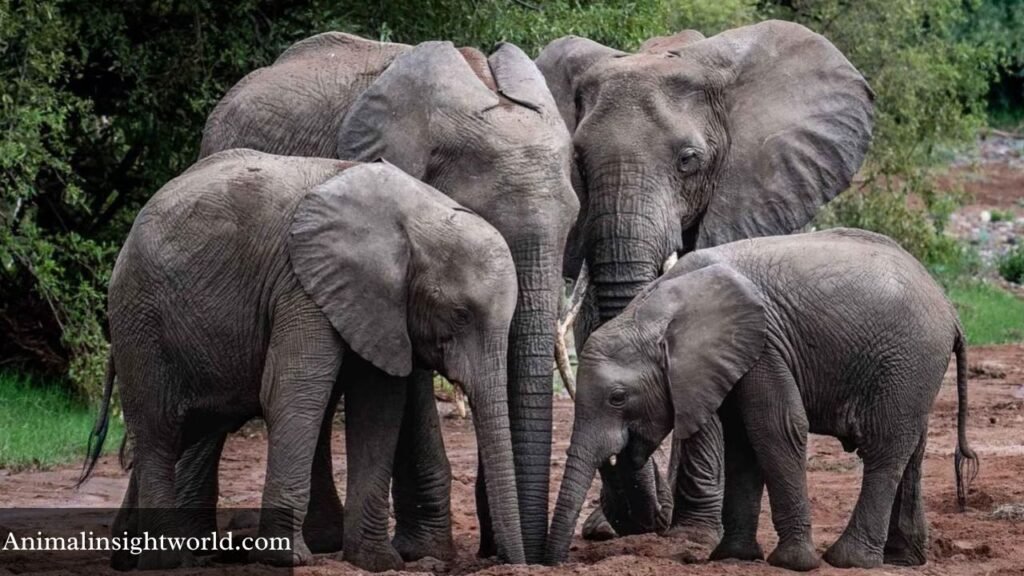
Moreover, the lack of dense fur sets the stage for a remarkable survival strategy: elephants often enjoy dust baths, covering their skin in layers of dirt or mud. This not only provides a sunscreen effect but also protects against insect bites and parasites. Observing elephants in the wild, one can see their social dynamics come alive as they use these dust baths as an opportunity for bonding and play, showcasing a level of emotional intelligence that transcends mere survival.
Skinny pig
Scientific name: Cavia porcellus
Class: Mammalia
Diet: Herbivore
The skinny pig, a hairless breed of guinea pig, presents a unique charm that captivates pet enthusiasts and casual observers alike. Unlike their fluffy counterparts, skinny pigs thrive on their distinctive lack of fur, showcasing a smooth, almost velvety skin that feels like a warm embrace. This intriguing feature isn’t just for show; it also highlights their playful, vibrant personalities more clearly, making every movement and expression all the more relatable.
Caring for a skinny pig requires a special approach. Their bare skin is susceptible to temperature fluctuations, demanding a warm and cozy environment to keep them comfortable. Interestingly, their lack of fur means that they need regular skin care, including gentle bathing and moisturizing, which can deepen the bond between pet and owner. This routine not only emphasizes the responsibility of pet ownership but also provides an opportunity for interactive, affectionate moments, reminding us that love often transcends mere fur and fluff. Embracing a skinny pig means embracing a deeper understanding of care, connection, and the beauty found in the unconventional.
Dolphins
Scientific name: Delphinidae
Class: Mammalia
Diet: Carnivore
Dolphins, often celebrated for their sleek, streamlined bodies and playful nature, offer a fascinating twist on the concept of “baldness” in the animal kingdom. Unlike typical mammals that rely on fur or hair for insulation and protection, dolphins have evolved a unique layer of blubber under their skin. This adaptation not only helps them maintain buoyancy and warmth in varying oceanic temperatures but also allows for a more hydrodynamic shape, enhancing their agility as they glide through the water.

Beyond their physical attributes, the absence of fur has profound implications for dolphin social behavior. With smooth skin free from hair, these creatures have increased sensitivity to touch, which plays a crucial role in their social interactions and communication. The slight changes in skin texture and temperature can convey a wealth of information, enhancing their ability to bond and coordinate with one another during hunts or social interactions.
Andean Condor
Scientific name: Vultur gryphus
Class: Aves
Diet: Scavenger
The Andean Condor, often regarded as the quintessential symbol of the South American wilderness, boasts an impressive wingspan that can exceed 10 feet, making it one of the largest flying birds in the world. Its bald head, a stark contrast to its majestic plumage, serves a vital purpose in its life as a scavenger. With its throat and neck devoid of feathers, the condor can easily feed on carrion — its primary diet — without the risk of bacterial infections that would plague a feathered head when diving into a carcass. Beyond its physical adaptations, the Andean Condor plays a crucial role in the ecosystem. As a scavenger, it helps maintain the balance by ensuring that dead animals are efficiently disposed of, thus preventing the spread of disease.
Xoloitzcuintli
Class: Mammalia
Diet: Omnivore
The Xoloitzcuintli, often simply called the Xolo, is not just another bald breed but a living testament to ancient lineage and cultural heritage. Originating from Mexico over 3,000 years ago, these remarkable dogs were highly revered by the Aztecs, who believed they possessed spiritual and healing powers. Their hairless trait, a result of a natural mutation, offers more than a unique look; it signifies resilience and adaptability in challenging environments.
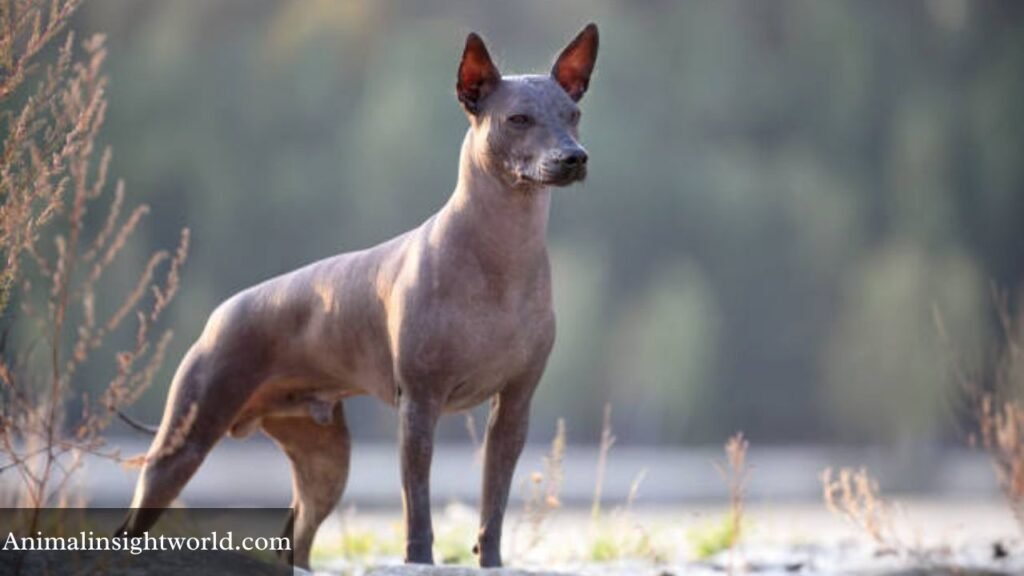
Beyond their distinctive appearance, Xolos exhibit a range of personality traits that make them incredibly endearing. They’re known for their loyalty and affectionate nature, often forging deep bonds with their human companions. Surprisingly, their lack of fur means they have lesser allergens, making them ideal for allergy sufferers. This adaptability extends to their physical needs as well; Xolos thrive in various climates, though they do require sunscreen to protect their skin from UV rays. Overall, the Xoloitzcuintli emerges as more than just a bald animal; it embodies a rich history, a loyal spirit, and a unique connection to those who share their lives with them.
Walrus
Scientific name: Odobenus rosmarus
Class: Mammalia
Diet: Carnivore
The walrus, with its iconic whiskers and massive tusks, presents a fascinating case of nature’s adaptability in the face of harsh Arctic conditions. Unlike many animals that rely on thick fur for warmth, the walrus’s skin can reach thicknesses of up to 4 inches, acting as insulation against freezing waters. This unique feature makes them surprisingly agile in their frigid habitat, capable of diving deep for clams and other mollusks at depths of over 200 feet.
What sets the walrus apart is not just its physical attributes, but also its social behaviors. These creatures form large herds on ice floes, leveraging communal living for warmth and protection. Their vocalizations, often described as a cacophony of bellows, coos, and grunts, are integral for communication during social interactions and mate selection.
Bald uakaris
Scientific name: Cacajao calvus
Class: Mammalia
Diet: Omnivore
Bald uakaris, with their striking crimson faces and almost entirely hairless bodies, challenge conventional notions of beauty in the animal kingdom. Native to the flooded forests of the Amazon Basin, these primates have adapted remarkably to their environment, thriving in a habitat that can often be hostile. Their lack of fur isn’t merely a quirky trait; it serves a practical purpose. The vibrant coloration of their skin is a signal of health and dominance, allowing them to communicate their reproductive fitness to potential mates.
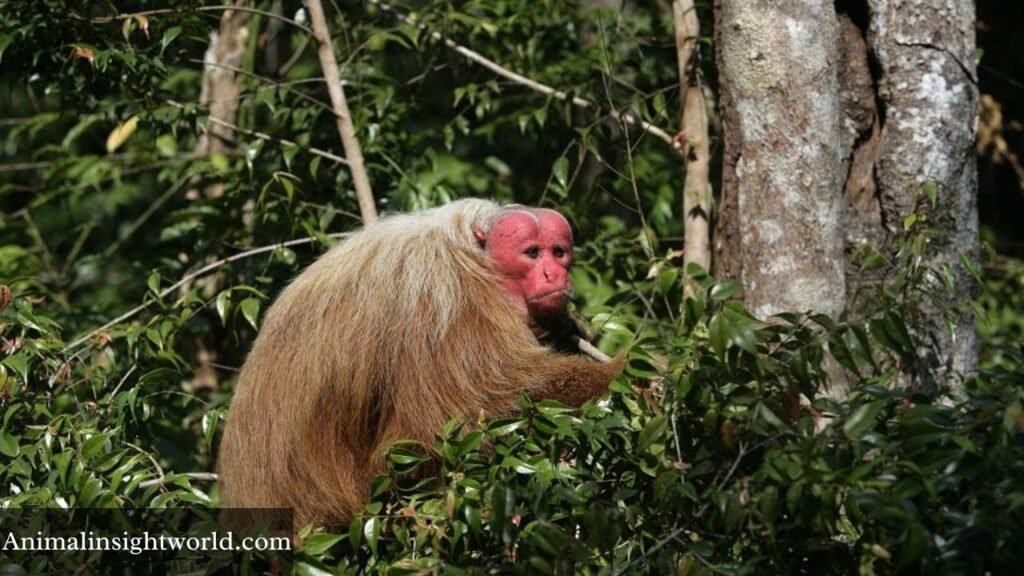
Beyond their appearances, bald uakaris showcase a fascinating social structure. Living in tight-knit groups, they engage in complex interactions that underscore their intelligence and emotional depth. Foraging together, they rely on their keen eyesight to spot ripe fruits and seeds, navigating the lush canopy while exemplifying a remarkable level of cooperation. Observing these unique primates offers a glimpse into the interconnectedness of ecosystems; they play a crucial role in seed dispersal, helping maintain the biodiversity of their rainforest homes. In a world often captivated by traditional beauty, bald uakaris remind us that nature’s wonders come in all forms, each with their own story worth exploring.
Rhinoceros
Scientific name: Rhinocerotidae
Class: Mammalia
Diet: Herbivore
Rhinoceroses, often misunderstood as heavy, armored tanks of the savannah, possess a surprising vulnerability beneath their tough exterior. Their hairless skin, an adaptation to their environment, is not just a protective barrier but also a sensitive organ that requires constant care. This intriguing aspect of rhino anatomy allows them to feel the sun’s warmth and the gentle touch of foliage. However, their exposed skin makes them prone to sunburn, which is why you’ll often see them wallowing in mud. This seemingly odd behavior serves a dual purpose: cooling their bodies and providing a natural sunscreen.
Another fascinating angle is their social dynamics, which often go unnoticed due to their hefty demeanor. Contrary to popular belief, many rhino species, particularly the black rhinoceros, exhibit a surprisingly complex social structure. While they can be solitary, they also engage in intricate behaviors, such as scent-marking and vocal communication, to maintain territory and establish relationships.
Peruvian Inca orchid
Class: Mammalia
Diet: Omnivore
The Peruvian Inca Orchid, a rare breed of hairless dog, embodies a striking blend of beauty and uniqueness that captivates enthusiasts worldwide. With its skin often decorated by spots and a sleek, warm texture, this breed’s aesthetic is a canvas of nature’s artistry. Originating from the Incan civilization, these dogs were once regarded as sacred companions, believed to possess healing powers due to their warm bodies, which were thought to soothe ailments in their owners.
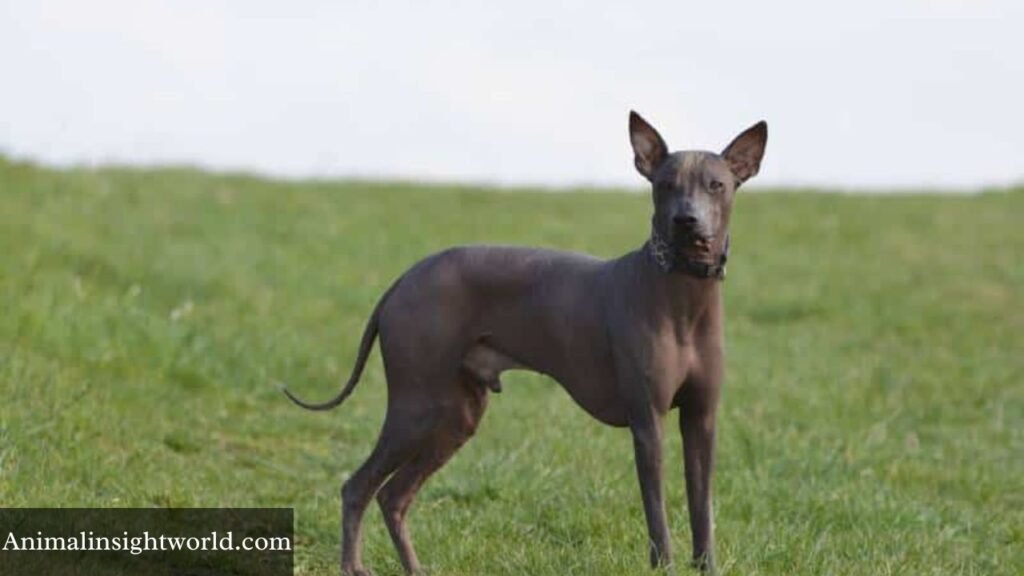
Beyond their intriguing appearance, the Peruvian Inca Orchid serves as a testament to the rich culture and history of Peru. Training these dogs requires patience and understanding; their sensitive nature makes them highly attuned to human emotions. This deep connection fosters a loyal bond that goes beyond mere companionship, inviting dog lovers to appreciate the nuances of empathy and communication in human-animal relationships.
Marabou Stork
Scientific name: Leptoptilos crumenifer
Class: Aves
Diet: Scavenger
The Marabou Stork, often dubbed the “vulture of the wetlands,” captivates with its striking appearance and fascinating behaviors. Towering at over five feet tall, its long legs and massive wingspan help it glide gracefully across the African landscape, but it’s its bald, fleshy head that truly evokes intrigue. This unique adaptation is not merely for aesthetics; it’s a vital strategy for maintaining hygiene in its scavenging lifestyle. The stork regularly feeds on carrion, and the absence of feathers allows it to stay clean while feasting in less-than-pleasant environments.
Beyond its unfeathered visage, the Marabou Stork is a social creature, often found in large colonies treed above bustling wildlife scenes. Observing these birds can unveil a complex social structure, as they engage in a hierarchy of dominance and courtship displays that are both theatrical and insightful. The clattering of their bills during these displays not only serves as communication but also offers a glimpse into their surprisingly intelligent behaviors.
Axolotl
Scientific name: Ambystoma mexicanum
Class: Amphibia
Diet: Carnivore
The axolotl, also known as the Mexican walking fish, is one of nature’s most compelling oddities. This neotenic salamander retains its juvenile features throughout its life, sporting external gills and a unique, almost whimsical appearance. While it might look like a creature from a fantasy novel, its intrinsic qualities are equally enchanting. The axolotl’s ability to regenerate lost limbs — with bones, nerves, and muscle fibers sprouting anew — has sparked the curiosity of scientists and researchers alike, leading to significant advancements in medical science.
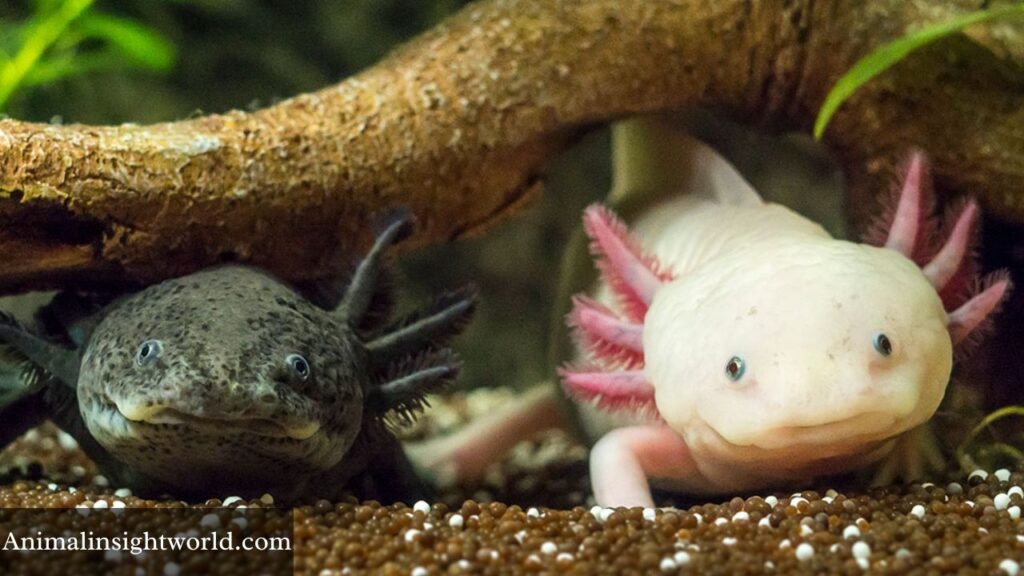
Beyond its remarkable regenerative abilities, the axolotl also serves as a poignant reminder of the fragility of biodiversity. Native to the dwindling lakes of Xochimilco near Mexico City, this amphibian has found itself teetering on the brink of extinction due to habitat loss and pollution. By spotlighting the axolotl, we gain insight into broader environmental issues and the impact of human actions on unique ecosystems. Supporting conservation efforts not only safeguards this fascinating creature but also promotes the health of the surrounding environment, reminding us of the interconnectedness of life on our planet.
Readmore: Explore Top 20 Animals Without Legs.
Final Thoughts
Bald animals offer a fascinating glimpse into the adaptability and resilience of wildlife across the globe. These unique creatures challenge our perceptions of beauty and remind us that diversity is a vital aspect of nature’s survival strategies. With their distinctive traits and behaviors, they help maintain ecological balance and enrich our understanding of animal behavior. As we strive to protect the habitats these animals call home, we should also educate ourselves and others about their significance in the ecosystem. Join the movement to appreciate and safeguard the incredible bald animals that contribute to our planet’s biodiversity.
FAQs
What are some examples of hairless animals?
There are several fascinating examples of hairless animals in the animal kingdom. One of the most well-known is the hairless cat, particularly the Sphynx breed. These cats have a genetic mutation that results in a lack of fur, making them unique and often sought after for their distinctive appearance and affectionate nature. Another interesting example is the hairless rat. These rats also lack fur due to a genetic mutation and have a somewhat wrinkled appearance. You might encounter the Mexican hairless dog, an ancient breed known for its hairlessness and loyal temperament. Each of these animals showcases the diversity and adaptability of species in nature.
Which animal has a bald head?
Yes, marabou storks have bald heads! These large wading birds are known for their striking appearance, which includes a bare, wrinkled head and neck. This lack of feathers helps them stay clean while feeding, as they scavenge on carrion. Their baldness is also practical; it prevents bacteria from growing in feathers that would otherwise get soiled. Marabou storks are often seen hanging out near lakes and garbage dumps, showcasing their scavenging lifestyle. All in all, their unique look serves an important purpose!