Top 15 Most Active Animals in the World (With Images)
The most active animals in the world possess incredible adaptations that allow them to thrive in their environments through relentless movement. In this article, we’ll shine a light on these remarkable animals, analyzing their extraordinary behaviors and the importance of their roles in nature. Join us as we uncover the secrets of their energy and resilience, igniting your appreciation for the wildlife around you.
List of Most Active Animals in the World
Here is the list of most active animals in the world:
- Ants
- Sea Otters
- Arctic Terns
- Hummingbirds
- Shrews
- Dogs
- Beavers
- African Wild Dogs
- Goats
- Squirrels
- Dolphins
- Honeybees
- Tasmanian Devils
- Donkeys
- Cockatiels
Ants
Scientific Name: Formicidae
Ants, often seen as mere pests in our gardens, are, in fact, nature’s unsung heroes. With over 20,000 species worldwide, these tiny creatures wield remarkable ecological power. For one, they play a crucial role in aerating the soil as they tunnel, enhancing water infiltration and nutrient distribution, which bolsters plant growth. Furthermore, their symbiotic relationships with fungi, particularly leafcutter ants that cultivate their fungal gardens, demonstrate a fascinating example of cooperative evolution.

Another captivating aspect of ants is their communication prowess. Through pheromones and tactile signals, they relay complex messages about food sources, dangers, and even navigation routes. This collective intelligence is akin to a living network that adapts dynamically, showcasing an extraordinary level of organization. The famed leafcutter ant societies operate like well-oiled machines, with each member assigned specific roles — from foragers to nurses — underlining a marvel of division of labor that reflects sophisticated social structures. Discovering these hidden intricacies invites us to rethink the role of seemingly insignificant creatures and appreciate the profound interconnectedness of our ecosystems.
Sea Otters
Scientific Name: Enhydra lutris
Sea otters are not just adorable creatures; they play a pivotal role in maintaining the health of coastal ecosystems. These nimble marine mammals possess a remarkable set of adaptations that allow them to thrive in cold waters, including their thick fur, which is the densest in the animal kingdom. Interestingly, sea otters lack a layer of blubber, relying instead on their fur for insulation and needing to eat up to 25% of their body weight daily to sustain their energy levels. This voracious appetite leads them to consume a diverse diet, primarily consisting of sea urchins, crabs, and various mollusks.
Moreover, sea otters are key players in kelp marine ecosystems. By preying on sea urchins, they prevent overgrazing of kelp, which fosters healthier marine communities. This relationship highlights the interconnectedness of ocean life; the decline or recovery of sea otter populations can lead to dramatic shifts in entire ecosystems. Marine conservationists are increasingly recognizing the importance of protecting these charismatic animals, as their well-being is a direct indicator of the overall health of their habitats. In essence, by safeguarding sea otters, we also champion the resilience of our oceans, promoting biodiversity and ecological balance that benefits a myriad of marine species.
Arctic Terns
Scientific Name: Sterna paradisaea
Arctic terns are known for their astonishing migratory journey, traveling up to 44,000 miles each year between their breeding grounds in the Arctic and wintering sites in the Antarctic. This remarkable trek makes them champions of migration, showcasing a resilience that leaves scientists in awe. It’s not just the distance that fascinates; it’s the precision with which they navigate this vast expanse. Using a combination of the Earth’s magnetic fields and celestial cues, these birds demonstrate an innate ability to journey across oceans and continents, often returning to the same nesting sites.

Beyond their impressive travels, Arctic terns play a crucial role in the ecosystems they inhabit. As both predators and prey, they contribute to maintaining the balance of marine environments. Their diet, primarily consisting of small fish and invertebrates, helps regulate fish populations, while their presence attracts larger predators. Unfortunately, like many wildlife species, Arctic terns face challenges from climate change and habitat loss. The changing ocean temperatures affect their prey’s availability, forcing these birds to adapt rapidly. Preserving their migratory routes and breeding habitats is essential, not only for their survival but also for the health of the broader marine ecosystem.
Readmore: Explore Top 15 Birds That Fly at Night.
Hummingbirds
Scientific Name: Trochilidae
The mesmerizing world of hummingbirds offers a glimpse into the marvels of evolution and adaptation. With over 300 species, these tiny avians exhibit a vibrant palette of colors that can rival any gemstone. Their iridescent feathers reflect light in ways that can create a dazzling spectrum, attracting both mates and curious human observers alike. Each species has its unique behaviors, such as the way they hover in mid-air by rapidly flapping their wings up to 80 times per second, enabling them to effortlessly sip nectar from flowers that sport tubular shapes precisely adapted for their feeding habits.
Beyond their ethereal beauty, hummingbirds play a crucial role in pollination, acting as nature’s tiny ambassadors between flora and fauna. Their excellent spatial memory leads them to revisit flowers that offer the sweetest rewards, ensuring the flourishing of plant species that might otherwise struggle for survival. Interestingly, their migratory patterns are just as captivating; some species travel thousands of miles between breeding and wintering grounds, navigating using a combination of instinct and an innate sense of the Earth’s magnetic fields. This remarkable journey not only showcases their resilience but also highlights the interconnectedness of ecosystems, emphasizing the pivotal role these little creatures play in maintaining biodiversity.
Shrews
Scientific Name: Sorex araneus
Shrews, often overshadowed by more glamorous wildlife, are small, enigmatic creatures that play vital roles in their ecosystems. Unlike their more famous relatives, the mole or the mouse, shrews exhibit a fierce predatory nature despite their diminutive size. With a metabolism that demands constant foraging, these tiny mammals are equipped with an array of unique adaptations, such as venomous saliva that allows them to subdue prey much larger than themselves. This fascinating trait not only aids in their survival but also helps keep insect populations in check, making them unsung heroes in pest control.
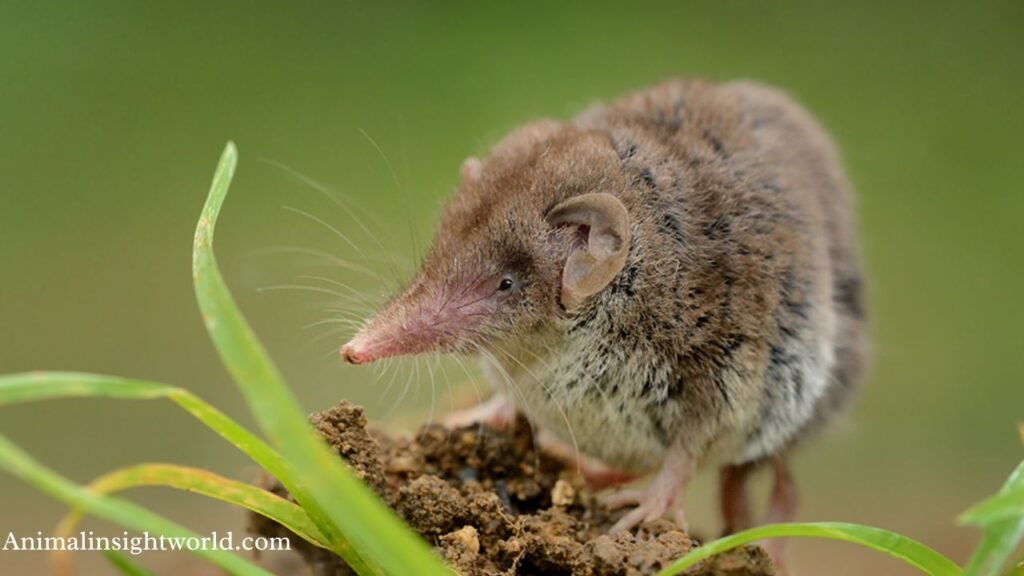
Beyond their ecological significance, shrews also showcase a remarkable diversity. With over 300 species across various habitats, ranging from dense forests to open fields, each type contributes differently to its ecosystem. Their intricate communication methods using high-frequency sounds reveal a complex social structure that often goes unnoticed. As climate change and habitat loss threaten their populations, understanding the shrew’s role and promoting conservation efforts is increasingly crucial. These little mammals remind us that even the smallest creatures can have profound impacts on the natural world.
Dogs
Scientific Name: Canis lupus familiaris
Dogs are remarkable beings that have evolved alongside humans for thousands of years, offering companionship, loyalty, and even therapeutic benefits. Their unique ability to sense human emotions helps them serve not only as pets but as vital support for mental health. Studies indicate that interactions with dogs can reduce stress and anxiety, prompting the release of oxytocin — the “love hormone” — in both the dog and the person. This biological connection underscores the profound bond we share, reinforcing why dogs are often referred to as man’s best friend.
Beyond their emotional support, dogs have an innate capacity for understanding human cues, making them exceptional partners in various roles, from therapy to search and rescue. Their keen sense of smell has redefined how we approach security and law enforcement, uncovering everything from drug trafficking to detecting early signs of certain medical conditions in humans. Moreover, innovative dog training programs continue to expand the boundaries of what these intelligent creatures can achieve, showcasing their adaptability and enhancing their roles in society. As we continue to learn from and with our canine companions, the possibilities for collaboration and mutual growth seem limitless.
Beavers
Scientific Name: Castor canadensis
Beavers are nature’s eco-engineers, crafting intricate dam systems that not only provide them shelter but also create thriving wetlands. These structures can profoundly alter local ecosystems, promoting biodiversity by creating habitats for countless species. When a beaver dam holds back water, it transforms the landscape into a vibrant aquatic environment, encouraging the growth of plant species that might otherwise struggle in drier conditions.
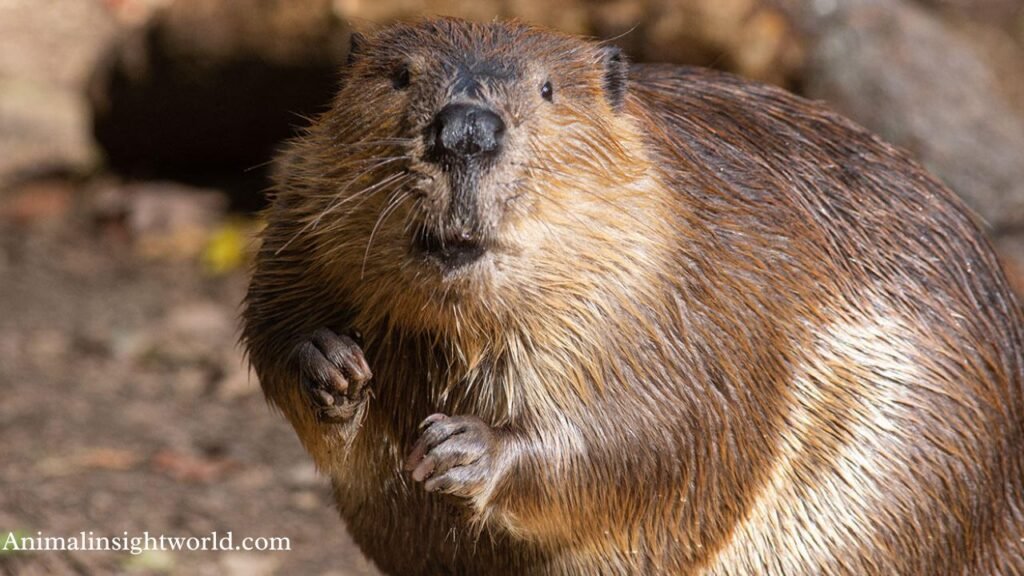
Beyond their immediate ecological contributions, the activities of beavers can enhance water quality. Their dams slow down water flow, allowing sediments to settle and filtering pollutants, which leads to cleaner waterways. This natural filtration system helps combat the effects of urban runoff and agricultural fertilizers, making beavers crucial allies in the fight against water pollution. As we consider conservation strategies, recognizing the importance of these industrious creatures may inspire innovative approaches to habitat restoration and ecological balance.
African Wild Dogs
Scientific Name: Lycaon pictus
The African wild dog, also known as the painted wolf, is a marvel of adaptation and social dynamics. Unlike many predators, these canines thrive on teamwork, showcasing a level of cooperation that rivals even the most seasoned human teams. Their hunting strategy, characterized by constant communication and intricate social cues, ensures high success rates — often exceeding 80%. This sophisticated collaboration not only highlights their intelligence but also their unique social structure, where each member plays a vital role in the pack’s survival.
Equally fascinating is their colorful coat, which isn’t just for show. The striking patches of black, brown, and white serve a crucial purpose — each dog’s pattern is as unique as a fingerprint, allowing for easy identification among pack members. This trait is more than aesthetic; it fosters strong social bonds and helps maintain group cohesion. As the wild dog faces increasing threats from habitat loss and human-wildlife conflict, understanding and appreciating these intricate behaviors becomes essential for conservation efforts. The African wild dog’s plight reminds us that every species plays a critical role in maintaining our planet’s ecological balance.
Goats
Scientific Name: Capra aegagrus hircus
Goats are surprisingly complex creatures that embody both utility and personality, making them indispensable on farms and cherished in family settings. Their playful antics, inquisitive nature, and startling intelligence create an interesting dynamic for those who raise them. Each goat has a distinct personality, like a canine or feline, often forming deep bonds with their human caretakers and even with other animals. Observing them can be like watching a mini soap opera; they can be mischievous one moment, exploring every nook and cranny, and the next, they exhibit tender moments of social grooming and snuggling.
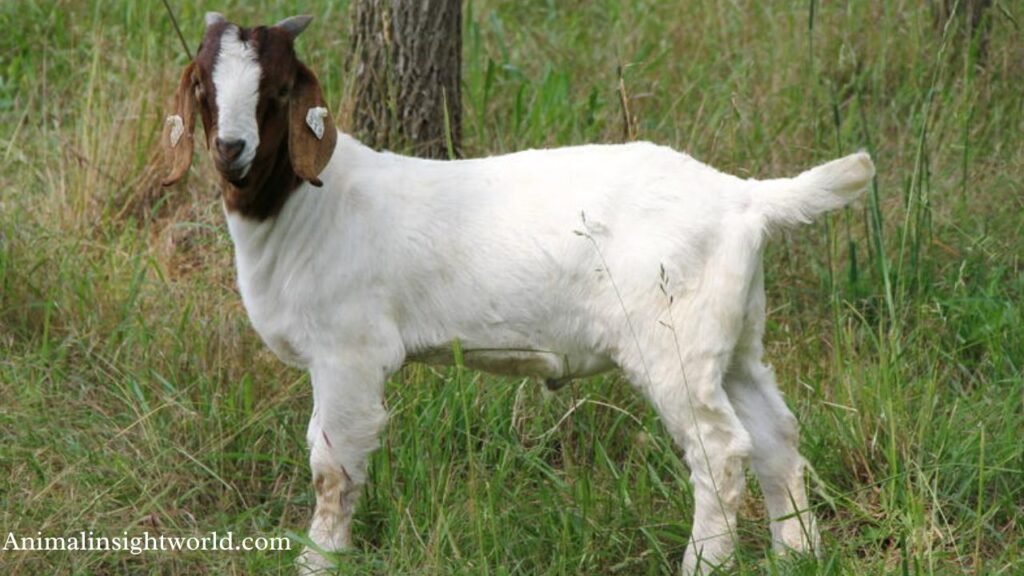
Moreover, goats are often underestimated as foragers. Their unique digestive systems allow them to thrive on a diverse diet that many other livestock wouldn’t touch, such as thorny bushes and invasive plants. This makes them extraordinary allies in land management; they can effectively clear brush and maintain pasture health while providing high-quality milk, meat, and fiber. As more people embrace sustainable living, the role of goats in regenerative agriculture and permaculture is gaining recognition, proving that these spirited animals can be both practical and endearing companions on the journey toward a more harmonious coexistence with nature.
Squirrels
Scientific Name: Sciurus niger
Squirrels, often seen as mere backyard entertainers, possess remarkable intelligence and adaptability that invite deeper reflection on nature’s ingenuity. These small mammals engage in complex problem-solving behaviors, demonstrating an ability to navigate intricate environments and find food hidden beneath layers of snow or foliage. Their remarkable memory plays a key role; studies suggest that grey squirrels can remember thousands of caches, showcasing an impressive cognitive prowess that rivals some of the most intelligent species in the animal kingdom.
Furthermore, squirrels have become crucial players in forest ecology, engaging in what’s called “scatter hoarding.” This behavior not only secures their winter food supply but also inadvertently promotes tree growth by forgetting about their hidden nuts, which can germinate into new saplings. In sharing this space with them, suburban gardens become microcosms of ecological interactions, presenting a unique opportunity for observers to witness nature’s interdependence. Thus, the seemingly ordinary squirrel emerges as a fascinating emblem of both survival and environmental stewardship, urging us to reconsider our perspectives on these overlooked creatures.
Dolphins
Scientific Name: Delphinus delphis
Dolphins are often celebrated not just for their intelligence but also for their intricate social structures that mirror our own. Living in pods, these fascinating creatures exhibit a complex hierarchy, complete with cooperative hunting tactics and playful interactions that strengthen their bonds. Recent studies have revealed that some species engage in sophisticated vocalizations, essentially creating their own dialects, which allows them to communicate and coordinate with exceptional efficiency. This social tapestry highlights an emotional depth that we are only beginning to understand.

Moreover, the role of dolphins in marine ecosystems is vital. As apex predators, they help maintain the balance of oceanic life, regulating fish populations and contributing to overall biodiversity. Their presence can signify a healthy marine environment, making them essential to conservation efforts. The unique connection humans share with dolphins often translates to increased advocacy for ocean protection, as their playful nature draws attention to the pressing issues threatening their habitats. By exploring the depths of their intellect and social behavior, we not only enrich our understanding of these marine mammals but also deepen our respect for the oceanic world they inhabit.
Honeybees
Scientific Name: Apis mellifera
Honeybees are marvels of social life, exhibiting intricate behaviors and communication methods that rival even the most complex human societies. Each hive functions like a superorganism, with up to 60,000 bees working in harmony to ensure the survival of their community. They communicate through a sophisticated “waggle dance,” a mesmerizing performance that conveys the direction and distance of foraging locations, showcasing their collective intelligence and unity.
What’s fascinating is how their roles shift throughout their lives, reflecting an adaptive division of labor that parallels many human occupations. Young worker bees, for instance, begin their lives as nurse bees caring for larvae before transitioning to foraging and guarding roles as they age. This fluidity not only optimizes the efficiency of their social structure but also emphasizes the importance of collaboration and adaptability within their ecosystem. As climate change threatens their habitats, understanding these remarkable social dynamics becomes crucial for conservation efforts, reminding us how interconnected we are with the natural world.
Tasmanian Devils
Scientific Name: Sarcophilus harrisii
Tasmanian devils, with their fierce appearance and robust personalities, play a vital role in Australia’s unique ecosystem. As scavengers, these marsupials feast on carrion, effectively cleaning up the environment and preventing the spread of decay. Their powerful jaws can crush bones, allowing them to access nutrients that many other animals overlook. This culinary skill not only showcases their adaptability but also highlights their importance in maintaining ecological balance.

Moreover, the social structure of Tasmanian devils is as fascinating as their feeding habits. Often seen engaging in raucous vocalizations during feeding frenzies, these creatures display complex social interactions that include a hierarchy among individuals. This dynamic contributes to their survival, as it dictates access to resources and mating opportunities. As they navigate the rich tapestry of Tasmania’s wilderness, their presence serves as a reminder of the delicate interplay between species and the critical need for conservation efforts to protect such distinctive wildlife.
Donkeys
Scientific Name: Equus asinus
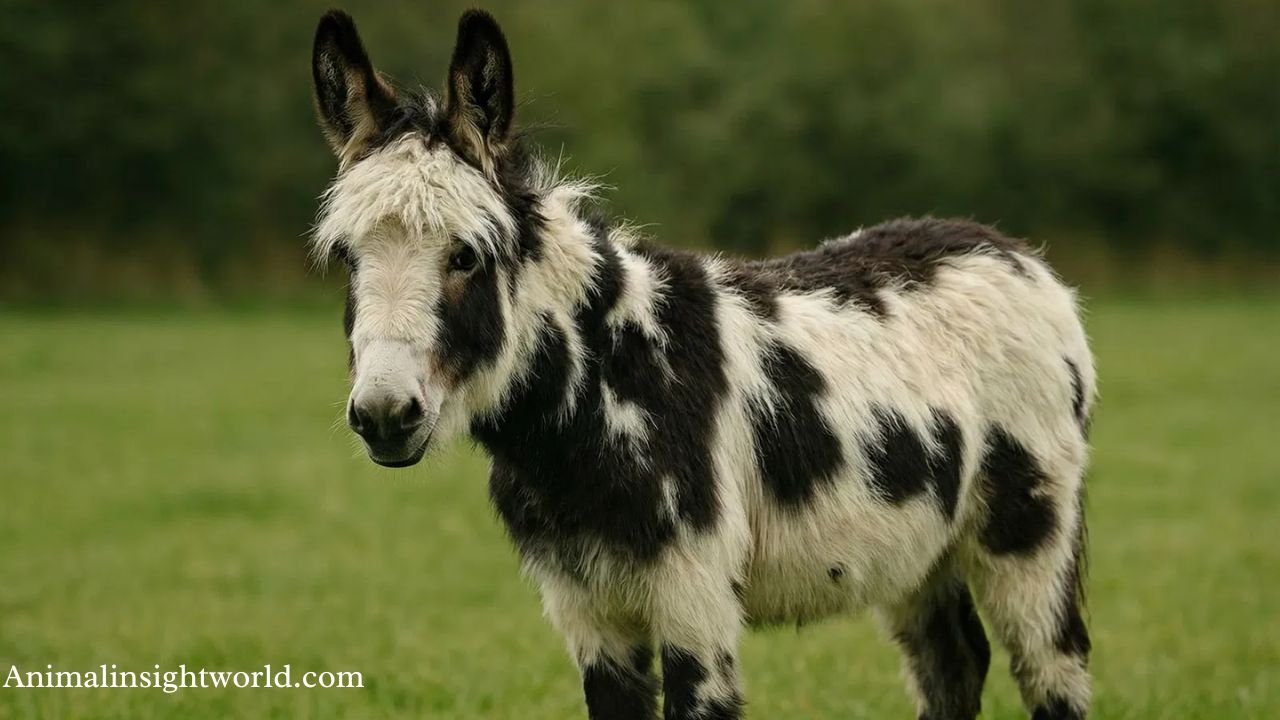
Donkeys, often relegated to the background of rural narratives, possess a richness of character and intelligence that often goes unnoticed. Known for their resilience, they can thrive in harsh environments where other animals struggle, showcasing an innate adaptability. This remarkable survival trait stems from their ancestry in the arid landscapes of North Africa and the Arabian Peninsula, equipping them with the ability to conserve water and navigate rocky terrains with ease.
Moreover, donkeys have a unique social structure that highlights their strong emotional intelligence. Unlike the solitary nature often attributed to them, these animals form deep bonds within their herds and can exhibit behaviors akin to empathy and compassion. They communicate through a rich tapestry of sounds, body language, and even facial expressions, revealing a complexity in their social interactions that debunks the myth of them being merely stubborn. Embracing donkeys means appreciating a creature that mirrors not just resilience, but also the profound connections we share with the animal world.
Cockatiels
Scientific Name: Nymphicus hollandicus
Cockatiels are not just charming companions; they are complex creatures with distinct personalities that can deeply engage and surprise their owners. Known for their playful antics and vocal abilities, these birds often develop unique bonds with their human families, showcasing loyalty reminiscent of a dog. Many owners discover that cockatiels can mimic not only phrases but also melodies, turning their homes into mini-concert halls filled with joyful chirps and tunes.

Feeding a cockatiel goes beyond seed and pellets; a varied diet including fruits, vegetables, and grains can significantly enhance their health and vibrancy. These birds thrive on mental stimulation, and introducing new toys or foraging activities can keep their curious minds engaged. Observing a cockatiel discover and manipulate its environment can reveal layers of intelligence and creativity that make them fascinating to watch. Whether it’s through their delightful whistles or their endearing clumsiness, having a cockatiel is like having a small, lively personality that adds a whole new dimension to everyday life.
Final Thoughts
The most active animals in the world showcase remarkable adaptations that allow them to thrive in their environments. From the agile cheetah sprinting across the savanna to the tireless hummingbird flitting from flower to flower, each species demonstrates the incredible diversity of life on Earth. Their energy, speed, and stamina not only fascinate scientists but inspire us to appreciate the intricacies of nature. By understanding and protecting these active creatures, we can help ensure that future generations experience the wonders of wildlife. Let’s celebrate and advocate for the conservation of these remarkable animals so that they can continue to thrive in their habitats.
Readmore: Explore Top 13 Animals With Short Tails.
FAQs
Which is the most active animal in the world?
Determining the most active animal in the world can vary depending on how we define “active.” If we consider activity in terms of energy expenditure, the small but mighty hummingbird takes the crown. These birds flap their wings at an astonishing rate — up to 80 times per second — while hovering to feed on nectar from flowers. Their unique metabolism requires them to consume large amounts of energy, leading to a lifestyle filled with constant movement and feeding.
Which animal is not lazy?
While many animals may appear lazy due to their natural behaviors, some are known for their exceptional energy and industriousness. For instance, the honeybee is a prime example of an industrious animal. Honeybees work tirelessly to gather nectar, pollinate flowers, and maintain their hives. Their complex social structure and dedication to their roles demonstrate an incredible work ethic vital for the survival of their colonies and the broader ecosystem.