Top 19 Most Clumsy Animals in the World (With Images)
This article explores the Most Clumsy Animals in the World, revealing traits that may surprise you and showcasing the importance of these awkward creatures in their ecosystems. By diving into their hilariously awkward antics, you’ll gain a greater appreciation for the diversity of animal behavior.
List of Most Clumsy Animals in The World
Here are the names of most clumsy animals in the world:
- Penguins
- Sloth
- Giant pandas
- Koala
- Camel
- Ostrich
- Hippopotamus
- Harbor seal
- Moose
- Capybaras
- Manatee
- Flamingo
- Cat
- Walrus
- Giraffes
- Sea lion
- Baby elephant
- Mudskipper
- Red Panda
Penguins
Scientific Name: Aptenodytes forsteri
Class: Aves
Diet: Carnivore
Penguins are perhaps the embodiment of clumsiness, especially when navigating the land. With their plump bodies and short legs, watching a penguin waddle can evoke a mix of amusement and affection. But this unique gait is perfectly evolved for their aquatic lifestyle; what seems awkward on land transforms into elegance under water. When diving, their streamlined bodies allow them to glide effortlessly, showcasing a level of grace that belies their terrestrial antics.
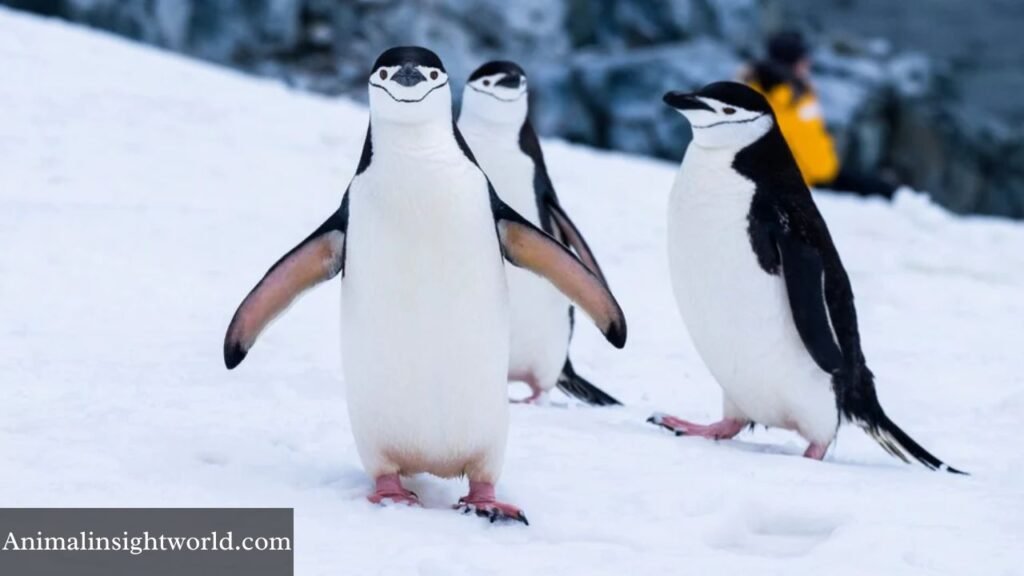
Their clumsiness extends beyond mere movement. Penguins are also known for their hilarious social dynamics. In their colonies, you’ll often see them tripping over each other while engaging in playful banter or squabbling over prime nesting spots. This social interaction adds an endearing layer to their character, revealing the intricacies of their relationships as they bond through comedy and chaos. So, while they may not be the most graceful creatures on solid ground, penguins certainly capture our hearts with their delightful spirit and lovable blunders.
Sloth
Scientific Name: Bradypus variegatus
Class: Mammalia
Diet: Herbivore
Sloths are the epitome of unhurried charm, embodying an extraordinary blend of clumsiness and grace. Suspended in their treetop habitats, their deliberate movements often resemble a slow-motion dance. These creatures, with their elongated claws and relaxed limbs, appear to defy the fast-paced world around them. The sheer effort it takes for a sloth to navigate the branches is a mesmerizing sight; their low-energy lifestyle not only defines their behavior but also their biology, as they have a reduced metabolic rate that complements their sluggish pace.
Interestingly, sloths are not just slow; they’re also alarmingly awkward on land. When they descend from trees — an act that’s rare and exhausting for them — each movement can seem like a precarious balancing act. Their surprisingly dense bodies make traversing the ground a labored affair, leading to an endearing but comical image of a creature struggling to make its way across a terrain foreign to its arboreal lifestyle. In the wild, their clumsiness is offset by their incredible camouflage; a thick coat of algae provides them with a unique protection against predators, reinforcing the idea that sometimes, being a bit awkward can be your best defense in the grand tapestry of nature.
Giant Pandas
Scientific Name: Ailuropoda melanoleuca
Class: Mammalia
Diet: Herbivore
Giant pandas are mesmerizing not just for their iconic black-and-white markings but also for their endearing clumsiness. These gentle giants often appear as if they are perpetually caught in a playful dance, tumbling and rolling as they navigate their bamboo-laden habitats. Although they can weigh up to 300 pounds, their awkward movements and propensity to trip over their own paws lend them an unexpectedly charming persona. Observing a panda propel itself down a slope, only to hilariously flop onto its back, showcases the delightful unpredictability of nature.
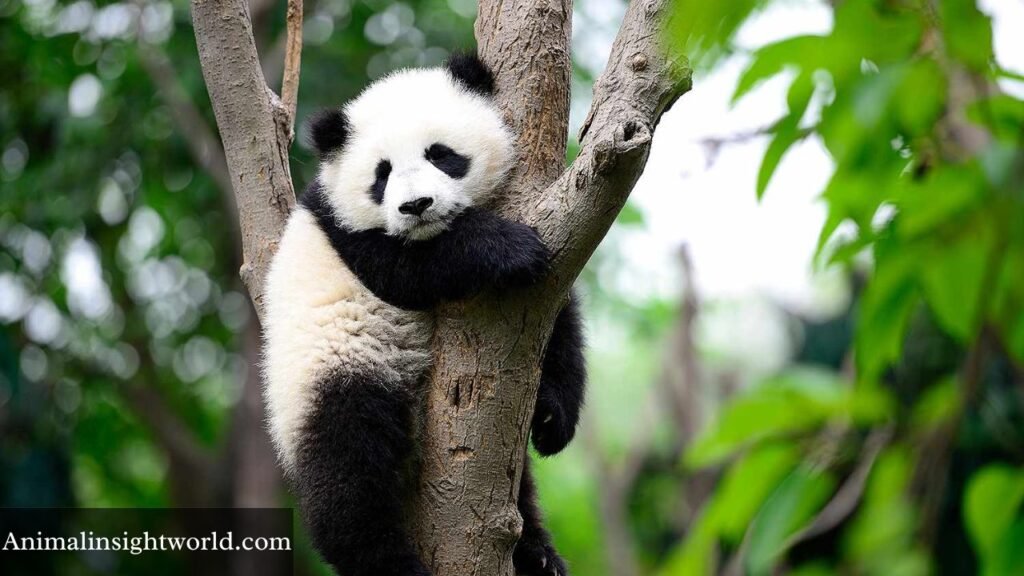
What’s particularly fascinating about pandas is their unique way of interacting with their environment. Their impressive munching habits make them seem deliberate, yet their sometimes ungainly attempts to climb trees or play with fellow pandas reveal a much more playful and less graceful side. Each stumble and awkward stretch is a reminder that even the most majestic creatures have their moments of vulnerability, making them relatable in a world where grace is often idealized.
Readmore: Explore Top 20 Animals With Fangs.
Koala
Scientific Name: Phascolarctos cinereus
Class: Mammalia
Diet: Herbivore
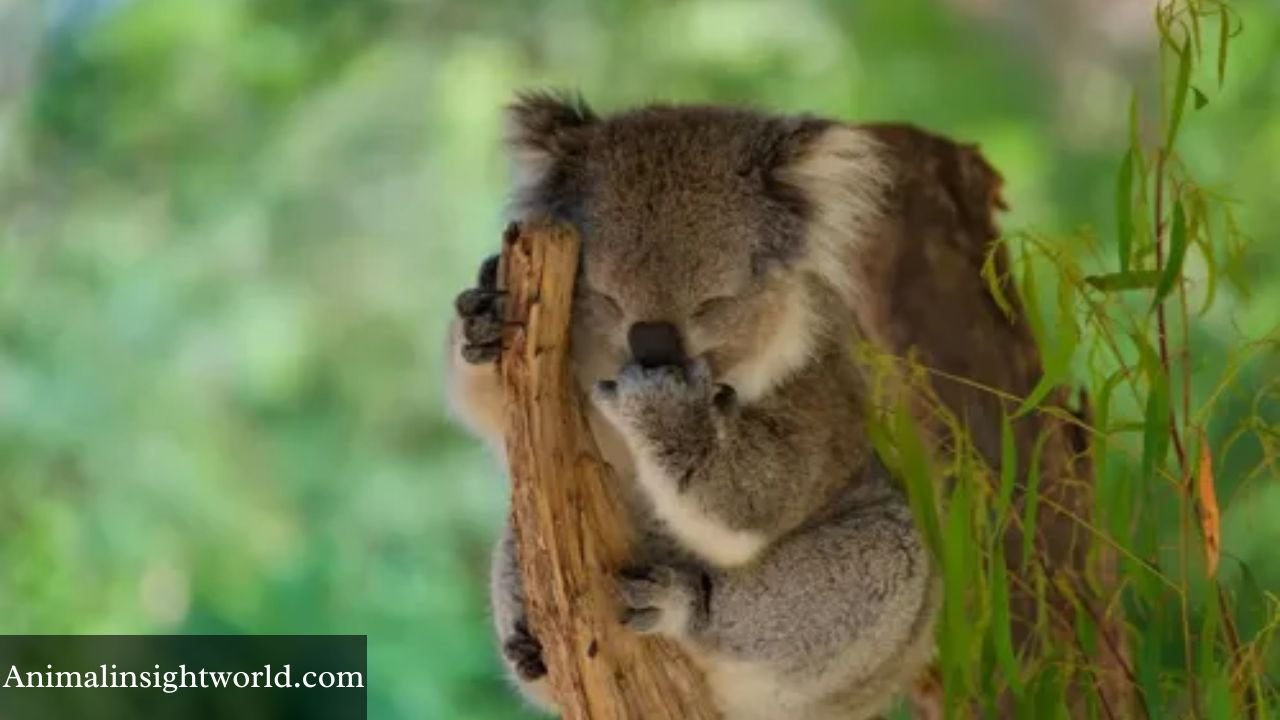
The koala, often seen as a cute and cuddly symbol of Australia, has a surprisingly clumsy side that adds to its charm. With their specialized diet of eucalyptus leaves and a sedentary lifestyle, these marsupials tend to be more adept at napping than navigating the great outdoors. Their unique grip, designed to grasp tree branches tightly, can sometimes lead to comedic mishaps when they misjudge a leap or twist awkwardly while descending. Watching a koala clamber down a trunk, often in slow motion, might leave you chuckling as they navigate their arboreal world with an endearing lack of grace.
Interestingly, the koala’s clumsiness has evolutionary roots. Their reliance on a diet that requires little energy translates into less frequent movement, making them less practiced in the athleticism often seen in other tree-dwelling animals. This sluggish lifestyle is further complemented by their impressive sleeping habits; koalas spend up to 18 hours a day snoozing, conserving energy for their low-energy diet. Therefore, while they may lack agility, their delightful quirks and slow-paced life offer a unique window into the fascinating balance of evolution’s design, where survival doesn’t always mean being spry.
Camel
Scientific Name: Camelus dromedarius
Class: Mammalia
Diet: Herbivore
The camel, often known as the “ship of the desert,” possesses an undeniable clumsiness that belies its majestic stature. With their long legs and heavy bodies, these gentle giants often seem to be navigating a perpetual state of imbalance, especially when they trot or attempt to rise from a resting position. Their loping gait, akin to a lumbering dance, can evoke laughter among onlookers as they sway from side to side, making even the most graceful of movements appear decidedly comical.
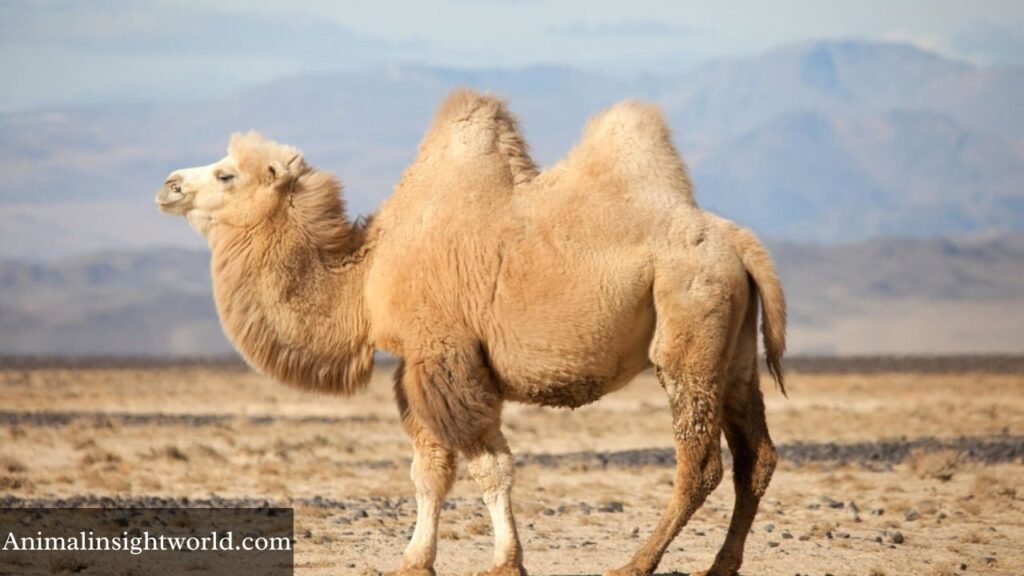
Yet, beneath this clumsy exterior lies an extraordinary adaptation to their harsh environment. Camels possess unique physical traits, such as wide, padded feet that are remarkable for traversing hot sands, allowing them to cover vast distances despite their awkward appearance. This seemingly ungainly demeanor is a testament to resilience, reminding us that true adaptability often takes unconventional forms. So, the next time you see a camel meandering through an oasis, appreciate the beauty in its awkwardness — an embodiment of survival in an unforgiving landscape.
Ostrich
Scientific Name: Struthio camelus
Class: Aves
Diet: Omnivore
The ostrich, a creature known for its extraordinary size and speed, paradoxically embodies clumsiness in its daily antics. Towering at nearly nine feet tall, these flightless birds may seem like graceful giants at first glance. However, their oversized bodies often lead to awkward moments, particularly during courtship displays or when evading threats. As they flap their wings in a flurry of excitement while running up to 45 miles per hour, their coordination can misfire, resulting in ungainly tumbles that are as charming as they are amusing.
What truly sets ostriches apart in the realm of clumsiness is their adaptation to a terrestrial lifestyle. While they’ve sacrificed the ability to soar through the skies, their powerful legs are a double-edged sword: designed for speed, they can also result in unfortunate missteps on uneven terrain. Observing an ostrich navigating through dense brush or rocky landscapes reveals a comedic struggle as they try to find balance amidst their awkward antics. This gives us a refreshing reminder of nature’s diversity; even the mightiest can have their clumsy moments, making the ostrich a delightful marvel in the animal kingdom.
Hippopotamus
Scientific Name: Hippopotamus amphibius
Class: Mammalia
Diet: Herbivore
Hippopotamuses, although massive and formidable, possess a surprising clumsiness that adds to their charm. These aquatic giants, often seen lounging in rivers with their hefty bodies partially submerged, can be surprisingly awkward on land. Their short legs and bulk make it difficult for them to walk gracefully, leading to a lumbering gait that’s both endearing and comical. When they emerge to graze at night, the sight of such a hefty creature navigating uneven terrain often results in unexpected tumbles or slips.
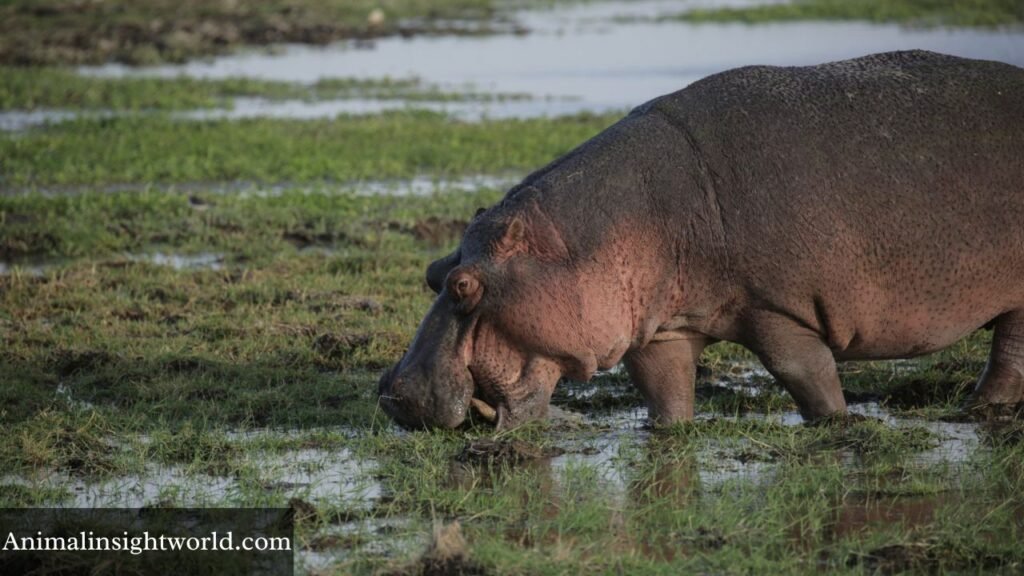
Interestingly, hippos are also known for their playful nature, which can lead to even more clumsy moments. In heated displays of social interaction, they sometimes misjudge their size and strength, resulting in playful splashes that send water flying everywhere. This unintentional slapstick comedy only adds to the mystique of the hippo, as observers can’t help but grin at their antics. These awkward, yet intriguing, creatures challenge our perceptions; clumsiness in the animal kingdom isn’t just an endearing flaw — it’s a reminder of the unexpected personalities hidden within even the largest beasts.
Harbor Seal
Scientific Name: Phoca vitulina
Class: Mammalia
Diet: Carnivore
The harbor seal, often spotted lounging on rocky shores or basking in the sun, presents a delightful paradox to nature lovers: despite their sleek, aquatic stature, they exude a certain clumsiness on land. These marine mammals are designed for agility in the water, using their streamlined bodies and powerful flippers to glide effortlessly beneath the surface. However, once they haul themselves out onto land, the scene often shifts to one of comedic awkwardness. With their flippers adapted for swimming rather than walking, they employ a sort of wiggle-and-flop technique to maneuver, resembling a playful, oversized puppy scrambling for footing.
This charming clumsiness earns the harbor seal a special place in the hearts of both researchers and casual observers. Their somewhat goofy antics, from awkwardly rolling over to adjust their sunbathing position to the classic “seal bark” that often sounds like a frantic call for help, make them a favorite among wildlife enthusiasts. Interestingly, though these seals may appear vulnerable ashore, they are formidable hunters underwater, showcasing a fascinating duality — a reminder that even the most graceful creatures can have an off day when they step outside their element. Observing these seals offers a unique perspective on nature’s quirks, emphasizing that beauty and elegance can come with a side of charming clumsiness.
Moose
Scientific Name: Alces alces
Class: Mammalia
Diet: Herbivore
Moose, the towering giants of the North American wilderness, embody a curious mix of grace and awkwardness. With their long legs and massive bodies, one might expect them to glide effortlessly through their habitats. Yet, these creatures often seem oblivious to their size, leading to comically clumsy encounters. Whether it’s awkwardly navigating thick underbrush or tripping over their own hefty limbs when startled, moose can be surprisingly ungainly.
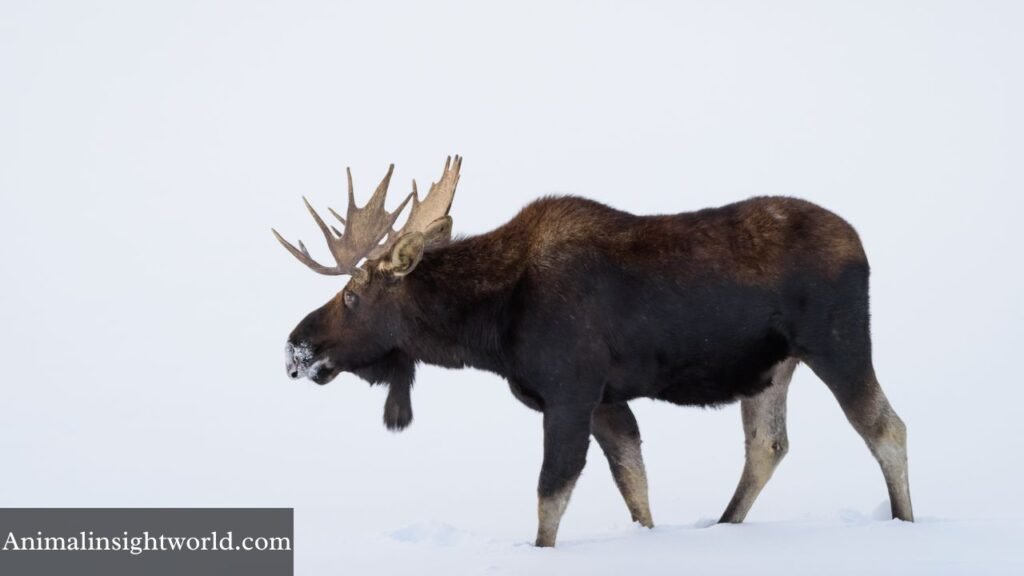
What’s even more fascinating is their social interaction. During mating season, male moose — known as bulls — sometimes engage in energetic displays of dominance that can quickly turn into hilariously chaotic sparring matches. These encounters, while fierce, often result in a flurry of antlers clacking and bodies stumbling, leaving onlookers wondering if these majestic animals were truly built for combat. Despite their clumsiness, moose have a resilience that allows them to thrive in harsh northern climates, reminding us that even the most awkward of creatures can play a vital role in their ecosystem.
Capybaras
Scientific Name: Hydrochoerus hydrochaeris
Class: Mammalia
Diet: Herbivore
Capybaras, the largest rodents on the planet, exude a unique charm that often overshadows their clumsy antics. These gentle giants can weigh up to 150 pounds and stand about two feet high, making their attempts at graceful movement all the more entertaining. Imagine a creature designed for aquatic life, waddling awkwardly on land. Their long bodies and short legs contribute to a delightful awkwardness, especially when they decide to gallop or make hasty retreats around their lush, watery habitats.
What adds to their clumsiness is their undeniable social nature; capybaras thrive in groups, and their interactions often result in a comedy of errors. Whether they’re playing tag or simply lounging in the sun, their unwarranted splashes and hurried tumbles provide nature enthusiasts and casual observers alike with hearty laughs. Yet, this clumsiness serves a purpose: their playful demeanor fosters strong bonds within their vast communities, proving that sometimes, it’s those bumbling moments that bring us closer together in life’s great adventure.
Manatee
Scientific Name: Trichechus manatus
Class: Mammalia
Diet: Herbivore
Manatees, affectionately dubbed “sea cows,” are the gentle giants of the ocean, gliding through warm waters with an adorably clumsy charm. Despite their massive size — often weighing between 800 to 1,200 pounds — these creatures are surprisingly awkward, especially on land. Their flipper-like limbs and rotund bodies make for a hilarious sight when they attempt to haul themselves onto shore, often resulting in a comedic flop rather than a graceful exit.
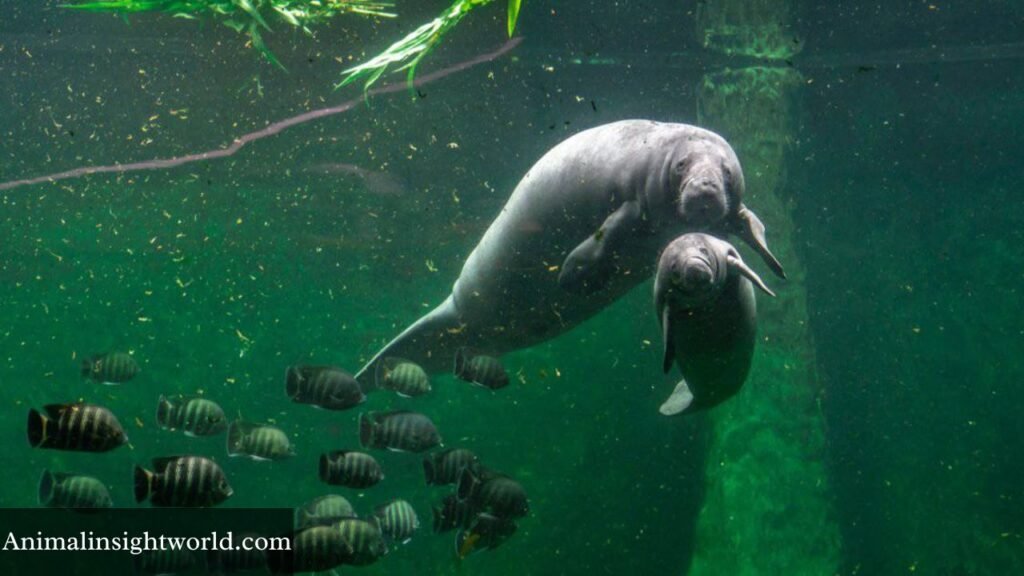
Yet, it’s this very clumsiness that highlights their endearing nature. Often found munching on seagrass with an insatiable appetite, their slow-motion movements underwater almost appear mesmerizing, as if they are performing a delightful ballet, albeit with all the grace of a toddler learning to walk. As gentle herbivores navigate their underwater world, they remind us that sometimes, awkwardness can be synonymous with beauty, offering a refreshing perspective on how our most clumsy traits can actually be quite charming.
Flamingo
Scientific Name: Phoenicopterus roseus
Class: Aves
Diet: Omnivore
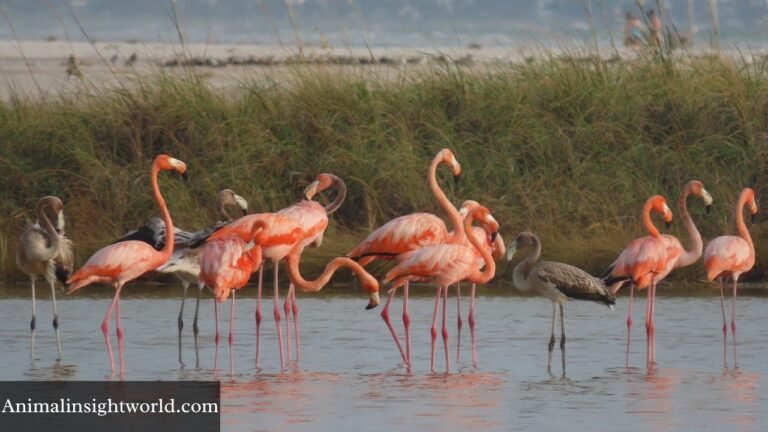
Flamingos are often celebrated for their stunning pink plumage and elegant necks, but beneath that graceful exterior lurks a surprisingly clumsy side. These iconic birds are notoriously awkward when it comes to their movement on land. Their long legs, while perfect for wading in shallow waters, can make navigating solid ground a challenge. Imagine a fashionable model stumbling on the runway — the flamingo shares that same endearing quality, often losing its balance or tripping over its own feet during a parade of awkwardness.
What’s truly fascinating is how this clumsiness plays a role in their social structure. Flamingos are highly gregarious, often relying on their flock for safety. Their occasional tumbles serve as a reminder of the tightly knit bonds they form; when one bird stumbles, it often incites a flurry of laughter and ruffled feathers among its companions. Watching them interact is like observing a lively social gathering where camaraderie, even amidst physical blunders, takes precedence. This blend of stylish awkwardness and social harmony makes the flamingo a unique symbol of resilience and charm in the animal kingdom.
Cat
Scientific Name: Felis catus
Class: Mammalia
Diet: Carnivore
Cats are often celebrated for their grace and agility, but the irony lies in the occasional clumsiness that surfaces when they least expect it. Picture a cat, tail high and eyes wide, confidently stalking its prey — a lone feather drifting down. In this moment, their elegant demeanor takes a comedic twist as they pounce, only to misjudge the landing and dramatically tumble forward in what can only be described as a cataclysmic fail. These mishaps reveal that even the most poised felines can have moments of sheer awkwardness, turning a simple chase into a hilariously endearing spectacle.
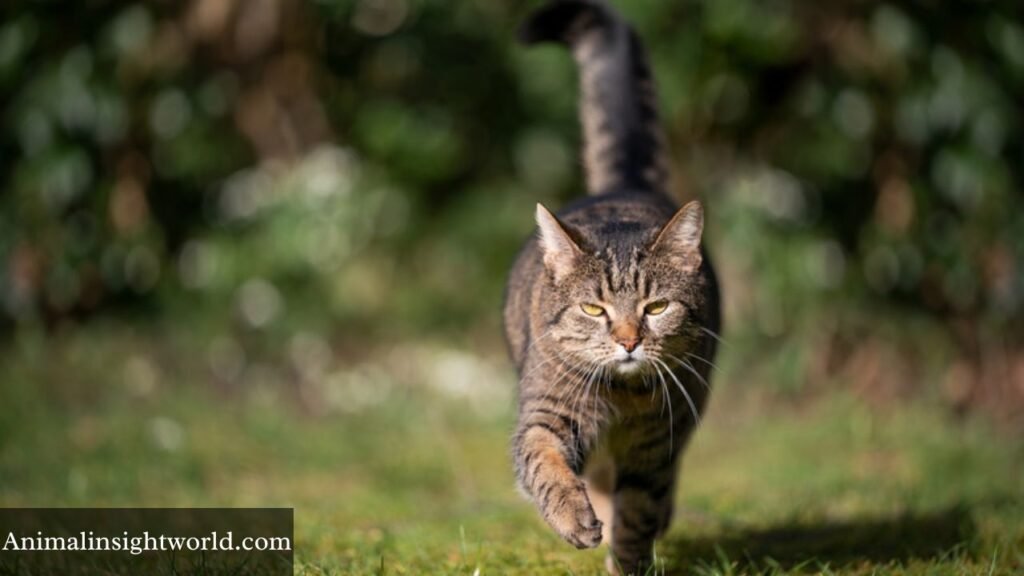
Interestingly, this clumsiness isn’t just a testament to their physicality — it’s also a peek into their playful personalities. Cats often engage in clumsy antics during playtime, showcasing a zest for life that often belies their reputation as aloof observers. From knocking over a meticulously arranged vase to sliding off a windowsill in pursuit of a sunbeam, these blunders remind us of their curious nature. Each stumble not only entertains us but also underscores the delightful unpredictability of living with these furry companions, reminding us that perfection is overrated and laughter is truly the best form of affection.
Walrus
Scientific Name: Odobenus rosmarus
Class: Mammalia
Diet: Carnivore
The walrus, with its impressive tusks and blubbery bulk, embodies the term “clumsy” in a way that’s both endearing and fascinating. Often seen lounging on ice floes or beaches, they can appear rather awkward as they haul their hefty bodies onto land. These marine giants have a surprising grace in the water, but on solid ground, their movements can be a comical spectacle, characterized by flops and waddles that highlight their significant girth.
Despite their ungainly demeanor on land, walruses possess a wealth of adaptability. Their impressive blubber serves not only as insulation against the frigid Arctic temperatures but also acts as a buoyancy aid when they dive to considerable depths for food. Moreover, their tusks — though often seen as a clumsy accessory — serve multiple purposes, from aiding in hauling themselves out of the water to displaying dominance within social hierarchies. This duality of clumsiness and competence gives walruses a unique charm, reminding us that even the most seemingly clumsy creatures have evolved remarkable traits that allow them to thrive in their environments.
Giraffes
Scientific Name: Giraffa camelopardalis
Class: Mammalia
Diet: Herbivore
Giraffes, with their towering necks and elegant strides, may seem graceful, but they are surprisingly clumsy creatures. Their long legs and hefty bodies create an awkwardness that often goes unnoticed. Watching a giraffe attempt to drink water is a prime example; the contortion required to reach the ground can leave them teetering precariously, exposing the challenges inherent in their unique anatomy. This seemingly simple act transforms into a comical display of balancing acts, showcasing how their length can become a hindrance rather than an asset.
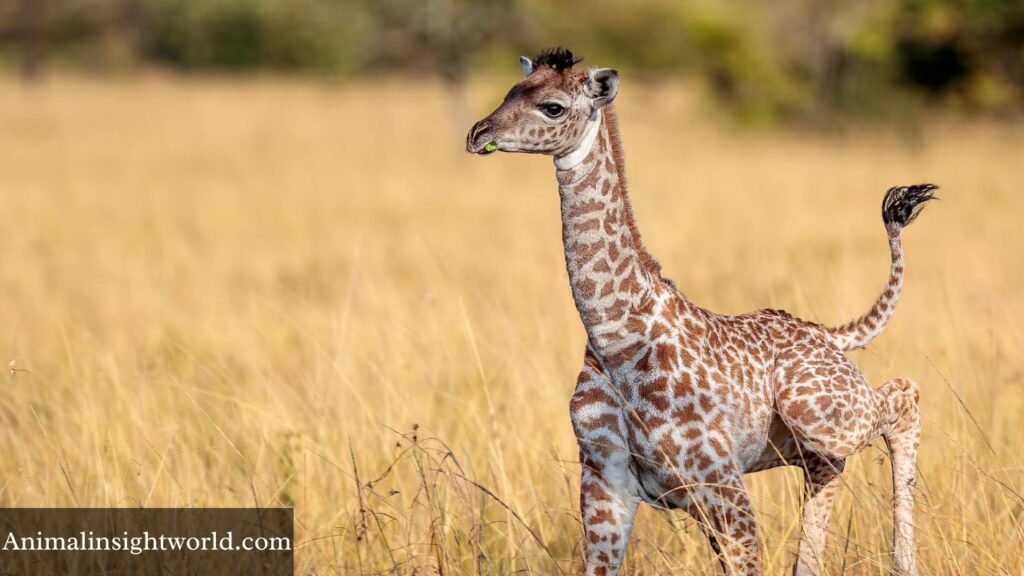
Interestingly, giraffes’ clumsiness isn’t just a physical limitation; it also plays a role in their behavior. During play, these gentle giants can engage in hilariously awkward interactions, often tripping over their own legs or colliding with one another. Their social dynamics are affected by this comicality, as they use these moments to bond and navigate their relationships. While they may be the tallest land animals, their endearing clumsiness reminds us that even the most majestic beings have their quirks.
Sea Lion
Scientific Name: Zalophus californianus
Class: Mammalia
Diet: Carnivore
When you think of sea lions, graceful swimmers gliding through the ocean might come to mind, but on land, these marine mammals showcase a surprisingly clumsy side. With their bulky bodies and flippers more suited for swimming than walking, observing a sea lion haul itself onto a rocky shore can be a comical sight. They often flop onto their bellies or awkwardly bounce like oversized pillows, reminding us that even the ocean’s best athletes have an adorable, goofy side.
Interestingly, their clumsiness on land serves a purpose beyond mere entertainment. Sea lions have adaptations that prioritize buoyancy and agility in water, allowing them to excel at hunting and evading predators. This trade-off means they’re not as well-equipped for terrestrial life, bringing a charming vulnerability to their often-mighty persona. Watching them interact, from playful barks to wobbly movements, highlights how their playful demeanor enhances their appeal, making this clumsy creature one of nature’s most endearing wonders.
Baby Elephant
Scientific Name: Loxodonta africana
Class: Mammalia
Diet: Herbivore
Baby elephants are often hailed as the epitome of clumsiness in the animal kingdom, and for good reason. With their oversized ears and floppy limbs, these young giants seem to be constantly navigating their surroundings with a delightful awkwardness. Every step they take is a blend of curiosity and unintentional hilarity, as they stumble over their own feet or trip on the uneven terrain of the savannah. This inherent clumsiness is not merely endearing; it plays a crucial role in their development, allowing them to build strength and coordination as they grow.
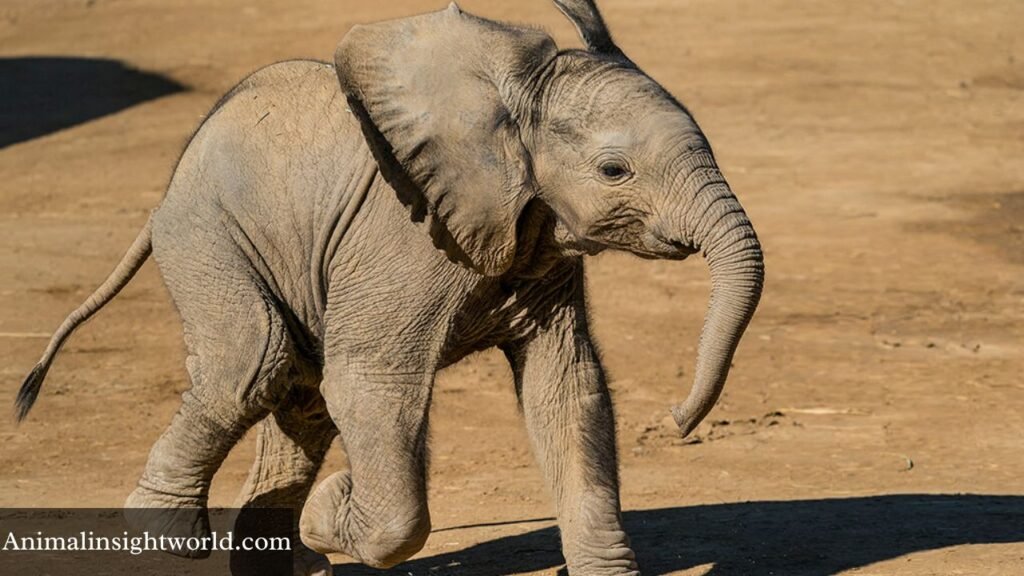
Watching a baby elephant interact with its environment can be a mesmerizing experience. Their attempts to use their trunks — still developing coordination — often result in comical scenarios where simple tasks, like picking up food or taking a drink, become an adventure of missed connections and exaggerated flails. These moments are infused with an innocence that serves as a vivid reminder of the learning curves all creatures face. As they merrily tumble and roll in playful exuberance, it’s clear that their clumsiness isn’t a flaw; it’s an essential part of their journey toward maturity and mastery of their formidable bodies.
Mudskipper
Scientific Name: Periophthalmus barbarus
Class: Actinopterygii
Diet: Carnivore
Mudskippers are truly a fascinating marvel of evolution, defying the traditional boundaries between land and water. These amphibious fish, found in mangroves and mudflats, have evolved unique adaptations that enable them to thrive out of water. They can “walk” on land by utilizing their pectoral fins, which act like rudimentary legs, shuffling across the mud with an adorably clumsy gait that is both awkward and endearing. Watching a mudskipper navigate its environment evokes a sense of wonder, as it awkwardly propels itself forward in a series of comical hops.
What’s even more intriguing is their ability to breathe through their skin and the lining of their mouths, allowing them to remain on land for extended periods. This adaptation makes them champions of their habitat, yet it comes with a clumsiness that can be both amusing and precarious. Despite their somewhat ungainly movements, mudskippers demonstrate a surprising level of agility when it comes to fleeing predators or searching for food, often using their distinctive hopping motion as a strategy to dart across the mud, showcasing their resilience despite their undeniably goofy demeanor. In the grand tapestry of animal life, the mudskipper stands out as a testament to how adaptability often comes served with a side of quirky charm.
Red Panda
Scientific Name: Ailurus fulgens
Class: Mammalia
Diet: Omnivore
Red pandas, with their charming appearance and endearing antics, are often considered the epitome of clumsiness in the animal kingdom. Their short, stocky bodies and fluffy tails may give them an adorable silhouette, but these features also contribute to a uniquely awkward way of navigating their treetop habitats. When they attempt to climb or leap from branch to branch, it’s not uncommon to witness a slippier-than-expected descent or an ungraceful tumble, leaving them momentarily dazed yet adorable.
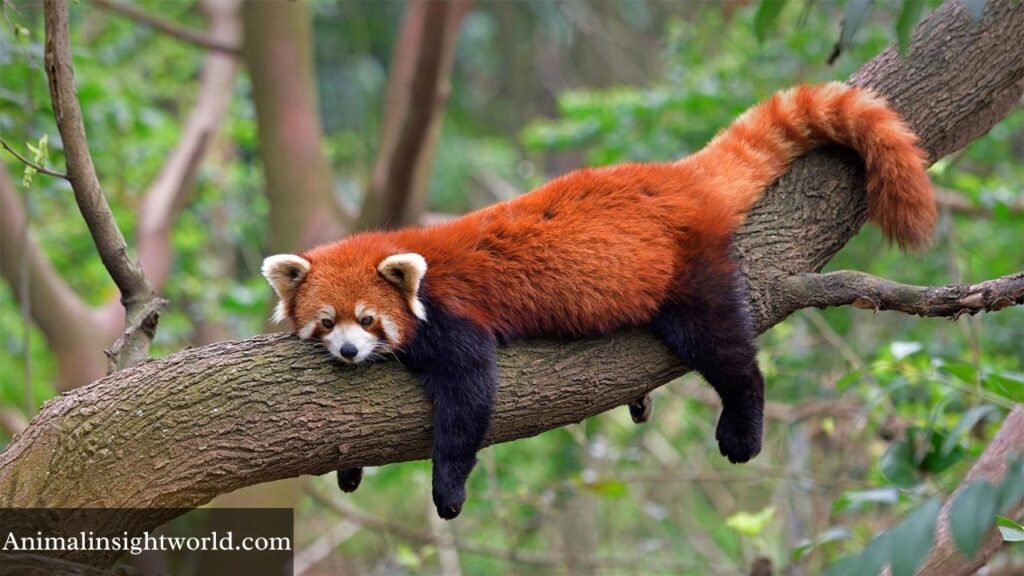
What truly makes red pandas fascinating is how their clumsiness is intertwined with their survival tactics. Despite their somewhat bumbling nature, they possess incredible agility when motivated — especially during playtime, where the young engage in rough-and-tumble games that showcase their surprisingly adept coordination. Their cozy fur, which serves a vital purpose in colder climates, also adds whimsical bulk, creating a delightful contrast with their generally careful and deliberate movements. Through their clumsiness, red pandas remind us that nature often thrives on contrasts, blending vulnerability with strength in a way that captivates observers worldwide.
Readmore: Explore Top 17 Weakest Animals in the World.
Final Thoughts
The clumsy animals on our planet add a delightful touch to the fabric of wildlife. Their endearing blunders, whether it’s a kangaroo misjudging a hop or a baby elephant tripping over its own trunk, showcase the diversity of movement and behavior in the animal kingdom. While some of these creatures may fumble along, they certainly aren’t lacking in personality or charisma. By embracing their uniqueness, we foster a deeper appreciation for all forms of life and the roles they play in our world. Let’s cherish these amusing misfits and advocate for their conservation, ensuring they continue to delight future generations.
FAQs
What animal is known for being clumsy?
When considering the clumsy animals , a few species stand out for their charmingly awkward antics. One of the top contenders is the panda. These lovable bears often appear uncoordinated as they roll down hills and fumble with their food. Their bulk, combined with their playful nature, creates a delightful spectacle that has endeared them to many.
Another notable mention is the giraffe. While their tall stature and long limbs may suggest elegance, they can be surprisingly clumsy, especially when it comes to navigating tight spaces or bending down to drink water. Their unique anatomy makes them appear somewhat ungainly, resulting in amusing moments that highlight their endearing, quirky characteristics.
Are koalas clumsy?
Koalas are often perceived as clumsy due to their slow, deliberate movements and unique tree-dwelling lifestyle. They spend most of their time in eucalyptus trees, where they use their strong limbs and sharp claws to climb and navigate. While they may seem awkward on the ground, their adaptations make them highly skilled at climbing, allowing them to access food and evade predators effectively.