Explore Top 14 Small Monkey Breeds (With Pictures)
These pint-sized primates, known for their playful antics and vibrant personalities, are captivating companions for animal lovers everywhere. In this article, we’ll explore the fascinating world of small monkey breeds, uncovering their unique traits and care requirements. Whether you’re considering one as a pet or simply want to learn more about these incredible creatures, you’re in for a delightful journey.
List of Small Monkey Breeds
Here is the list of small monkey breeds:
- Pygmy Marmoset
- Golden Lion Tamarin
- Silvery Marmoset
- Common Marmoset
- Graells’s Tamarin
- Dusky Titi
- Red-handed Tamarin
- Emperor Tamarin
- Talapoin Monkey
- Squirrel Monkey
- Tarsiers
- Cotton‑Top Tamarin
- Night Monkey
- Roosmalen’s Dwarf Marmoset
Pygmy Marmoset
Scientific Name: Cebuella pygmaea
The Pygmy Marmoset, often dubbed the world’s smallest monkey, captivates with its astonishing diminutiveness — averaging just 5 inches in length. Despite their size, these adorable primates boast an impressive personality, displaying an incredible level of curiosity and playfulness that enchants both researchers and pet owners alike. Their vibrant fur ranges from a tawny hue to a mix of grey and brown, blending perfectly into the lush canopies of South America’s rainforests.

Social creatures at heart, Pygmy Marmosets thrive in family groups, where they communicate through a series of intricate vocalizations, from soft chirps to loud calls. These vocal expressions play a crucial role in maintaining their intricate social structure and alerting others to potential threats. In captivity, their lively nature demands not just adequate space but also mental stimulation, as they are highly intelligent animals that enjoy interactive play and puzzle-solving activities. Watching them engage in their environment offers a delightful glimpse into the complexities of their behavior, revealing just how enriched their lives can be with the right care and attention.
Golden Lion Tamarin
Scientific Name: Leontopithecus rosalia
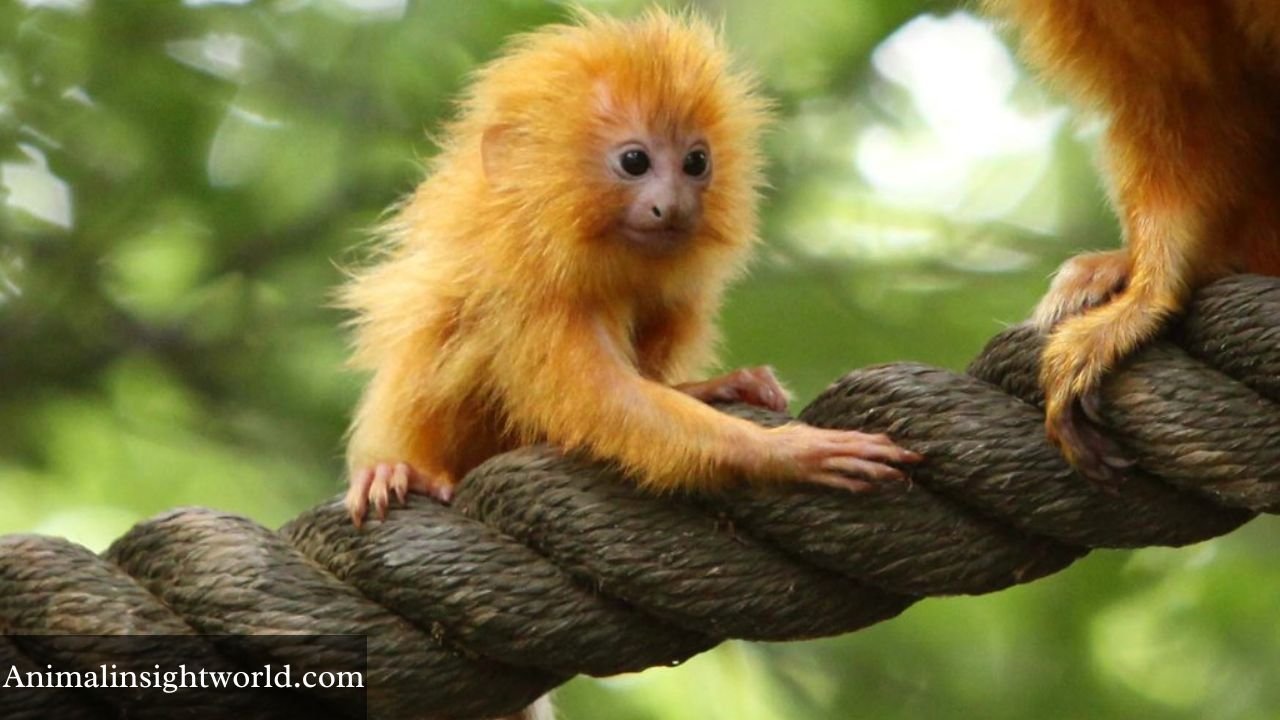
The Golden Lion Tamarin, often hailed as one of the most striking small monkey breeds, is not just a visual delight but also a symbol of conservation success. Hailing from the lush canopies of Brazil’s Atlantic Forest, these vibrant, orange-gold primates have experienced a remarkable recovery since being classified as endangered. Dedicated conservation efforts, including habitat restoration and breeding programs, have helped increase their population, showcasing the powerful impact of human intervention in wildlife preservation.

Beyond their stunning appearance, Golden Lion Tamarins exhibit fascinating social structures. They live in family groups, exhibiting strong bonds and cooperative behaviors that enhance their survival. Their vocalizations are intricate, filled with a variety of calls that reflect their communication sophistication. Observing their playful interactions and agile movement through the treetops reveals a complex world where every member plays a pivotal role, illustrating the deeper interconnectedness of their ecosystem. As we explore further, the plight and triumph of the Golden Lion Tamarin remind us of the delicate balance between humanity and nature, urging us to cherish and protect these remarkable creatures.
Silvery Marmoset
Scientific Name: Mico argentatus
The silvery marmoset, a petite and enchanting creature, showcases the fascinating adaptations of small monkey breeds. Native to the lush rainforests of Brazil, these agile animals possess a striking coat of soft, silvery fur, which allows them to blend seamlessly into their shimmering surroundings. With their large, expressive eyes and sociable nature, silvery marmosets offer a captivating glimpse into the interconnectedness of their ecosystem. They primarily communicate through a range of sophisticated vocalizations, which not only highlight their social bonds but also alert family members to potential threats.

One of the most extraordinary aspects of the silvery marmoset is its cooperative breeding behavior. Instead of solely relying on maternal care, the whole family unit participates in raising the young, fostering a remarkable sense of community and teamwork. This unique approach ensures the survival of their offspring in a world where the rapid loss of habitat poses a grim threat. Moreover, their diet primarily consists of fruits, insects, and the sap of trees, making them vital players in seed dispersal and maintaining the delicate balance of their rainforest habitat. As human encroachment continues to threaten their environment, the plight of this small monkey breed serves as a poignant reminder of the importance of conservation efforts.
Common Marmoset
Scientific Name: Callithrix jacchus
The common marmoset, a tiny primate native to the lush canopies of South America, is a marvel of adaptability and charm. Weighing just around half a pound, these little creatures pack a lively personality, known for their curious nature and playful antics. Their distinctive yellow-tinted fur and expressive eyes make them a favorite among primate enthusiasts. But what truly sets them apart is their social behavior; living in family groups, they exhibit cooperative breeding, where members assist in caring for young. This intricate social structure not only strengthens bonds within the troop but also showcases their remarkable communication skills.
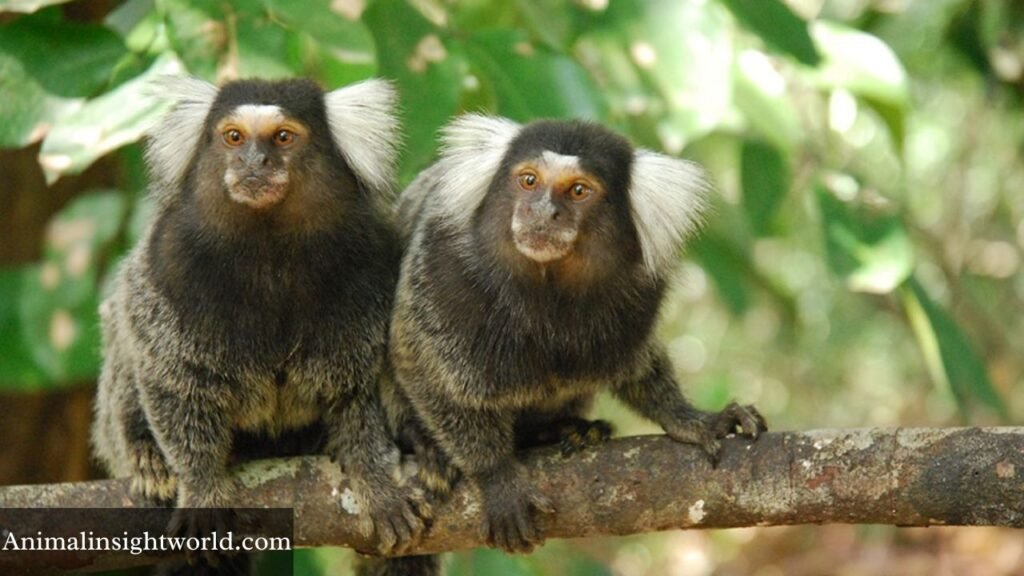
In recent years, the common marmoset has drawn attention for its role in scientific research, particularly in studies focused on human health and behavior. Their rapid breeding cycle and relatively short lifespan make them ideal models for understanding developmental processes and age-related diseases. Observations of their intricate communication methods, especially their vocalizations, provide fascinating insights into primate linguistics and social dynamics. Yet, as their popularity grows, it raises essential questions about conservation and the ethical implications of keeping them as pets, reminding us that their wildness is best appreciated in their natural habitat.
Graells’s Tamarin
Scientific Name: Saguinus graellsi
The Graells’s Tamarin, lesser-known among small monkey breeds, captivates with its striking appearance and social nature. Found primarily in the cloud forests of the Andes in Bolivia and Peru, these tamarins sport a distinctive fur pattern that features a vibrant mix of black, orange, and white, adding a splash of color to their misty habitat. Their keen adaptations to a high-altitude environment — notably their nimble climbing skills — allow them to navigate the dense canopy with ease while foraging for fruits, insects, and small invertebrates.

Social structures are paramount to the Graells’s Tamarin’s way of life. Living in cohesive family groups, they exhibit strong bonds that are not only vital for rearing young but also for enhancing their survival strategy against predators. These monkeys engage in intricate vocalizations, a fascinating aspect that reflects their complex social interactions and strengthens their familial connections. As conservation concerns loom over their habitats due to deforestation and climate change, understanding and advocating for the Graells’s Tamarin becomes increasingly essential, highlighting the importance of preserving not just a species, but the intricate web of life that sustains it.
Dusky Titi
Scientific Name: Plecturocebus moloch
Class: Mammalia
Diet: Herbivore
The Dusky Titi monkey, with its striking fur ranging from dark gray to soft brown, offers a charming glimpse into the heart of South American rainforests. These small primates are not only visually appealing but also exhibit fascinating behavioral traits. Social creatures by nature, Dusky Titis thrive in tight-knit family units, showcasing complex vocalizations to communicate with one another. Their melodious calls echo through the canopy, adding a layer of richness to the forest’s soundscape.

Living primarily in the treetops, Dusky Titi monkeys are adept at navigating their arboreal habitat. Their prehensile tails serve as an extra limb, allowing them to swing gracefully between branches in search of fruit, leaves, and flowers. But beyond their adorable antics, these primates play a crucial role in their ecosystem by aiding in seed dispersal. As they consume fruits from various plants, they inadvertently facilitate forest regeneration, making them indispensable allies in maintaining biodiversity. Observing these monkeys in their natural environment reveals not just their beauty but also the intricate connections that bind them to their ecosystem.
Red-handed Tamarin
Scientific Name: Saguinus midas
The Red-handed Tamarin, often overshadowed by its more famous cousins, is a vibrant gem of the primate world. With its striking reddish-orange hands and feet contrasting sharply against a predominantly black fur coat, these small monkeys are a living canvas of nature’s artistry. Found primarily in the forests of South America, particularly in parts of Brazil, the Red-handed Tamarin stands out not just for its looks but for its social complexity. These monkeys thrive in family groups, demonstrating a unique cooperative breeding system where multiple adults care for a single set of offspring, enriching their social environment and enhancing group cohesion.

Their vocalizations add another layer to their charm, with a range of calls that facilitate intricate communication within their tight-knit communities. Interestingly, the Red-handed Tamarin’s foraging behavior reveals their intelligence and adaptability; they often use their nimble fingers to probe bark for insects and utilize their keen sense of sight to locate fruit high in the canopy. As habitats shrink due to deforestation, their survival hinges on conservation efforts, making awareness of their plight essential. By appreciating the Red-handed Tamarin, we can foster a deeper connection to the biodiversity that enriches our planet and advocate for the preservation of their enchanting habitats.
Emperor Tamarin
Scientific Name: Saguinus imperator
The Emperor Tamarin, with its striking white mustache and lively personality, stands out not just in appearance but in social behavior. These small primates, native to the rainforests of South America, live in multi-generational family units, showcasing a social structure that emphasizes cooperation. Watching them interact, you’ll often see their playful antics — whether swinging between branches or grooming one another — highlighting their strong bonds and intelligence.

Their unique looks have earned the Emperor Tamarin a spot in the hearts of many animal lovers, yet what’s often overlooked is their pivotal role in their ecosystem. As frugivores, they help in seed dispersal, contributing to the health of their habitat. Their playful nature and complex social dynamics serve as vital indicators of environmental changes, offering insights into the health of their tropical homes. As we cherish these small monkeys, we must also advocate for the preservation of biodiversity, ensuring future generations can marvel at their endearing mustaches and vivacious spirits.
Talapoin Monkey
Scientific Name: Miopithecus talapoin
The Talapoin Monkey, often overshadowed by more popular primates, is a fascinating small monkey breed that thrives in the dense forests of Central Africa. With a distinctive mix of agility and inquisitiveness, these monkeys display remarkable social structures, living in troops that foster deep bonds among members. What sets them apart is their unique vocalizations, which range from high-pitched calls to guttural sounds, allowing them to communicate effectively across their lush habitat.
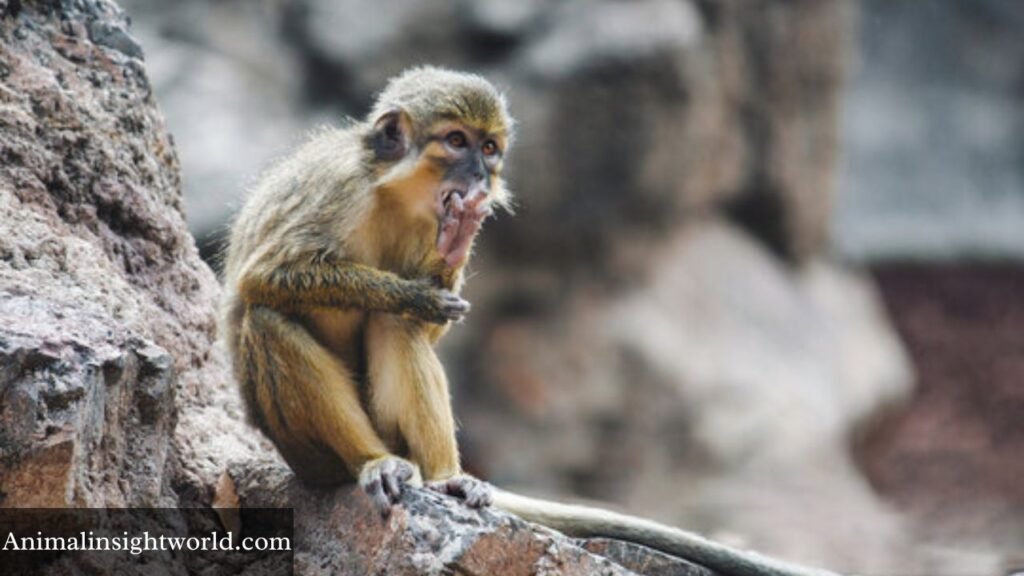
Despite their smaller stature, Talapoin Monkeys exhibit a variety of captivating behaviors, from acrobatic leaps between branches to intricate grooming rituals that strengthen group cohesiveness. Their diet is equally intriguing; primarily composed of fruits and insects, they demonstrate an impressive adaptability to seasonal changes in food availability. Observing them in their natural environment reveals not just their survival skills but also their intricate role in maintaining ecological balance, such as seed dispersal, which promotes forest regeneration. Offering a glimpse into the complexities of monkey behavior, the Talapoin is a reminder of the rich biodiversity that deserves our attention and protection.
Squirrel Monkey
Scientific Name: Saimiri sciureus
Squirrel monkeys, with their vibrant golden and black fur, are among the most expressive small monkey breeds, showcasing an array of emotions in their playful antics. These agile creatures are known for their remarkable intelligence; they navigate complex environments with ease, demonstrating problem-solving skills that can rival even some of the most perceptive primates. With their sociable nature, squirrel monkeys thrive in tight-knit groups, often forming strong bonds with one another, which adds a fascinating layer to their social dynamics.

One of the most intriguing aspects of squirrel monkeys is their vocalization. They communicate through a captivating series of chirps and whistles, each sound serving a specific purpose — whether warning of danger or calling a mate. These vocal exchanges reveal the nuanced social structures within their troops, where hierarchy and roles fluidly change. Moreover, their playful demeanor not only reflects their exuberant personality but also plays a crucial role in their development, as they engage in various forms of play that foster social skills and cooperation within the group.
Tarsiers
Scientific Name: Tarsius tarsier
Tarsiers, some of the smallest primates in the world, captivate with their enormous eyes and incredibly nimble movements. These nocturnal creatures, found in the dense forests of Southeast Asia, are uniquely adapted to a life among the treetops. Their large, bulging eyes — often compared to those of an owl — allow them to see in low light, making them efficient hunters of insects and small vertebrates. This remarkable adaptation not only enhances their survival but also adds a layer of mystery to their behavior, inviting researchers to explore their intricate social structures.

Unlike many other primates, tarsiers possess distinctive traits that set them apart from their cousins. Their elongated fingers and toes are designed for agile climbing, enabling them to leap extraordinary distances — up to 13 times their body length! Tarsiers exhibit unique vocalizations that resonate through the forest, acting as a means of communicating both territory and social bonds. Observing these behaviors in their natural habitat illuminates the complex interplay between evolution and adaptation, reminding us of the delicate balance of biodiversity that exists on our planet.
Cotton‑Top Tamarin
Scientific Name: Saguinus oedipus
The Cotton-Top Tamarin, renowned for its striking white “tuft” of fur that frames its face, is much more than just a visual delight. These small primates are native to the tropical forests of Colombia, often dwelling in the canopies where they can easily find insects, fruit, and nectar. Their social structures are fascinating; living in tight-knit family groups, they demonstrate intricate communication skills that include a variety of vocalizations and gestures, strengthening their bonds and enhancing cooperative behaviors like grooming and foraging.

Interestingly, the Cotton-Top Tamarin’s playful personality belies its vulnerable status in the wild. Habitat loss due to deforestation and illegal pet trade poses significant threats to their survival. However, initiatives aimed at habitat restoration and wildlife protection are gaining momentum, fostering a renewed hope for these charming creatures. Observing their agile movements and endearing antics inspires a deeper appreciation for biodiversity, reminding us of the intricate web of life we share with these remarkable primates. Encouraging conservation efforts not only protects the Cotton-Top Tamarin but also helps preserve the rich ecosystems they inhabit.
Night Monkey
Scientific Name: Aotus trivirgatus
The Night Monkey, also known as the Owl Monkey, is a unique gem among small primate breeds, showcasing a remarkable blend of nocturnal behavior and social interaction. Unlike many monkeys that thrive in daylight, these fascinating creatures come alive after sunset, utilizing their heightened sense of vision to navigate the forest canopy. Their large, expressive eyes are not just adorable; they are perfectly adapted for low-light environments, allowing them to seek food and engage with their social groups under the cover of night.

Socially, Night Monkeys are intriguing. They live in tightly-knit family units, fostering strong bonds that are vital for their survival. One fascinating aspect of their behavior is the shared parenting duties, which showcase a level of cooperation rarely seen in the animal kingdom. The males often take an active role in caring for their offspring, breaking the traditional gender roles often observed in other species. This parental investment not only enhances the survival rate of the young but also enriches the social structure of their communities, making them a captivating subject for animal behaviorists and monkey enthusiasts alike.
Roosmalen’s Dwarf Marmoset
Scientific Name: Callibella humilis
The Roosmalen’s dwarf marmoset, a captivating creature hailing from the lush rainforests of South America, stands out for its diminutive size and unique adaptations. Weighing in at just under a pound, it’s one of the smallest primates in the world, yet it possesses a vibrant personality that belies its size. Their fur, a mix of soft browns and grays, offers a natural camouflage against the lichen-covered branches they call home, showcasing nature’s art in both form and function.

Beyond their charming appearance, these little monkeys exhibit fascinating social behaviors that can leave observers in awe. Living in small family groups, they communicate using intricate vocalizations to maintain cohesion in their dense, arboreal environment. Their diet primarily consists of fruits, insects, and small invertebrates, but they also play a crucial role in their ecosystem as seed dispersers, helping to sustain the very forests in which they thrive. As urbanization encroaches on their habitats, conservation efforts are essential, not just for the survival of the Roosmalen’s dwarf marmoset, but for the intricate web of life they support in their home.
Readmore: Explore Top 10 Animals That Look Like Beavers.
Final Thoughts
Small monkey breeds offer a fascinating glimpse into the diverse world of primates. Their playful nature and relatively manageable size make them appealing pets for those who can provide the necessary care and environment. However, it’s crucial to remember that these intelligent creatures require social interaction, mental stimulation, and proper diet to thrive. Whether it’s the endearing marmoset or the spirited tamarin, each species has unique traits that charm enthusiasts. As you consider embracing a small monkey breed into your life, ensure you are well-informed and committed to meeting their needs — after all, they deserve a loving and responsible home.
FAQs
What is the cute little monkey type?
One of the most popular examples is the marmoset, particularly species like the common marmoset, which are tiny, with soft fur and expressive faces. Their large eyes and small size make them irresistible to many animal lovers. Marmosets are social animals, often seen in groups, which adds to their charm as they engage in playful antics and vocalizations.
What’s smaller than a spider monkey?
Several animals are smaller than a spider monkey, which typically weighs between 15 to 19 pounds and has a long, slender body. One notable example is the capuchin monkey, known for its intelligence and social behavior. Adult capuchins usually weigh between 3 to 9 pounds. Another smaller primate is the tamarin, particularly the golden lion tamarin, which is roughly the size of a small cat. These tiny monkeys typically weigh around 1 to 2 pounds.
What is the smallest monkey in the world?
The smallest monkey in the world is the pygmy marmoset. These tiny primates weigh about 3.5 ounces and can be as small as 5.4 inches long, excluding their tails. Native to the rainforests of South America, they’re often found in the canopy layer, where they can expertly navigate small branches. Pygmy marmosets are fascinating not just for their size but also for their social behavior. They live in small family groups and communicate with a range of high-pitched calls.