
Are Flamingos Smart? Facts You Need To Know
Did you know that flamingos can remember individual faces for years? This surprising fact leads us to a larger question: Are flamingos smart? As we delve into their cognitive abilities, social behaviors, and problem-solving skills, we’ll uncover the intriguing intelligence of these vibrant birds. Understanding their mental capabilities not only enhances our appreciation of wildlife but also challenges common perceptions about animal intelligence.
Are Flamingos Smart?
Scientific Name: Phoenicopterus
Class: Aves
Diet: Omnivore
Flamingos are often celebrated for their vibrant plumage and strikingly unique feeding habits, but when it comes to intelligence, these captivating birds exhibit fascinating behaviors that hint at a level of awareness often overlooked. Research suggests that flamingos possess problem-solving skills, particularly when it comes to social interactions within their flocks. Their communal living forces them to navigate complex relationships, where they display the ability to recognize individual partners and maintain intricate social bonds. This may imply a cognitive depth that rivals that of other more commonly regarded intelligent birds, like crows or parrots.
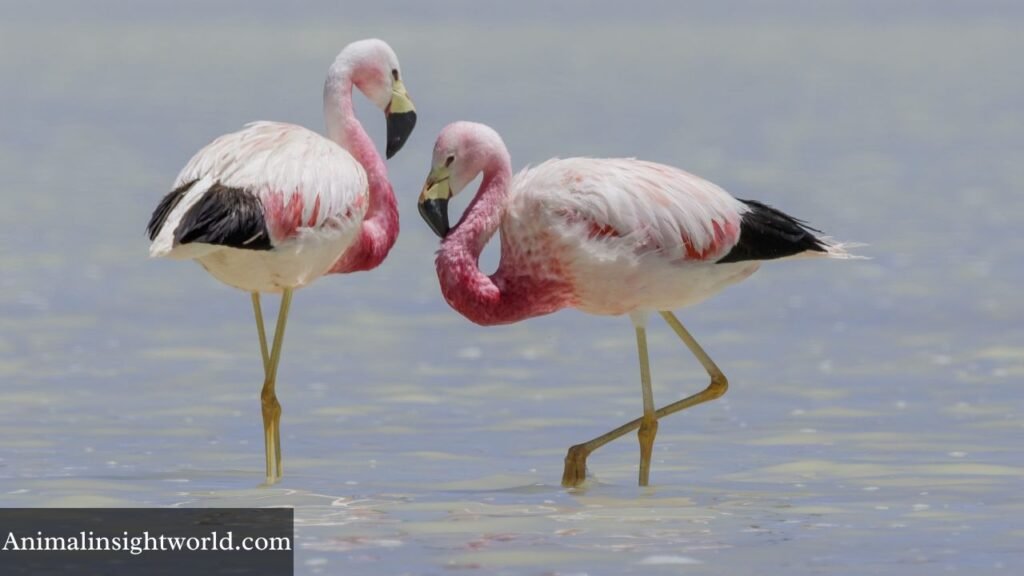
Moreover, their choice of foraging techniques showcases a level of adaptability. Flamingos utilize various methods to filter-feed, demonstrating an understanding of their environment and the food sources available. Observations have even recorded flamingos learning from one another, echoing the concept of cultural transmission often seen in higher mammals. This suggests that their intelligence may not just be instinctual but also shaped by social learning, inviting us to reconsider what defines avian smarts. In essence, flamingos, with their striking beauty and nuanced behaviors, remind us that intelligence in the animal kingdom can be as varied as the species themselves.
Can Flamingos Fly?
Flamingos are often seen gracefully wading through shallow waters, their vibrant pink feathers captivating observers. However, many are surprised to learn that these striking birds are, in fact, quite capable of flight. Flamingos can travel considerable distances, soaring up to 10,000 feet in the air, especially when migrating between breeding grounds and feeding sites. Their powerful wings allow them to maintain speed and efficiency, often flying in a distinctive V formation, which is energy-efficient and helps them navigate.
What’s particularly fascinating is how flamingos use their flight abilities for survival. By taking to the skies, they can escape predators and locate more abundant food sources. Their strong social structures play a crucial role during migration; they fly in large groups, relying on collective instinct to find the best pathways and avoid dangers.
Facts About Flamingos
Flamingos are fascinating not just for their stunning pink hues but also for their unique feeding habits. These birds possess specialized beaks that are uniquely adapted to filter-feed in shallow waters. By flipping their heads upside down, flamings can strain shrimp and algae from the mud, contributing to their distinctive diet. Interestingly, their pink coloration comes not from pigments in their feathers but from carotenoids in the foods they consume. The brighter the feathers, the healthier the bird — this vibrant coloration plays a crucial role in attracting mates during the breeding season.
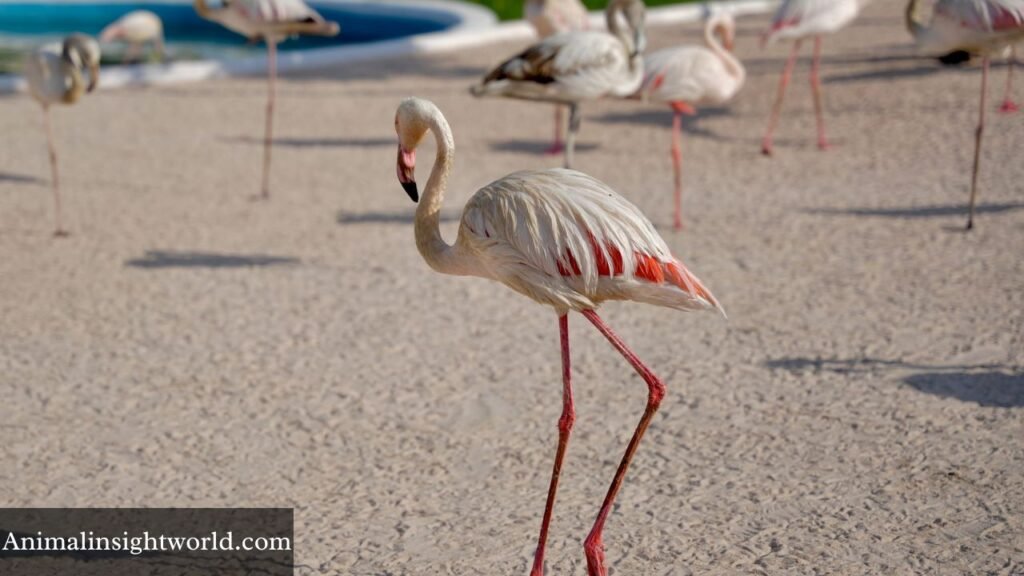
Another intriguing aspect of flamingos is their social nature. Living in large colonies, they engage in synchronized movements as part of their courtship rituals, creating a ballet of colors that is both mesmerizing and essential for mating success. This communal living isn’t just about romance; it offers protection from predators and helps maintain the right conditions for feeding. The bonds formed within these flocks are strong, and some flamingo species are known to mate for life, showcasing an unexpected side of these elegant birds’ behavior.
Readmore: Top 15 Most Active Animals in the World.
Why Do Flamingos Lose Their Color?
Flamingos are famous for their vibrant pink hues, but did you know these iconic birds start out as gray? The stunning transformation is primarily due to their diet, which is rich in carotenoid pigments found in algae and crustaceans. As they consume these colorful foods, their bodies metabolize the pigments and deposit them in their feathers, skin, and even beaks. This natural dyeing process is not just an aesthetic marvel; it plays a crucial role in their social dynamics and mating rituals.
Interestingly, when flamingos fall on hard times — due to changes in their environment or food sources — their pale gray origins resurface. A diet low in carotenoids can lead to a loss of color, revealing the underlying gray feathers. This phenomenon serves as a reminder of the delicate balance in their ecosystems and the importance of a healthy habitat.
How Do Flamingos Communicate with each other?
Flamingos communicate through a fascinating mix of vocalizations, body language, and social behaviors. Their most distinctive sounds include honks, grunts, and low-frequency calls that resonate within their dense colonies. These vocalizations aren’t merely random; they play a vital role in maintaining the social structure of their flocks, enabling them to coordinate movements and protect against predators. Intriguingly, the calls help establish bonds, particularly during mating displays, where synchronized sounds enhance attraction and strengthen pair cohesion.

Beyond vocal communication, flamingos utilize an array of postures and gestures to convey messages. For instance, the iconic head-flagging — where they perform a graceful display by tilting and raising their heads — signals aggression or establishes hierarchy within the group. The vibrant hues of their feathers also serve as a visual language; brighter plumage often denotes a healthier individual, encouraging others to engage or mate.
List of Birds That Are Most Intelligent
Here is the list of intelligent birds:
- African Grey Parrot
- Kea
- Clark’s Nutcracker
- Eurasian Magpie
- Crows and Ravens
- Jays
- Cockatoo
African Grey Parrot
Scientific Name: Psittacus erithacus
Class: Aves
Diet: Herbivore
The African Grey Parrot stands out not just for its striking plumage, but for its remarkable cognitive abilities. Often dubbed “the Einstein of the avian world,” these birds possess an unparalleled capacity for mimicking human speech and understanding complex concepts. Studies have shown that they can grasp abstract ideas, such as the concept of zero, making them one of the few non-human species to demonstrate this level of numerical understanding. Their intelligence extends beyond mere mimicry; they engage in problem-solving and can even communicate their desires and feelings effectively, fostering deep connections with their human companions.
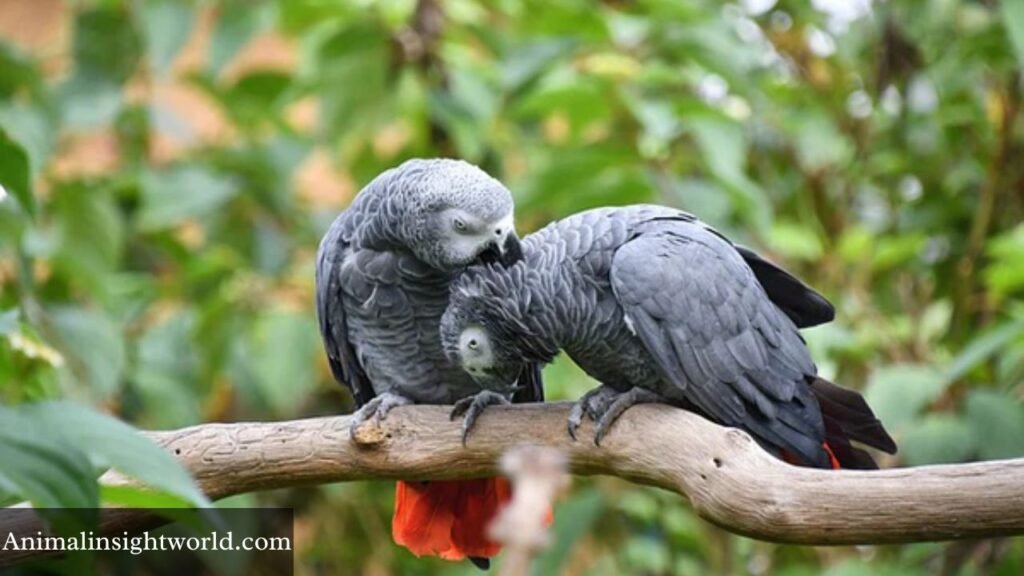
One of the most fascinating aspects of African Grey behavior is their emotional depth. These birds are known for forming strong bonds with their owners, showcasing empathy and attachment that rivals many other pets. Research indicates that an African Grey will often mirror not only words but also the emotions of their human companions, creating an interactive dynamic that enriches the pet-owner relationship. This emotional intelligence combined with their vocal prowess invites a unique experience, as they often become not just pets, but interactive partners capable of lively conversations that can last for hours. Their social nature means they thrive in environments where they can engage with people regularly, reflecting their innate need for stimulation and companionship.
You can also read: Explore Top 19 Most Clumsy Animals in the World.
Kea
Scientific Name: Nestor notabilis
Class: Aves
Diet: Omnivore
The Kea, a mountainous parrot native to New Zealand, is often hailed as one of the most intelligent bird species on the planet. These lively, inquisitive creatures demonstrate remarkable problem-solving skills that extend beyond mere mimicry, often using their beaks and feet to navigate complex challenges in their rocky habitats. Their playful nature invites curiosity; researchers have observed them using tools, such as manipulating sticks and stones to access food, showcasing their profound understanding of cause and effect.
What sets Keas apart isn’t just their cleverness but their social intelligence. Living in tight-knit family groups, they exhibit sophisticated communication skills and cooperative behaviors that enhance their survival in harsh environments. In one fascinating study, Keas were found to play games with one another, suggesting an awareness of fairness and teamwork. This social mindset not only aids in foraging but also enriches their interactions, making them a source of endless fascination for birdwatchers and scientists alike.
Clark’s Nutcracker
Scientific Name: Nucifraga columbiana
Class: Aves
Diet: Omnivore
Clark’s Nutcracker is often overshadowed by its more famous cousins, but this clever bird deserves the spotlight for its remarkable cognitive abilities. Renowned for its exceptional memory, the Clark’s Nutcracker can stash thousands of seeds throughout its territory, meticulously retrieving them months later. This impressive feat isn’t merely instinctual; studies suggest that these birds possess a sophisticated spatial memory that rivals some of the world’s leading cognitive species.
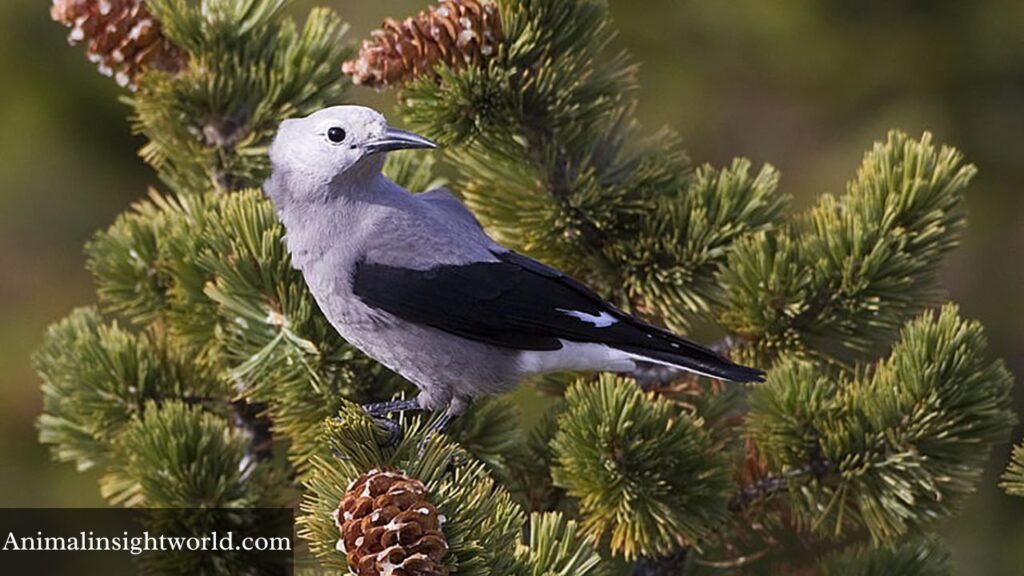
What sets the Clark’s Nutcracker apart is its role in forest ecosystems. By caching seeds, the bird inadvertently aids in tree regeneration, demonstrating an understanding of its environment that goes beyond mere survival. Observing a Clark’s Nutcracker working meticulously to hide and later recover its food offers a mesmerizing glimpse into the elegant balance of intelligence and nature, reminding us that the brainpower of these birds plays a crucial part in maintaining biodiversity.
Eurasian Magpie
Scientific Name: Pica pica
Class: Aves
Diet: Omnivore
The Eurasian Magpie stands out not only for its striking black and white plumage but also for its remarkable intelligence. Unlike most birds, magpies have demonstrated the ability to recognize themselves in mirrors, a cognitive skill that underscores their self-awareness. This trait is rare in the animal kingdom, often linked to advanced problem-solving abilities and a complex understanding of social dynamics. In essence, these birds don’t just exist in their surroundings; they navigate and manipulate them to achieve their goals.
Furthermore, magpies have shown an impressive capacity for memory and learning. In urban environments, these birds adapt their foraging techniques, learning to exploit new food sources and avoiding human threats. Their strong familial bonds also reveal an emotional depth; they engage in advanced social interactions, often mourning the loss of a partner or relative. This highlights a lesser-known aspect of their intelligence: an emotional complexity that fosters deep connections.
Crows and Ravens
Class: Aves
Diet: Omnivore
Crows and ravens, often misjudged as mere symbols of darkness, are among the most intelligent avian species. Recent studies reveal that these birds possess cognitive abilities comparable to primates, showcasing problem-solving skills that are nothing short of remarkable. For instance, crows demonstrate advanced tool-making behaviors, fashioning sticks to extract insects and using leaves to aid in their foraging efforts — demonstrating a level of foresight and resourcefulness that’s awe-inspiring when observed in the wild.
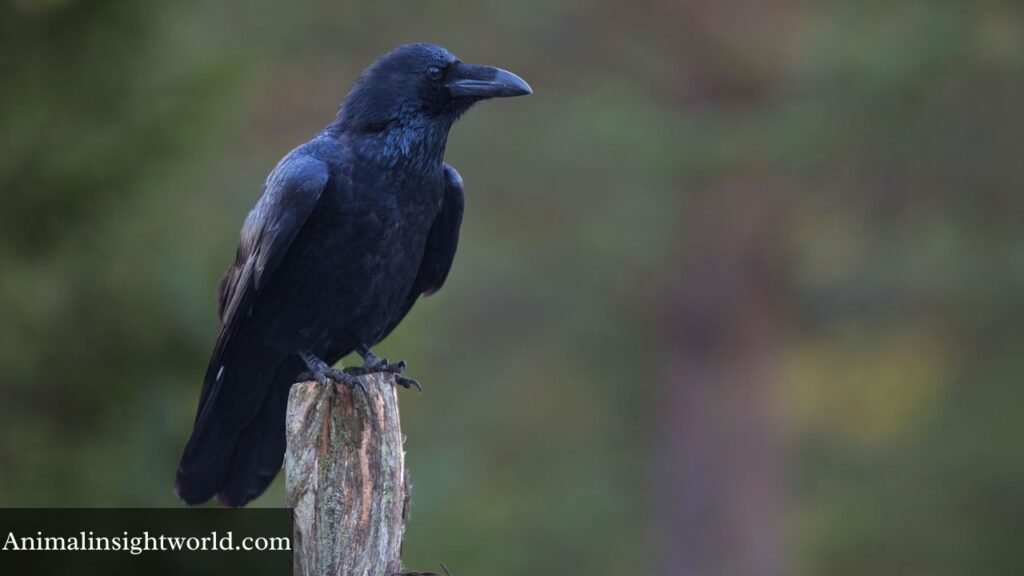
Moreover, these highly social birds engage in play that not only emphasizes their intelligence but also fosters social bonds within groups. Ravens, known for their playful antics, frequently partake in aerial acrobatics and interactive games, which are thought to enhance their communal relationships. Researchers have even noted their ability to understand the perspective of others, a trait once thought to be uniquely human.
Jays
Scientific Name: Garrulus, Cyanocitta
Class: Aves
Diet: Omnivore
Jays, particularly the Eurasian Jay and the Blue Jay, exemplify avian intelligence with their remarkable problem-solving abilities and social dynamics. These vibrant birds utilize a strategy known as “caching,” where they cleverly hide food in various locations to thwart rival birds from pilfering their stash. Interestingly, studies have shown that jays can remember the locations of thousands of caches over extensive periods, demonstrating not only spatial memory but also a level of foresight — a trait we often associate with higher mammals.
Beyond their food-hiding prowess, jays are also social learners. They engage in sophisticated communication, utilizing a complex array of calls to relay information about predators or food sources. Their ability to mimic other birds and even human sounds adds another layer to their interactive nature. This adaptability not only helps them survive but also equips them to thrive within varied environments, showcasing a rich interplay between intelligence, social behavior, and evolutionary success.
Cockatoo
Scientific Name: Cacatuidae
Class: Aves
Diet: Herbivore
Cockatoos are not only a visual delight with their striking plumage and charming crests but also stand out for their remarkable intelligence. Known for their problem-solving abilities, these birds can navigate complex challenges in their environment, showcasing an understanding akin to that of primates. For instance, research has revealed that some cockatoos can use tools to obtain food, demonstrating an ability to plan for the future and execute tasks that require foresight.
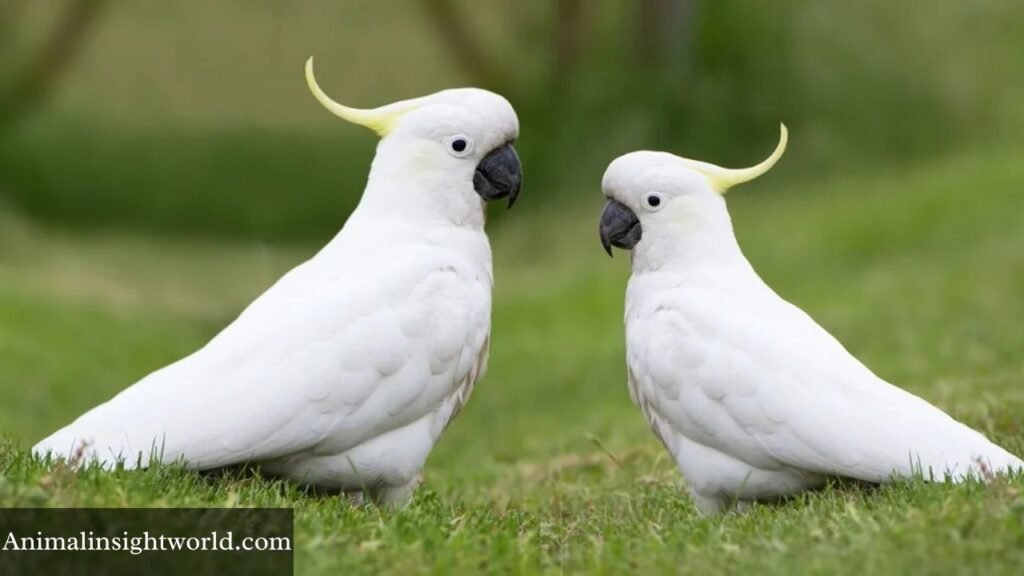
Socially, cockatoos exhibit a level of emotional intelligence that deepens our understanding of avian behavior. They create intricate social bonds within their flocks and are adept at recognizing individual calls, which enhances their cooperative interactions. This social structure allows them to share knowledge about food sources and potential dangers, reflecting a sophisticated communication system that spans generations. Engaging with a cockatoo can reveal their playful personality, often marked by mimicry and astounding vocal abilities, which further solidifies their place as the clowns of the avian world.
Readmore: Explore Top 15 Birds That Fly at Night.
Conclusion
Flamingos exhibit various intelligent behaviors that challenge the perception of their cognitive capabilities. Their ability to navigate complex social networks and adapt to their environments indicates a level of intelligence worth noting. Observations of their communication and learning skills highlight that they are much more than just strikingly beautiful birds. As we learn more about these captivating creatures, it becomes increasingly important to advocate for their conservation. Let’s commit to protecting their habitats and promoting awareness about the intelligence of all bird species.
FAQs
Are Flamingos smart or dumb?
Flamingos are generally not considered “smart” in the way some other birds, like crows or parrots, are. Their brains are smaller relative to their body size, and they tend to rely more on instinctive behaviors rather than problem-solving skills. Most of their actions, like foraging for food or performing courtship displays, are driven by innate behaviors rather than learned intelligence. However, this doesn’t mean they lack adaptability. Flamingos exhibit social behaviors and can thrive in challenging environments, showcasing a different kind of intelligence. Their ability to work as a group for feeding or migration suggests they are more attuned to their social structure than what might be considered traditional intelligence. So, while they may not rank high on the intelligence scale, they certainly have their own strengths.
How intelligent are flamingos?
Flamingos are fascinating creatures, but their intelligence is often underrated. While they aren’t known for solving complex problems like some other birds, they exhibit social behaviors and adaptability that suggest a decent level of intelligence. For instance, they’re highly social and engage in coordinated group activities, like synchronized feeding and breeding displays. Their ability to adapt to changing environments, find food in murky waters, and communicate through various vocalizations also highlights their cognitive skills.
What bird has the highest IQ?
When it comes to birds with high intelligence, the common raven often takes the crown. Ravens are known for their problem-solving skills, complex social behaviors, and ability to use tools. Studies have shown that they can plan for the future and understand cause-and-effect relationships, which are signs of advanced cognitive abilities. Other contenders include parrots, particularly the African Grey Parrot. These birds excel in mimicry and can learn an impressive vocabulary, showcasing their ability to understand and communicate effectively.