Top 17 Animals That Eat Snakes (Pictures Included)
In this article, we’ll delve into the fascinating world of animals that eat snakes, exploring their unique hunting techniques and ecological roles. Understanding these predators not only sheds light on their behaviors but also highlights the intricate web of life in various ecosystems. Join us as we uncover the surprising relationships between species you may never have considered before.
List of Animals That Eat Snakes
Here is the list of animals that eat snakes:
- Scottish Terrier
- Wild Boar
- Cormorant
- Alligator
- Secretary Bird
- Kookaburra
- Wolverine
- Honey Badger
- Owl
- King Cobra
- Kingsnake
- Mongoose
- Bobcat
- Hedgehog
- Cat
- Raccoon
- Eagle
Scottish Terrier
Class: Mammalia
Diet: Carnivore
Scottish Terriers, with their tenacious spirit and keen hunting instincts, hold a unique place in the animal kingdom, particularly regarding their role in controlling snake populations. These small yet robust dogs were originally bred to hunt vermin, and their agile hunting patterns make them well-suited for chasing down snakes that may encroach upon their territory. Their tenacity allows them to confront serpents that other creatures might shy away from, providing an essential balance in the ecosystem.
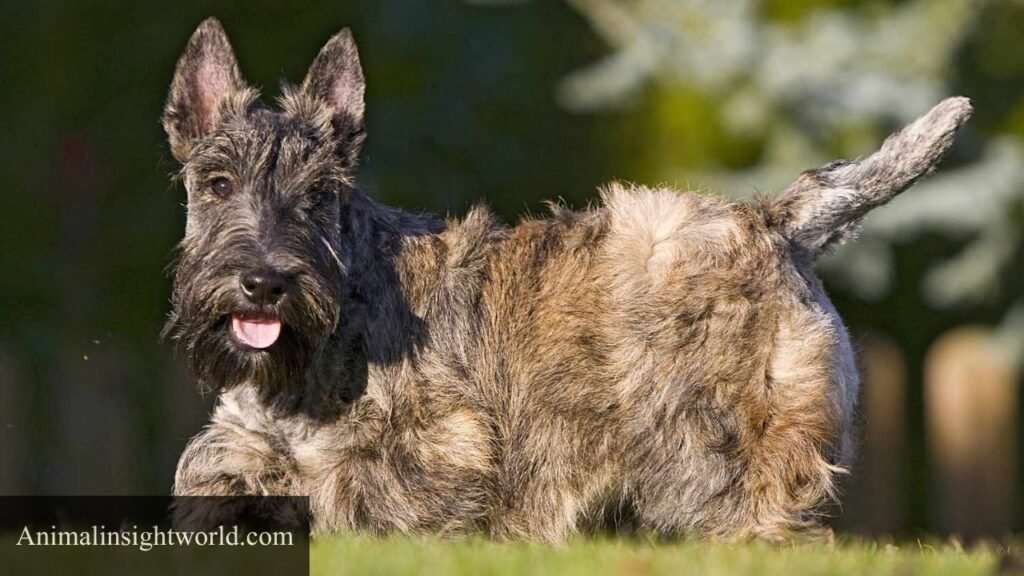
In a typical hunt, a Scottish Terrier relies on its keen sense of smell to track down hidden snakes, showcasing a blend of agility and intelligence. Their low stature helps them navigate through dense underbrush, allowing them to flush out these reptiles effectively. By preying on snakes, these dogs help manage the local snake population, proving invaluable not just as pets but as natural pest controllers. This dynamic role emphasizes the importance of preserving their instinctual behaviors, ensuring that these spirited companions contribute to their environment in meaningful ways.
Wild Boar
Scientific Name: Sus scrofa
Class: Mammalia
Diet: Omnivore
Wild boars are fascinating omnivores known for their robust diet, which surprisingly includes snakes. These clever foragers play a vital role in their ecosystem, keeping snake populations in check, especially in regions where snakes might pose threats to livestock or humans. The wild boar’s keen sense of smell and strong, muscular bodies make them formidable hunters, capable of rooting out snakes hiding in dense underbrush or thick foliage.
Hunting patterns of wild boars are quite strategic. They often utilize their tusks to subdue snakes quickly, showing remarkable agility and strength. As they dig through the ground in search of roots, truffles, or insects, they can inadvertently encounter snakes, turning a leisurely foraging expedition into a quick predation event. This adaptability not only highlights their role as opportunistic feeders but also underscores the intricate balance of their habitat, where each species, including snakes, plays a part in the wild boar’s survival strategy. Ultimately, the consumption of snakes by wild boars contributes to the dynamic interplay of predator and prey in their environment, illustrating the complex food webs that sustain wildlife.
Cormorant
Scientific Name: Phalacrocoracidae
Class: Aves
Diet: Carnivore
Cormorants are remarkable avian predators that command attention not only for their striking appearance but also for their dietary habits that include the consumption of snakes. These agile hunters are often seen diving underwater, where they showcase their adeptness at navigating through murky depths in pursuit of slippery prey. Their ability to gulp down snakes, which are generally elusive and quick, highlights their adaptability and resourcefulness as fish-eaters, but also as opportunists.
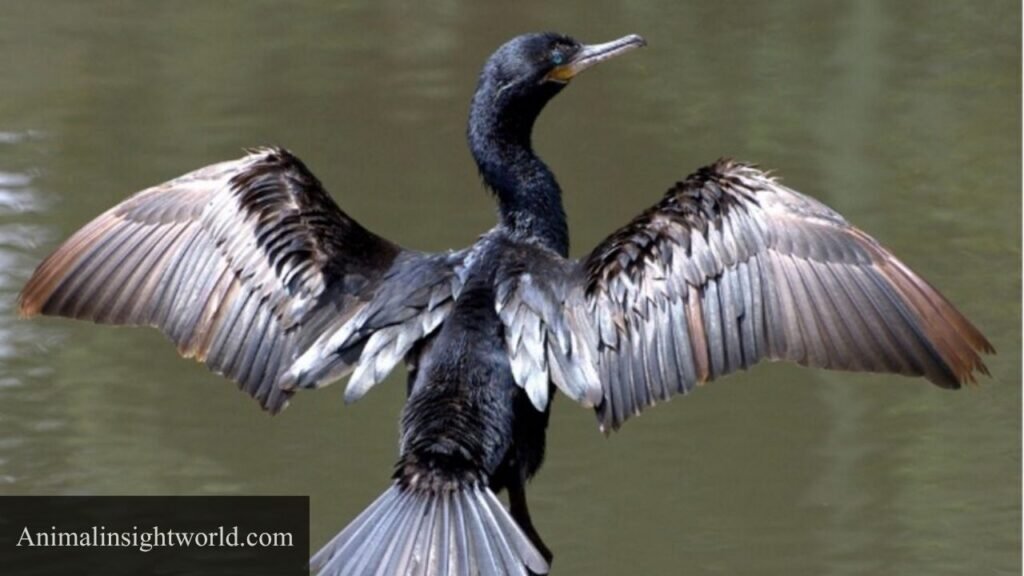
In the broader ecosystem, cormorants serve a vital role by keeping snake populations in check. This natural predation helps maintain a balance in their habitats, particularly in freshwater environments where both fish and snakes can proliferate. Their hunting patterns are typically strategic; cormorants can dive deep and stay submerged for significant lengths of time, allowing them to outmaneuver their agile prey. By incorporating snakes into their diet, cormorants not only diversify their nutritional intake but also demonstrate an impressive range of hunting skills that few birds exhibit. Their unique approach to feeding adds another layer to the ecological tapestry, showcasing the fascinating interdependencies found in nature.
Readmore: Explore Top 13 Animals That Eat Honey.
Alligator
Scientific Name: Alligatoridae
Class: Reptilia
Diet: Carnivore
Alligators, apex predators of freshwater ecosystems, play a fascinating role in controlling snake populations. With their powerful jaws and stealthy hunting patterns, these reptiles are adept at ambushing a variety of prey, including snakes. As opportunistic hunters, alligators often follow scent trails, lurking below the water’s surface before making a swift attack. This behavior not only showcases their impressive adaptability but also emphasizes their crucial role in maintaining ecological balance.
The consumption of snakes adds significant nutritional value to an alligator’s diet, supplying essential proteins and fats necessary for growth and energy. By preying on snakes, alligators help regulate these populations, preventing overpopulation that could destabilize their environments. This predatory behavior fosters a dynamic food web, illustrating the interconnectedness of species within their ecosystems. Ultimately, the alligator’s instinctive hunting patterns demonstrate a remarkable evolutionary adaptation, underscoring their importance in the natural order.
Secretary Bird
Scientific Name: Sagittarius serpentarius
Class: Aves
Diet: Carnivore
The Secretary Bird, an iconic raptor native to the African savannas, plays a unique role in the ecosystem as a dedicated snake hunter. With its long legs and remarkable agility, this bird is perfectly adapted to stalking and dispatching snakes, making it a formidable predator. Their diet predominantly consists of serpents, but they are not limited to one type; they tackle a variety of species, including venomous ones like cobras and adders. This dietary preference not only helps maintain balance in their environment but also reduces the risk of snake populations overwhelming the ecosystem.
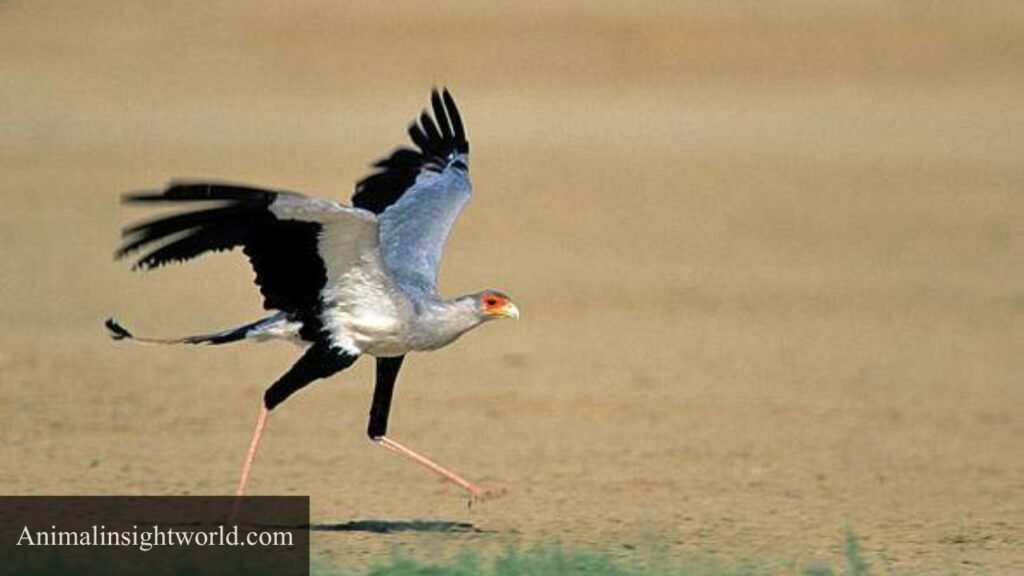
Hunting patterns of the Secretary Bird are as captivating as their appearance. They employ a distinctive technique that involves walking through grasslands, scanning the ground for movement. Upon spotting a snake, they utilize their powerful legs to deliver a swift and lethal stomp, often breaking the snake’s back in a single blow. This process is not just about securing a meal; it showcases the bird’s keen eyesight and adaptability, reflecting a finely tuned evolutionary process. Their unique predation methods highlight the interconnections among species and the intricate roles each plays in the food web, emphasizing the importance of conserving such remarkable birds for future generations.
Kookaburra
Scientific Name: Dacelo novaeguineae
Class: Aves
Diet: Carnivore
The kookaburra, a striking bird native to Australia, embodies the role of a natural predator within its ecosystem, particularly when it comes to hunting snakes. With their powerful beaks and keen eyesight, kookaburras exhibit remarkable hunting patterns, often perching silently on a branch before swooping down to snatch their serpentine prey. This behavior not only highlights their adaptability but also emphasizes their vital role in maintaining the balance of local ecosystems by controlling snake populations.
Incorporating snakes into their diet is essential for kookaburras, especially during breeding seasons when protein-rich food sources increase the likelihood of raising healthy chicks. Their hunting technique — often involving a series of sharp, quick attacks — allows these birds to catch even venomous snakes, showcasing their fearlessness and precision. In this way, kookaburras serve a dual purpose: as both predators and indicators of environmental health, reflecting the biodiversity and stability of their habitats. By understanding the kookaburra’s unique role as a snake hunter, we gain deeper insights into the intricate web of life that sustains these remarkable birds and their ecosystems.
You can also read: Explore Top 20 Animals That Eat Berries.
Wolverine
Scientific Name: Gulo gulo
Class: Mammalia
Diet: Carnivore
The wolverine, a tenacious predator known for its fierce demeanor, plays a pivotal role in its ecosystem by preying on snakes, among other animals. With powerful jaws and sharp claws, these mammals demonstrate remarkable hunting patterns that allow them to tackle creatures often deemed too dangerous or elusive for other predators. Their thick fur and robust build enable them to thrive in harsh conditions, making them adept at traversing rugged terrains where snakes may hide.
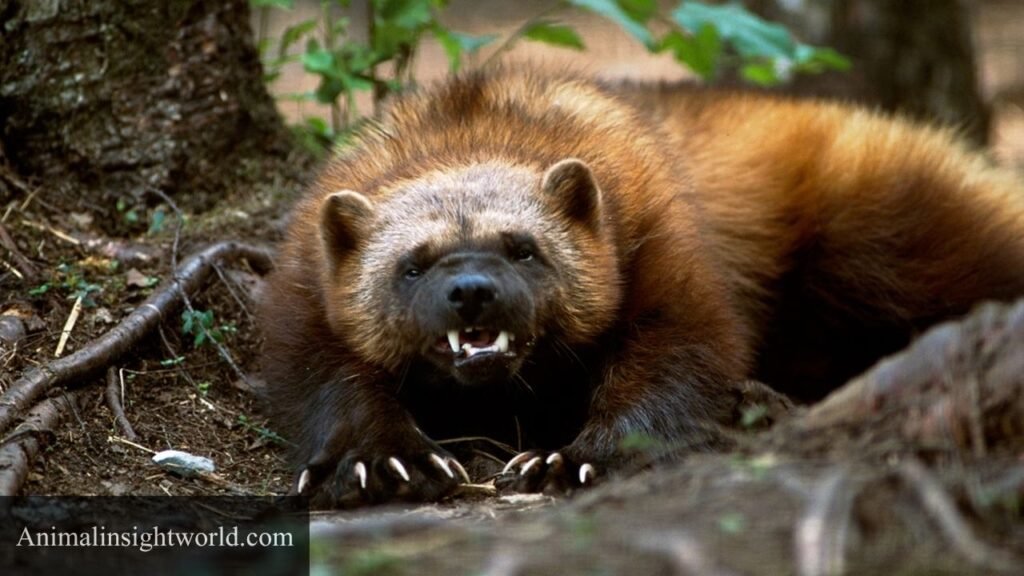
Incorporating snakes into their diet is not just a matter of survival; it helps maintain ecological balance. By controlling snake populations, wolverines prevent any single species from dominating the landscape, thereby supporting biodiversity. Their sharp instincts guide them in targeting less venomous varieties, showcasing their ability to adapt their hunting strategies based on prey type and environmental context. This behavioral flexibility highlights the wolverine’s role as a keystone species, underscoring its importance in promoting a healthy ecosystem.
Honey Badger
Scientific Name: Mellivora capensis
Class: Mammalia
Diet: Carnivore
Honey badgers are remarkable creatures known for their audacious nature, often taking on snakes much larger than themselves. These fearless foragers make snakes a vital part of their diet, showcasing their adaptability and resilience in the wild. Their thick skin and loose fur provide a level of protection against snake bites, enabling them to hunt effectively without fear.
One of the fascinating aspects of honey badgers’ hunting patterns is their strategic approach. They often track and ambush snakes, using their keen sense of smell and sharp claws to uncover hiding spots. This pursuit not only helps regulate snake populations in their ecosystems but also serves a critical role in maintaining the balance of prey and predator dynamics. The honey badger’s fearlessness in confronting venomous snakes, such as cobras and vipers, underscores their status as the true “badass” of the animal kingdom, showcasing not just survival tactics but an inspiring defiance against nature’s more dangerous creatures.
Owl
Scientific Name: Strigiformes (Order)
Class: Aves
Diet: Carnivore
Owls are fascinating nocturnal hunters, and their ability to consume snakes highlights their adaptability and skill. Among the various species, the Great Horned Owl is particularly adept at hunting these sly reptiles. Equipped with exceptional night vision and hearing capabilities, this owl can locate snakes even in dense underbrush or during complete darkness. Their silent flight and powerful talons make the hunt not only successful but also incredibly stealthy, allowing them to swoop down on their unsuspecting prey with remarkable precision.
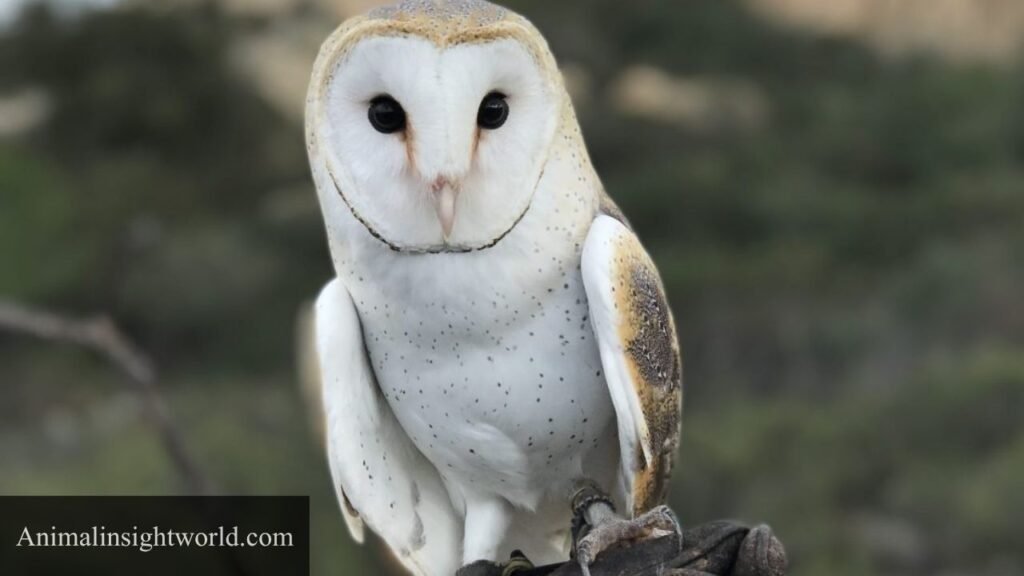
An intriguing aspect of owls eating snakes is their place in the ecosystem. By preying on snake populations, these birds help maintain a balanced environment, controlling the numbers of species that can sometimes become overabundant. Furthermore, owls often consume snakes with little waste, dropping only indigestible materials like bones and scales at their roosting spots, known as “owl pellets.” These pellets provide valuable insights for researchers studying local wildlife, offering a glimpse into the dietary habits and biodiversity of owls in specific regions. Thus, the owl’s role as a snake predator is both a marvel of nature and a vital component of ecological health.
Also read: Explore Top 17 Animals That Eat Grasshoppers.
King Cobra
Scientific Name: Ophiophagus hannah
Class: Reptilia
Diet: Carnivore
The King Cobra, a formidable predator in its own right, showcases an intriguing aspect of nature’s food web: its role as a snake-eater. This magnificent creature primarily feeds on other snakes, including those far more venomous than itself. With its long, agile body and impressive size — growing up to 18 feet — King Cobras can overpower their prey using both strength and strategic ambush tactics. They often hunt during the day, utilizing their keen vision to spot movement in underbrush or trees, demonstrating a remarkable combination of stealth and speed.
The King Cobra’s dietary preference not only highlights its adaptability but also underscores its ecological role in controlling snake populations. By consuming various snake species, including pit vipers and even other King Cobras, they help maintain a balanced ecosystem. In a world where some snakes may pose a threat to smaller mammals or even humans, the King Cobra acts as a natural regulator, ensuring no single species becomes overly dominant. This fascinating predator, often misunderstood due to its fearsome reputation, plays a vital role in preserving the delicate balance of its environment.
Kingsnake
Scientific Name: Lampropeltis (Genus)
Class: Reptilia
Diet: Carnivore
The kingsnake is a fascinating predator in the natural world, renowned not just for its striking appearance but also for its unique culinary preference — snakes. This impressive serpent has evolved a remarkable resistance to venoms, allowing it to consume even some of the most dangerous snake species, like rattlesnakes. What’s particularly intriguing is the kingsnake’s ability to induce a physiological response in its prey: by constricting their victims, they not only deliver a fatal blow but also prevent the snake from using its venom effectively in defense.
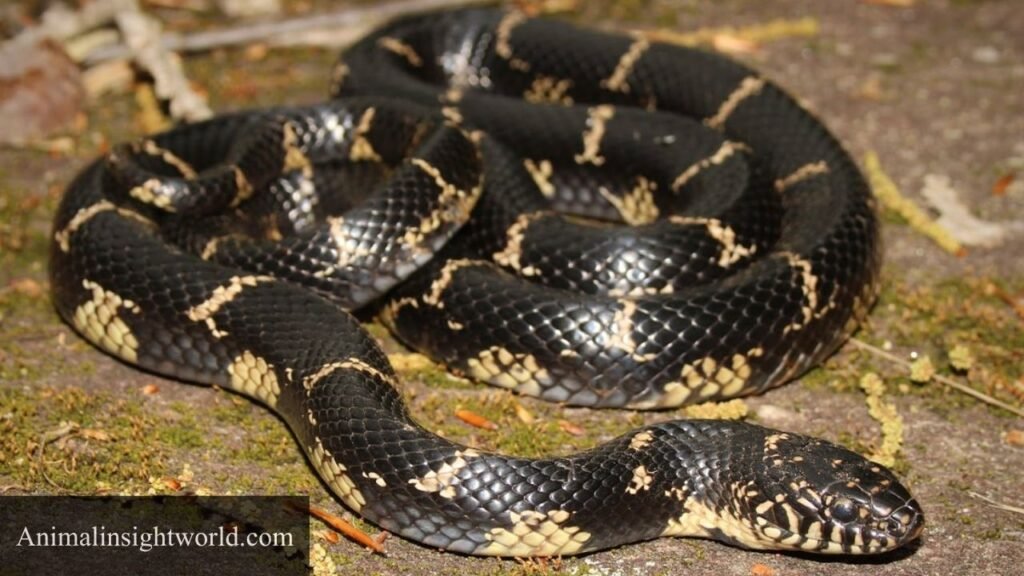
Kingsnakes are opportunistic feeders, showcasing a versatile diet beyond their infamous snake-eating habits. They also prey on small mammals, lizards, and bird eggs, making them adaptable hunters within diverse ecosystems. This predation plays a vital role in controlling snake populations, helping maintain ecological balance. Moreover, their ability to thrive in various habitats, from forests to deserts, underscores their resilience and adaptability as a species. The kingsnake reminds us that in the intricate web of life, even the most dangerous creatures have their predators, highlighting the delicate balance of nature’s food chain.
Mongoose
Scientific Name: Herpestidae
Class: Mammalia
Diet: Carnivore
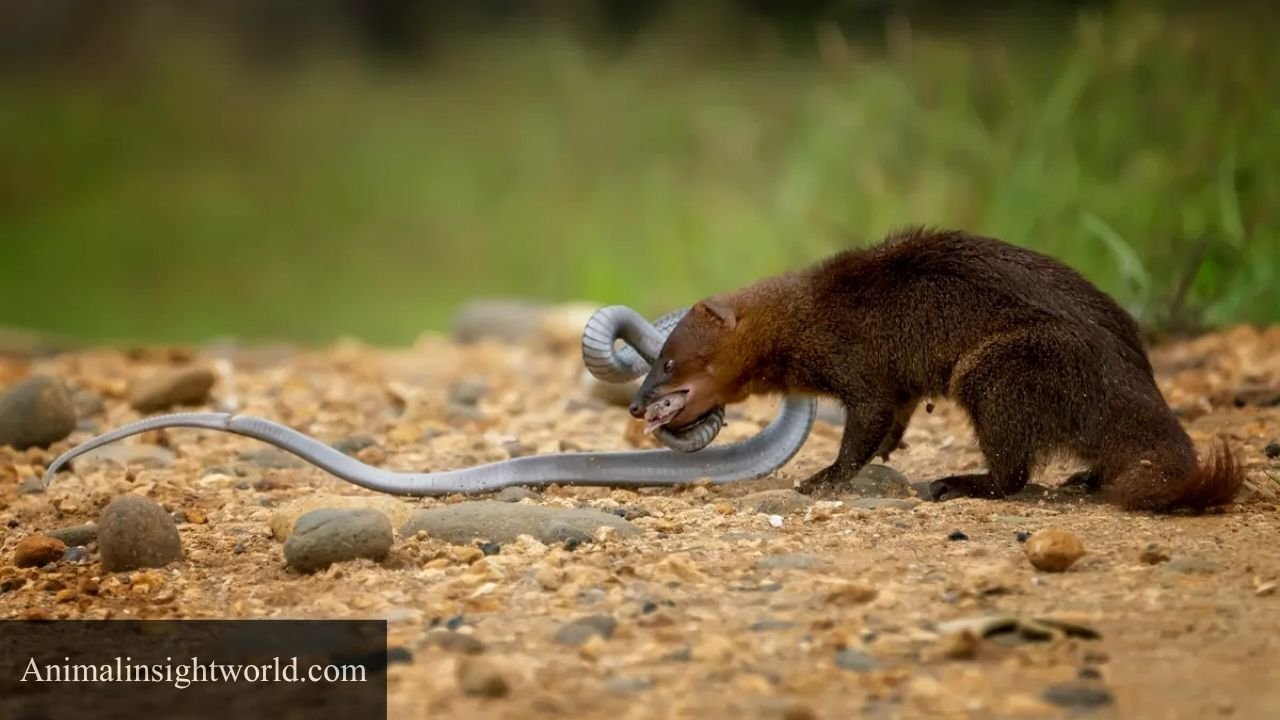
The mongoose is a fascinating predator known for its remarkable ability to hunt snakes, often taking on venomous species like cobras. Their hunting pattern is both agile and strategic; mongooses rely on speed and quick reflexes to evade strikes while delivering precise bites. This not only showcases their remarkable agility but also highlights a unique adaptability in their evolutionary journey.
In their dietary role, mongooses contribute significantly to the ecosystem by controlling snake populations, thereby balancing the food web. Their interactions with snakes also underscore an intriguing predator-prey dynamic, fostering a continuous evolutionary arms race. Interestingly, mongooses possess a resistance to certain snake venoms, allowing them to consume these reptiles more safely than many other predators. This adaptation not only influences their hunting tactics but also enriches the ecological narrative of predator interactions.
Readmore: Explore Top 15 Animals That Eat Ticks.
Bobcat
Scientific Name: Lynx rufus
Class: Mammalia
Diet: Carnivore
Bobcats are fascinating predators that occupy a unique niche in their ecosystems, often serving as an essential check on snake populations. Their hunting patterns reveal a blend of stealth and agility, making them particularly adept at navigating the underbrush where snakes tend to hide. With acute senses and sharp reflexes, bobcats can ambush their scaly prey, demonstrating their versatility as hunters. This dietary role contributes not only to their own survival but also helps maintain the balance within their habitat by controlling snake numbers.
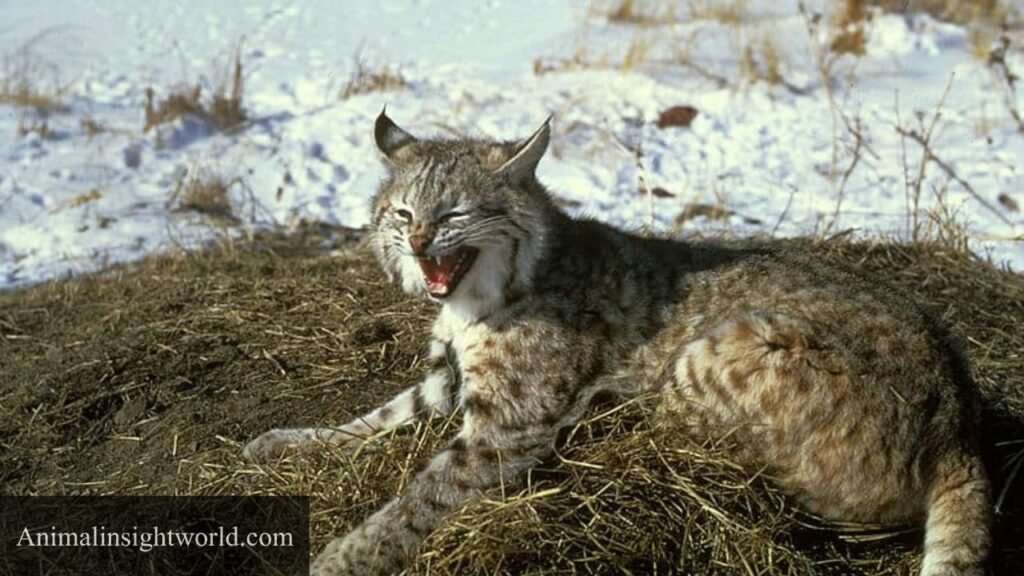
Interestingly, bobcats don’t exclusively target snakes; their diet is quite varied, encompassing small mammals and birds as well. This flexibility in food choices allows them to thrive in diverse environments, adapting their hunting strategies based on availability. In a way, the bobcat’s relationship with snakes exemplifies a broader ecological interaction, where each predator and prey plays a critical role in shaping their shared environment. Through this dynamic, we can appreciate the intricate web of life that keeps ecosystems healthy and thriving.
Hedgehog
Scientific Name: Erinaceinae
Class: Mammalia
Diet: Omnivore
Hedgehogs are often overlooked as formidable snake hunters, showcasing a remarkable adaptability that belies their small size. Equipped with sharp quills and a keen sense of smell, these nocturnal creatures employ an intriguing hunting strategy when facing off against serpents. Their natural instinct prompts them to roll into a tight ball, using their quills as a defense mechanism, allowing them to get close enough to their slithering prey with minimal risk. Once the moment is right, they can utilize their unique dental structure — small but sharp teeth — to consume snakes like the grass snake or even younger, smaller species.
What sets hedgehogs apart in the snake-eating realm is their ability to withstand the toxins of certain species. Some hedgehogs have developed resistance to snake venom, enabling them to feast on venomous snakes without fear. This pattern of behavior reveals a complex interplay of evolution and survival; as snakes become more evasive or toxic, hedgehogs refine their strategies to outsmart and overpower them. Their opportunistic feeding habits contribute to controlling snake populations, making hedgehogs an underrated ecological asset in maintaining the balance within their habitats.
Cat
Scientific Name: Felis catus
Class: Mammalia
Diet: Carnivore
Cats are surprisingly adept at hunting snakes, employing a mix of stealth and agility that showcases their predatory finesse. With their keen eyesight and acute hearing, domestic cats can detect even the faintest movements of snakes lurking in the grass. Once spotted, they spring into action, using a combination of swift pounces and calculated maneuvers to approach their slithery prey. This behavior not only highlights their natural instincts but also emphasizes the unique hunting strategies they’ve developed over generations.
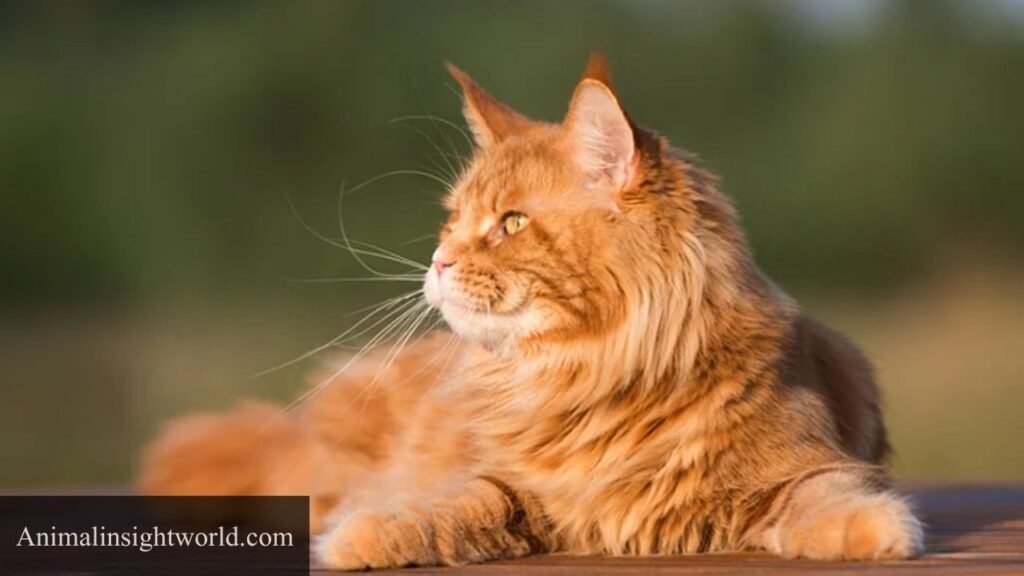
Interestingly, the patterns on a cat’s fur can also play a role in their hunting success. In grassy or wooded environments, the mottled tones of a tabby or calico can mimic the dappled sunlight filtering through leaves, allowing them to blend seamlessly into their surroundings. This camouflage gives them a tactical advantage when stalking snakes, making their approach less detectable. Cats often exhibit a specialized play behavior after catching a snake, which is not merely for fun; it helps refine their hunting skills and ensures they learn the best techniques to handle more dangerous or resilient prey in the future.
You can also read: Explore Top 13 Animals That Eat Mushrooms.
Raccoon
Scientific Name: Procyon lotor
Class: Mammalia
Diet: Omnivore
Raccoons, often perceived as mischievous scavengers, are also formidable hunters in their own right. Equipped with dexterous paws and keen problem-solving skills, these nocturnal animals have developed unique hunting strategies that enable them to tackle various prey, including snakes. Their ability to adapt to different environments allows them to encounter diverse snake species, from the harmless gopher snake to the more venomous copperhead. Observations show that raccoons often use their agile movements and strong sense of smell to locate snakes hidden in foliage or burrows.
Interestingly, raccoons exhibit specific patterns when targeting snakes. They often employ a strategy of ambush, waiting for their prey to become distracted before pouncing. Their thick fur and relatively high resilience to venom also give them an edge; they can safely consume certain snakes without fear of being harmed. While raccoons may not always actively hunt snakes, they opportunistically consume them when the situation arises, showcasing their opportunistic feeding habits. This adaptability not only highlights the raccoon’s role in maintaining ecological balance but also illuminates the intricate predator-prey relationships existing in their habitats.
Eagle
Class: Aves
Diet: Carnivore
Eagles, particularly species like the golden eagle and the bald eagle, embody a masterful blend of strength and precision that positions them at the top of the food chain. Their keen eyesight, capable of spotting a snake from miles away, is more than just a gift; it’s an essential hunting strategy finely tuned by evolution. Once an eagle identifies its slithering target, it dives at astonishing speeds, leveraging a mix of agility and brute force to secure its meal. This highly specialized predation not only showcases their hunting prowess but also plays a crucial role in controlling snake populations, preventing any one species from becoming overly dominant.
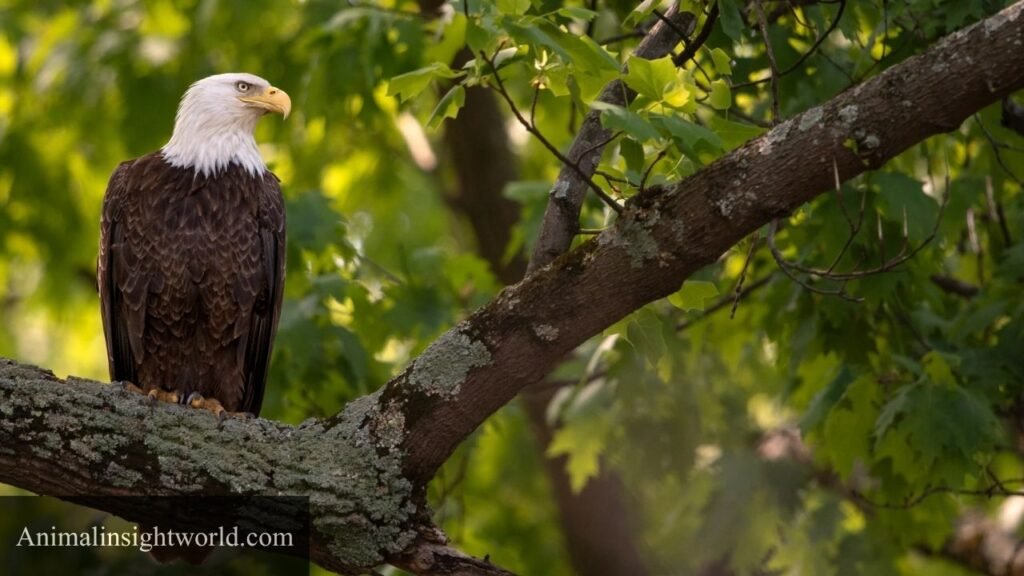
The varying patterns among snake species can be quite telling, and eagles seem to have developed an innate understanding of these visual cues. Some snakes employ vibrant colors or cryptic patterns for camouflage, but the eagle’s sharp vision cuts through the deception, allowing for efficient hunting success. Observations suggest that eagles may even have preferences for certain snake species over others, favoring those that provide optimal nutrition while minimizing risk during capture. This dynamic hunting relationship emphasizes not just the eagle’s formidable capabilities, but also a fascinating ecological balance where predator and prey coexist in a perpetual dance of survival.
Readmore: Explore Top 13 Animals like Mongoose.
Final Thoughts
The diverse array of animals that eat snakes showcase the intricate balance of nature’s food web. From birds of prey like eagles and hawks to mammalian hunters such as mongooses and certain species of wild cats, each predator plays a unique role in controlling snake populations. These interactions not only highlight the adaptability of various species but also their evolutionary strategies for survival. Understanding these dynamics emphasizes the importance of conserving habitats where these predators thrive. Let us continue to explore and protect the delicate ecosystems that sustain these remarkable animals.
FAQs
What eats snakes?
Several animals eat snakes as part of their diet. Birds of prey, like hawks and eagles, are well-known for hunting snakes. They spot them from the air and swoop down to catch them. Some mammals, such as raccoons and foxes, will hunt snakes when food is scarce. Other snakes also consume their own kind. Larger snake species, like king snakes and some boas, are known to eat smaller snakes. Furthermore, lizards, like the collared lizard, can be snake predators too.
What eats snakes in the desert?
In the desert, various predators take advantage of snakes as a food source. Birds of prey, such as hawks and eagles, are among the top hunters. They have keen eyesight and swoop down to catch snakes from above.
Other potential snake eaters include mammals like coyotes, foxes, and mongooses.
What eats snakes in the rainforest?
In the rainforest, a variety of predators enjoy a meal of snake. Birds of prey, like hawks and eagles, are known for their keen eyesight and can spot snakes from high above. Some mammals, such as mongooses and certain types of wildcats, are adept at hunting snakes. They often have specialized adaptations to avoid venom or defend against a snake’s bite.
Reptiles also join the feast. Larger snakes, like boas or pythons, sometimes eat smaller snake species. Even animals like crocodiles may take the opportunity to munch on snakes when they wander too close to water.