Top 20 Animals That Eat Berries (With Images)
Berries aren’t just a summertime snack; they’re a crucial food source for a surprising number of animals. From birds to mammals, various species have adapted to feast on these vibrant fruits, playing a vital role in their diets and habitat. Join us as we uncover the captivating animals that eat berries, illustrating how their eating habits influence our environment. By the end, you’ll have a deeper understanding of the food chain and the importance of preserving the habitats that support these berry-loving creatures.
List of Animals That Eat Berries
Below is the list of animals that eat berries:
- Bears
- American Robin
- Raccoon
- Red Fox
- White-tailed Deer
- Hedgehog
- Northern Mockingbird
- Cedar Waxwing
- Chimpanzee
- Common blackbird
- Eastern Gray Squirrel
- Wood Mouse
- Blue Jay
- European Badger
- Guinea Pigs
- Opossums
- Rabbits
- Skunks
- Bats
- Cows
Bears
Scientific Name: Ursidae
Class: Mammalia
Bears are some of nature’s most proficient foragers, and their affinity for berries is a vibrant display of their adaptability and seasonal timing. As they emerge from hibernation, these omnivorous giants gravitate toward a buffet of ripe berries — blackberries, blueberries, and raspberries are popular choices that help replenish their energy stores after months of dormancy. This seasonal ritual not only fuels their bodies but also plays a crucial role in the ecosystem, aiding in the dispersal of seeds through their digestive process. Each berry devoured by a bear can sprout life in new places, promoting biodiversity in the forests they roam.
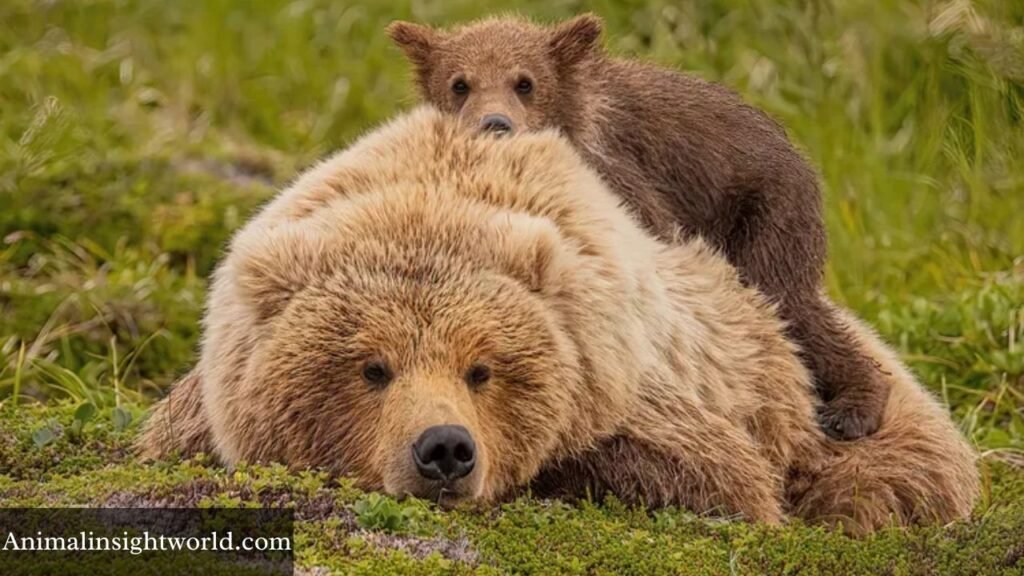
Interestingly, bears possess a remarkable olfactory sense, allowing them to detect the sweetest, most nutrient-rich berries from miles away, guiding them to the best patches. This keen sense of smell is not just a tool for survival but also a testament to their role as apex foragers, influencing berry growth patterns and population dynamics. In environments where bears thrive, plants often flourish, creating a lush landscape that feeds countless other species, including deer and smaller mammals.
American Robin
Scientific Name: Turdus migratorius
Class: Aves
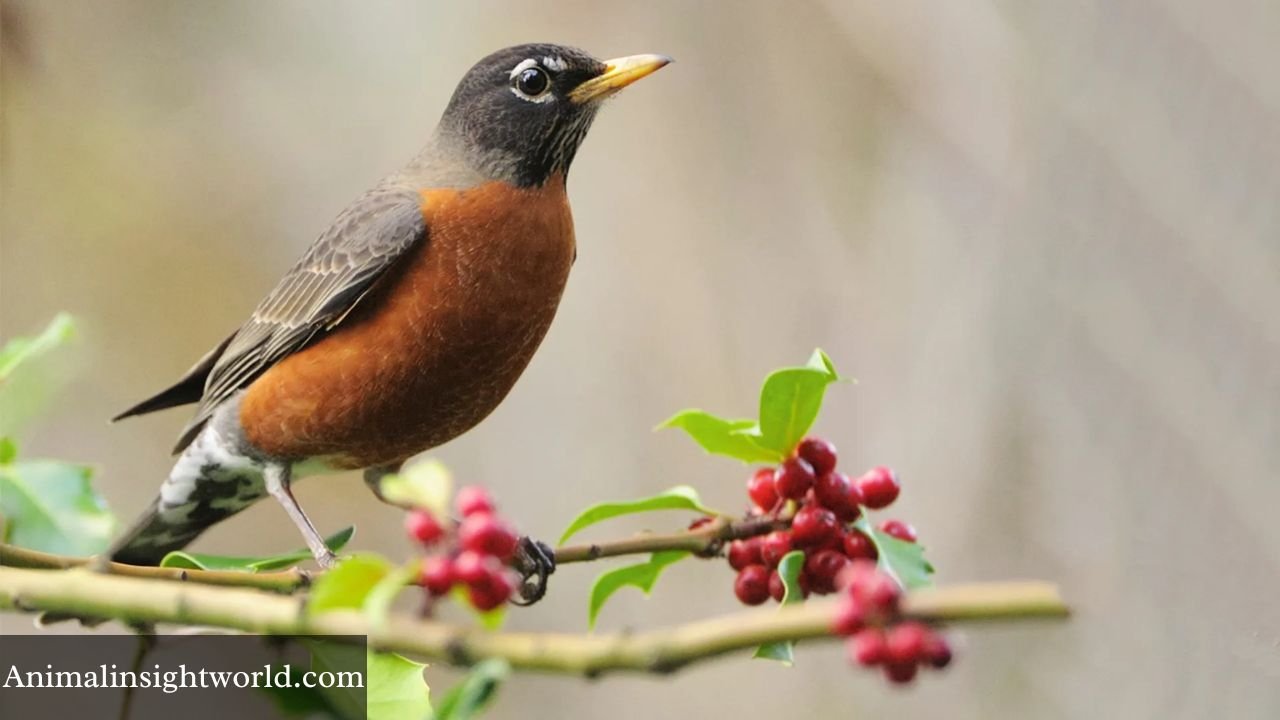
The American Robin is not just a herald of spring; it’s a berry connoisseur that plays a crucial role in its ecosystem. With its keen eyesight, this vibrant bird can spot ripe fruits from afar, specifically favoring berries like elderberries, blueberries, and blackberries. Each berry feast is more than just a meal; it helps disperse seeds far and wide, contributing to plant diversity and robust forests. As robins flit from bush to tree, they unwittingly become nature’s gardeners, ensuring that the cycle of life continues.
Observing these robins during berry season offers a delightful window into their behavior. They often engage in acrobatic displays, hanging upside down to reach the juiciest offerings. This not only showcases their adaptability but also emphasizes their role in balancing the ecosystem. The vibrant red-orange of their breast contrasts beautifully against the lush greenery, prompting a reminder of the interconnectedness of species. As climate change shifts habitats, understanding how American Robins rely on native berry-producing plants becomes increasingly vital for conservation efforts.
Raccoon
Scientific Name: Procyon lotor
Class: Mammalia
Raccoons are often celebrated for their dexterous paws and inquisitive nature, but their affinity for berries adds another layer to their fascinating behavior. These nocturnal foragers have a particular knack for locating ripe fruits in the wild, and their dietary preferences make them essential players in their ecosystems. By consuming berries like blackberries and blueberries, raccoons not only indulge in nature’s sweet bounty but also assist in seed dispersal — facilitating plant reproduction and promoting biodiversity in their habitats.
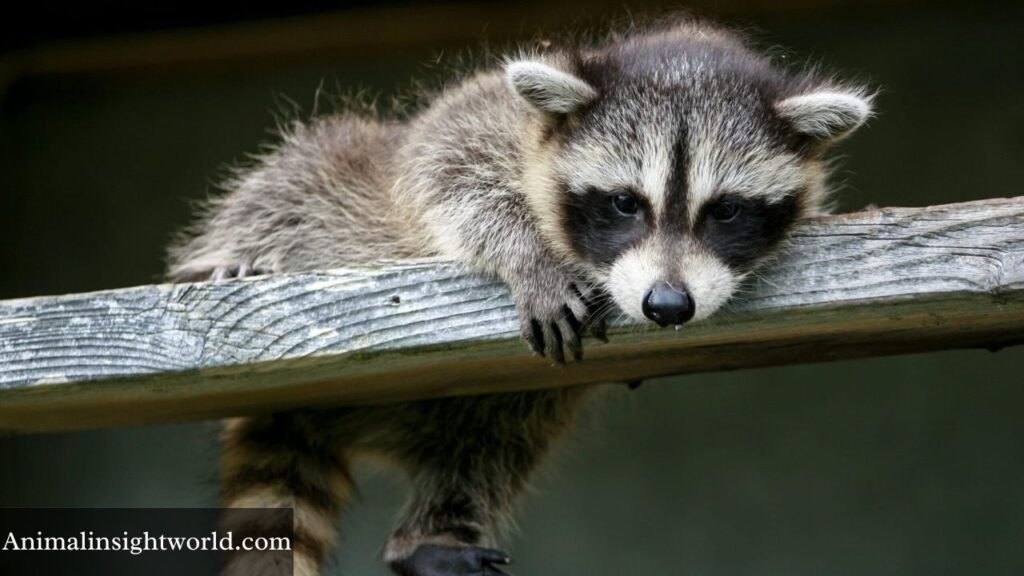
What’s particularly intriguing is how urbanization has influenced raccoon berry consumption patterns. In cities, raccoons have adapted to scavenging from gardens and parks, often targeting cultivated varieties, which leads to unexpected interactions with gardeners and residents. This adaptability reflects their intelligence and resourcefulness, inviting us to reconsider the ways wildlife engages with human environments.
Readmore: Explore 16 Common Animals That Eat Seeds.
Red Fox
Scientific Name: Vulpes vulpes
Class: Mammalia
Amidst the lush landscapes where foxes roam, the red fox stands out as an opportunistic omnivore, delighting in a diverse diet that includes an array of berries. During the warm summer months, when berries ripen and flourish, these cunning canines take full advantage of nature’s sweet bounty. From blackberries to blueberries, the vibrant fruits not only provide a vital source of energy but also play a crucial role in their foraging behavior. Red foxes are particularly astute, often pausing to savor berries during their nightly excursions, enhancing their diet with essential vitamins and antioxidants.
Interestingly, the consumption of berries goes beyond mere sustenance; it influences the broader ecosystem. Foxes, when feeding on berries, inadvertently aid in seed dispersal. As they roam from bush to bush, they transport seeds within their bodies, helping to propagate new plants and maintain diverse habitats. This interconnectedness exemplifies the delicate balance of nature and highlights the significance of even the smallest dietary choices made by wildlife.
White-tailed Deer
Scientific Name: Odocoileus virginianus
Class: Mammalia
White-tailed deer are often seen quietly grazing in forests or meadows, but their fondness for berries highlights their role as foragers in the ecosystem. These agile creatures have a knack for seeking out ripe fruits, which not only provide essential nutrients but also contribute to their seasonal diets. Berry patches, such as wild blueberries or blackberries, become prime feeding grounds, offering both hydration and energy during the warm months.
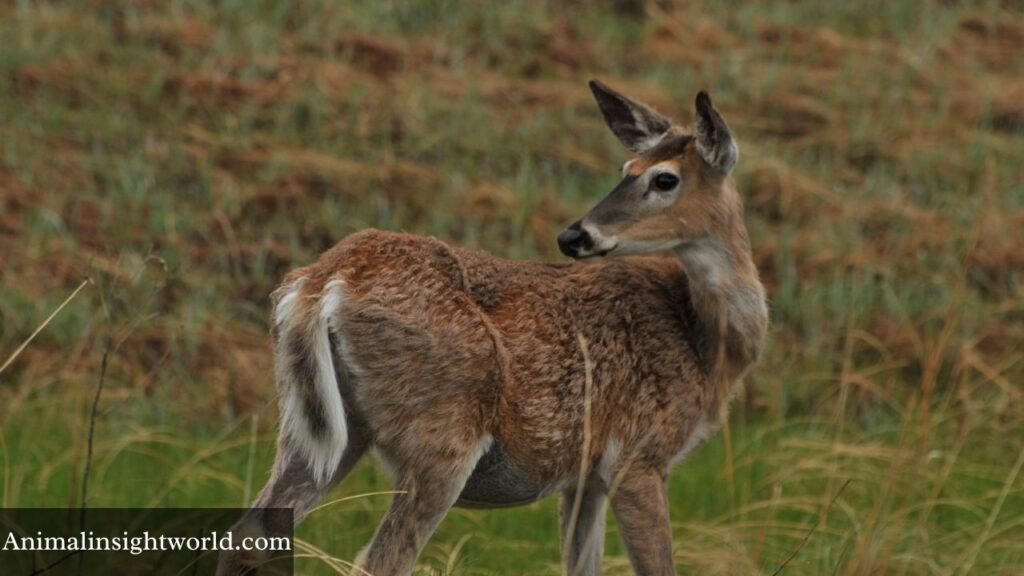
What’s fascinating is that deer not only consume berries but play a crucial role in dispersing seeds. As they roam, they unknowingly assist in the propagation of various plants, ensuring biodiversity in their habitats. This benefit extends beyond their foraging habits, as the seeds they excrete can flourish and sprout into new berry bushes, creating future foraging opportunities for themselves and other wildlife.
Hedgehog
Class: Mammalia
Hedgehogs are fascinating little creatures that sprinkle their diet with delightful foraging adventures, often indulging in berries when they’re in season. These tiny mammals, known for their distinctive spines, exhibit remarkable adaptability in their feeding habits. While insects and small invertebrates make up the majority of their diet, berries provide a seasonal treat that not only adds variety but also essential vitamins and antioxidants.
What’s particularly intriguing is the way hedgehogs contribute to their ecosystem by dispersing seeds as they snack on berries. As they wander through gardens and woodlands, they inadvertently aid in the propagation of fruiting plants. This symbiotic relationship between hedgehogs and berry-producing flora is a beautiful reminder of nature’s interconnectedness. Moreover, these adorable foragers play a vital role in controlling insect populations, ensuring a healthy balance in their habitats, making them indispensable to the ecosystem.
Northern Mockingbird
Scientific Name: Mimus polyglottos
Class: Aves
The Northern Mockingbird, often celebrated for its mesmerizing vocal mimicry, finds sustenance in berries that flourish across its territory. These avian connoisseurs don’t just peck at any berry; they exhibit a distinct preference for ripe fruits like blackberries, blueberries, and mulberries, showcasing an uncanny ability to discern optimal feeding times. This connection with berries extends beyond nutrition; it plays a crucial role in seed dispersal, contributing to the ecosystem by helping to propagate the very plants that sustain them.
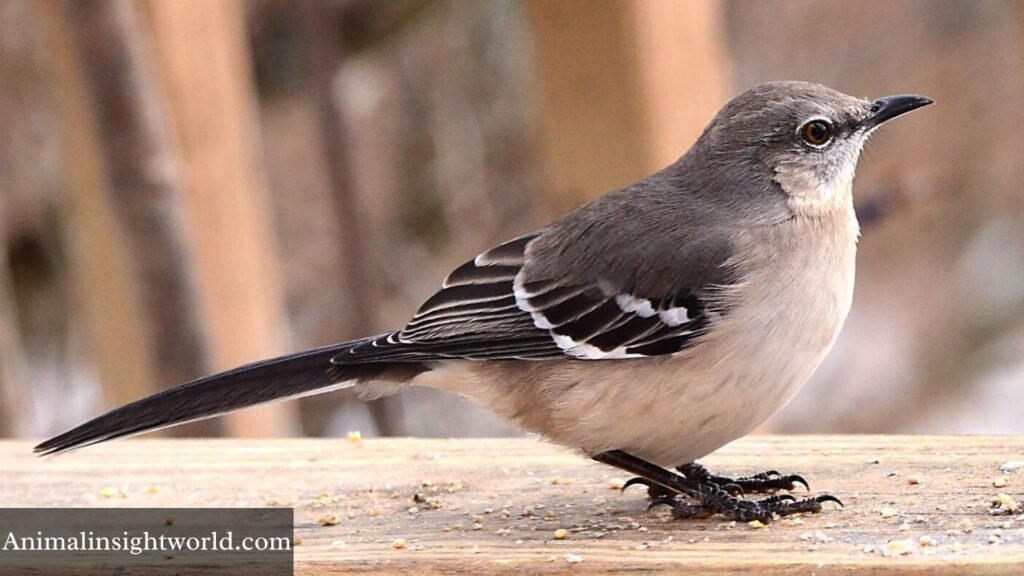
As these birds flit from branch to branch, they embark on a unique culinary adventure that reflects the changing seasons. In spring and summer, the berries they feast on are not merely meals but a vibrant tapestry of color and flavor that can vary significantly from one locale to another. Observations reveal that Northern Mockingbirds often engage in a behavior known as “berry caching,” where they store uneaten fruits for later consumption, illustrating their intelligence and instinctual foresight. This fascinating strategy not only ensures a steady food supply but also impacts the local flora, contributing to a rich, dynamic environment.
Cedar Waxwing
Scientific Name: Bombycilla cedrorum
Class: Aves
The Cedar Waxwing is a true aficionado of berries, particularly enamored with the vibrant offerings of hawthorn, juniper, and dogwood. With their sleek plumage and distinctive black masks, these birds are not only striking in appearance but also demonstrate a remarkable ability to navigate their berry-rich environments. During fall and winter, they often gather in flocks, creating a captivating scene as they flutter from one bush to another, their feasting reminiscent of a lively, foraged banquet.
What’s particularly fascinating is their unique feeding strategy; Cedar Waxwings engage in a behavior known as gorging, where they eat so many berries that they can become tipsy from the fermented fruit. This phenomenon, often amusingly referred to as “drunken dining,” is not just an entertaining spectacle — it highlights the vital ecological role these birds play in seed dispersal. As they move from tree to tree, they inadvertently aid in the growth of new plants, making them critical participants in the health of their habitats.
Chimpanzee
Scientific Name: Pan troglodytes
Class: Mammalia
Chimpanzees are not just celebrated for their intelligence and social structures; they also have a notable penchant for berries, particularly in the lush, fruit-rich habitats of their native forests. These fascinating primates have developed a sophisticated foraging technique, selectively choosing ripe berries packed with nutrients. The ability to recognize when fruit is at its peak not only highlights their keen observational skills but also underscores the intricate connection between their diet and the surrounding ecosystem.
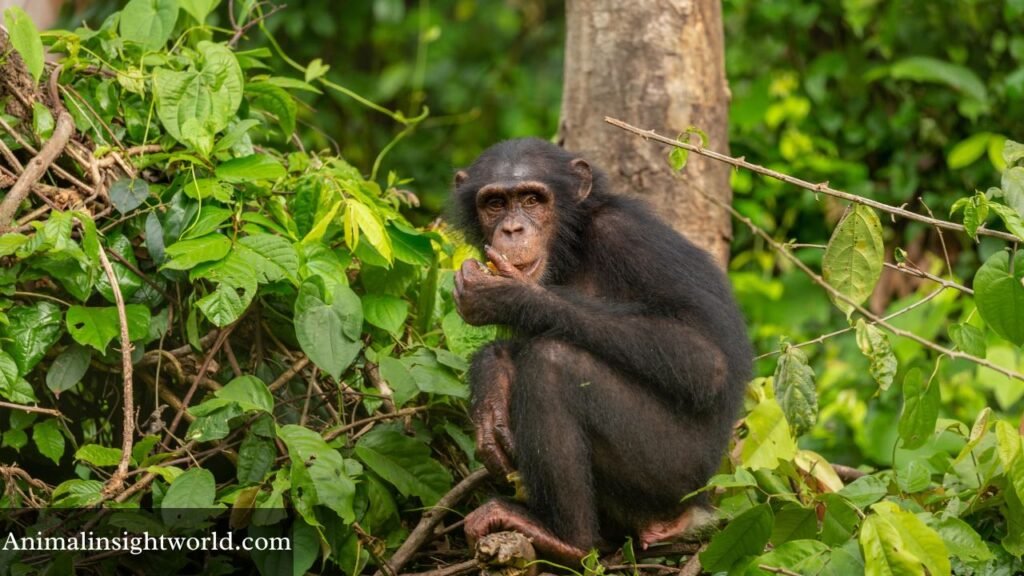
Research has shown that chimpanzees utilize berries in various ways beyond mere sustenance. They often share their findings with family and friends, reinforcing social bonds and displaying behaviors reminiscent of human sharing. This communal aspect of foraging suggests that berries play a vital role in chimpanzee social dynamics, fostering connections that are crucial for their survival. Furthermore, their selective eating habits can influence seed dispersal, aiding in forest regeneration and promoting biodiversity. In this way, chimpanzees serve as caretakers of their environment, demonstrating how a simple dietary choice can ripple through an entire ecosystem.
Common blackbird
Scientific Name: Turdus merula
Class: Aves
The common blackbird, a familiar sight in gardens and urban parks, is not just a feathered friend; it’s a berry connoisseur. With a keen eye and a discerning palate, these birds expertly forage for ripe berries, often favoring juicy blackcurrants and vibrant rowan berries. This natural diet plays a crucial role in their foraging behavior, showcasing their ability to adapt to varying ecosystems, from lush woodlands to bustling neighborhoods.
Interestingly, blackbirds aren’t just opportunistic feeders; they also have a strategic approach to berry consumption. They are known to remember locations of fruitful bushes, returning to these hotspots throughout the season, which speaks volumes about their cognitive skills. Moreover, their consumption of berries aids in seed dispersal, contributing to the growth and regeneration of berry-producing plants. This ecological interaction highlights the blackbird’s role as a vital player in maintaining the health of their habitats, creating a beautiful symbiosis that benefits both the birds and the landscape.
Eastern Gray Squirrel
Scientific Name: Sciurus carolinensis
Class: Mammalia
Eastern gray squirrels are often seen darting through the trees, but these agile foragers are more than just acorn hoarders. Their diet is surprisingly diverse, including a love for berries that adds a burst of color to their foraging behavior. In late summer and early fall, these squirrels relish seasonal treats like blackberries and raspberries, showcasing their adaptability. The berries not only provide essential nutrients but also contribute to the vibrancy of their habitat, linkages not always considered in broader ecological conversations.
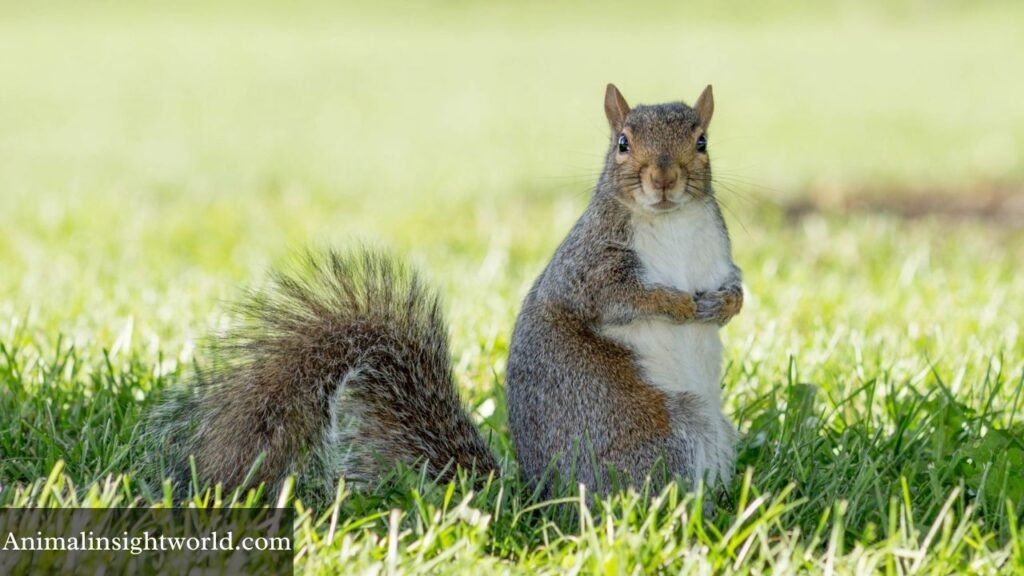
What sets the Eastern gray squirrel apart is its remarkable foraging strategy. Unlike many creatures that might pick a few ripe berries, these squirrels can gather significant amounts and even stash them for later consumption, displaying a behavior akin to culinary royalty. This not only ensures their survival during harsher seasons but also plays a role in seed dispersal, inadvertently helping berry plants thrive.
Wood Mouse
Scientific Name: Apodemus sylvaticus
Class: Mammalia
The wood mouse, a common yet often overlooked creature, plays a fascinating role in its ecosystem through its berry-eating habits. Equipped with sharp incisors and a penchant for foraging, these small rodents can often be found rummaging through underbrush and fields in search of ripe berries. Their favorites include blackberries and raspberries, which not only provide essential nutrients but also serve as crucial energy sources during their fidgety foraging escapades.
What makes the wood mouse particularly interesting is its role as a seed disperser. As they nibble on berries, they inadvertently help to propagate the very plants they feast upon. Some seeds may pass through their digestive systems intact, ready to sprout in new locations, which aids in maintaining biodiversity in their habitats. This unique interplay between consumption and dispersal positions the wood mouse as a vital component in nurturing a thriving ecosystem, showcasing how even the smallest creatures can have significant environmental impacts.
Blue Jay
Scientific Name: Cyanocitta cristata
Class: Aves
Blue Jays are not just striking in appearance with their vivid blue plumage and raucous calls; they are also astute foragers that have a discerning palate when it comes to berries. These intelligent birds have a knack for identifying ripe fruits, making them essential players in their ecosystem. Their diet typically includes a variety of berries, such as elderberries, blueberries, and blackberries, which not only fulfill their nutritional needs but also help in seed dispersal. As they feast on these fruits, Blue Jays inadvertently play a crucial role in promoting biodiversity by ensuring the proliferation of berry-producing plants.
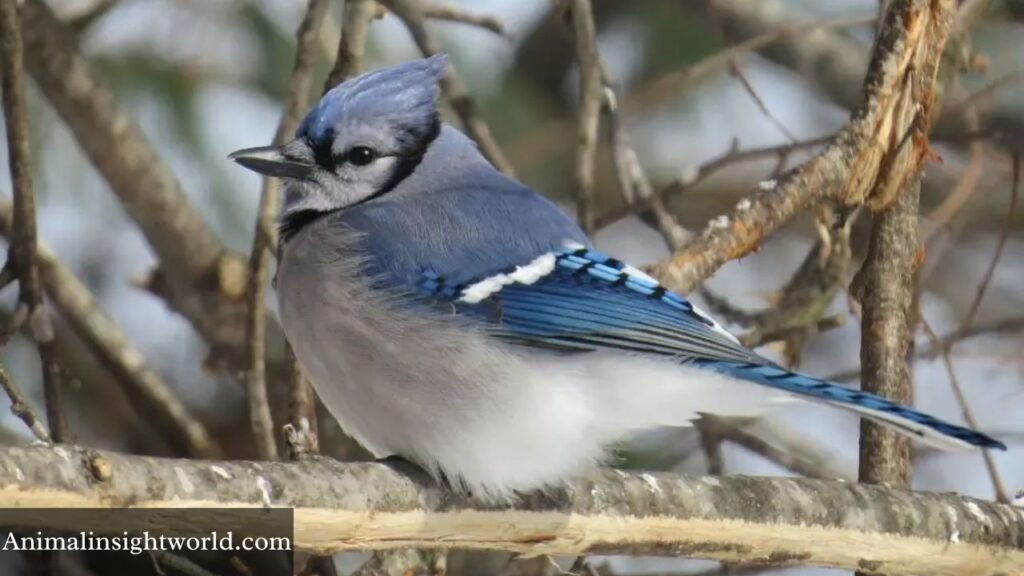
What sets Blue Jays apart is their remarkable memory and problem-solving abilities. They often stash away berries for later consumption, an act that not only secures food for leaner times but also contributes to the growth of new plants as some forgotten seeds take root. This behavior underscores the interconnectedness of wildlife and vegetation; by serving both as foragers and caretakers of the environment, Blue Jays embody the delicate balance of nature.
European Badger
Scientific Name: Meles meles
Class: Mammalia
European badgers are not just tireless excavators of the earth; they are also enthusiastic foragers with a palate for berries. During the late summer and early autumn, these nocturnal mammals embark on nightly quests, rummaging through thickets and hedges in search of ripe blackberries and juicy blueberries. This seasonal feast isn’t merely a treat, but a strategic nutritional boost as they prepare for the winter months ahead. The berries provide essential sugars and vitamins, helping to fatten them up for hibernation.
Guinea Pigs
Scientific Name: Cavia porcellus
Class: Mammalia
Guinea pigs, often adored for their bubbly personalities and gentle natures, are surprisingly enthusiastic berry enthusiasts. These small companions have a surprisingly varied palate, eagerly munching on strawberries, blueberries, and raspberries when offered. Beyond being a delightful treat, berries provide essential vitamins and antioxidants, enhancing their overall health. The natural sweetness of these fruits not only satisfies their taste buds but also makes for a fun and engaging feeding experience.
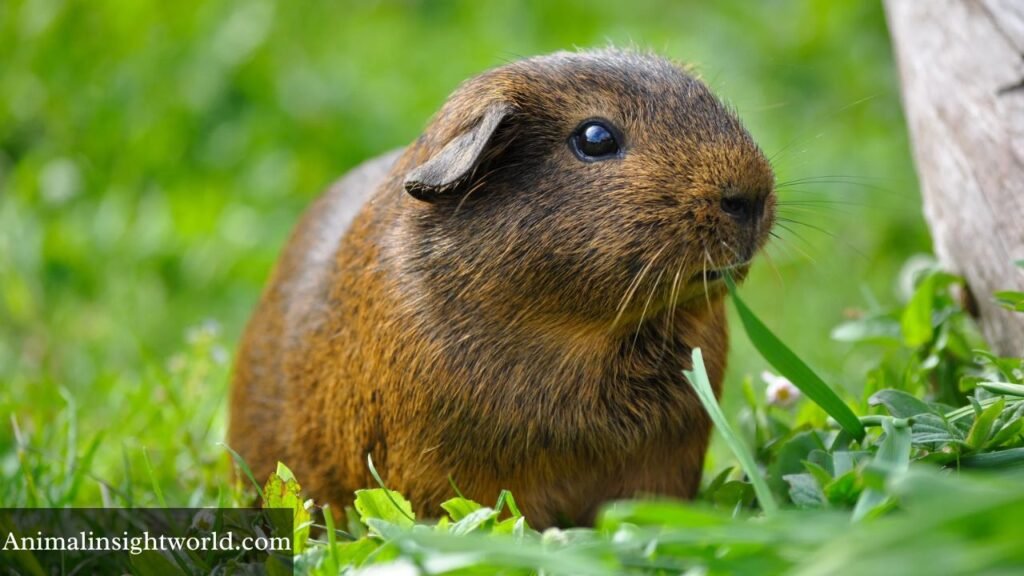
Interestingly, guinea pigs, unlike many other small pets, have a unique ability to detect the ripeness of berries. They’re equipped with a sophisticated sense of smell, allowing them to choose the juiciest, most fragrant options. This instinctive behavior mirrors their wild ancestors, who foraged for the freshest fruits in their environment. Sharing berries with your guinea pig can also strengthen your bond, fostering trust and encouraging interaction, making snack time a delightful ritual for both pet and owner.
Opossums
Scientific Name: Didelphis virginiana
Class: Mammalia
Opossums, often regarded as nature’s cleanup crew, play an intriguing role in the ecosystem when it comes to berry consumption. These nocturnal foragers have a surprisingly diverse palate, with berries featuring prominently in their diet. Unlike many other creatures that strictly nibble on fruit, opossums exhibit a knack for foraging that includes consuming not just ripe berries but fallen or overripe ones, ensuring nothing goes to waste. Their ability to eat what others might overlook makes them unsung heroes in maintaining the balance of local flora.
Beyond their dietary habits, opossums have a remarkable tolerance for various toxins found in berries — some might say they possess a superpower! This resilience allows them to feast on fruits that would be harmful to other animals, further enhancing their unique role in the ecosystem. As they roam through gardens and forests, their berry-eating habits inadvertently help with seed dispersion, promoting the growth of new plants. This reciprocal relationship not only supports berry bushes but also enriches the environment, showcasing the interconnectedness of nature in even the most unexpected ways.
Rabbits
Scientific Name: Oryctolagus cuniculus
Class: Mammalia
Rabbits are often characterized by their voracious appetite for vegetables and leafy greens, but their love for berries is equally remarkable. These furry foragers not only indulge in strawberries, blueberries, and raspberries but also play a crucial role in the ecosystem. By consuming ripe berries, they help in the natural seed dispersal process, allowing new plants to sprout in diverse areas, thus promoting biodiversity.
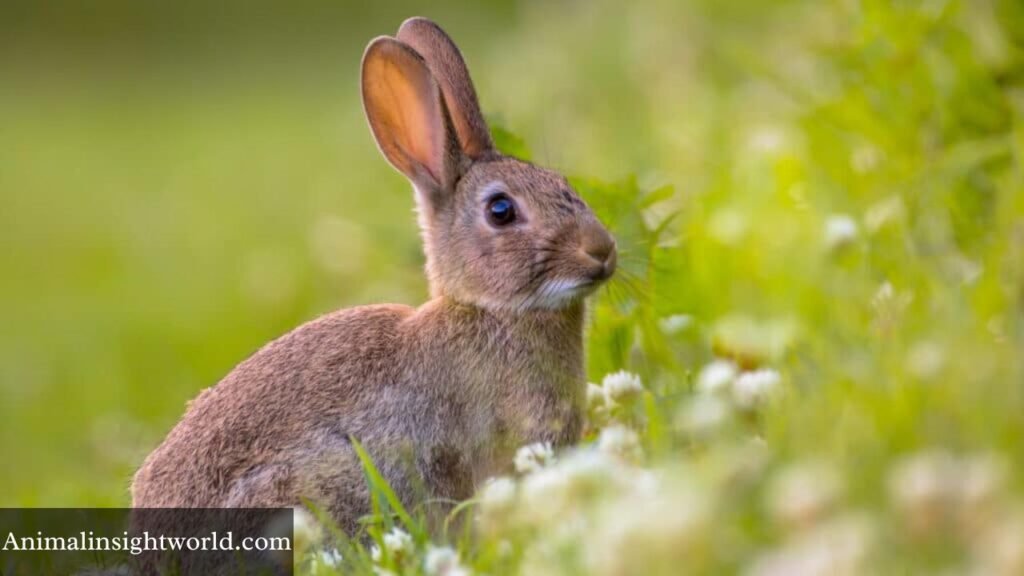
Interestingly, the berry diet can also significantly impact a rabbit’s health and behavior. The antioxidants and vitamins found in berries support their immune systems, giving them more vigor and vitality. This nutritional boost can enhance their playful nature, making them more curious and adventurous.
Skunks
Scientific Name: Mephitidae
Class: Mammalia
Skunks, often misunderstood for their pungent defense mechanism, are surprisingly versatile when it comes to their diet. While they are notorious scavengers, their penchant for berries adds a delightful twist to their culinary habits. In late summer and early fall, skunks can often be spotted foraging for ripe blackberries, strawberries, and blueberries, indulging in the sweet treat that nature provides. This berry-munching behavior not only keeps them fed but also plays a crucial role in seed dispersal, contributing to the health of local ecosystems.
What makes skunks particularly fascinating is their ability to adapt their foraging strategies based on the berries’ ripeness and availability. They employ an acute sense of smell, allowing them to locate the juiciest, often hidden berries, showcasing their intelligence and resourcefulness. Observing a skunk meticulously sniffing out its next snack can shift our perception of these creatures from mere nighttime nuisances to essential players in maintaining the balance of their habitat.
Bats
Scientific Name: Chiroptera
Class: Mammalia
Bats are often underestimated in their role within the ecosystem, yet these remarkable creatures play a surprising part in berry consumption. Some bat species, particularly fruit bats, have evolved to thrive on a diet rich in fruits and berries. Their keen sense of smell helps them locate ripe fruit, and as they feast, they inadvertently sow the seeds of the very berries they enjoy. This seed dispersal is crucial for plant reproduction, essentially turning bats into unsung heroes of forest regeneration.
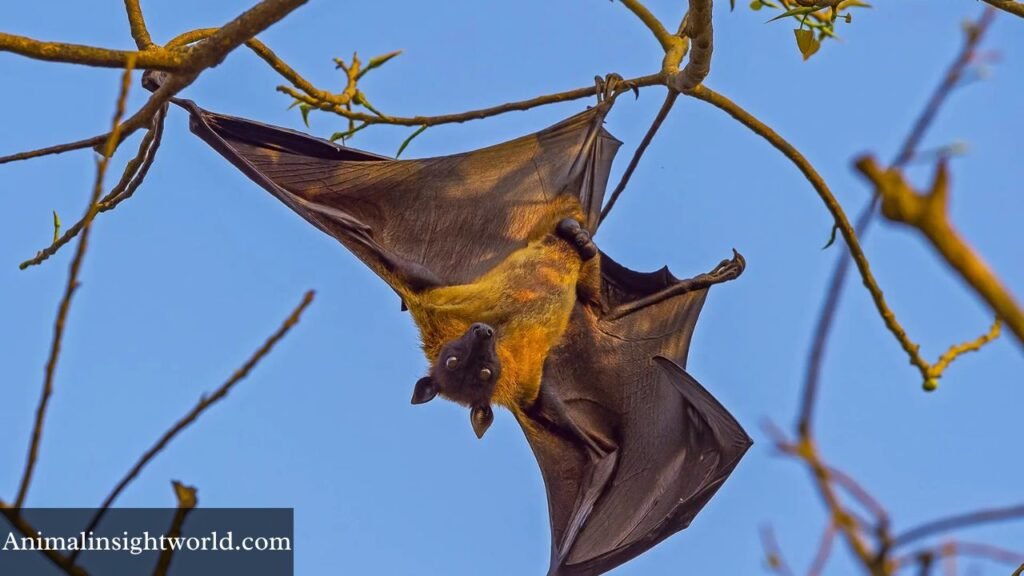
What makes bats particularly fascinating is their unique foraging behavior. Unlike many other berry-consuming animals, bats can cover vast distances in search of food, leading to the widespread distribution of seeds. During their nightly forays, they contribute to the genetic diversity of berry plants, ensuring that new varieties can thrive in different environments.
Cows
Scientific Name: Bos taurus
Class: Mammalia
Cows, often perceived as simple grazers of grass, have a delightful penchant for berries, particularly when their pastures flourish with wild fruits. This surprising dietary choice not only adds variety to their meals but also showcases their curiosity and adaptability in foraging. Berries like blackberries, blueberries, and raspberries can offer a sensory feast, engaging their taste buds and providing essential nutrients.
Interestingly, cows are more than mere browsers; they’re natural foragers. Their inclination to consume berries can enhance their overall health. The antioxidants present in these small fruits can boost their immune system, while fiber from the berries aids digestion. Furthermore, the act of seeking out these treats can stimulate mental engagement, reminding us that animal diets are not just about sustenance but also about joy and exploration in the wild.
Readmore: Explore Top 13 Animals That Eat Honey.
Final Thoughts
The diverse array of animals that indulge in berries highlights the vital role these fruits play in various ecosystems. From birds to mammals, each species contributes to seed dispersion, helping to sustain and propagate berry-producing plants. Understanding these relationships not only enhances our appreciation for wildlife but also emphasizes the importance of preserving natural habitats. As we continue to explore the fascinating connections between animals and their diets, we are reminded of the delicate balance that sustains our environment. Let’s commit to protecting these ecosystems so future generations can also marvel at the wonders of nature.
FAQs
What animal eats berries?
Many animals enjoy berries as a tasty treat. Birds, such as robins and blue jays, are often seen feasting on various berries like strawberries, blueberries, and raspberries. They play a crucial role in seed dispersal, helping to propagate the plants they eat. Mammals also love berries. Raccoons, bears, and deer are just a few examples of animals that will scavenge for berries when they’re in season. These animals not only benefit from the nutrients they find in berries but also help maintain the ecosystem by spreading seeds as they move through their habitats.
Does a mouse eat berries?
Yes, mice do eat berries! In the wild, they’re known to enjoy a variety of fruits, including berries like blueberries, strawberries, and raspberries. These fruits provide essential nutrients and sugars that help sustain their energy levels. If you have pet mice, offering small pieces of berries as an occasional treat can be a fun addition to their diet. Just make sure to wash them thoroughly and serve in moderation to avoid any digestive issues.
What birds eat blueberries?
Many birds enjoy blueberries, making them a popular treat in gardens. Species like American Robins, Blue Jays, and Cedar Waxwings often feast on these sweet fruits. Their vibrant colors and high sugar content attract a variety of birds looking for a nutritious snack.
Can birds eat raspberries?
Yes, birds can eat raspberries! These sweet and juicy fruits are not only safe for birds but also beneficial. Raspberries are packed with vitamins, antioxidants, and fiber, making them a great snack option for various bird species. You might find that many birds enjoy raspberries, from sparrows to larger species like robins.
Do birds eat holly berries?
Yes, many birds do eat holly berries, especially during the winter months when food is scarce. Birds like American Robins, Cedar Waxwings, and Northern Mockingbirds are known to feast on these bright red berries. The berries provide not only a source of calories but also important nutrients that help them survive the colder seasons.