Top 21 Animals that Growl (With Pictures)
Did you know that not all animals that growl are fierce predators? From the playful house cat to the mighty lion, growling serves various purposes in the animal kingdom. In this article, we’ll explore the fascinating world of animals that growl, examining their communication methods and behaviors. By the end, you’ll understand how these vocalizations play a crucial role in their survival and interactions.
List of Animals that Growl
Here is the list of animals that growl:
- Raccoons
- Wolf
- Tiger
- Gorilla
- Wolverine
- Hippopotamus
- Jaguar
- Dogs
- Crocodiles
- Bears
- Llamas
- Leopard
- Tasmanian Devil
- Badgers
- Lion
- Hyena
- Opossums
- Domestic cats
- Alligators
- Cougar
- Foxes
Raccoons
Scientific Name: Procyon lotor
Class: Mammalia
Diet: Omnivore
Raccoons, often perceived as adorable bandits of the urban landscape, have a formidable vocal repertoire that includes an array of growls. These sounds serve multiple purposes, from asserting dominance over territory to communicating with their young. The growl, often a low, guttural sound, can be surprisingly unsettling, especially when emanating from the shadows of a backyard or park. This vocalization, far from being merely an expression of displeasure, reveals a raccoon’s mood and intentions, making it an essential aspect of their social behavior.
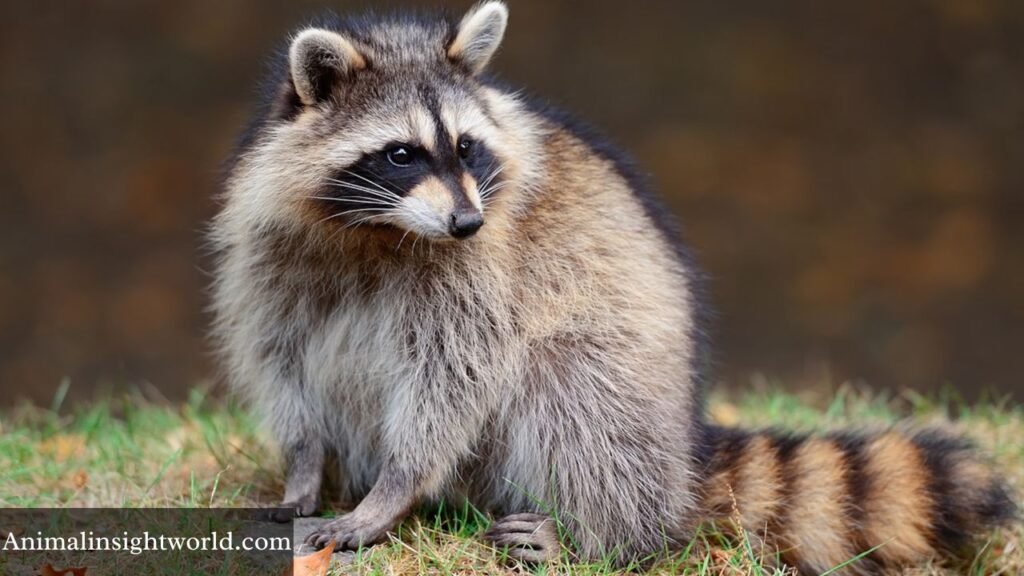
Moreover, raccoons are highly adaptable creatures, thriving in both wilderness and urban environments. Their growls can be interpreted as signals of adaptability, showcasing their ability to navigate complex social interactions and diverse habitats. Interestingly, a raccoon’s vocalizations can vary significantly based on its surroundings — the growls heard in a quiet forest might differ from those in a bustling city. This adaptability reflects their intelligence and resourcefulness, proving that even in their callous-sounding vocalizations, there lies a deeper strategy for survival in a changing world. Each growl is not just a sound; it’s a testament to their resilience and ability to exist alongside humans, often thriving in the very spaces we occupy.
Wolf
Scientific Name: Canis lupus
Class: Mammalia
Diet: Carnivore
Wolves are often depicted as fearsome creatures, but their growls tell a deeper story rooted in social dynamics. While their growl can evoke apprehension, it serves as a vital communication tool within their packs. A low, rumbling growl typically signals discomfort or warning, allowing members to gauge each other’s emotional states without escalating tensions. This form of vocalization reinforces their social structure, showing that even in moments of potential conflict, there exists a code of behavior that prioritizes harmony.
Interestingly, wolves also growl during play, illustrating a playful side often overlooked. This vocalization during social interactions fosters bonds between pack members and teaches younger wolves essential skills for survival. Observing wolves in their natural habitat, one can appreciate how their growls reflect a spectrum of emotions — from assertiveness to affection — highlighting their complexity as social animals. The growl, therefore, is not merely a sound; it encapsulates the essence of wolf society, revealing layers of communication that resonate through their intricate social fabric.
Tiger
Scientific Name: Panthera tigris
Class: Mammalia
Diet: Carnivore
The tiger’s growl, a deep and resonant sound, serves not just as a menacing reminder of its power but as a multifaceted tool of communication in the wild. This vocalization can travel up to two miles, acting as a territory marker and signaling the tiger’s presence to rivals and potential mates alike. Unlike the roars of other big cats, a tiger’s growl often conveys a mix of authority and urgency, encapsulating both dominance and an invitation to coexist — if only at a distance.
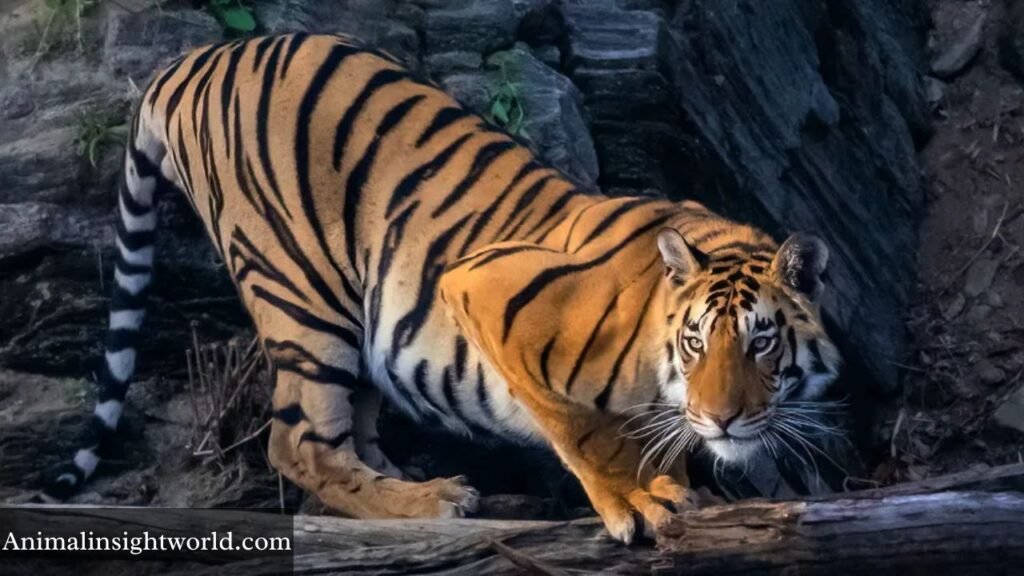
Interestingly, the growl of a tiger can shift in intensity depending on its emotional state. A soft growl may embody curiosity or playfulness, while a more robust, guttural growl is often a warning to intruders. This versatility demonstrates the tiger’s complex social dynamics, revealing that even in the solitary life of a big cat, there is a rich tapestry of interactions largely overlooked by most observers. As apex predators, tigers rely heavily on their vocalizations, showcasing a sophisticated communication system that enhances their survival in the dense forests they inhabit.
Readmore: Explore Top 20 Animals That Whistle.
Gorilla
Scientific Name: Gorilla beringei
Class: Mammalia
Diet: Herbivore
Gorillas are not just the gentle giants of the forest; their growls serve a vital communicative purpose within their social structures. Unlike many animals that use growling primarily as a means of aggression, gorillas utilize their low, rumbling sounds to convey a range of emotions — from contentment to caution. This vocalization is part of their intricate social language, where each sound carries context, indicating everything from a relaxed state while munching on foliage to potential threats within their territory.
Interestingly, research has shown that the growls of gorillas can reflect their individual personalities. For instance, a dominant silverback may employ a deeper, more resonant growl to assert authority within the group, while younger gorillas might produce higher-pitched sounds as they play and interact. This vocal behavior not only strengthens social bonds but also allows gorillas to assert their roles within the troop. Through their growling, these magnificent apes remind us that even in the animal kingdom, there’s a nuanced emotional landscape waiting to be explored.
Wolverine
Scientific Name: Gulo gulo
Class: Mammalia
Diet: Carnivore
The wolverine, often overshadowed by its more famous namesake in the superhero realm, possesses a growl that reverberates through its harsh, tundra habitat, a sound that speaks to its fierce spirit. This powerful mammal, weighing between 20 to 30 pounds, embodies resilience, thriving in some of the harshest climates on Earth. Its growl, a low, ferocious sound, serves not only as a warning to potential intruders but also as a vocal assertion of territory. In a world where size often dictates dominance, the wolverine defies expectations, showcasing that tenacity can outweigh sheer bulk.
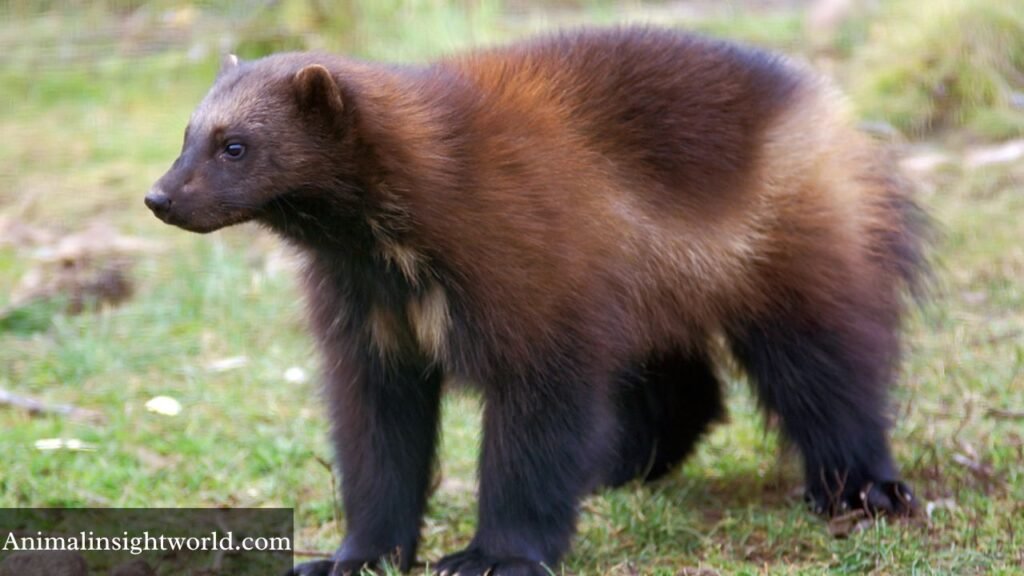
What truly sets the wolverine apart is its remarkable adaptability. While its growl may resonate with a threatening edge, it’s also a call for companionship during breeding seasons, signaling complex social interactions that many might overlook. Furthermore, their vocalizations are not merely about intimidation; they reflect the intricate dynamics of their ecosystems. Each growl contributes to an audio tapestry that weaves through the forests and mountains, reminding us how every creature, big or small, plays a vital role in the symphony of life. The wolverine’s growl, then, becomes a symbol of survival and the delicate balance of nature, echoing its legacy through the wild.
Hippopotamus
Scientific Name: Hippopotamus amphibius
Class: Mammalia
Diet: Herbivore
Hippopotamuses, often perceived as gentle giants, possess a surprisingly fierce growl that belies their seemingly docile demeanor. While most associate growling with ferocity, in the case of the hippo, it serves multifaceted purposes, from communication to territorial display. Their vocalizations resonate through the water, traveling impressively far, allowing these semi-aquatic mammals to assert dominance or signal distress to others in their group.
But there’s more to their growl than meets the ear. The depth and volume of a hippo’s growl can convey specific emotions and intentions, showcasing a level of social complexity that researchers are only beginning to understand. Interestingly, hippos are also known to make unique sounds when submerged, creating a symphony of low-frequency calls that blend with the soothing lapping of water. This underwater communication not only facilitates interaction but also helps maintain their social bonds in the often chaotic dynamics of their groups. The growl, therefore, is not just a warning; it’s an instrument of social orchestration in a world where every sound matters.
You can also read: Explore Top 21 Animals With Sharp Claws.
Jaguar
Scientific Name: Panthera onca
Class: Mammalia
Diet: Carnivore
The jaguar’s growl resonates through the dense jungles of Central and South America, a sound that evokes both fear and admiration. Unlike the purring of its feline relatives, the jaguar’s growl is a deep, throaty rumble that can travel through thick foliage, communicating dominance and territorial claims. This vocalization is not merely a display of strength; it serves as a key social tool, establishing connections between mates and warding off potential rivals.
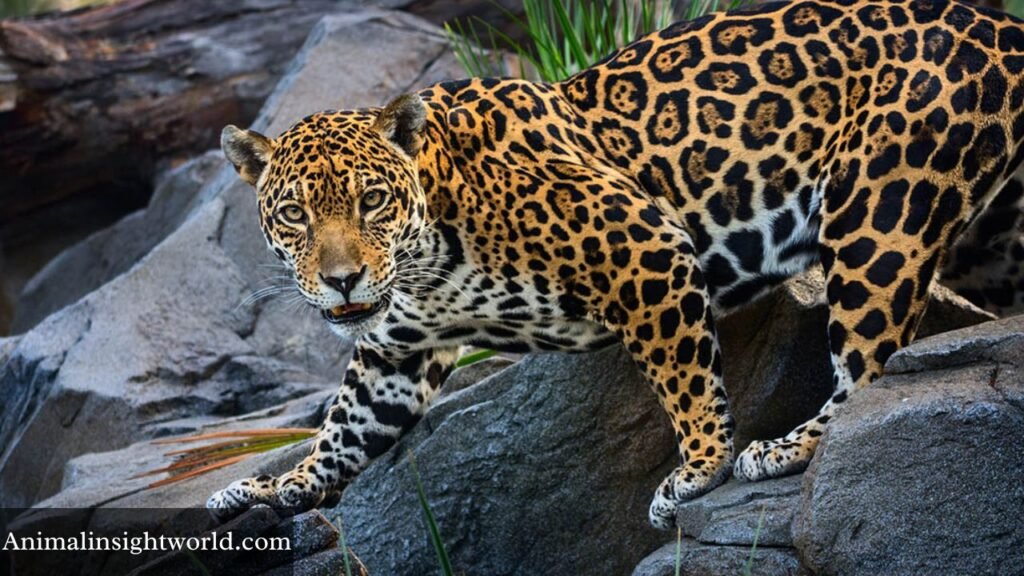
Beyond its impressive vocal prowess, the growl encapsulates the jaguar’s role as a master predator. With a bite that can pierce through shells and crush bones, the growl signals capacity and confidence in its hunting prowess. Surprisingly, these big cats also communicate through body language, using their growls in conjunction with movements to convey everything from playfulness to aggression. Observing a jaguar in its natural habitat unleashes a world of sensory experiences — each growl inviting an appreciation for the delicate balance of life in the wild.
Dogs
Scientific Name: Canis lupus familiaris
Class: Mammalia
Diet: Omnivore
Growling in dogs is often misunderstood, painting them in an overly aggressive light. However, it’s essential to recognize that growling serves as an important mode of communication. For dogs, this low rumble can indicate a range of emotions, from warning and discomfort to playful alertness. When a dog growls, it’s essentially voicing its boundaries or expressing feelings of unease, prompting us to respect their space rather than assume they’re being hostile.
Interestingly, different breeds showcase unique growling patterns, which can reveal their emotional state. For instance, a playful Poodle might emit a higher-pitched growl while waiting for an enticing play session, whereas a guarding Rottweiler may produce a deep, resonant growl as a protective response. This diversity not only reflects their personalities but also offers insight into their instincts and the situations they deem worthy of vocal response. Observing these subtle nuances in growling can strengthen the bond between a dog and its owner, fostering a deeper understanding of each other’s feelings and intentions.
Crocodiles
Scientific Name: Crocodylus niloticus
Class: Reptilia
Diet: Carnivore
Crocodiles, often perceived as silent ambushers, communicate much more than one might expect, with growling being one of their most intriguing vocalizations. This low-frequency growl serves multiple purposes: it’s a means of asserting dominance, signaling territory, and even attracting mates during the breeding season. Remarkably, the sound can also be felt as much as heard, traveling through water and resonating with nearby crocodiles, creating a ripple communication method unlike any other.
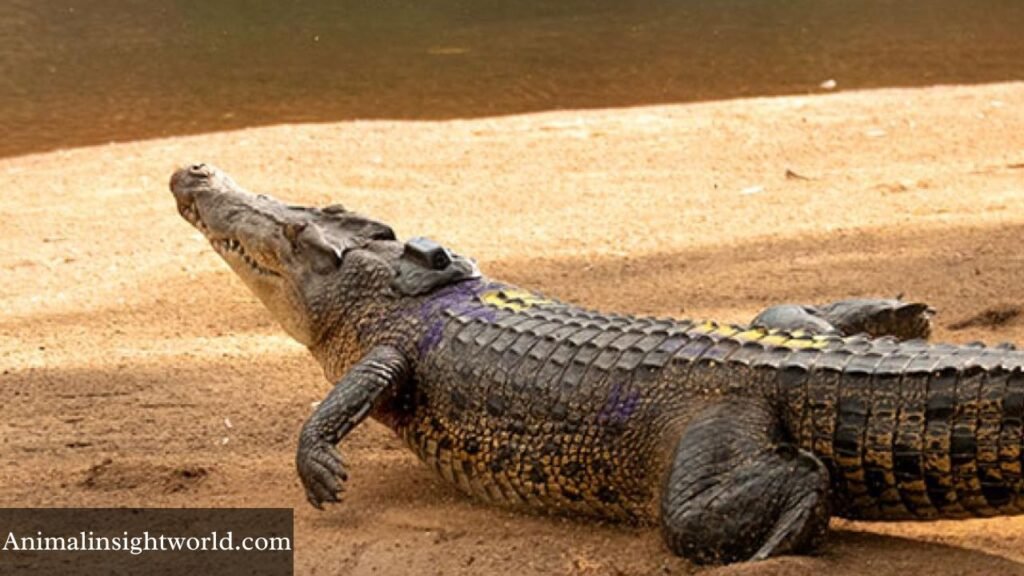
What’s particularly fascinating is how these prehistoric reptiles adapt their growling depending on context. For instance, mother crocodiles use softer growls or hisses to communicate with their hatchlings, offering comfort and guidance. Moreover, researchers have discovered that these vocalizations are not just random sounds; they can be sophisticated, reflecting the emotional state of the crocodile. Thus, the growl of a crocodile encapsulates not just a warning but an entire language of social interactions, emphasizing the complexity hidden beneath their rugged exteriors. This insight into their communication reveals a layer of intelligence often underestimated in these ancient predators.
Also read: Explore Top 21 Animals With Flippers.
Bears
Scientific Name: Ursus arctos
Class: Mammalia
Diet: Omnivore
Bears, often depicted as gentle giants, possess an intriguing vocalization that showcases their complex behaviors: the growl. This deep, rumbling sound serves as both a warning and a means of communication, revealing the bear’s mood and territory. When a bear growls, it’s not just a sign of irritation; it can indicate a protective instinct, especially a mother bear defending her cubs. This growl resonates through the forest, echoing the powerful presence these creatures hold in the ecosystem.
Interestingly, the growl is also a vital element of bear social dynamics. Young bears may learn what’s acceptable behavior from their mothers through the growls that emit during various interactions, reinforcing boundaries and social hierarchies. In the wild, these vocalizations can signal more than mere aggression; they often play a critical role in maintaining group cohesion and reducing conflict among bears sharing overlapping territories. Understanding the nuances behind a bear’s growl allows us to appreciate not only their power but also their intelligence and emotional depth. Engaging with this aspect of their behavior challenges the conventional image of bears as simple, solitary predators, revealing a layer of complexity in their social lives that deserves our respect and protection.
Llamas
Scientific Name: Lama glama
Class: Mammalia
Diet: Herbivore
Llamas, often perceived as gentle, friendly creatures, possess a surprisingly robust vocal repertoire that includes a deep, resonant growl. This sound, oftentimes mistaken for a grunt or belch, serves as a potent communication tool among these social animals. In situations where they feel threatened or are asserting dominance within their herd, the growl transforms into a vocal display of confidence, acting as both a warning and a show of strength.
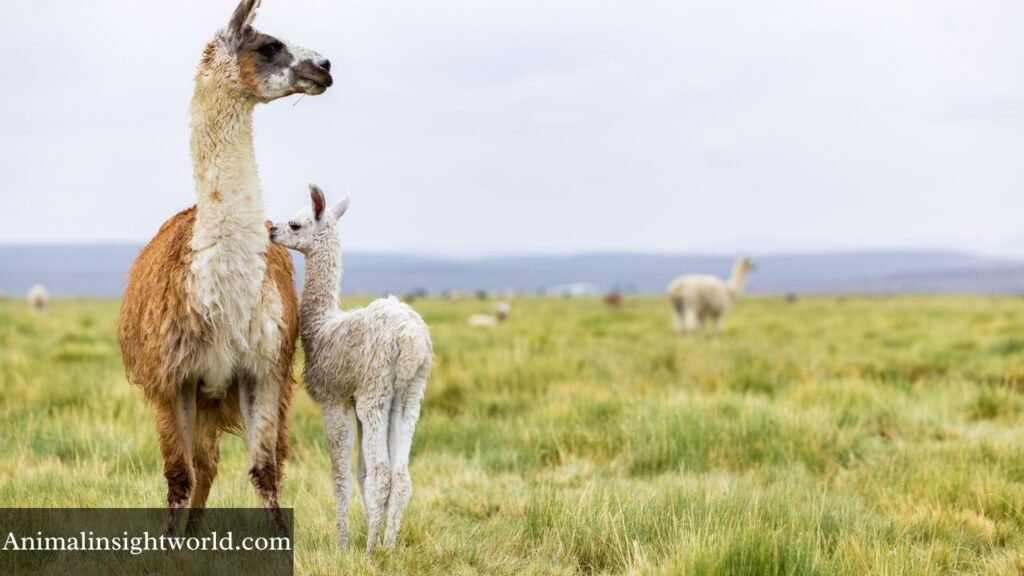
What’s fascinating is that this display of sound reflects the emotional complexity of llamas; they are not just light-hearted pack animals but also possess an intricate social hierarchy that requires nuanced interactions. For owners and handlers, understanding the context of a llama’s growl can lead to deeper insights into their mood and intentions. This growling behavior underscores the idea that even among the most seemingly docile animals, there lies a vivid tapestry of communication waiting to be unraveled. By acknowledging these vocal nuances, we can develop a more profound appreciation of the llama’s character and its role in the ecosystem.
You can also read: Explore Top 17 Animals That Hop.
Leopard
Scientific Name: Panthera pardus
Class: Mammalia
Diet: Carnivore
The leopard’s growl resonates through the dense underbrush, a haunting sound that embodies both power and elusive mystery. Unlike the full-bodied roars of lions, a leopard’s growl is more subtle, often resembling a series of low, throaty sounds. This unique vocalization serves multiple purposes: it establishes territory, communicates with potential mates, and warns off rivals. Each growl is an intricate part of their behavioral repertoire, reflecting a complex social structure that relies heavily on both vocal and non-verbal cues.
What sets leopards apart is their adaptability; they thrive in various habitats, from savannas to rugged mountain terrain. Their growling often reverberates during dusk and dawn, when their solitary nature meets the world in a dance of shadows and sound. Observing a leopard in the wild, one can sense the pride imbued in each growl, a reminder of the animal’s strength and cunning. This vocalization, coupled with their stunning rosette-patterned coat, transforms them into silent hunters that command respect yet blend seamlessly into their surroundings. The growl of a leopard is more than just a sound; it’s a symphony of survival, a testament to their reign at the top of the food chain.
Tasmanian Devil
Scientific Name: Sarcophilus harrisii
Class: Mammalia
Diet: Carnivore
The Tasmanian Devil, a unique marsupial found exclusively on the island of Tasmania, is renowned not just for its ferocious growl but for its fascinating social dynamics. Often misunderstood, this small carnivore produces a symphony of growls, screams, and cough-like sounds that amplify its fierce reputation. These vocalizations play a critical role in communication within their tight-knit communities, conveying everything from territorial warnings to mating calls. Listening closely reveals a complex world beneath their primal sounds, acting as emotional barometers that reflect the devil’s stress levels and social interactions.
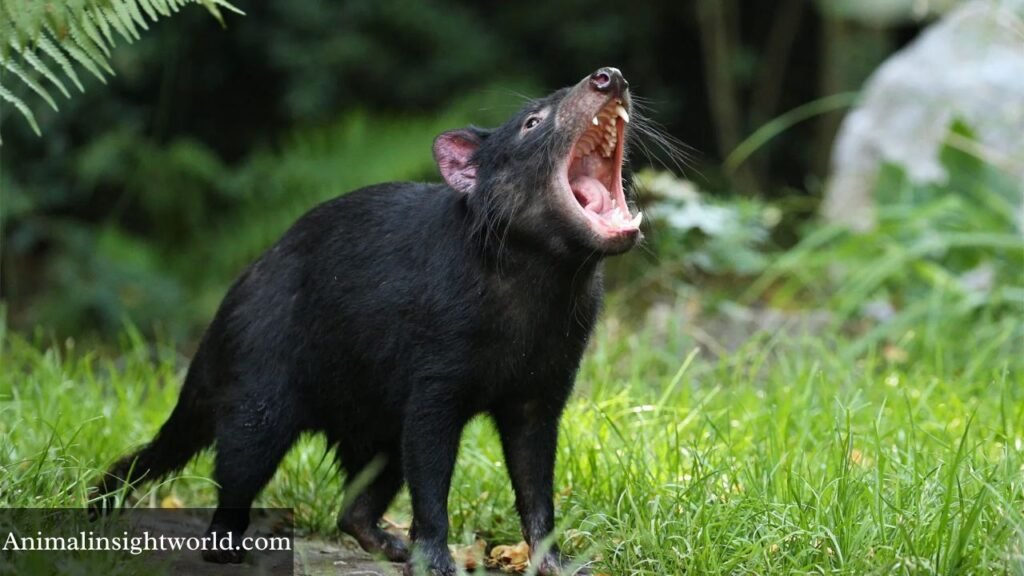
But it’s not all about the growls — the Tasmanian Devil’s ecological role is equally riveting. As scavengers, they feed on carrion, helping to maintain the balance of their environment by cleaning up the landscape. This behavior not only highlights their importance within the ecosystem but also emphasizes their vulnerability, as they face threats from disease and habitat loss. The growls that echo through the Tasmanian night serve as a compelling reminder of a unique species fighting for survival, offering an invitation to appreciate the raw beauty of nature and the ongoing efforts to protect it.
Badgers
Scientific Name: Meles meles
Class: Mammalia
Diet: Omnivore
Badgers, with their stout bodies and striking facial markings, are often overlooked in the animal kingdom, yet their growls resonate deeply as a form of vocal communication that conveys survival instincts and territorial claims. These nocturnal creatures use a variety of sounds, including growls, to establish dominance and alert others to potential threats. When cornered or threatened, a growl reverberates from deep within, serving as both a warning to intruders and a testament to their feisty nature — an unexpected edge for such seemingly unassuming animals.
Their growling can also be a nuanced expression of social behavior. For badgers living in colonies, these vocalizations can signify a range of emotions, from aggression to discomfort. Observing their interactions reveals a complex tapestry of communication, indicating that growling isn’t merely an act of aggression but rather an inherent part of their social bonding and hierarchy. This depth challenges the perception of badgers as solitary creatures, reinforcing their role in the ecosystem and inviting a closer examination of their social structures. Each growl is an invitation to understand the intricate lives of these resilient animals, elevating them from mere burrowers to fascinating participants in nature’s orchestra.
Also read: Explore Top 16 Animals with Long Horns.
Lion
Scientific Name: Panthera leo
Class: Mammalia
Diet: Carnivore
Lions, the majestic apex predators of the African savanna, are known for their haunting growls that resonate throughout their territories. These powerful vocalizations serve not only to establish dominance and communicate with pride members but also to deter rival males. A lion’s growl can reach up to 114 decibels, making it one of the most formidable sounds in the animal kingdom. Interestingly, this deep, resonant tone can be heard from several miles away — an acoustic signal that reaffirms their presence and prowess in the wild.
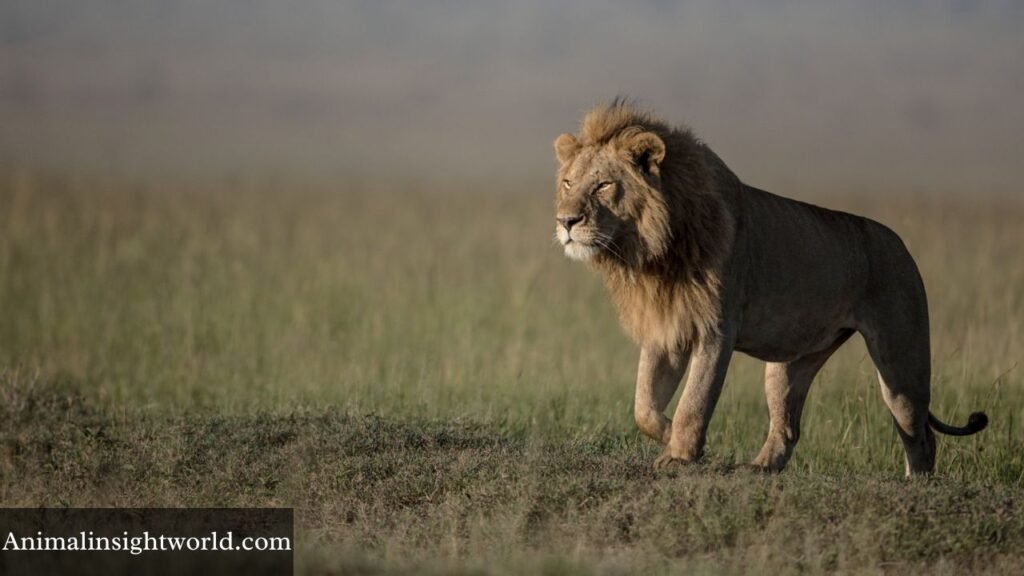
Yet, growling is only one facet of a lion’s complex communication toolkit. Coupled with roars, grunts, and even purring, each vocalization plays a crucial role in social bonding and territory management. For instance, within a pride, softer sounds often accompany moments of affection or play, highlighting the intricate dynamic of relationships among pride members. Observing these vocal exchanges reveals an emotional depth that challenges the traditional view of lions as mere solitary hunters; instead, they emerge as creatures deeply attuned to both their environment and social networks.
Hyena
Scientific Name: Crocuta crocuta
Class: Mammalia
Diet: Carnivore
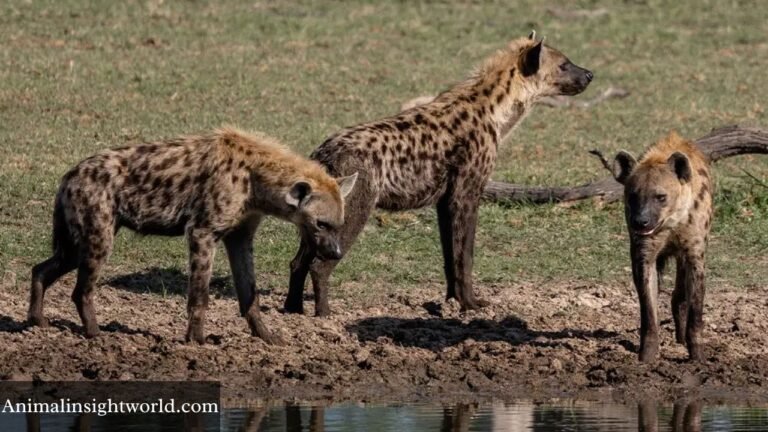
The hyena’s growl is often mistaken for a simple display of aggression, but it’s a nuanced form of communication steeped in social complexity. Often found in matriarchal groups called clans, hyenas utilize vocalizations to establish hierarchy and convey social bonding. Their iconic laughs, for example, signal excitement or submission, while deeper growls can hint at caution or defense, showcasing the multifaceted nature of their vocal repertoire.
Interestingly, hyenas possess an extraordinary ability to adapt their vocal sounds to resonate with their environment, demonstrating a keen awareness of the social dynamics at play within their clan. This adaptability not only enhances their ability to communicate effectively but also plays a crucial role in their cooperation during hunts. Unlike the stereotype of solitary hunters, hyenas display remarkable teamwork, where their growls and calls orchestrate a synchronized effort to overpower prey, further blurring the lines between predator and pack. In essence, the growl of a hyena isn’t just a sound; it is a testament to their complex social structure and highly cooperative nature.
Opossums
Scientific Name: Didelphis virginiana
Class: Mammalia
Diet: Omnivore
Opossums are often overlooked when discussing growling animals, yet their vocalizations are as intriguing as their unique survival tactics. While many associate growling with fierce predators, opossums use these sounds as a form of communication, helping to establish boundaries and express discomfort. A low growl can be a warning, signaling to potential threats that they are not to be trifled with. Interestingly, this growling is not just an auditory response; it’s part of a complex suite of behaviors designed to discourage confrontations, allowing opossums to avoid conflict altogether.
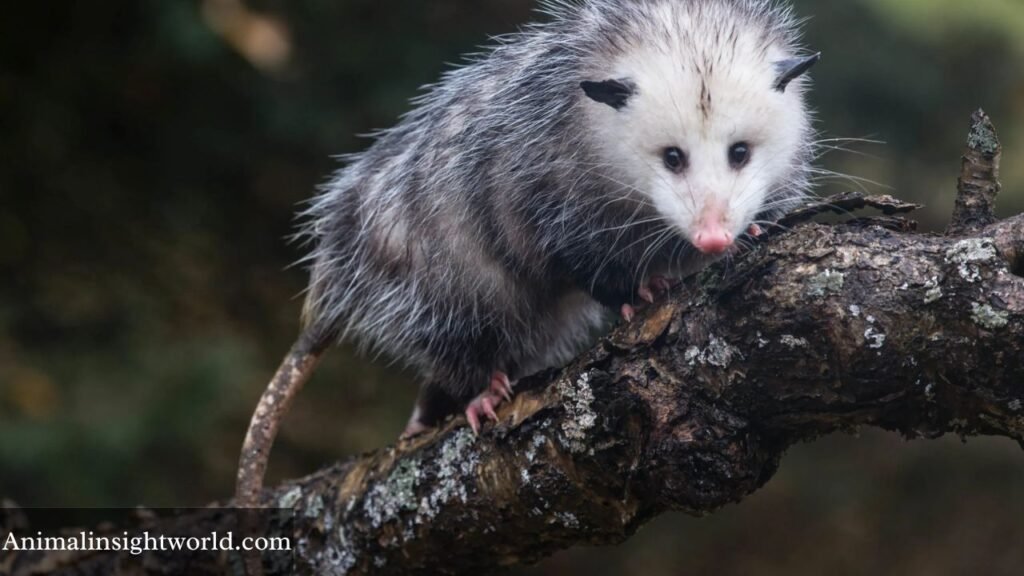
Another fascinating aspect of the opossum’s growling is its context. These marsupials, often seen as timid or clumsy, can deliver a surprisingly fierce growl when threatened. However, their primary defense mechanism is playing dead, a strategy that often confuses predators more than intimidation ever could. By blending these vocalizations with their ability to feign death, opossums create a compelling survival narrative that challenges our perceptions of strength in the animal kingdom. Thus, the growl of an opossum becomes a poignant reminder of the subtleties of wildlife communication, showcasing that even the most unassuming creatures possess their own fierce forms of expression.
You can also read: Explore Top 20 Animals With Fangs.
Domestic Cats
Scientific Name: Felis catus
Class: Mammalia
Diet: Carnivore
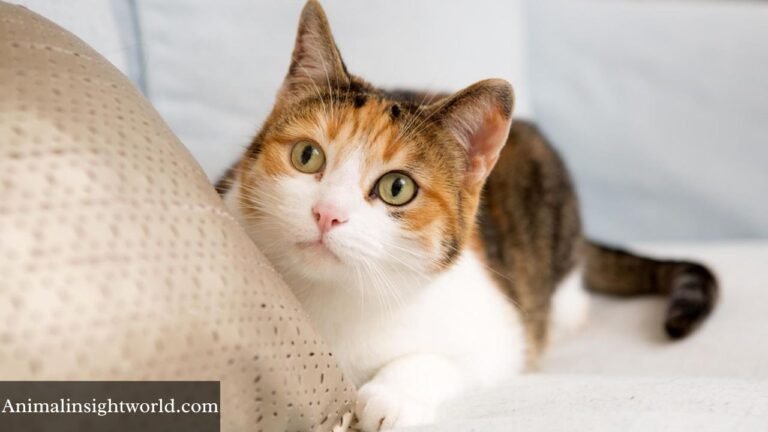
Cats are fascinating creatures, not just for their agility and grace but also for their vocalizations, particularly their growls. These guttural sounds often evoke a sense of primal power, showcasing a side of felines that is both fierce and protective. When a cat growls, it’s not merely a warning; it can signify a complex emotional state, ranging from annoyance to fear or even excitement. This vocalization serves as a unique form of communication, signaling to both prey and rivals that they are not to be trifled with.
Interestingly, growls are more than just a means of intimidation. For domestic cats, these sounds can stem from a variety of social interactions, including playful sparring with another cat or an intense moment of curiosity when exploring new territory. Unlike dogs, whose growls are often more standardized, the growl of a cat can vary significantly in tone and intensity, indicating subtle shifts in their feelings. Observing these vocal nuances provides a glimpse into their intricate emotional world, where each growl tells a story — a warning, an invitation, or perhaps a moment of sheer delight.
Alligators
Scientific Name: Alligator mississippiensis
Class: Reptilia
Diet: Carnivore
Alligators possess a unique growling sound that resonates deep within the swamps and wetlands they inhabit, serving as an ancient form of communication. This deep, rumbling growl can carry for miles, particularly during mating season when they engage in a kind of vocal competition to attract potential mates. Interestingly, the growl is not merely a show of strength; it is intricately tied to their social structure, signaling territorial boundaries to both rivals and kin alike.
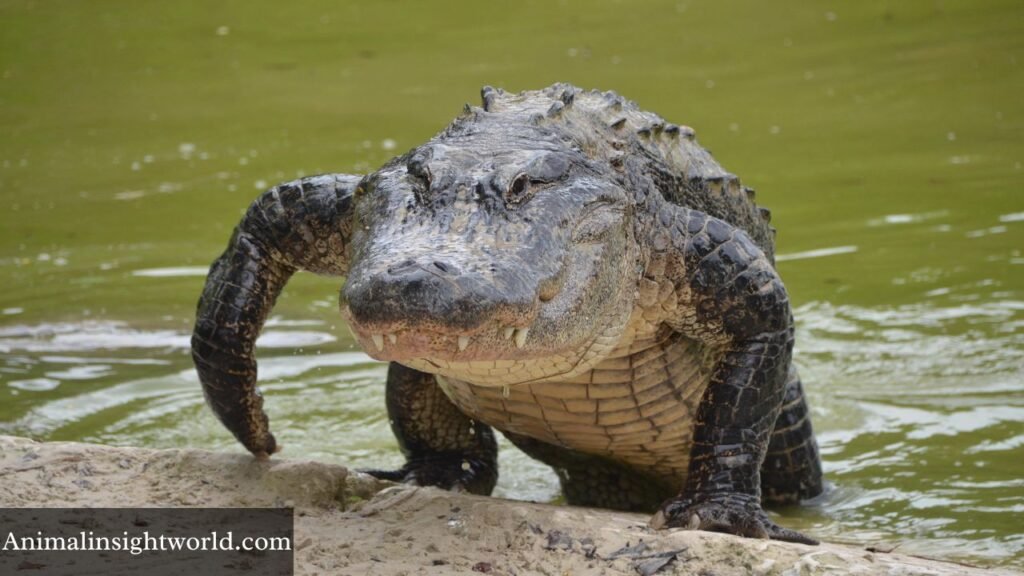
Moreover, these prehistoric reptiles can modulate the frequency and intensity of their growls, showcasing a surprising level of vocal versatility. Researchers have found that different growl patterns can convey varying emotional states, from aggression to warning signals, revealing a sophisticated language that belies their brute appearance. Listening to an alligator growl can elicit a primal response, reminding us of nature’s raw power and the evolutionary adaptations that have shaped these formidable creatures over millions of years. As they bask in the sun or lurk beneath the water’s surface, their growls remind us that even the most fearsome animals have a distinct method of expressing themselves, further deepening the connection between sound and survival in the natural world.
Also read: Explore Top 20 Annoying Animals in The World.
Cougar
Scientific Name: Puma concolor
Class: Mammalia
Diet: Carnivore
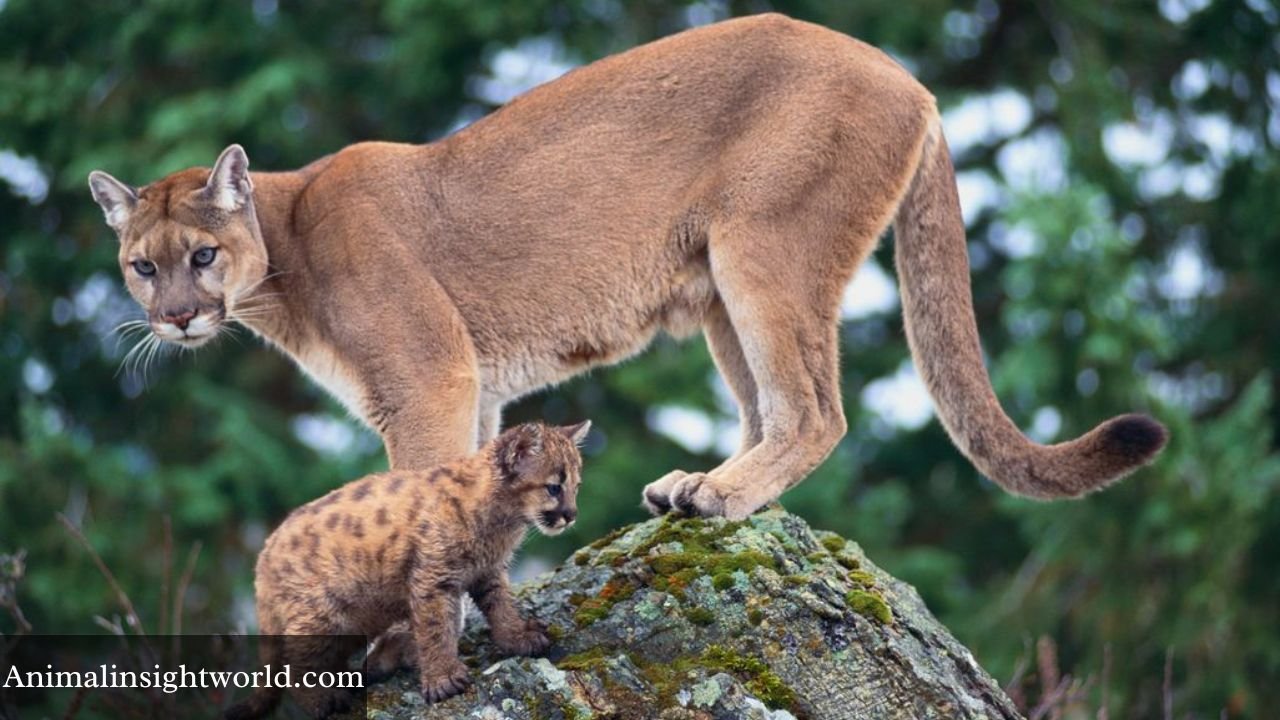
The cougar, often dubbed the “ghost cat” for its elusive nature, possesses a growl that resonates through its mountainous habitat, a sound that can convey dominance or warning. This vocalization, deep and throaty, is not merely a manifestation of aggression; it plays a crucial role in communication within the species. Unlike other big cats that roar, a cougar’s growl carries a unique blend of power and stealth, echoing off cliffs and through dense forests, serving as a reminder of its presence in an untamed world.
Interestingly, the growl of a cougar can signify a range of emotions — from asserting territory to signaling a potential mate. Researchers have found that these vocalizations can vary in pitch and length, allowing cougars to convey complex messages without the need for constant visual contact. This adaptability underscores not only their intelligence but also their role as solitary hunters, relying on auditory cues to navigate through expansive territories where sight is often limited. The growl becomes not just a sound but a vital tool for survival in the wild, offering insights into the nuanced lives of these magnificent creatures and their intricate relationships with the environment around them.
Foxes
Scientific Name: Vulpes vulpes
Class: Mammalia
Diet: Omnivore
The growl of a fox offers a unique blend of curiosity and charm. Unlike the deep, menacing growls of larger predators, a fox’s growl is often a playful yet assertive sound, used to communicate various emotions. These vocalizations can serve as warnings to potential intruders or as a means to assert dominance in their territory, illustrating a complex social structure often overlooked.
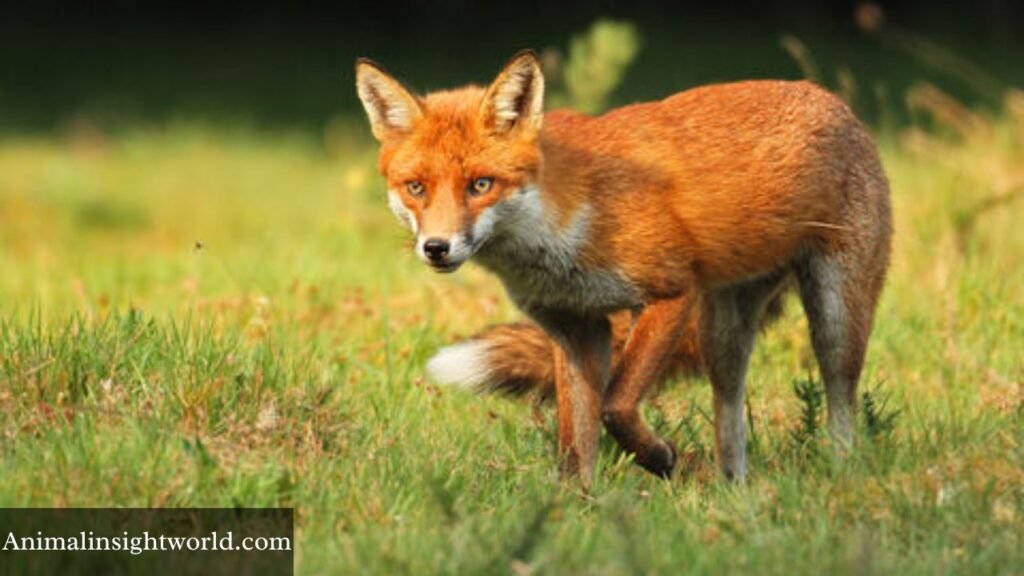
What makes foxes particularly fascinating is their ability to mix growls with other sounds, such as barks or yips, creating a melodious tapestry of communication. This acoustic variety not only captivates those who listen but also enhances their ability to navigate intricate social interactions within their packs. The tonal nuances can convey everything from excitement to displeasure, revealing their intelligent and adaptable nature. As nighttime falls, the growls of foxes create an enchanting wilderness soundtrack, reminding us that these cunning creatures are not only survivors but also storytellers of the night.
Readmore: Explore Top 19 Most Clumsy Animals in the World.
Final Thoughts
Growling serves a vital purpose in the animal kingdom, acting as both a warning signal and a means of communication. From the majestic lion to the domestic dog, growling can signify everything from playfulness to aggression, underscoring the complexity of animal interactions. Understanding the context and nuances of a growl can deepen our appreciation for these creatures and enhance our relationships with our pets. It’s clear that growling is not just noise, but a significant behavioral trait that warrants further exploration. As we observe and learn from these fascinating animals, let us take the time to appreciate their unique languages and the messages they convey.
FAQs
Which animal growls?
Several animals are known for their growling sounds, with the most notable being big cats like lions, tigers, and leopards. These creatures growl as a means of communication, often signaling aggression or territory defense. The deep, resonating nature of their growl can be intimidating, especially in the wild. Bears also produce growls, which can indicate irritation or warning. In addition to these, dogs are famous for their growling, often used to express discomfort or assert dominance. Each of these animals uses growling differently, but it all boils down to conveying messages in their natural habitats.
Do lions roar or growl?
Lions primarily roar, and it’s one of their most distinctive features. A roar can travel up to five miles, serving as a way to communicate with other lions and establish territory. It’s a powerful sound that can resonate deep within the savannah, making it a key part of their social structure.
While roaring is more common, lions can also growl, especially when they feel threatened or are warning others. Growls are shorter and more aggressive than roars, used to assert dominance in close encounters.