Explore Top 13 Animals like Mongoose (With Pictures)
Did you know that mongooses have a remarkable ability to combat venomous snakes? This intriguing trait not only makes them fascinating creatures but also highlights the incredible adaptations found in the animal kingdom. In this article, we’ll explore animals like mongoose that exhibit unique characteristics and survival strategies, revealing the diverse ways nature equips its inhabitants to thrive. Understanding these animals can deepen our appreciation for biodiversity and encourage conservation efforts.
List of Animals like Mongoose
Here is the list of animals like mongoose
- Fossa
- Mink
- Linsang
- Stoat
- Genet
- Kusimanse
- Meerkats
- Civets
- Tayra
- Weasel
- Marten
- Otter
- Ferrets
Fossa
Scientific Name: Cryptoprocta ferox
Class: Mammalia
Diet: Carnivore
The fossa, often referred to as Madagascar’s top predator, offers a fascinating glimpse into the unique evolutionary paths taken by island creatures. With its slender body, elongated tail, and cat-like features, the fossa is more than an anomaly; it’s an embodiment of Madagascar’s rich biodiversity. Unlike typical carnivores, it showcases a remarkable adaptability and skill in navigating the trees, making it an arboreal threat to lemurs and other small mammals, demonstrating the intricate dynamics of the island’s ecosystem.
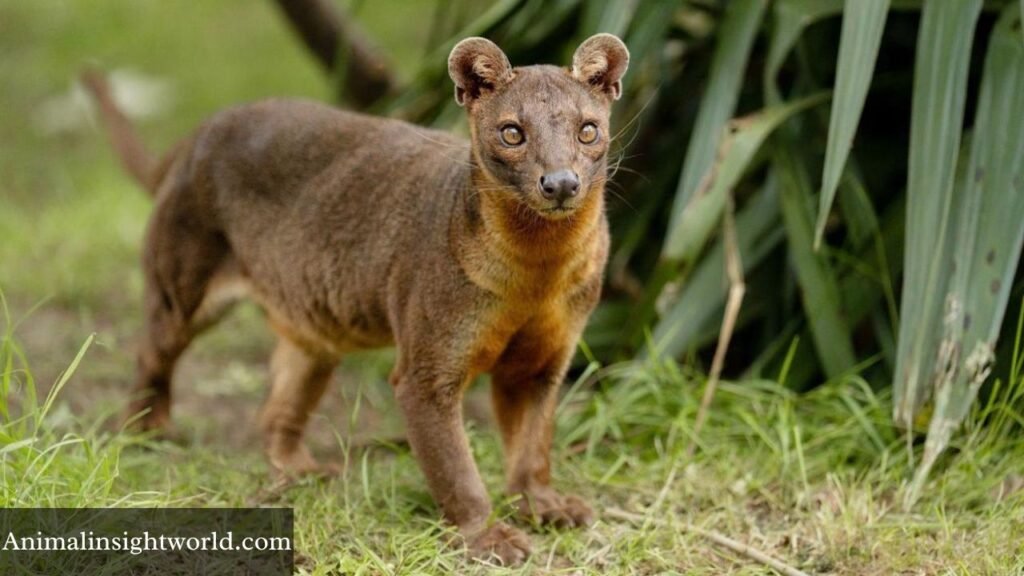
While both mongooses and fossas share a similar niche as agile predators, the fossa’s evolutionary lineage diverges significantly, as it belongs to the Eupleridae family, a group exclusive to Madagascar. This distinction allows for a fascinating study of convergent evolution; while mongooses are typically found in Africa and Eurasia, the fossa has adapted uniquely to its island habitat. The fossa’s role as both predator and prey highlights the delicate balance of its ecosystem — its survival hinging on the availability of food sources like lemurs, while simultaneously influencing local population dynamics. Understanding the fossa better not only enhances our appreciation of Madagascar’s natural history but also underscores the urgent need for conservation efforts to protect these remarkable animals and their increasingly threatened habitats.
Mink
Scientific Name: Neovison vison
Class: Mammalia
Diet: Carnivore
Minks, often overshadowed by their more popular relatives, the mongoose, possess a fascinating blend of cunning and adaptability that sets them apart in the animal kingdom. With sleek, water-repellent fur, minks are excellent swimmers, showcasing an unexpected talent among terrestrial mammals. This unique adaptation not only aids in hunting aquatic prey, such as fish and frogs, but also highlights their versatility in various environments, from marshlands to forests.
Their social structures are equally intriguing; while some species prefer solitude, others form small family groups, exhibiting playful interactions reminiscent of domestic pets. This duality speaks to their evolutionary niche — striking a balance between independence and social collaboration. Moreover, minks’ keen intelligence allows them to navigate complex habitats, making them expert foragers. As we delve deeper into the lives of these remarkable creatures, it becomes evident that minks are not merely the fur-bearing animals of fashion lore, but rather dynamic, resourceful beings that embody the spirit of resilience in the wild.
Linsang
Scientific Name: Prionodon linsang
Class: Mammalia
Diet: Carnivore
The linsang, often overshadowed by its more celebrated relatives like the mongoose, offers a fascinating glimpse into the diverse adaptations of small carnivores. Native to the tropical forests of Southeast Asia, this agile creature possesses an elongated body, sleek fur, and a distinctive spotted coat that serves as efficient camouflage amidst the dappled shade of its habitat. Unlike the social mongoose, linsangs are primarily solitary, leading a more mysterious existence that often eludes human observation and invites curiosity.
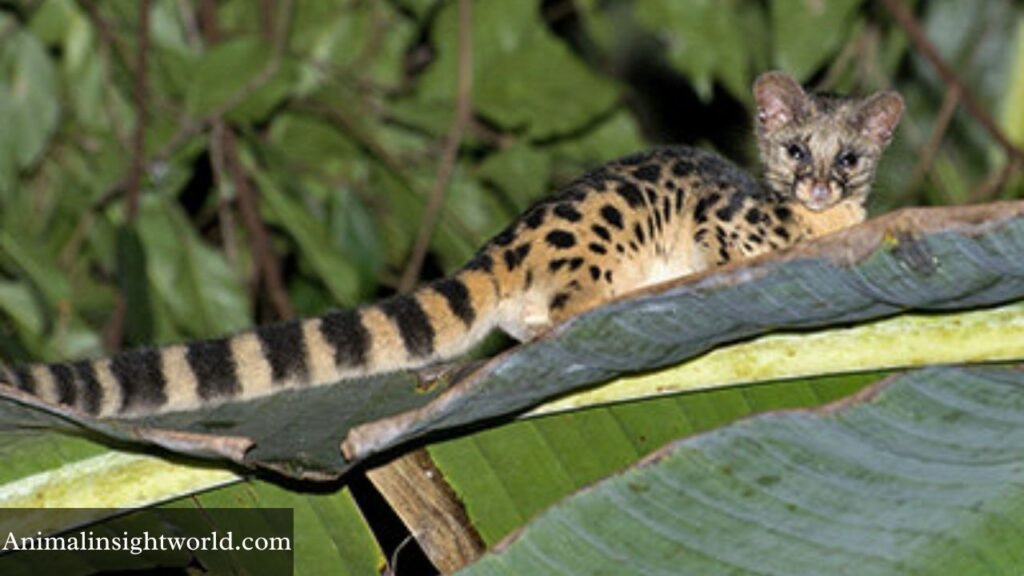
What sets the linsang apart is its remarkable versatility in diet. While many small carnivores are strict hunters, the linsang showcases an omnivorous tendency, indulging in fruits, insects, and small vertebrates alike. This dietary adaptability not only allows it to thrive in varying ecological niches but also highlights the intricate connections within its ecosystem. Observing a linsang’s behavior unveils a nuanced ecosystem dynamic, revealing how even the smallest players — like this elusive feline relative — contribute to the balance of life in their tropical environments. In a world increasingly impacted by habitat loss, understanding and protecting creatures like the linsang becomes essential to preserving the ecological tapestry of their habitats.
You can also read: Explore Top 15 Animals That Look Like Deer.
Stoat
Scientific Name: Mustela erminea
Class: Mammalia
Diet: Carnivore
The stoat, often overshadowed by more popular wildlife, is a remarkable little creature that embodies agility and adaptability. Known for its stunning seasonal transformation from a rich brown in summer to a striking white in winter, the stoat not only survives but thrives in diverse environments. This change is not merely aesthetic; it serves as a crucial survival mechanism, camouflaging the stoat against snow-covered landscapes while allowing it to ambush prey.
In terms of behavior, the stoat exhibits a playful and curious disposition, often engaging in acrobatic pursuits that would make even the most practiced gymnast envious. This spirited character is vital for its survival, as it helps them dodge predators and master the art of hunting small rodents. Moreover, the stoat’s unique hunting strategy often involves luring prey into a false sense of security before launching a rapid attack — showcasing a level of cunning that rivals larger predators.
Genet
Scientific Name: Genetta genetta
Class: Mammalia
Diet: Omnivore
The genet, a slender, agile creature often mistaken for a feline, offers a fascinating glimpse into the diversity of small carnivorous mammals. With its luxurious spotted coat and elongated body, it moves gracefully through its habitat, blending effortlessly with the shadows of savannas and woodlands. Unlike mongooses, which often display social behaviors, genets are more solitary, reveling in their independence as they skillfully navigate their territories, hunting small prey and scavenging when necessary.
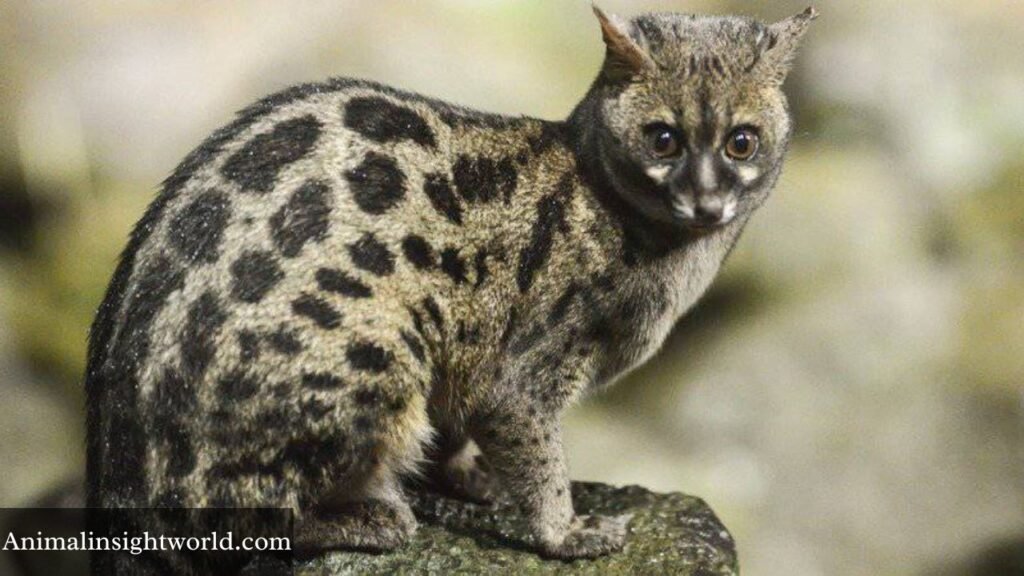
A lesser-known fact about genets is their unique ability to adapt their diet based on seasonal availability. They are opportunistic feeders, which allows them to thrive in various ecosystems. By consuming everything from insects to small mammals, their flexible feeding habits ensure they remain resilient in changing environments. This adaptability not only highlights their ecological role as both predator and scavenger but also serves as a reminder of how adaptability can be key to survival in the animal kingdom.
Moreover, genets possess an array of fascinating behaviors that further enrich our understanding of mammalian adaptations. Their distinctive, cat-like climbing abilities allow them to seek refuge from potential threats and hunt for birds and arboreal prey. Observing a genet skillfully poised on a branch brings to mind the intricate ballet of life in the wild, where adaptability, agility, and instinct converge in a continuous dance of survival and exploration.
Kusimanse
Scientific Name: Crossarchus obscurus
Class: Mammalia
Diet: Omnivore
Kusimanse, often overshadowed by their more famous relatives like mongoose, showcase an intriguing blend of social behavior and unique adaptations. These small, slender mammals, native to the forests and savannas of West Africa, possess a strikingly robust group dynamic. Unlike some of their solitary counterparts, Kusimanse exhibit a fascinating level of social cooperation, living in family groups that communicate through a variety of sounds. This social structure not only enhances their survival but also offers them a greater ability to tackle challenges posed by their environment.
Exploring their foraging behavior reveals yet another layer of their complexity. Kusimanse are skilled hunters, employing teamwork to track down insects, crustaceans, and small vertebrates. They don’t just rely on individual prowess; instead, they use a form of tactical intelligence, coordinating movements to flush out prey from tight spaces. This cooperative strategy, reminiscent of pack hunting seen in canids, highlights an unappreciated facet of their intelligence and adaptability. Observing Kusimanse can transform our understanding of how social structures in lesser-known species can shape ecological interactions, inviting a deeper appreciation for the intricacies of animal behavior beyond the typical wildlife narratives.
Readmore: Explore Top 13 Animals Like Seals.
Meerkats
Scientific Name: Suricata suricatta
Class: Mammalia
Diet: Omnivore
Meerkats, intriguing members of the mongoose family, showcase a remarkable blend of social structure and survival tactics. Living in tight-knit groups called mobs, these small but fierce creatures exhibit unparalleled teamwork, particularly when on the lookout for predators. With a designated sentinel, one meerkat stands guard while others forage, embodying a unique blend of cooperation and vigilance that enhances their chances of survival in a perilous world.
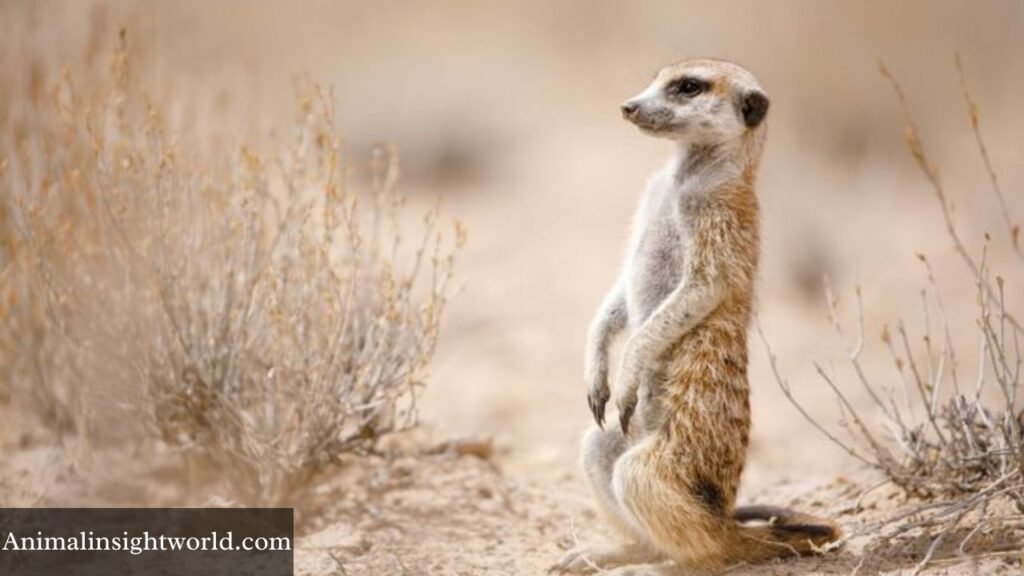
Their communication is another astonishing aspect of meerkat behavior. Utilizing a complex system of vocalizations and body language, they convey warnings, inform others about food discoveries, and even maintain social bonds. This lively chatter reflects not just their intelligence but also their adaptability, as each member learns to respond to calls in ways that bolster the entire mob’s safety and success. The meerkat’s social dynamics provide a glimpse into the sophisticated lives of these animals, highlighting the intricate balance between individual roles and collective responsibilities.
Civets
Scientific Name: Paradoxurus hermaphroditus
Class: Mammalia
Diet: Omnivore
Civets, just like the mongoose, are fascinating creatures that offer a unique glimpse into the mammalian world of adaptability. Found primarily in tropical forests, civets are nocturnal omnivores known for their elusive nature and solitary habits. Their keen sense of smell not only aids in foraging but also plays a vital role in their reproductive behaviors, helping them find mates in the dense underbrush. Unlike mongooses, which often flaunt their social structures and pack dynamics, civets embody the enigmatic nature of wildlife, making them masters of stealth and survival.
One intriguing aspect of civets is their role in the ecosystem as seed dispersers. By consuming fruits and then excreting the seeds, they assist in forest regeneration, a critical function in maintaining biodiversity. This ecological niche underscores the interconnectedness of species; even the smallest creatures can have a significant impact on their environments. Civets have gained fame in the coffee world through Kopi Luwak, a coffee produced from beans that have passed through their digestive system. While this practice raises ethical concerns, it highlights the complex relationship between civets and humans, showcasing the potential for wildlife to influence cultural and economic landscapes. These multifaceted aspects of civets reveal that there’s more than meets the eye beneath their elusive exterior.
Tayra
Scientific Name: Eira barbara
Class: Mammalia
Diet: Omnivore
The tayra, a member of the weasel family, often goes unnoticed in the wild due to its elusive nature. With a sleek body and a bushy tail, it may resemble a hybrid of a ferret and a small badger, but its unique behaviors set it apart. Found in Central and South America, the tayra thrives in diverse habitats, from dense forests to open savannahs. Their adaptability is not just physical; they are also highly social animals, often living in small family groups that work cooperatively to find food and raise their young.
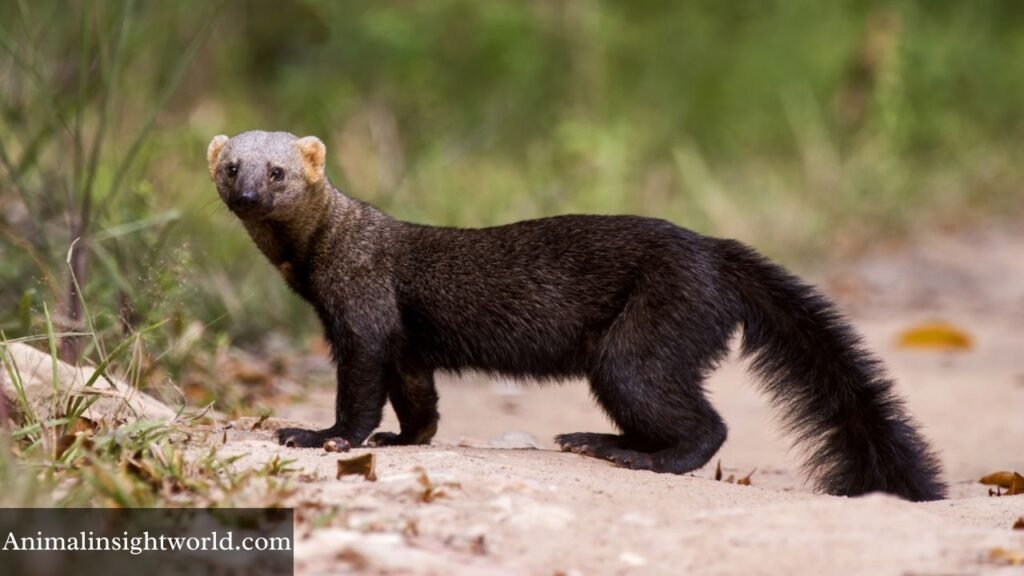
One of the tayra’s striking features is its resourcefulness in foraging. Unlike many of their relatives, tayras are omnivorous, indulging in a diet that ranges from fruits and nuts to insects and small mammals. This versatility allows them to play a vital role in their ecosystem, aiding in seed dispersal while managing rodent populations. Observing a tayra in action can be a mesmerizing experience; they are often seen climbing trees with agility, showcasing their energetic nature. Their chirping and chattering calls add a layer of vibrancy to the forest, and the sounds of a tayra can be a sign of a healthy ecosystem, reminding us of the intricate balance of nature’s web.
You can also read: Explore Top 11 Animals Like Horses.
Weasel
Scientific Name: Mustela nivalis
Class: Mammalia
Diet: Carnivore
Weasels, close relatives of mongoose, are nature’s nimble assassins. With their slender bodies and sharp instincts, these small carnivores exhibit an unmatched agility that allows them to slip effortlessly through tight spaces and sneak up on unsuspecting prey. Unlike their mongoose cousins, weasels operate with a level of stealth that resembles a well-rehearsed ballet — graceful yet lethal. Their ability to scale trees and burrow under frozen ground showcases not only their adaptability but also their determination to survive in diverse environments, from dense forests to arid grasslands.
What sets weasels apart in the animal kingdom is their unparalleled tenacity. They attempt to overpower creatures much larger than themselves, using brilliant strategy over brute force. This audacious spirit not only speaks to their survival instincts but also underscores the balance of nature — every predator serves a purpose. Their role in controlling populations of rodents and other pests cultivates healthier ecosystems, illuminating a beautiful interconnectedness where even the smallest players have significant impacts. Observing a weasel in the wild reminds us that strength often comes in unexpected forms, encouraging us to appreciate the unique strategies each creature employs to thrive.
Marten
Scientific Name: Martes martes
Class: Mammalia
Diet: Omnivore
The marten, a small yet captivating member of the weasel family, displays a fascinating blend of agility and cunning that sets it apart in the animal kingdom. Known for their striking fur, ranging from rich browns to vibrant yellows, martens are more than just visually appealing; they are skilled hunters with an unparalleled ability to navigate both treetops and forest floors. This adaptability allows martens to thrive in diverse terrains, from dense woodlands to scrubby hills, showcasing their prowess in climbing and foraging.
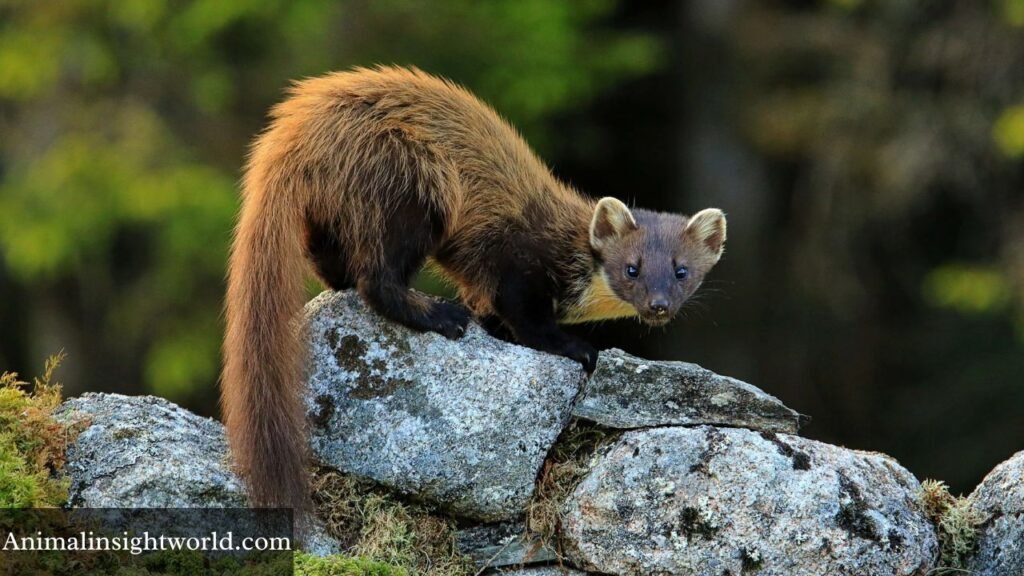
One of the most intriguing aspects of the marten’s behavior is its role in maintaining ecological balance. By preying on small mammals, birds, and even insects, martens help regulate populations, thus supporting the overall health of their ecosystems. In turn, their presence signifies a well-functioning habitat. Furthermore, martens are known for their solitary nature, often defending their territory fiercely against rivals, a behavior that emphasizes their complex social structure and survival instincts. With their playful antics and remarkable adaptability, martens are a reminder of nature’s infinite variations and the delicate interdependence that sustains life.
Otter
Scientific Name: Lutra lutra
Class: Mammalia
Diet: Carnivore
Otters, much like mongooses, showcase remarkable adaptability and social structures that make them fascinating to observe in the wild. These semi-aquatic mammals, known for their playful nature, exhibit a range of behaviors that highlight their intelligence. For instance, river otters often engage in cooperative hunting, demonstrating sophisticated communication skills and teamwork, similar to how mongooses work in packs to fend off predators or catch prey.
In addition to their social prowess, otters play a crucial ecological role by maintaining healthy aquatic ecosystems. Their habit of consuming numerous fish, crabs, and other marine creatures helps regulate these populations and prevents overgrowth, much like mongooses control the numbers of snakes and rodents in their habitats. Interestingly, both species exhibit a quirky sense of play — whether it’s otters sliding down muddy banks or mongooses engaging in acrobatic displays to fend off threats. This shared trait not only underscores the joy of their existence but also emphasizes their adaptability in different environments, illustrating nature’s creativity in crafting survival strategies.
Ferrets
Scientific Name: Mustela putorius furo
Class: Mammalia
Diet: Carnivore
Ferrets, closely related to the mongoose, exhibit a playful curiosity that makes them endlessly fascinating companions. These agile little creatures have long been valued for their hunting ability, originally domesticated to control rodent populations. Their sleek bodies and sharp reflexes not only make them adept at navigating tight spaces but also create a delightful spectacle when they dart around playfully. Observing a ferret in action can often feel like witnessing a mini acrobat; their energetic antics can lighten any atmosphere.
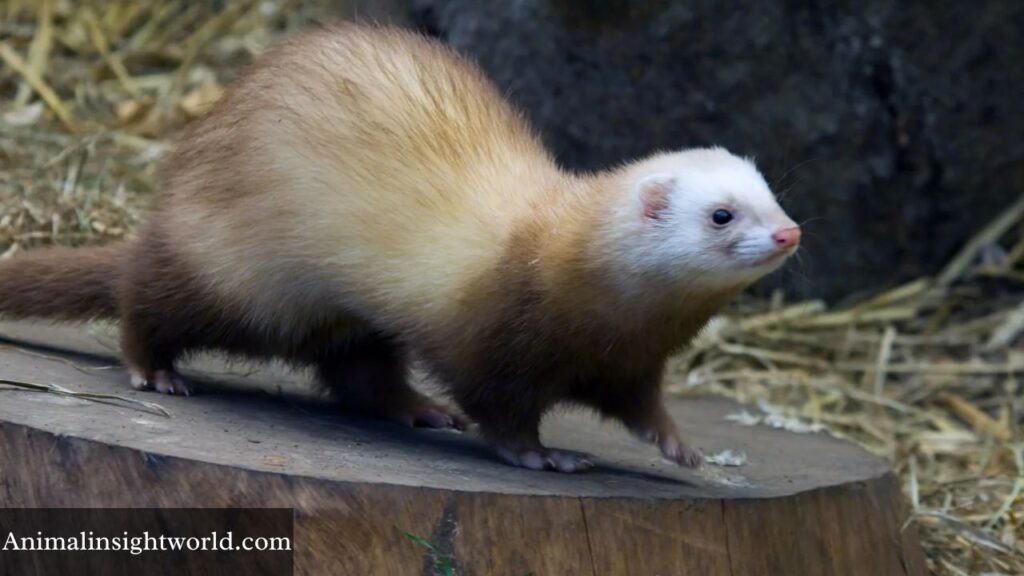
Moreover, ferrets possess a unique social dynamic that sets them apart from many other pets. They thrive in groups, often displaying a mysterious yet charming form of communication that includes a mix of chattering sounds and playful nips. This social nature allows them to bond not just with one another, but also with their human families, fostering a sense of connection that is both rewarding and enriching. Understanding and catering to their distinct social needs can lead to a more fulfilling relationship, as these inquisitive creatures reveal their true personalities over time.
Readmore: Explore Top 8 Birds That Look Like Crows.
Final Words
The world of animals that share similarities with the mongoose is both fascinating and diverse. From the agile meerkat to the cunning civet, these creatures exhibit remarkable adaptations that allow them to thrive in their environments. Each species, while unique, offers insights into the survival strategies and social structures in the wild. By understanding these animals better, we not only deepen our appreciation for wildlife but also highlight the importance of conservation efforts. Let’s take a moment to reflect on these remarkable creatures and advocate for their protection.
FAQs
What animal is similar to a mongoose?
The animal most commonly associated with the mongoose is the meerkat, which is part of the same family, Herpestidae. Meerkats are social creatures known for their impressive cooperation within groups, often seen standing alert in their upright positions. Like mongooses, they also exhibit a range of behaviors such as digging and foraging for food, primarily insects, small mammals, and plants.
What other animals look like mongooses?
While mongooses are distinct creatures, several animals share similar physical traits. The most notable are the meerkats, often mistaken for mongooses. Both belong to the same family, Herpestidae, and they exhibit similar slender bodies and agile behaviors, making them look alike at a glance. Another similar-looking animal is the civet. Though not directly related, civets have a similar elongated body and agile movements. Their drawing resemblance is enhanced by the common habitats they share, often in African or Asian regions. Certain species of weasels and coatimundis also have a slight resemblance, particularly in terms of their shape and general posture.
What does a mongoose look like?
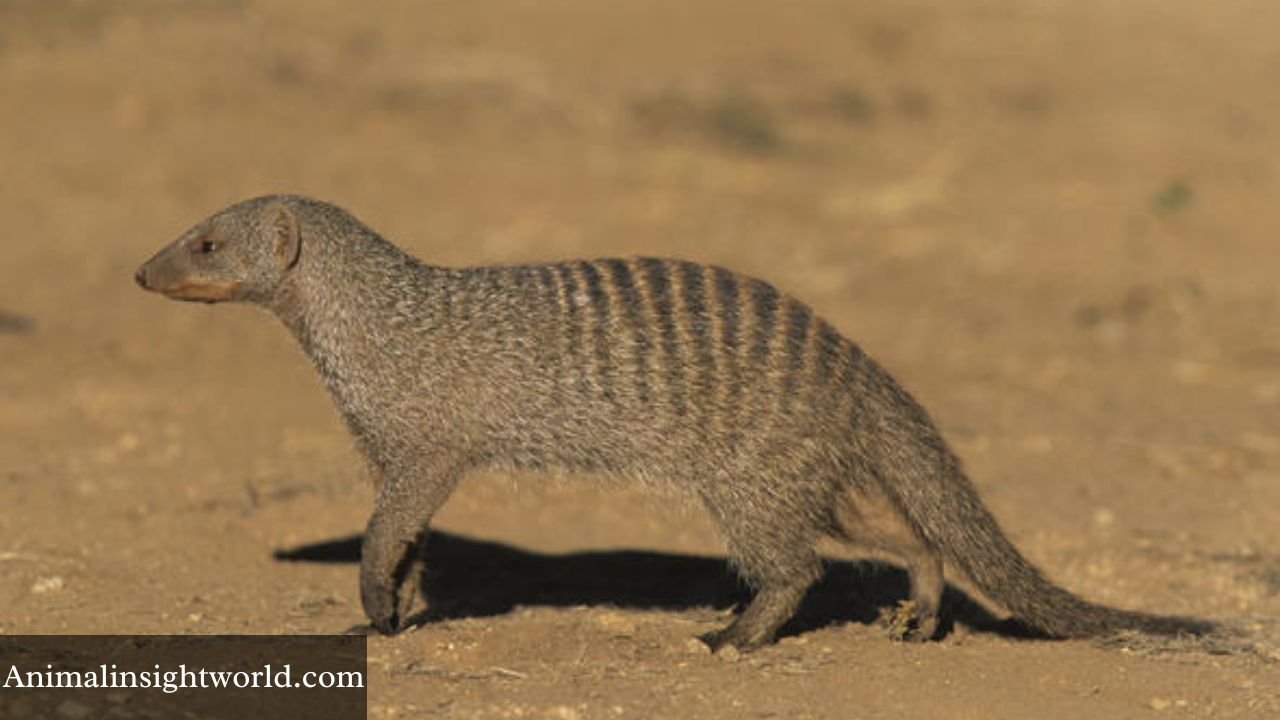
Mongooses are small carnivorous mammals with elongated bodies and short legs. They typically have a sleek, slender appearance, with lengths ranging from about 12 to 26 inches, depending on the species. Their fur is often a mix of brown, gray, or reddish hues, helping them blend into their surroundings. Notable features include pointed snouts and sharp, short claws, which assist them in hunting and digging.