Explore Top 21 Animals With Flippers (Pictures Included)
Have you ever marveled at how dolphins and sea lions seem to dance through the water? Animals with flippers possess remarkable traits that make them some of the most agile swimmers in the animal kingdom. As we dive into their world, you’ll uncover how their flippers not only aid in movement but also contribute to their survival and social dynamics. Join us as we explore the diverse species of flippered animals and what makes them so uniquely adapted to life in the water.
List of Animals with Flippers
Here is the list of animals with flippers:
- Dall’s Porpoise
- Green Sea Turtle
- Harbor Seal
- Walrus
- Emperor Penguin
- California Sea Lion
- Narwhal
- King Penguin
- Monk Seal
- Kemp’s Ridley Sea Turtle
- Humpback Whale
- Blue Whale
- Sea Otter
- Orca
- Leatherback Sea Turtle
- Elephant Seal
- Leopard Seal
- Bottlenose Dolphin
- Manatee
- Galapagos Penguin
- Dugong
Dall’s Porpoise
Scientific Name: Phocoenoides dalli
Class: Mammalia
Diet: Carnivore
Dall’s porpoise, known for its striking black-and-white coloration, is a captivating marine mammal that showcases remarkable agility and speed in the water. These fascinating creatures can reach swimming speeds of up to 55 km/h (34 mph), making them some of the fastest swimmers among cetaceans. Their streamlined bodies and powerful flippers enable them to navigate through the turbulent waters of the North Pacific with incredible ease, displaying acrobatic leaps and impressive agility that rival the performances of more well-known marine species.
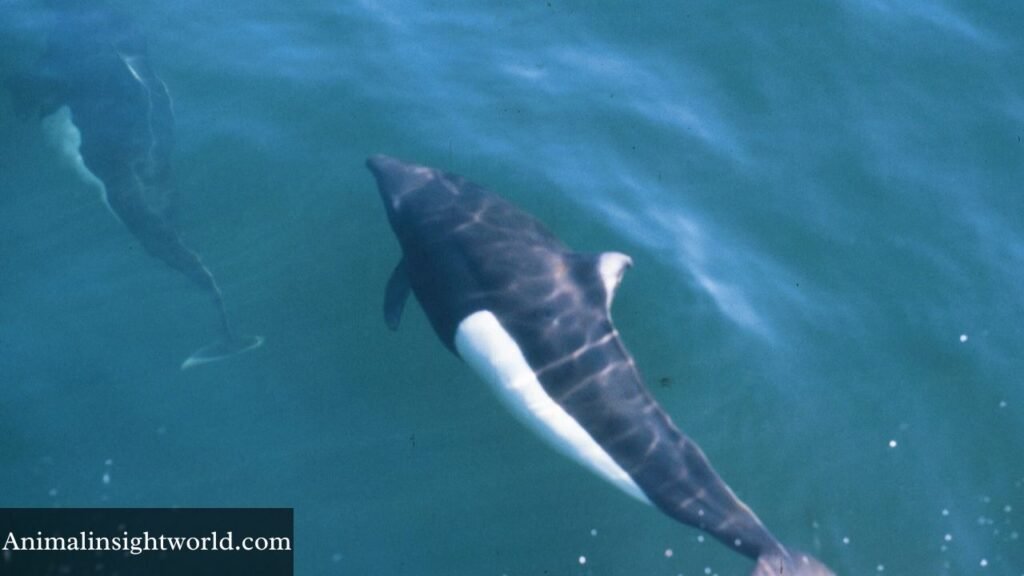
What truly sets Dall’s porpoises apart is their playful behavior and social dynamics. Often seen in groups, they engage in synchronized swimming and surf in the wake of boats, offering an exhilarating spectacle for onlookers. Their intelligence is evident not only in their social interactions but also in their ability to communicate using a unique repertoire of clicks and whistles. This social nature, combined with their speed, creates an engaging portrait of a species that thrives on both community and the thrill of the chase. As ocean ecosystems face increasing challenges, understanding and appreciating the nuances of Dall’s porpoise behavior becomes crucial in fostering conservation efforts for these incredible animals.
Green Sea Turtle
Scientific Name: Chelonia mydas
Class: Reptilia
Diet: Herbivore
The green sea turtle, a marvel of the ocean, uses its powerful flippers to glide through water with grace and agility. Capable of reaching swimming speeds of up to 35 miles per hour in short bursts, these turtles are not only built for swimming but also for survival. Their streamlined bodies, complemented by strong flippers, enable them to navigate effortlessly through their often-turbulent marine habitat, showcasing the elegance of evolution in adapting to life at sea.
Interestingly, the green sea turtle plays a pivotal role in maintaining the health of seagrass ecosystems. As they graze on seagrass, they promote new growth, which in turn supports a variety of marine species. This gentle herbivore, while seemingly slow in its movements, contributes significantly to the underwater landscape, demonstrating that even the most tranquil creatures are essential to their environment. In the face of increasing threats, such as climate change and habitat loss, the green sea turtle stands as a reminder of the interconnectedness of all ocean life and the importance of conservation efforts.
Harbor Seal
Scientific Name: Phoca vitulina
Class: Mammalia
Diet: Carnivore
The harbor seal, a marvel of marine evolution, epitomizes grace beneath the waves. Utilizing its powerful flippers, this agile swimmer can reach speeds of up to 25 miles per hour when evading predators or chasing down fish. But there’s more to these playful pinnipeds than just their swimming prowess; their unique adaptation of blubber lets them navigate the chilly waters with ease, transforming them into truly resilient ocean dwellers.
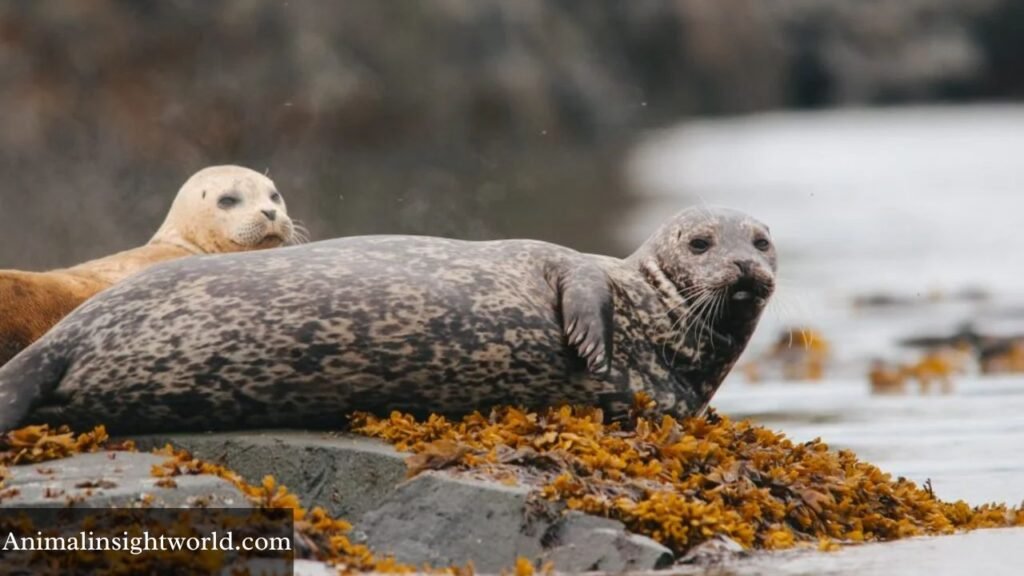
Not only do these seals demonstrate impressive speed, but their social structures also present intriguing dynamics. Typically spotted lounging on rocky shores, harbor seals communicate through a variety of vocalizations that enhance group cohesion, particularly during the playful pup-rearing season. Whether diving to depths of 300 feet or basking in the sun, their dual life on land and in water showcases an impressive balance of adaptability and charm, making them a captivating subject for both researchers and wildlife enthusiasts alike.
Readmore: Explore Top 11 Animals That Sweat.
Walrus
Scientific Name: Odobenus rosmarus
Class: Mammalia
Diet: Carnivore
The walrus, a true marvel of the Arctic, showcases nature’s perfect blend of strength and grace. Equipped with flippers, these massive creatures can seamlessly glide through icy waters, reaching impressive swimming speeds of up to 35 miles per hour. Their well-adapted bodies, adorned with long tusks, aid not only in hauling their sizable frames onto ice but also play a crucial role in social interactions and dominance displays.
Interestingly, walruses possess a unique ability to dive deep, sometimes reaching depths of over 300 feet. During these dives, they can hold their breath for up to 30 minutes, allowing them to forage for their favorite snack: clams. Their flippers, remarkably versatile, make them skilled navigators of the underwater world, demonstrating an agility that contradicts their bulkiness on land. Observing a walrus in its natural habitat offers a stunning glimpse into the delicate balance these gentle titans maintain within their frigid ecosystem, reminding us of the intricate ties between species and their environments.
Emperor Penguin
Scientific Name: Aptenodytes forsteri
Class: Aves
Diet: Carnivore
The Emperor Penguin is a fascinating marvel of evolution, uniquely adapted to the harsh Antarctic climate. With its flippers acting as powerful paddles, this remarkable bird can swim at speeds up to 15 miles per hour, navigating icy waters with remarkable agility. Unlike their airborne counterparts, Emperor Penguins have traded flight for finesse beneath the surface, executing twists and turns that enable them to evade predators such as seals.
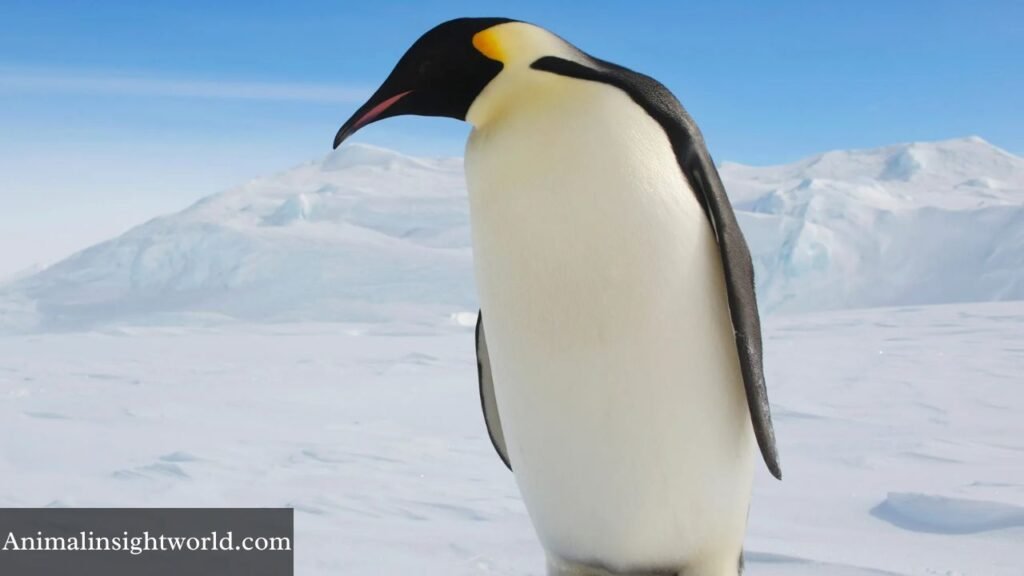
These sturdy flippers not only enhance their swimming prowess but also play a crucial role in their social interactions. During winter, when they gather in large colonies to incubate their eggs, these penguins engage in synchronized movements, showcasing a captivating display of unity and communication. This ability to maneuver efficiently in water juxtaposes their awkwardness on land, making their behavior all the more intriguing. Observing how they balance their life both above and underwater offers a glimpse into the wonders of adaptation and survival in extreme environments.
California Sea Lion
Scientific Name: Zalophus californianus
Class: Mammalia
Diet: Carnivore
California sea lions are remarkable creatures known for their agility and playful nature. These charismatic mammals can reach impressive swimming speeds of up to 25 mph, making them formidable hunters in the water. Their streamlined bodies and powerful flippers not only enhance their swift swimming capabilities but also allow them to execute acrobatic leaps and spins, thrilling onlookers along the California coastline.
Beyond their impressive athleticism, California sea lions display fascinating social behaviors. They often gather in large groups, creating a lively atmosphere on beaches and rocky shores. Here, they engage in vocal communication that can include barks, growls, and even a variety of honks, lending to their endearing personality. This social structure not only helps them bond but also plays a crucial role in their foraging strategies, as teamwork can significantly enhance their hunting efficiency in the rich waters of the Pacific.
Narwhal
Scientific Name: Monodon monoceros
Class: Mammalia
Diet: Carnivore
The narwhal, often dubbed the “unicorn of the sea,” captivates our imagination not just because of its iconic spiral tusk but also due to its remarkable adaptations for life in frigid Arctic waters. With a swimming speed that can reach up to 30 miles per hour in short bursts, these cetaceans are equipped to navigate icy landscapes where few others dare to venture. Their streamlined bodies and powerful flippers allow them to maneuver gracefully, a testament to evolution’s artistry.
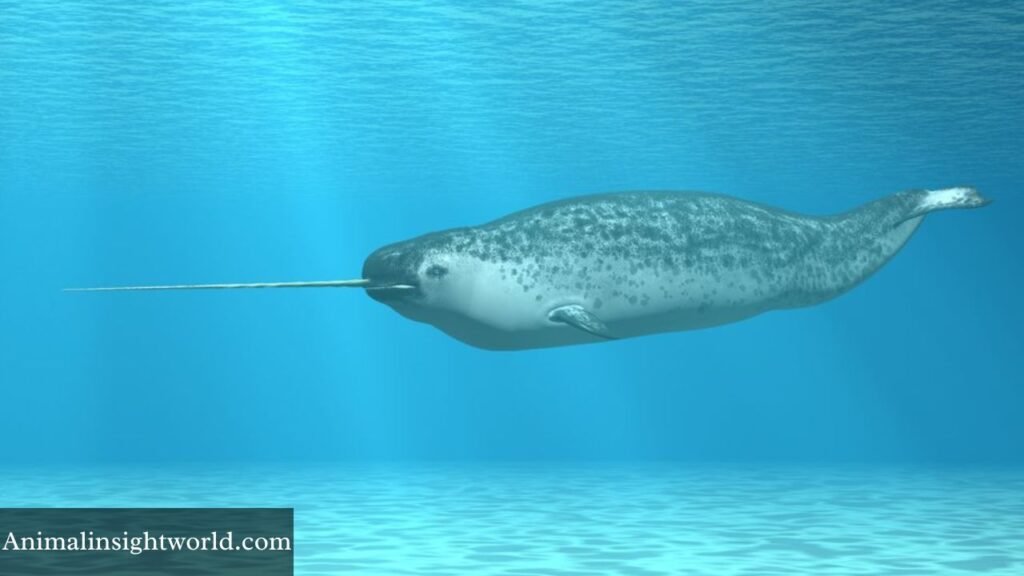
Beyond their unique appearance and agility, narwhals are also known for their sophisticated social structures, often forming small pods that communicate through a series of vocalizations. These sounds serve multiple purposes: from coordinating hunts to establishing social bonds. As they glide through the water, they engage in cooperative hunting, using echolocation to locate schools of fish amidst the darkness of the deep. This intelligence and teamwork are part of what makes the narwhal a fascinating subject for both researchers and enthusiasts alike, as it showcases the complex social lives of animals often overshadowed by their more well-known counterparts.
King Penguin
Scientific Name: Aptenodytes patagonicus
Class: Aves
Diet: Carnivore
The King Penguin is a true marvel of the animal kingdom, effortlessly combining grace and power in its aquatic pursuits. Capable of reaching swimming speeds of up to 15 miles per hour, these magnificent birds glide through the icy waters of the Southern Hemisphere with astounding agility. Their flippers, while seemingly diminutive compared to their body size, are perfectly evolved for propelling them through their chilly oceanic habitat, allowing them to dive deep in search of fish and krill.
Beyond their exceptional swimming prowess, King Penguins exhibit a fascinating social structure. They are known for their remarkable communication skills, using a series of vocalizations and body postures to maintain cohesion within their large breeding colonies. These birds also display a unique parenting style — sharing incubation duties and caring for their young cooperatively, ensuring the survival of their chicks in harsh Antarctic climates. Observing their interactions reveals a world of complex relationships and a deeper understanding of their resilience in the face of environmental challenges.
Monk Seal
Scientific Name: Monachus monachus
Class: Mammalia
Diet: Carnivore
Monk seals are fascinating creatures, embodying the elegance and agility of their flippered kin. These marine mammals, found primarily in the warm waters of the Mediterranean and Hawaiian regions, can reach impressive swimming speeds of up to 20 miles per hour. Their robust bodies and powerful flippers not only aid in swift navigation through the ocean but also result in a surprising grace that belies their size. This speed is essential for evading predators and hunting agile prey like fish and squid, showcasing the seal’s adaptability in its aquatic habitat.
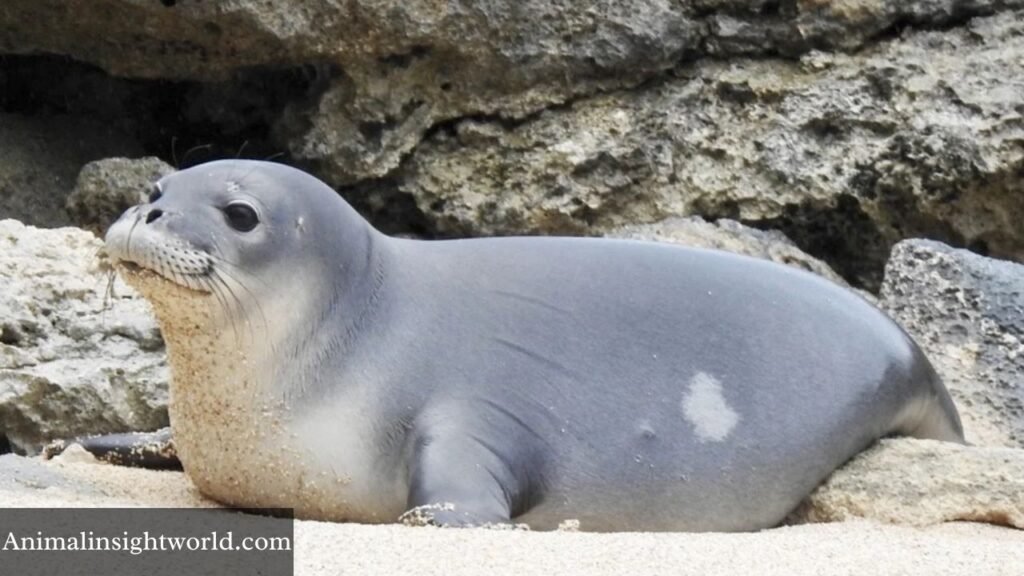
Besides their impressive physical capabilities, monk seals play a vital role in their ecosystems. As apex predators, they help maintain the balance of marine life, contributing to the overall health of coral reef ecosystems. Recent studies suggest that their foraging habits may even promote biodiversity by controlling fish populations, thus ensuring the survival of various species. Furthermore, these seals are known for their sociable nature during breeding seasons, often gathering in groups on secluded shores, hinting at a complex social structure that merits further exploration. In understanding the monk seal’s behaviors and contributions, we gain insight into the intricate web of life in our oceans, reminding us of the importance of conserving these unique marine mammals.
Kemp’s Ridley Sea Turtle
Scientific Name: Lepidochelys kempii
Class: Reptilia
Diet: Carnivore
Kemp’s Ridley sea turtles are remarkable creatures, renowned not just for their distinctive olive-grey shells but also for their impressive swimming speed. Capable of reaching speeds of up to 25 miles per hour in brief bursts, these turtles navigate the ocean with an agility that belies their size. This quickness is vital, enabling them to evade predators and swiftly reach their nesting sites along the Gulf of Mexico.
What makes their flippers so extraordinary is the adaptation that allows efficient swimming in both calm and turbulent waters. Unlike other turtles, Kemp’s Ridleys are known to engage in a unique behavioral phenomenon called “arribada,” where thousands gather on specific beaches to nest simultaneously. This synchronized event not only enhances their chances of protecting eggs from predation but also highlights an intricate aspect of their social structure. Despite the challenges they face due to habitat loss and climate change, these resilient turtles continue to inspire conservation efforts worldwide, reminding us of the fragility of marine ecosystems and the urgent need for their preservation.
Humpback Whale
Scientific Name: Megaptera novaeangliae
Class: Mammalia
Diet: Carnivore
Humpback whales, with their powerful flippers, showcase the perfect blend of grace and strength as they navigate the ocean. These massive mammals can reach swimming speeds of up to 16 mph, a remarkable feat considering their size, particularly during their impressive acrobatic displays. When they breach the surface, it’s not just a show; it’s a testament to their strength and agility, challenging our perceptions of what these gentle giants are capable of.
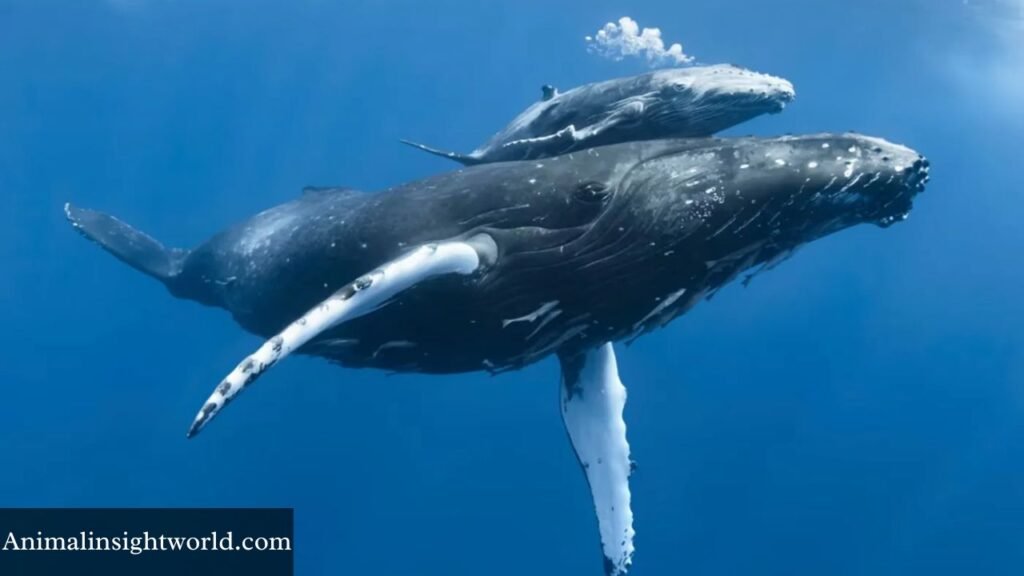
What truly sets humpback whales apart is their unique method of communication, using complex songs that can travel miles through the water. These melodies not only play a crucial role in mating but also underline their social structures. Moreover, their long, pectoral flippers are not just for steering; they aid in their remarkable maneuvering skills, allowing them to dodge predators and catch prey with surprising finesse. This combination of speed, agility, and social interaction makes the humpback whale a captivating symbol of marine life, reminding us of the wonders and mysteries still hidden beneath the ocean’s surface.
Blue Whale
Scientific Name: Balaenoptera musculus
Class: Mammalia
Diet: Carnivore
The blue whale, an extraordinary leviathan of the ocean, showcases the power and agility of its flippers in a remarkable way. These massive flukes, often measuring up to 25 feet wide, not only aid in propelling its enormous body through the water but also play a crucial role in its maneuverability. Despite its formidable size, the blue whale can swim at impressive speeds, reaching up to 20 miles per hour in short bursts. This astonishing velocity, combined with its sleek, streamlined shape, allows it to navigate the vast expanses of the ocean with surprising grace.
One of the most captivating aspects of the blue whale is its feeding strategy, which leverages its unique physiological adaptations. During the feeding season, these gentle giants employ lunge-feeding, where they propel themselves upwards with the help of their flippers, engulfing vast amounts of krill. This intricate dance of survival not only showcases their impressive physiology but also highlights the ecological balance within marine ecosystems. As the blue whale glides effortlessly through the depths, it serves as a vital reminder of the mysteries of the ocean and the remarkable capabilities of nature’s largest animals.
Sea Otter
Scientific Name: Enhydra lutris
Class: Mammalia
Diet: Carnivore
Sea otters are fascinating creatures that embody both grace and playfulness in the ocean’s depths. With their powerful flippers, they can swim at impressive speeds of up to 5 miles per hour, deftly maneuvering through kelp forests and rocky coastlines. Contrary to the solitary lifestyles often observed in the animal kingdom, these charismatic marine mammals thrive in social groups called rafts, sometimes consisting of up to 20 individuals. This social structure not only aids in foraging but also provides a warm communal embrace, essential for keeping their thick fur insulated against cold waters.
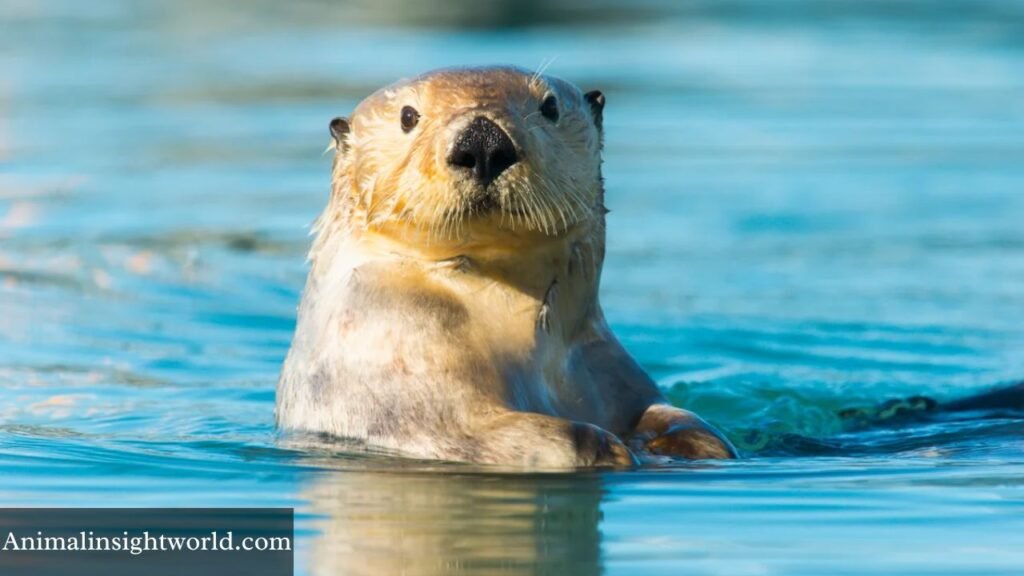
Their unique foraging behavior reveals a remarkable intelligence and dexterity. Sea otters utilize tools, often using rocks to crack open shellfish and access nutrient-rich goodies hidden within. Observing their antics can be a testament to nature’s ingenuity; an otter may often be seen floating on its back, skillfully balancing a favorite stone on its chest while snacking. This blend of speed, sociality, and cleverness highlights why sea otters are not only vital to their ecosystems — helping to maintain kelp forest health by controlling sea urchin populations — but also an enduring symbol of the ocean’s intricate web of life.
Orca
Scientific Name: Orcinus orca
Class: Mammalia
Diet: Carnivore
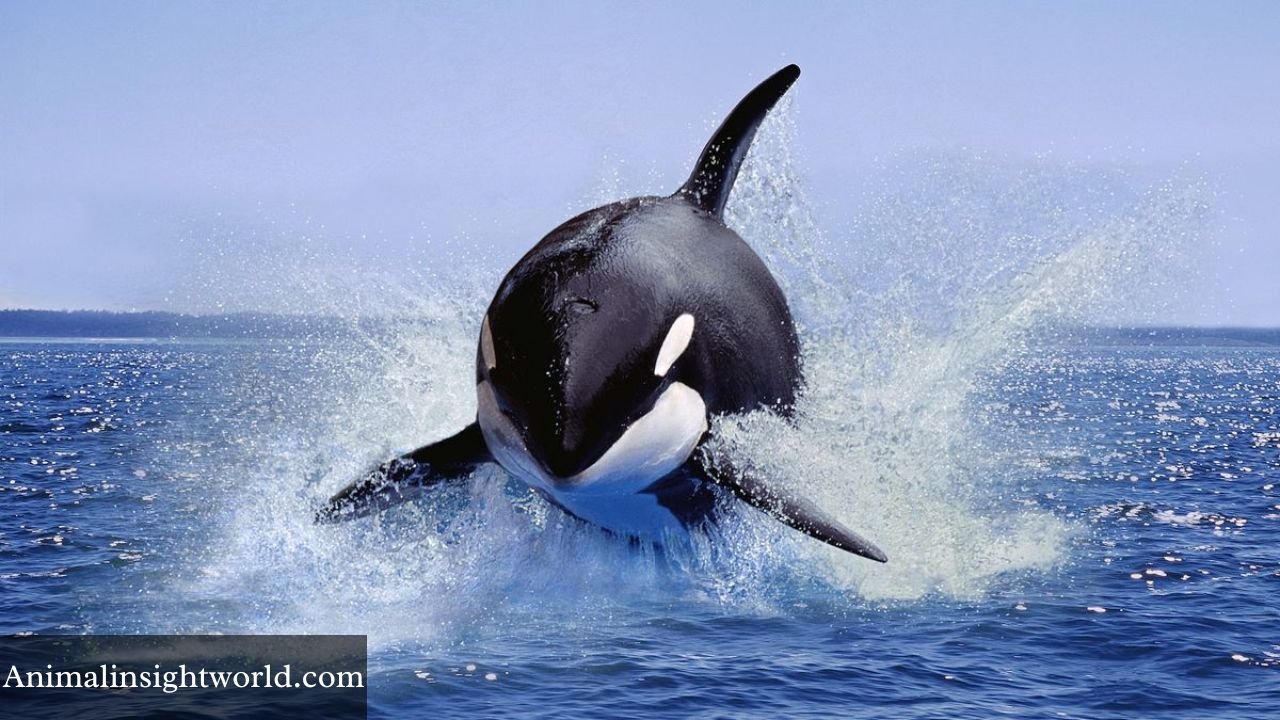
Orcas, often dubbed “killer whales,” are among the ocean’s most fascinating creatures, showcasing a remarkable blend of beauty and power. These social mammals are not just known for their striking black-and-white coloration but also for their impressive swimming speed, reaching up to 34 miles per hour in short bursts. This agility allows them to hunt with precision, employing sophisticated cooperative strategies that highlight their intelligence and social structure.
Beyond their swift swimming, orcas are unique in their vocalizations. Each pod has its distinct dialect, facilitating communication and enhancing group cohesion during hunts. This advanced social behavior contrasts sharply with many solitary marine species, illustrating how flippers serve not just for locomotion but also for a life steeped in complex social interactions. As predators at the top of the marine food chain, orcas play a crucial role in maintaining the ecological balance of their underwater environment, reminding us of the intricate web of life beneath the waves.
Leatherback Sea Turtle
Scientific Name: Dermochelys coriacea
Class: Reptilia
Diet: Carnivore
The leatherback sea turtle, the largest of its kind, showcases flippers as remarkable tools of adaptation. Unlike other turtles, leatherbacks lack a hard shell; instead, their unique leathery skin allows them to dive deeper and swim faster. Capable of reaching swimming speeds up to 22 miles per hour, these magnificent creatures are designed for endurance as well as speed, traversing thousands of miles across oceans in search of jellyfish — a favored delicacy.
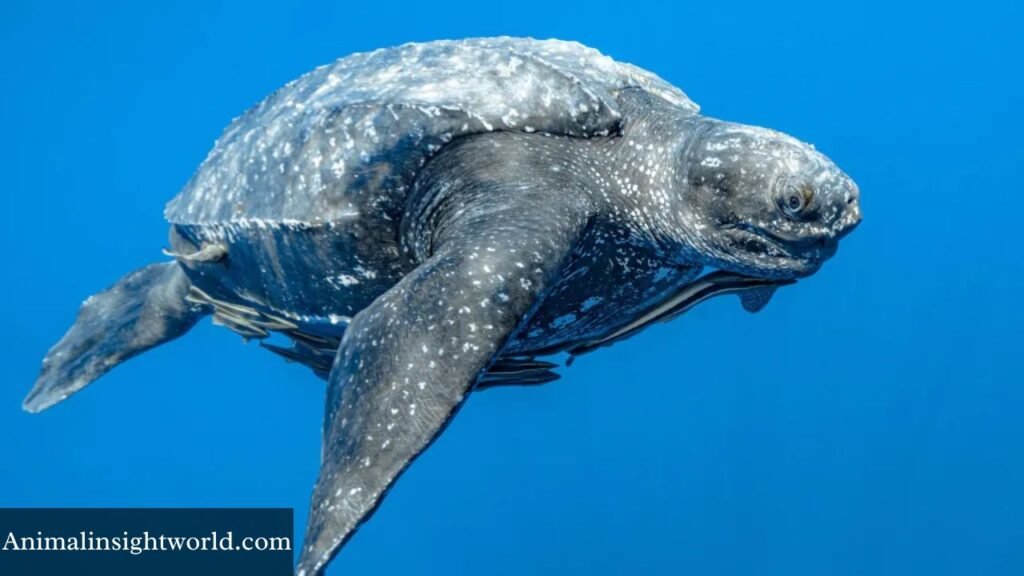
What’s particularly fascinating is how these turtles manage to maintain their body temperature in frigid waters, thanks to a specialized counter-current heat exchange system in their flippers. This adaptation not only allows them to thrive in colder climates but also enables them to dive to depths exceeding 4,000 feet, making them one of the deepest-diving reptiles. As scientists continue to study their migratory patterns and the impact of climate change on their habitats, the leatherback sea turtle stands out as a key indicator of ocean health, highlighting the intricate connection between marine life and environmental change.
Elephant Seal
Scientific Name: Mirounga
Class: Mammalia
Diet: Carnivore
The elephant seal, with its remarkable flippers, is a true marvel of the marine world. These bulky yet agile creatures can reach astonishing swimming speeds of up to 25 miles per hour when chasing prey, showcasing their prowess in the open ocean. Their large flippers, adapted for powerful strokes, allow them to dive to impressive depths, often exceeding 1,500 feet, while holding their breath for over an hour. This unique combination of speed and endurance makes them formidable predators in the chilly waters of the Pacific.
What sets elephant seals apart, however, is not just their physical abilities but their fascinating social behaviors. During breeding season, males engage in loud vocalizations and intense battles for dominance, often establishing hierarchies that determine their access to mates. These interactions provide a glimpse into their complex social structure, where size and strength play crucial roles. Observing these magnificent animals, one can’t help but appreciate how their flippers are not merely appendages; they are essential tools for survival in a demanding environment, highlighting the intricate relationship between evolution and marine life.
Leopard Seal
Scientific Name: Hydrurga leptonyx
Class: Mammalia
Diet: Carnivore
Leopard seals, the sleek predators of the Antarctic, are truly fascinating creatures, known for their striking spotted coats and impressive swimming speeds reaching up to 37 km/h (23 mph). Unlike many marine mammals, they possess an agility that allows them to navigate between ice floes with remarkable ease, making them not only efficient hunters but also captivating to observe in their natural habitat. Their flippers, adapted for powerful propulsion, enable quick turns and bursts of speed when pursuing prey like krill and penguins.
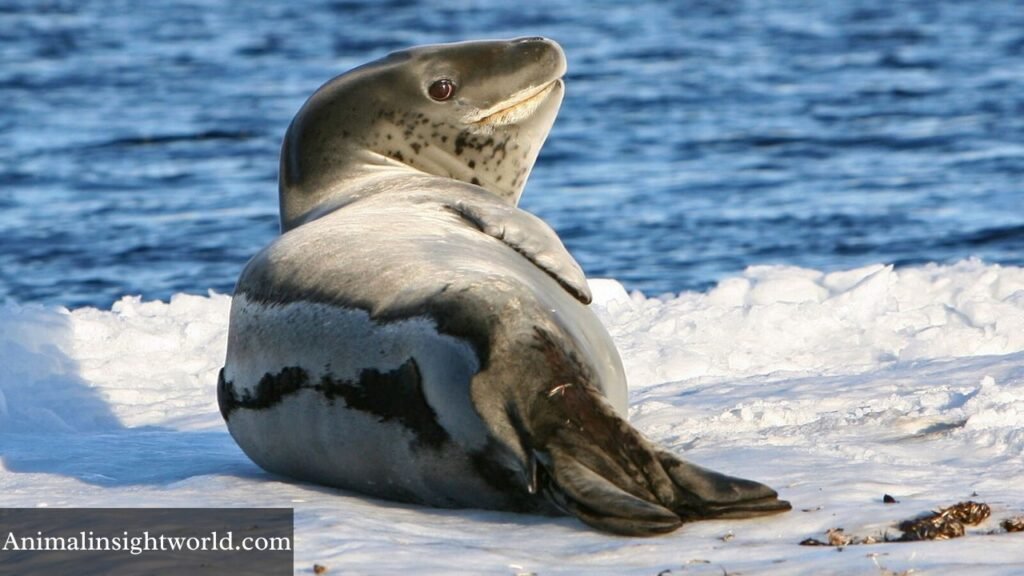
One of the most intriguing aspects of the leopard seal is its unique vocalization patterns, which have been observed to change depending on their social context or hunting needs. This adaptability illustrates a level of intelligence that’s often overlooked in marine life. With a diet that shifts seasonally, these seals showcase the intricate balance of the Antarctic ecosystem, reminding us of the delicate interconnections within nature. Observing a leopard seal in action reveals not only its physical prowess but also its role as a key player in the marine food web, highlighting the importance of conservation efforts in their frigid home.
Bottlenose Dolphin
Scientific Name: Tursiops truncatus
Class: Mammalia
Diet: Carnivore
Bottlenose dolphins, renowned for their agility and intelligence, are a marvel of marine evolution. With their sleek bodies and powerful flippers, these creatures can reach impressive swimming speeds of up to 37 km/h (23 mph). This remarkable speed not only aids in escaping predators but also makes them highly efficient hunters. Their flippers, a unique adaptation, not only steer them gracefully through the surf but also work as tools for social interaction, communication, and even playing with ocean currents.
What sets bottlenose dolphins apart is their complex social structures. Living in pods, these mammals exhibit behaviors that hint at sophisticated social bonds, akin to human relationships. Their playful nature often manifests in acrobatic displays, where they breach and ride the waves, showcasing their natural agility. Moreover, research indicates that they possess unique vocalizations, allowing them to maintain social ties and coordinate group movements while swimming at remarkable speeds. This social sophistication, combined with their physical prowess, makes the bottlenose dolphin a true icon of the marine world.
Manatee
Scientific Name: Trichechus manatus
Class: Mammalia
Diet: Herbivore
Manatees, often affectionately dubbed “sea cows,” possess flippers that adapt uniquely to their gentle, aquatic lifestyles. Unlike the swift movements of dolphins, manatees glide through the water at an average swimming speed of around 5 miles per hour. This leisurely pace is in stark contrast to their robust size, typically reaching lengths of 10 to 13 feet and weighing up to 1,300 pounds. Their flippers, which are modified forelimbs, allow them to navigate their warm, coastal habitats with surprising grace, even as they munch on over 100 different species of aquatic vegetation daily.
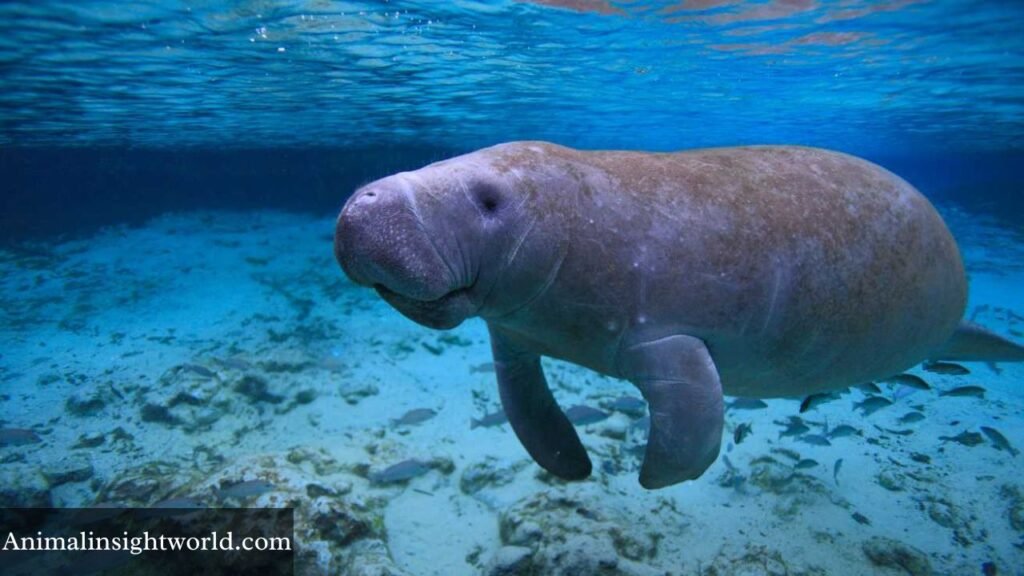
These peaceful creatures are not just fascinating for their size and relaxed demeanor; they also serve as vital indicators of healthy marine ecosystems. As herbivores, manatees play a crucial role in seagrass bed maintenance, which in turn supports a plethora of other marine life. Unfortunately, despite their non-threatening nature, manatees face numerous challenges, from habitat loss to collisions with boats. Understanding and appreciating these gentle giants, their swimming behaviors, and their ecological importance fosters a deeper connection to conservation efforts that are essential for their survival and the health of our waters.
Galapagos Penguin
Scientific Name: Spheniscus mendiculus
Class: Aves
Diet: Carnivore
The Galapagos penguin, the only species of penguin found north of the equator, thrives in the unique ecosystem of the Galapagos Islands. These fascinating creatures have adapted remarkably to their environment, showcasing a mix of agility and charm. With the ability to reach swimming speeds of up to 20 miles per hour, they navigate through both air and water with striking grace, often diving to depths of around 200 feet in search of food. Their sleek, hydrodynamic bodies, accentuated by their flipper-like wings, enable them to make swift, sharp turns while pursuing fish.
What’s particularly captivating about the Galapagos penguin is its social behavior and adaptability to varying temperatures. Unlike their cold-weather relatives, these penguins have evolved to cope with warmer climates, often resorting to unique behaviors like panting or spreading their flippers to cool down. They exhibit intriguing social structures, often seen basking with their flippers splayed, a behavior that not only aids in temperature regulation but also strengthens social bonds within their small colonies. Such adaptations offer a fresh perspective on the resilience of species in the face of climate change, highlighting the delicate balance these animals maintain in their distinctive habitat.
Dugong
Scientific Name: Dugong dugon
Class: Mammalia
Diet: Herbivore
Dugongs, often overshadowed by their more famous relative, the manatee, are fascinating marine mammals that grace warm coastal waters. With their distinctive flippers resembling paddle-like limbs, dugongs glide through the ocean at a swimming speed of up to 10 miles per hour. This unassuming pace allows them to conserve energy, making them expert grazers of seagrass, their primary diet. Interestingly, these gentle herbivores play a vital role in maintaining seagrass ecosystems, contributing to the overall health of coastal environments.
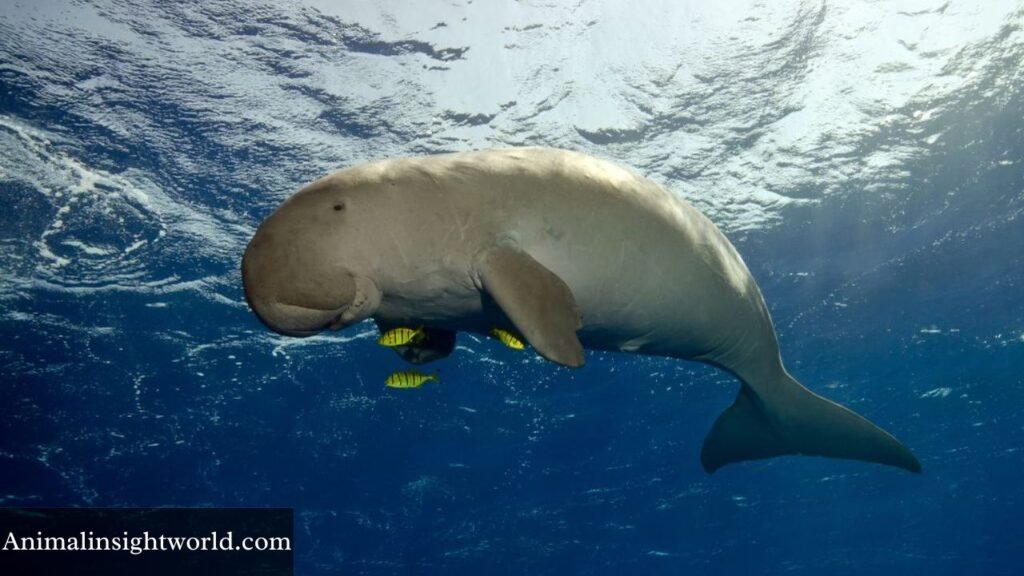
Despite their seemingly peaceful existence, dugongs face numerous challenges, including habitat loss and fishing net entanglements. Their unique physiology, adapted for a slow-paced lifestyle, makes them particularly vulnerable to extinction. As they continue to navigate the shifting tides of climate change and human impact, the plight of the dugong serves as a poignant reminder of the interconnectedness of marine ecosystems. Protecting these remarkable creatures is not just about preserving biodiversity; it reflects our responsibility to safeguard an entire aquatic world that thrives beneath the surface.
Readmore: Explore Top 21 Animals With Scales.
Final Thoughts
Animals with flippers have adapted remarkably to their aquatic environments, showcasing a fascinating blend of evolution and physiology. From the sleek movements of seals to the graceful glides of penguins, these creatures demonstrate the diverse ways nature equips species for survival in water. The unique adaptations of flippers not only enhance mobility but also play crucial roles in thermoregulation and social interactions. Understanding these animals enriches our appreciation for the complexities of marine life and the ecosystems they inhabit. Let us commit to protecting their habitats and ensuring that future generations can enjoy the wonders of wildlife.
FAQs
What animals have flippers?
Flippers are commonly found in marine animals adapted for swimming. Sea mammals like seals, sea lions, and walruses all have flippers that help them maneuver through water. These adaptations are crucial for their aquatic lifestyles, allowing them to swim efficiently and catch prey. In addition to mammals, various species of birds, such as penguins, also have flippers, though they are more like modified wings. Penguins use their flippers to propel themselves underwater, making them agile divers.
Which bird has flippers?
The bird known for having flippers is the penguin. Unlike most birds that have wings for flying, penguins have evolved flippers that are specialized for swimming. These flippers allow them to glide effortlessly through the water, making them agile hunters. There are several species of penguins, including the Emperor and Adélie penguins. They primarily inhabit the Southern Hemisphere, especially in regions like Antarctica. Their unique adaptations, such as flippers and a streamlined body, help them thrive in their aquatic environment.
What is a mammal with flippers?
A mammal with flippers is typically a marine mammal, such as a seal or a sea lion. These animals have adapted to life in the water with their flipper-like limbs, allowing them to swim efficiently. Unlike fish, they are warm-blooded, breathe air, and nurse their young. Another example is the walrus, which also has flippers and is known for its distinctive tusks. These mammals are social creatures, often found in groups or colonies, and they rely on their flippers for movement both in the water and on land.