Top 11 Animals That Sweat (With Images)
Did you know that not all animals regulate their body temperature the same way humans do? While we often think of sweat as solely a human trait, various animals also have their own unique ways of sweating to keep cool. In this article, we’ll explore the fascinating world of animals that sweat and uncover the surprising methods they use to adapt to their environments. By the end, you’ll gain a deeper appreciation for the diverse ways life on Earth copes with heat.
List of Animals That Sweat
Below is the list animals that sweat:
- Horse
- Chimpanzee
- Dogs
- Zebra
- Cow
- Baboons
- Spider monkey
- Gorilla
- Cats
- Donkey
- Camel
Horse
Scientific name: Equus ferus caballus
Class: Mammalia
Diet: Herbivore
Among the animal kingdom, horses stand out not just for their beauty and strength but also for their unique sweating ability. Unlike many other mammals, horses have a highly efficient cooling system that relies on sweat glands concentrated across their bodies. When exerted, these majestic creatures sweat profusely — so much so that they can lose up to 10 liters of sweat during intense exercise. The key player in this process is a protein called latherin, which helps distribute moisture across the skin, promoting rapid evaporation and effective cooling.
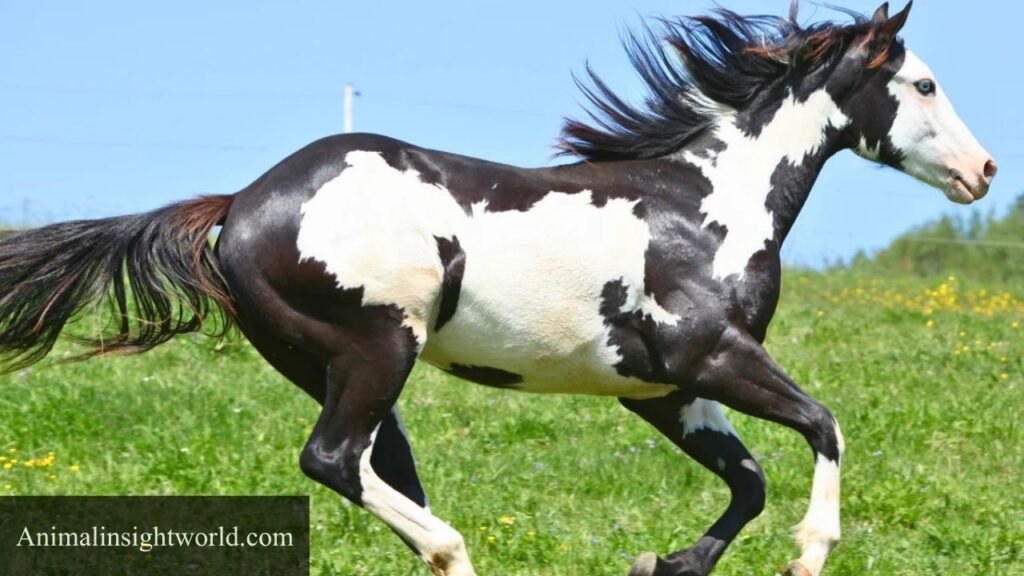
Interestingly, the sweat of a horse isn’t merely water; it contains various electrolytes and proteins. This tumultuous mix helps replenish essential minerals lost during exertion, an aspect that trainers and caretakers must keep in mind. Furthermore, sweat also serves a social function, as horses can communicate their stress levels through their scent. By examining a horse’s lathered coat, one can glean insights into its emotional state and physical condition — an intimate connection between horse and handler that fosters trust and understanding.
Chimpanzee
Scientific name: Pan troglodytes
Class: Mammalia
Diet: Omnivore
Surprisingly, chimpanzees share a unique trait with humans: the ability to sweat. While their sweat glands are less efficient than ours, especially during physical exertion, they still play a role in regulating body temperature. This characteristic is essential given the chimpanzee’s natural habitat, where temperatures can soar. By sweating, they can cool down after vigorous activities like climbing or playing, which are integral to their social interactions and overall well-being.
Interestingly, chimpanzees primarily sweat on their faces and palms, where they can easily dissipate heat during high-energy bouts of playfulness or foraging. This focused sweating highlights a fascinating adaptation; unlike humans who sweat all over, chimps have developed a method that suits their unique lifestyle. In addition to sweating, they rely heavily on shade and social grooming to manage heat, showcasing an intricate relationship between behavior and environmental adaptation. This blend of physiological and social strategies paints a complex picture of how our primate cousins thrive under the heat of the African sun.
Dogs
Scientific name: Canis lupus familiaris
Class: Mammalia
Diet: Omnivore
Dogs primarily rely on panting as their main method of cooling off, but they do have sweat glands, albeit in limited capacities. These glands, found in their paw pads, serve a unique purpose; they help with grip and traction rather than regulating body temperature. When a dog experiences heat stress, you might notice them leaving wet paw prints on hot surfaces, a subtle reminder that they’re trying to manage their body heat in their own distinctive way.
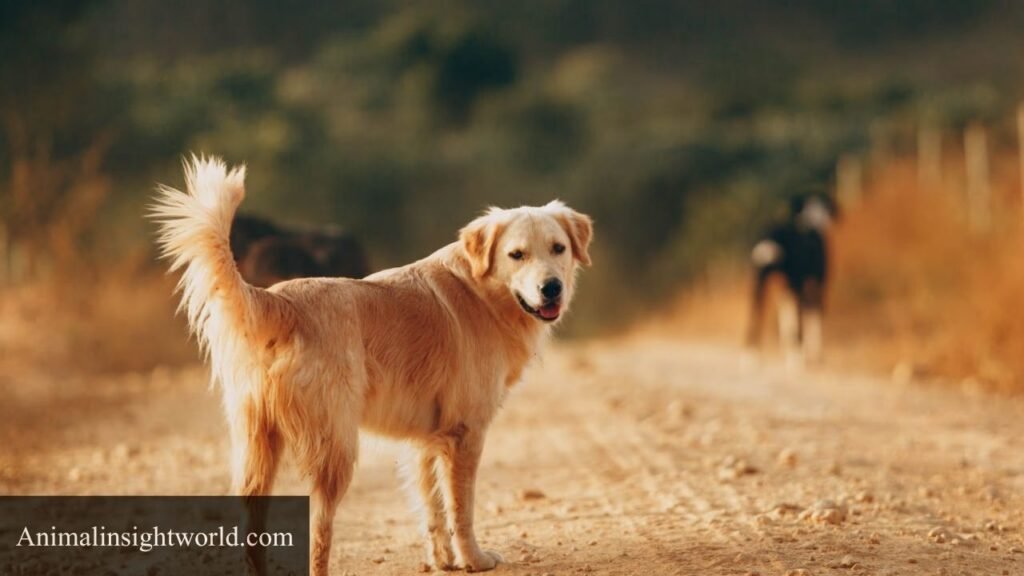
Interestingly, the anatomy of a dog’s sweat glands reveals a fascinating evolution of their survival strategies. Unlike humans, who have sweat glands distributed throughout the body, dogs have adapted to their environment by prioritizing other cooling mechanisms, like panting. This is particularly ingenious, considering how their ancestors hunted and roamed in varied climates without the luxury of modern comforts. Moreover, the way dogs express discomfort or heat stress can give pet owners insightful cues about their health and well-being, highlighting the importance of monitoring their reactions to temperature changes.
Readmore: Explore Top 21 Animals that Growl.
Zebra
Scientific name: Equus quagga
Class: Mammalia
Diet: Herbivore
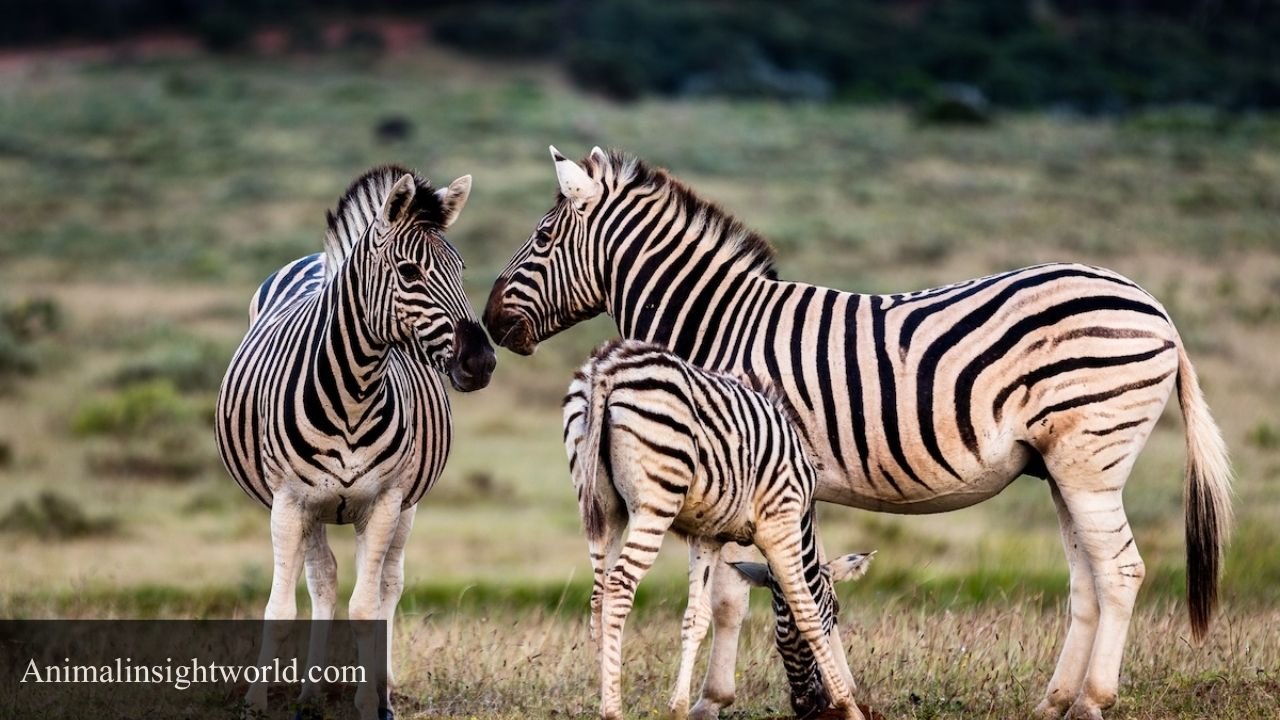
Zebras, often celebrated for their striking black and white stripes, possess a unique physiological trait that sets them apart from many other animals: they can sweat. While this ability is common in mammals, the way zebras utilize sweating for thermoregulation is particularly fascinating. In the hot savannahs of Africa, where temperatures can soar, these equines have evolved to manage heat effectively, demonstrating resilience and adaptability.
Their sweat contains a mix of water, salt, and proteins, which helps cool their bodies when they’re active under the relentless sun. Interestingly, the stripes of a zebra go beyond aesthetics; they also play a role in regulating body temperature. Research suggests that the contrasting colors create microclimates across their skin, allowing for some evaporation and cooling. This dual mechanism of sweating combined with stripe-induced airflow makes zebras remarkable survivors in their harsh environment, proving that nature often finds ingenious solutions to life’s challenges.
Cow
Scientific name: Bos taurus
Class: Mammalia
Diet: Herbivore
Cows have a fascinating yet often overlooked adaptation when it comes to regulating their body temperature: they sweat, albeit not nearly as efficiently as humans. Their sweat glands are less developed, which means that while they do contribute to cooling, it plays a minimal role in their overall thermoregulation. Instead, cows rely heavily on behavioral strategies, such as seeking shade, standing in water, or reducing their feed intake during hot weather. This multifaceted approach highlights their resilience in adapting to varying climates.
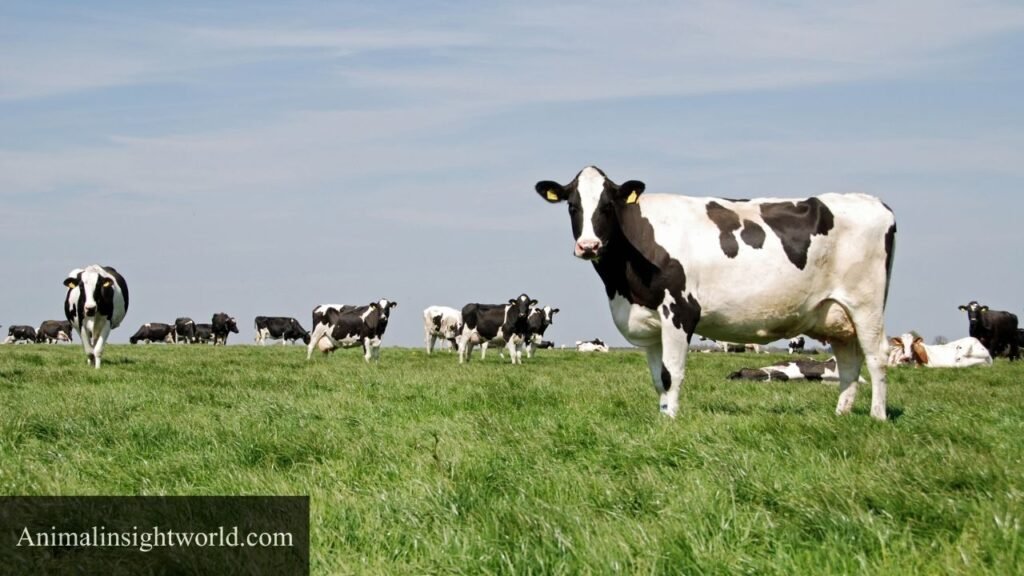
Interestingly, a cow’s thick hide also plays a significant role in maintaining their comfort. While it may seem counterintuitive, this protective layer actually offers some insulation against heat, helping to keep their body temperature more stable. Moreover, cows have an intriguing social behavior pattern known as “standing in groups,” which can amplify the cooling effect through shared body heat reduction and enhanced airflow.
Baboons
Scientific name: Papio anubis
Class: Mammalia
Diet: Omnivore
Baboons stand out in the animal kingdom not only for their social structures and intelligence but also for their unique sweating abilities. Unlike most primates, baboons can sweat through specialized glands on their hands and feet, allowing them to regulate body temperature while navigating the sweltering savannas of Africa. This adaptation is vital for their survival, especially as they engage in long foraging expeditions under the intense sun, making them one of the few non-apes to benefit from this form of thermoregulation.
Their social behavior plays an intriguing role in their sweating. In the close-knit troop dynamics, baboons often engage in grooming, which helps circulate blood and enhances sweating during heightened activities. This not only aids in cooling down but also reinforces social bonds within the group. Observing these interactions, one can appreciate how a simple act of sweating intertwines with their complex social structures, illustrating that survival in the wild is as much about physical adaptations as it is about social collaborations.
Spider monkey
Scientific name: Ateles geoffroyi
Class: Mammalia
Diet: Frugivore
Spider monkeys, with their long limbs and prehensile tails, epitomize agility in the treetops of Central and South American rainforests. While often associated with their playful antics and social structures, these fascinating primates exhibit a lesser-known physiological trait: they sweat. Unlike humans, spider monkeys have fewer sweat glands, primarily concentrated on their hands and feet, which helps them maintain grip while navigating their arboreal realm.
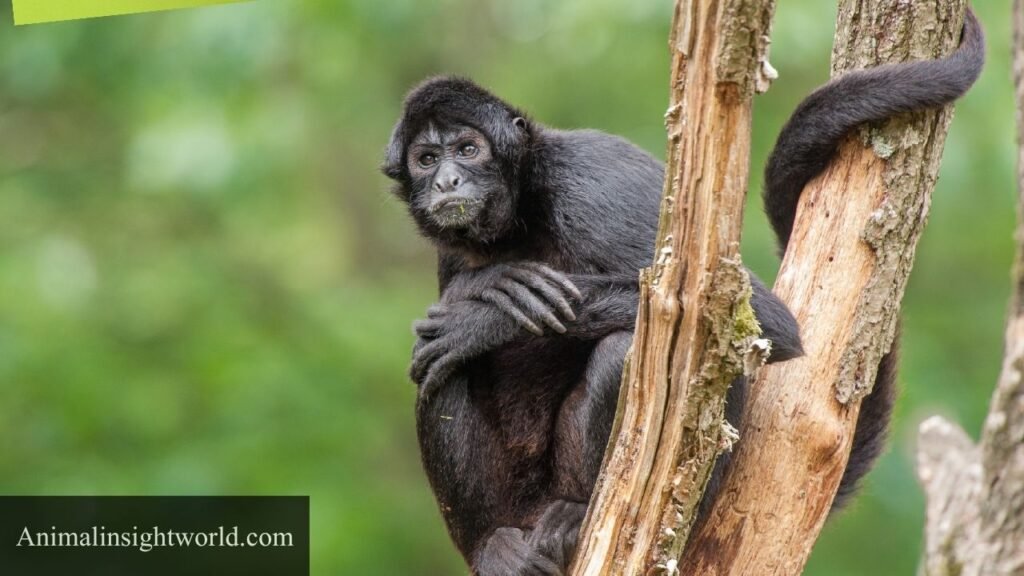
This limited sweating capability offers an intriguing glimpse into the adaptations of jungle life. In the humid rainforest, where temperatures can soar, spider monkeys engage in behaviors to cool down — like hanging out in the shade or taking a dip in rivers. Their social dynamics also play a role; when they groom one another, it not only strengthens bonds but also aids in thermoregulation, as the act stimulates circulation and can cool their bodies.
Gorilla
Scientific name for Western gorilla: Gorilla gorilla
Scientific name for Eastern gorilla: Gorilla beringei
Class: Mammalia
Diet: Herbivore
Gorillas possess a fascinating yet limited ability to sweat, primarily through their hands and feet. Unlike humans, whose entire bodies are equipped with sweat glands, gorillas rely on different methods to cool down, largely due to their dense fur and the predominantly humid environments they inhabit. This innate difference highlights an evolutionary adaptation designed to maintain their strength and insulating warmth in dense forests, rather than endure the heat as humans do.
Interestingly, when gorillas do need to cool off, they may resort to other behaviors, such as seeking shade or cooling themselves in streams and rivers. Their social structures also play a role in thermoregulation; during particularly hot days, adult males can often be seen resting in groups to share body heat, creating a microclimate that helps all members maintain a comfortable temperature. This interplay between their physical traits and social behaviors makes gorillas an intriguing study in adaptation, showcasing how different species meet the environmental challenges they face.
Cats
Scientific name: Felis catus
Class: Mammalia
Diet: Carnivore
While cats are often thought to be non-sweaters, they actually possess sweat glands, particularly in their paw pads. When a cat is overheated or stressed, these glands help regulate temperature by secreting small amounts of sweat, though it’s not nearly as effective as in humans. This unique physiological trait allows them to maintain a degree of coolness, albeit subtly, which contributes to their remarkable agility and grace.
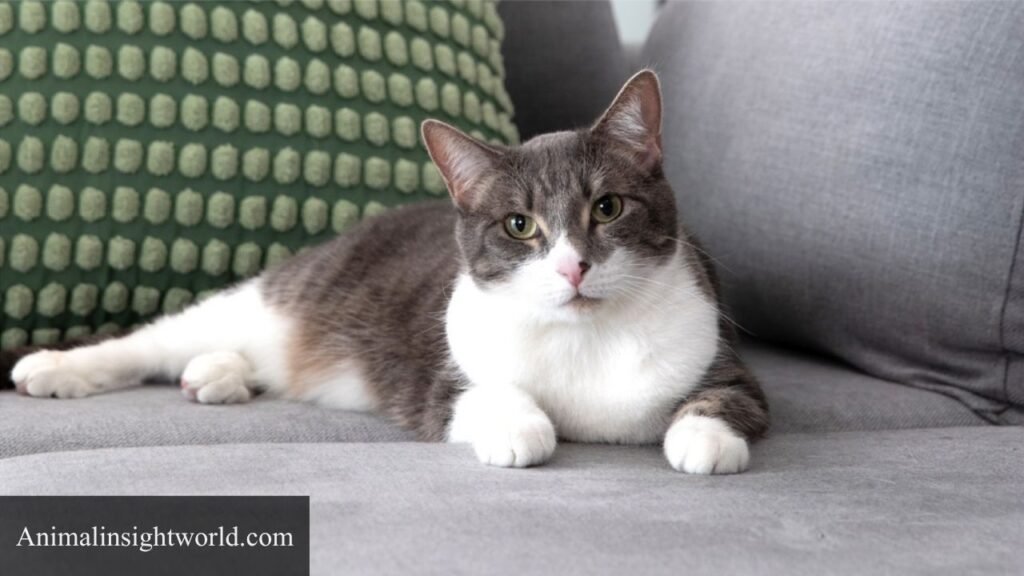
Moreover, cats utilize other strategies to cool down, such as stretching out and seeking out cooler surfaces. They often unearth their own little shady spots, demonstrating an instinctual understanding of their environment. Interestingly, their behavior during hot weather, like excessive grooming, isn’t solely about cleanliness; it also acts as a means to disperse heat.
Donkey
Scientific name: Equus africanus asinus
Class: Mammalia
Diet: Herbivore
Donkeys, often considered the unsung heroes of the animal kingdom, have a unique approach to sweating. Unlike many other mammals, they possess a surprisingly small number of sweat glands, which means they don’t sweat as profusely. When a donkey does sweat, it’s an impressive sight; their coarse fur can become slick, carrying a distinctive odor that reflects their environment. This adaptation is a natural response to heat and strenuous activity, allowing them to conserve water and energy.
Interestingly, donkeys primarily rely on behavioral adaptations to cope with heat, such as seeking shade or resting during the hottest parts of the day. Their social nature plays a role; they often huddle together, providing each other with cooling effects through their combined body heat. This communal effort underscores the importance of social structures in donkey herds, showcasing a critical interplay between their physical and behavioral traits in managing their well-being
Camel
Scientific name for Dromedary camel: Camelus dromedarius
Scientific name for Bactrian camel: Camelus bactrianus
Class: Mammalia
Diet: Herbivore
Camels have a unique twist on the typical concept of sweating. Unlike many mammals, they can withstand significant dehydration, allowing them to lose as much as 25% of their body weight through sweat without suffering adverse effects. This ability emanates from their thick skin and specialized sweat glands that help regulate body temperature efficiently in extreme heat, particularly in arid desert environments.
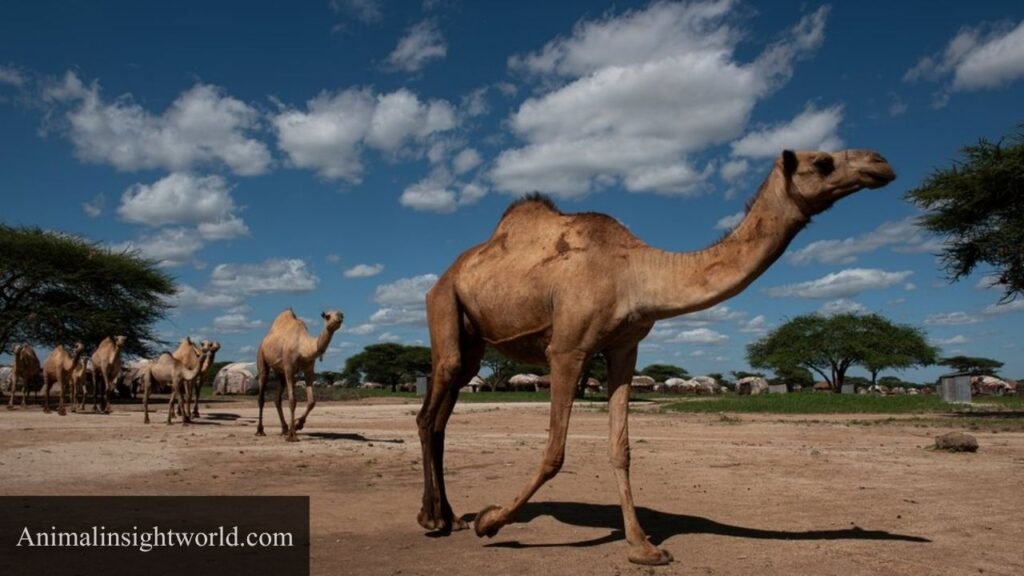
One of the remarkable aspects of a camel’s physiology is its capability to sweat gradually, which prevents excessive moisture loss while cooling its body. When these animals finally do sweat, it’s a strategic response, often after a significant increase in temperature rather than constant perspiration. This adaptation not only conserves water but also enables them to maintain a stable internal environment. This extraordinary endurance showcases the camel’s evolution as a master of survival, thriving in conditions where most other animals would falter.
Readmore: Explore Top 24 Animals That Have Small Ears.
Final Thoughts
Sweating is a vital mechanism for several animal species, enabling them to maintain their body temperature and survive in diverse climates. From horses to primates, these animals showcase the fascinating adaptations that evolution has crafted for thermoregulation. While not all creatures rely on sweat for cooling, those that do demonstrate the amazing diversity of life on our planet. Understanding the role of sweat in the animal kingdom not only deepens our appreciation for these species but also highlights the interconnectedness of all living beings. Let’s continue to explore and protect the unique adaptations of wildlife, as every creature plays a crucial role in our ecosystem.
FAQs
Do animals sweat?
Yes, some animals do sweat. For instance, horses sweat to regulate their body temperature, and they even produce a protein called latherin, which helps spread moisture on their skin for effective cooling. However, most animals have other methods to manage heat, like panting or seeking shade. Dogs and cats have sweat glands too, but they’re mostly located on their paw pads. Instead of sweating to cool down, they primarily rely on panting and other behaviors.
What animals sweat?
While humans are well-known for sweating, a few other animals do too. Horses are one of the most notable examples; they sweat through their skin, primarily to regulate body temperature during intense exercise. Some primates, like monkeys, also sweat, although not as extensively as humans. Cattle and dogs have sweat glands located mainly in their paw pads but primarily rely on panting to cool down.
What animal sweats the most?
The animal that sweats the most is generally considered to be the horse. Horses have a highly developed sweat gland system, which helps them regulate their body temperature during intense physical activity. Their sweat contains a protein called latherin that allows it to spread and evaporate quickly, making cooling more efficient.
Do monkeys sweat?
Monkeys do sweat, but not in the same way humans do. While they have sweat glands, their ability to sweat is limited, and it’s not an effective cooling mechanism for them. Most primates rely more on other methods, like seeking shade or resting, to regulate their body temperature.
Do gorillas sweat?
Gorillas do sweat, but not in the same way humans do. They have fewer sweat glands, which means they can’t cool themselves as effectively through sweating. Instead, they rely on other methods for temperature regulation, like seeking shade or resting during the hottest parts of the day. When they do sweat, it’s mostly localized to their hands and feet. This helps with grip, especially when climbing.
Do deer sweat?
Yes, deer do sweat, but not in the same way humans do. They have sweat glands, primarily concentrated in areas like their noses and feet. However, their ability to cool down through sweating is quite limited.