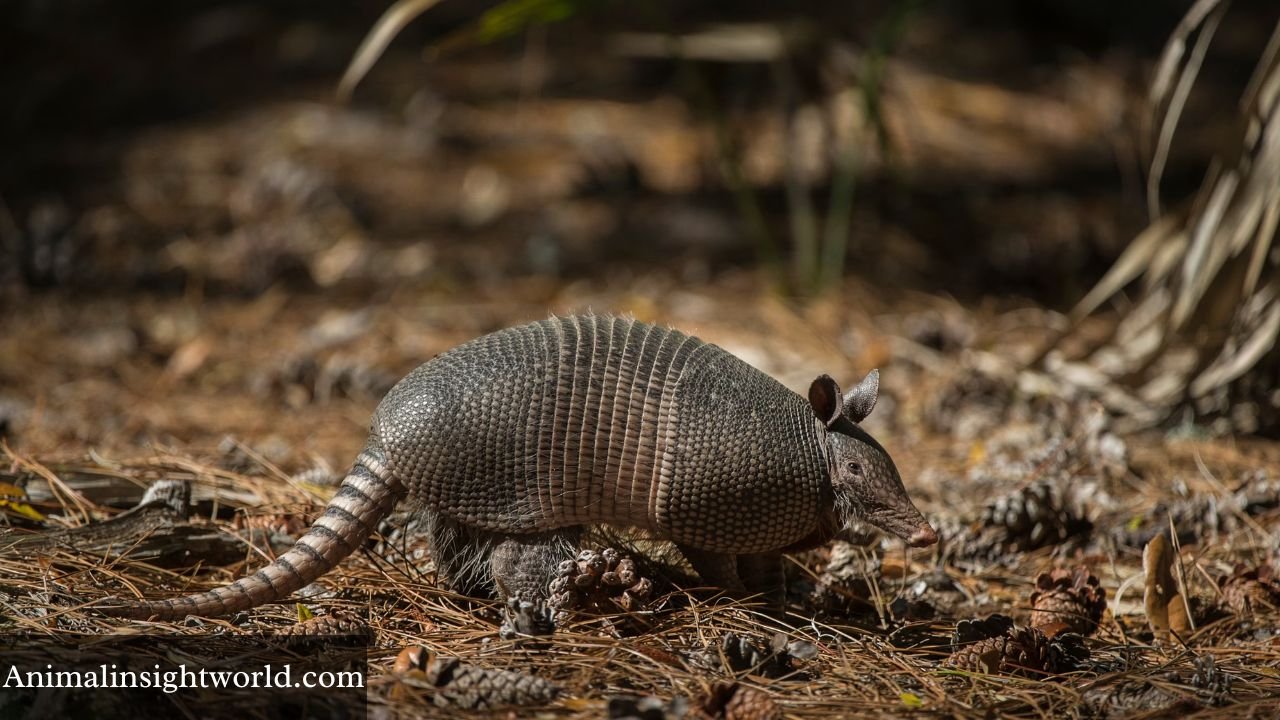
Top 10 Animals Like Armadillos (With Images)
In a world brimming with fascinating wildlife, animals like armadillos showcase unique adaptations that help them thrive in diverse environments. This article explores the intriguing characteristics of these remarkable creatures and highlights other animals that share similar traits. By the end, you’ll gain a deeper appreciation for the resilience and creativity found in nature’s designs.
List of Animals Like Armadillos
Below is the list of animals that are like armadillos:
- Pangolin
- Porcupines
- Diabolical Ironclad Beetles
- Anteater
- Galapagos tortoise
- Aardvarks
- Crocodile
- Armadillo Girdled Lizard
- Hedgehogs
- Sloths
Pangolin
Scientific name: Pholidota
Class: Mammalia
Diet: Insectivore
Pangolins, often dubbed “scaly anteaters,” carry an enchanting yet misunderstood charm. These unique mammals, found primarily in Africa and Asia, are the only known apex myrmecophagous creatures, relying almost exclusively on ants and termites for sustenance. Their protective keratin scales not only serve as armor against predators but also tell a story of evolution that reflects the challenges of survival in diverse habitats. Unlike armadillos, with their bony plates and ability to curl into a ball, pangolins can use their long, sticky tongues — sometimes exceeding their body length — to extract insects from deep within mounds, showcasing a fascinating adaptation to their ecological niche.
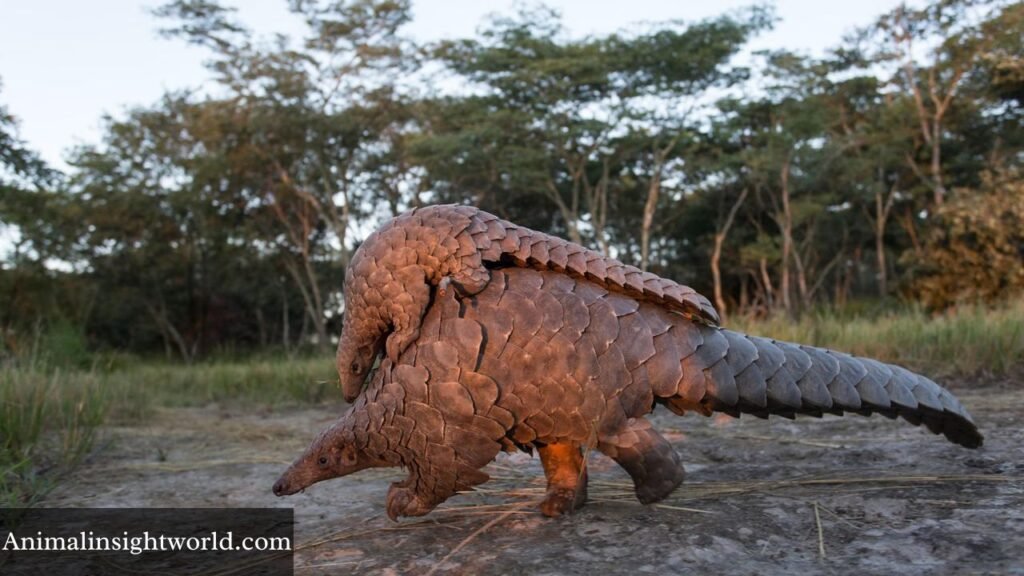
However, pangolins face dire threats, primarily due to illegal wildlife trade driven by demand for their scales and meat. This crisis, reminiscent of the plight faced by many other unique species, highlights a pressing need for conservation efforts. Each pangolin represents not just a marvel of natural engineering but also a pivotal player in maintaining the balance of their ecosystems. By fostering awareness and protecting these remarkable creatures, we can ensure that the delicate narratives of survival, evolution, and ecological importance they embody do not vanish into oblivion.
Porcupines
Class: Mammalia
Diet: Herbivore
Porcupines, much like armadillos, navigate the world with a unique set of adaptations that allow them to thrive in diverse habitats. These nocturnal wonders sport a coat of quills — modified hairs that serve as an impressive defense mechanism against predators. Unlike the rigid armor of armadillos, porcupines have a more dynamic form of protection, relying on the ability to lash out and effectively launch their quills. This clever strategy ensures that they remain a formidable presence in their ecosystems, discouraging potential threats while maintaining their role as herbivores, munching on bark, leaves, and the occasional fruit.
Interestingly, porcupines possess an unusual social structure compared to other solitary mammals. They often engage in communal living, particularly in winter months, where they huddle together for warmth. This social aspect offers a fascinating contrast to the sturdy, more solitary armadillo. Porcupines can also be surprisingly agile climbers, often found scaling trees to find food or evade danger, showcasing a level of versatility that enriches their survival story. In this way, porcupines not only embody resilience through their physical attributes but also weave a narrative of interplay between defense and sociability.
Diabolical Ironclad Beetles
Scientific name: Phloeodes diabolicus
Class: Insecta
Diet: Detritivore
The diabolical ironclad beetle, with its unyielding exoskeleton, is nature’s remarkable answer to durability and resilience. Unlike the typical fragile insect, this beetle can withstand crushing pressures of up to 39,000 times its body weight, showcasing an incredible evolutionary adaptation. This armor, comprised of interlocking plates, not only protects it from predators but also allows it to thrive in harsh environments. Observers often marvel at the intricate design, which has sparked interest in biomimicry for creating stronger materials in engineering.
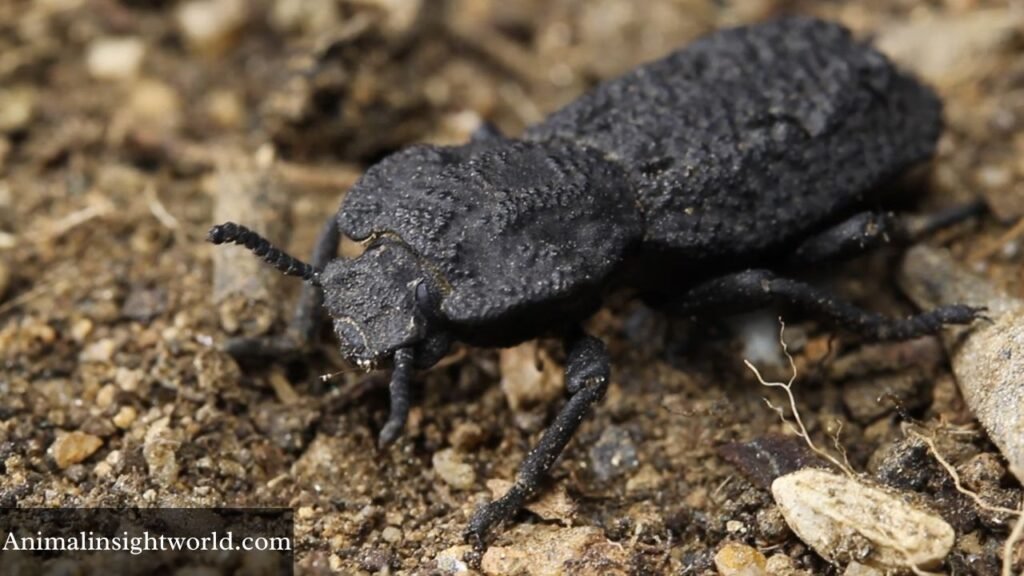
Beyond its formidable exterior, the diabolical ironclad beetle exemplifies fascinating behaviors that parallel the lifestyle of some more familiar animals. Much like armadillos, known for their unique defense mechanisms, these beetles tuck themselves into crevices to hide from threats, employing stealth as a key survival tactic. Their habitat also reflects an ecological savvy akin to armadillos; they thrive in diverse environments, from oak forests to deserts.
Readmore: Explore Top 13 Animals like Mongoose.
Anteater
Class: Mammalia
Diet: Insectivore
Anteaters, like their armored cousin the armadillo, showcase remarkable adaptations that highlight the incredible diversity of life in the animal kingdom. With their elongated snouts and specialized tongues, anteaters are masters of foraging, consuming upwards of 30,000 ants and termites daily. This gastronomic feat not only positions them as unique insectivores but also plays a crucial role in their ecosystem by regulating insect populations.
Beyond their feeding habits, anteaters are fascinating for the social structures they maintain. Unlike armadillos, which tend to be solitary, anteaters exhibit a complex relationship with their environment, often showing signs of playful behavior and even forming bonds with offspring. While their formidable claws are perfect for tearing into ant hills, they are also a testament to evolution’s ingenuity in adapting species to their ecological niches. Observing anteaters in the wild offers a glimpse into the delicate tapestry of interspecies interactions, making them vital players in the health of their habitats.
Galapagos tortoise
Scientific name: Chelonoidis niger
Class: Reptilia
Diet: Herbivore
The Galápagos tortoise, much like the armadillo, is a master of adaptation in its environment. These remarkable reptiles can live over a century, showcasing the importance of longevity in survival strategies. Each subspecies has evolved unique features tailored to their specific island habitats, illustrating a fascinating case of adaptive radiation. Their slow metabolism helps them endure periods of scarcity, allowing them to survive long droughts by storing fat in their massive bodies.
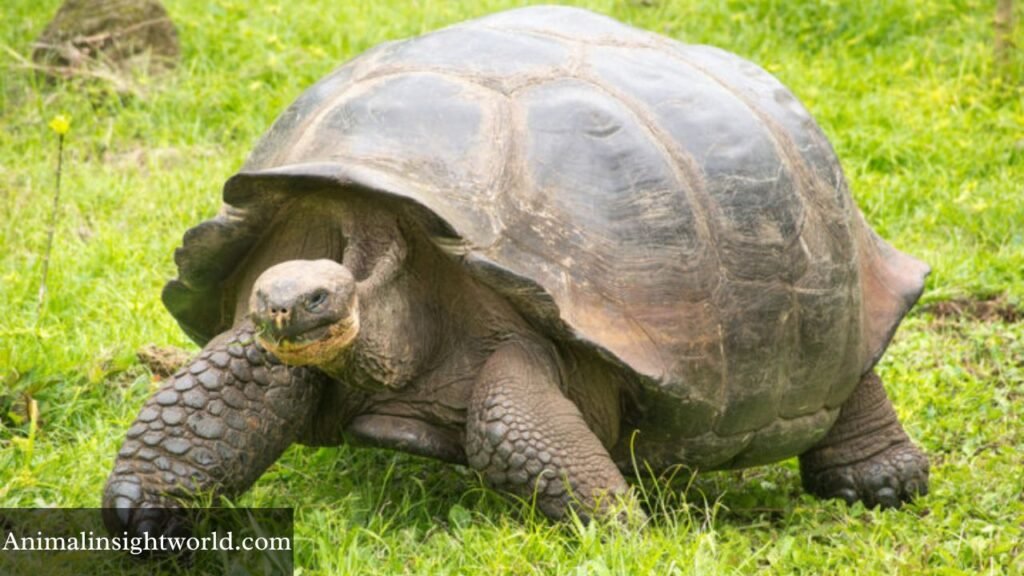
One intriguing aspect of the Galápagos tortoise is its impact on the ecosystem. As formidable herbivores, they play a crucial role in shaping their environment by helping disperse seeds and maintaining vegetation balance. Their grazing habits encourage the growth of certain plant species, showcasing a delicate interplay between animal and plant life on the islands.
You can also read: Explore Top 13 Animals Like Seals.
Aardvarks
Scientific name: Orycteropus afer
Class: Mammalia
Diet: Insectivore
Aardvarks, with their unique appearance and intriguing lifestyle, share fascinating similarities with armadillos beyond their nocturnal habits. Both creatures are notable for their burrowing abilities; aardvarks use their powerful claws to dig extensive networks of tunnels in search of ants and termites — an essential part of their diet. This shared penchant for excavation highlights the evolutionary adaptations that allow them to thrive in their respective habitats, making them expert foragers.
Moreover, the aardvark’s elongated snout and long, sticky tongue are perfect for extracting insects from deep crevices, showcasing a specialized feeding strategy akin to the armadillo’s ability to consume a variety of food sources. This unique method of foraging not only helps them find sustenance but also plays a vital role in their ecosystems — promoting soil aeration and plant growth. As we explore these lesser-known gems of the animal kingdom, it becomes clear that aardvarks and armadillos are more than just quirky creatures; they are integral to the health of their environments, revealing the intricate connections among species and their habitats.
Crocodile
Scientific name: Crocodylidae
Class: Reptilia
Diet: Carnivore
Crocodiles, often misunderstood as mere fearsome predators, possess a rich tapestry of behaviors and adaptations that parallel the unique traits of armadillos. Both animals exhibit remarkable resilience in their respective environments. Armadillos, with their protective, armor-like shells, mirror the crocodile’s tough, scaly hide, designed not just for defense but also for thermoregulation. This skin adaptation allows crocodiles to bask in the sun, managing their body temperature like an armadillo seeking warmth after a cool night.
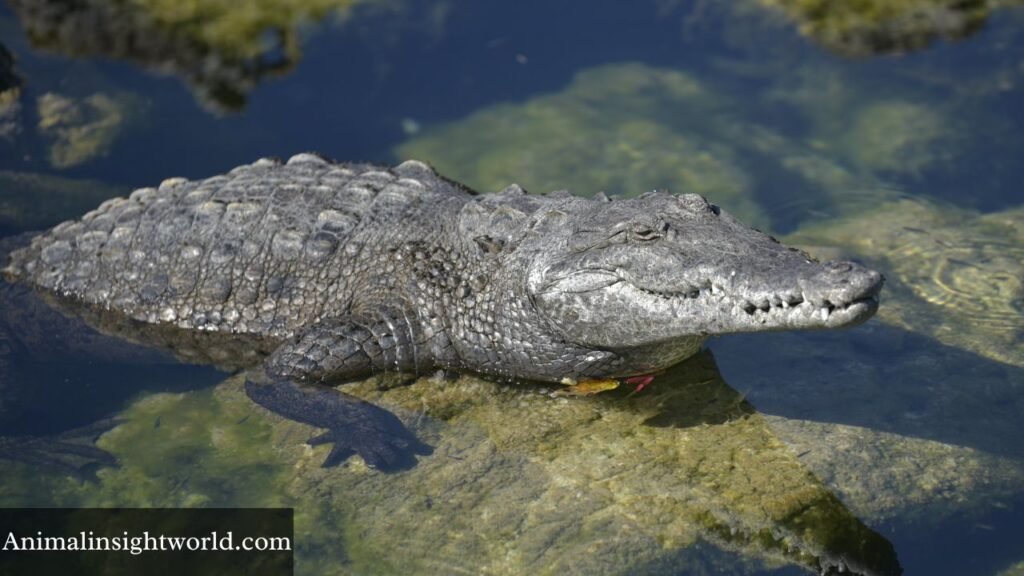
Moreover, both species showcase intriguing reproductive strategies. Armadillos are known for their unique multi-birth process, occasionally giving rise to identical quadruplets — an extraordinary feat in the animal kingdom. Crocodiles, on the other hand, exhibit fascinating maternal instincts, often guarding their nests fiercely and nurturing their young post-hatching. This combination of armor, behavioral adaptation, and parental care illustrates that while they may seem worlds apart, armadillos and crocodiles share profound evolutionary strategies that enable their survival in challenging habitats.
Also read: Explore Top 11 Animals Like Horses.
Armadillo Girdled Lizard
Scientific name: Ouroborus cataphractus
Class: Reptilia
Diet: Insectivore
The Armadillo Girdled Lizard, a fascinating inhabitant of southern Africa’s arid landscapes, showcases an incredible survival strategy that sets it apart from other reptiles. When threatened, this lizard can curl into a tight ball, much like its namesake, the armadillo. This behavior not only provides a defense mechanism against predators but also reveals a remarkable adaptation that highlights the creativity of evolution. Its tough, spiked skin is a visual deterrent that further enhances its protective efforts, making it a challenging target for hungry eyes.
Intriguingly, the Armadillo Girdled Lizard is also a social creature, often seen basking in small groups. These communal gatherings are more than just a means to enjoy the sun; they foster vital interactions that contribute to their social structure. Interestingly, they have been observed engaging in a unique behavior of tongue-flicking, which serves both as a method of communication and a way to sense their environment. This fascinating blend of defensive adaptation and social behavior paints a complex picture of life for the Armadillo Girdled Lizard, reminding us that even in the harshest terrains, life finds a way to thrive through ingenuity and cooperation.
Hedgehogs
Class: Mammalia
Diet: Omnivore
Hedgehogs, much like their armored cousins the armadillos, serve as captivating examples of nature’s ingenuity in defense. With their spiky quills, these small mammals have evolved a unique external armor that deters predators, allowing them to roll into a tight ball as a final line of defense. While armadillos possess the ability to curl up, hedgehogs take this strategy to an art form, showcasing a fascinating blend of adaptability and resilience.
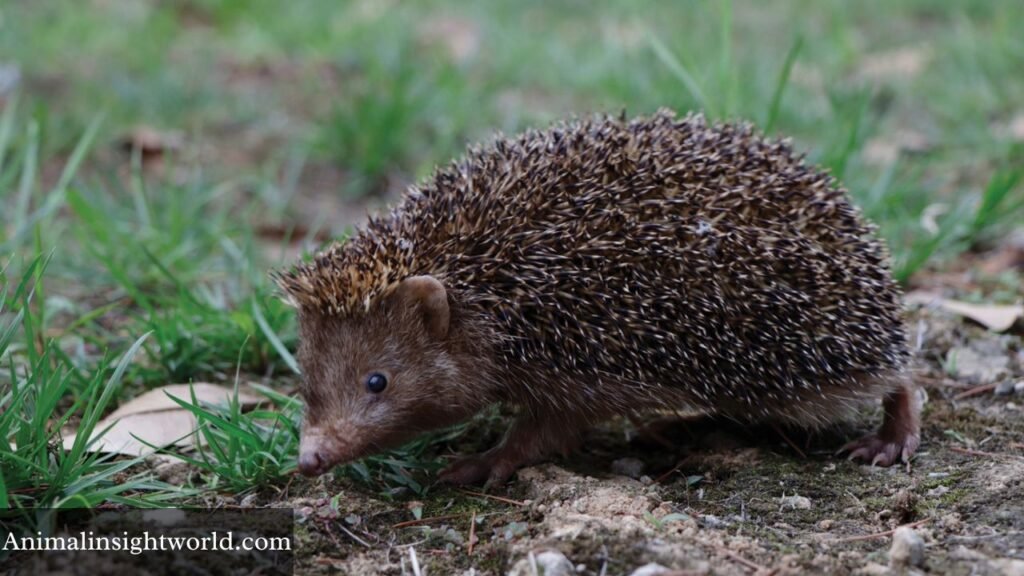
Beyond their protective tactics, hedgehogs bring an unexpected charm to the wildlife world. They possess a curious foraging behavior, primarily benefiting from slow-moving creatures like slugs and beetles. This makes them essential players in their ecosystems, helping control pest populations while also acting as a bellwether for environmental health. Interestingly, hedgehogs are nocturnal, offering a glimpse into a hidden world that many may not appreciate during the day, emphasizing the importance of nighttime biodiversity in urban settings where these creatures often thrive.
Sloths
Class: Mammalia
Diet: Herbivore
Sloths, much like armadillos, embody a unique adaptation to their respective environments, showcasing evolution’s creativity. While armadillos sport tough, protective shells, sloths have developed a fascinating lifestyle that revolves around their leisurely pace. This slow-paced existence isn’t just a quirky trait; it enables sloths to conserve energy as they primarily feast on nutrient-poor leaves, which require minimal movement to digest. Their remarkable speed, or lack thereof, is a survival mechanism, helping them avoid detection by predators.
What’s particularly captivating about sloths is their symbiotic relationship with their environment. These creatures cultivate a diverse ecosystem on their fur, hosting algae that provide both camouflage and a source of nutrients. In a world that often values speed and efficiency, sloths teach us the importance of taking life at our own pace — embracing stillness can lead to unexpected connections and hidden beauty. Just as armadillos are masters of burrowing and foraging, sloths exemplify the art of living harmoniously within the canopy, reminding us that nature rewards those who adapt thoughtfully to their surroundings.
Readmore: Explore Top 13 Animals like Prairie Dogs.
Final Words
The fascinating world of animals similar to armadillos reveals a wealth of unique adaptations and lifestyles. From the protective shells of pangolins to the burrowing habits of aardvarks, these creatures showcase nature’s ingenuity in survival. Each species offers insight into the ecological roles they play, whether it’s predator or prey. Understanding these animals not only enriches our knowledge of biodiversity but also highlights the importance of conservation efforts. Let’s take a moment to appreciate and protect these remarkable beings that share our planet.
FAQs
What looks like an armadillo but isn t?
One creature that looks similar to an armadillo but isn’t is the pangolin. These scaly mammals share a similar size and shape, with their protective armor giving them a tough exterior. However, pangolins have long, curled tails and are covered in keratin scales instead of the bony plates seen on armadillos.
What is a spiky mammal curling into a ball?
A spiky mammal curling into a ball is most likely a hedgehog. These small creatures have a coat of sharp quills that serve as their primary defense mechanism. When threatened, they instinctively curl up into a tight ball, hiding their vulnerable face and belly while presenting a prickly exterior to predators.
Is a pangolin an armadillo?
No, a pangolin is not an armadillo. They are distinct animals belonging to different families and orders. Pangolins are mammals found in Asia and Africa, known for their unique scales made of keratin. They are often called “scaly anteaters” because they primarily eat ants and termites. Armadillos, on the other hand, are native to the Americas and are part of the family Dasypodidae. They have a bony shell and a more rounded, less elongated body compared to pangolins. While both creatures share some superficial similarities, such as their protective exteriors, they are quite different in behavior, diet, and habitat.