Top 13 Animals Like Seals (With Pictures)
Did you know that seals share their aquatic homes with a variety of fascinating animals that display similar behaviors and adaptations? Just as seals glide gracefully through the water, a whole range of marine life exhibits remarkable talents, often in surprising ways. In this article, we’ll explore animals like seals that captivate us with their similarities and differences, enriching our understanding of ocean ecosystems. By the end, you’ll have a deeper appreciation for these creatures and their roles in our planet’s health.
List of Animals Like Seals
Here is the list of animals like seals:
- Walrus
- Harbor Porpoise
- Sea Lion
- Leopard Seal
- Beluga Whale
- Sea Otter
- Bottlenose Dolphin
- Elephant Seal
- Narwhal
- Dugong
- Polar Bear
- Manatee
- Marine Otter
Walrus
Scientific Name: Odobenus rosmarus
Class: Mammalia
Diet: Carnivore
Walruses, like their pinniped cousins the seals, are fascinating creatures that possess unique adaptations for life in frigid oceanic environments. Known for their impressive tusks — elongated canine teeth that can reach up to three feet in length — walruses use these formidable tools for various purposes, from hauling their massive bodies onto ice floes to establishing dominance during mating rituals. Contrary to popular belief, these tusks are not just ornamental; they play a crucial role in social hierarchical dynamics, showcasing the complex social structures within walrus pods.
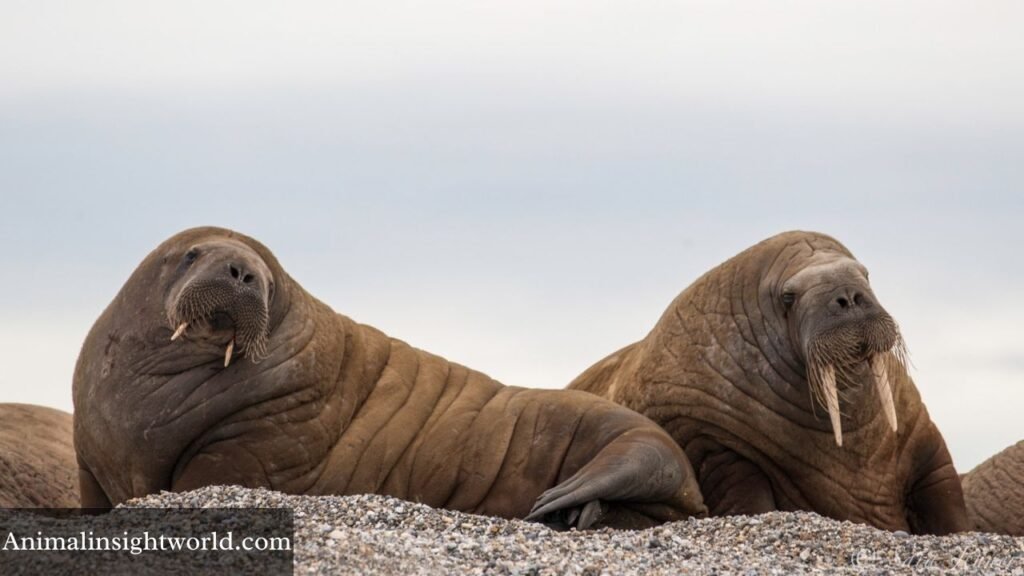
In their pursuit of food, walruses dive to significant depths, often using their sensitive whiskers to detect clams on the ocean floor. This hunting method highlights their ability to thrive in underwater environments, much like seals but with a distinctive twist. Unlike seals, who often rely on speed and agility to catch fish, walruses primarily feast on mollusks, demonstrating resilience and adaptability in their diet. As climate change threatens their icy habitats, understanding the ecological niche of walruses becomes increasingly important, urging us to consider how changes in their environment can ripple through the Arctic ecosystem.
Harbor Porpoise
Scientific Name: Phocoena phocoena
Class: Mammalia
Diet: Carnivore
The harbor porpoise, a diminutive marine mammal found along coastlines and estuaries, often flies under the radar compared to its more charismatic relatives like seals. Yet, these creatures are a marvel of adaptability, thriving in diverse aquatic environments. What sets the harbor porpoise apart is not just its small size — growing to about five to six feet — but its exceptional sound-sensing abilities. Possessing a sophisticated echolocation system, they navigate murky waters with ease, making them skilled hunters of fish and squid.
Interestingly, harbor porpoises have a fascinating social dynamic. They are typically solitary or found in small groups, demonstrating a different social structure compared to the larger pods of dolphins or more gregarious seal species. Their elusive behavior, often seen darting through the water in a flash, hints at a more cautious approach to survival. Human activities, particularly fishing and pollution, pose threats to these animals, prompting ongoing conservation efforts that aim to protect their fragile habitats. Observing a harbor porpoise in the wild can ignite a deeper appreciation for the ocean’s complexity and remind us of the interconnectedness of marine life, urging us to take action in preserving their home.
Sea Lion
Scientific Name: Otariidae
Class: Mammalia
Diet: Carnivore
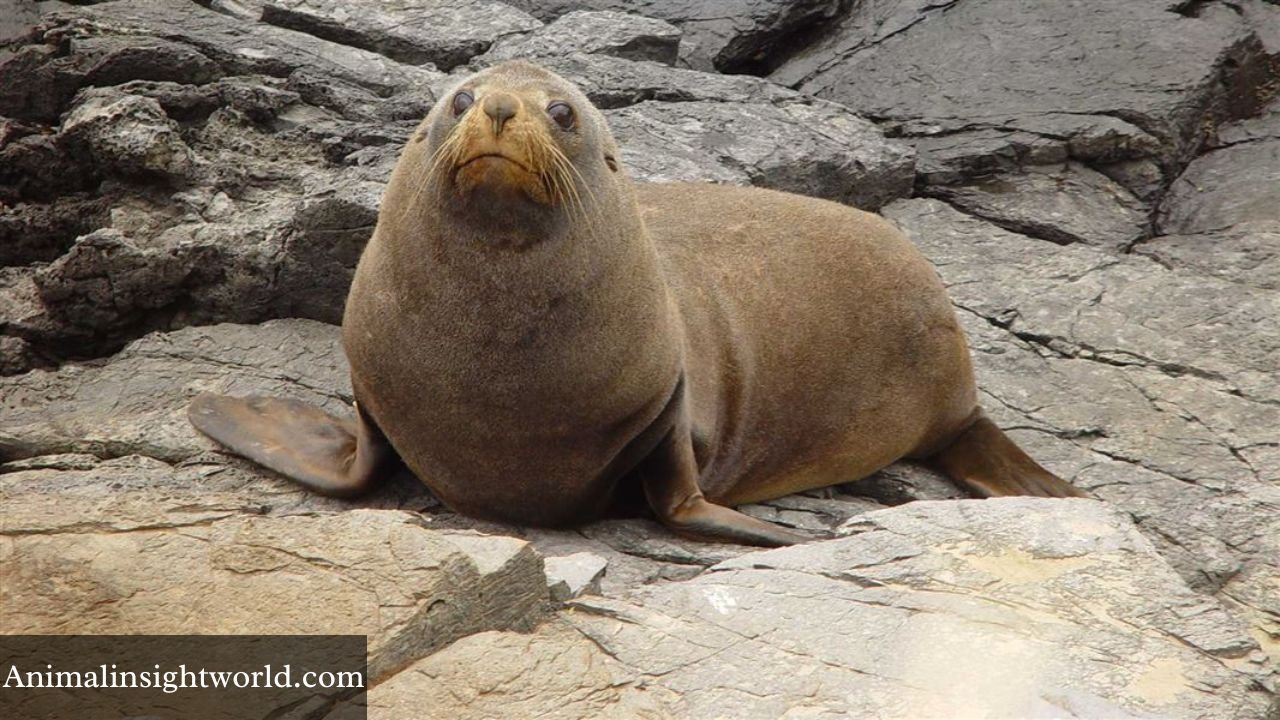
Sea lions, often mistaken for their sleek seal cousins, possess an undeniable charisma that sets them apart. With their external ear flaps and ability to “walk” on land using their rotating hind flippers, sea lions are remarkable examples of adaptation. Their vocalizations, ranging from barks to growls, create an engaging cacophony in their coastal habitats, making them a captivating spectacle for onlookers.
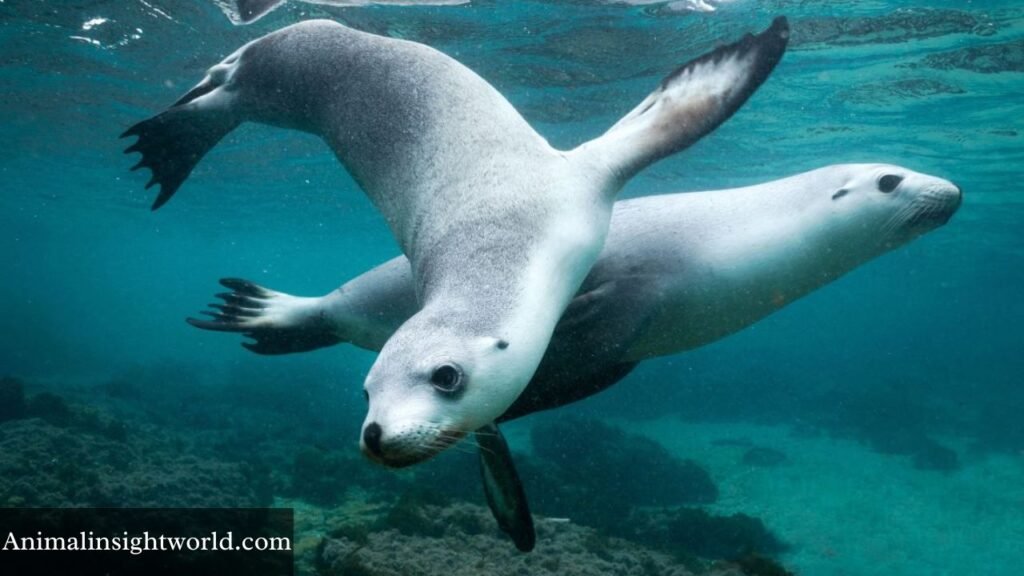
Social creatures by nature, sea lions thrive in large colonies, where they establish complex hierarchies and engage in playful interactions. This social behavior not only aids in defense against predators but also fosters a robust community that is essential for rearing pups. Observing their spirited antics highlights the intelligence and emotional depth of these animals, revealing a world of relationships and camaraderie that extends beyond mere survival.
Readmore: Explore Top 11 Animals Like Horses.
Leopard Seal
Scientific Name: Hydrurga leptonyx
Class: Mammalia
Diet: Carnivore
The leopard seal stands out not just for its striking spotted coat, but also for its intriguing and multifaceted role in the Antarctic ecosystem. As one of the top predators in icy waters, it navigates the frigid seas with remarkable agility, often preying on a diet that includes krill, fish, and even other seals. This flexibility in diet showcases the leopard seal’s adaptability, allowing it to thrive in an environment that can be harsh and unpredictable.
What makes leopard seals particularly captivating is their complex social behavior. Unlike many solitary seal species, they exhibit a curious blend of both solitary hunting and playful interactions, often found sliding on ice or engaging in acrobatic displays. Observers have noted their intelligence and inquisitiveness, suggesting a level of cognitive sophistication that opens up discussions about the social dynamics of marine mammals. These behaviors not only challenge our understanding of seals but also invite deeper reflection on the emotional lives of animals often thought to be strictly instinct-driven.
Beluga Whale
Scientific Name: Delphinapterus leucas
Class: Mammalia
Diet: Carnivore
Beluga whales, often dubbed the “canaries of the sea” due to their vocalizations, possess a remarkable ability to communicate through a diverse range of sounds. These sociable cetaceans inhabit the icy waters of the Arctic and sub-Arctic regions, showcasing an incredible adaptability to their frigid environment. Their unique color — ranging from a striking white in adulthood to a grayish hue in youth — not only aids in their camouflaging but also heralds their majestic grace as they glide through the water.
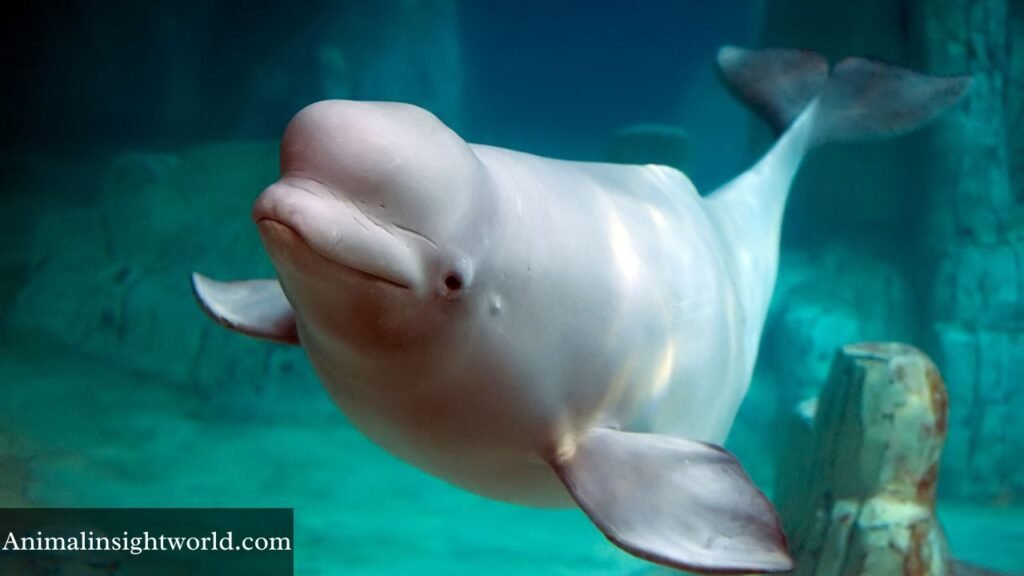
One of the lesser-known aspects of belugas is their strong social bonds. They are highly social creatures, often found in groups called pods, which can contain anywhere from a few individuals to over a hundred. These pods exhibit remarkable teamwork during hunting, using bubble netting to corral fish and other prey, effectively showcasing cognitive skills that rival those of many terrestrial mammals. As the climate shifts, the future of these captivating creatures and their intricate social systems hangs in the balance, reminding us of the interconnectedness of life in our oceans.
Sea Otter
Scientific Name: Enhydra lutris
Class: Mammalia
Diet: Carnivore
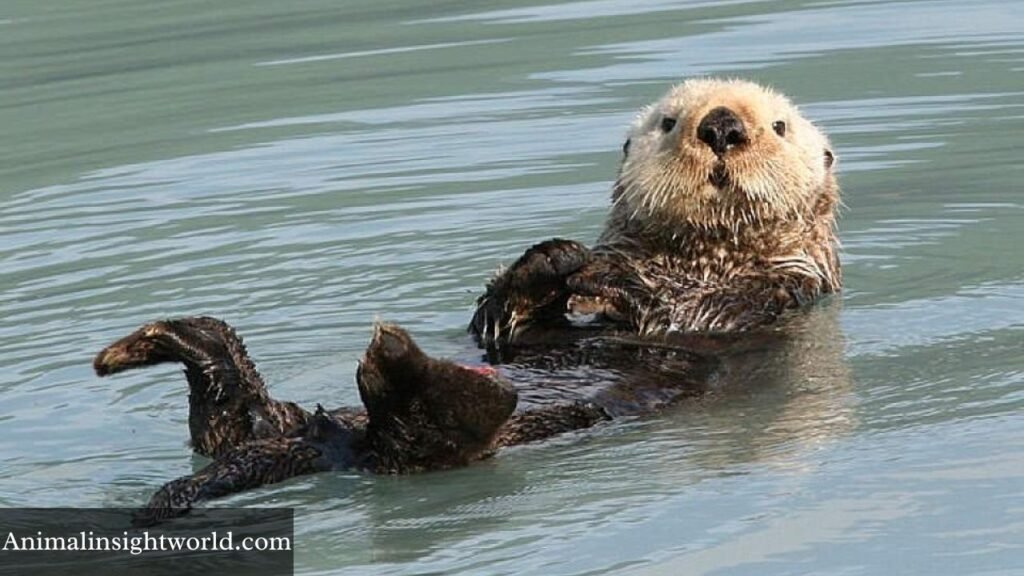
Sea otters, often mistaken for playful puppies of the sea, share a unique bond with seals in the marine ecosystem. These furry mammals are not just adorable; they play a vital role in maintaining the health of kelp forests. By feeding on sea urchins and other herbivores, sea otters prevent overgrazing and ensure the lush underwater gardens thrive, which in turn supports a rich diversity of marine life.
What sets sea otters apart is their remarkable social behavior. They often hold hands while sleeping in rafts to keep from drifting apart, demonstrating a unique form of community and connection. This intriguing behavior reflects an intelligence and emotional depth that can be overlooked when we focus solely on their charm. Moreover, their use of tools — like rocks to crack open shellfish — highlights their problem-solving skills, drawing parallels to humans in ways we might never have expected from a creature that splashes around in the ocean.
You can also read: Explore Top 13 Animals like Prairie Dogs.
Bottlenose Dolphin
Scientific Name: Tursiops truncatus
Class: Mammalia
Diet: Carnivore
Bottlenose dolphins, often celebrated for their playful behavior and intelligence, share more with seals than just their aquatic habitats. Like seals, these remarkable cetaceans possess streamlined bodies suited for agile swimming, allowing them to navigate the ocean with grace and speed. Their social structures mirror those of seal colonies, forming complex pods where cooperation is key to survival and play. This camaraderie not only strengthens their bonds but also enhances their hunting efficiency, showcasing a dynamic social nature reminiscent of our flippered friends.
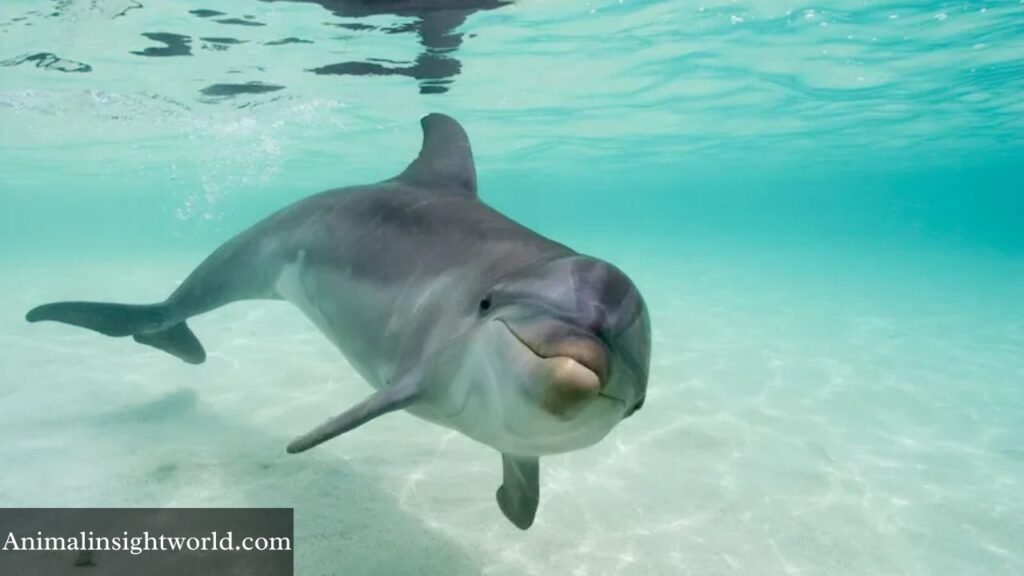
Moreover, both bottlenose dolphins and seals exhibit a remarkable capacity for communication. Dolphins, with their sophisticated vocalizations and body language, have developed a repertoire of clicks and whistles that facilitate intricate social interactions, much like the varying vocalizations seals use to maintain group cohesion. This shared ability to communicate underscores a deep-rooted evolutionary connection, suggesting that social intelligence plays a crucial role across species in navigating the challenges of marine life. As we explore these similarities, we gain a deeper appreciation for the complexities of marine ecosystems, where each species contributes uniquely to the vibrant underwater tapestry.
Elephant Seal
Scientific Name: Mirounga
Class: Mammalia
Diet: Carnivore
Elephant seals, known for their remarkable size and distinctive features, showcase an intriguing blend of adaptability and behavior that sets them apart in the animal kingdom. The males, boasting impressive sizes that can reach up to 20 feet, possess an extraordinary proboscis, which not only adds to their regal appearance but also serves a crucial role in communication during the intense mating season. This impressive appendage allows males to produce deep, resonant calls that can carry over great distances, echoing through the rocky coastlines where they gather in colonies.
Their life beneath the waves is equally captivating, as elephant seals are champion divers, plunging to depths of over a mile while hunting for squid and fish. This astonishing capability stems from their unique physiology, equipped with an efficient oxygen storage system that lets them stay submerged for upwards of two hours. Interestingly, after these long foraging dives, they surface to bask in the sun, often forming tight-knit social groups known as “beachmasters,” where they re-establish hierarchies and social bonds. This behavior not only highlights their intelligence but also emphasizes the importance of social interaction within their often harsh and competitive environment.
Narwhal
Scientific Name: Monodon monoceros
Class: Mammalia
Diet: Carnivore
The narwhal, often dubbed the “unicorn of the sea,” captivates with its long, spiral tusk that can reach lengths of up to ten feet. This unique feature isn’t merely ornamental; it serves various purposes, from navigating icy waters to possibly playing a role in social interactions within pods. Unlike seals, which predominantly haul out on land, narwhals are deep-diving specialists, often plunging as far as 1,500 meters into the frigid Arctic waters in search of prey. Their ability to echolocate allows them to thrive in dark, murky environments, showcasing an adaptation that parallels the sonar abilities seen in other marine mammals.
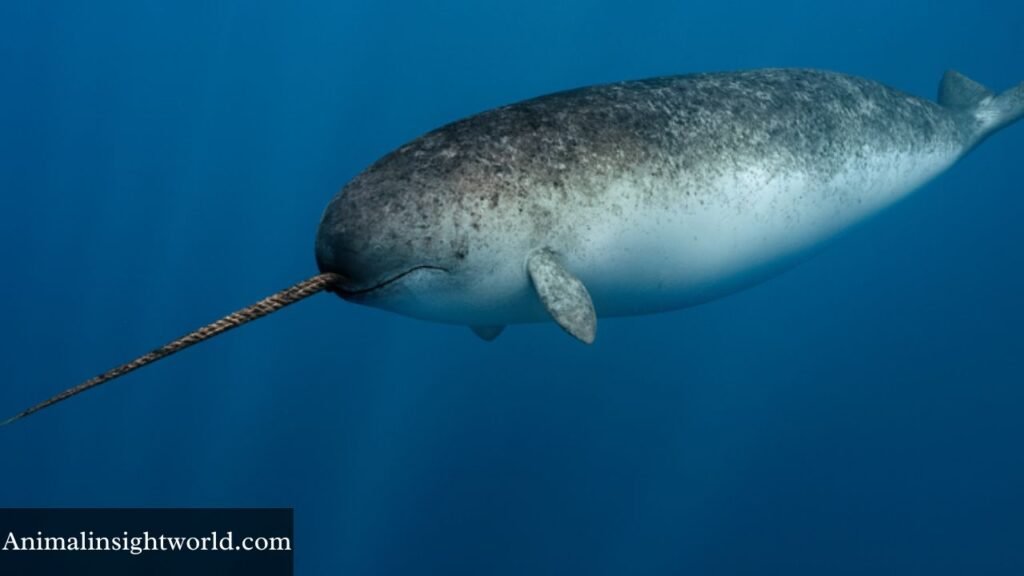
The social structures of narwhals are intriguing; they communicate through a series of clicks, whistles, and pulsating frequencies, much like a seal’s vocalizations, but with added complexity. This communication is crucial for maintaining social bonds and coordinating group movements, particularly in the vast, ice-laden expanses they inhabit. As climate change alters their habitat, narwhals face unprecedented challenges, making conservation efforts crucial. By understanding these remarkable creatures, we can draw parallels between seals and narwhals, both of whom navigate dynamic marine ecosystems with their own unique adaptations, shedding light on the intricate interdependencies within our planet’s oceans.
Also read: Explore Top 13 Animals like Mongoose.
Dugong
Scientific Name: Dugong dugon
Class: Mammalia
Diet: Herbivore
Dugongs, often referred to as “sea cows,” share a gentle demeanor and habitat with seals, yet they belong to a distinct group known as sirenians. These herbivorous marine mammals, primarily found in warm coastal waters, graze on seagrass beds, contributing to the health of underwater ecosystems. Unlike seals, which are often characterized by their playful antics and agile swimming, dugongs embody a serene grace, gliding silently beneath the waves. This tranquility is mirrored in their leathery skin and paddle-shaped tails, which distinguish them from their more agile pinniped cousins.
Their social structures present another fascinating aspect of dugong life. Often seen in small groups, they exhibit strong familial bonds, nurturing their young much like seals do. However, dugongs lack the vocal prowess of seals, relying on body language and subtle movements to communicate within their groups. With the increasing threats of habitat loss and climate change, these magnificent creatures are under pressure, making the conservation of seagrass ecosystems crucial not just for their survival, but for the marine environment as a whole. Observing dugongs can inspire a deeper appreciation for the intricate balance of life in our oceans, urging us to reflect on our role in protecting these gentle giants and their habitats.
Polar Bear
Scientific Name: Ursus maritimus
Class: Mammalia
Diet: Carnivore
Polar bears, often lauded as the apex predators of the Arctic, share intriguing similarities with seals that extend beyond their shared icy habitat. For one, both species are exceptional swimmers; polar bears can glide through frigid waters using their large front paws, just as seals use their flippers. This remarkable adaptation not only aids in hunting but also showcases the seamless interplay of survival skills essential for thriving in an unforgiving environment.
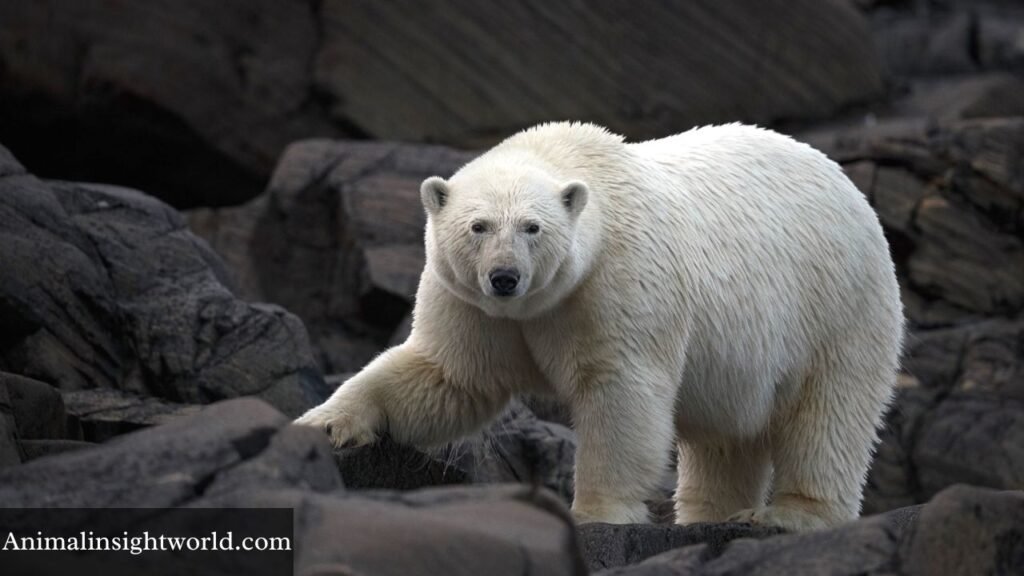
Moreover, the relationship between polar bears and seals is a fascinating dance of predator and prey. Seals often rest on ice floes, which polar bears cleverly utilize as hunting platforms. This dependency underscores the delicate balance of Arctic ecosystems, where the decline of sea ice due to climate change poses a double threat: habitat loss for seals and diminished hunting grounds for polar bears. Observing these dynamics illuminates the broader implications of environmental shifts, emphasizing the interconnectedness of Arctic wildlife and the urgent need for conservation efforts.
Also read: Explore Top 12 Animals like Sugar Glider.
Manatee
Scientific Name: Trichechus
Class: Mammalia
Diet: Herbivore
Manatees, often dubbed “sea cows,” share fascinating similarities with seals beyond their aquatic lifestyles. Both animals possess a blubbery physique that insulates them in chilly waters, yet the manatee’s gentle demeanor and herbivorous diet set it apart in the animal kingdom. Rather than hunting for fish like many marine mammals, manatees graze on seagrass and vegetation, displaying a serene approach to survival that clashes with the more predatory nature of certain seals.
Socially, manatees and seals exhibit intriguing behaviors that bond their communities. For example, manatees often engage in mutualistic interactions, seeking out companionship in large, warm water areas during colder months. This camaraderie echoes how seals haul out on rocks and beaches in social groups, sharing a collective space for resting and nursing their young. Both creatures, although different in their adaptations, embody a deep connection to their environments, prompting us to reflect on the delicate balance of marine ecosystems.
Marine Otter
Scientific Name: Lontra felina
Class: Mammalia
Diet: Carnivore
Marine otters, often overshadowed by their larger seal counterparts, possess a unique charm that makes them equally captivating. Found primarily along the coasts of South America, these agile mammals showcase a blend of playfulness and dexterity, with their streamlined bodies allowing for impressive underwater acrobatics. Unlike seals, marine otters are not as sociable; they tend to be more solitary, yet their intelligence becomes apparent as they skillfully hunt for prey, using tools such as stones to crack open shellfish.
What sets marine otters apart is their remarkable adaptability. They navigate rocky shorelines and kelp forests, demonstrating a flexibility that mirrors the seal’s grace while exuding their own distinctive flair. Their fur, dense and incredibly soft, not only insulates them against cold waters but also adds to their appeal, making them a target for poachers in the past. As a result, conservation efforts aimed at protecting their habitat have become crucial in maintaining the delicate balance of coastal ecosystems where these delightful creatures thrive.
Readmore: Explore Top 17 Animals With Whiskers.
Final Thoughts
The diversity of animals resembling seals showcases the incredible adaptations found in the animal kingdom. From playful sea lions to the agile walruses, each species reveals unique characteristics that help them thrive in their aquatic environments. Understanding these similarities broadens our appreciation for marine life and emphasizes the importance of conservation efforts. As we continue to explore and learn about these fascinating creatures, we also become stewards of their habitats. Let’s commit to protecting our oceans and the incredible wildlife that calls them home.
FAQs
What animals are similar to a seal?
Seals share several similarities with other marine mammals, particularly sea lions and walruses. Both sea lions and seals belong to the pinniped family, characterized by their flippers and similar body shapes adapted for life in water. While sea lions have external ear flaps and can “walk” on land using their flippers, seals have smaller ear openings and tend to slide on their bellies. Another group of animals that resemble seals are the manatees and dugongs, often referred to as “sea cows.” Though not pinnipeds, these marine herbivores have a similar streamlined body shape and spend their lives in aquatic environments, often grazing on seagrass. They share the ocean habitat but have different diets and behaviors.
What animal is closest to seals?
Sea lions are the closest relatives to seals. Both belong to the pinniped family, which means “fin-footed” in Latin. While seals are part of the family Phocidae, sea lions belong to the family Otariidae, making them distinct yet closely related. The key difference between the two is that sea lions have external ear flaps and can walk better on land, thanks to their rotating hind flippers. They also tend to be more social than seals, often seen basking in large groups.