Top 15 Animals That Eat Ticks (With Images)
Animals that eat ticks not only help in controlling these pesky parasites but also play a crucial role in maintaining the health of ecosystems and preventing tick-borne diseases. In this article, we’ll explore the diverse range of creatures that feast on ticks and highlight their importance in our fight against these bloodsucking pests. By the end, you’ll understand how these animals contribute to a healthier environment and learn ways to support their habitats.
List of Animals That Eat Ticks
Here is the list of animals that eat ticks:
- Chickens
- Guinea fowl
- Opossums
- Lizards
- Frogs
- Ants
- Beetles
- Bats
- Ducks
- Toads
- Wild turkeys
- Raccoons
- Shrews
- Spiders
- Squirrels
Chickens
Scientific Name: Gallus gallus domesticus
Class: Aves
Diet: Omnivore
Chickens are often overlooked in the battle against ticks, yet they serve as some of nature’s most efficient pest controllers. With their keen eyesight and instinctual hunting strategies, chickens can spot ticks lurking in grass and foliage, effectively reducing tick populations in your yard. Their foraging patterns are particularly fascinating; they scratch and peck through the ground, uncovering hidden ticks while simultaneously aerating the soil. This natural behavior not only benefits the chickens but also helps to maintain a healthier outdoor environment.
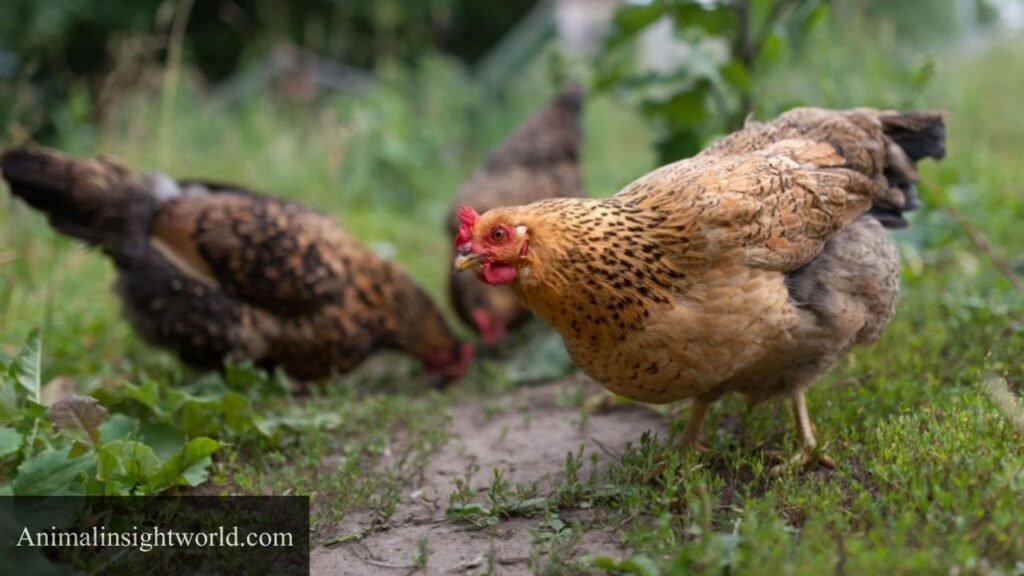
Moreover, the presence of chickens can disrupt the lifecycle of ticks. By being opportunistic foragers, they break the reproductive cycle by consuming the ticks before they can lay eggs. This creates an ongoing defense mechanism on your property, as chickens constantly patrol the area for potential prey. Integrating chickens into your land management strategy not only provides eggs and meat but also contributes to a holistic approach in combating unwanted pests.
Guinea Fowl
Scientific Name: Numida meleagris
Class: Aves
Diet: Omnivore
Guinea fowl are fascinating creatures that play a vital role in controlling tick populations. With their sharp eyesight and keen foraging behavior, these birds exhibit a unique hunting strategy that makes them exceptional pest controllers. They forage in groups, which not only increases their efficiency but also allows them to cover more ground, revealing less visible tick habitats that other predators might miss. This cooperative behavior enhances their ability to locate and consume ticks, demonstrating the importance of social dynamics in their feeding patterns.
In addition to their relentless tick-hunting, guinea fowl are also remarkable for their adaptability. They thrive in various environments, from grasslands to agricultural areas, where ticks often proliferate. Their diet is diverse, but ticks form a significant portion, especially in warmer months when these parasites are most active. Observations have shown that guinea fowl can consume thousands of ticks in a single day, effectively reducing the risk of tick-borne diseases in their vicinity. With their peculiar vocalizations and unique appearance, these birds not only contribute to ecological balance but also provide an engaging spectacle for those who enjoy nature and biodiversity.
Opossums
Scientific Name: Didelphimorphia
Class: Mammalia
Diet: Omnivore
Opossums are often overlooked when it comes to their ecological role, yet they are among nature’s best tick predators. One of the most remarkable facets of their hunting strategy is their nighttime foraging habits; as nocturnal creatures, opossums roam through leaf litter and grassy areas, where ticks are commonly found. Their insatiable appetite for ticks can significantly reduce the population of these parasites in their habitats, further contributing to the health of ecosystems that can be affected by Lyme disease and other tick-borne illnesses.
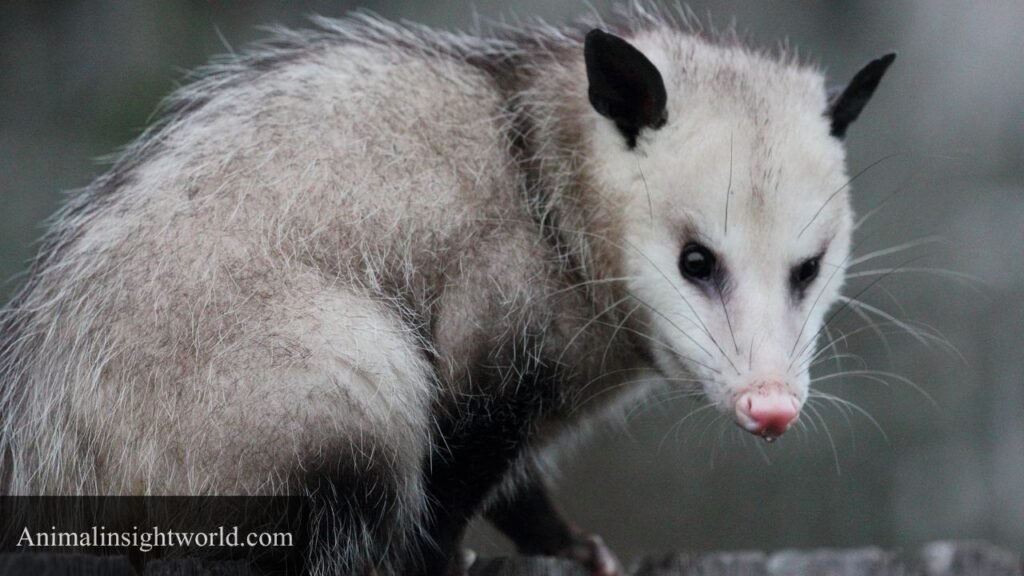
Interestingly, opossums’ unique physiology enhances their tick-eating efficiency. With a body temperature slightly lower than that of many mammals, they create an inhospitable environment for ticks, which find it difficult to survive on their fur. Studies have shown that a single opossum can consume thousands of ticks in a month. This means that encouraging opossum populations in residential areas could play a crucial role in naturally controlling tick populations, providing a unique and sustainable approach to pest management. By appreciating the opossum’s contributions, we can foster a more harmonious coexistence with these intriguing creatures.
Readmore: Explore Top 17 Animals That Eat Grasshoppers.
Lizards
Scientific Name: Lacertilia
Class: Reptilia
Diet: Carnivore
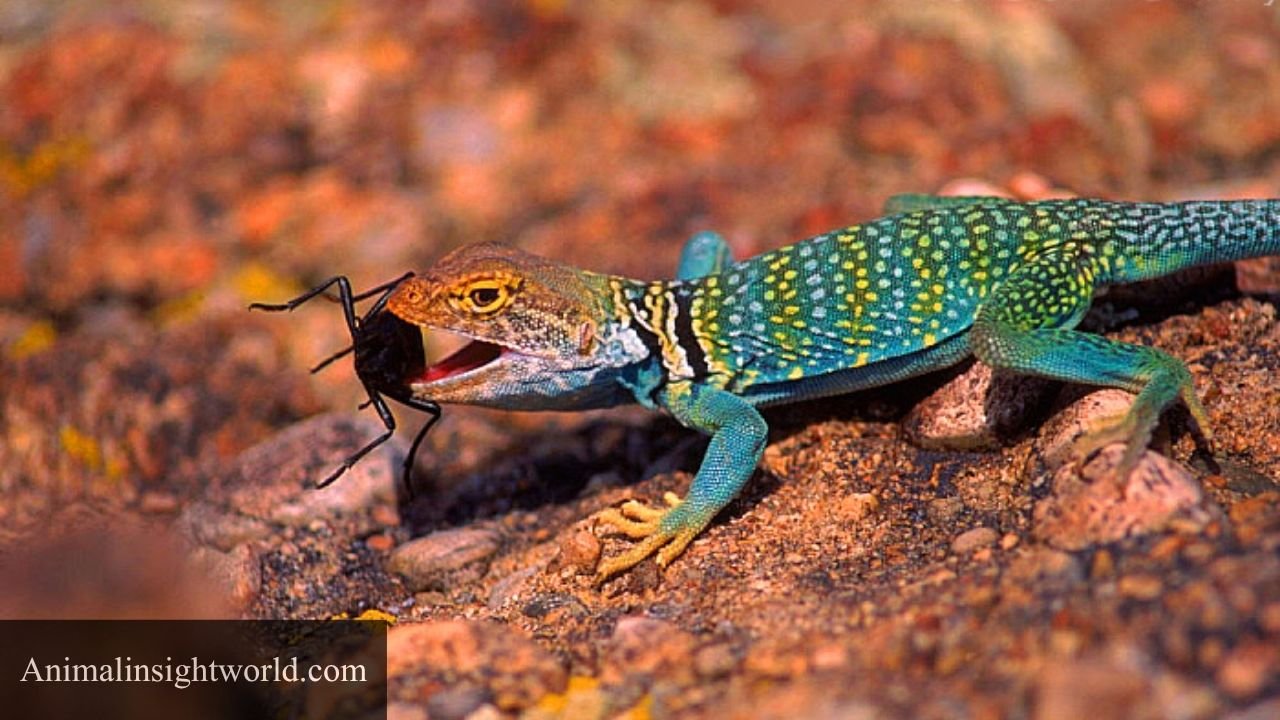
Lizards are remarkable allies in the battle against ticks, employing a unique hunting strategy that capitalizes on their acute vision and agile movements. Some species, like the Eastern Fence Lizard, are particularly adept at this task. They have developed a keen ability to spot ticks nestled in grasses or on animal hosts, thanks to their sharp eyesight and rapid reflexes. As they bask in the sun or navigate through their environments, they effortlessly snap up these tiny pests, demonstrating an impressive efficiency that plays a critical role in controlling tick populations.
Interestingly, the patterns of lizard activity can influence their effectiveness as tick predators. Many lizards are diurnal, meaning they are most active during the day when ticks are also on the move in search of hosts. This synchronicity enhances their hunting success, allowing them to capitalize on moments when ticks are exposed. Their diverse diets — ranging from insects to smaller arthropods — means that lizards not only help keep tick numbers in check but also maintain a balanced ecosystem where multiple species can thrive. Thus, these small reptiles offer valuable ecological services, showcasing the interconnectedness of species in nature’s intricate web.
Frogs
Scientific Name: Anura
Class: Amphibia
Diet: Carnivore
Frogs play a crucial but often overlooked role in managing tick populations, showcasing a fascinating aspect of their ecological importance. As voracious insectivores, certain frog species have developed keen hunting strategies that allow them to expertly capture their tick prey. By employing their sticky tongues and agile movements, these amphibians can deftly pluck ticks off vegetation or even directly from larger hosts like deer and livestock. The ability of frogs to detect and engage ticks adds an intriguing layer to their predatory behaviors, as they are not merely opportunistic feeders but strategic hunters that thrive in environments where ticks abound.
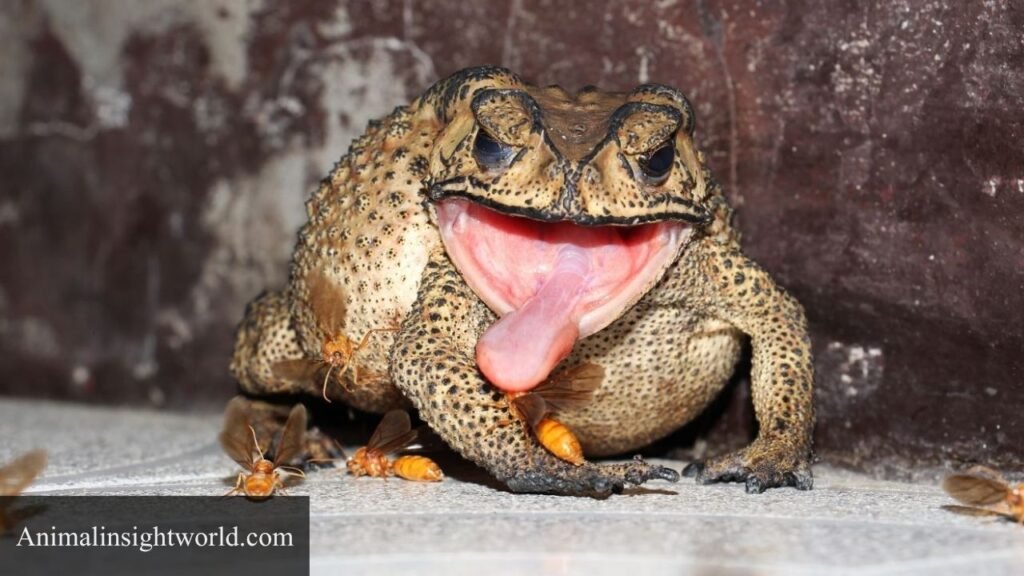
The relationship between frogs and ticks also highlights broader patterns in biodiversity. Frogs often inhabit moist, dense habitats where ticks thrive, creating a symbiotic dynamic. This feedback loop not only benefits the frogs themselves by providing a steady source of nourishment, but it also contributes to the health of whole ecosystems. By controlling tick populations, frogs help mitigate the risk of tick-borne diseases that can impact other wildlife, livestock, and even humans. Thus, the humble frog emerges as an unsung hero in the quest for natural tick control, reminding us of the interconnectedness of species and the delicate balance of ecosystems.
Also read: Explore Top 13 Animals That Eat Mushrooms.
Ants
Scientific Name: Formicidae
Class: Insecta
Diet: Omnivore
Ants are often overlooked when discussing natural predators of ticks, yet these industrious insects play a crucial role in controlling tick populations. Their hunting strategy involves a collective effort; when scouting for food, ants communicate through pheromones, creating intricate pathways that guide the colony to areas rich in ticks. This social structure allows them to effectively target tick populations, particularly in areas where the parasites tend to congregate, such as leaf litter and tall grass.
Interestingly, not all ant species are equally effective tick hunters. Some, like the red imported fire ant, have developed specialized foraging techniques that allow them to locate ticks with astonishing precision. While some ants may eat ticks opportunistically, others seem to actively seek them out, indicating a fascinating behavioral adaptation. By preying on ticks, ants contribute to a healthier ecosystem, reducing the risk of tick-borne diseases for both wildlife and humans. Their role may be small compared to larger tick predators, but it highlights the complexity of food webs and the interconnectedness of ecosystems.
Beetles
Scientific Name: Coleoptera
Class: Insecta
Diet: Omnivore
Beetles are among nature’s unsung heroes when it comes to tick control, operating stealthily as part of a complex ecosystem. Many species of beetles, such as those belonging to the family Carabidae, have developed specialized hunting strategies that make them adept at seeking out these blood-sucking parasites. Their keen sense of smell allows them to locate ticks in various habitats, from leaf litter to tall grasses, where ticks are often waiting in ambush. This natural predation not only helps keep tick populations in check but also plays a crucial role in preventing the spread of tick-borne diseases.
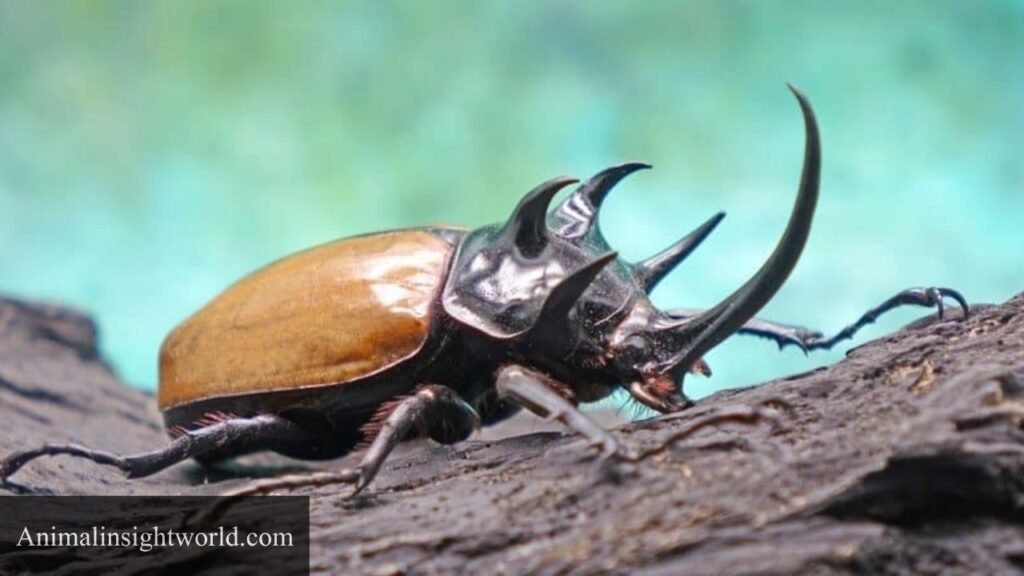
Interestingly, beetles exhibit diverse feeding patterns that enhance their efficiency as tick predators. Some species display a deliberate hunting technique, where they scavenge through underbrush, while others may remain motionless, relying on camouflage to ambush unsuspecting ticks. This behavioral versatility underscores a remarkable adaptation to different environments and tick densities, showcasing their importance in maintaining ecological balance. By understanding these intricate relationships, we can appreciate how beetles contribute to a healthier ecosystem, providing a natural form of pest control essential for both wildlife and human communities.
You can also read: Explore Top 20 Animals That Eat Berries.
Bats
Scientific Name: Chiroptera
Class: Mammalia
Diet: Carnivore
Bats play a crucial role in controlling tick populations, often underestimated in their ecological impact. With their extraordinary hunting strategies, these nocturnal predators utilize echolocation to detect not only flying insects but also ticks hiding in the underbrush. The efficiency of their foraging patterns allows them to consume vast numbers of ticks nightly, as they flutter and swoop through habitats where ticks thrive.
Moreover, bat species such as the little brown bat and the Brazilian free-tailed bat have shown remarkable adaptability, shifting their diets in response to the availability of prey. For instance, while they primarily feast on insects, their ability to also target the warm-blooded hosts that ticks seek after can disrupt the reproductive cycles of these parasites. This unique predation not only helps keep tick populations in check but also contributes to a healthier ecosystem, ultimately reducing the incidence of tick-borne diseases that threaten both wildlife and humans. Understanding the multifaceted role of bats can inspire conservation efforts that recognize these creatures as vital allies in the fight against ticks.
Ducks
Scientific Name: Anatidae
Class: Aves
Diet: Omnivore
Ducks are not just charming waterfowl; they also play a crucial role in controlling tick populations in various ecosystems. Their unique foraging behavior makes them effective hunters of these pesky parasites. Ducks typically forage in mud and shallow waters, where they can easily spot and consume ticks while sifting through leaf litter and grass. This natural hunting strategy not only serves their dietary needs but also aids in keeping tick numbers in check, reducing the risk of tick-borne diseases in the surrounding environment.
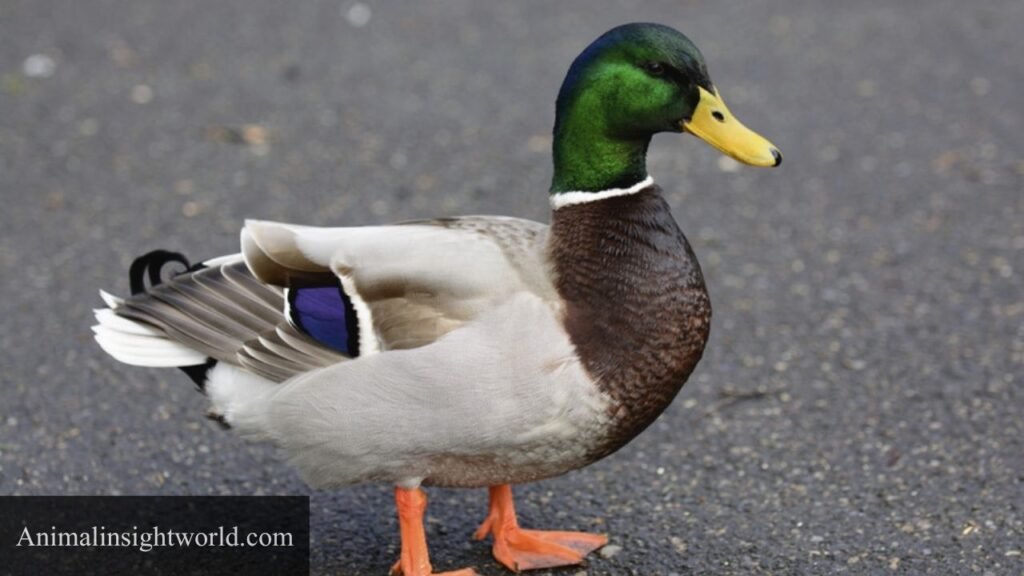
Interestingly, ducks exhibit specific patterns in their tick-hunting behavior. When in groups, they often employ a synchronized foraging tactic, allowing them to cover more ground and maximize the chances of finding ticks. This communal approach not only enhances their food intake but also creates a communal defense against predators, showcasing the dual benefits of cooperative behavior. By leveraging their agile bills and keen eyesight, ducks instinctively target areas where ticks thrive, such as overgrown fields and forest edges, effectively disrupting the lifecycle of these parasites.
Toad
Scientific Name: Bufonidae
Class: Amphibia
Diet: Carnivore
Toads are remarkable allies in the battle against ticks, bringing an unlikely flair to the ecosystem. These amphibians employ a fascinating hunting strategy that blends patience with precision. Typically, toads ambush their prey, relying on their excellent camouflage and acute sense of hearing to detect the slightest movements in their environment. When a tick crosses their path, the toad’s long, sticky tongue strikes with impressive speed, ensnaring the tick before it can escape.
What is particularly notable about toads is their varied diet, which adapts based on the availability of prey. In tick-heavy seasons, these creatures can significantly reduce local populations, showcasing their ecological importance. Interestingly, their presence in wetland habitats often correlates with lower tick counts, illustrating a symbiotic relationship where toads thrive, and human visitors are less likely to encounter these small bloodsuckers. By understanding the role of toads in tick management, we can better appreciate the intricate interdependencies within our ecosystems.
Readmore: Explore Top 13 Animals That Eat Honey.
Wild Turkeys
Scientific Name: Meleagris gallopavo
Class: Aves
Diet: Omnivore
Wild turkeys are remarkable allies in the fight against ticks, demonstrating a unique hunting strategy that can be both efficient and intriguing. These birds possess an insatiable appetite for a variety of insects, with ticks being a significant part of their diet, particularly during warmer months. As they forage through underbrush and fields, wild turkeys employ a combination of keen eyesight and instinctual behavior, often sweeping their heads side to side to spot these tiny parasites clinging to grass and foliage.
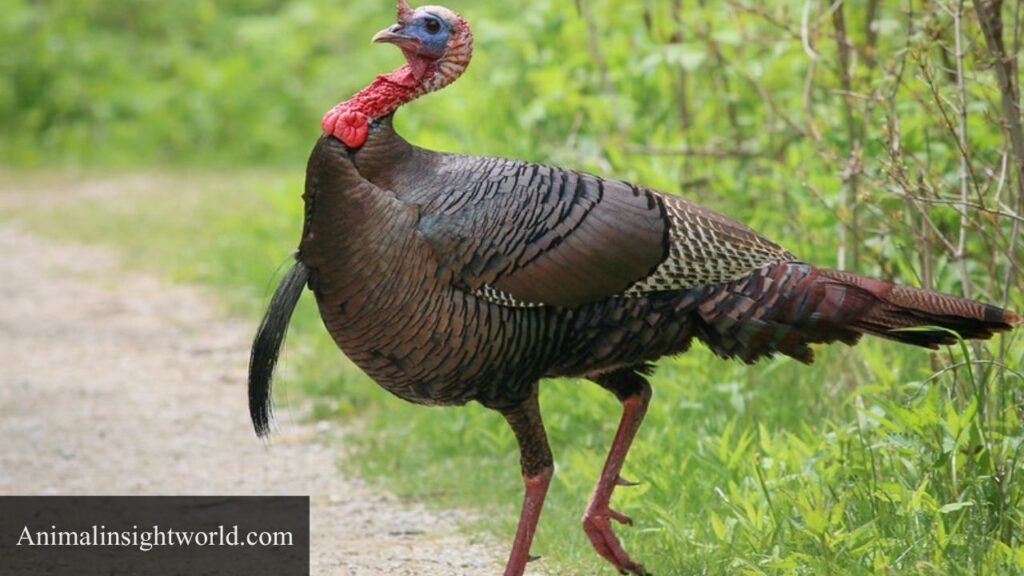
In addition to their role in reducing tick populations, wild turkeys exhibit fascinating social dynamics while hunting. They often travel in flocks, allowing them to cover more ground and maximize their tick-hunting potential. This social behavior not only aids in finding food but also enhances their ability to detect predators, creating a win-win scenario for their ecosystem. Observing these birds in action reveals a graceful balance of nature, where their foraging patterns help keep tick numbers in check while promoting overall biodiversity in their habitats. Thus, wild turkeys serve as a vital component in controlling tick populations, illustrating the interconnectedness of wildlife and the environment.
Raccoons
Scientific Name: Procyon lotor
Class: Mammalia
Diet: Omnivore
Raccoons, often regarded as clever urban foragers, are also adept hunters of ticks, playing a vital role in controlling these pesky parasites. With their nimble paws and inquisitive nature, raccoons utilize a unique hunting strategy by foraging in wooded areas where ticks thrive. Their heightened sense of touch allows them to sift through leaf litter and grass, uncovering hidden ticks to consume. This not only satisfies their dietary needs, which include a mix of fruits, insects, and small animals, but also contributes to reducing the tick population around their habitats.
Furthermore, the timing of their hunting patterns is intriguing. Raccoons are most active during the night, allowing them to capitalize on cooler temperatures when ticks are less likely to cling onto hosts. This nocturnal behavior not only enhances their foraging efficiency but also means they often feast on ticks that are active during twilight — right when they are targeting potential hosts. By integrating raccoons into ecological discussions about pest control, we can appreciate the intricate balance of nature and the surprising interconnectedness of urban wildlife with their environments.
Shrews
Scientific Name: Soricidae
Class: Mammalia
Diet: Carnivore
Shrews are often overlooked as garden or woodland dwellers, yet these small mammals play a pivotal role in controlling tick populations. Equipped with a high metabolic rate, shrews can eat 2 to 3 times their body weight in food daily, making them relentless predators of these parasitic pests. Their unique hunting strategy involves a combination of keen senses and rapid movements. With a heightened sense of smell and touch, shrews can detect ticks hiding in vegetation, allowing them to snatch them up with astonishing speed.
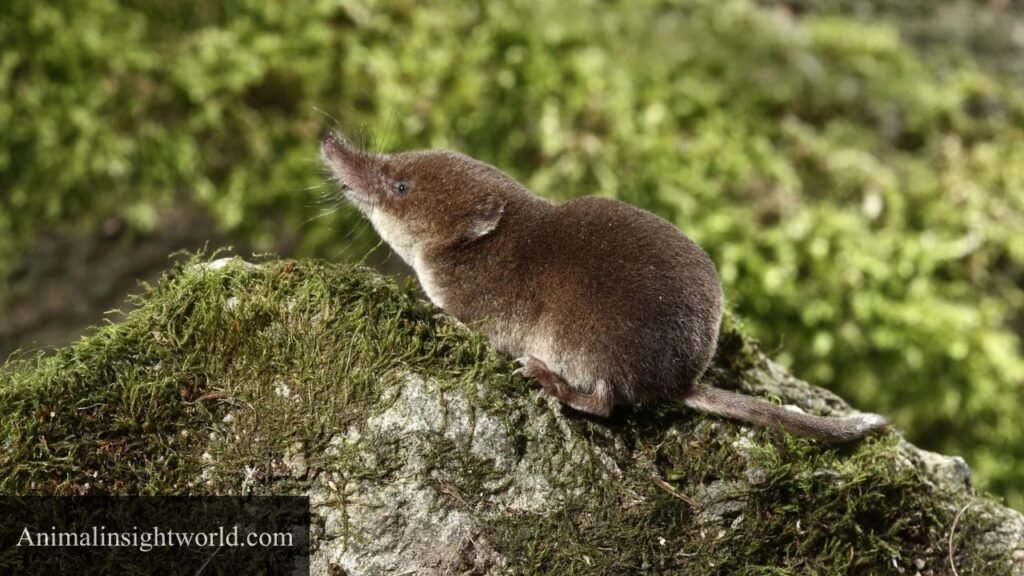
Moreover, shrews have a distinct preference for habitats rich in leaf litter and moist environments, where ticks are most likely to thrive. By maintaining these ecosystems, shrews help create a natural balance, preventing tick populations from exploding and reducing the risk of diseases like Lyme disease. As they tirelessly forage for food, shrews not only find their tick meals but also contribute to the overall health of their environment, showcasing the intricate web of life that connects these often unappreciated creatures. By understanding the crucial role of shrews in tick management, we gain insights into the delicate intertwining of predator and prey in our ecosystems.
You can also read: Explore 16 Common Animals That Eat Seeds.
Spiders
Scientific Name: Araneae
Class: Arachnida
Diet: Carnivore
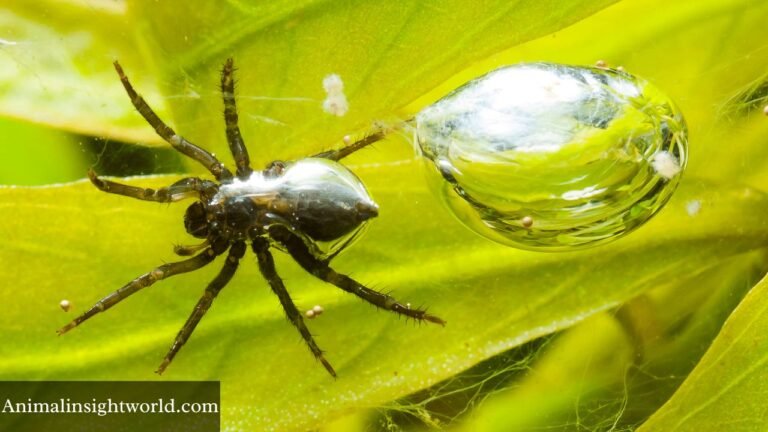
Spiders are often overlooked allies in the natural battle against ticks. These eight-legged predators employ a diverse array of hunting strategies that make them particularly effective at controlling tick populations. For instance, orb-weavers spin intricate webs in designated areas where ticks might crawl, effectively capturing them as they traverse the landscape. In contrast, hunting spiders, such as wolf spiders, rely on speed and stealth, pouncing on unsuspecting ticks that cross their paths.
Interestingly, the hunting patterns of these arachnids are influenced by the ticks’ own behavior. Ticks typically seek higher ground on grasses or shrubs, hoping to latch onto unsuspecting hosts. Spiders that understand this behavior position themselves near these hotspots, enhancing their chances of a successful catch. By adapting their tactics based on the tick’s habitat, spiders exemplify nature’s intricate web of relationships, reminding us that even the smallest predators play a substantial role in maintaining ecological balance.
Squirrels
Scientific Name: Sciuridae
Class: Mammalia
Diet: Omnivore
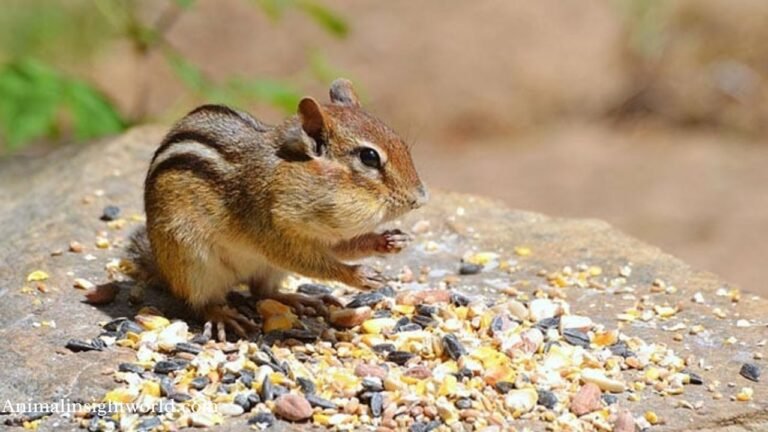
Squirrels, often seen scurrying about in urban parks and wooded areas, are not only charming creatures but also unsuspected allies in the fight against ticks. Their foraging patterns reveal an appetite for more than just nuts and seeds; they actively hunt down ticks as part of their diverse diet. These nimble rodents employ an interesting strategy: while rummaging through underbrush or grooming each other, they pick off ticks that cling to their fur or skin, effectively lowering their own ectoparasite load and contributing to the ecosystem’s balance.
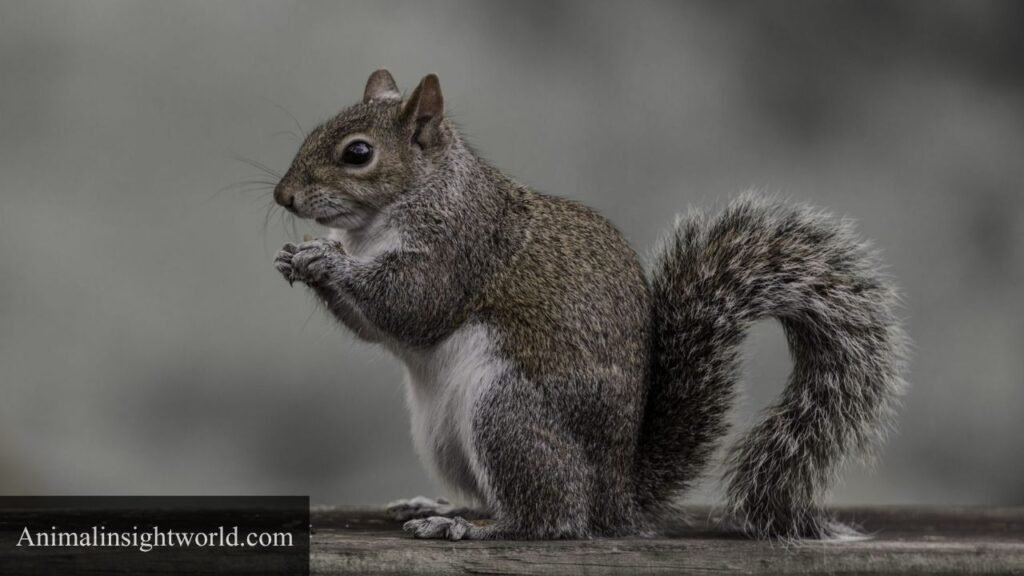
Beyond their opportunistic feeding habits, squirrels display intriguing social dynamics when it comes to tick management. Studies have shown that during intense grooming periods, they often help each other out, showcasing a reciprocal behavior that’s both fascinating and beneficial. This cooperative grooming not only reduces tick populations but also strengthens social bonds within groups. By understanding these delightful creatures and their habits, we can appreciate their role in nature as natural pest control agents, making the environment healthier for themselves and other wildlife.
Readmore: Explore Top 8 Birds That Look Like Crows.
Final Thoughts
Understanding the role of animals that consume ticks is crucial for managing tick populations and reducing the risk of tick-borne diseases. Creatures like birds, rodents, and certain reptiles play a vital part in the ecosystem by naturally controlling these pests. By encouraging and protecting these tick-eating species in our gardens and backyards, we can create a healthier environment for ourselves and the wildlife around us. Seeking to learn more about these animals helps foster a deeper appreciation for biodiversity and the interconnectedness of our ecological systems. Let’s take a moment to support nature’s tick-fighting champions and promote their habitat whenever possible.
FAQs
What eats ticks?
Ticks have a range of natural predators that help control their populations. Some birds, like chickens and wild turkeys, are known to actively hunt ticks, efficiently reducing their numbers. Other wildlife, such as opossums, are also effective; they consume ticks and have a low chance of contracting diseases from them. Different types of insects play a role in tick control. Spiders and certain predatory beetles might feast on ticks, helping to maintain the balance in ecosystems. Even some small mammals, like shrews, will eat ticks when foraging. Overall, a variety of creatures contribute to keeping tick populations in check.
Do birds eat ticks?
Yes, many birds do eat ticks! Various species, such as chickens, turkeys, and some songbirds, are known to forage for ticks as part of their diet. They help control tick populations in their habitats, making them beneficial for ecosystems and even for human environments.
Do chickens eat ticks?
Yes, chickens do eat ticks! They are natural foragers and will peck at various insects, including ticks, when they roam around in search of food. This makes chickens beneficial for pest control in gardens and yards.
Do ducks eat ticks?
Yes, ducks do eat ticks! They are known to consume various insects, including ticks, as part of their diet. Ducks foraging in grassy or brushy areas often pick up ticks while searching for food.
Do spiders eat ticks?
Yes, spiders can eat ticks, but they are not a primary food source for most spider species. Spiders are opportunistic predators and will consume a variety of insects and small arthropods, including ticks, if the opportunity arises.
Do frogs eat ticks?
Yes, frogs do eat ticks, but they’re not a primary part of their diet. Frogs are opportunistic feeders, which means they’ll consume a variety of small insects and invertebrates when they’re available. Ticks may get caught up in the mix, especially in environments where frogs share habitats with these parasites.
What eats ticks the most?
Guinea fowl are excellent at eating ticks. These birds are natural foragers, and their diet includes a wide range of insects, with ticks being a favorite. They roam around fields and gardens, scratching the ground and bushes to uncover these pests. Guinea fowl consume other harmful insects, acting as a natural pest control method. Having them around can significantly reduce the tick population in your yard, making your outdoor space safer for both pets and humans.
Do bats eat ticks?
Yes, bats do eat ticks! While their primary diet consists of insects like moths, beetles, and mosquitoes, some species of bats will consume a variety of small arthropods, including ticks. This can make them beneficial to ecosystems, especially in areas where ticks are prevalent.