Top 16 Animals That Eat Seeds (With Pictures)
Animals that eat seeds are found all across the animal kingdom. You might be surprised to learn that many familiar animals, from backyard birds to forest-dwelling critters, thrive on these tiny powerhouses of nutrition. By exploring the diet of these seed-loving animals, we can better appreciate the role they play in nature. Join us as we delve into common animals that eat seeds and discover how their eating habits influence both their survival and the health of our ecosystems.
List of Animals That Eat Seeds
Here is the list of common animals that eat seeds:
- Chipmunk
- Parrot
- Cardinal
- Hamster
- Rabbit
- Goldfinch
- Red Squirrel
- Blackbird
- Wild Turkey
- Mouse
- Woodpecker
- Deer
- Ant
- Mourning Dove
- Cricket
- Bean Weevil
Chipmunk
Scientific Name: Tamias
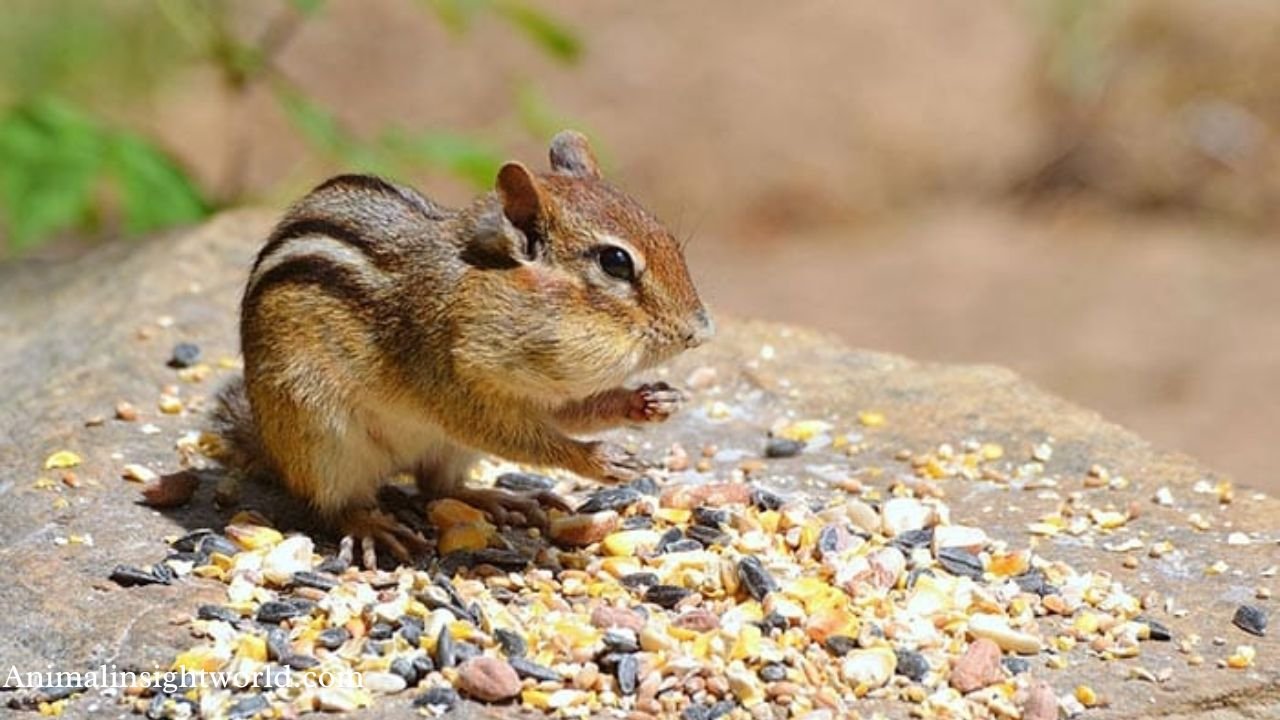
Chipmunks are often seen darting across backyards or scurrying along forest floors, yet there’s much more to these pint-sized mammals than meets the eye. Known for their distinctive cheek pouches, chipmunks have a fascinating method of foraging and food storage. They collect seeds, nuts, and berries during the heyday of summer and tuck them away in their cheek pouches, later transferring this bounty to their burrows for winter sustenance. This behavior not only ensures their survival but also plays a crucial role in seed dispersal, making them unlikely agents of forest regeneration.
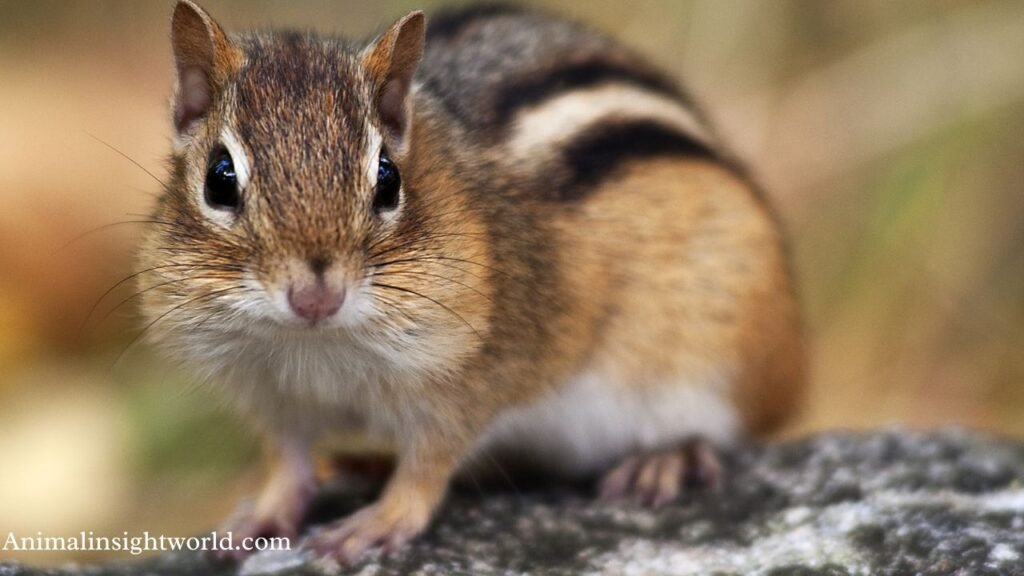
Intriguingly, chipmunks possess a sophisticated communication system, utilizing a range of high-pitched chirps and trills to convey messages about territory, predators, and potential mates. Their social behavior is often understated; while generally solitary, they engage in intricate interactions during mating season and raise their young with remarkable dexterity. These nimble little creatures demonstrate impressive adaptability, thriving in various habitats — from dense woods to suburban gardens — showcasing their resilience in an ever-changing environment. With their exuberant energy and undeniable charm, chipmunks remind us of the intricate connections within our ecosystems and the vital roles even the tiniest creatures play.
Parrot
Scientific Name: Psittaciformes
Parrots are not merely the colorful companions we often see in homes; they are complex, intelligent creatures with remarkable social structures. In the wild, many species have intricate communication systems, utilizing a diverse range of vocalizations that can mimic not only each other but also the sounds of their environments. This adaptability showcases their keen awareness of community dynamics and environmental changes, allowing them to convey critical information about resources or threats.
Moreover, the social bonds that parrots form extend beyond mere companionship; they often engage in cooperative behaviors that enhance their survival. For instance, some species participate in group foraging, facilitating a form of collective intelligence that optimizes food discovery and sharing. Their need for social interaction goes beyond basic survival, suggesting a deep emotional complexity that parallels human relationships. This insight reminds us that when we interact with these vibrant birds, we are engaging not just with pets but with sentient beings capable of forming lasting connections.
Cardinal
Scientific Name: Cardinalis cardinalis
The cardinal birds are not only visually striking but also possess fascinating behaviors that enhance their appeal. For instance, cardinals are among the few bird species that sing all year round, often using their melodious calls to establish territory or attract a mate. Their songs, rich and varied, can be a comforting backdrop in gardens or woodlands, instilling a sense of connection with nature.
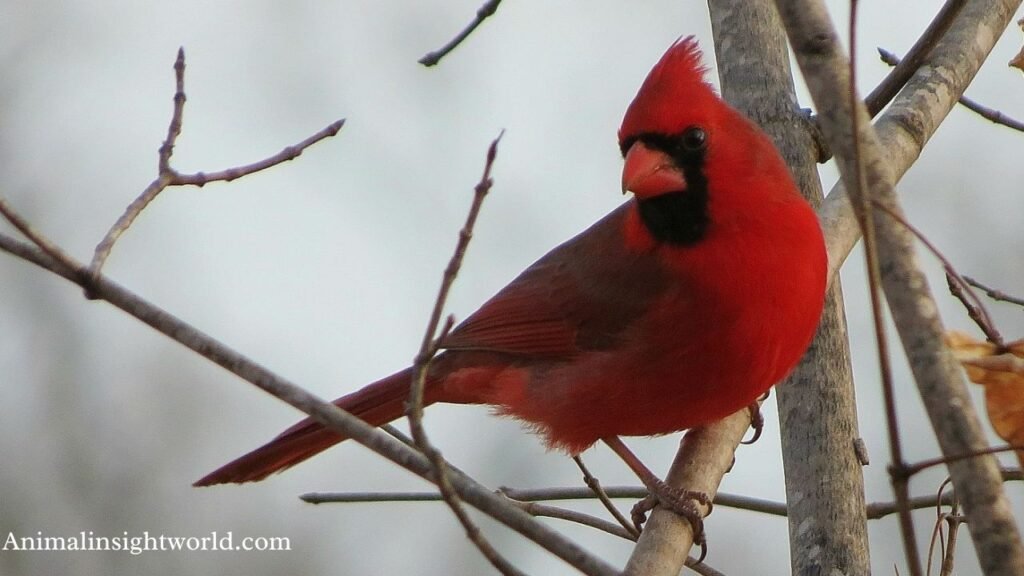
Cardinals are also known for their vocal prowess. Males can produce a remarkable range of calls and songs, often using them for communication during territorial disputes or courtship. This melodious repertoire serves not only to attract mates but also to assert their presence within a community. Living in pairs, they are often seen feeding together, nurturing a dynamic that emphasizes both teamwork and familial bonds. These traits reflect a deeper narrative of connection amidst the vibrant rhythm of life, inviting us to appreciate the balance of individuality and partnership in nature.
Readmore: Explore Top 17 Animals That Eat Snakes.
Hamster
Scientific Name: Cricetinae
Hamsters, often perceived as simple, fluffy companions, hold a treasure trove of fascinating characteristics that can captivate any pet enthusiast. Beyond their adorable appearance, these tiny creatures are natural explorers. In the wild, hamsters engage in complex behaviors such as burrowing elaborate tunnels and hoarding food, demonstrating their instinctual need for safety and sustenance. Watching a hamster in its habitat, feverishly running on a wheel or meticulously rearranging its bedding, offers a glimpse into a world of instinctual ingenuity and resilience.
Moreover, the social dynamics of hamsters can be surprisingly intriguing. While many people opt for a solitary pet due to the territorial nature of certain species, fostering an understanding of their behavior can enrich one’s experience. For instance, our understanding of dwarf hamsters’ more social tendencies can lead to unique pairings and enriching environments that mimic their natural habitats. This perspective not only enhances the bond between owner and pet but also advocates for a deeper appreciation of biodiversity in the animal kingdom, reminding us that each species has its own unique place and value in the intricate web of life.
Rabbit
Scientific Name: Oryctolagus cuniculus
Rabbits are often perceived as cute, fluffy creatures, but their behavior reveals a rich tapestry of instincts and social dynamics that can be quite fascinating. In the wild, they are not just prey but also masters of survival, exhibiting remarkable agility and a keen sense of awareness that helps them evade predators. This combination of vigilance and social interaction is critical to their existence; rabbits communicate through a series of thumps and vocalizations, which can convey everything from alert signals to playful invitations.
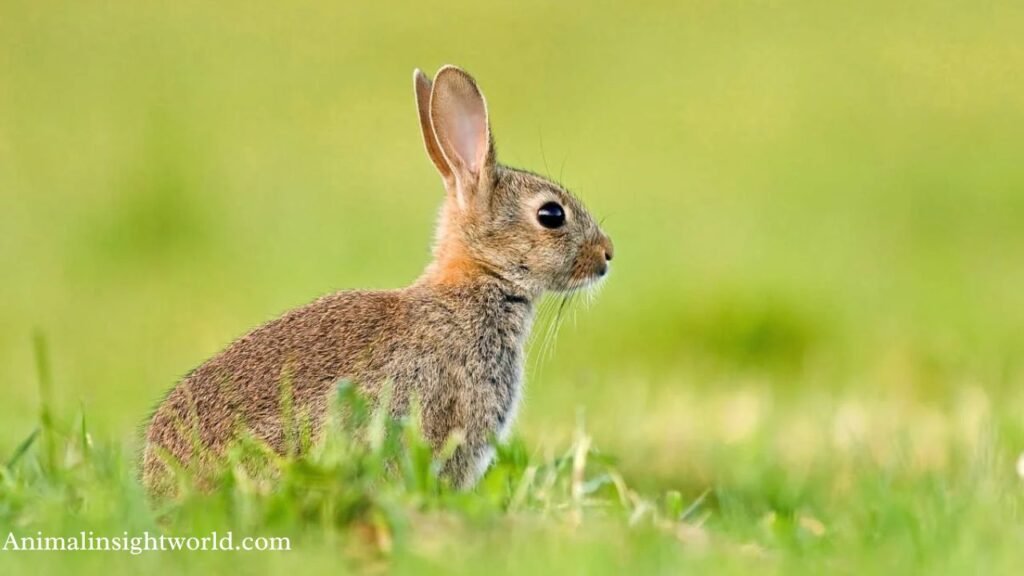
Domesticated rabbits, while still retaining many of these wild instincts, show a different side when they feel safe in their environments. They can form deep bonds with their human companions, exhibiting affectionate behaviors like nudging and purring when they’re content. Interestingly, rabbits also possess a playful streak; they thrive on environmental enrichment, engaging with toys and exploring their space, which taps into their natural curiosity and need for stimulation. By providing a rich and engaging habitat, owners can unlock a more vibrant personality in these delightful animals, revealing layers of intelligence and emotional depth often overlooked.
You can also read: Explore Top 13 Animals That Eat Mushrooms.
Goldfinch
Scientific Name: Carduelis carduelis
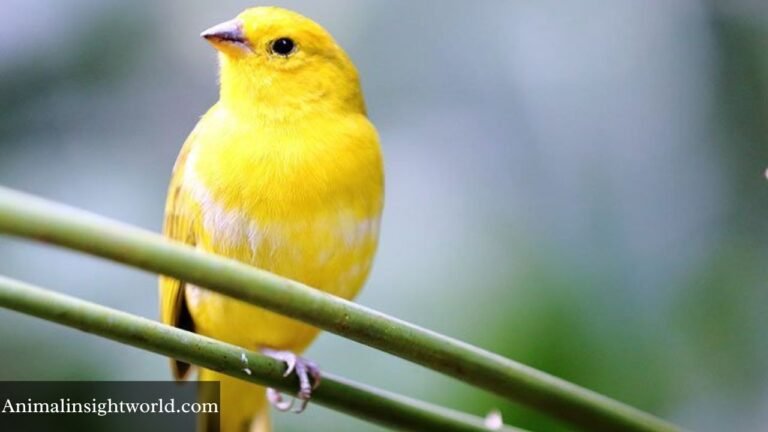
Goldfinches are more than just vibrant flashes of yellow flitting through gardens; they are emblematic of resilience and adaptability. These small, lively birds are renowned for their delightful twittering songs, which seem to mingle effortlessly with the rustle of leaves and the hum of summer. Their unique foraging habits, primarily feeding on seeds from thistles and dandelions, illustrate their role as natural gardeners, helping to spread plant species while also nurturing their own survival.
As seasons shift, so do their appearances and behaviors. In winter, their plumage transforms, dulling to a more subdued browny hue that harmonizes with the wintry landscape, a surprising adaptation that aids in camouflage. This seasonal metamorphosis reflects not just a survival strategy, but also the elegance of nature’s cycles, reminding us that beauty often lies in change. Observing goldfinches offers a lesson in embracing transformation — both in the natural world and within ourselves, as we navigate our own seasons of life.
Red Squirrel
Scientific Name: Sciurus vulgaris
The red squirrel, with its vibrant russet fur and bushy tail, is not just a charming woodland creature but a vital player in forest ecosystems. These agile acrobats thrive in coniferous forests, where they expertly navigate the canopy, ensuring a balance within their habitat. Their diet primarily consists of seeds, nuts, and berries, but they are also known for their food caching habits — stashing supplies for the winter months. This behavior inadvertently aids forest growth, as forgotten seeds may sprout into new trees, highlighting their ecological role as natural gardeners.
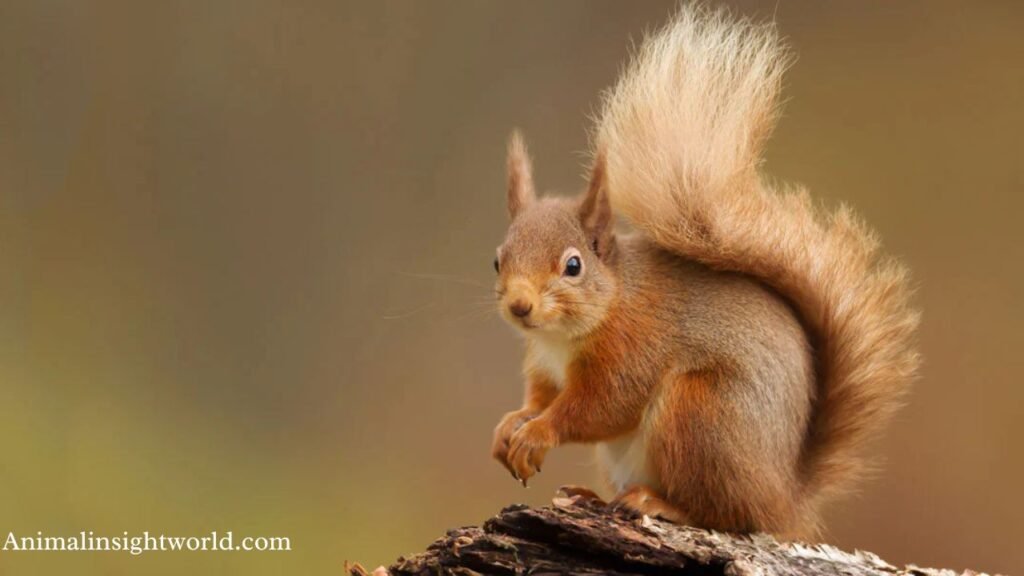
Interestingly, red squirrels exhibit intricate social behaviors, often communicating through a variety of chirps and chatters that convey everything from aggression to alarm. Their playful nature also provides insights into their intelligence, as they engage in intricate games with one another, showcasing a level of social learning that fascinates researchers. As their populations face increasing pressures from habitat loss and competition with invasive species like the grey squirrel, the plight of the red squirrel serves as a poignant reminder of the need for conservation efforts. Embracing the charm and significance of these vibrant creatures can foster a deeper appreciation for our natural world and its delicate balance.
Also read: Explore Top 15 Animals That Eat Ticks.
Blackbird
Scientific Name: Turdus merula
The blackbird, a familiar yet often overlooked resident in gardens and parks, plays a crucial role in seed dispersal. While many may know this bird for its melodious song, few appreciate its foraging habits. With a keen eye for ripening fruits and seeds, the blackbird meticulously searches through underbrush and grass, contributing to the ecological balance by spreading seeds far and wide. This natural act not only helps in the propagation of various plant species but also sustains the habitats that numerous other creatures rely on.
In addition to their role in seed dispersal, blackbirds exhibit an impressive adaptability when it comes to their diet. They not only consume seeds but also indulge in a variety of foods, from insects to berries. This flexibility allows them to thrive in diverse environments, whether urban backyards or wild woodlands. Interestingly, their foraging behavior also promotes biodiversity, as they often choose seeds from a range of plants, inadvertently supporting ecosystem resilience. Thus, the blackbird stands as a testament to the interconnectedness of life, reminding us that even the simplest actions can have profound impacts on our environment.
Wild Turkey
Scientific Name: Meleagris gallopavo
Wild turkeys are not just iconic symbols of North American wilderness; they are also remarkable seed foragers that play a vital role in their ecosystems. These impressive birds have a varied diet, but seeds are a staple, and they often seek out the seeds of grasses, sunflowers, and various berries. What’s fascinating is how their consumption of seeds not only sustains them but also aids in seed dispersal — an essential process for forest regeneration. After the turkeys eat the seeds, they often travel several miles before excreting them, facilitating the spread of plant species across a wide area.
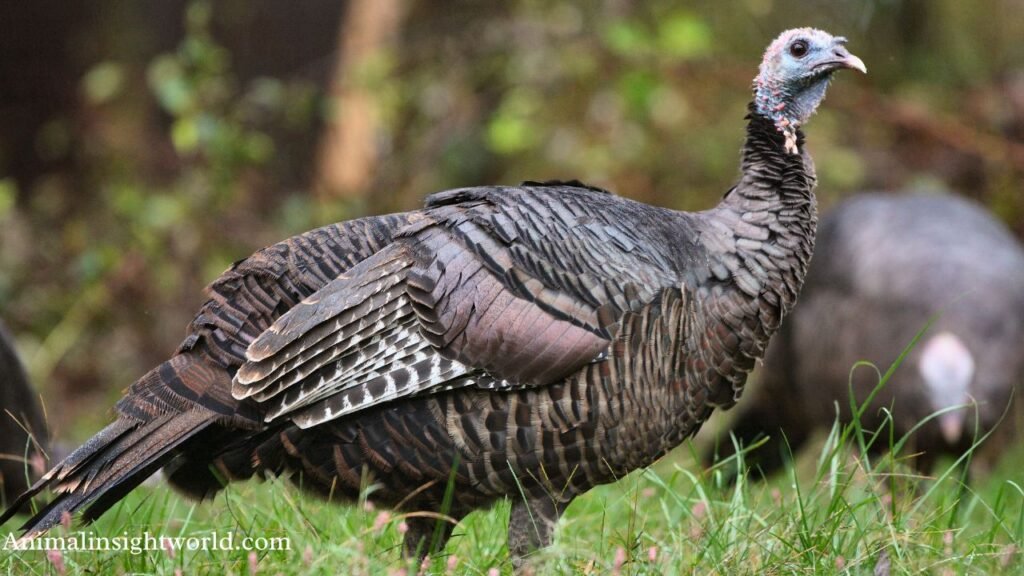
Furthermore, wild turkeys possess a unique foraging behavior that showcases their adaptability. They utilize their keen eyesight to spot seeds hidden beneath foliage, using their strong legs to scratch the ground and uncover hidden food sources. This behavior contributes to biodiversity; as they consume seeds and inadvertently drop them in different locations, they help maintain the health of their habitat. In a world increasingly impacted by habitat loss and climate change, wild turkeys’ role as seed dispersers emphasizes their importance in maintaining ecological balance — a fascinating reminder of how interconnected all species truly are.
Readmore: Explore Top 17 Animals That Eat Grasshoppers.
Mouse
Scientific Name: Mus musculus
Mice are fascinating characters within the animal kingdom. Their small size grants them the ability to explore a variety of environments, from the nooks and crannies of urban areas to the vastness of fields. Known for their impressive navigational skills, mice can remember routes and find food sources even in the most challenging landscapes. This agility isn’t just physical; it’s also remarkable how they communicate and form social structures, often showing a preference for close-knit family units.
Interestingly, mice play a vital role in scientific research, serving as models for understanding human diseases. Their biology and genetics offer insights into everything from cancer to neurodegenerative disorders, paving the way for groundbreaking treatments. Beyond the lab, mice are also an overlooked part of the ecosystem, acting as prey for numerous species while helping in seed dispersal, which supports plant diversity. By considering the multifaceted importance of mice, we can better appreciate how their presence influences the world around us.
Woodpecker
Scientific Name: Picidae
Woodpeckers are often celebrated for their drumming on trees, but their diet reveals a fascinating commitment to seed consumption. While these birds are primarily known for excavating insects buried under bark, many species adeptly extract seeds from various trees, such as pines and oaks. Their specialized beaks, with a sturdy structure designed for pecking, can efficiently crack open tough seed coats, showcasing an evolutionary adaptation that serves multiple dietary needs.
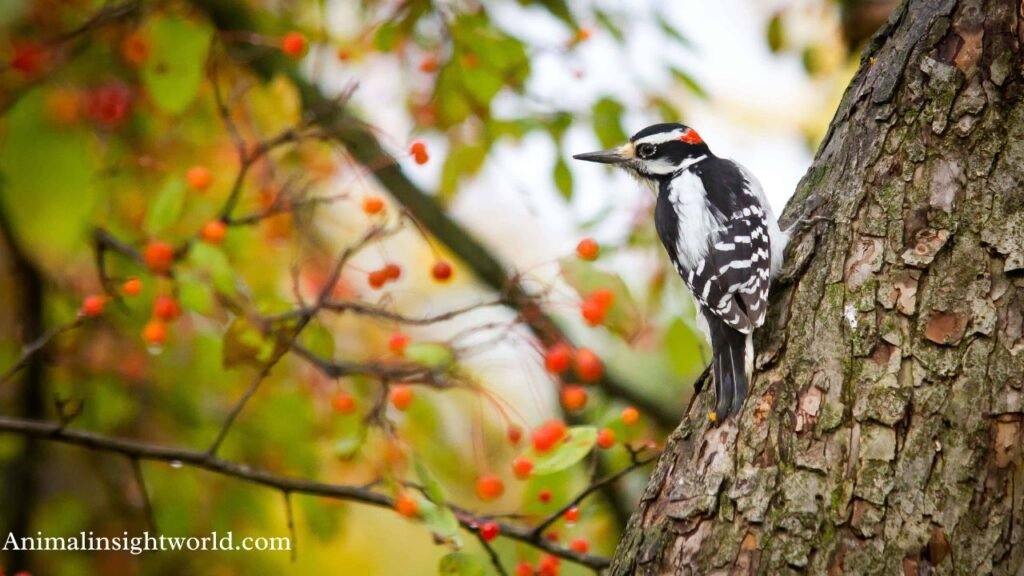
Moreover, woodpeckers play a crucial role in forest ecosystems by facilitating seed dispersal. As they forage, they unintentionally drop seeds from their beaks or search for them across different trees. This behavior fosters forest regeneration and biodiversity, highlighting how these birds are not mere woodworkers but vital contributors to the growth of new plant life. Their foraging habits offer a unique perspective on the interconnectedness of avian life and plant health, emphasizing the importance of preserving their habitats to maintain ecological balance.
You can also read: Explore Top 13 Animals That Eat Honey.
Deer
Scientific Name: Cervidae
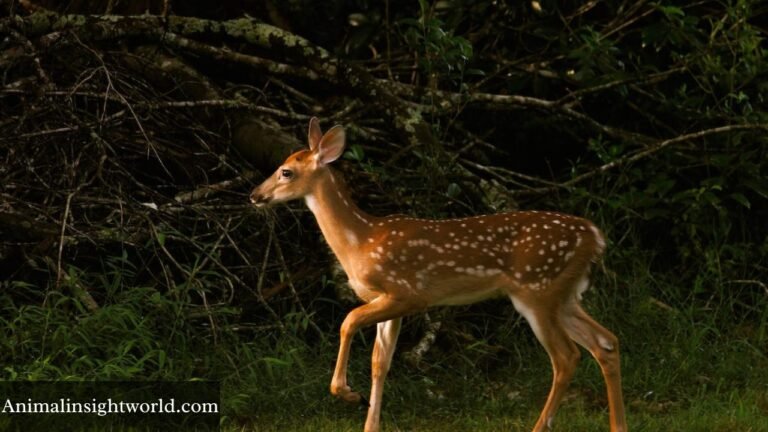
Deer, often depicted as graceful grazers, have a surprisingly varied diet that includes seeds — a crucial component in their nutritional intake. In forested and grassy ecosystems, these animals foray through the undergrowth, foraging for the seeds of plants like sunflowers and acorns. Interestingly, their role extends beyond mere consumers; by consuming seeds, deer aid in the dispersal of various plant species, promoting biodiversity in their habitats.
Deer have adapted remarkably well to different seasonal changes, often shifting their diets based on the availability of seeds throughout the year. During the fall, for example, white-tailed deer will seek out acorns, which are energy-dense and store essential fats for winter. This seasonal strategy not only fuels their survival but also emphasizes their ecological role in shaping the landscape. By breaking the seeds that they consume, deer facilitate germination processes, enhancing plant regeneration and shaping the ecosystems they inhabit. Through these interactions, deer become vital players in a complex web of life, demonstrating that even the most commonly perceived browsers have a profound impact on their environment.
Ant
Scientific Name: Formicidae
Ants are fascinating seed-eating creatures that play a pivotal role in their ecosystems. Not merely scavengers, certain ant species, like the harvester ant, actively foray into the vast world of seeds. Their ability to locate, collect, and transport seeds back to their colonies is a strategy finely tuned by evolution. What’s remarkable is their sophisticated method of seed selection; some ants prefer seeds that are larger or richer in nutrients, highlighting their discerning palate.
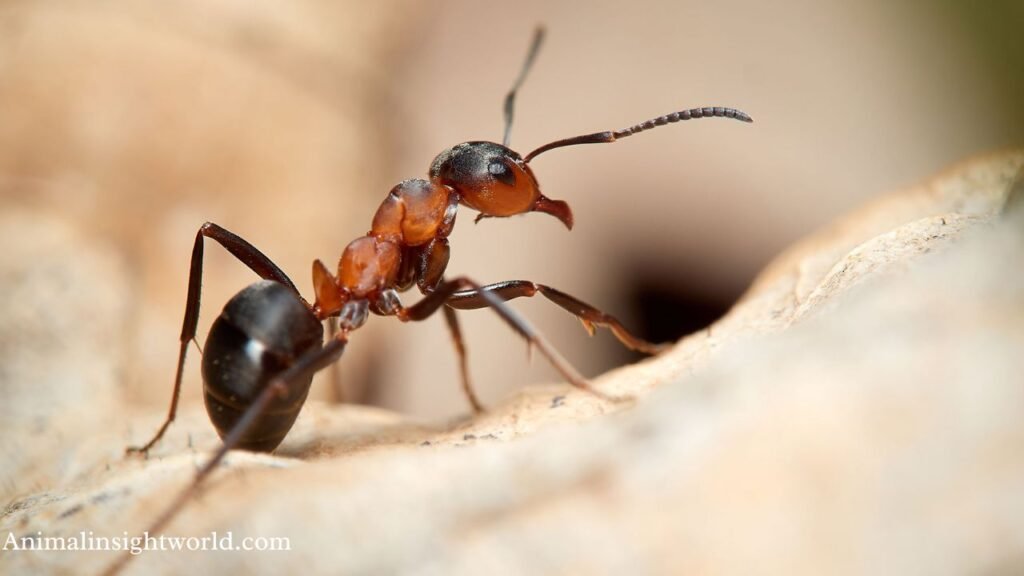
Once collected, ants tap into a fascinating symbiotic relationship with their environment. They not only consume these seeds but also help in seed dispersal — a process known as myrmecochory. By dragging seeds to their underground nests, they inadvertently plant them, promoting plant diversity and aiding in regeneration. This essential behavior illustrates how even the smallest of creatures can shape ecosystems, ensuring a thriving balance between flora and fauna.
Mourning Dove
Scientific Name: Zenaida macroura
The mourning dove, with its soft coos and understated elegance, is a paradox of strength and vulnerability. These slim, graceful birds are often found perched on utility wires, effortlessly blending into urban landscapes, yet they maintain a wild beauty that captivates nature enthusiasts. Their gentle nature pairs with a rich history; in many cultures, mourning doves symbolize peace and love, often appearing during moments of reflection or sorrow.
Interestingly, their adaptability is a testament to survival. Despite their delicate appearance, mourning doves thrive in diverse habitats, from bustling suburbs to expansive farmlands. Their diet primarily consists of seeds, which they cleverly forage from the ground, showcasing their resourcefulness. As they pursue the fleeting moments of dawn and dusk, their haunting calls seem to echo the very heart of the landscape, weaving an emotional tapestry that resonates with anyone fortunate enough to pause and listen. Observing these birds reminds us of the delicate balance of life — where beauty lies in both the mundane and the profound.
Also read: Explore Top 20 Animals That Eat Berries.
Cricket
Scientific Name: Acheta domesticus
Crickets, often celebrated for their chirping serenades, are surprisingly enthusiastic seed consumers. These small insects possess powerful mandibles that allow them to efficiently crack open seeds, making them crucial players in the ecosystem. By dining on various seeds, crickets help with seed dispersal, contributing to plant diversity and the health of their habitats. Their voracious appetites are not just for sustenance; crickets also play an essential role in recycling nutrients back into the soil, promoting fertile ground for future growth.
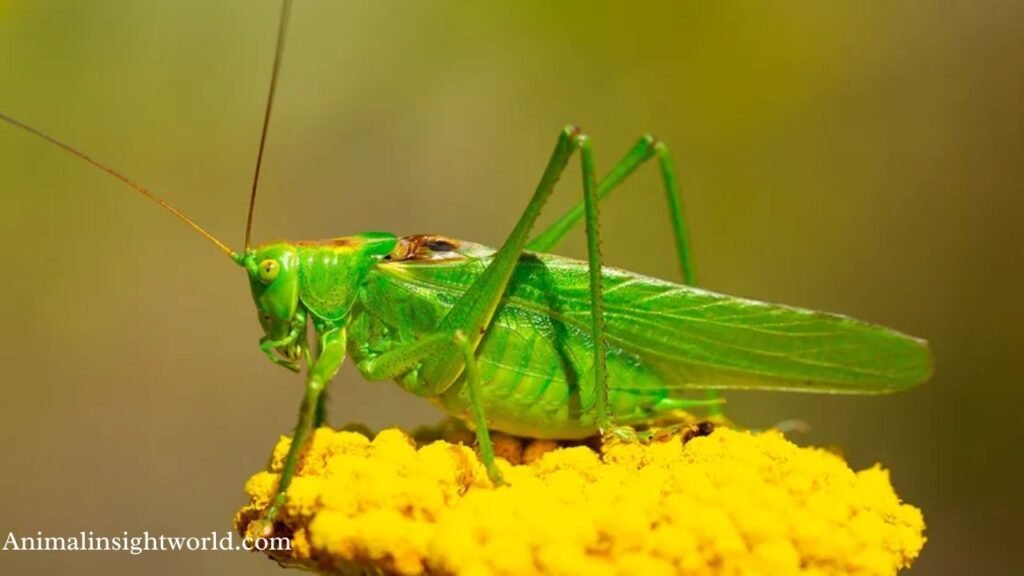
Interestingly, crickets exhibit a preference for seeds that are high in protein and fats, directly influencing their growth and reproduction rates. This dietary choice reflects a fascinating adaptation to their environments, as it allows them to thrive in diverse ecosystems — from grasslands to forests.
Bean Weevil
Scientific Name: Bruchinae
The bean weevil, a tiny yet formidable pest, holds a fascinating role in the ecosystem of seed consumers. These minuscule insects, measuring barely a quarter of an inch, have evolved to become experts in the art of seed consumption, primarily targeting various legumes. What truly captivates researchers is the bean weevil’s ability to detect and avoid seeds that are toxic or unviable, showcasing an incredible instinctive talent for survival. This selective feeding behavior not only ensures the weevil’s own survival but also impacts the health of ecosystems, as their feeding can regulate plant populations and encourage seed germination.
Digging deeper, the life cycle of the bean weevil offers a glimpse into the intricate dance of nature. Females strategically lay their eggs inside the seeds, allowing larvae to develop in a secure environment, where they benefit from the nutrients of their host.
Readmore: Explore Top 17 Bald Animals in The World.
Final Thoughts
The remarkable range of animals that feed on seeds demonstrates the diversity of life that relies on this natural resource. From small rodents to large birds, each species contributes to a delicate balance within their environments. Observing these animals not only enriches our understanding of nature but also reminds us of the importance of preserving habitats for their survival. As you explore your local parks or gardens, keep an eye out for these seed-loving creatures and consider how they contribute to the ecosystem’s health. Let’s strive to protect the environments that support them and foster a deeper appreciation for the wildlife around us.
FAQs
What are animals that eat seeds?
Many animals rely on seeds as a primary food source. Birds like finches, sparrows, and doves are well-known seed eaters, primarily feeding on a variety of seeds from grasses and flowers. They have specialized beaks that are great for cracking open tough seed coats. Mammals also play a role in seed consumption. Squirrels and mice are notorious for gathering and eating seeds, while larger animals like elephants and bears might eat seeds as part of a mixed diet.
Do animals carry seeds?
Yes, animals do carry seeds! Many animals, like birds and mammals, play a crucial role in seed dispersal. As they eat fruits, they consume seeds along with them. When the seeds pass through their digestive systems, they can be deposited in new locations, often far from the parent plant. This helps plants spread their offspring and adapt to new environments.
What is an animal that only eats seeds called?
An animal that primarily eats seeds is called a granivore. These creatures have specialized adaptations that help them efficiently consume and digest seeds. Common examples of granivores include many birds, such as finches and pigeons, which have beaks designed for cracking open seeds. Some rodents, like certain species of squirrels, also fit into this category.