Top 21 Animals With Sharp Claws (Pictures Included)
Did you know that some of the world’s most formidable hunters rely on sharp claws to secure their next meal? In the wild, these adaptations are often the difference between survival and starvation. This article will delve into the fascinating world of animals with sharp claws, exploring how these incredible features aid in hunting, defense, and even social interactions. By the end, you’ll not only appreciate the variety of life forms these claws belong to, but also their vital roles in ecosystems.
List of Animals With Sharp Claws
Here is the list of animals with sharp claws:
- Star-nosed Mole
- American Black Bear
- Jaguar
- Harpy Eagle
- Giant Anteater
- Polar Bear
- House Cat
- Wolverine
- Bald Eagle
- Sloth
- American Badger
- Tiger
- Armadillo
- Secretary Bird
- Great Horned Owl
- Lion
- Komodo Dragon
- Alligators
- Mountain Lion
- Grizzly Bear
- Red Kangaroo
Star-nosed Mole
Scientific Name: Condylura cristata
Class: Mammalia
Diet: Carnivore
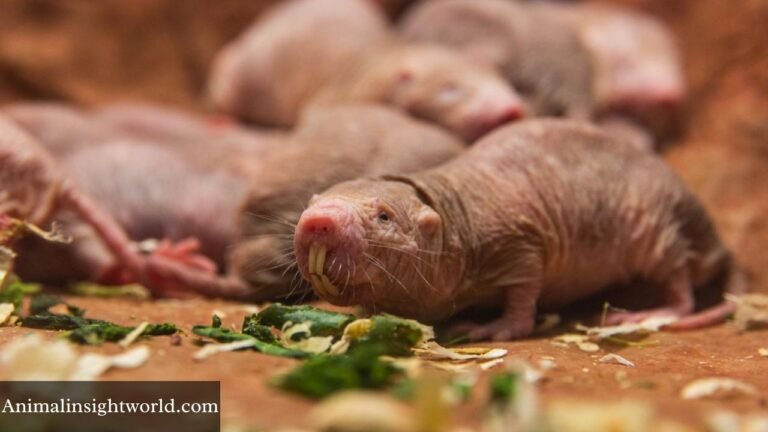
The star-nosed mole is a fascinating blend of curious adaptations and unique survival strategies, most notably highlighted by its remarkable claws. These small but mighty creatures inhabit wetlands and swampy areas in North America, utilizing their sharp, spade-like claws to dig intricate tunnel systems. This extensive network not only shelters them from predators but also serves as a hunting ground where they can forage for insects and small invertebrates.

These claws aren’t just tools for excavation; they also play a pivotal role in their lifestyle. The star-nosed mole’s tactile, star-shaped appendage — comprising 22 fleshy tendrils — enhances its ability to navigate and identify prey in the dark, damp soil. Coupled with their impressive claws, this sensory adaptation transforms the search for food into a rapid, efficient process. As they burrow, their claws propel them forward like a well-tuned machine, allowing them to excavate vast volumes of earth in search of sustenance. Thus, the star-nosed mole exemplifies nature’s intricate design, where claws and sensory prehension combine to create a master forager perfectly adapted to its environment.
American Black Bear
Scientific Name: Ursus americanus
Class: Mammalia
Diet: Omnivore
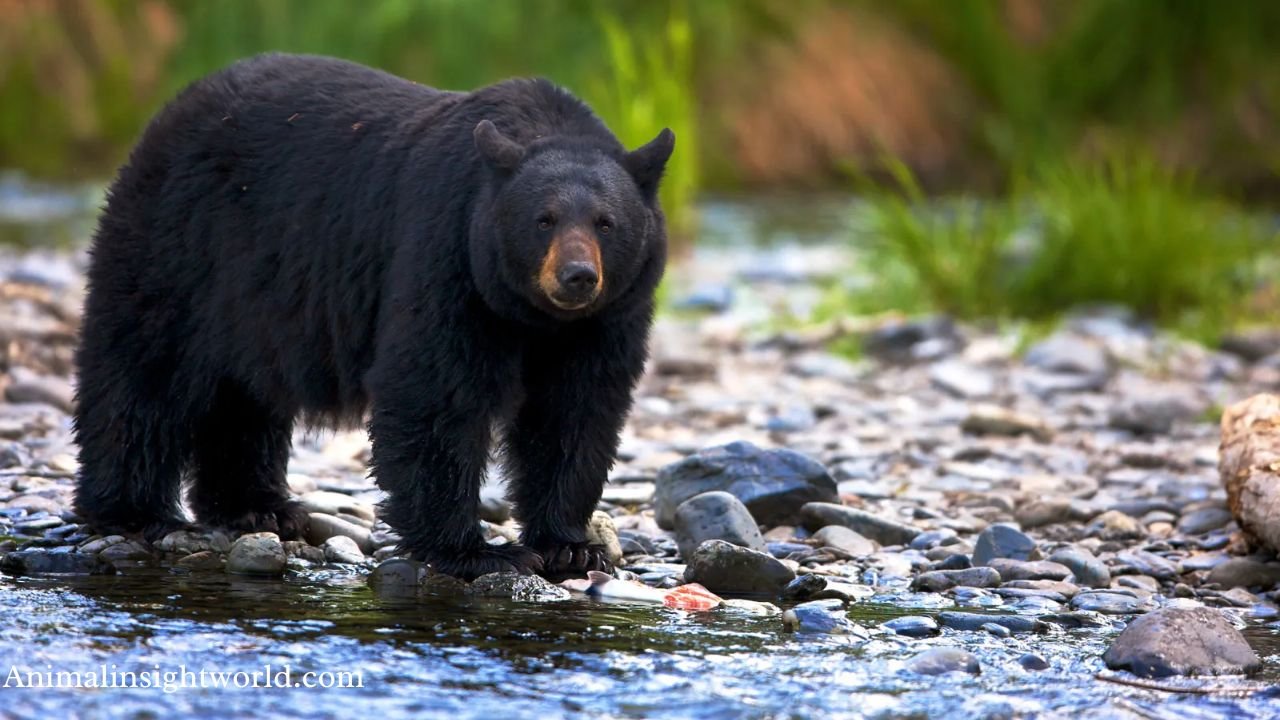
The American black bear, with its formidable claws, is a master of both tree-climbing and foraging. These sharp, curved talons can grow up to two inches long, allowing the bear to skillfully scale trees in search of fruits or escape potential threats. Unlike the more notorious grizzlies, black bears are often more agile and adept at maneuvering through densely wooded environments, showcasing their claws as tools of both survival and adventure..
What’s particularly intriguing is how these claws are not just weapons but instruments of efficiency in the bear’s diverse diet. They dig for roots and tubers, tear open logs to find insects, and even adeptly fish for salmon in streams. This versatility highlights the evolutionary advantage that sharp claws provide, enabling the black bear to adapt and thrive in various habitats from dense forests to mountainous regions. Observing a black bear in action, whether climbing high for berries or deftly prying apart a bee nest, reveals a fascinating blend of strength and agility, making these creatures true marvels of nature.
Jaguar
Scientific Name: Panthera onca
Class: Mammalia
Diet: Carnivore
The jaguar, a striking apex predator of the Americas, boasts some of the most formidable claws in the animal kingdom. These sharp, retractable claws serve not just as tools for hunting but as integral components of their agile and powerful physique. When a jaguar embarks on a stealthy approach toward its prey, these claws dig into the ground, providing exceptional grip and stability. This allows them to launch into a powerful sprint or execute a thrilling ambush with ease.
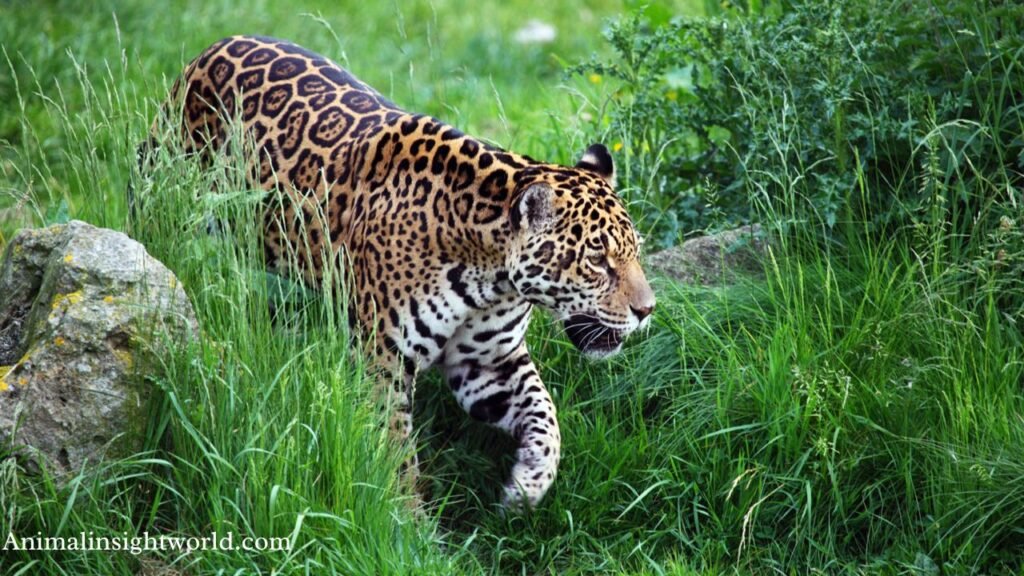
What sets jaguar claws apart is their unique evolutionary adaptation for “bone-crushing.” Unlike their feline relatives that typically deliver a quick, killing bite, jaguars utilize their claws to secure a hold on sleek, slippery creatures like caimans or fish. This ability to penetrate and latch onto tough hides is a testament to their role as a versatile hunter. Observing these big cats reveals that the power of their claws is matched only by their extraordinary hunting intelligence, making them not just strong but cunning in their pursuit of survival in the wild.
Readmore: Explore Top 24 Animals That Have Small Ears.
Harpy Eagle
Scientific Name: Harpia harpyja
Class: Aves
Diet: Carnivore
The Harpy Eagle, a formidable predator of the rainforest, showcases some of nature’s sharpest and most effective claws. These talons are not just impressive in size; they are specifically designed for precision and strength. With a gripping force that can surpass that of a lion, they enable the Harpy Eagle to seize and transport prey as large as sloths and monkeys, making it a true apex predator in its canopy habitat. These adaptations are a fascinating evolution, allowing the eagle to thrive in complex environments where maneuverability is vital.
Moreover, the Harpy Eagle’s hunting strategy goes beyond brute force. It employs a masterful ambush technique, blending seamlessly into the treetops until it spots movement below. Once it has targeted its prey, the eagle uses its powerful legs to strike with astonishing speed, delivering a fatal blow that showcases the deadly efficiency of its claws. This duality of elegance and ferocity makes the Harpy Eagle not just a hunter, but a symbol of the intricate balance that exists in the ecosystems they inhabit, reminding us of the raw beauty and power of nature.
Giant Anteater
Scientific Name: Myrmecophaga tridactyla
Class: Mammalia
Diet: Insectivore
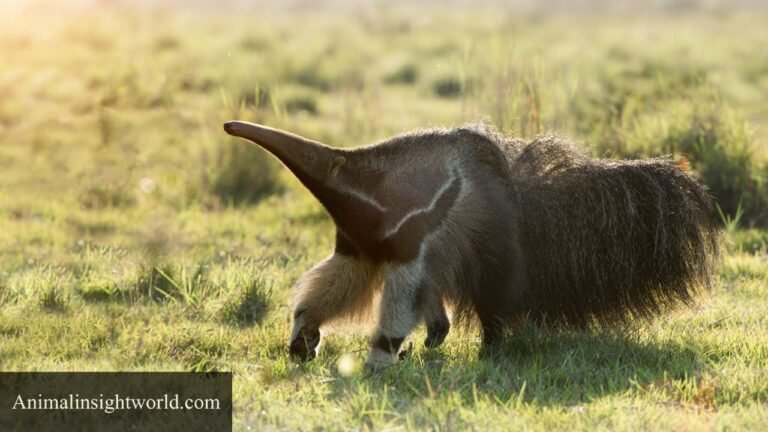
The giant anteater, with its elongated snout and strikingly long tongue, is an unexpected marvel of evolution. But it’s its powerful claws that truly capture the imagination. Each of its front feet boasts sharp, curved claws, perfectly designed not just for foraging but also for self-defense. As they dig deep into termite mounds, their claws efficiently excavate hidden delicacies, showcasing their specialized role in maintaining the ecosystem.

These claws, while serving practical purposes, also project a fascinating duality. In the wild, they act as robust tools for survival, but they can quickly become weapons against predators such as pumas or large snakes. An anteater facing danger will stand its ground, using its claws to swipe at potential threats, emphasizing the animal’s tenacity and resilience. This duality in function elevates the giant anteater to a symbol of nature’s ingenuity, illustrating how every feature has a role that transcends mere survival, contributing to the intricate tapestry of life in their habitats.
Polar Bear
Scientific Name: Ursus maritimus
Class: Mammalia
Diet: Carnivore
Polar bears, known as the majestic rulers of the Arctic, showcase a remarkable adaptation to their frigid habitat through their sharp claws. Each paw boasts claws that can grow up to 2 inches long, designed not merely for grip, but also for the intricate dance of survival. These claws enable the bears to maintain traction on icy surfaces, crucial for their prowess in hunting seals and navigating through snow-covered landscapes.
Interestingly, the structure of polar bear claws is uniquely suited for both swimming and walking. The slight curvature of the claws allows them to effectively paddle through icy waters, providing an advantage when pursuing their primary prey. Moreover, their claws can easily pierce through ice as they navigate thin layers to find seals resting above. Each scratch and scrape tells a story of adaptability, illustrating how these creatures not only survive but thrive in one of the planet’s harshest environments.
House Cat
Scientific Name: Felis catus
Class: Mammalia
Diet: Carnivore
House cats, often seen as docile companions, possess a remarkable arsenal of sharp claws that play crucial roles beyond mere decoration. These retractable weapons are designed for agility and stealth, allowing cats to climb with ease and hunt efficiently. Each claw acts like a finely-tuned tool, aiding in everything from scaling trees to snagging unsuspecting prey, showcasing their evolution as skilled predators.

Moreover, the behavior of a cat reveals the complexity behind those sharp claws. When your feline friend kneads your lap or sharpens its claws on the sofa, it’s not just a quirky habit — it’s an instinctual expression of comfort and territory marking. This duality highlights a captivating aspect of cat behavior: while they thrive in domestic environments, their innate predatory instincts remain sharp, linking them to their wild ancestors. Understanding this relationship enriches our bond with these agile creatures, reminding us of the wild spirit that still roams within their hearts.
Readmore: Explore Top 15 Animals With Hooves.
Wolverine
Scientific Name: Gulo gulo
Class: Mammalia
Diet: Carnivore
The wolverine, a tenacious creature often overshadowed by its more famous relatives, boasts claws that are as formidable as its fierce reputation. These sharp, curved claws are not merely tools for hunting; they are essential for navigating the harsh, snowy landscapes it calls home. Designed for grip and powerful digging, the wolverine uses its claws to carve out access to buried prey, such as lemmings and carrion. This adaptability highlights an evolutionary marvel — each claw a testament to survival in an unforgiving environment.
What truly sets the wolverine apart, however, is its unapologetic boldness. Despite its relatively small size, it has been known to take on animals far larger than itself, such as moose and deer, leveraging its claws to swipe and hold on tightly during fierce confrontations. This combination of strength and agility makes it a symbol of courage in the wild, often inspiring fascination and respect. Beyond its physical prowess, the wolverine embodies resilience, serving as a reminder that sometimes the most seemingly unassuming creatures wield the sharpest tools — both literal and metaphorical — against the challenges of survival.
Bald Eagle
Scientific Name: Haliaeetus leucocephalus
Class: Aves
Diet: Carnivore
The bald eagle, emblematic of strength and freedom, wields remarkably sharp talons that are essential for its survival. These specialized claws are not just tools for catching prey; they are finely tuned instruments of precision and power. When soaring at heights of up to 10,000 feet, these majestic birds can spot a fish swimming in shallow waters from a distance, and their keen eyesight is complemented by talons that can exert incredible force — up to 1,000 pounds per square inch. This lethal combination allows them to snatch fish, their primary diet, with remarkable agility.

Beyond their hunting prowess, bald eagle talons play a crucial role in their nesting behavior. With a powerful grip, they create massive nests, often weighing several hundred pounds and built high in trees to safeguard their young. As the seasons change, these nests become sites of intense family dynamics, with the sharp claws facilitating not only feeding but also defense against potential threats. Each movement shows a delicate balance of ferocity and care, exemplifying the intricate relationship between strength and nurturing in the animal kingdom. The bald eagle’s claws are not just sharp tools; they are symbols of resilience and adaptation in a world where survival often hinges on the ability to both hunt and protect.
Sloth
Scientific Name: Bradypus variegatus
Class: Mammalia
Diet: Herbivore
The sloth, often associated with languid movements and a carefree existence, surprises many with its formidable claws. Each of these curved appendages is perfectly adapted for its arboreal lifestyle, making the sloth a master of camouflage in the treetops. While these claws serve as tools for grasping branches, they also play a role in the sloth’s unique defense mechanism. When threatened, a sloth can hang motionless from a branch, relying on its sharp claws to remain hidden, blending effortlessly with the foliage.
Interestingly, a sloth’s claws are not just for protection but are also integral to its slow but deliberate feeding habits. Equipped with claws that can reach up to three inches long, sloths are capable of effortlessly stripping the leaves off branches, allowing them to access their nutrient-rich diet. As they languidly munch on foliage, sloths face minimal competition for food, showcasing an intriguing adaptation to their environment. The combination of sharp claws and a slow metabolism underscores the sloth’s evolution in a world where energy conservation is key to survival in the canopy.
American Badger
Scientific Name: Taxidea taxus
Class: Mammalia
Diet: Carnivore
The American badger, a stocky creature known for its tenacity and distinctive appearance, wields impressive claws that serve multiple purposes beyond mere defense. These sharp appendages, measuring over an inch long, allow these solitary mammals to dig with remarkable efficiency, creating burrows in pursuit of their favorite prey — earthworms, insects, and small mammals. Their claws are not just tools of survival; they are finely honed adaptations that make the badger a fascinating study in evolutionary craftsmanship.

Interestingly, badgers are often seen as unsung architects of their ecosystems. Their extensive burrowing not only provides them shelter but also aerates the soil and helps control insect populations. This behavior cultivates diverse habitats, benefiting countless other species. Observers marvel at how a creature so seemingly unassuming can wield such power, leaving a lasting impact on its surroundings through the simple act of digging.
Tiger
Scientific Name: Panthera tigris
Class: Mammalia
Diet: Carnivore
The tiger’s claws are a remarkable testament to its evolutionary prowess, serving not just as tools for hunting but as symbols of its dominance in the wild. Each claw can retract up to 3 inches, allowing these magnificent big cats to maintain their sharpness while stealthily stalking through dense foliage. This unique feature not only aids in silent movement but also ensures that their claws are always ready for a quick, powerful strike when the moment is right.
Beyond the practical implications, the claws of a tiger also play a crucial role in their communication and social interactions. When tigers scratch trees — an instinct as old as the species — they leave behind visual markers that signal their presence to other tigers. These scratch marks convey information about territory boundaries, readiness to mate, and even a tiger’s health, fostering both competition and attraction within the species.
Armadillo
Scientific Name: Dasypus novemcinctus
Class: Mammalia
Diet: Omnivore
The armadillo, often celebrated for its distinctive armored shell, is equally fascinating when it comes to its sharp claws. These powerful appendages are adapted perfectly for digging, allowing armadillos to burrow in search of insects, grubs, and other delectable treats. Their claws can reach lengths of about 2 inches, showcasing not just a tool for foraging but also for crafting intricate tunnels that cozy up their nests and provide refuge from predators.

Interestingly, the armadillo’s claws also offer insight into its adaptability. In areas where food sources are scarce, their digging skills allow them to unearth roots and tubers, showcasing a versatility that many may not associate with these seemingly simple creatures. Moreover, their claws serve a dual purpose; while digging, they can also act as a defense mechanism. When threatened, an armadillo may curl into a ball, utilizing its sharp claws to deter would-be predators.
You can also read: Explore Top 19 Most Clumsy Animals in the World.
Secretary Bird
Scientific Name: Sagittarius serpentarius
Class: Aves
Diet: Carnivore
The Secretary Bird, a striking raptor found mainly in sub-Saharan Africa, is renowned not just for its unique appearance but also for its formidable hunting prowess, largely attributed to its long, sharp claws. These elegant birds, standing nearly four feet tall, boast long legs that allow them to navigate the savanna with remarkable agility. What sets them apart is their specialized hunting technique; they often engage in a dramatic dance-like display, striking the ground with their powerful feet to stun snakes and other prey.
This behavioral finesse elevates the Secretary Bird from mere hunter to a master of biomechanics, showcasing how evolution has equipped it with tools for survival. Their claws, akin to lethal daggers, not only provide a means of capturing prey but also serve as a defense mechanism against larger threats. With an ability to leap high and strike swiftly, they embody the perfect blend of grace and power, reminding us that nature often pairs beauty with ferocity.
Great Horned Owl
Scientific Name: Bubo virginianus
Class: Aves
Diet: Carnivore
The Great Horned Owl, an iconic raptor of North America, wields claws that are as formidable as its reputation. Adapted for a life of stealthy nocturnal hunting, these sharp talons are not mere tools for capturing prey; they are a testament to the owl’s evolutionary prowess. Each claw can exert a pressure of over 300 pounds per square inch, making them lethal to unsuspecting rodents and even larger mammals. This sheer power allows the Great Horned Owl to dominate its ecological niche, showcasing how adaptations can turn an ordinary predator into an extraordinary one.

What’s particularly fascinating about these claws is their role in the owl’s hunting technique. While many birds rely on speed and agility, the Great Horned Owl combines silent flight with a calculated ambush, using its tremendous grip to crush the bones of its prey. This not only ensures a quick kill but also minimizes the risk of losing a meal to competitors.
Lion
Scientific Name: Panthera leo
Class: Mammalia
Diet: Carnivore
The lion’s claws are not just tools for hunting; they are a testament to evolutionary prowess and survival. Each retractable claw can extend up to 1.5 inches, allowing these majestic predators to grip their prey with precision during a chase or while delivering a fatal hold. Unlike fixed claws found in many animals, the lion’s retractable design prevents wear when stalking through the tall grasses of the savannah, ensuring readiness for both stealthy approaches and powerful strikes.
Interestingly, the strength of a lion’s claws is complemented by their social structure. Lions often hunt in groups, utilizing the advantages of teamwork to corner and bring down formidable prey like wildebeests and buffalo. Here, their sharp claws not only assist in the kill but also in holding their prey steady while others deliver the final blow. This collaborative hunting method maximizes their impact, turning individual sharpness into a collective strength that showcases the raw power and strategic genius of these apex predators.
Komodo Dragon
Scientific Name: Varanus komodoensis
Class: Reptilia
Diet: Carnivore
The Komodo dragon, the world’s largest living lizard, boasts formidable claws that are as fearsome as they are fascinating. Measuring up to 10 inches long, these claws are not just tools for digging and climbing; they play a critical role in the Komodo’s predatory behavior. With a swipe, the dragon can catch its prey, delivering a powerful grip that ensures it doesn’t escape the jaws of this apex predator.

Unlike typical reptiles that rely on speed or stealth, the Komodo dragon employs a calculated method of hunting. When it ambushes larger prey, its sharp claws help it hold onto its target, allowing the dragon to use its powerful jaw and venomous bite effectively. Each claw is an asset in a world where survival hinges on adaptation, showcasing the intricate balance between physical adaptations and hunting strategies.
Also read: Explore Top 20 Animals With Fangs.
Alligators
Scientific Name: Alligator mississippiensis
Class: Reptilia
Diet: Carnivore
Alligators, often overshadowed by their reptilian cousins, boast remarkable adaptations that make them formidable predators. Their sharp, curved claws aren’t just for show; they play a crucial role in their hunting techniques and habitat navigation. When these ancient reptiles emerge from the water, their claws enable them to grip slippery terrain, whether it be marshy wetlands or sandy riverbanks. This adaptation is essential for gaining traction during ambushes, allowing them to maintain stealth as they approach unsuspecting prey.
Beyond their predatory capabilities, alligator claws are integral to their social interactions. During mating season, males often engage in displays that involve scratching at the water’s surface, a behavior that showcases their strength and dominance. This gesture not only attracts potential mates but also communicates their fitness to other rivals. Additionally, their claws serve practical purposes like digging nests for their eggs, showcasing the multifaceted utility of these seemingly simple appendages. By understanding the significance of alligator claws, we gain insight into the complex interplay of survival, communication, and reproduction in the wild.
Mountain Lion
Scientific Name: Puma concolor
Class: Mammalia
Diet: Carnivore
Mountain lions, also known as cougars or pumas, possess formidable claws that play a crucial role in their predatory prowess. Each retractable claw can extend up to two inches, allowing these big cats to grip their prey with impressive strength and precision. Unlike domestic cats, a mountain lion’s claws are designed not only for climbing rugged terrain but also for subduing large mammals, which can be several times their own body weight. This remarkable adaptation demonstrates the balance of power and agility innate to these apex predators.

Beyond their hunting capabilities, the claws also serve a social function. Mountain lions use them to mark their territory, leaving scratch marks on trees and rocks that signal their presence to other wildlife. This instinctual behavior creates a complex communication network in the wild, revealing how these solitary animals maintain boundaries without unnecessary confrontations.
Grizzly Bear
Scientific Name: Ursus arctos horribilis
Class: Mammalia
Diet: Omnivore
Grizzly bears, with their formidable claws extending up to four inches, are nature’s incredible multi-taskers. These sharp tools are not merely for defense or intimidation; they play a critical role in the bear’s daily survival. When foraging for food, a grizzly can quickly dig into the earth to uncover roots, insects, and hidden carcasses, displaying an impressive mix of strength and finesse. This instinctive behavior highlights the bear’s adaptability, allowing it to thrive in diverse habitats from desolate mountain ranges to lush forests.
Beyond their hunting prowess, grizzly claws are also essential for navigating their complex ecosystems. When climbing trees or traversing rocky terrain, these claws provide the grip necessary to maintain balance and agility in seemingly treacherous environments. This adaptability not only aids in their quest for sustenance but also helps in establishing territory and avoiding predators. Observing a grizzly bear in its natural environment reveals how these sharp claws are finely tuned tools that underscore the bear’s role as both a predator and a keystone species in its habitat.
Red Kangaroo
Scientific Name: Macropus rufus
Class: Mammalia
Diet: Herbivore
The Red Kangaroo is the largest marsupial on Earth and is known for its impressive size and remarkable adaptability. Found primarily in the arid center of Australia, this iconic animal thrives in environments that would challenge most species. With their powerful hind legs allowing them to leap distances of up to 30 feet in a single bound, Red Kangaroos have evolved over time to conserve water, a crucial adaptation for survival in their desert habitat.

These kangaroos exhibit a fascinating social structure, often living in groups called “mobs.” This provides not only protection but also an intriguing dynamic that facilitates communication among individuals, showcasing a level of social intelligence that has intrigued researchers. Observing their interactions, one can appreciate the subtle nuances of body language and social hierarchy, enlightening our understanding of animal behavior. Furthermore, the Red Kangaroo’s role as a keystone species in its ecosystem highlights the interconnectedness of life, reminding us that safeguarding these majestic creatures is vital for maintaining biodiversity in their unique habitats.
Readmore: Explore Top 15 Most Active Animals in the World.
Final Thoughts
Animals with sharp claws demonstrate the incredible adaptability and survival strategies employed by various species in the wild. Whether used for hunting, climbing, or self-defense, these adaptations highlight the importance of claws in the animal kingdom. From the fierce talons of eagles to the formidable claws of big cats, each adaptation serves a unique purpose in their respective environments. Additionally, these clawed creatures play crucial roles in their ecosystems, maintaining balance and contributing to biodiversity. As we continue to study and appreciate these fascinating animals, let’s advocate for their conservation and protection to ensure their vital roles endure for generations to come.
FAQs
What animals have sharp claws?
Many animals are equipped with sharp claws that serve various purposes, from hunting and climbing to self-defense. For instance, big cats like lions, tigers, and leopards boast retractable claws that allow them to grip their prey effectively and climb trees with agility. These sharp claws play a crucial role in their predatory lifestyle, aiding in both the capture and dismemberment of food. Birds of prey, such as eagles and hawks, also possess sharp talons, which are the equivalent of claws. Similarly, many reptiles, like alligators and certain lizards, have sharp claws adapted for gripping surfaces or capturing prey.
Are tiger claws sharper than bear claws?
Tiger claws are generally considered sharper than bear claws, primarily due to their hunting and feeding behaviors. Tigers are obligate carnivores, relying on their sharp, retractable claws to grasp and immobilize prey. These claws can penetrate deeply and are designed for piercing through fur and flesh, making them highly effective for hunting.
What animal has the sharpest claws?
The animal with the sharpest claws is often considered to be the jaguar. Their claws are not only sharp but also retractable, allowing them to maintain their cutting edge for hunting. Jaguars use these powerful claws to grasp and hold onto their prey, which often includes tough-skinned animals like armadillos and caimans.