
Top 17 Animals With Whiskers (Pictures Included)
Animals with whiskers are much better at navigating their environments as compared to those without them. From cats to seals, these sensory hairs play a crucial role in survival and understanding the world around them. In this article, we’ll dive into the fascinating biology of whiskers, uncovering how they function and why they are essential for various species. By the end, you’ll gain a deeper appreciation for these often-overlooked features in the animal kingdom.
List of Animals With Whiskers
Here is the list of animals with whiskers:
- Sea Lion
- Red Fox
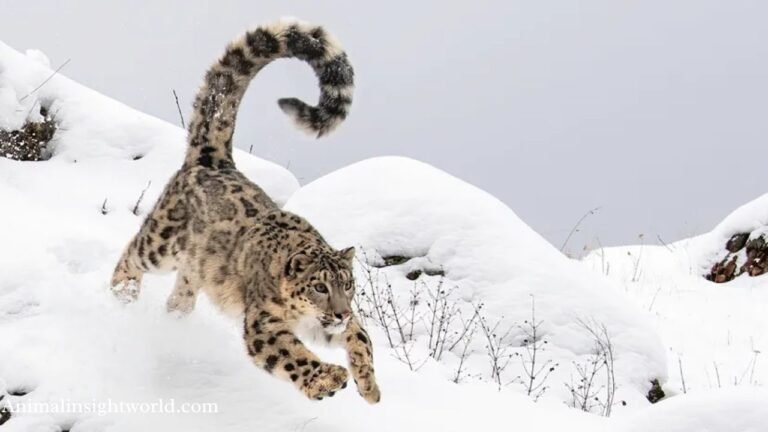
- Mountain lion
- Dog
- Hamster
- Etruscan shrew
- Horse
- European rabbit
- Lynx
- Otter
- Walrus
- Raccoon
- Rat
- Beaver
- Manatees
- Seal
- Cat
Sea Lion
Scientific Name: Zalophus californianus
Diet: Carnivore
The sea lion, often seen basking on sun-soaked rocks or gliding through the ocean’s waves, boasts a stunning array of whiskers that serve a vital purpose. These sensitive vibrissae, which can measure up to a foot long, enhance the sea lion’s ability to navigate the underwater world. Equipped with thousands of nerve endings, each whisker acts as a sophisticated sensory tool, allowing these playful pinnipeds to detect the slightest movements in the water. This incredible adaptation is particularly useful when hunting in the murky depths, where visibility is limited and food can be elusive.

Beyond their utility, sea lion whiskers are also a testament to the animal’s social interactions. These whiskers play an informal role in communication, helping them gauge proximity and respond to the movements of fellow sea lions in their tight-knit colonies. The combination of tactile sensation and social cues illustrates just how multifaceted these seemingly simple appendages truly are. In a world where sensory perception is key to survival, the sea lion’s whiskers embody the remarkable complexities of marine life.
Red Fox
Scientific Name: Vulpes vulpes
Diet: Omnivore
The red fox, with its striking auburn coat and bushy tail, is often celebrated for its keen hunting abilities, but its whiskers are an equally fascinating aspect of its anatomy. These highly sensitive tactile hairs, or vibrissae, extend beyond the muzzle, providing the fox with crucial sensory feedback in its environment. When prowling through dense underbrush or navigating moonlit landscapes, the whiskers function as natural radar, helping the fox gauge the proximity of obstacles and locate hidden prey, even in complete darkness.
Interestingly, a red fox’s whiskers are not just for navigating physical spaces; they also play a role in social interactions. In the wild, these animals communicate through body language, and the positioning of their whiskers can convey emotions ranging from curiosity to aggression. Researchers have noted how these subtle cues influence the dynamics within fox families or during territorial disputes. By observing how a fox twitches or relaxes its whiskers, one can gain insight into its state of mind — revealing just how intricate and nuanced their social lives can be. The red fox demonstrates that even the smallest features, like whiskers, can offer profound insights into survival and socialization in the wild.
Mountain lion
Scientific Name: Puma concolor
Diet: Carnivore
Mountain lions, often celebrated for their stealth and agility, possess an intriguing set of whiskers that serve far more than mere aesthetics. Unlike domestic cats, whose whiskers play pivotal roles in navigation and spatial awareness within constrained environments, a mountain lion’s whiskers are finely tuned for survival in the vast and rugged landscapes of their habitats. These sensory hairs can detect even the slightest changes in air currents, helping these elusive predators pinpoint the movements of prey or sense approaching dangers, which is essential for their role as apex predators.

These whiskers are not just functional tools; they also communicate a wealth of information about the animal’s emotional state. In moments of confidence, a mountain lion may hold its whiskers forward, signaling alertness and readiness. Conversely, when feeling threatened, it might pull them back, a subtle yet powerful form of communication that showcases the multifaceted role these sensory features play in a mountain lion’s life. Thus, whiskers become a silent language of sorts, adding depth to the mountain lion’s already complex social behavior and survival instincts.
Readmore: Explore Top 24 Animals That Have Small Ears.
Dog
Scientific Name: Canis lupus familiaris
Diet: Omnivore
Dogs are equipped with a remarkable set of sensory tools, and their whiskers — technically known as vibrissae — are among the most fascinating. These tactile hairs are not just for show; they serve as a vital part of a dog’s sensory perception, helping them navigate their environment with acute precision. Whiskers are embedded deeper in the skin than regular fur, surrounded by nerve endings that allow dogs to detect subtle changes in their surroundings. This acute sensitivity enables them to sense the width of openings and gauge the proximity of obstacles, adding an extra layer of awareness that can be crucial for their safety.
Beyond their practical applications, a dog’s whiskers can also reflect their emotional state. When a dog is relaxed, the whiskers may lay flat against their face, but in moments of alertness or excitement, they can become more extended and pronounced. This subtle cue provides a glimpse into their mood and intentions, making whiskers not just functional tools but communicative instruments as well. Therefore, understanding the role of whiskers can deepen our bond with our furry companions, revealing a rich layer of communication that enriches our interactions with these beloved pets.
Hamster
Scientific Name: Cricetinae
Diet: Omnivore
Hamsters are not just adorable little pets; their whiskers play a vital role in their survival and interaction with the world. These sensitive sensory organs, known as vibrissae, help hamsters navigate their environment, especially in the dimly lit burrows they naturally inhabit. Each whisker is roughly as long as their body width, allowing them to gauge spaces and detect nearby obstacles effectively. This innate ability to sense their surroundings means that even in total darkness, a hamster can maneuver with surprising agility.

Moreover, a hamster’s whiskers can also reflect its mood. When excited or curious, the whiskers tend to extend outward, sensing everything around them. Conversely, if they feel threatened, their whiskers may pull back, signaling caution. This unique communication tool gives owners insight into their furry friends’ emotions, making interaction more intuitive. Observing these subtle expressions can deepen the bond between pet and owner, transforming the humble hamster into a source of fascination and companionship.
Etruscan shrew
Scientific Name: Suncus etruscus
Diet: Insectivore
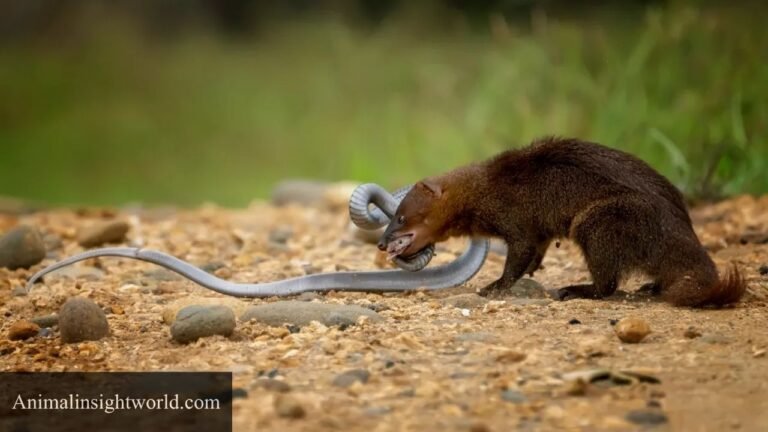
The Etruscan shrew, one of the smallest mammals in the world, boasts an impressive array of whiskers that serve as vital sensory tools in its daily life. These delicate sensory hairs are not just ornamental; they are finely tuned instruments that allow the shrew to navigate its complex underground environment. With their vibrational feedback, these whiskers help the shrew detect subtle changes in air currents, guiding them to prey and steering clear of predators in the shadows of the leaf litter.
What’s particularly fascinating is how these whiskers exemplify evolutionary adaptation. Despite their minuscule size — often measuring only a few centimeters in total length — Etruscan shrews have developed an extraordinary number of whiskers, providing them with a heightened tactile sense. This adaptation is crucial, as the shrew’s hunting strategy relies more on touch than sight, allowing it to thrive in dimly lit habitats where visual cues are limited. By revealing the shrew’s reliance on whiskers, we gain insight into the delicate balance of ecosystems and the myriad pathways through which species evolve to survive and flourish.
Horse
Scientific Name: Equus ferus caballus
Diet: Herbivore
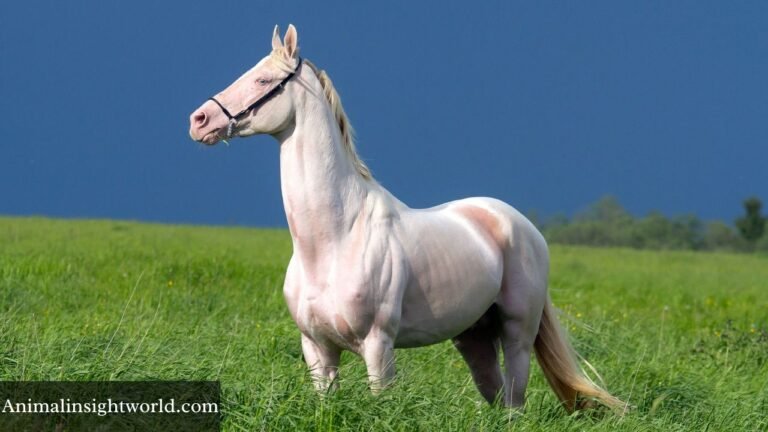
Horses are often celebrated for their grace and strength, but their whiskers — known as vibrissae — play a crucial role in their sensory perception. These long, sensitive hairs located around their muzzles are more than just charming features; they act as sophisticated tools for navigation. Horses rely on these tactile whiskers to gauge the environment, especially in low-light conditions or when they’re feeling their way through unfamiliar terrain. This tactile feedback is essential for understanding the proximity of obstacles, ensuring they maintain a safe distance, and enhancing their overall awareness.

Interestingly, whiskers can also indicate a horse’s emotional state. When a horse is relaxed, its whiskers are often at rest, but when it senses danger or excitement, the whiskers extend outward. By observing these subtle shifts, seasoned horse enthusiasts can glean insights into a horse’s mood. Furthermore, recent research suggests that whiskers can even aid in social interactions between horses, providing them with crucial information about the intentions and emotions of their peers. As we delve deeper into the intricate world of equine communication, it becomes clear that these seemingly simple hairs play an integral role in the complex lives of horses.
You can also read: Explore Top 20 Animals With Fangs.
European rabbit
Scientific Name: Oryctolagus cuniculus
Diet: Herbivore
The European rabbit, a nimble creature known for its iconic long ears and soft fur, also boasts an impressive set of whiskers that serve vital purposes beyond mere aesthetics. These sensitive sensory structures, called vibrissae, act as the rabbit’s “feelers,” allowing it to navigate its environment with remarkable precision. Whiskers can detect even the slightest changes in air currents, alerting the rabbit to the presence of predators or obstacles nearby. This heightened sense of touch is crucial for a creature that thrives in both open fields and dense brush, where visibility may be limited.
The positioning of a rabbit’s whiskers plays a significant role in their survival strategy. Located strategically around the muzzle, these long, stiff hairs help gauge the size of openings when the rabbit explores tight spaces, preventing risky encounters with predators. Moreover, in social interactions, whiskers contribute to the rabbit’s ability to read subtle cues from fellow rabbits, helping them establish hierarchies and form bonds. Thus, while many may admire the rabbit for its endearing appearance or gentle demeanor, its whiskers reveal a complex world of tactile communication and instinctual survival that often goes unnoticed.
Lynx
Scientific Name: Lynx Lynx
Diet: Carnivore
Lynxes, known for their tufted ears and striking appearance, possess a remarkable set of whiskers that serve as vital sensory tools in their wild habitats. These long, sensitive whiskers are not mere accessories; they act as finely tuned instruments, helping these solitary hunters navigate through dense forests and snowy terrains. Each whisker is deeply embedded in the skin and connected to a network of nerves, enabling lynxes to detect even the slightest changes in their surroundings, from the rustle of prey to the presence of predators.

Beyond their practical functions, lynx whiskers embody a fascinating adaptation that speaks to the animal’s evolution. In regions where visibility is often compromised, such as thick underbrush or snow-laden landscapes, these sensitive hairs compensate for the lynx’s relatively poor sense of sight in low light. Moreover, the length of the whiskers can indicate the age and health of the individual; older lynxes might have longer, more pronounced whiskers, reflecting their experience and mastery of their environment. What’s more, these fascinating felines use their whiskers as a means of communication, allowing them to convey subtle cues to potential mates or rivals, making whiskers an essential aspect of their social dynamics.
Otter
Scientific Name: Lutrinae
Diet: Carnivore
Otters are fascinating creatures, not just for their playful antics but also for their remarkable adaptations. Their whiskers, or vibrissae, are sensory marvels that play a crucial role in their underwater world. These sensitive whiskers can detect subtle changes in water currents, allowing otters to navigate effectively and locate prey even in murky conditions. When diving beneath the surface, an otter relies on these whiskers to feel the movements of fish or crustaceans, transforming each hunt into a finely tuned sensory experience.
Moreover, the importance of whiskers extends beyond hunting. They serve as a critical tool for social interactions among otters, conveying emotions and intentions. In the close-knit social structures of otters, whisker positioning can indicate playfulness, curiosity, or aggression, enhancing communication within their groups. This ability not only aids in maintaining social bonds but also enriches their complex behaviors, reminding us of the intricate lives these seemingly simple animals lead. Observing otters and appreciating their whiskers reminds us of nature’s ingenuity and the unseen dynamics that help them thrive in their aquatic habitats.
Walrus
Scientific Name: Odobenus rosmarus
Diet: Carnivore
The walrus, with its impressive whiskers, known as vibrissae, is a striking emblem of adaptability in the marine world. These sensitive whiskers, numbering up to 600, are not just for show; they serve as intricate sensory tools that allow walruses to navigate and forage on the ocean floor. While diving in murky waters, they rely on these tactile appendages to detect the subtle shifts of clams and other prey hidden beneath the sediment — a remarkable adaptation that showcases their evolutionary prowess.
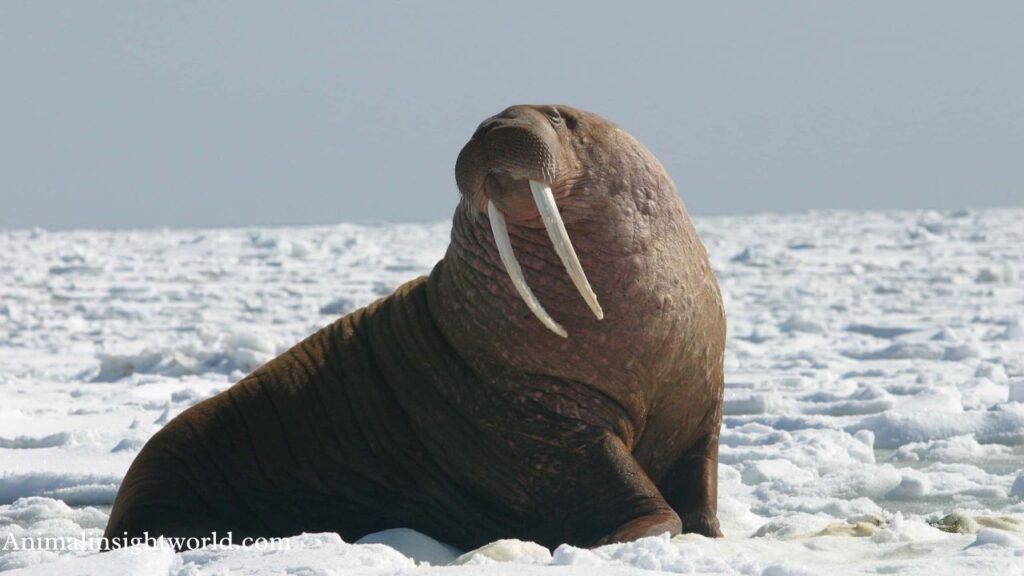
Beyond their practical function, walrus whiskers reveal fascinating social dimensions. Males, in particular, flaunt their robust whiskers as signs of maturity and health, often using them to assert dominance in social hierarchies. This tactile communication extends to interactions within groups, where the grip of whiskers can create bonds during playful encounters or even contribute to ‘play-fighting’ sessions among the younger members, showcasing their role in developing social skills. Observing these interactions in their natural habitat adds depth to our understanding of walrus behavior and enhances the appreciation of their unique adaptations in the marine ecosystem.
Also read: Explore Top 16 Animals with Long Horns.
Raccoon
Scientific Name: Procyon lotor
Diet: Omnivore
Raccoons are fascinating creatures, known for their dexterous paws and clever antics, but their whiskers play a pivotal role in their survival. These sensitive appendages, located not only on their snouts but also on their front limbs, act as sophisticated sensors, helping raccoons navigate their nocturnal world. Unlike merely a sign of cuteness, a raccoon’s whiskers are capable of detecting the slightest changes in their environment, from the texture of a surface to the proximity of nearby objects. This heightened sensitivity is especially useful during their foraging escapades, where they rely on touch to explore dark, cluttered spaces.
These whiskers are not just for sensing; they also contribute to the raccoon’s remarkable problem-solving abilities. In a typical night, a raccoon can encounter various obstacles and puzzles, whether it’s opening a trash can or negotiating a tricky terrain. Their whiskers help them gauge distances and identify safe paths, making them adaptable urban survivors. By honing their skills through play and exploration, raccoons showcase a playful intelligence, transforming areas of human habitation into their own playgrounds, all guided by the quiet wisdom of their tactile whiskers.
Rat
Scientific Name: Rattus norvegicus
Diet: Omnivore
Rats, often underestimated, wield their whiskers like finely tuned instruments in the orchestral symphony of survival. These sensory appendages, known scientifically as vibrissae, are not merely for aesthetic appeal; they play a crucial role in navigation, hunting, and communication. Sensitive to the faintest of movements, rats can feel the slightest changes in their environment, allowing them to explore dark corners or navigate tight spaces, ensuring they evade danger and find food even in the most challenging conditions.

Interestingly, the length and flexibility of a rat’s whiskers correspond to the width of its body, acting as a built-in measuring tool. This evolutionary adaptation allows them to gauge whether they can fit through narrow gaps or escape from predators. In communal settings, rats use their whiskers to communicate, exchanging tactile signals that convey information about their social hierarchy and emotional states. Through these delicate bristles, they share a subtle language that enhances their complex social dynamics, making them not just survivors but intricately social creatures.
Beaver
Scientific Name: Castor canadensis
Diet: Herbivore
Beavers are fascinating creatures not just for their engineering prowess but also for the unique role their whiskers play in their daily lives. Sensitive and tactile, these whiskers, or vibrissae, help beavers navigate their aquatic habitats and assess their surroundings in often murky waters. With an extraordinary ability to detect subtle movements, these sensory tools allow beavers to forage for food, avoid predators, and even communicate with one another through subtle vibrational cues in the water.
Beyond their practical applications, a beaver’s whiskers contribute to their social behavior. When foraging or building dams, they can tap into a symphony of underwater sounds and vibrations, informing them of their fellow beavers’ locations or alerts to potential dangers. This sensory connection deepens their social interactions, showcasing an intricate community life. With beavers perfectly adapted to their environment, their whiskers are more than mere extensions; they are essential instruments vital for survival and cooperation in the wilderness.
Manatees
Scientific Name: Trichechus
Diet: Herbivore
Manatees, often affectionately referred to as sea cows, are fascinating creatures that possess more than just their gentle demeanor and large, rotund bodies. These marine mammals are equipped with sensitive whiskers, known as vibrissae, that play a crucial role in their survival. Located on their snouts, these whiskers help manatees navigate their underwater world, allowing them to detect subtle changes in their surroundings, especially in murky waters where visibility is limited.

Unlike the whiskers seen in cats or dogs, manatees’ vibrissae are not merely tactile; they serve as sophisticated sensory tools that can sense water currents and the vibrations caused by potential food sources. This capability is particularly vital as these herbivores graze on seagrass and other aquatic vegetation, ensuring they efficiently find sustenance amidst dense underwater foliage. Intriguingly, studies suggest that these whiskers may even help manatees identify the texture of different plants, further showcasing the remarkable adaptations of these gentle giants. As these enchanting beings glide through their aquatic realm, their whiskers remind us of the intricate connections between anatomy and environment in the animal kingdom.
You can also read: Explore Top 21 Animals With Flippers.
Seal
Scientific Name: Phocidae
Diet: Carnivore
Seals are remarkable marine mammals, not just for their sleek bodies and playful behaviors, but also for their fascinating whiskers, or vibrissae. These sensitive appendages are finely tuned to the underwater world, offering seals an exceptional sense of touch. Each whisker is embedded in a highly sensitive follicle that picks up minute vibrations in the water, allowing seals to detect the movements of prey — even in murky depths. This ability is a game-changer, enhancing their hunting prowess and survival in diverse environments.
Moreover, a seal’s whisker count can vary dramatically between species, emphasizing their adaptability. For example, the harbor seal has around 40 whiskers on each side, finely tuned for hunting small fish and invertebrates near coastal waters. On the other hand, the fur seal, with its thicker and longer whiskers, is perfectly suited for deeper hunting and maneuvering through rough currents. This adaptation not only showcases the diverse habitats these creatures occupy but also highlights nature’s ingenuity in equipping animals for specific ecological niches. Understanding the role of whiskers in seal behavior invites us to appreciate the complexity and interconnectedness of marine life.
Cat
Scientific Name: Felis catus
Diet: Obligate Carnivore
Whiskers, or vibrissae, play a vital role in a cat’s sensory perception, functioning as nature’s very own motion detectors. These stiff, elongated hairs are incredibly sensitive to touch and vibrations, allowing cats to gauge their surroundings in ways that humans can’t fully appreciate. For instance, a cat can use its whiskers to navigate tight spaces and determine whether it can fit through an opening — an instinctive survival trait that showcases their wild ancestry.
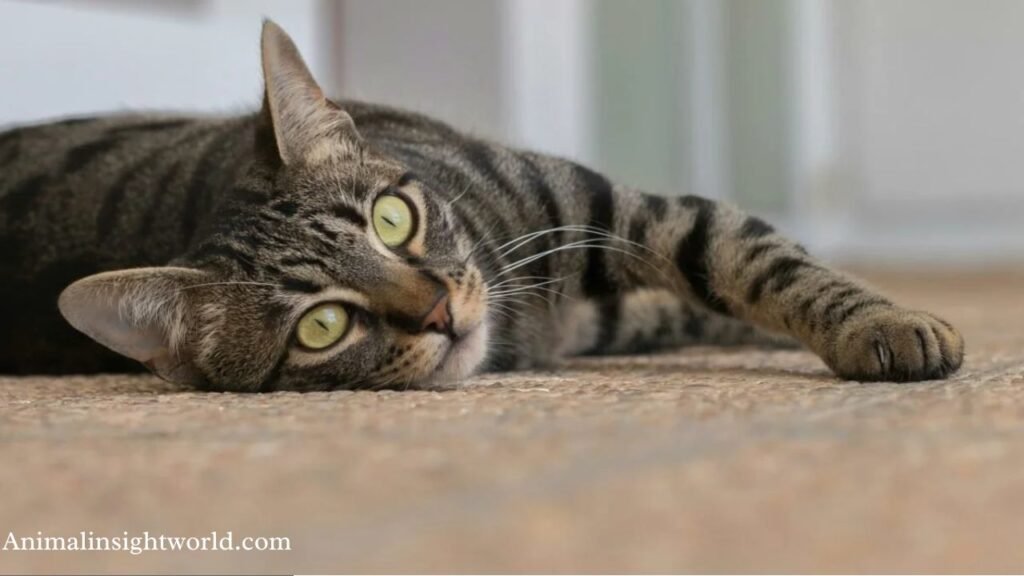
Interestingly, whiskers aren’t just for spatial awareness; they also communicate a cat’s emotional state. When a cat’s whiskers are angled forward, it often indicates curiosity or excitement, while whiskers pulled back can signal fear or aggression. This ability to convey emotions through their whiskers adds a rich layer to feline behavior, transforming these simple appendages into vital tools for interaction, both with their environment and with other animals. Understanding this nuanced language enhances our connection with our feline companions, deepening the bond we share as we recognize their silent expressions.
Readmore: Explore Top 17 Animals Like Capybara.
Final Thoughts
Whiskers are fascinating adaptations that highlight the incredible diversity of the animal kingdom. Animals with whiskers have enhanced ability to interact with their surroundings, making them indispensable for activities like hunting, foraging, and navigating challenging terrains. Observing how different species utilize their whiskers can teach us much about their unique behaviors and ecological niches. By recognizing the significance of these sensory organs, we can cultivate a greater respect for wildlife and the environments they inhabit. Let’s continue to learn about and protect the remarkable creatures that share our planet!
FAQs
Which animal has the best whiskers?
When considering which animal has the best whiskers, many people might think of cats. Felines possess highly sensitive vibrissae, or whiskers, which serve as crucial sensory tools. These whiskers are not only longer and thicker than regular fur, but they are also deeply embedded in the skin and connected to a rich supply of nerves, allowing cats to detect even the smallest changes in their environment. This heightened sensitivity helps them navigate in the dark, gauge the size of openings, and even sense nearby movement.
Do giraffes have whiskers?
Yes, giraffes do have whiskers, although they might not be as pronounced as those found on some other animals. The whiskers, or vibrissae, are located on their face and muzzle area, serving a sensory function. These specialized hairs help giraffes navigate their environment, especially when it comes to foraging for leaves and branches in the dense foliage of their habitat.
Do bears have whiskers?
Yes, bears do have whiskers! These sensitive facial hairs, known as vibrissae, help them navigate their environment. The whiskers provide tactile feedback, allowing bears to detect nearby objects and obstacles, especially in low-light conditions. Whiskers also play a role in hunting and foraging. They can sense vibrations in the air and ground, helping bears find food sources or detect potential threats.
Do raccoons have whiskers?
Yes, raccoons do have whiskers! Like many mammals, these long, sensitive whiskers serve important functions. They help raccoons navigate their environment, especially in the dark, by detecting nearby objects and sensing their surroundings. Whiskers are particularly useful for raccoons, as they are primarily nocturnal and often explore tight spaces in search of food. The whiskers provide tactile feedback, helping them gauge width and depth, which is crucial for their foraging habits.
Why do animals have whiskers?
Animals have whiskers, or vibrissae, for a few key reasons. Primarily, these specialized hairs function as sensory tools, helping animals navigate their environment. Whiskers can detect even the slightest changes in air currents, allowing animals to sense nearby objects and potential hazards, especially in low-light conditions. Whiskers play a crucial role in spatial awareness. Many animals, like cats and rats, use them to gauge the width of openings or the proximity of objects. This helps them move confidently through tight spaces or hunt effectively. In short, whiskers are essential for exploration, safety, and interaction with their surroundings.
Do bats have whiskers?
Yes, bats do have whiskers! These specialized hairs, known as vibrissae, are located around their snouts and play a crucial role in their navigation. Whiskers help bats gather information about their surroundings, particularly in darkness, allowing them to sense objects and obstacles in their flight path.