Explore Top 13 Animals That Eat Honey (Pictures Included)
In the wild, numerous intriguing species indulge in this golden nectar, showcasing a relationship that goes beyond mere survival. This article will explore the fascinating world of animals that eat honey, revealing not only their methods but also the ecological significance of this sweet treat in their diets. By understanding these animals, we gain insights into their behaviors and the delicate balance of their ecosystems.
List of Animals That Eat Honey
Here is the list of animals that eat honey:
| Number of Animal | Names of Animals That Eat Honey |
| 1 | Honey Badgers |
| 2 | Honey Ants |
| 3 | Baboons |
| 4 | Small Hive Beetles |
| 5 | Honey Buzzards |
| 6 | Chimpanzees |
| 7 | Raccoons |
| 8 | Opossums |
| 9 | Bees |
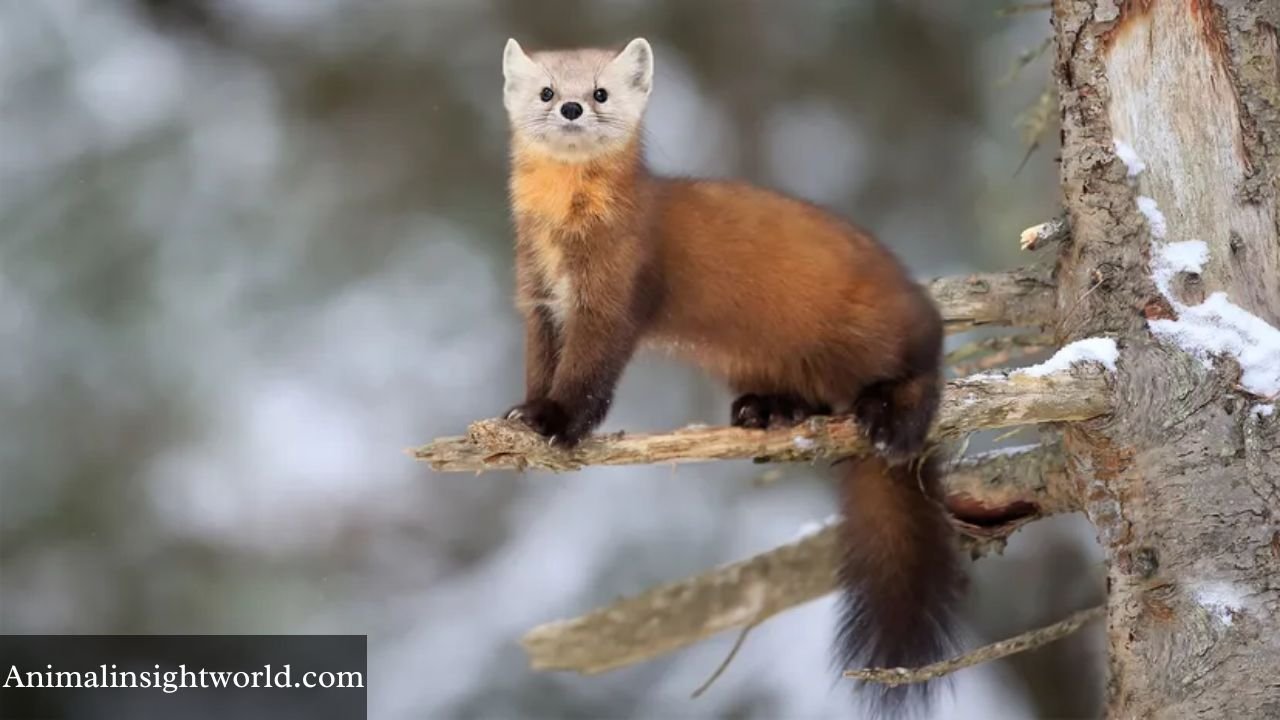
| 10 | Martens |
| 11 | Honeyguides |
| 12 | Bears |
| 13 | Skunks |
Honey Badgers
Scientific Name: Mellivora capensis
Class: Mammalia
Diet: Omnivore
The honey badger, a small but fierce creature, showcases a remarkable penchant for honey that has earned it a place in the hearts of wildlife enthusiasts. These adaptable mammals are not just tenacious when foraging for honey; they also exhibit impressive problem-solving abilities. With a combination of brute strength and agility, honey badgers can scale trees and dig into beehives, displaying a fearless determination that often leaves larger predators in awe.
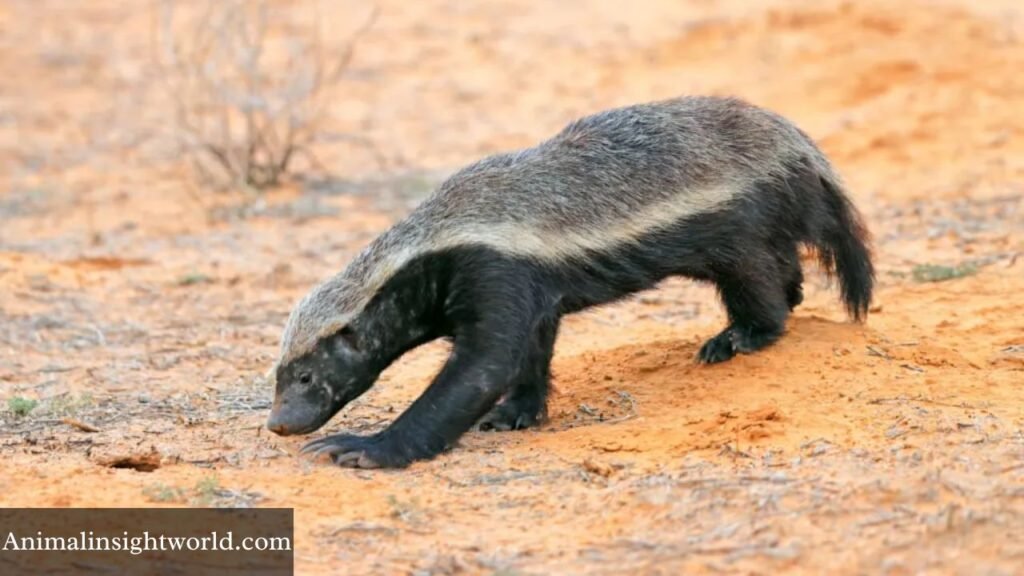
Interestingly, honey badgers have developed a unique relationship with honeyguides — birds that lead them to beehives. This mutualistic interaction highlights the complex dynamics of nature, where two species benefit from each other’s strengths. While the honey badger relishes the sweet reward, the honeyguide enjoys the leftover larvae and wax, showcasing an intricate bond woven into the fabric of their ecosystems. This coexistence serves as a potent reminder of the interconnectedness of wildlife and the surprising alliances formed in the quest for survival.
Honey Ants
Scientific Name: Myrmecocystus
Class: Insecta
Diet: Herbivore/Omnivore
Honey ants, a fascinating group of ants primarily found in arid regions, have developed an extraordinary method to consume honey. They have specialized worker ants known as “repletes” that act as living storage vessels. These repletes gorge themselves on nectar, storing it in their distensible abdomens until it’s needed. When food becomes scarce, other ants of the colony can access this sweet treasure, allowing the hive to thrive even in harsh conditions.
What’s particularly intriguing is the communal aspect of their feeding behavior. In times of drought, these plump repletes hang from the ceilings of the nest, serving as a vital energy source for their companions. This cooperative survival strategy showcases not just adaptation but a unique form of altruism within the insect world. Moreover, their ability to convert nectar into honey demonstrates an evolutionary ingenuity that highlights the interconnectedness of species and their environments. The honey ant’s remarkable lifestyle raises questions about resource management in nature and how communities adapt to life’s challenges.
Baboons
Class: Mammalia
Diet: Omnivore
Baboons are fascinating creatures, and their penchant for honey adds another layer to their complex behavior. These primates showcase remarkable intelligence, employing clever tactics to access beehives. Baboons often collaborate, with one group member distracting the bees while others dive into the hive for the sweet reward. This teamwork not only highlights their social structure but also demonstrates their problem-solving abilities in the wild.
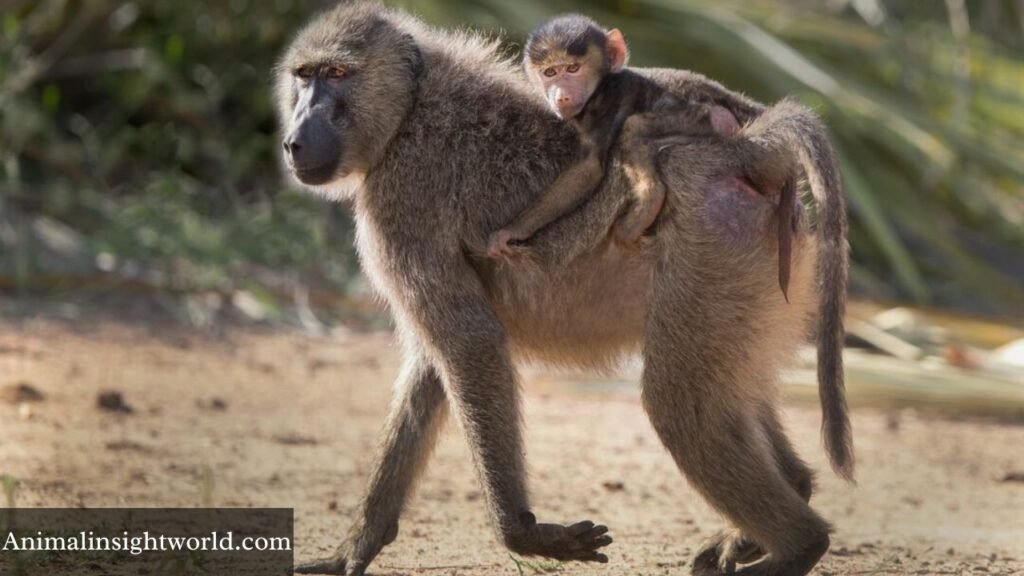
Interestingly, the baboon’s pursuit of honey represents more than just a food source; it’s a testament to their adaptability. In arid regions, honey can offer valuable energy, especially during the dry season when other food is scarce. Baboons’ ability to tolerate bee stings showcases their resilience; while their thick skin provides some protection, it’s their bold and fearless nature that truly shines.
Readmore: Explore Top 19 Animals That Eat Spiders.
Small Hive Beetles
Scientific Name: Aethina tumida
Class: Insecta
Diet: Omnivore
Small Hive Beetles provide a fascinating glimpse into the complex interactions within a hive. These tiny intruders, measuring just a few millimeters, are drawn irresistibly to the sweet allure of honey. However, their relationship with beekeepers is far from harmonious. While they consume honey and pollen, they also lay their eggs in beehives, leading to potential chaos for the bee colony.
What’s truly intriguing about Small Hive Beetles is their unique adaptation to thrive in environments dominated by bees. Using their agility, they navigate into hives undetected, exploiting the very resources cultivated by honeybees. This competition can teach us much about resilience and the balance of ecosystems, as every species plays a role – even the seemingly unwelcome ones. By understanding the beetle’s behavior, beekeepers can develop more effective management strategies, ensuring the preservation of their beloved bees while coexisting with these small but mighty invaders.
Honey Buzzards
Scientific Name: Pernis apivorus
Class: Aves
Diet: Carnivore
Honey buzzards are fascinating avian specialists that have intricately adapted to a sweet diet, primarily composed of honey and bee larvae. Unlike most birds of prey, which typically hunt small mammals or birds, these raptors exhibit remarkable foraging techniques to raid beehives. Their sensitive feet, equipped with thick scales, allow them to withstand painful stings as they navigate through swarms of protective honeybees, showcasing not only their physical prowess but also their resilience against adversity in pursuit of nutrition.
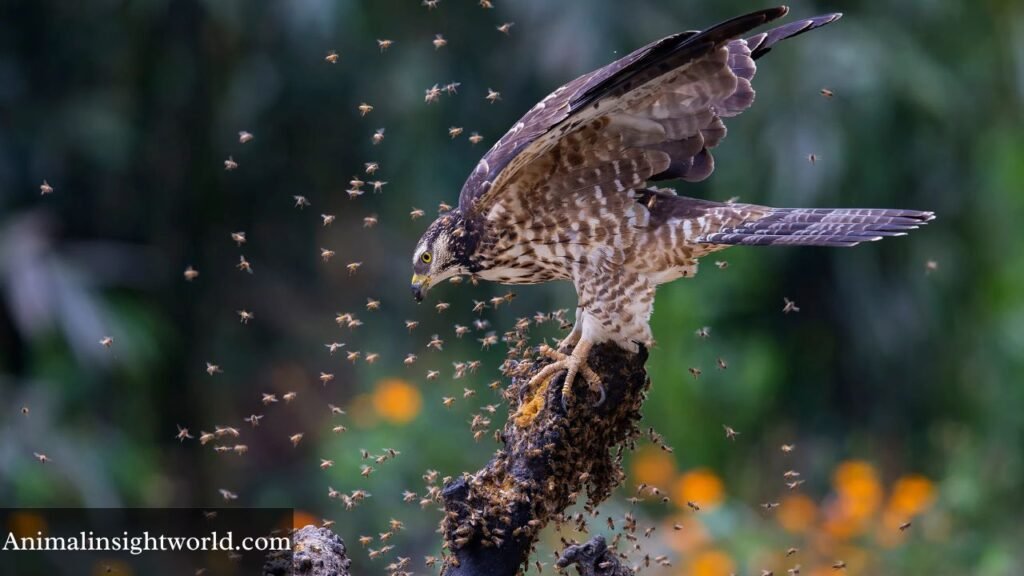
What truly sets honey buzzards apart is their unique behavioral adaptations. They have developed a keen sense of the environmental cues that indicate the presence of beehives, often following other bees or even larger species like bears that disturb nests. This cooperative foraging behavior highlights an intricate relationship within the ecosystem, emphasizing the interconnectedness of various animal species.
You can also read: Explore Top 16 Animals That Eat Seeds.
Chimpanzees
Scientific Name: Pan troglodytes
Class: Mammalia
Diet: Omnivore
Chimpanzees, our closest relatives in the animal kingdom, exhibit fascinating behaviors when it comes to indulging in honey. These intelligent primates have been observed using tools, such as sticks or leaves, to extract honey from beehives, demonstrating their problem-solving skills and dexterity. This not only highlights their resourcefulness but also emphasizes the cultural aspect of their foraging habits — different groups of chimps often develop unique, learned techniques for accessing this sweet treat.
Interestingly, honey is more than just a snack for chimpanzees; it’s a high-energy food source that plays a critical role in their diet, particularly during periods when other food resources may be scarce. The sweet substance also attracts various insect species, prompting chimpanzees to engage in social behaviors while foraging. This interaction creates a vivid picture of their communal life, as they often share the bounty with others, reinforcing social bonds within their groups. Observing these behaviors reminds us not only of the complexity of chimpanzee society but also of the interconnectedness of species within their ecosystems.
Raccoons
Scientific Name: Procyon lotor
Class: Mammalia
Diet: Omnivore
Raccoons, often known for their masked faces and nimble paws, are surprisingly adept at foraging for honey. These intelligent creatures possess a remarkable ability to open containers and manipulate objects, making them adept thieves of beehives. Their keen sense of touch, aided by highly sensitive front paws, enables them to inspect and dismantle hives with curiosity and efficiency. This skill not only satisfies their sweet tooth but also highlights their resourcefulness in navigating urban environments where food sources are often scarce.
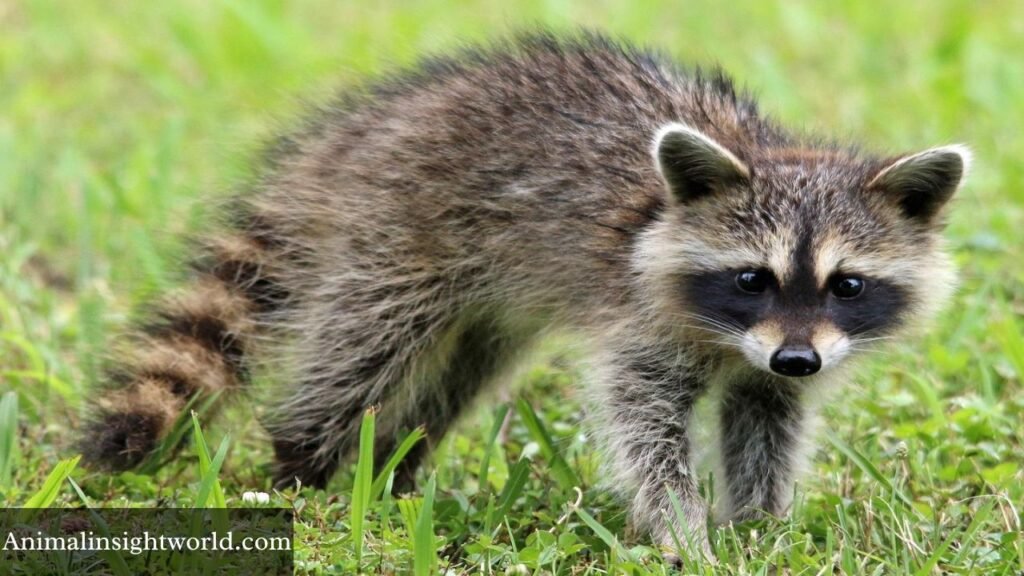
What makes raccoons particularly fascinating is their role in the ecosystem as opportunistic foragers. When they consume honey, they inadvertently aid pollination by disturbing the bees and spreading pollen, contributing to plant biodiversity. However, their affinity for honey also brings them into conflict with apiarists. Beekeepers often find themselves battling these crafty bandits, leading to a delicate balance between conservation and agriculture. This dynamic underscores the fascinating interplay between wildlife and human activity, inviting us to reconsider how we coexist with the raccoon population in both urban and rural landscapes.
Also read: Explore Top 17 Animals That Eat Snakes.
Opossums
Scientific Name: Didelphidae
Class: Mammalia
Diet: Omnivore
Opossums, often misunderstood and underestimated, are unexpected honey enthusiasts. These nocturnal marsupials possess an impressive adaptability that extends to their culinary preferences. Equipped with a notably strong sense of smell, they can locate beehives without much difficulty. While most animals shy away from honey due to its sticky nature and the potential for a bee sting, the opossum embraces the challenge, using its dexterous hands to pry open hives.
Their honey-hunting expeditions also provide a fascinating ecological benefit; by scavenging through hives, opossums inadvertently help pollinate flowers and maintain biodiversity in their habitats. This behavior underscores an important role they play in the ecosystem, acting as both foragers and pollinators. Moreover, due to their remarkable immunity to snake venom, opossums are equipped to navigate diverse environments, making the search for honey just one of their many intriguing survival strategies. In a world where sweet treats often come at a cost, the opossum shows that nature’s foragers can find joy in the stickiest of situations.
Bees
Scientific Name: Anthophila
Class: Insecta
Diet: Herbivore
Bees, particularly honeybees, are fascinating architects of the natural world, playing a pivotal role not only in honey production but also in the ecosystem. They are the diligent foragers, collecting nectar from countless flowers and transforming it into the sweet elixir we adore. This remarkable process involves a complex dance of communication and collaboration among colony members, highlighting the advanced social structures these insects possess. Each bee plays a specific role, whether it’s foraging, nursing the young, or defending the hive, showcasing a collective effort that’s as intricate as any human civilization.
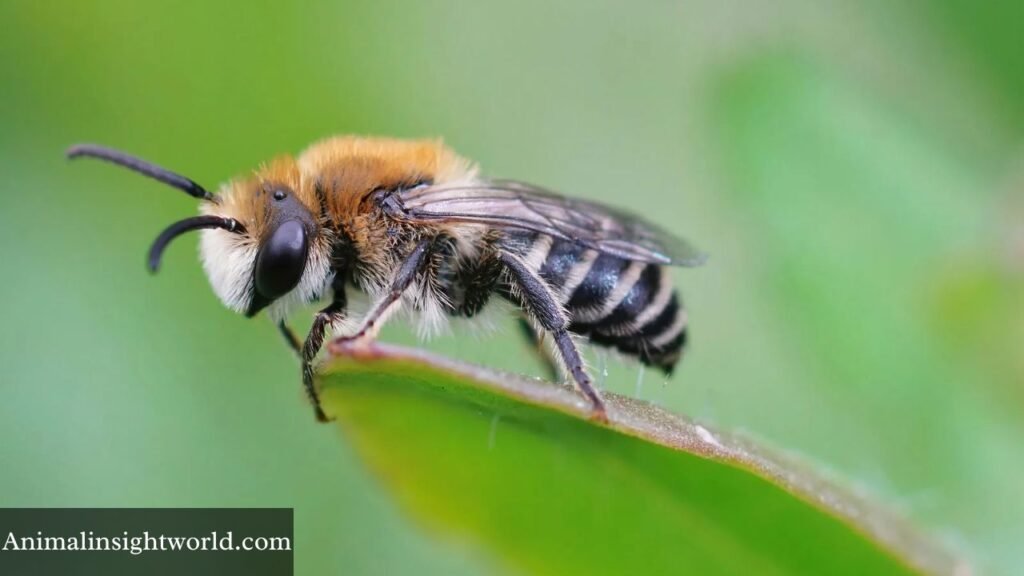
The allure of honey extends beyond just humans; many wildlife species, including bears and birds, also value this sugary treasure. This predilection for honey has evolved some fascinating co-adaptations; for instance, honey guides — specialized birds — lead honey-seeking mammals to hives, creating a symbiotic relationship that benefits all parties involved. In return, the lever action of a bear breaking into a beehive not only provides a feast but also helps pollinate plants as the bear moves from one flower to another, inadvertently transferring pollen. This dynamic illustrates how honey, while a favorite among several animals, serves as a linchpin in maintaining ecological balance.
Readmore: Explore Top 13 Animals That Eat Mushrooms.
Martens
Scientific Name: Martes
Class: Mammalia
Diet: Omnivore
Martens, members of the weasel family, are often celebrated for their agility and sharp hunting skills, but their taste for honey adds an intriguing twist to their dietary repertoire. These small, agile carnivores have a particular affinity for beehives, where they demonstrate not just boldness, but a remarkable level of intelligence. When foraging for honey, martens often leverage their dexterous paws to skillfully pry open hives, showcasing their problem-solving abilities and tenacity.
What makes their pursuit of honey even more fascinating is the ecological role they play in this sweet endeavor. As martens feast on honey and larvae, they inadvertently aid in pollination by transferring pollen from one flower to another as they move through different habitats. This unique interaction highlights the interconnectedness of species and emphasizes the importance of preserving diverse ecosystems where such relationships can thrive. Observing these clever creatures reveals not only their resourcefulness but also the intricate balance of nature that allows life to flourish in unexpected ways.
Honeyguides
Scientific Name: Ursidae
Class: Aves
Diet: Omnivore
Honeyguides are fascinating birds that have developed a unique relationship with humans and other mammals in their quest for honey. These small, often unassuming birds possess an uncanny ability to locate beehives. Once they detect the telltale signs of a hive, honeyguides will make a series of distinct calls, guiding potential accomplices — like honey badgers or humans — directly to the prized treasure. This mutualistic relationship showcases a remarkable example of interspecies communication, often leaving observers in awe of the birds’ intelligence and adaptability.
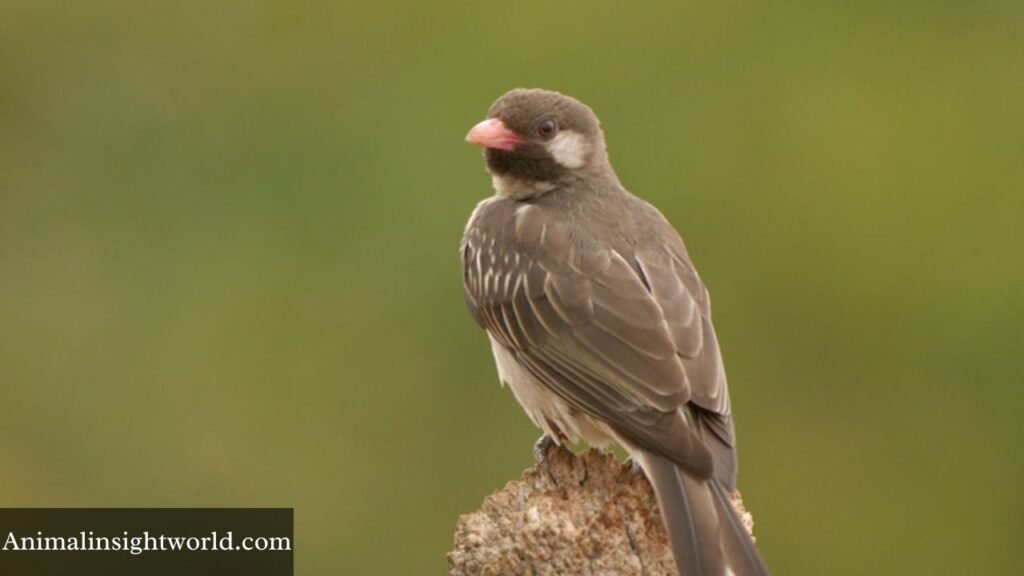
What’s even more intriguing is that honeyguides don’t just enjoy the golden nectar for its sweetness. Once the hive is opened, these resourceful birds partake in the feast, feasting on the larvae and wax of the bees, which are equally nutritious. Their specialized digestive systems allow them to process these foods effortlessly, highlighting an evolutionary adaptation that speaks volumes about the dynamics of predator and prey. Furthermore, some studies suggest that honeyguides can differentiate between various species of bees, understanding which hives to target for minimal risk — a testament to their sophisticated foraging skills. This intersection of instinct and learned behavior offers a compelling glimpse into the wonders of nature and survival strategies in the animal kingdom.
You can also read: Explore Top 20 Animals That Eat Berries.
Bears
Scientific Name: Ursidae
Class: Mammalia
Diet: Omnivore
Bears are often celebrated as the quintessential honey enthusiasts in the animal kingdom, driven by an innate craving for this sweet, sticky substance. Their remarkable sense of smell, which can detect honey from miles away, adds an intriguing layer to their foraging behavior. Unlike many creatures, bears don’t merely take what they need; they engage in a playful yet determined pursuit, sometimes uprooting trees or tearing apart hives to access that coveted honeycomb. This process showcases not only their physical strength but also their cognitive abilities, as they strategize how best to obtain their sugary treasure.
Interestingly, honey isn’t just a treat for bears; it serves as a vital energy source, especially in preparation for the winter months when food becomes scarce. The combination of carbohydrates and nutrients in honey helps them bulk up their fat reserves, ensuring their survival during hibernation. This relationship with honey highlights a broader ecological role, as buzzing bees rely on the bear’s foraging habits to create a thriving ecosystem — opening the forest floor to new growth by breaking down hives and promoting biodiversity as they travel. In this dance between bear and hive, we see a remarkable interplay of instinct, survival, and nature’s intricate web.
Skunks
Scientific Name: Mephitidae
Class: Mammalia
Diet: Omnivore
Skunks, often misunderstood for their notorious odor, are surprisingly adept foragers with a surprisingly sweet tooth. While they primarily feast on insects, small mammals, and fruits, their penchant for honey underscores their versatility as omnivores. Skunks have been observed skillfully climbing trees and raiding beehives, showcasing their impressive climbing abilities. This honey-hunting behavior not only provides a calorie-rich treat but also demonstrates their adaptability in exploring varied food sources.
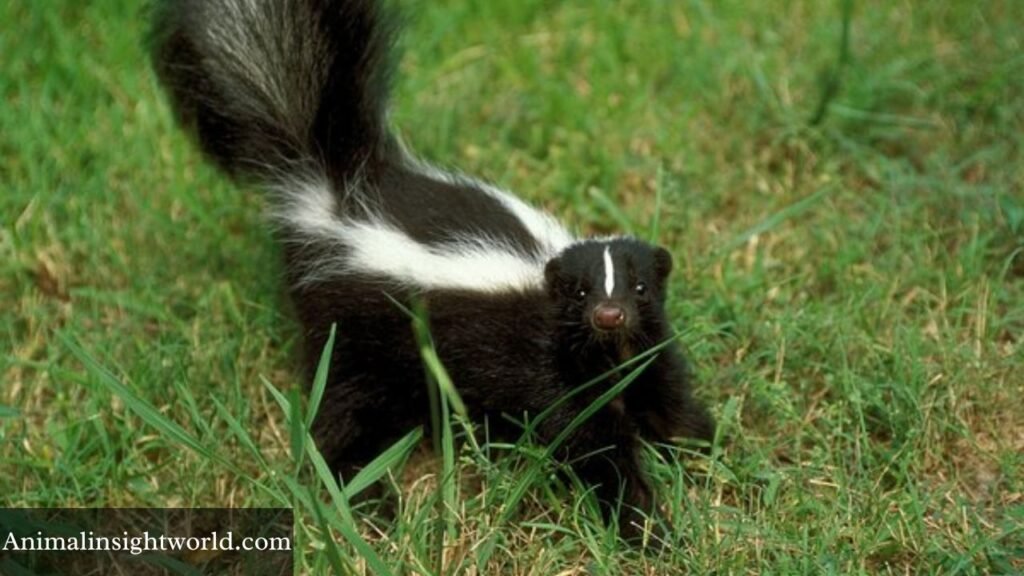
Moreover, skunks possess a unique biological advantage when it comes to enjoying honey. Their thick fur provides protection against bee stings, allowing them to indulge in the sweet nectar more freely than many predators. Interestingly, their foraging habits also play a significant ecological role, as they help control insect populations and occasionally assist in pollination. The next time you think of these creatures, consider their role not just as scavengers but as essential players in maintaining ecosystem balance, proving that even the most unassuming animals can have a sweet side.
Readmore: Explore Top 30 Most Greedy Animals.
Final Thoughts
Honey serves as an essential resource for a variety of animals, illustrating the interconnectedness of nature. Species such as birds, insects, and mammals rely on this nourishing food source for survival, demonstrating how critical it is for biodiversity. The behaviors and adaptations of these animals remind us of the unique ways life on Earth interacts and flourishes. As stewards of the environment, we must advocate for the preservation of bee populations and their habitats. By taking action today, we can help safeguard the future for both the animals that eat honey and the ecosystems they inhabit.
FAQs
What animal likes to eat honey?
Many animals are attracted to honey due to its rich, sugary content. One of the most well-known honey lovers is the bear. Bears, particularly species like the American black bear and the brown bear, have an incredible sense of smell and are drawn to honeycombs. In addition to bears, other animals enjoy honey as well. Honey badgers are famous for their fearless pursuit of honey, often confronting bees to get to the nests. Various birds, insects, and even some mammals, like primates, also seek out honey for its energy-boosting properties, making it a sought-after resource in the animal kingdom.
Do bears actually love honey?
Yes, bears are often depicted as loving honey, and there’s truth to that! Bears, especially species like black bears and grizzly bears, are naturally attracted to the sweet taste of honey. They have a keen sense of smell and can detect honey from miles away, which makes them seek it out in beehives.