Top 15 Animals That Live in Swamps
Swamps are wetlands where water stands still or moves slowly, creating a rich, murky world of reeds, cypress trees, and still water. They are home to an extraordinary range of animals, from alligators lurking in the shallows to herons stalking fish and frogs calling in the night. Swamps filter water, store carbon, and provide nurseries for fish, and they are essential for the survival of countless species. In this list, we look at fifteen animals that live in swamps, from the mighty alligator to the tiny mosquito fish. Each one shows a different way of making a living in the slow, still waters of the swamp.
1. American Alligator
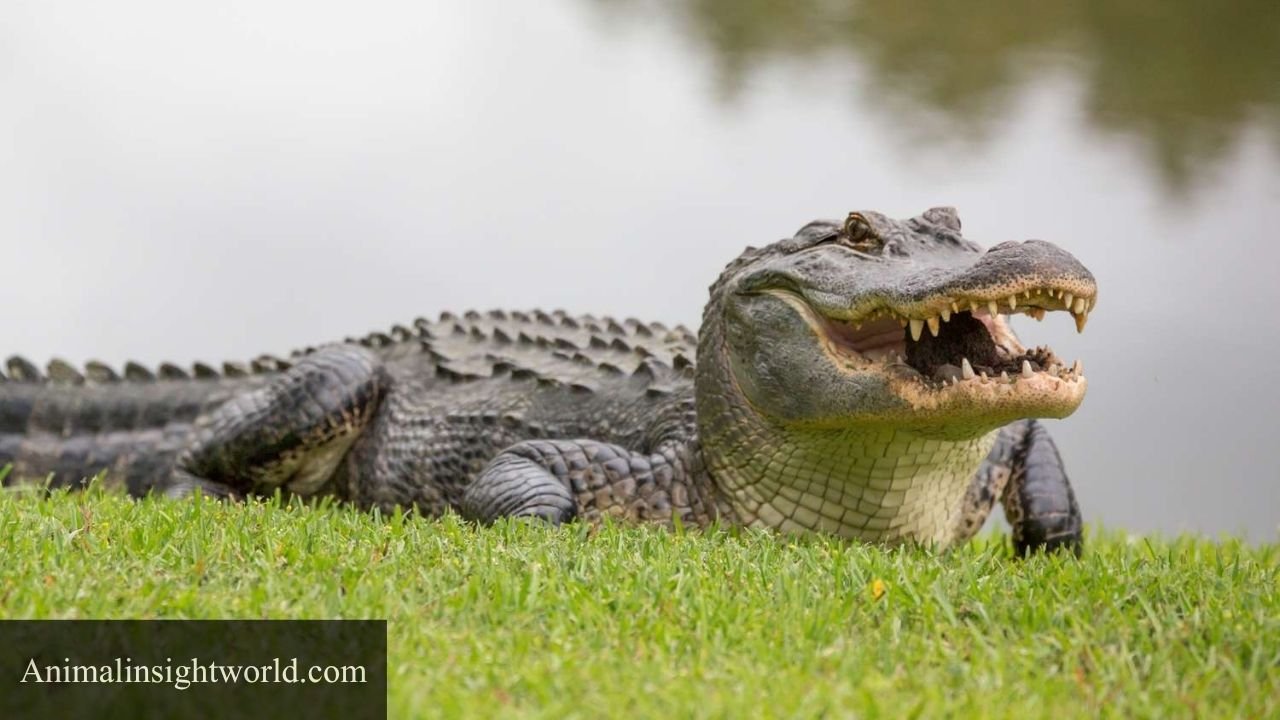
The American alligator is the most iconic animal of the swamps of the southeastern United States, living in the slow-moving waters of Florida, Louisiana, and other states. It is a large reptile, growing to more than four metres long, with a broad snout, powerful jaws, and a heavily armoured body. Alligators hunt fish, turtles, birds, and mammals, lying motionless in the water with only their eyes and nostrils above the surface, waiting for prey to come within reach. They are excellent swimmers, with powerful tails that propel them through the water, and they can stay submerged for long periods. Alligators build nests of vegetation on the banks, where females lay their eggs and guard them until they hatch. They were once hunted almost to extinction, but they have recovered thanks to protection, and they are now a common sight in southern swamps.
2. Great Blue Heron
The great blue heron is a large, elegant wading bird that lives in swamps across North America, standing motionless in shallow water as it waits for fish to come within reach. It has a long neck, a sharp beak, and long legs that allow it to wade in water up to half a metre deep. When a fish comes close, the heron strikes with lightning speed, spearing it with its beak and swallowing it whole. Great blue herons nest in colonies in tall trees near water, where they raise two or three chicks each year. They are patient hunters, sometimes standing still for hours, and they are a familiar sight in swamps, marshes, and riverbanks. Their slow, graceful flight and their statuesque hunting make them one of the most recognisable swamp birds in the world.
3. River Otter
The river otter is a playful and agile mammal that lives in swamps, rivers, and lakes, where it hunts for fish, frogs, and crayfish. It has a long, streamlined body, webbed feet, and a thick tail that it uses as a rudder when swimming. River otters are excellent swimmers, able to hold their breath for several minutes and to dive to the bottom of a swamp in search of food. They are social animals that live in family groups, and they are famous for sliding down muddy banks into the water. River otters build dens in the banks of swamps, with underwater entrances that keep them safe from predators. Their playful behaviour and sleek swimming make them one of the most beloved swamp animals, and their presence is a sign of clean water and a healthy ecosystem.
4. Bullfrog
The bullfrog is a large frog that lives in swamps, ponds, and lakes across North America, known for its deep, resonant call that sounds like a bull bellowing. It is one of the largest frogs in North America, growing to more than twenty centimetres long, and it feeds on insects, fish, small birds, and even other frogs. Bullfrogs are ambush predators, sitting motionless at the water’s edge and lunging at prey that comes within reach. They have powerful hind legs for jumping and swimming, and they can leap impressive distances. Bullfrogs breed in ponds in summer, laying thousands of eggs that hatch into tadpoles. The tadpoles take up to two years to become frogs, which is unusually long for a frog. Bullfrogs have been introduced to many parts of the world, where they are invasive and threaten native frogs.
5. Swamp Deer
The swamp deer, also known as the barasingha, is a large deer that lives in the swamps and marshes of India and Nepal, with a distinctive coat and large, branched antlers. It is adapted to life in wetlands, with splayed hooves that help it walk on soft, muddy ground. Swamp deer feed on grasses and aquatic plants, wading into shallow water to graze. They live in herds, and males have impressive antlers with many points, which they use in fights during the breeding season. Swamp deer were once widespread across northern India, but their numbers declined sharply because of habitat loss and hunting. They are now endangered, and they survive only in a few protected areas, including Kanha National Park. Conservation efforts are helping their numbers recover, but they remain one of the most threatened deer in the world.
6. Water Moccasin
The water moccasin, also known as the cottonmouth, is a venomous snake that lives in the swamps and wetlands of the southeastern United States. It is a pit viper, with heat-sensing pits that help it detect warm-blooded prey in the dark. Water moccasins feed on fish, frogs, and small mammals, and they are excellent swimmers, often seen basking on logs or swimming in swamp waters. When threatened, they open their mouths wide, revealing a white interior, which is how they got the name cottonmouth. They are generally shy and will flee if given the chance, but they can be aggressive if cornered. Water moccasins are an important part of swamp ecosystems, controlling fish and rodent populations. Their venom is painful but rarely fatal to humans, and they are best left alone.
7. Snapping Turtle
The snapping turtle is a large, powerful turtle that lives in swamps, ponds, and rivers across North America. It has a rugged, dark shell, a long tail, and a large head with powerful jaws that can deliver a painful bite. Snapping turtles are ambush predators, lying buried in the mud at the bottom of a swamp, waiting for fish, frogs, and other animals to come within reach. They are excellent swimmers, but they spend much of their time on the bottom, camouflaged in the mud. Snapping turtles can live for more than fifty years, and they are long-lived animals that grow slowly. Females lay their eggs in nests dug into sandy soil near water, and the hatchlings must make their way to the water alone. Snapping turtles are a familiar sight in swamps, and their powerful jaws are a reminder to keep a respectful distance.
8. Anhinga
The anhinga, also known as the snakebird, is a waterbird that lives in swamps, lakes, and rivers in the Americas, hunting fish by diving underwater and spearing them with its sharp beak. It swims with only its head and neck above the water, looking like a snake, which is how it got its name. Anhingas have long, slender necks and sharp beaks, which they use to stab fish. Unlike other waterbirds, anhingas do not have waterproof feathers, so they must spread their wings to dry after swimming. They perch on branches with their wings spread, a distinctive posture that is a familiar sight in swamps. Anhingas nest in trees near water, where they lay their eggs and raise their chicks. Their hunting style is unique among waterbirds, and they are a symbol of the swamps where they live.
9. Muskrat
The muskrat is a medium-sized rodent that lives in swamps across North America, building lodges from reeds and mud in shallow water. It has a thick, waterproof coat, webbed hind feet, and a long, scaly tail that it uses as a rudder when swimming. Muskrats feed on aquatic plants, such as cattails and water lilies, and they also eat small animals, including mussels and frogs. They build feeding platforms and lodges in the swamp, and they create channels through the reeds that other animals use. Muskrats are important for swamp ecosystems, as their feeding and building help to maintain open water and to control the growth of reeds. They are prey for mink, otters, and birds of prey, and their lodges provide shelter for other animals in winter.
10. Crayfish
Crayfish, also known as crawfish, are freshwater crustaceans that live in swamps, ponds, and rivers, hiding under rocks and logs during the day and emerging at night to feed. They look like small lobsters, with claws, a segmented body, and a fan-shaped tail. Crayfish feed on plants, insects, and dead animals, and they are an important food source for many swamp animals, including herons, otters, and fish. They are also popular as food for humans, especially in Louisiana, where crayfish boils are a tradition. Crayfish dig burrows in the mud, where they hide from predators and where they survive during dry periods. They are a sign of a healthy swamp, as they need clean water to survive. Their presence indicates that the swamp is rich in life and that the water is clean.
11. Mosquitofish
The mosquitofish is a small fish that lives in swamps, ponds, and slow-moving waters, feeding on mosquito larvae and other small insects. It is named for its appetite for mosquitoes, and it is often introduced into ponds to control mosquito populations. Mosquitofish are small, usually less than five centimetres long, and they are livebearers, giving birth to live young rather than laying eggs. They are hardy fish that can survive in warm, low-oxygen water, which makes them well suited to swamps. Mosquitofish are found in the southeastern United States, and they have been introduced to many parts of the world for mosquito control. They are an important part of swamp ecosystems, controlling insect populations and providing food for larger fish and birds.
12. Roseate Spoonbill
The roseate spoonbill is a striking pink wading bird that lives in the swamps and coastal wetlands of the Americas, with a distinctive spoon-shaped bill that it uses to sweep through shallow water, feeling for fish, crustaceans, and insects. It has bright pink plumage, a white neck, and a greenish head, making it one of the most colourful birds in the swamp. Roseate spoonbills feed by sweeping their bills from side to side in the water, snapping them shut when they feel prey. They nest in colonies in trees and shrubs near water, where they raise two or three chicks each year. Roseate spoonbills were once hunted for their feathers, but they are now protected and their numbers are recovering. Their pink colour comes from the pigments in the crustaceans they eat, and it fades if they do not get enough of these foods.
13. Beaver
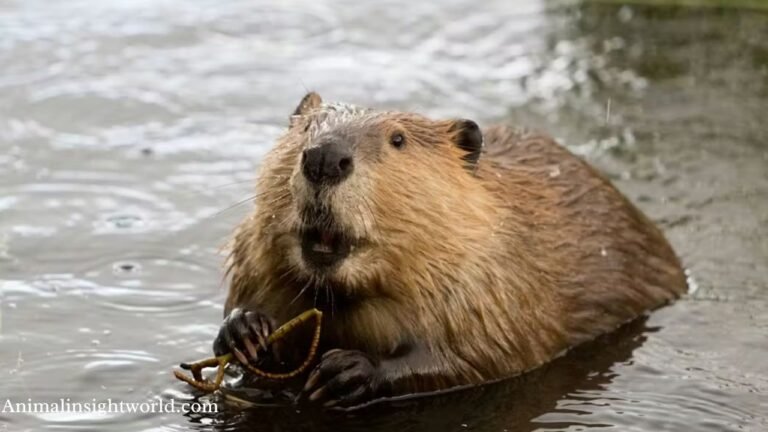
The beaver is a large rodent that lives in swamps, famous for building dams and lodges that create ponds and marshes. Using sticks, mud, and stones, beavers build dams across streams to create deep ponds where they can live safely. In the middle of the pond, they build a lodge, a dome-shaped structure with an underwater entrance and a dry chamber above the waterline. Beavers have webbed hind feet, a flat tail for steering, and teeth that never stop growing, which they use to fell trees. They eat bark, leaves, and aquatic plants, and they store branches underwater as food for winter. Beavers are ecosystem engineers, creating wetlands that support many other species, from fish to birds to amphibians, and their dams help to control flooding and to filter water.
14. Green Tree Frog
The green tree frog is a small amphibian that lives in swamps, ponds, and wetlands, where it hunts for insects at night. It has smooth, green skin, large eyes, and sticky toe pads that allow it to climb trees and shrubs. Green tree frogs feed on moths, flies, and other insects, catching them with their long, sticky tongues. They are found in Australia and the southeastern United States, and they are a familiar sight around houses, where they gather near lights to catch insects. Green tree frogs breed in ponds, laying their eggs in the water, where they hatch into tadpoles. They are harmless to humans, and their loud, croaking calls are a common sound on warm nights in the swamp. Their presence is a sign of a healthy wetland, as they need clean water to breed.
15. Swamp Sparrow
The swamp sparrow is a small bird that lives in swamps and marshes across North America, with a distinctive rusty cap and a melodious song. It feeds on insects and seeds, foraging in the reeds and mud at the water’s edge. Swamp sparrows nest in reeds and shrubs near water, building cup-shaped nests where they lay their eggs and raise their chicks. They are migratory birds, breeding in northern wetlands in summer and wintering in southern swamps. Swamp sparrows are secretive birds, often hidden in dense vegetation, but their song gives them away, a slow, sweet trill that echoes across the marsh. They are a symbol of the swamp, and their presence indicates a healthy wetland with dense reeds and clean water. Swamp sparrows are a favourite of birdwatchers who visit marshes and swamps.
Swamps are rich, mysterious places, full of life that is hidden in the reeds and the still water. The fifteen animals in this list show how diverse swamp life can be, from the mighty alligator to the tiny mosquitofish. Each one depends on the slow water, the mud, and the plants of the swamp, and each one plays a part in keeping the swamp healthy. Yet swamps are often misunderstood and undervalued, drained for farming and building. Protecting them is essential, not only for the animals that live there, but for the clean water, flood control, and wildlife that swamps provide for all of us.
Where They Live and How They Survive
Swamps are rich, mysterious places, and the animals on this list use them in very different ways. The American alligator is the top predator of the swamp, lying in wait at the water’s edge and creating pools called gator holes that other animals depend on in dry seasons. The great blue heron and the roseate spoonbill wade through shallow water to catch fish and crustaceans, the river otter hunts in the channels, and the bullfrog sits at the water’s edge, catching insects and even small birds with its huge mouth.
Other swamp animals live in the water or on its banks. The water moccasin, also called the cottonmouth, swims through the swamp and hunts fish and frogs, the snapping turtle lies on the bottom and waits for prey to come close, and the anhinga swims underwater with only its neck above the surface. The muskrat builds lodges of reeds and mud, the crayfish digs burrows in the mud, and the mosquitofish eats mosquito larvae, helping to control the insects. The swamp deer and the swamp sparrow live in the reeds and grasses, and the beaver builds dams that shape the whole wetland.
Questions People Ask
What is the top predator of the swamp?
The American alligator is the top predator of the swamps of the south-eastern United States. It hunts fish, turtles, birds and mammals, and it digs pools called gator holes that hold water in dry seasons and become refuges for many other animals.
Are water moccasins dangerous?
Yes. Water moccasins, also called cottonmouths, are venomous snakes that live in swamps and wetlands. They are usually shy and will warn intruders by opening their mouths to show the white inside, but they can bite if threatened, and a bite needs medical treatment.
Why do alligators dig gator holes?
Alligators dig depressions in swamp mud that fill with water and stay wet during dry seasons. These gator holes become refuges for fish, turtles, frogs and birds when the surrounding swamp dries out, so alligators help many other animals survive drought.
What do roseate spoonbills eat?
Roseate spoonbills sweep their flat, spoon-shaped bills from side to side in shallow water to catch small fish, crustaceans and insects. Their pink colour comes from the pigments in the shrimp and other crustaceans they eat, just like flamingos.
Final Thoughts
Swamps are rich, mysterious places, full of life that is hidden among the reeds and the still water. From the alligator at the top of the food chain to the tiny mosquitofish eating larvae, these fifteen animals show that a swamp is not a wasteland: it is one of the most productive habitats on Earth.