Top 15 Animals That Communicate With Sound
Sound is one of the most important ways animals communicate, carrying messages over long distances, through dense forests, and across deep oceans. Animals use sound to attract mates, to warn of danger, to keep in touch with family, and to defend territory. Some sounds are beautiful songs, while others are roars, clicks, or rumbles that can be heard for kilometres. In this list, we look at fifteen animals that communicate with sound, from the humpback whale singing in the ocean to the tiny frog calling in a pond. Each one shows a different way of using sound to connect with others and to survive.
1. Humpback Whale
The humpback whale is famous for its long, haunting songs, sung by males during the breeding season, which can last for hours and travel for great distances through the ocean. The songs are complex, with themes and phrases that change from year to year, and all the males in a population sing the same song at any given time. Scientists believe the songs are used to attract females and to communicate with other males. Humpback whales also use a range of other sounds, including grunts, groans, and social calls, to stay in touch with each other. Their songs are among the most complex in the animal kingdom, and they have fascinated scientists and musicians for decades. Humpback whales migrate thousands of kilometres between feeding and breeding grounds, and their songs are a soundtrack to their long journeys.
2. African Elephant
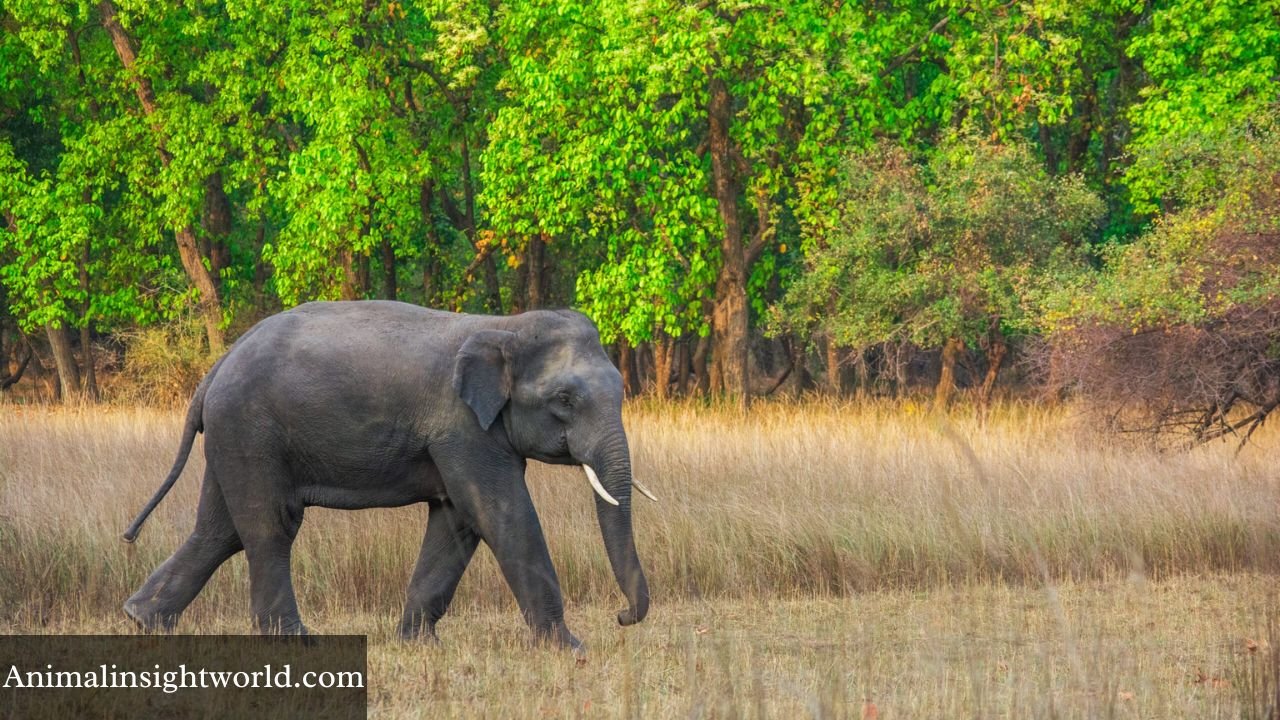
The African elephant communicates with a wide range of sounds, including trumpets, roars, and low-frequency rumbles that humans cannot hear. These infrasound rumbles travel through the air and the ground for many kilometres, allowing elephants to stay in touch across the savanna. Elephants use sound to greet each other, to warn of danger, to find mates, and to coordinate the movements of the herd. They can tell the identity, age, and mood of another elephant from its calls, and they use this information to make decisions about where to go and what to do. Elephants also communicate with touch and scent, but sound is their most important long-distance sense. Their rumbles are so low that humans feel them as vibrations rather than hearing them, and they are a reminder of the hidden world of elephant communication.
3. Grey Wolf
The grey wolf communicates with a range of sounds, including howls, barks, whines, and growls, which it uses to keep the pack together, to mark territory, and to coordinate hunts. Howling is the most famous wolf sound, a long, mournful call that can be heard for many kilometres and that brings the pack together. Wolves howl to communicate their location, to warn other packs to stay away, and to strengthen the bonds within the pack. Each wolf has a distinctive howl, and pack members can recognise each other by their voices. Wolves also use body language and scent to communicate, but sound is essential for coordinating hunts and for maintaining the social structure of the pack. Their howls are one of the most iconic sounds of the wilderness, and they have inspired stories and legends for centuries.
4. Common Nightingale
The common nightingale is famous for its beautiful song, which is one of the most celebrated in the bird world. Male nightingales sing at night, producing a rich, melodious series of phrases that can last for hours. They sing to attract females and to defend their territories, and their songs are so complex that they have inspired poets and musicians for centuries. Nightingales are small, brown birds that are hard to see, but their songs are unmistakable, with a mix of whistles, trills, and gurgles. They live in woodlands and scrub across Europe and Asia, migrating to Africa in winter. The nightingale’s song is a symbol of spring and of the beauty of birdsong, and it is one of the most beloved sounds in nature.
5. Frog
Frogs communicate with sound, with males calling to attract females and to defend their territories. Each species has a distinctive call, from the deep croak of the bullfrog to the high-pitched peep of the spring peeper, and females choose their mates based on the quality of the call. Frogs call from ponds, marshes, and wetlands, often in large choruses that can be heard from a long distance. Their calls are produced by vocal sacs that inflate like balloons, amplifying the sound. Frogs also use sound to warn of danger, with alarm calls that alert other frogs to the presence of a predator. Their communication is essential for breeding, as frogs must find mates in the dark and in dense vegetation. The chorus of frogs on a summer night is one of the most familiar sounds of the wetland.
6. Cricket
Crickets communicate with sound, with males chirping to attract females and to warn other males away. They produce sound by rubbing their wings together, a process called stridulation, and each species has a distinctive chirp. The rate of chirping depends on the temperature, with crickets chirping faster when it is warm, which is why they are sometimes called nature’s thermometers. Crickets are found all over the world, in fields, gardens, and houses, and their chirping is a familiar sound of summer nights. Females choose their mates based on the quality and the rate of the chirp, and males compete to produce the loudest and most persistent calls. Crickets also use sound to warn of danger, falling silent when a predator approaches. Their communication is a vital part of their lives, and it fills the night with song.
7. Orca
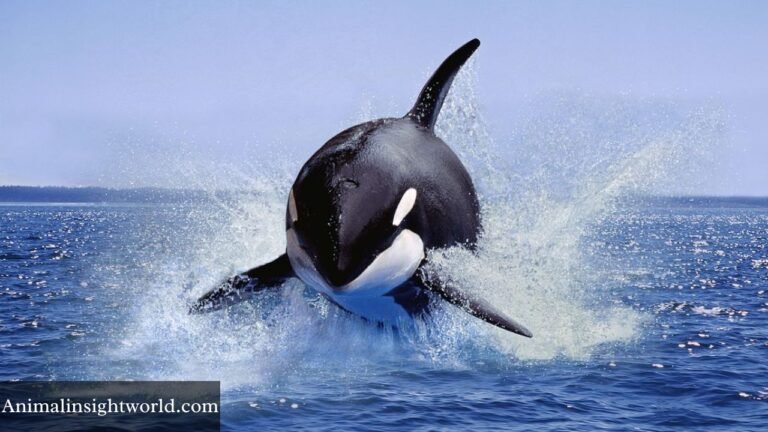
Orcas communicate with a complex system of calls, clicks, and whistles, which they use to stay in touch with their pods, to coordinate hunts, and to recognise family members. Each pod has its own dialect, a unique set of calls that is passed down through generations, much like a human language. Orcas use echolocation clicks to find prey and to navigate, and they use whistles and pulsed calls to communicate with each other. Their calls can travel for many kilometres underwater, allowing pods to stay in touch across vast areas of ocean. Orcas are highly social animals, and their communication is essential for maintaining the bonds within the pod and for coordinating their hunting. Their dialects are a sign of their intelligence and their culture, and they are one of the most fascinating aspects of orca life.
8. Howler Monkey
The howler monkey communicates with sound, producing loud roars that can be heard for several kilometres through the rainforest. Males have an enlarged throat bone that acts as a resonating chamber, amplifying their calls. Howler monkeys use their roars to defend their territory, to communicate with other groups, and to warn of danger. They live in groups in the canopy, and their calls help them keep in touch and avoid conflicts with neighbouring groups. Howler monkeys are most vocal at dawn and dusk, when their roars echo through the forest. Their calls are among the loudest of any land animal, and they are a defining sound of the rainforest. Howler monkeys also use softer sounds, such as grunts and barks, to communicate within the group.
9. Song Thrush
The song thrush is a common garden bird famous for its beautiful, varied song, which it repeats in phrases, as if practising its lines. Male song thrushes sing from the tops of trees and bushes, producing a rich, melodious series of notes that can last for minutes. They sing to attract females and to defend their territories, and their songs are among the most complex of any British bird. Song thrushes are found in gardens, woodlands, and parks across Europe, and they are a familiar sight, with their speckled breasts and their habit of smashing snails on stones to eat them. Their song is a symbol of spring, and it is one of the most beloved sounds in the garden. Song thrush numbers have declined in recent decades, but they remain a cherished part of the dawn chorus.
10. Beluga Whale
The beluga whale is known as the canary of the sea because of its wide range of whistles, clicks, and calls, which it uses to communicate with other belugas. Belugas live in social groups, and they use sound to stay in touch, to coordinate their movements, and to recognise individual pod members. Their calls are varied, including whistles, chirps, and pulsed sounds, and they can mimic other sounds, including human speech. Belugas use echolocation to find food and to navigate in the dark, icy waters of the Arctic. Their hearing is excellent, and they can detect sounds at frequencies far above the human range. Belugas are found in the Arctic Ocean and in the rivers that flow into it, and their vocalisations are a key part of their social lives, helping them maintain bonds in the cold, dark waters where they live.
11. Red Deer
The red deer communicates with sound, with males, called stags, roaring during the breeding season to attract females and to challenge rivals. The roar is a deep, bellowing call that can be heard for several kilometres, and it is a sign of the stag’s size and strength. Stags roar to warn other males to stay away and to impress females, who choose their mates based on the quality of the roar. Red deer also use a range of other sounds, including barks and grunts, to communicate alarm and to keep in touch with the herd. They live in forests and moorlands across Europe and Asia, and their roaring during the autumn rut is one of the most dramatic sounds of the wild. The red deer’s roar is a symbol of the changing seasons, and it echoes through the hills each autumn.
12. Gibbons
Gibbons communicate with sound, producing loud, melodious songs that echo through the rainforests of Southeast Asia. Pairs of gibbons sing duets, with the male and female taking turns to sing different parts of the song, which strengthens their bond and warns other gibbons to stay away from their territory. Gibbon songs are among the most complex of any primate, with a range of notes, trills, and whoops. They sing in the morning, often from the tops of tall trees, and their songs can be heard for several kilometres. Gibbons are small apes that live in the canopy, swinging through the trees with their long arms. Their songs are a defining sound of the rainforest, and they are a sign of a healthy forest. Gibbon numbers are declining because of habitat loss, and their songs are becoming rarer.
13. Cicada
Cicadas communicate with sound, with males producing loud, buzzing calls to attract females. They have special organs called tymbals, which they vibrate to produce sound, and their calls can be among the loudest of any insect, reaching more than a hundred decibels. Cicadas are found all over the world, in forests and gardens, and their calls are a familiar sound of summer. Some species of cicada emerge only once every thirteen or seventeen years, in huge numbers, filling the air with their buzzing. Females choose their mates based on the quality and the volume of the call, and males compete to be heard. Cicadas also use sound to warn of danger, falling silent when a predator approaches. Their communication is a vital part of their lives, and their songs are a symbol of summer.
14. Dolphin
Dolphins communicate with a wide range of sounds, including whistles, clicks, and burst pulses, which they use to stay in touch, to coordinate hunts, and to recognise each other. Each dolphin has its own signature whistle, which works like a name, and dolphins can recognise each other by their whistles. They use echolocation clicks to find food and to navigate, and they use whistles to communicate with other dolphins in their pod. Dolphins are highly social animals, living in groups called pods, and their communication is essential for maintaining social bonds and for hunting cooperatively. Their sounds can travel for many kilometres underwater, allowing pods to stay in touch across vast areas of ocean. Dolphin communication is one of the most complex in the animal kingdom, and scientists are still learning how it works.
15. Meerkat
The meerkat is a small mammal of the deserts of southern Africa that communicates with a wide range of sounds, including barks, peeps, and trills, which it uses to warn of danger and to keep the group together. Meerkats live in large family groups, and they take turns acting as sentinels, watching for predators while others forage. When a sentinel spots danger, it gives an alarm call, and the whole group dives for cover. Different alarm calls warn of different predators, such as eagles or snakes, and meerkats respond differently to each call, running for cover or scanning the sky. Meerkats also use softer calls to keep in touch while foraging, with a constant stream of peeps that tells the group where everyone is. Their communication is essential for survival in the open desert, where predators can strike at any moment.
How These Animals Compare
Sound travels further than any other signal in nature, and the animals on this list use it in very different ways. The humpback whale sings songs that can last for hours and be heard for hundreds of kilometres underwater, the African elephant communicates with low rumbles that travel through the ground as well as the air, and the grey wolf howls to gather its pack and warn rivals away. The orca and the beluga whale use clicks and whistles to talk to their pods, and the dolphin uses echolocation to find food and to communicate at the same time.
Smaller animals use sound just as cleverly. The common nightingale sings one of the most complex songs of any bird, the frog and the cricket call to attract mates, and the howler monkey’s roar can be heard for kilometres through the rainforest. The song thrush repeats its phrases, the red deer roars during the mating season, the gibbon sings duets with its mate at dawn, and the cicada is one of the loudest insects in the world. The meerkat uses different alarm calls for different predators, so the group knows whether to run, hide or stand and watch.
Frequently Asked Questions
Which animal makes the loudest sound on this list?
The humpback whale makes some of the loudest sounds, with songs that can be heard for hundreds of kilometres underwater. On land, the howler monkey is the loudest for its size, and its roar can be heard for up to five kilometres through the rainforest.
How do elephants communicate over long distances?
African elephants communicate with low-frequency rumbles below the range of human hearing, and these sounds travel through the ground as vibrations that other elephants can feel through their feet. This lets herds stay in touch over several kilometres.
Why do wolves howl?
Grey wolves howl to gather the pack together, to warn rival packs away from their territory, and to communicate over long distances in forests where they cannot see each other. Each wolf has a slightly different howl, and pack members can recognise each other by voice.
Do meerkats have different alarm calls?
Yes. Meerkats have different alarm calls for different predators, such as eagles, snakes and jackals, and the group responds differently to each call: running for cover, standing on guard, or mobbing a snake together.
Final Thoughts
The meerkat is a small mammal of the deserts of southern Africa, and it talks constantly to its group with chirps and alarm calls. From the humpback whale’s song to the cricket’s chirp, sound is the main way animals stay in touch, warn each other and find a mate. The natural world is full of conversations we are only beginning to understand.