Top 17 Animals That Roar
A roar is one of the most powerful sounds in the animal kingdom, and it can carry for kilometres across forests, savannas, and wetlands. Animals roar for many reasons, including warning rivals to stay away, attracting a mate, protecting their young, and keeping in touch with members of their group. A true roar comes from a large animal with a specially shaped throat and voice box, but many animals also produce deep bellows, bellowing calls, and booming sounds that serve the same purpose and are just as impressive to hear. Some roars are loud enough to be felt in the chest of anyone standing nearby, while others are low and rumbling sounds that travel through the ground. This list brings together seventeen animals that are known for their roaring and roar-like calls, explaining how each sound is made and what it means in the wild.
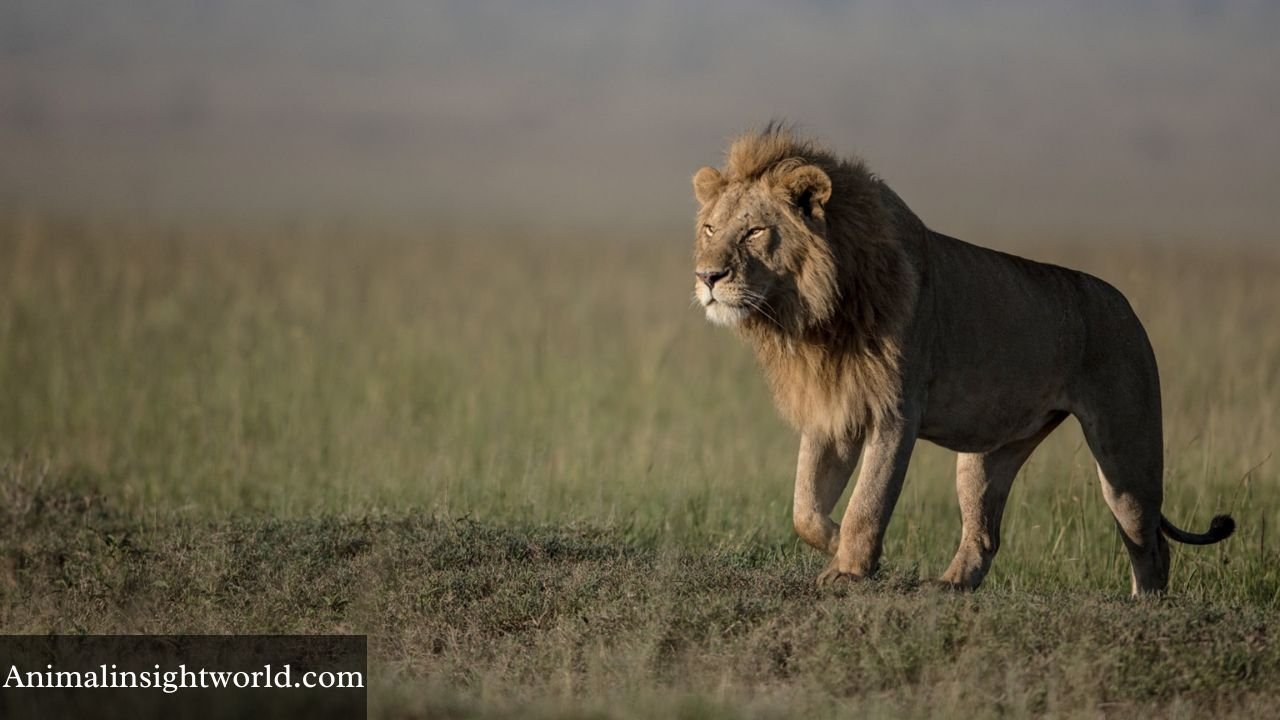
1. Lion
The lion has the most famous roar of any animal, and it is known to be heard from as far as eight kilometres away on a calm night across the African savanna. Male lions use their deep roars to advertise their presence, warn rival males to stay out of their territory, and keep in contact with the females and cubs in their pride. A lion’s roar is produced by a specially shaped voice box and a flexible throat, which allows it to make a very loud and low sound without much effort. Lions usually roar most often at night and in the early morning, and a full roar can last for several seconds and include a series of deep grunts that grow louder. Female lions also roar, although their roars are usually slightly higher in pitch. Hearing a lion roar in the wild is an unforgettable experience that reminds listeners of the animal’s strength.
2. Tiger
The tiger is the largest cat in the world, and its roar is a deep and powerful sound that can be heard from several kilometres away in the forests of Asia. Tigers are solitary animals, and they use their roars to communicate with other tigers across large territories, to warn rivals away, and to attract a mate during the breeding season. A tiger’s roar is lower in pitch than a lion’s roar, and it is often described as a long and rumbling call that ends in a series of short grunts. Tigers also make other sounds, including chuffing, which is a friendly greeting made by blowing air through the nose, and growling when they feel threatened. A tiger’s throat and chest are built to produce very loud sounds, and the roar is one of the main ways these solitary cats stay in touch without meeting face to face in dense forest.
3. Jaguar
The jaguar is the largest cat in the Americas, and it is known for a deep roaring call that it uses to mark its territory and to communicate with other jaguars in the rainforest. Jaguars are solitary animals that live in dense forests and wetlands, so sound is an important way for them to keep in touch across large areas where they cannot see each other. A jaguar’s roar is a series of deep, hoarse grunts that can carry through the trees, and it is often heard at dawn and dusk when the animals are most active. Male jaguars roar more often during the breeding season to attract females and to warn other males to keep away. Jaguars also make a coughing sound that is used as a warning, and they are strong swimmers that hunt in and near rivers. Their roar is a reminder that a powerful predator is nearby, even when it cannot be seen.
4. Leopard
The leopard is a secretive big cat that lives in Africa and Asia, and it is known for a distinctive roaring call that sounds like wood being sawn, which is why it is often called a sawing roar. This call is a series of short, rough grunts that rise and fall in pitch, and it can be heard over a long distance in the forest at night. Leopards use this roar to mark their territory and to let other leopards know where they are, which helps solitary animals avoid meeting and fighting. Male leopards roar more often than females, especially during the breeding season, and the sound is often repeated several times in a row. Leopards also growl, hiss, and purr, and they communicate with scent marks as well as sound. Hearing a leopard sawing in the dark is a thrilling sound for anyone who spends time in the African bush.
5. Howler Monkey
The howler monkey is one of the loudest land animals in the world, and its roar can be heard from as far as five kilometres away through the rainforests of Central and South America. Howler monkeys live in groups in the trees, and they use their deep roaring calls to warn other groups to stay out of their territory and to keep in touch with each other in dense forest. Their roar is made possible by an enlarged throat bone and a large voice box, which act like a natural amplifier. Male howler monkeys have larger throat bones than females and produce the deepest calls. Howler monkeys usually roar at dawn and dusk, and a whole group may call together in a loud chorus that fills the forest. Despite their fearsome sound, howler monkeys are peaceful leaf-eaters that spend most of their time resting and feeding in the trees.
6. Western Lowland Gorilla
The western lowland gorilla is a large and powerful ape that lives in the rainforests of Central Africa, and it is known for deep roaring and chest-beating displays that show its strength. Silverback males, who lead the family group, use these displays to warn rival males away and to protect their families from danger. A gorilla’s roar is a deep and rumbling sound that can be heard through the forest, and it is often combined with beating its chest with cupped hands, which makes a hollow drumming sound. Gorillas are generally gentle animals that feed mainly on leaves, stems, and fruit, and they spend much of their time on the forest floor. They also make softer sounds such as grunts and hums to communicate with each other during feeding and play. The silverback’s roar is a powerful reminder of his role as protector of the group.
7. Grizzly Bear
The grizzly bear is a large brown bear that lives in North America, and it is known for a deep roar that it uses when it feels threatened or is protecting its cubs or food. Grizzly bears are usually quiet animals, but they can make a variety of sounds, including huffing, growling, and roaring, especially when they are surprised or feel cornered. A grizzly bear’s roar is a loud and frightening sound that can be heard from a long distance, and it is often accompanied by standing on its hind legs to look larger. Grizzly bears live in forests, mountains, and tundra, and they feed on berries, roots, fish, and small mammals. They are strong and intelligent animals that can remember where food is found from year to year. Most grizzly bears prefer to avoid people, and they usually roar as a warning to give them space rather than as a sign they want to fight.
8. Polar Bear
The polar bear is the largest land predator in the world, and it lives on the sea ice of the Arctic, where it hunts seals. Polar bears are usually quiet animals, but they are known to roar loudly when they are angry, frightened, or fighting over food. A polar bear’s roar is a deep and powerful sound that carries across the ice and snow, and it is often accompanied by a display of its large teeth and claws. Mother polar bears use softer sounds such as chuffing and humming to communicate with their cubs, and cubs make high-pitched calls when they want their mother’s attention. Polar bears have thick white fur and a layer of fat that keeps them warm in freezing temperatures, and they are excellent swimmers that can travel long distances between ice floes. Their roar is rarely heard by people, because they live in such remote and cold places.
9. American Alligator
The American alligator is a large reptile that lives in the wetlands of the southeastern United States, and male alligators are known for a deep bellowing roar that they make during the breeding season. This bellow is a low and rumbling sound that can be felt as well as heard, and it is often accompanied by the water around the alligator vibrating and dancing on its back. Male alligators bellow to attract females and to warn other males to stay away from their territory. The sound is produced by a special voice box and by air moving through the animal’s body, and it can carry for a long distance across swamps and marshes. Alligators are usually quiet outside the breeding season, but they also make hissing sounds when they feel threatened. Their bellowing chorus at dawn in a Florida swamp is one of the most impressive sounds in the natural world.
10. Hippopotamus
The hippopotamus is a large semi-aquatic mammal that lives in rivers and lakes in sub-Saharan Africa, and it is known for a deep and loud roaring call that can be heard from a long distance away. Hippos spend much of the day in the water to keep cool, and they come out at night to graze on grasses. Male hippos are territorial, and they use their roars and loud bellows to warn other males to stay away from their stretch of river. A hippo’s roar is a deep and honking sound that is often made with its mouth wide open, showing its large teeth. Hippos also make a variety of other sounds, including grunts, wheezes, and a distinctive laughing call. Despite their bulky appearance, hippos are known to be dangerous animals, and their roars are a warning that should not be ignored by anyone who hears them near the water.
11. Red Deer
The red deer is one of the largest deer species in Europe, and male red deer, known as stags, are famous for their loud roaring during the autumn mating season, which is called the rut. During the rut, stags roar to attract females and to challenge other males to a fight for control of a group of females. A stag’s roar is a deep and bellowing sound that echoes through forests and moorlands, and it can be heard from several kilometres away on a still autumn morning. Stags also clash their antlers together in dramatic fights that can last for many minutes. Red deer live in woodlands, mountains, and moorlands across Europe and parts of Asia, and they feed on grasses, leaves, and shoots. Their autumn roaring is one of the great wildlife sounds of Europe, and many people travel to hear it each year.
12. Elk
The elk, also known as the wapiti, is a large deer that lives in North America and parts of Asia, and male elks are known for a loud and distinctive call called a bugle. The bugle starts as a low roar and rises into a high-pitched whistle before ending in a series of grunts, and it can be heard from several kilometres away in mountains and forests. During the autumn rut, male elks bugle to attract females and to challenge rival males, and the sound echoes through valleys at dawn and dusk. Elks live in herds, and they feed on grasses, leaves, and bark. They are larger than red deer and have a pale rump patch and a darker neck. The bugle of an elk is one of the most famous sounds of the North American wilderness, and it is a sign that autumn has arrived in the Rocky Mountains and other wild places where elks live.
13. American Bison
The American bison is the largest land mammal in North America, and it is known for a deep bellowing roar that it makes during the mating season and when it feels threatened. Male bison, known as bulls, bellow loudly to attract females and to warn other bulls to stay away during the summer rut, when they compete for mates. The bellow is a low and rumbling sound that can be heard across the open grasslands where bison live. Bison also make grunting and snorting sounds during everyday life, and calves call to their mothers with higher-pitched sounds. Bison live in herds on prairies and grasslands, and they feed mainly on grasses. They were once close to extinction, but conservation efforts have helped their numbers recover in national parks and reserves. A bison’s bellow is a powerful reminder of the wild history of the American plains.
14. African Elephant
The African elephant is the largest land animal in the world, and it is known for a deep rumbling roar and a loud trumpeting call that can be heard from several kilometres away. Elephants use their rumbling calls to communicate with each other over long distances, and some of these sounds are so low in pitch that people cannot hear them at all. Trumpeting is a loud and high-pitched sound made through the trunk, and it is used when elephants are excited, alarmed, or greeting each other. Elephants live in family groups led by an older female, and they are intelligent animals that can recognise the voices of other elephants. They feed on grasses, leaves, and fruit, and they need large areas of savanna and forest to live in. The deep rumble of an elephant is a sound that can be felt in the ground as well as heard in the air.
15. Walrus
The walrus is a large marine mammal that lives in the cold Arctic seas, and male walruses are known for deep bellowing roars that they make during the breeding season. Male walruses gather on ice floes and beaches, where they compete for females by making loud roaring and bellowing sounds and by displaying their long tusks. A walrus’s roar is a deep and guttural sound that can be heard over the sound of waves and wind. Walruses also make a variety of other sounds, including grunts, whistles, and a distinctive bell-like sound made underwater. They feed mainly on clams and other shellfish that they find on the sea floor, using their sensitive whiskers to locate food in murky water. Walruses have thick skin and a layer of blubber that keeps them warm in icy water, and they often rest together in large groups on beaches and ice.
16. California Sea Lion
The California sea lion is a marine mammal that lives along the Pacific coast of North America, and it is known for a loud barking roar that can be heard from a long distance away. Male sea lions gather on beaches and rocky shores during the breeding season, where they bark loudly to defend their territories and attract females. Their bark is a deep and hoarse sound that is repeated over and over, and a colony of sea lions can be very noisy, especially at dawn and dusk. Sea lions are excellent swimmers that feed on fish and squid, and they can dive to great depths in search of food. They are intelligent and social animals that often rest together in large groups on beaches, piers, and rocks. The barking chorus of a sea lion colony is a familiar sound to anyone who has visited the California coast.
17. Hamadryas Baboon
The hamadryas baboon is a monkey that lives in the rocky deserts and mountains of Ethiopia, Eritrea, and the Arabian Peninsula, and it is known for deep roaring and barking calls that help keep its large troops together. Hamadryas baboons live in complex social groups, and males use their loud calls to warn other troops to stay away and to coordinate the movement of their own group across open ground. A baboon’s roar is a deep and guttural sound that can carry across rocky valleys, and it is often accompanied by a display of its large canine teeth. Hamadryas baboons have a distinctive silver-grey mane in males, and they feed on grasses, roots, seeds, and small animals. They are intelligent and social animals that spend much of their time grooming each other and caring for their young. Their loud calls are an important part of life in the harsh landscapes where they live.
From the deep roar of a lion on the savanna to the bellowing call of an alligator in a swamp, roaring animals use sound to shape their world in ways that are both practical and dramatic. A roar can warn a rival, attract a mate, protect young, or simply let others know that an animal is present in a place it calls home. Some of these animals roar with a specially shaped voice box, while others use their trunks, throats, or chests to make their calls carry further. Listening to these sounds in the wild is a reminder of how powerful and varied animal communication can be, and how much of an animal’s life is spent talking to others without ever using words.
Where They Live and How They Survive
Roars do different jobs for different animals, and comparing them shows how sound carries power, territory and identity. The lion’s roar is the loudest of any big cat and can be heard up to eight kilometres away, marking territory and calling the pride together. The tiger’s roar is deeper and used to warn rivals away, the jaguar’s roar is a series of short grunts, and the leopard’s roar is a rough, sawing sound that carries through the forest at night.
Other roars on this list are not from cats at all. The howler monkey’s roar is the loudest sound made by any land animal for its size, and it can be heard for kilometres through the rainforest. The western lowland gorilla beats its chest and roars to impress rivals, the grizzly bear and the polar bear roar as a warning, and the American alligator bellows so deeply that the water around it vibrates. The red deer and the elk roar, or bugle, during the mating season, the American bison bellows to challenge rivals, and the walrus and the California sea lion roar to defend their space on crowded beaches.
Questions People Ask
Which animal has the loudest roar on this list?
The lion has the loudest roar among the big cats, reaching around 114 decibels and heard up to eight kilometres away. The howler monkey is the loudest for its body size, and its roar can be heard for up to five kilometres through the rainforest.
Why do lions roar?
Lions roar to mark their territory, to warn rival lions away, and to call members of their pride together. A lion’s roar is also a way of showing strength: a stronger, healthier lion has a deeper, more powerful roar.
Can tigers and lions roar but cheetahs cannot?
Yes. Lions, tigers, jaguars and leopards can roar because they have a special flexible bone in their throat. Cheetahs cannot roar; instead they purr, chirp and hiss. This is one reason cheetahs are not classed as big cats in the same way.
Why do howler monkeys roar so loudly?
Howler monkeys roar to defend their territory and to keep other troops away without fighting. Their roar is amplified by an enlarged throat bone, and a troop roaring together can be heard for kilometres, which saves energy and avoids dangerous fights.
Final Thoughts
From the deep roar of a lion on the savanna to the bellowing of an alligator in a swamp, roars are a language of power and territory. These seventeen animals show that a loud voice can defend a home, attract a mate and warn a rival, all without a single fight. In the animal kingdom, sometimes the loudest voice wins.