Top 15 Animals That Live in Deserts
Deserts are among the harshest places on Earth, with scorching days, freezing nights, and very little water. Yet life thrives there, and the animals that call deserts home have evolved remarkable ways to survive. Some store water in their bodies, some never drink at all, and others avoid the heat entirely by sleeping underground during the day and coming out only at night. From the fennec fox with its enormous ears to the camel that can cross vast sand seas, desert animals are masters of adaptation. In this list, we explore fifteen animals that live in deserts around the world, looking at how each one finds food, saves water, and stays cool in one of the most challenging environments on the planet.
What Makes These Animals Special
What makes desert animals special is how they solve the same problem, no water, in completely different ways. The dromedary camel stores fat in its hump and can lose a quarter of its body weight in water without harm, while the kangaroo rat never drinks water at all, making all the water it needs from the dry seeds it eats. The fennec fox loses heat through its huge ears, which work like radiators in the cool desert night, and the sand cat has fur-covered paws that protect it from burning sand.
Other desert animals on this list avoid the heat rather than fighting it. The jerboa and the kangaroo rat stay in cool burrows during the day and come out only at night, the desert tortoise stores water in its bladder for months, and the Gila monster can go months between meals, living off fat stored in its tail. The Saharan silver ant is active in the midday heat that kills other insects, because its silvery hairs reflect sunlight and keep its body cool.
1. Fennec Fox
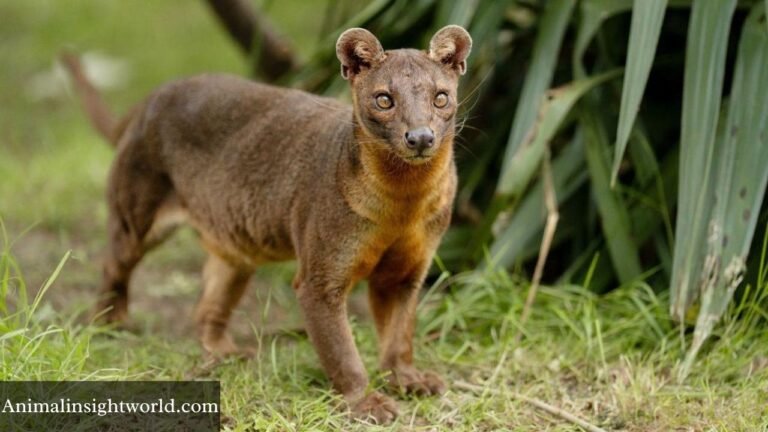
The fennec fox is the smallest fox in the world and one of the most recognisable desert animals, thanks to its enormous ears. Those ears are not just for hearing. They are filled with blood vessels that help release heat and keep the fox cool in the scorching Sahara. Fennec foxes are nocturnal, sleeping in underground burrows during the heat of the day and emerging at night to hunt rodents, lizards, eggs, and insects. Their thick, sandy-colored fur reflects sunlight and provides insulation against both heat and cold desert nights. Their large ears can hear prey moving underground, and their furry feet protect them from hot sand. Fennec foxes can survive without drinking water, getting moisture from the food they eat.
2. Dromedary Camel
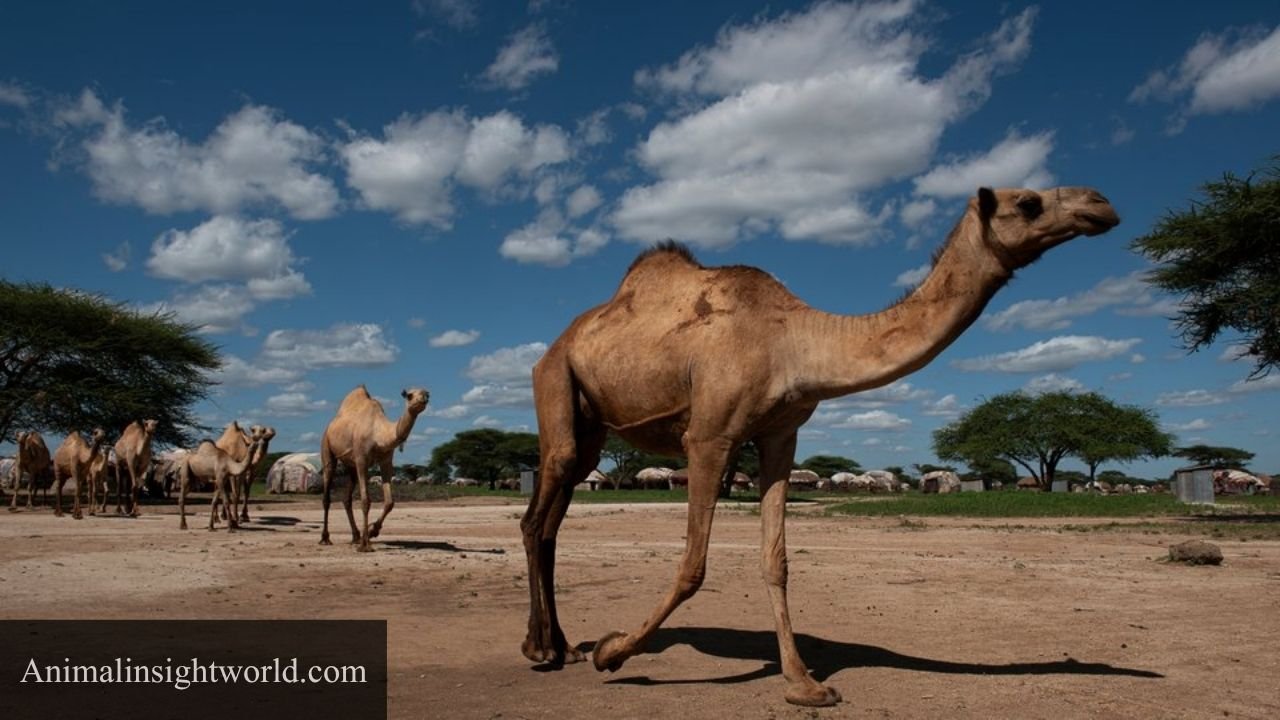
The dromedary camel, with its single hump, is the most famous desert animal in the world. Its hump stores fat, not water, and the camel can convert that fat into energy and water when food is scarce. Dromedaries can drink enormous amounts of water at once, sometimes more than 100 litres in ten minutes, and they can go for days or even weeks without drinking again. Their wide, flat feet spread their weight over soft sand, and their long eyelashes and closable nostrils keep sand out of their eyes and nose. Thick fur protects them from the sun during the day and the cold at night. For thousands of years, camels have carried people and goods across the deserts of North Africa and the Middle East.
3. Kangaroo Rat
The kangaroo rat is a small rodent from the deserts of North America that can survive its entire life without ever drinking water. It gets all the moisture it needs from the dry seeds it eats, and its kidneys are so efficient that they produce very concentrated urine, losing almost no water. Kangaroo rats are nocturnal, spending the day in cool underground burrows and emerging at night to gather seeds, which they store in cheek pouches and bury in caches. Their powerful hind legs let them hop like tiny kangaroos, and they can leap several feet to escape predators such as owls and snakes. Their large eyes and ears help them detect danger in the dark, and their sandy fur blends perfectly with desert soil.
4. Jerboa
The jerboa is a small, hopping rodent found in the deserts of Asia and North Africa, known for its enormous hind legs and long tail. It moves by jumping in long, springing bounds, which is an efficient way to travel across hot sand and helps it escape predators quickly. Jerboas are nocturnal, spending the day in deep burrows where the temperature stays cool, and emerging at night to feed on seeds, plants, and insects. Like kangaroo rats, they rarely need to drink water, getting moisture from their food. Their large ears help them hear approaching danger, and their long tails act as balance aids when they leap. Some jerboas can jump several feet into the air, and their big eyes are adapted for seeing in the dark.
5. Gila Monster
The gila monster is a large, venomous lizard that lives in the deserts of the southwestern United States and Mexico. Its striking pink, orange, and black beaded skin warns predators to stay away, and its venomous bite is used mainly for defence. Gila monsters spend most of their lives underground, emerging to hunt for eggs, small mammals, and nestling birds. They can eat a huge meal and then survive for months without eating again, storing fat in their thick tails. This ability is vital in the desert, where food can be scarce for long periods. Gila monsters are slow-moving and spend up to 95 percent of their lives in burrows, coming out mainly in the cooler hours of morning and evening.
6. Desert Tortoise
The desert tortoise is a slow-moving reptile that lives in the deserts of the southwestern United States and Mexico. It spends much of its life in burrows dug into the desert floor, where temperatures stay stable even when the surface is scorching hot. Desert tortoises emerge to feed on grasses, wildflowers, and cactus pads, and they can store water in their bladders for months, using it when food and water are scarce. Their domed shells protect them from predators and the sun, and their sturdy legs are built for digging. During the hottest months, they may stay in their burrows for weeks, and in winter they brumate, a reptile form of hibernation, sleeping until spring returns.
7. Sand Cat
The sand cat is a small wild cat that lives in the deserts of North Africa, the Middle East, and Central Asia. It is perfectly adapted to desert life, with thick fur that protects it from both heat and cold, and furry paws that shield its feet from hot sand and help it move silently. Sand cats are nocturnal hunters, preying on rodents, lizards, and birds, and they can survive without drinking water, getting moisture from their prey. Their large ears help them hear small animals moving underground, and they often dig to catch prey hiding in burrows. Sand cats are solitary and shy, rarely seen by humans, and they can survive in some of the hottest and driest deserts on Earth, including the Sahara.
8. Greater Roadrunner
The greater roadrunner is a fast-running bird that lives in the deserts of the southwestern United States and Mexico. It can run at speeds of around 20 miles per hour, using its long legs to chase down lizards, insects, and small mammals. Roadrunners rarely fly, preferring to run across the desert floor, and they can even catch and eat venomous creatures such as rattlesnakes. They are adapted to the desert heat, with a special gland that removes excess salt from their bodies, allowing them to conserve water. At night, they lower their body temperature to save energy, then warm up in the morning sun by turning their backs to it and raising dark feathers that absorb heat.
9. Addax
The addax is a rare antelope that lives in the Sahara Desert and is one of the most desert-adapted mammals in the world. Its pale, sandy coat reflects sunlight, and its wide, flat hooves spread its weight over soft sand, making it easy to walk across dunes. Addax can survive for long periods without drinking water, getting moisture from the grasses and shrubs they eat, and their bodies are efficient at conserving water. They are most active at night and during the cooler hours of dawn and dusk, resting in the shade during the heat of the day. Addax live in small herds and roam widely across the desert in search of food. Sadly, they are critically endangered, with very few left in the wild.
10. Arabian Oryx
The Arabian oryx is a striking white antelope that lives in the deserts of the Arabian Peninsula. Its white coat reflects the sun’s heat, and its long, straight horns can reach more than three feet in length. Arabian oryx are superbly adapted to desert life. They can go for weeks without drinking water, getting moisture from plants, and they can detect rainfall from great distances, travelling towards it to find fresh grazing. They rest during the heat of the day and feed at night and in the early morning. The Arabian oryx was once extinct in the wild due to hunting, but a successful breeding and reintroduction programme has brought it back to the deserts of Oman, Saudi Arabia, and other countries.
11. Meerkat
Meerkats are small, social mongooses that live in the deserts of southern Africa, particularly the Kalahari. They live in large groups called mobs, and they work together to survive in a harsh environment. During the day, meerkats take turns standing on their hind legs as sentries, scanning the sky and horizon for eagles, jackals, and other predators, and warning the group with sharp calls. The rest of the group digs for insects, eggs, and small animals in the sandy soil. Meerkats have dark patches around their eyes that reduce glare from the sun, and their slim bodies help them slip into burrows quickly. Their cooperative lifestyle is one of the most remarkable social systems among desert animals.
12. Thorny Devil
The thorny devil is a small lizard from the Australian outback, covered in sharp spines that make it look like a tiny dragon. Its spines protect it from predators, and its mottled brown and yellow coloring helps it blend in with desert sand and rocks. The thorny devil has a remarkable way of drinking water. Tiny grooves between its scales collect dew and rain, channelling the water towards its mouth by capillary action. This allows it to drink even when there is no standing water nearby. Thorny devils eat almost nothing but ants, and they can eat thousands in a single day. They move slowly and deliberately, relying on camouflage and spines rather than speed to survive in the desert.
13. Desert Horned Lizard
The desert horned lizard, sometimes called the horned toad, lives in the deserts of North America and is famous for its crown of sharp horns and its flat, spiny body. These horns help protect it from predators, and the lizard can also inflate its body to make itself harder to swallow. Its mottled coloring matches the desert sand and rocks, making it difficult to spot. Desert horned lizards feed mainly on ants, and they can eat dozens in a single sitting. They are also known for a remarkable defence: when threatened, they can squirt blood from their eyes, which startles predators and tastes unpleasant to canines. They spend much of their time buried in sand, emerging to bask in the sun and hunt.
14. Saharan Silver Ant
The Saharan silver ant is one of the fastest insects in the world relative to its size, and it lives in one of the hottest places on Earth. It ventures out onto the Sahara sand during the hottest part of the day, when temperatures can reach more than 60 degrees Celsius, to scavenge for dead insects. Its silvery hairs reflect sunlight and help keep its body cool, and it can run at speeds that would be remarkable for an animal of any size. The ant must be quick, since it can only survive outside its nest for a few minutes before the heat becomes deadly. It uses the position of the sun to navigate back to its nest, carrying food for the colony in a desperate race against the heat.
15. Desert Bighorn Sheep
The desert bighorn sheep lives in the rocky deserts and mountains of the southwestern United States and Mexico. It is superbly adapted to dry, rugged terrain, with split hooves that grip rocky surfaces and help it climb steep cliffs to escape predators such as mountain lions. Desert bighorn sheep can go for days without drinking water, getting moisture from the plants they eat, and they can survive on sparse desert vegetation that other animals cannot use. Males have large, curved horns that they use in dramatic head-butting contests during the breeding season. These sheep live in small herds and move between mountain ranges in search of food and water, covering long distances across harsh desert country.
Desert animals show us that life can thrive in the most unlikely places. From the tiny Saharan silver ant that races across burning sand to the camel that crosses vast dunes without water, each species has found its own way to survive heat, drought, and scarcity. Some sleep through the day, some store water for months, and some never drink at all. What they share is a remarkable ability to adapt, turning the desert’s challenges into a way of life. These animals remind us that nature is full of surprises, and that even in the driest, hottest places on Earth, life finds a way to endure and flourish.
Surprising Facts
The thorny devil is one of the most surprising desert animals on this list, because it drinks through its skin. Tiny grooves between its spines carry morning dew and rainwater by capillary action all the way to its mouth, so it can drink without ever finding a puddle. The addax and the Arabian oryx can go for weeks without drinking, getting moisture from the plants they eat, and their pale coats reflect the sun’s heat.
The greater roadrunner runs across the desert floor at speeds up to 30 kilometres per hour, catching lizards and snakes in the open, while the meerkat works in teams, with one animal always standing guard on its hind legs while the others dig for insects. The desert bighorn sheep climbs rocky slopes to find water in hidden pools, and the desert horned lizard can squirt blood from its eyes to scare away coyotes and other predators.
Frequently Asked Questions
How do desert animals survive without water?
Different animals use different tricks. The kangaroo rat makes water from dry seeds inside its body, the dromedary camel can lose a quarter of its body weight in water safely, and the desert tortoise stores water in its bladder. Many desert animals also get most of their moisture from the food they eat.
Which desert animal never drinks water?
The kangaroo rat almost never drinks water. It produces all the water it needs by breaking down the dry seeds it eats, and its kidneys are so efficient that it loses almost no water in its waste.
How does the fennec fox stay cool in the desert?
The fennec fox has the largest ears of any fox relative to its body, and those ears work like radiators, releasing heat into the cool night air. Its pale sandy fur reflects heat during the day, and it rests in a cool underground burrow.
Are Gila monsters dangerous to people?
Gila monsters are venomous, but they are slow-moving and shy, and bites are very rare. They spend most of their lives in burrows and only come out to feed on eggs and small animals, so they are not a serious danger to people who leave them alone.
Conclusion
Desert animals show us that life can thrive in the most unlikely places, as long as it is willing to adapt. From the camel that can lose a quarter of its water to the tiny kangaroo rat that never drinks at all, these fifteen animals have turned heat and dryness from enemies into a way of life. The desert is not empty; it is full of specialists.