Top 15 Animals That Can Change Color
Few abilities in nature are as fascinating as changing color. Some animals shift their appearance in seconds to hide from predators, while others change slowly with the seasons as snow arrives or melts away. These transformations are driven by remarkable biology. Special pigment cells, light-reflecting structures, and even mood or temperature can all play a part. A chameleon may brighten when it is excited, a cuttlefish can ripple patterns across its skin to match the sand, and an arctic fox trades a brown summer coat for white winter fur. In this list, we explore fifteen animals that can change color, looking at how each one does it and why the ability matters for survival, hunting, and communication in the wild.
What Makes These Animals Special
What makes these animals special is that they change color for very different reasons, using very different tools. Chameleons such as the panther chameleon and the veiled chameleon shift color with mood, temperature and light, using layers of pigment cells and crystals in their skin. Cephalopods such as the common octopus, the common cuttlefish and the Caribbean reef squid do it far faster, flashing new patterns in less than a second with muscles that stretch tiny sacs of pigment.
Other animals on this list change color slowly, over weeks or months, as the seasons turn. The Arctic fox, the snowshoe hare, the stoat and the rock ptarmigan all trade brown summer coats for white winter ones, disappearing into the snow. The golden tortoise beetle can switch between gold and red as its shell fills with fluid, and the green anole shifts between green and brown as it moves between sun and shade.
1. Panther Chameleon
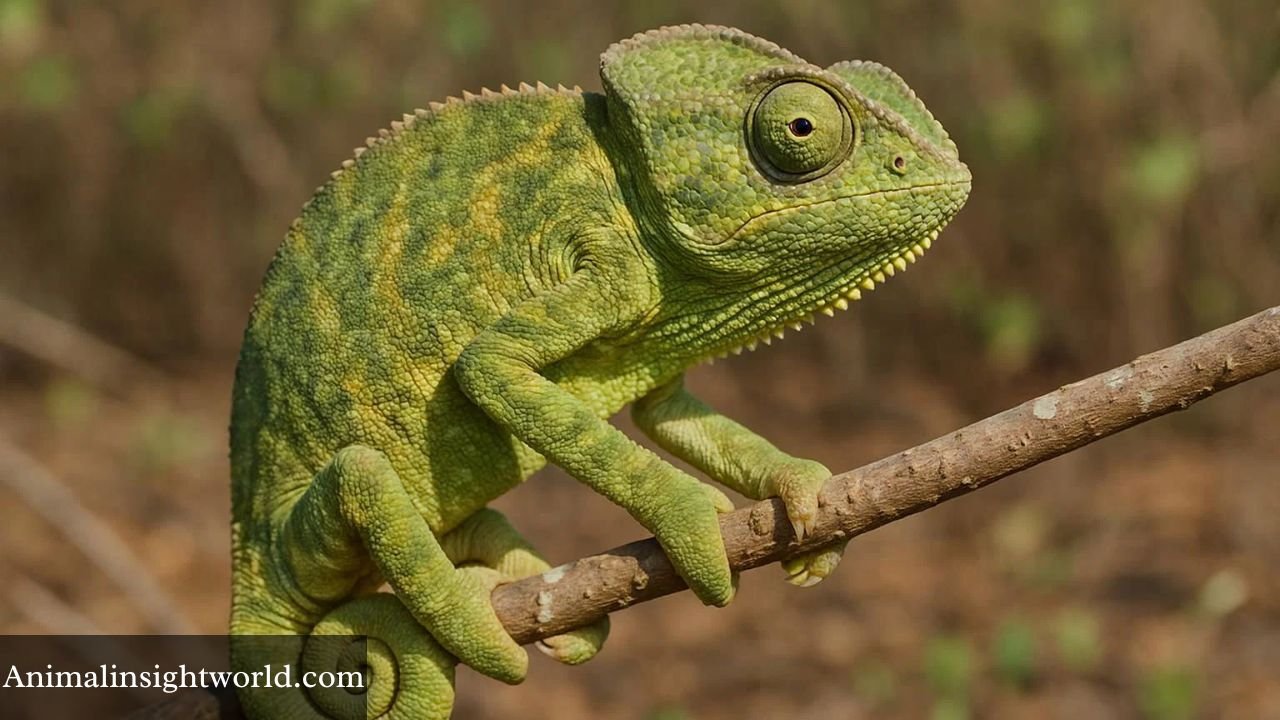
The panther chameleon, native to Madagascar, is one of the most famous color-changing animals on Earth. Males can shift between green, red, orange, blue, and yellow, often within seconds. This ability comes from special skin cells called chromatophores, which contain pigments, and from tiny crystals beneath the skin that reflect light in different ways. When the chameleon relaxes or tenses these crystals, the colors it reflects change. Color is used for more than camouflage. Males brighten dramatically when they meet a rival or a potential mate, signalling aggression or interest. A calm chameleon may show soft greens, while an excited one can flash vivid reds and blues. Females and young chameleons change color too, though usually in more muted tones.
2. Veiled Chameleon
The veiled chameleon, found in Yemen and Saudi Arabia, is another master of color change. Its casque, the tall helmet-like crest on its head, helps give it its name, but its skin is the real show. Veiled chameleons change color to regulate their body temperature, to communicate, and to blend in with leaves and branches. A cold chameleon may turn darker to absorb more heat from the sun, while a warm one lightens to reflect it. Stress, excitement, and mood also affect its colors, with dark bands often appearing when the animal feels threatened. Males display bright greens and yellows during courtship, while females may show patterns of blue and yellow spots. Their independently moving eyes help them spot prey while their body stays hidden.
3. Common Octopus
The common octopus can change color, pattern, and even skin texture in less than a second, making it one of the most gifted disguise artists in the ocean. Its skin is packed with chromatophores, pigment sacs that expand or contract under muscular control, along with light-reflecting cells that add shimmer and depth. An octopus can match sand, rock, or coral almost perfectly, and it can also flash bold stripes or spots to warn predators or confuse prey. When it swims, it may turn pale and smooth, but when it rests on the seabed, it can grow bumpy ridges to mimic the surface beneath it. This ability also plays a role in communication, since octopuses use color displays to signal mood and intent to each other.
4. Common Cuttlefish
The common cuttlefish is a close relative of the octopus and an equally impressive color changer. It lives in the coastal waters of the Mediterranean and eastern Atlantic, where it uses rapid color shifts to hunt and to hide. Cuttlefish can produce rippling waves of color across their bodies, display dark bands, or turn almost transparent, all in a fraction of a second. Their skin contains millions of chromatophores controlled directly by the brain, giving them remarkable precision. Males put on dramatic displays during courtship, showing bold zebra-like stripes to attract females while keeping the other side of their body camouflaged from rival males. This split display is one of the most extraordinary sights in the animal kingdom.
5. Caribbean Reef Squid
The Caribbean reef squid is known for its vivid color changes and its social behaviour. These squid live in small groups around coral reefs, and they communicate with each other through flashing patterns of color and light. Their skin contains chromatophores and reflective cells that allow them to shift from pale and translucent to deep brown, red, or iridescent green. Squid use these displays to warn rivals, attract mates, and coordinate with their group. When hunting, a squid may darken to blend in with the reef, then flash brightly to confuse its prey. Their color changes are controlled by the nervous system, which makes them almost instant. Watching a group of reef squid is like watching a silent conversation in light and color.
6. Lined Seahorse
The lined seahorse, found along the western Atlantic coast, can change color to match its surroundings and to communicate with other seahorses. Its body is covered in small spines and skin flaps that help it blend in with sea grass and coral, and its color can shift between brown, green, yellow, and orange. Seahorses change color slowly compared with octopuses, often over minutes or hours, but the effect is still striking. During courtship, a male and female may brighten together, performing a gentle dance as they change color in unison. Stress and mood also affect their coloring, with a frightened seahorse often turning pale. Because seahorses are weak swimmers, camouflage is their main defence, and color change helps them disappear into the reef.
7. Peacock Flounder
The peacock flounder is a flatfish that lives on sandy seabeds in tropical waters, and it is famous for its ability to match the pattern beneath it. Its upper side is covered in blue spots ringed with darker markings, but it can change its overall shade from pale sand to dark brown or mottled grey within seconds. The flounder does this using chromatophores in its skin, guided by what its eyes see. It can even match complex patterns such as checkerboards in laboratory tests, which shows just how precise its vision and skin control are. The flounder lies flat on the seabed, half buried in sand, waiting for small fish and crustaceans to pass. Its color change keeps it invisible to both predators and prey.
8. Arctic Fox
The arctic fox changes color with the seasons, trading a brown or grey summer coat for a brilliant white winter coat. This transformation takes several weeks and is triggered by changing daylight hours. In summer, the brown coat helps the fox blend in with rocks, tundra plants, and bare ground. In winter, the white coat makes it almost invisible against snow and ice, which is vital for hunting small mammals such as lemmings and for avoiding larger predators. The winter coat is also much thicker, providing insulation against temperatures that can drop far below freezing. Some arctic foxes have a blue-grey winter coat instead of white, which suits coastal areas where the ground stays darker. The change is one of nature’s most elegant seasonal adaptations.
9. Snowshoe Hare
The snowshoe hare, native to North America, changes its coat from brown in summer to white in winter. This seasonal moult is controlled by daylight, and it helps the hare hide from predators such as lynx, foxes, and owls throughout the year. In summer, the brown fur matches the forest floor and undergrowth, while in winter the white fur blends perfectly with snow. The hare’s large hind feet, which give it its name, act like snowshoes and help it run across deep snow without sinking. If the snow arrives late or melts early, a white hare can stand out against bare ground, which makes the timing of the change a serious matter of survival. Climate change is now making this mismatch more common in some regions.
10. Stoat
The stoat, also known as the ermine in its white winter form, changes color dramatically with the seasons. In summer, it has a rich chestnut-brown back and a creamy white belly, which camouflages it among rocks and vegetation. In winter, in colder regions, its coat turns pure white except for the black tip of its tail, which stays dark all year. This white coat is so prized that it was once used to trim royal robes. The change is driven by daylight and temperature, and it helps the stoat hunt voles and mice under the snow while staying hidden from predators such as owls and foxes. In warmer regions, stoats may stay brown all year, since snow is rare and a white coat would make them easier to spot.
11. Golden Tortoise Beetle
The golden tortoise beetle is a small insect from the Americas that looks like a drop of liquid gold when it is calm, but can change to a dull reddish brown when disturbed. This remarkable shift happens because of tiny layers beneath its transparent shell that reflect light. When the beetle is relaxed, fluid fills the layers and creates a brilliant metallic gold shine. When it feels threatened or is handled, the fluid drains away and the color fades to red or brown, helping it blend in with dead leaves. The change can happen in minutes and can be reversed when the beetle calms down. It is one of the most surprising color changes in the insect world, and it shows that even tiny creatures have extraordinary tricks.
12. Green Anole
The green anole is a small lizard from the southeastern United States that can shift between bright green and dark brown. Its color change is controlled by hormones and by pigment cells in its skin, and it responds to temperature, light, mood, and stress. A green anole in the sun may turn vivid green to match fresh leaves, while one in the shade or feeling cold may darken to brown. Males also change color during displays, puffing out a bright pink throat fan called a dewlap to attract females or warn off rivals. Unlike chameleons, anoles change color slowly, often over several minutes. They are often called American chameleons, though they belong to a different family, and their color change is more limited but still impressive.
13. Mimic Octopus
The mimic octopus, found in the Indo-Pacific, is famous not only for changing color but for changing shape and behaviour to imitate other animals. It can flatten its body, fold its arms, and shift its coloring to look like a flatfish, a sea snake, or a lionfish, depending on the threat nearby. Its skin is filled with chromatophores that allow rapid color changes, just like other octopuses, but the mimic adds movement and posture to complete the disguise. When it pretends to be a sea snake, for example, it hides most of its arms in a burrow and waves two of them like a snake. This combination of color and mimicry is unique among octopuses and helps a soft, vulnerable animal survive on open sand where there is little cover.
14. Gray Tree Frog
The gray tree frog, native to North America, can change color from grey to green depending on temperature, light, and its surroundings. Its skin contains pigment cells that expand or contract, allowing it to match tree bark, leaves, or lichen. A frog sitting on a grey branch may look almost invisible, while the same frog on green leaves can turn a soft green within an hour. This ability helps it hide from predators during the day, when it rests motionless on trees. At night, it becomes active, searching for insects and calling for mates with a short, musical trill. The gray tree frog can also tolerate freezing temperatures in winter by producing a natural antifreeze in its body, which makes it one of the hardiest frogs in North America.
15. Rock Ptarmigan
The rock ptarmigan is a bird of the Arctic and high mountains that changes its plumage with the seasons. In winter, it is almost entirely white, blending perfectly with snow and ice. In summer, its feathers turn mottled brown and grey to match rocks and tundra plants. The male also develops a bright red patch above the eye during breeding season, which he uses to attract females and warn rivals. This seasonal change is driven by daylight and helps the ptarmigan hide from predators such as foxes, eagles, and owls all year round. Its feet are covered in feathers, which act like snowshoes and keep it warm. The ptarmigan is one of the few birds that changes color so completely, and it remains in the Arctic even through the coldest winters.
Color change is one of nature’s most remarkable talents, and the animals on this list use it in very different ways. Some shift in seconds to vanish from view, while others change slowly with the seasons to stay hidden all year. For some, color is a tool for hunting or defence, and for others it is a language of mood, courtship, and warning. What they share is a deep connection between their bodies and their environments, a connection that lets them adapt to danger and opportunity as it arrives. From the flashing skin of an octopus to the white winter coat of an arctic fox, these animals remind us that in nature, appearance is never fixed. It is a living, changing part of survival itself.
Surprising Facts
The mimic octopus is one of the most surprising color changers on this list, because it does more than change color: it copies the shape and movement of other animals, including lionfish, sea snakes and flatfish, to scare away predators. The peacock flounder can match the pattern of the sand or coral beneath it so well that only its eyes give it away, and it can do this even while half buried.
The lined seahorse is a quieter surprise, changing color to blend with the seagrass or coral it holds onto with its curled tail. The gray tree frog can shift between green and gray depending on temperature and light, and the rock ptarmigan changes its plumage three times a year, more often than almost any other bird. Together these animals show that color change can be fast or slow, bold or subtle, and used for hiding, hunting, warning or communicating.
Frequently Asked Questions
Which animal on this list changes color the fastest?
The common cuttlefish and the common octopus change color fastest, shifting patterns in less than a second. They use muscles around tiny pigment sacs in their skin, which lets them flash signals, blend in or startle a predator almost instantly.
Do chameleons change color mainly to match their background?
Not mainly. Panther chameleons and veiled chameleons change color more in response to mood, temperature and light than to their surroundings. A male may turn bright colors to impress a female or warn off a rival, and the change helps with temperature control too.
Can the mimic octopus really copy other animals?
Yes. The mimic octopus can change its color, texture and shape to look like lionfish, sea snakes, flatfish and other creatures that predators avoid. It is one of the few animals known to impersonate several different species.
Why does the Arctic fox turn white in winter?
The Arctic fox grows a thick white winter coat so it blends into snow and ice, which helps it hide from predators and sneak up on prey such as lemmings. In summer its coat turns brown or grey to match the tundra rocks and plants.
Conclusion
Color change is one of nature’s most remarkable talents, and these fifteen animals prove there is no single way to do it. Some flash new patterns in a second, others change with the seasons, and a few copy entirely different animals to stay safe. Whether the goal is hiding, hunting or talking to others of their kind, every color change on this list is a clever answer to a real problem.