Top 18 Animals That Sleep the Most
Sleep looks very different across the animal kingdom. Some animals spend most of their lives dozing, while others survive on just a few hours of rest each day, and the reasons behind these extremes are often tied to diet, safety, and energy. An animal that eats low-energy food may need long hours of sleep to conserve strength, while a predator that hunts successfully can afford to rest for much of the day. Body size, brain activity, and the risk of being hunted also shape how much sleep a species needs. In this list, we look at eighteen animals known for their impressively long sleep habits, from tiny bats that sleep for most of the day to large cats that treat rest as a full-time occupation. Each one shows that sleep is not laziness. It is a survival strategy that helps animals recover, grow, and stay ready for the moments that matter most.
1. Koala
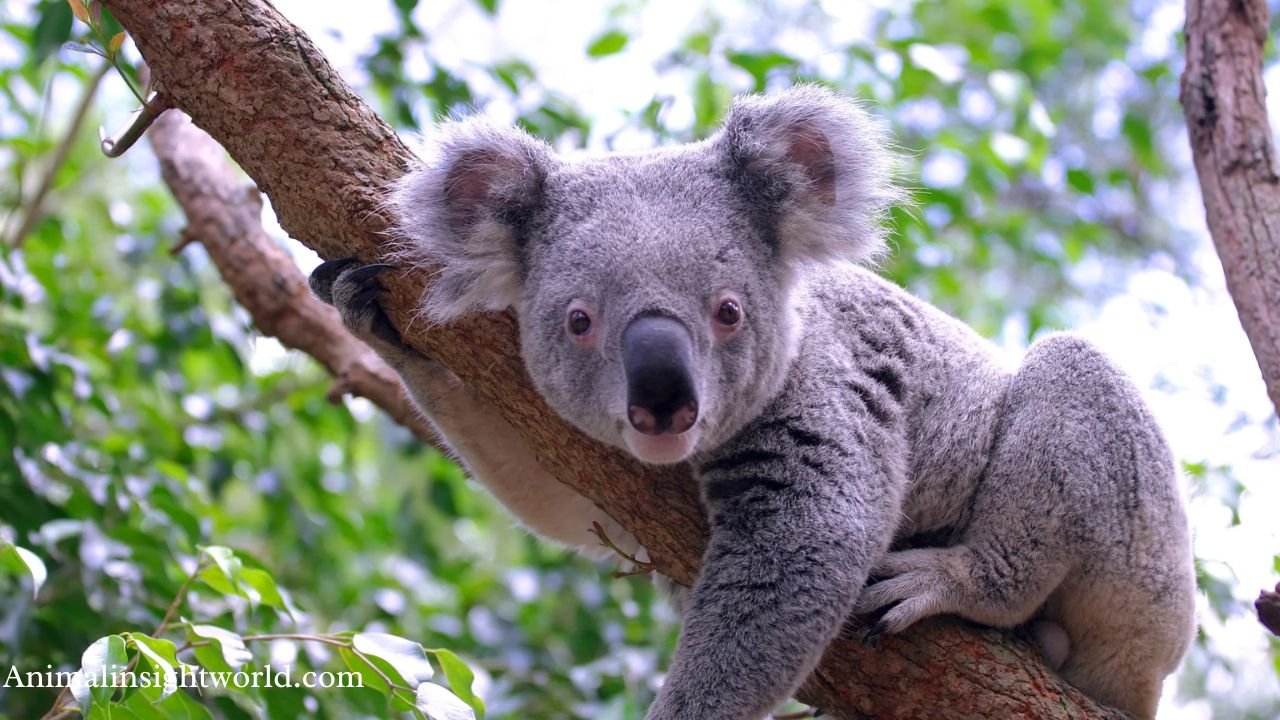
The koala is widely known as one of the sleepiest animals on Earth, spending around 18 to 22 hours each day asleep or resting in the fork of a eucalyptus tree. Its diet is the main reason for this extraordinary habit. Eucalyptus leaves are low in nutrients and hard to digest, so the koala conserves energy by moving as little as possible. The leaves also contain toxins that the liver must work hard to process, and sleep gives the body time to handle that job. Koalas are most active at night, when they climb slowly between branches to feed. During the day, they curl up in a ball, tucking their nose into their fur to stay warm. Their strong claws and rough padded feet help them grip branches securely while they sleep, and they rarely fall, even in strong winds.
2. Three-Toed Sloth
The three-toed sloth spends about 15 to 18 hours a day sleeping, hanging upside down from rainforest branches in Central and South America. Its slow lifestyle is driven by a diet of leaves that provide very little energy, so the sloth saves power by barely moving at all. Its curved claws hook over branches like anchors, allowing it to sleep safely without falling. Sloths often sleep curled up in the fork of a tree, camouflaged by green algae that grows in their fur. They descend to the ground only about once a week. Their slow metabolism and low body temperature mean they need long rest to process food properly. Even when awake, a sloth moves so slowly that algae and moths can live in its coat undisturbed.
3. Little Brown Bat
The little brown bat is one of the longest-sleeping mammals, resting for around 19 to 20 hours a day. These small bats roost in dark, sheltered places such as caves, hollow trees, and old buildings, hanging upside down by their feet while they sleep. They are nocturnal hunters, emerging only after dusk to catch insects in flight, and they return to their roosts before dawn. Sleep helps them save energy between hunts, since flying and echolocation demand a great deal of effort. During winter, little brown bats hibernate for months, slowing their heart rate and body temperature dramatically. Even outside hibernation, they spend most daylight hours completely still, waking only briefly to groom or shift position before settling back to sleep.
4. North American Opossum
The North American opossum sleeps for around 18 hours a day, making it one of the sleepiest marsupials in the Americas. It is nocturnal, spending its nights searching for food such as fruits, insects, and small animals, and its days hidden away in dens, hollow logs, or abandoned burrows. Opossums are not strong fighters, so avoiding danger by staying out of sight during the day is an important part of their survival. Their long sleep helps them recover from the energy spent foraging at night. When threatened, an opossum may famously play dead, lying still with its eyes closed and tongue out. This act, combined with long hours of rest, shows a creature that relies more on caution and stillness than on speed or strength.
5. Lion
Lions are famous for sleeping for long stretches, often resting for 16 to 20 hours a day. As large predators, they do not need to spend all their time hunting, and a single large meal can keep a lion going for days. Most of their activity happens at night or during the cooler hours of dawn and dusk, when prey is easier to catch. During the heat of the day, lions sprawl in the shade of trees or rocks, sometimes piled together in a pride. This rest conserves energy for the bursts of speed and strength needed to bring down prey. Female lions do most of the hunting, while males often rest even longer. Young cubs sleep even more, since sleep supports their rapid growth and learning.
6. Tiger
Tigers sleep for around 16 to 18 hours a day, resting between hunts in the dense forests and grasslands of Asia. As solitary hunters, they rely on stealth and explosive power, and conserving energy is essential because a hunt may fail several times before it succeeds. After a large meal, a tiger may sleep for most of the day, digesting slowly and recovering its strength. Tigers are most active at night, using their excellent night vision and striped camouflage to approach prey unseen. During the day, they seek out cool, shaded spots near water, and they often enjoy lying in shallow pools. Their sleep is deep but light enough that they can wake instantly if danger or prey appears nearby.
7. Domestic Cat
Domestic cats sleep for around 15 to 18 hours a day, and kittens and older cats may sleep even longer. This habit comes from their wild ancestors, who were predators that hunted in short, intense bursts and then rested to recover. A house cat does not need to hunt for its food, but the instinct to conserve energy remains strong. Cats are crepuscular, meaning they are most active around dawn and dusk, which matches the hunting patterns of their ancestors. They sleep in warm, safe places, often curled into a ball or stretched out in a sunny spot. Sleep also helps cats process what they have learned and keeps their senses sharp, so a well-rested cat is a better hunter, even if its prey is only a toy mouse.
8. Domestic Dog
Dogs sleep for around 12 to 14 hours a day on average, although puppies and older dogs may sleep for up to 18 hours. Unlike their wolf ancestors, domestic dogs have adapted their sleep patterns to the rhythms of their human families, resting at night and dozing during the day. Their sleep helps them recover from exercise and play, and it supports learning, since dogs remember commands and experiences better after a good rest. Puppies need extra sleep because their bodies and brains are still developing rapidly. Large breeds tend to sleep more than small breeds, and working dogs that spend their days herding or guarding often take long naps between tasks. A dog’s sleep is not always deep, and they often wake quickly at the sound of a doorbell or a familiar voice.
9. Hamster
Hamsters sleep for around 14 hours a day, although their sleep is broken into several naps rather than one long stretch. These small rodents are nocturnal, spending their nights running on wheels, digging, and gathering food, and their days curled up asleep in a nest of bedding. In the wild, hamsters live in burrows that protect them from predators and extreme temperatures, and their daytime sleep keeps them hidden while danger is greatest. They stuff food into their cheek pouches and store it in their burrows, so they can wake, eat, and return to sleep without venturing outside. Hamsters are light sleepers and wake easily if disturbed, which is why they can seem grumpy when woken during the day. Their long rest supports their high energy bursts at night.
10. Grey Squirrel
Grey squirrels sleep for around 14 hours a day, resting in leafy nests called dreys high in the trees. They are most active in the morning and late afternoon, spending those hours searching for nuts, seeds, and fruits, and burying food for later. The rest of the day is spent sleeping or grooming in the safety of the drey, hidden from predators such as hawks and foxes. In winter, squirrels sleep for longer stretches, conserving energy when food is scarce and temperatures are low. They do not truly hibernate, but they may stay in their nests for days during cold weather. Sleep also helps young squirrels grow and learn the skills they need, such as climbing, jumping, and remembering where they buried their food stores.
11. Owl Monkey
The owl monkey, also known as the night monkey, sleeps for around 17 hours a day, resting in tree hollows during daylight hours. It is the only truly nocturnal monkey, with large eyes adapted for seeing in the dark. At night, it moves through the rainforest canopy in search of fruit, leaves, and insects, using its keen senses to navigate the branches. During the day, it curls up with its family group in a hollow tree, hidden from daytime predators. Owl monkeys live in small family groups, and they often sleep huddled together for warmth and safety. Their long daytime sleep is essential because the night is long and active, and finding food in the dark demands constant attention and energy.
12. Ferret
Ferrets sleep for around 14 to 18 hours a day, often in deep, heavy sleep that owners sometimes call a dead sleep. They are crepuscular animals, most active at dawn and dusk, and they spend their waking hours playing, exploring, and hunting with intense bursts of energy. Between these bursts, they collapse into sleep, often in a pile with other ferrets or curled up in a hammock or tunnel. Ferrets were bred from wild polecats, which hunted in burrows and needed to rest between hunts. Their sleep helps them recover from their famously playful behaviour, which involves running, jumping, and wrestling. Young ferrets sleep even more, and a ferret that has played hard may sleep so deeply that it is difficult to wake.
13. Hedgehog
Hedgehogs sleep for around 18 hours a day, spending their daylight hours curled up in nests of leaves and grass. They are nocturnal foragers, emerging at night to search for insects, worms, and slugs in gardens and woodlands. Their spines protect them from predators, so they can sleep safely in shallow nests or under hedges. During the day, a hedgehog rolls into a tight ball, with its spines pointing outward as a defence. Sleep helps them conserve energy for the long nights of searching for food. In colder months, hedgehogs hibernate, sleeping for weeks at a time in a sheltered nest while their body temperature drops. Even outside hibernation, they are among the sleepiest small mammals, rarely active during daylight hours.
14. Dormouse
The dormouse is famous for its long sleep, resting for around 18 hours a day and hibernating for up to six months of the year. These tiny rodents live in woodlands and hedgerows, spending their nights climbing through branches to eat flowers, fruits, nuts, and insects. During the day, they sleep in woven nests of leaves and bark, hidden safely above the ground. Their long sleep is tied to their small size and the energy demands of staying warm. In autumn, dormice eat heavily to build up fat reserves, then curl up in a nest at ground level and hibernate through the winter. Their heart rate and breathing slow dramatically during this time. Even in summer, they spend most of the day asleep, waking only when darkness falls.
15. Brown Bear
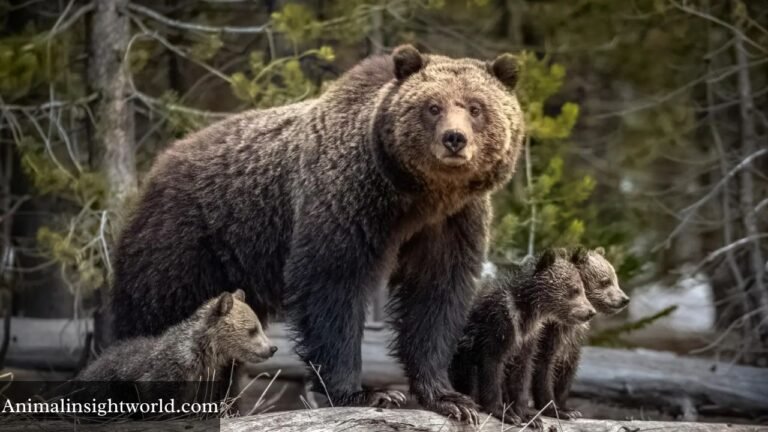
Brown bears sleep for around 14 to 16 hours a day during the active season, and they spend the winter in a long hibernation that can last for months. During spring and summer, they spend their waking hours eating huge amounts of food, from berries and roots to fish and small mammals, building up fat reserves for winter. The rest of the time is spent resting in shaded spots or in dens. Their sleep is not always deep, and they may wake briefly if disturbed. In autumn, they enter dens and settle into hibernation, during which their body temperature drops slightly and their heart rate slows. They do not eat, drink, or wake fully for months, living entirely off stored fat. This remarkable sleep is one of the longest rest periods of any land mammal.
16. Raccoon
Raccoons sleep for around 14 hours a day, resting in tree hollows, dens, or sheltered spots during daylight hours. They are nocturnal, spending their nights searching for food in forests, wetlands, and even towns and cities. Their diet is varied, including fruits, insects, fish, and small animals, and finding food takes a great deal of time and energy. During the day, raccoons curl up in safe, hidden places, often sharing a den with other raccoons for warmth. In winter, they sleep for longer periods, sometimes staying in their dens for days during cold weather, although they do not truly hibernate. Their long rest helps them recover from their busy nights of foraging, climbing, and exploring, and young raccoons need even more sleep as they grow.
17. Wombat
Wombats sleep for around 16 hours a day, resting in the cool depths of their burrows in the Australian bush. These stocky marsupials are nocturnal grazers, emerging at night to feed on grasses, roots, and bark. Their burrows can be many metres long and provide shelter from heat, cold, and predators. During the day, a wombat sleeps soundly underground, where temperatures stay stable even in the hottest weather. Their slow metabolism and low-energy diet of tough grasses mean they need long rest to conserve strength. Wombats are strong diggers with powerful claws, and they often have several burrows across their territory. They may also sleep above ground on cool days, stretched out in the shade of a tree or bush, but the burrow remains their favourite resting place.
18. Short-Beaked Echidna
The short-beaked echidna sleeps for around 12 to 14 hours a day, resting in hollow logs, rock crevices, or burrows across Australia. As a monotreme, it is one of the few mammals that lays eggs, and its sleep patterns are unusual. Echidnas enter a state of torpor, lowering their body temperature to save energy, especially during cold weather or when food is scarce. They are most active in the early morning and late afternoon, using their long, sticky tongues to eat ants and termites. Their spines protect them from predators, so they can sleep safely in shallow shelters. During the day, they often curl up with their spines facing outward. Sleep and torpor help echidnas survive in harsh environments where food can be hard to find for long stretches.
Sleep is one of the most powerful tools in an animal’s survival kit, and the creatures on this list show just how varied it can be. From the koala, which sleeps away most of its life in a eucalyptus tree, to the echidna, which uses torpor to survive harsh conditions, each species has found its own balance between rest and activity. Diet, safety, body size, and the demands of hunting or foraging all shape how much sleep an animal needs. What looks like laziness is usually a clever strategy for saving energy and staying safe. The next time you see a cat curled up in a sunny spot or a squirrel dozing in a tree, remember that rest is not wasted time. For many animals, it is the very thing that keeps them alive.
How These Animals Compare
The animals on this list do not all sleep for the same reasons, and comparing them shows how sleep follows lifestyle. The koala and the three-toed sloth sleep the longest because their leafy diets give them so little energy that rest is the only way to balance the books. The little brown bat, at around 19 to 20 hours a day, sleeps even longer than the lion, yet for a different reason: flying and hunting by echolocation burn so much energy that the bat must rest between short, intense nights of feeding.
Big cats such as the lion and tiger sit in the middle of the range at 16 to 20 hours, because a single large meal can fuel days of rest, while smaller animals like the hamster and grey squirrel sleep in shorter bursts spread across the day. Pets follow the same pattern as their wild cousins: domestic cats sleep 15 to 18 hours, close to wild cats, while domestic dogs sleep less, around 12 to 14 hours, because they have adapted to human routines. The wombat and the echidna round out the list as reminders that even animals in harsh Australian conditions rely on long rest and torpor to survive.
Frequently Asked Questions
Which animal on this list sleeps the most?
The koala sleeps the most, resting for around 18 to 22 hours a day. Its diet of eucalyptus leaves is so low in nutrients and so hard to digest that sleeping is the main way it conserves energy.
Do lions really sleep for 20 hours a day?
Lions often rest for 16 to 20 hours a day, especially in the heat of the day. A large meal can keep a lion going for days, so it can afford long rest, and most hunting happens at night or around dawn and dusk.
Why do sloths sleep so much?
Three-toed sloths sleep about 15 to 18 hours a day because their leaf diet provides very little energy. Their slow metabolism, low body temperature and habit of hanging still in the canopy all help them save the little energy their food gives them.
Do cats sleep more than dogs?
Yes. Domestic cats sleep around 15 to 18 hours a day, while domestic dogs average 12 to 14 hours. Cats keep the rest pattern of their wild hunting ancestors, while dogs have adjusted their sleep to human daily routines.
Final Thoughts
From the koala dozing in a eucalyptus tree to the little brown bat hanging silently in a cave, long sleep is never laziness. It is a survival strategy shaped by diet, safety and energy, and each of these eighteen animals has found its own balance between rest and activity. The next time you see a cat curled up in a sunny spot, remember that rest is one of the hardest-working habits in the animal kingdom.