Top 17 Animals That Are the Best Hunters
Hunting is one of the most demanding skills in the animal kingdom, requiring speed, strength, patience, intelligence, and often teamwork. The best hunters are not always the biggest or the strongest; some rely on stealth, some on speed, and some on clever traps. In this list, we look at seventeen animals that are among the most successful hunters on Earth, from the African wild dog that hunts in packs to the dragonfly that catches prey in mid-air. Each one shows a different strategy for finding, catching, and killing food, and each one is a master of its own hunting style.
1. African Wild Dog
The African wild dog is the most successful hunter of any large mammal, with a success rate of up to eighty percent, far higher than lions or leopards. Wild dogs hunt in packs, working together to chase down antelope and other prey over long distances. They are endurance hunters, running their prey to exhaustion before moving in for the kill. Each dog has a role in the hunt, with some chasing, some cutting off escape routes, and others waiting in ambush. Wild dogs communicate with high-pitched twittering calls and body language, coordinating their movements as they hunt. They live in packs of up to forty animals, led by a dominant pair, and they share food with the young, the sick, and the old. Their teamwork is the key to their success, and it makes them one of the most efficient predators in Africa.
2. Peregrine Falcon
The peregrine falcon is the fastest animal in the world, diving at speeds of more than three hundred and eighty kilometres per hour to strike prey in mid-air. It hunts other birds, catching them with its talons and killing them with a blow from its beak. Peregrines have excellent eyesight, able to spot prey from several kilometres away, and they are found on every continent except Antarctica. They live in a wide range of habitats, from cliffs to cities, where they nest on tall buildings and hunt pigeons. Peregrines were once threatened by the pesticide DDT, but they have recovered and are now common in many places. Their hunting technique, called stooping, is one of the most spectacular sights in the bird world, as the falcon folds its wings and drops like a stone onto its prey.
3. Orca
The orca is one of the most intelligent and successful hunters in the ocean, using teamwork, communication, and learned hunting techniques to catch a wide range of prey. Different pods specialise in different prey, with some hunting seals, others hunting fish, and some hunting whales. Orcas work together to herd fish into tight balls, to create waves that wash seals off ice floes, and to beach themselves temporarily to catch sea lions on the shore. They communicate with a complex system of calls, and each pod has its own dialect. Orcas are the largest members of the dolphin family, growing to around nine metres long, and they are found in every ocean. Their hunting success comes from their intelligence, their social bonds, and their ability to learn new techniques from each other.
4. Lion
The lion is the most social of all big cats, hunting in groups called prides, which gives it an advantage over solitary hunters. Lionesses do most of the hunting, working together to stalk and ambush prey such as zebras, wildebeest, and buffalo. They use stealth and teamwork, with some lionesses driving prey towards others that are waiting in ambush. Lions are powerful animals, with strong jaws and sharp claws, and they can bring down prey much larger than themselves. They hunt mainly at night or during the cooler hours of dawn and dusk, when their prey is less alert. A pride of lions can eat up to forty kilograms of meat in a single meal. Their hunting success depends on cooperation, and a lone lion is much less successful than a pride hunting together.
5. Great White Shark
The great white shark is one of the most powerful hunters in the ocean, with a keen sense of smell, excellent vision, and the ability to detect the electrical signals given off by its prey. It hunts seals, sea lions, and large fish, often attacking from below with a sudden burst of speed. Great whites can breach out of the water when they attack, launching their massive bodies into the air to catch a seal at the surface. They have rows of sharp, serrated teeth that are replaced throughout their lives, and they can bite with a force of more than a tonne. Great whites are found in cool coastal waters around the world, often near seal colonies. Their hunting success comes from their power, their senses, and their patience, as they may wait for hours for the right moment to strike.
6. Dragonfly
The dragonfly is one of the most successful hunters in the insect world, catching prey in mid-air with a success rate of up to ninety-five percent, which is higher than almost any other predator. It has large, multifaceted eyes that give it almost three hundred and sixty degree vision, and it can spot a mosquito or a fly from many metres away. Dragonflies are among the fastest insects, able to reach speeds of more than fifty kilometres per hour, and they can hover, fly backwards, and change direction instantly. They catch their prey with their legs, forming a basket that traps the insect, and they eat it while still in flight. Dragonflies have been hunting in this way for more than three hundred million years, and their success is a testament to the power of excellent vision and agile flight.
7. Polar Bear
The polar bear is the largest land predator in the world and a superb hunter of seals in the Arctic. It uses its excellent sense of smell to find seal breathing holes in the ice, and it waits patiently for hours, sometimes for days, for a seal to surface. When the seal appears, the bear strikes with its powerful paws, dragging the seal onto the ice. Polar bears also hunt by stalking seals on the ice, creeping forward on their bellies and using their white fur as camouflage. They can swim long distances in search of food, and they are strong enough to break through thin ice to reach seals below. Polar bears need to eat huge amounts of fat to survive the Arctic winter, and their hunting success is essential for their survival in one of the harshest environments on Earth.
8. Trapdoor Spider
The trapdoor spider is a remarkable ambush hunter that builds a burrow with a hinged lid made of silk, soil, and vegetation. It waits inside the burrow, holding the lid shut with its fangs, and when it feels the vibrations of an insect walking past, it flings the lid open, grabs the prey, and drags it inside. Trapdoor spiders have excellent vibration sense, detecting the footsteps of prey through silk trip lines laid around the entrance to their burrows. They are patient hunters, sometimes waiting for hours for prey to come within reach. Trapdoor spiders live in burrows for many years, with some females living for more than twenty years in the same burrow. Their hunting technique is a marvel of patience and engineering, and it shows that a hunter does not need speed or strength if it has a good trap and perfect timing.
9. Leopard
The leopard is a solitary hunter known for its stealth, strength, and adaptability, able to hunt a wide range of prey in many different habitats. It stalks its prey silently, using its spotted coat as camouflage, and launches a sudden attack from close range. Leopards are strong enough to drag a carcass up into a tree, where it is safe from lions and hyenas, and they can carry prey heavier than themselves. They hunt at night, using their excellent night vision and hearing to find antelope, monkeys, and other animals. Leopards are found across Africa and Asia, from rainforests to deserts, and they are one of the most successful big cats in the world. Their hunting success comes from their versatility, their patience, and their ability to adapt to almost any environment.
10. Golden Eagle
The golden eagle is a powerful bird of prey that hunts rabbits, marmots, and other small animals in mountain ranges around the world. It soars on thermals high above the peaks, scanning the ground below with eyesight that can spot prey from several kilometres away. When it sees prey, it dives at speeds of more than three hundred kilometres per hour, striking with its powerful talons. Golden eagles are strong enough to carry prey weighing several kilograms, and they have been known to hunt animals as large as young deer. They build large nests on cliff ledges, where they raise one or two chicks each year. Golden eagles are monogamous and mate for life, and they return to the same nest year after year. Their hunting success comes from their vision, their speed, and their power.
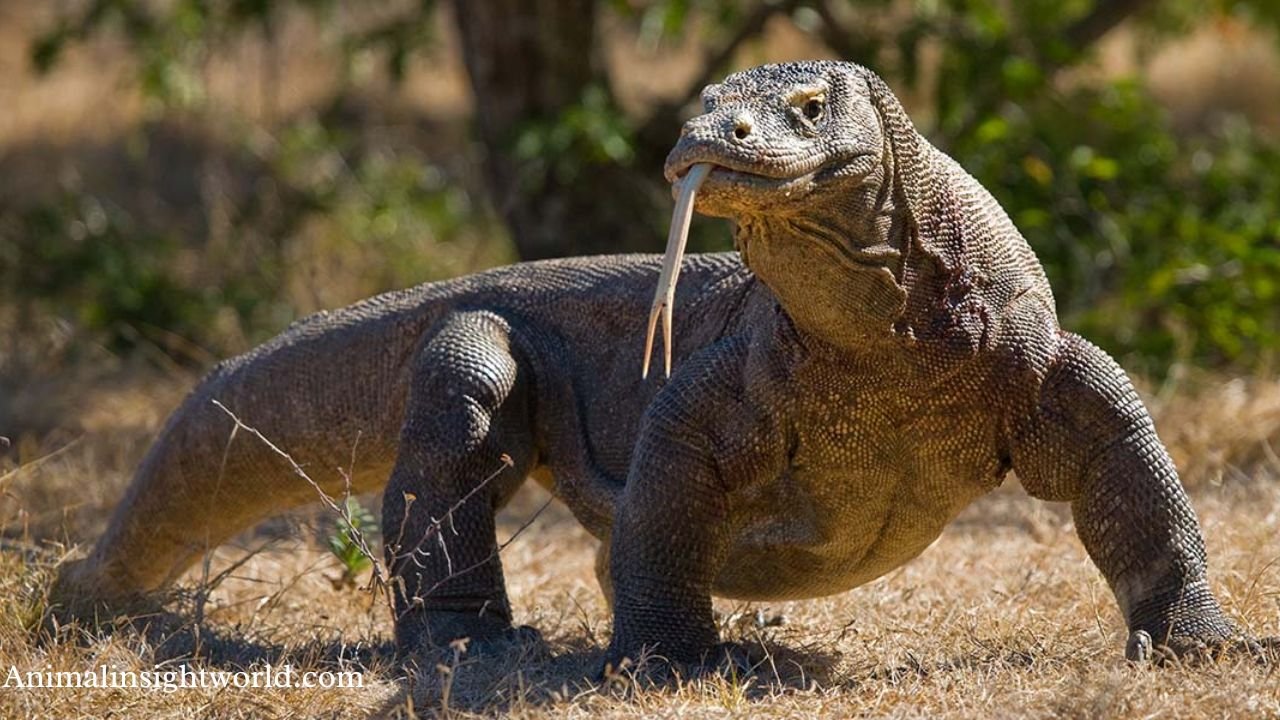
11. Komodo Dragon
The Komodo dragon is the largest lizard in the world and a formidable hunter, using its excellent sense of smell to find prey from more than ten kilometres away. It is an ambush predator, waiting patiently in the bush for deer, pigs, and other animals to come within range, then launching a sudden attack with its powerful jaws and sharp teeth. Komodo dragons have venomous bites, and their saliva contains bacteria that can cause infection, so even a prey animal that escapes may die later. They are patient hunters, sometimes following wounded prey for days until it collapses. Komodo dragons are found only on a few islands in Indonesia, and they are the top predators in their environment. Their hunting success comes from their patience, their sense of smell, and their powerful bite.
12. Cheetah
The cheetah is the fastest land animal in the world, able to reach speeds of more than a hundred kilometres per hour in short bursts. It hunts by sight, stalking its prey until it is within range, then launching a high-speed chase that lasts less than a minute. Cheetahs have a slender body, long legs, and a flexible spine that allows them to take huge strides, covering up to seven metres in a single bound. Their claws are semi-retractable, giving them grip like the spikes on a running shoe, and their tails act as rudders for steering at high speed. Cheetahs hunt mainly during the day, when their excellent vision gives them an advantage. They are not strong enough to defend their kills from lions and hyenas, so they must eat quickly. Their hunting success comes from speed, and they are one of the most specialised hunters in the world.
13. Harris Hawk
The Harris hawk is unusual among birds of prey because it hunts in groups, working together like wolves to catch prey. Known as wolves of the sky, Harris hawks live in family groups in the deserts of the southwestern United States and Mexico, where they hunt rabbits, rodents, and birds. They use a technique called back-stacking, in which one hawk stands on the back of another to get a better view of their surroundings. When hunting, they take turns chasing prey, with some hawks flushing it out while others wait in ambush. Their teamwork gives them a much higher success rate than solitary hawks. Harris hawks are popular in falconry because of their social nature and their willingness to work with humans. Their cooperative hunting is a remarkable example of teamwork in birds.
14. Anglerfish
The anglerfish is a deep-sea hunter with one of the strangest hunting methods in the animal kingdom. Females carry a glowing lure on the end of a modified fin, filled with light-producing bacteria, which dangles in front of their huge mouths. Small fish and crustaceans are drawn to the light in the darkness and are swallowed whole when they come too close. The anglerfish has a very large mouth, sharp teeth that point inwards, and a stomach that can stretch to hold prey larger than itself. It lives in the deep sea, where food is scarce and sunlight never reaches, and its lure is the key to its survival. The anglerfish is a patient hunter, waiting motionless in the dark for prey to come to it, rather than chasing it down.
15. Archerfish
The archerfish is a remarkable hunter that shoots down insects with a jet of water, spitting at them from below the surface. It lives in the rivers and mangroves of Southeast Asia and Australia, where it hunts insects resting on branches and leaves above the water. The archerfish takes water into its mouth, forms it into a jet with its tongue and the roof of its mouth, and fires it at its prey with great accuracy, knocking the insect into the water where it can be eaten. It can hit targets up to two metres away, and it compensates for the refraction of light at the water’s surface. Young archerfish learn to shoot by watching older fish, and they improve with practice. Their hunting technique is one of the most remarkable in the fish world, and it shows that a hunter does not need claws or teeth to be successful.
16. Osprey
The osprey is a fish-eating bird of prey, also known as the sea hawk, that hunts by diving into the water feet-first to catch fish. It has excellent eyesight, able to spot a fish from high in the air, and it hovers before plunging into the water with a splash. Ospreys have special adaptations for fishing, including reversible outer toes, barbed pads on their feet for gripping slippery fish, and closable nostrils that keep water out when they dive. They are successful hunters, catching fish on around one in four dives, and they can carry fish weighing more than a kilogram back to their nests. Ospreys live near rivers, lakes, and coasts all over the world, and they migrate thousands of kilometres between their breeding and wintering grounds. Their fishing skills are among the best in the bird world.
17. Mantis Shrimp
The mantis shrimp is a small but powerful marine hunter with one of the fastest strikes in the animal kingdom. It has specialised front limbs that it uses like a hammer or a spear to smash or impale prey, striking with a force that can break glass and generate a shockwave in the water. The strike is so fast that it creates a cavitation bubble, which collapses with a burst of heat and light. Mantis shrimps hunt crabs, snails, and other shellfish, smashing their shells open with repeated blows. They have excellent vision, with eyes that can see colours humans cannot, including ultraviolet light. Mantis shrimps live in burrows in coral reefs and sandy seabeds, and they are fiercely territorial. Their hunting strike is one of the most powerful in the animal kingdom relative to their size.
The best hunters in the animal kingdom use many different strategies, from the teamwork of wild dogs to the patience of the trapdoor spider and the speed of the cheetah. What they all share is a combination of senses, skills, and adaptations that make them supremely effective at finding and catching food. Hunting is never easy, and even the best hunters fail more often than they succeed. But their success is essential, not only for their own survival, but for the balance of the ecosystems in which they live, where predators keep prey populations healthy and in check.
Where They Live and How They Survive
The hunters on this list succeed in very different ways, and comparing them shows there is no single recipe for a good hunter. The African wild dog has the highest success rate of any large land predator, catching prey on most of its hunts by working as a team and running its target to exhaustion. The peregrine falcon and the golden eagle hunt from the air, the falcon diving at over 320 kilometres per hour and the eagle striking with huge talons, while the dragonfly catches its prey in mid-air with a success rate above 90 percent.
Ambush hunters use patience instead of speed. The trapdoor spider waits in a silk-lined burrow for vibrations that signal prey, the anglerfish lures fish with its glowing bait, and the leopard drags its kill into a tree where others cannot steal it. The orca hunts in family pods and has been seen working together to create waves that wash seals off ice, while the komodo dragon uses a powerful bite and patience, following its prey for days if needed.
Questions People Ask
Which animal is the most successful hunter on this list?
The African wild dog is one of the most successful, catching prey on most of its hunts by working as a team. The dragonfly is also remarkably successful, catching its prey in mid-air around 95 percent of the time.
How do orcas hunt together?
Orcas hunt in family pods and use teamwork, herding fish into tight balls, beaching themselves briefly to catch seals, and even creating waves to wash seals off ice floes. Different pods have different hunting traditions passed down through generations.
Why are peregrine falcons such good hunters?
Peregrine falcons dive at over 320 kilometres per hour, the fastest speed of any animal, and strike their prey in mid-air with a clenched foot. Their speed, eyesight and timing make them nearly impossible for other birds to escape.
Do trapdoor spiders really wait in burrows for prey?
Yes. Trapdoor spiders build silk-lined burrows with a hinged lid of soil and silk, and they wait inside for vibrations from passing insects. When prey comes close, the spider bursts out, grabs it and pulls it underground.
Final Thoughts
The best hunters in the animal kingdom use many different strategies, from the African wild dog’s teamwork to the peregrine falcon’s dive and the trapdoor spider’s patience. These seventeen animals prove that hunting is not only about speed or strength: it is about timing, teamwork and knowing your prey. Every successful hunt is the result of millions of years of practice.