Top 15 Animals With Shells
A shell is one of nature’s most useful inventions, providing protection, support, and a portable home for the animal that carries it. Shells come in many forms, from the hard, bony shell of a turtle to the delicate, spiralled shell of a snail and the armoured plates of an armadillo. Some animals grow their shells, while others find empty shells and move in. In this list, we look at fifteen animals with remarkable shells, from the ocean depths to the garden. Each one shows how a shell can be shaped by the demands of protection, movement, and the environment in which the animal lives.
1. Green Sea Turtle
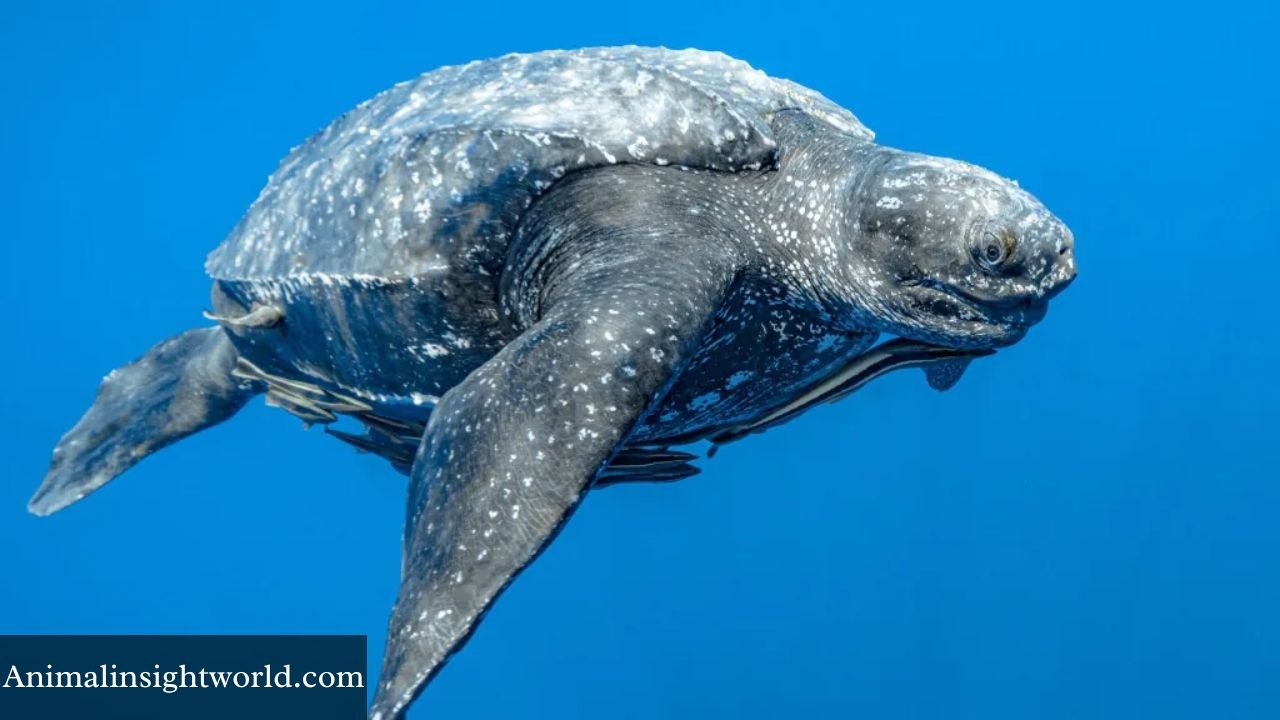
The green sea turtle has a large, smooth shell, called a carapace, that protects it from predators and from the rough seas it travels through. The shell is made of bone covered in horny plates called scutes, and it is streamlined to help the turtle swim efficiently. Green sea turtles cannot pull their heads into their shells, so they rely on speed and their hard shells for protection. They can live for eighty years or more, and they migrate thousands of kilometres between feeding grounds and nesting beaches. The shell grows with the turtle, and its pattern of scutes is unique to each individual. Green turtles are threatened by hunting, egg collection, and the loss of nesting beaches, and their shells, once prized for jewellery, are now protected by law in most countries.
2. Garden Snail
The garden snail carries its shell on its back, a spiralled home that it can retreat into when threatened or when the weather is dry. The shell is made of calcium carbonate, and it grows with the snail, adding new whorls as the animal grows. When a snail is threatened, it pulls its soft body into the shell and seals the opening with a layer of mucus, which hardens into a protective cover. Garden snails are found in gardens and fields all over the world, where they feed on leaves, fruit, and vegetables. They are nocturnal, emerging at night and after rain to feed, and they leave a trail of slime behind them as they move. Their shells come in many colours and patterns, and they are a familiar sight in gardens everywhere.
3. Hermit Crab
The hermit crab is a remarkable animal that does not grow its own shell, but instead lives in the empty shell of a sea snail. As it grows, it must find a larger shell, and it will often fight with other hermit crabs for the best shells. Hermit crabs have soft, unprotected abdomens, which they tuck into the shell for safety, and they carry the shell around with them wherever they go. They are found on beaches and in shallow waters all over the world, and they feed on algae, dead animals, and other debris. When a hermit crab finds a new shell, it inspects it carefully, checking the size and weight before moving in. Some hermit crabs decorate their shells with sea anemones, which provide extra protection with their stinging tentacles.
4. Armadillo
The armadillo is a mammal with a distinctive shell made of bony plates covered in tough, leathery skin. The shell, called a carapace, protects the armadillo from predators, and some species can roll into a ball, presenting only their hard shell to an attacker. Armadillos have strong claws for digging, and they feed on ants, termites, and other insects, which they lick up with their long, sticky tongues. They are found in the Americas, from the southern United States to Argentina, and they live in burrows that they dig themselves. The nine-banded armadillo is the most widespread species, and it has expanded its range northwards in recent decades. Armadillos are excellent swimmers, and they can hold their breath for several minutes, walking along the bottom of a river to cross it.
5. Nautilus
The nautilus is a remarkable marine animal with a beautiful, spiralled shell divided into chambers, which it uses to control its buoyancy. It lives in the deep waters of the Pacific, and it can adjust the gas and fluid in its chambers to rise or sink in the water. The nautilus has survived almost unchanged for hundreds of millions of years, and it is often called a living fossil. It has up to ninety tentacles, which it uses to catch shrimp and other small animals, and it has excellent eyesight, although it has no lens in its eyes. Nautiluses are nocturnal, rising to shallower waters at night to feed and returning to the depths during the day. Their shells are prized by collectors, and nautiluses are threatened by overfishing for the shell trade.
6. Abalone
The abalone is a marine snail with a distinctive, ear-shaped shell lined with mother-of-pearl, which shimmers with iridescent colours. Abalones live on rocky shores, clinging to rocks with their large, muscular foot, and they feed on algae and seaweed. Their shells have a row of small holes along the edge, which they use for breathing and for releasing waste. Abalones are prized as food in many cultures, and their shells are used for jewellery and decoration. They are found in cold waters around the world, from California to Australia to South Africa. Abalone populations have declined sharply because of overfishing and disease, and many species are now protected. Their beautiful shells are a reminder of the treasures that the ocean holds, and of the need to protect them.
7. Box Turtle
The box turtle is a land turtle with a high, domed shell that it can close completely, pulling in its head, legs, and tail and shutting the shell with a hinged plastron. This ability gives the box turtle its name, and it provides excellent protection from predators. Box turtles live in forests, meadows, and wetlands in North America, where they feed on insects, slugs, fruits, and mushrooms. They are long-lived animals, able to live for more than a hundred years, and they return to the same home range year after year. Box turtles are slow-moving, but they are excellent at finding food and shelter in their territories. Their shells have beautiful patterns of yellow and orange on a dark background, which help them blend in with the forest floor. Box turtles are threatened by habitat loss and road traffic.
8. Coconut Crab
The coconut crab is the largest land crab in the world, with a hard shell and powerful claws that can crack open coconuts. It lives on islands in the Indian and Pacific Oceans, where it climbs palm trees to pick coconuts, which it drops to the ground and cracks open with its claws. Coconut crabs have a tough exoskeleton that protects them from predators, and they can grow to more than a metre across, including their legs. They are nocturnal, emerging at night to forage for coconuts, fruit, and dead animals. Coconut crabs are excellent climbers, and they can climb trees up to ten metres high. They are threatened by hunting for food, and their numbers are declining on many islands. Their shells and claws are a marvel of strength, and they are a symbol of the remote islands where they live.
9. Tortoise
Tortoises are land-dwelling reptiles with large, domed shells that protect them from predators and from the harsh conditions of their environments. Their shells are made of bone covered in scutes, and they grow with the animal throughout its life. Tortoises are found in deserts, grasslands, and forests around the world, and they feed on grasses, leaves, and fruit. They are long-lived animals, with some species living for more than a hundred years, and the Galapagos tortoise can live for over one hundred and fifty years. Tortoises are slow-moving, but they are well protected by their shells, and they can pull their heads and legs inside when threatened. Their shells come in many shapes and sizes, from the high domes of desert tortoises to the flatter shells of forest species.
10. Oyster
The oyster is a marine mollusc with a rough, irregular shell made of two hinged valves, which it opens and closes to feed and to protect itself. Oysters filter water, removing algae and particles, and a single oyster can filter up to fifty gallons of water a day. They live in shallow coastal waters, attached to rocks, piers, and other oysters, forming reefs that provide homes for many other animals. Oysters are prized as food, and they are farmed in many parts of the world. Their shells are also used to make pearls, when a grain of sand or other irritant gets inside the shell and the oyster coats it with layers of nacre. Oyster reefs are among the most threatened habitats in the world, with more than eighty percent lost to overfishing, pollution, and disease.
11. Scallop
The scallop is a marine mollusc with a beautiful, fan-shaped shell that it uses to swim by clapping its valves together, jetting water out and propelling itself through the sea. Scallops have dozens of bright blue eyes along the edge of their shells, which help them detect light and movement. They live on the seabed in shallow waters, feeding on plankton that they filter from the water. Scallops are prized as food, and they are harvested by divers and by dredging in many parts of the world. Their shells are famous for their beauty, with radiating ribs and delicate colours, and they have been used as a symbol of pilgrimage for centuries. Scallops can swim surprisingly fast for a mollusc, and their ability to move sets them apart from most other bivalves, which are fixed in one place.
12. Mussel
Mussels are marine and freshwater molluscs with dark, elongated shells that they use to protect themselves from predators and from the currents. They attach themselves to rocks, piers, and other surfaces with strong threads called byssus, which they secrete from a gland in their foot. Mussels filter water, removing plankton and particles, and they play an important role in keeping water clean. They are found in coastal waters and rivers all over the world, and they are an important food source for many animals, including birds, fish, and humans. Freshwater mussels can live for many decades, and some species live for more than a hundred years. Their shells are often dark blue or black, with a smooth, shiny interior lined with mother-of-pearl.
13. Chiton
The chiton is a marine mollusc with a shell made of eight overlapping plates, which allow it to curl into a ball and to grip tightly onto rocks. Chitons live in the intertidal zone, clinging to rocks with their muscular foot and feeding on algae that they scrape off with a ribbon of teeth. Their shells are flexible, which helps them survive the pounding of waves and the attacks of predators. Chitons have been around for hundreds of millions of years, and they are found in oceans all over the world, from the tropics to the poles. Some chitons have eyes embedded in their shells, which help them detect light and movement. Their eight-plated shells are unique among molluscs, and they are a marvel of natural engineering, combining protection with flexibility.
14. Sea Urchin
The sea urchin is a marine animal with a hard, spiny shell, called a test, made of calcium carbonate plates. The test protects the urchin’s soft body, and it is covered in spines that deter predators and help the urchin move across the seabed. Sea urchins feed on algae, which they scrape off rocks with their teeth, and they are found in oceans all over the world, from shallow reefs to the deep sea. Their spines come in many colours, from black to purple to green, and some species have venomous spines that can cause painful stings. Sea urchins play an important role in reef ecosystems, controlling algae growth and providing food for otters, fish, and birds. Their tests are often found washed up on beaches, where their beautiful, symmetrical patterns are admired by beachcombers.
15. Pill Bug
The pill bug, also known as the woodlouse or roly-poly, is a small land crustacean with a segmented, armoured shell that it uses to roll into a ball when threatened. It is not an insect, but a relative of crabs and lobsters that has adapted to life on land. Pill bugs live in damp places, under logs, stones, and leaf litter, where they feed on decaying plants and help recycle nutrients in the soil. Their shells are made of calcium carbonate, and they need moisture to survive, which is why they are found in damp habitats. When threatened, a pill bug rolls into a tight ball, presenting only its hard shell to the attacker. Pill bugs are harmless to humans, and they are a familiar sight in gardens, where they play an important role as decomposers.
Shells are among the most beautiful and useful structures in the animal kingdom, providing protection, support, and a home that the animal carries with it. The fifteen animals in this list show how shells have evolved in many different forms, from the hard, bony shell of a turtle to the delicate, spiralled shell of a snail. Some shells are grown, some are borrowed, and some are made of many plates, but all of them serve the same purpose: to keep the animal inside safe. The next time you find a shell on a beach or in a garden, remember that it was once the home of a living animal, and that it is a marvel of natural design.
How These Animals Compare
The abalone is one of the most surprising shelled animals on this list, because the inside of its shell is lined with mother-of-pearl, a material so strong that scientists study it to design better armour. The oyster makes pearls when a grain of sand gets inside its shell, coating the irritant in layer after layer of nacre until it becomes smooth and round.
The pill bug, also called a roly-poly, is a land crustacean that rolls into a perfect ball when threatened, its shell plates fitting together like armour. The chiton has a shell made of eight separate plates, and its teeth are made of the hardest material known in any living animal. The scallop can swim by clapping its shells together, and the mussel anchors itself to rocks with strong threads it makes itself.
Frequently Asked Questions
Can turtles leave their shells?
No. A turtle’s shell is part of its skeleton, joined to its spine and ribs, so it cannot leave it. The shell grows with the turtle throughout its life, and a damaged shell can heal like a broken bone.
Why do hermit crabs live in other animals’ shells?
Hermit crabs have soft abdomens with no shell of their own, so they borrow empty snail shells for protection. As they grow, they move into larger shells, and they will sometimes fight other hermit crabs over a good shell.
How do oysters make pearls?
When a grain of sand or another irritant gets inside an oyster’s shell, the oyster coats it in layers of nacre, the same shiny material that lines the shell. Over years, these layers build up into a pearl.
What is the largest shelled animal on this list?
The green sea turtle is the largest shelled animal on this list, growing over a metre long and weighing up to 200 kilograms. The coconut crab is the largest land invertebrate, with a shell span of up to a metre across its legs.
Final Thoughts
Shells are among the most beautiful and useful structures in nature, serving as homes, armour, submarines and even jewellery boxes. These fifteen animals show that a shell is never just a hard cover: it is a living part of the animal, shaped by the sea, the land and the dangers of both. From the tiny pill bug to the great green turtle, shells prove that protection can be beautiful.