Top 15 Animals Like Pandas
Giant pandas are among the most loved animals in the world, and it is easy to see why. Their round faces, black and white coats, calm nature, and love of bamboo have made them famous far beyond their home in the mountains of central China. People who love pandas often want to meet other animals that share some of those same qualities, whether it is a similar appearance, a gentle temperament, a bamboo diet, or a quiet life spent high in the trees. The good news is that nature is full of animals that echo the panda in one way or another, and many of them are just as charming once you get to know them. Some are close relatives, while others simply evolved in a similar way because they live in similar forests and eat similar food. A few are bears, a few are tree climbers, and a few are small mammals with masked faces and clever paws. In this list, we look at fifteen animals like pandas, exploring what makes each one special, where it lives, what it eats, and how it resembles the giant panda. Whether you love pandas for their looks, their lifestyle, or their gentle character, you are sure to find a new favourite here.
1. Red Panda
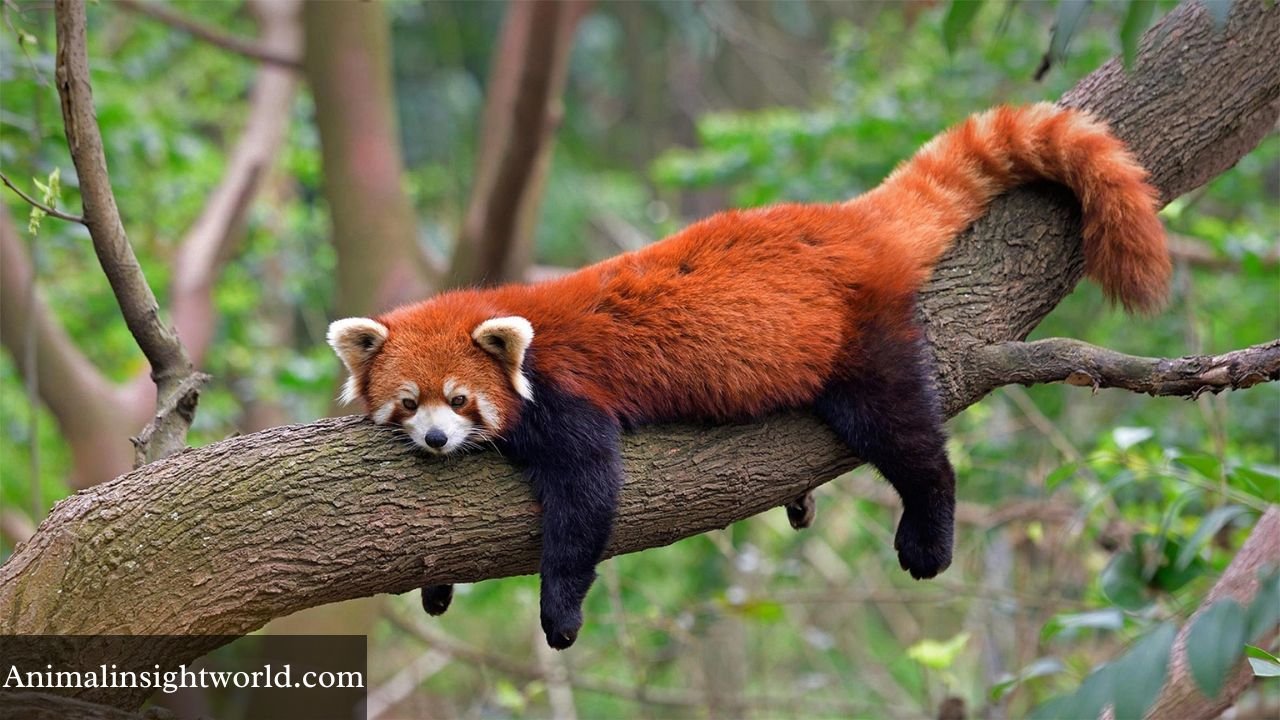
The red panda is the animal most often compared to the giant panda, and the comparison is fair. It lives in the temperate forests of the Himalayas and southwestern China, where it spends most of its life in trees, eating bamboo leaves and shoots. Like the giant panda, it has a false thumb, a modified wrist bone that helps it grip bamboo stems while it eats. Its reddish brown fur, white face markings, and long bushy tail give it a completely different look, but its diet and lifestyle are strikingly similar. Red pandas are solitary and mostly active at dawn and dusk, moving slowly and carefully through the branches. They are excellent climbers and use their strong claws and flexible ankles to descend trees headfirst. Sadly, red pandas are endangered, with habitat loss and deforestation threatening the mountain forests they depend on for survival.
2. Raccoon
Raccoons share the giant panda’s famous masked face, and that alone makes them look like distant cousins. These clever mammals live across North America in forests, wetlands, and even busy cities, where they have adapted brilliantly to life near people. Like pandas, raccoons have very dexterous front paws that they use to grasp food, open containers, and explore their surroundings by touch. They are mostly active at night and eat a varied diet of fruit, nuts, insects, small animals, and anything else they can find. Raccoons are excellent climbers and strong swimmers, and they often make their dens in hollow trees. Their intelligence is remarkable, and studies have shown that they can remember solutions to problems for years. While they are far more mischievous than pandas, their masked faces and clever hands make them an obvious match.
3. Koala
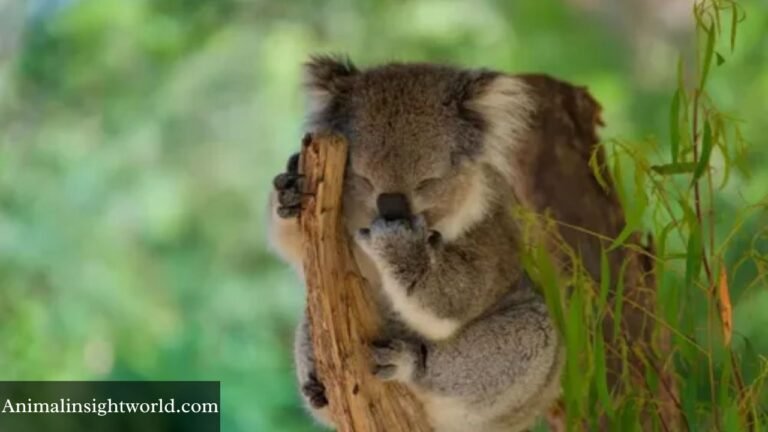
Koalas resemble pandas in their calm, slow-moving nature and their love of a single type of tree. These Australian marsupials spend almost their entire lives in eucalyptus trees, eating leaves that are toxic to most other animals. Like giant pandas with bamboo, koalas have a highly specialised diet, and they sleep for up to twenty hours a day to conserve energy while digesting their tough, low-nutrition food. Their round faces, large fluffy ears, and soft grey fur give them a gentle, teddy bear appearance that reminds many people of pandas. Koalas are solitary animals, and mothers carry their babies in a pouch before the youngster rides on her back or belly. They are strong climbers with sharp claws and two thumbs on each front paw, which help them grip branches securely as they move through the canopy.
4. Spectacled Bear
The spectacled bear is the only bear species native to South America, and it shares the giant panda’s love of mountain forests and plant-based food. It lives in the cloud forests of the Andes, where it climbs trees to eat fruit, bromeliads, and palm hearts. Like pandas, spectacled bears are excellent climbers and spend a surprising amount of time above the ground, building platforms of branches to rest on while they feed. Their most distinctive feature is the pale markings around their eyes, which look like a pair of spectacles and vary from one individual to another. Spectacled bears are generally shy and solitary, and they play an important role in their forests by spreading seeds. They are classed as vulnerable, with habitat loss across the Andes putting pressure on their remaining populations.
5. Sun Bear
Sun bears are the smallest bears in the world, and like giant pandas, they are skilled tree climbers with a strong taste for sweet food. They live in the tropical rainforests of Southeast Asia, where they use their long claws and powerful jaws to break into trees and beehives in search of honey, insects, and fruit. Their name comes from the pale, crescent-shaped patch on their chest, which is said to resemble a rising sun. Sun bears have very long tongues, which help them extract honey and insects from tight spaces, and they are mostly active at night. Like pandas, they spend much of their time in trees and are surprisingly agile for bears. Sadly, sun bears are vulnerable, threatened by deforestation and the illegal trade in their body parts.
6. Sloth Bear
Sloth bears live in the forests and grasslands of India, Nepal, and Sri Lanka, and they share the giant panda’s preference for a plant and insect based diet. Unlike most bears, sloth bears eat mainly termites and ants, which they suck up with their long, mobile lips after blowing away the dust from a termite mound. They also eat fruit, flowers, and honey, and they climb trees readily to reach food. Their shaggy black fur, pale muzzle, and long curved claws give them a distinctive appearance, and they are mostly active at night. Sloth bear mothers carry their cubs on their backs, which is unusual among bears and a delightful sight in the wild. Like pandas, they are solitary animals that prefer to avoid confrontation, although they can be bold when defending their young.
7. Asiatic Black Bear
The Asiatic black bear, also known as the moon bear, is a close relative of the giant panda and lives in the forests of Asia, from Iran to Japan. It gets its nickname from the pale crescent-shaped patch on its chest, and its glossy black fur makes it look quite different from the black and white panda. Like pandas, Asiatic black bears are excellent climbers and spend a great deal of time in trees, where they feed on fruit, nuts, leaves, and insects. They are mostly active at night and build nests of branches in trees, where they rest during the day. In colder regions, they hibernate through the winter, while in warmer areas they remain active all year. Asiatic black bears are classed as vulnerable, with habitat loss and hunting putting pressure on their numbers across Asia.
8. American Black Bear
American black bears are the most common bears in North America, and they share the giant panda’s adaptability and love of forested habitat. They live in forests from Alaska to Mexico, and they eat a wide range of foods, including berries, nuts, insects, fish, and plants. Like pandas, they are strong climbers, and cubs in particular spend a great deal of time in trees for safety. American black bears are generally shy and avoid people, although they can become bold when food is left out in campsites or gardens. Their fur can be black, brown, cinnamon, or even white in some populations, which surprises many people who expect all black bears to be black. They are intelligent animals with excellent memories, and they can remember where to find food year after year across a large home range.
9. Binturong
The binturong, also known as the bearcat, is a tree-dwelling mammal from Southeast Asia that resembles a small bear in both looks and behaviour. It has shaggy black fur, a long prehensile tail, and a slow, deliberate way of moving that reminds many people of a panda. Binturongs spend most of their lives in the rainforest canopy, where they eat fruit, leaves, and small animals, and they are one of only a few mammals with a tail that can grip branches. They are mostly active at night, and they have a famous scent that smells remarkably like buttered popcorn, caused by a compound in their urine. Like pandas, binturongs are solitary and calm, moving carefully through the trees. They are classed as vulnerable, with deforestation across Southeast Asia shrinking the forests they need.
10. Kinkajou
Kinkajous are small rainforest mammals from Central and South America, and they share the giant panda’s love of trees and sweet food. They are nocturnal animals with large eyes, soft golden brown fur, and a long prehensile tail that works like a fifth limb in the canopy. Like pandas, kinkajous are skilled climbers, and they use their long tongues to reach nectar and honey deep inside flowers. They eat mainly fruit, and they play an important role as pollinators, carrying pollen from flower to flower as they feed at night. Kinkajous are also known as honey bears, and they are gentle, curious animals that live alone or in small family groups. Their ability to turn their feet backwards helps them climb down trees headfirst, a trick that few other mammals can manage.
11. Raccoon Dog
The raccoon dog is a small canid from East Asia that looks like a cross between a raccoon and a small dog, and its masked face immediately recalls the giant panda. It lives in forests, wetlands, and grasslands, and it eats a varied diet of fruit, insects, small animals, and plants. Like pandas, raccoon dogs are adaptable and can live in a wide range of habitats, including areas close to people. They are one of the few canids that hibernate in cold regions, and they are known for their monogamous pairs, with both parents helping to raise the pups. Raccoon dogs are excellent climbers and swimmers, and they are mostly active at night. They have been introduced to parts of Europe, where they have spread widely, showing just how adaptable this small, masked mammal really is.
12. White-Nosed Coati
White-nosed coatis are lively members of the raccoon family that live in the forests of Central America and the southwestern United States. Like pandas, they have a distinctive face, with a white muzzle and a long, flexible snout that they use to probe the forest floor for food. Coatis are excellent climbers, and they use their long tails for balance as they move through the trees in search of fruit. They are social animals, with females and young living in groups called bands, while adult males live alone. Their diet includes fruit, insects, eggs, and small animals, and they are known for their curiosity and intelligence. Coatis are diurnal, which means they are active during the day, and they are often seen foraging in groups, using their strong claws to dig for food.
13. Olingo
The olingo is a small, slender tree-dwelling mammal from the rainforests of Central and South America, and it is a close relative of the kinkajou. It has soft brown fur, a long tail, and large eyes that suit its nocturnal lifestyle, and it spends almost its entire life in the canopy. Like pandas, olingos eat mainly fruit, and they are important seed dispersers in their forest homes. They are agile climbers that leap between branches with ease, and they are generally solitary, meeting other olingos only to breed. Olingos were once confused with kinkajous, but scientists now recognise them as a separate group, with several species living across the region. Their gentle nature and fruit-based diet make them a charming addition to any list of panda-like animals.
14. Wombat
Wombats are stocky Australian marsupials that share the giant panda’s round body shape, calm temperament, and love of a plant-based diet. They live in grasslands and eucalyptus forests, where they graze on grasses, roots, and bark, and they dig extensive burrow systems with their powerful claws. Like pandas, wombats are mostly solitary and spend much of their time eating or resting. Their most famous feature is their cube-shaped droppings, which do not roll away and help mark their territory. Wombats are strong diggers and can be surprisingly fast over short distances when they need to escape danger. There are three species, and the northern hairy-nosed wombat is critically endangered, with only a small population surviving in Queensland.
15. Quokka
Quokkas are small marsupials from Western Australia that have become famous as the happiest animals in the world, thanks to their cheerful expressions. They share the giant panda’s round face, gentle nature, and herbivorous diet, eating leaves, grasses, and stems. Quokkas live in forests and scrubland, and they are mostly active at night, although they can be seen during the day in cooler weather. Like pandas, they are calm animals that prefer to avoid trouble, and they are known for their curious, friendly behaviour towards people on Rottnest Island, where they are protected. Quokkas are about the size of a domestic cat, and they can climb small trees and shrubs to reach food. They are classed as vulnerable, with introduced predators such as foxes and cats threatening their mainland populations.
Pandas have a way of winning hearts, and the animals in this list show that their charm is not unique to one species. From the red panda’s bamboo forests to the quokka’s sunny island home, each of these animals shares something with the giant panda, whether it is a masked face, a love of trees, a specialised diet, or a gentle, unhurried way of life. Many of them face the same threats as pandas, including habitat loss and a changing climate, so learning about them is a good first step towards caring about their future. If you ever get the chance to see one of these animals in the wild or in a responsible wildlife park, take it, and remember that every one of them deserves the same protection and respect that pandas receive.
How These Animals Compare
Comparing these panda-like animals shows how different animals can end up looking alike for different reasons. The red panda is the closest in name and looks to the giant panda, with reddish fur and a false thumb for gripping bamboo, but it is not a bear at all: it belongs to its own family. The spectacled bear, the sun bear, the sloth bear and the Asiatic black bear are true bears, while the raccoon and the koala only resemble pandas in their markings or their tree-dwelling life.
Other animals on this list share the panda’s love of trees or its diet. The binturong and the kinkajou live in trees and eat fruit, the white-nosed coati and the olingo are tree-dwelling relatives of the raccoon, and the wombat shares the panda’s stocky build and slow lifestyle. The quokka, famous for its smiling face, is a small marsupial that lives on islands off Australia, and like the panda it is most active at night.
Frequently Asked Questions
Is the red panda related to the giant panda?
No, not closely. The red panda belongs to its own family and is more closely related to raccoons and weasels than to giant pandas. Both eat bamboo and both have a false thumb for gripping it, but they evolved these traits separately.
Why do pandas and red pandas both eat bamboo?
Both animals evolved to eat bamboo because it is plentiful and few other animals compete for it. Bamboo is low in nutrients, so both pandas must eat huge amounts of it every day, and both have a false thumb that helps them grip the stems.
Do spectacled bears live near pandas?
No. Spectacled bears live in the Andes mountains of South America, while giant pandas live in the mountains of central China. Spectacled bears are named for the pale rings around their eyes that look like glasses.
What is a quokka?
A quokka is a small marsupial from south-western Australia, about the size of a cat, known for its friendly expression. It lives mainly on Rottnest Island, where it has no natural predators, and it is mostly active at night.
Final Thoughts
Pandas have a way of winning hearts, and the animals in this list show that their charm is shared more widely than most people realise. From the red panda in the Himalayas to the quokka on a small Australian island, each of these fifteen animals has its own version of the panda’s appeal: a tree-dwelling life, a bamboo diet, or simply a face that is hard to forget.