Top 18 Animals That Are Great Swimmers
Swimming is one of the most important skills in the animal kingdom, and some animals have turned it into an art form. Great swimmers come in many shapes and sizes, from whales that cross entire oceans to tiny fish that dart through coral reefs. What makes a great swimmer is not just speed, but also endurance, agility, and the ability to dive deep, turn quickly, and find food in the water. Some animals swim to hunt, some to migrate, some to escape predators, and some simply because water is their home. Their bodies have evolved for life in water, with streamlined shapes, powerful tails, flippers, or fins that help them move with ease. In this list, we meet eighteen animals that are great swimmers, from orcas and dolphins to sailfish, penguins, sea turtles, and sharks.
1. Orca
The orca, also called the killer whale, is the largest member of the dolphin family and one of the most powerful swimmers in the ocean. It can reach speeds of around fifty-six kilometres per hour in short bursts, and it can travel more than a hundred kilometres in a day. Orcas live in oceans all over the world, from the Arctic to the Antarctic, and they hunt in family groups called pods. They eat fish, seals, sea lions, and even other whales, using teamwork and clever hunting strategies. Their black-and-white colouring helps them blend in with the water, and their tall dorsal fin can reach nearly two metres in males. Orcas are highly intelligent animals that communicate with a complex system of calls and clicks.
2. Bottlenose Dolphin
The bottlenose dolphin is one of the most familiar and beloved swimmers in the sea, known for its intelligence, playfulness, and speed. It can swim at speeds of around thirty-five kilometres per hour and can leap out of the water in graceful arcs. Bottlenose dolphins live in warm coastal waters around the world, and they hunt fish and squid in groups, using echolocation to find prey in murky water. They communicate with whistles and clicks, and each dolphin has its own signature whistle, a little like a name. Dolphins are social animals that live in pods, and they help each other when one is sick or injured. Their streamlined bodies and powerful tails make them fast and agile swimmers.
3. Blue Whale
The blue whale is the largest animal that has ever lived on Earth, and it is also a remarkable swimmer. It can grow to more than thirty metres long and weigh over a hundred tonnes, yet it can swim at speeds of around thirty kilometres per hour in short bursts. Blue whales live in oceans all over the world, migrating thousands of kilometres between feeding grounds in cold waters and breeding grounds in warmer waters. They feed on tiny shrimp-like animals called krill, which they filter from the water with baleen plates in their mouths. A blue whale can eat several tonnes of krill in a day during the feeding season. Their deep, low-frequency calls can travel for hundreds of kilometres underwater.
4. Leatherback Sea Turtle
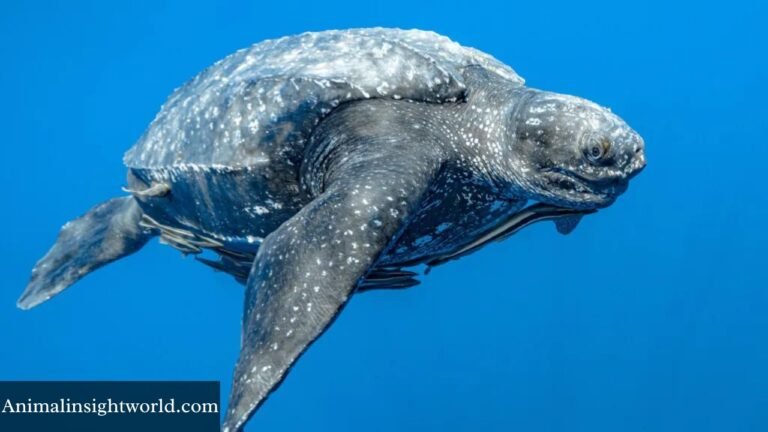
The leatherback sea turtle is the largest turtle in the world, and it is also one of the best swimmers among reptiles. It can grow to more than two metres long and weigh over nine hundred kilograms, and it can swim at speeds of around thirty-five kilometres per hour. Leatherbacks live in oceans all over the world, migrating thousands of kilometres between nesting beaches and feeding grounds. They eat mainly jellyfish, which they catch with their sharp, pointed beaks, and they can dive to depths of more than a thousand metres in search of food. Their leathery shell, rather than a hard shell, helps them dive deep without being crushed by pressure. Female leatherbacks return to the same beaches where they were born to lay their eggs.
5. Emperor Penguin
The emperor penguin is the largest penguin species, and it is a superb swimmer that spends much of its life in the cold waters around Antarctica. On land, emperor penguins waddle slowly, but in the water they are fast and graceful, reaching speeds of around fifteen kilometres per hour. They can dive to depths of more than five hundred metres and stay underwater for over twenty minutes in search of fish, krill, and squid. Their dense feathers and layer of fat keep them warm in freezing water, and their wings have evolved into flippers that help them steer and propel themselves. Emperor penguins breed in the harsh Antarctic winter, with males incubating the egg on their feet while females go to sea to feed.
6. Sailfish
The sailfish is widely regarded as one of the fastest fish in the ocean, with speeds estimated at around sixty-eight kilometres per hour in short bursts. It lives in warm ocean waters around the world, and it is recognised by its tall, sail-like dorsal fin and its long, pointed bill. Sailfish hunt in groups, herding schools of small fish such as sardines and anchovies, then slashing through them with their bills to stun or injure prey. Their bodies are streamlined and muscular, with a powerful tail that provides thrust. Sailfish can also change colour quickly, flashing bright blue and silver patterns that may confuse prey or communicate with other sailfish. They are a favourite of sport fishermen, but they are also important predators in the open ocean.
7. Black Marlin
The black marlin is another of the ocean’s fastest swimmers, with speeds estimated at around eighty kilometres per hour in short bursts, although such speeds are hard to measure in the wild. It is a large, powerful fish that lives in the tropical waters of the Pacific and Indian Oceans, and it can grow to more than four metres long and weigh over seven hundred kilograms. Black marlin have a long, pointed bill and a rigid, sickle-shaped dorsal fin, and they use their bills to slash through schools of fish. They are solitary hunters that roam the open ocean in search of tuna, mackerel, and other fish. Their strength and speed make them one of the most impressive predators in the sea, and they are highly prized by anglers.
8. Yellowfin Tuna
The yellowfin tuna is a fast and powerful swimmer that lives in warm ocean waters around the world. It can reach speeds of around seventy-five kilometres per hour in short bursts, and it can travel long distances in search of food. Yellowfin tuna have streamlined, torpedo-shaped bodies with bright yellow fins, and they are built for speed and endurance. They hunt in schools, feeding on fish, squid, and crustaceans, and they are often found near dolphins and other tuna. Yellowfin tuna are an important food fish, and they are caught in large numbers by commercial fisheries. Their speed and stamina help them escape predators such as sharks and marlin, and they can dive to depths of several hundred metres.
9. Shortfin Mako Shark
The shortfin mako shark is the fastest shark in the ocean, with speeds estimated at around seventy-four kilometres per hour in short bursts. It is a sleek, torpedo-shaped shark that lives in tropical and temperate waters around the world, and it can grow to more than three metres long. Mako sharks are powerful hunters that feed on tuna, swordfish, and other fast-moving fish, and they can leap out of the water when hooked or hunting. Their large eyes help them see prey in deep water, and their strong jaws and sharp teeth let them catch and hold slippery fish. Mako sharks are also known for their long migrations, travelling thousands of kilometres across the ocean in search of food and mates.
10. California Sea Lion
The California sea lion is a playful and agile swimmer that lives along the Pacific coast of North America, from Alaska to Mexico. It can swim at speeds of around forty kilometres per hour in short bursts, and it can dive to depths of more than two hundred metres in search of fish and squid. Sea lions use their large front flippers to propel themselves through the water, steering with their hind flippers, and they can turn quickly to catch fast-moving prey. On land, they can walk on all fours, which sets them apart from true seals. California sea lions are social animals that gather in large colonies on beaches and rocky shores, where they rest, breed, and raise their pups. They are known for their intelligence and have been trained in aquariums around the world.
11. Sea Otter
The sea otter is a small, furry marine mammal that lives in the cold coastal waters of the North Pacific, and it is one of the most charming swimmers in the sea. Sea otters spend almost all of their lives in the water, floating on their backs, diving for food, and grooming their thick fur to keep it waterproof. They can dive to depths of around a hundred metres and stay underwater for several minutes, hunting for sea urchins, crabs, clams, and other shellfish. Sea otters use stones as tools to crack open shells, placing the stone on their chest and smashing the shell against it. Their dense fur is the thickest of any animal, with up to a million hairs per square inch, and it keeps them warm in cold water.
12. Platypus
The platypus is a strange and wonderful animal from Australia that is an excellent swimmer, despite its unusual appearance. It has a duck-like bill, a beaver-like tail, webbed feet, and soft fur, and it lives in rivers and streams in eastern Australia and Tasmania. Platypuses swim with their front feet, steering with their hind feet and tail, and they can stay underwater for several minutes while they search for food. Their bills are sensitive to tiny electrical signals from the muscles of prey, which helps them find insects, worms, and shellfish in murky water. Platypuses are one of the few mammals that lay eggs, and they are most active at dawn and dusk. They are a symbol of Australia’s unique wildlife.
13. Polar Bear
The polar bear is a strong swimmer that lives in the Arctic, where it hunts seals on sea ice and in cold water. It can swim at speeds of around ten kilometres per hour and can travel for many kilometres without resting, using its large front paws like paddles. Polar bears have thick fur and a layer of fat that insulates them from freezing water, and their large paws help them distribute their weight on thin ice. They are the largest land carnivores, and they rely on sea ice to reach their prey. As the ice melts in summer, polar bears must swim longer distances between floes, which takes a lot of energy. Their swimming ability is vital for their survival in a changing Arctic, where ice is becoming scarcer each year.
14. Gentoo Penguin
The gentoo penguin is the fastest penguin in the water, reaching speeds of around thirty-six kilometres per hour in short bursts. It lives on the Antarctic Peninsula and on sub-Antarctic islands, where it feeds on fish, krill, and squid. Gentoo penguins are easily recognised by the white patch above their eyes and their bright orange-red beaks. They are excellent divers that can reach depths of more than two hundred metres, and they use their flippers to propel themselves through the water with great agility. On land, they build nests of stones and pebbles, and both parents take turns incubating the eggs. Gentoo penguins are curious and bold animals that often approach visitors to their colonies.
15. Humpback Whale
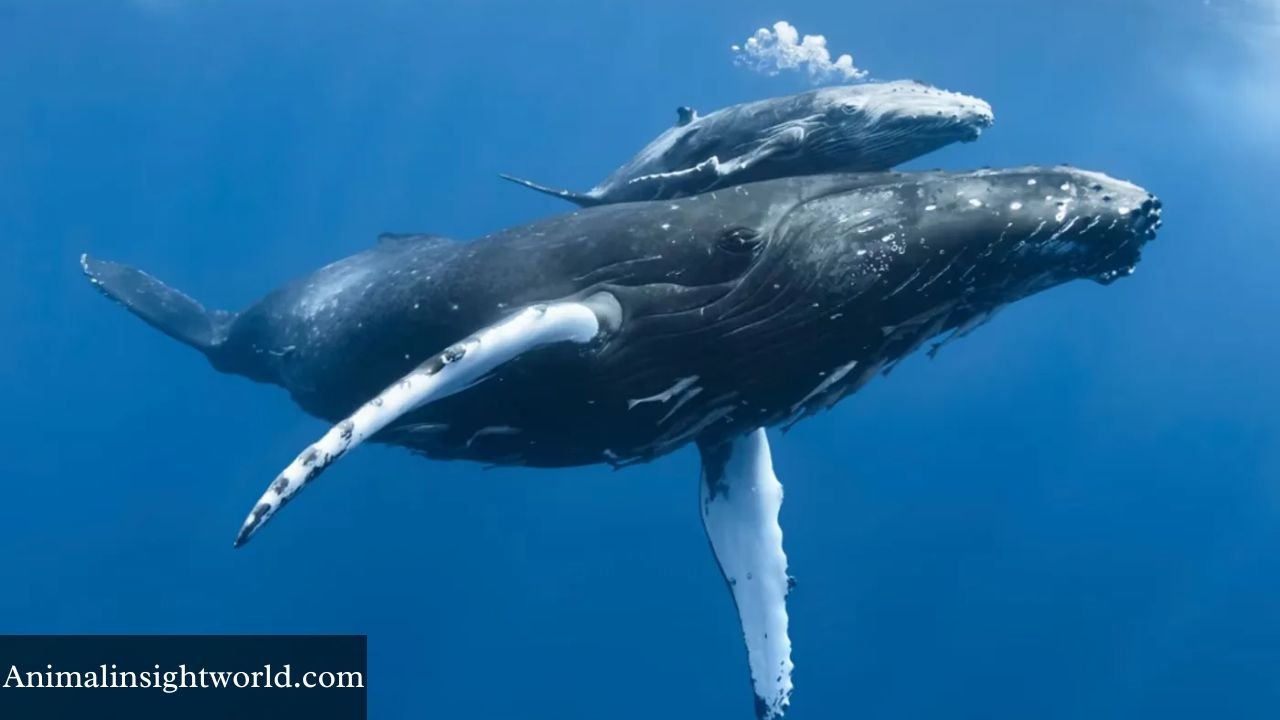
The humpback whale is a large, acrobatic whale that is known for its long migrations and its spectacular breaches, when it leaps out of the water and crashes back down. Humpback whales can grow to more than fifteen metres long and weigh around thirty tonnes, yet they are graceful swimmers that travel thousands of kilometres between feeding grounds in cold waters and breeding grounds in tropical waters. They feed on krill and small fish, which they catch by lunging through schools with their mouths open or by creating a net of bubbles to trap prey. Humpback whales are also famous for their songs, complex patterns of sound that males sing during the breeding season. Their long pectoral fins, which can reach five metres, help them steer and manoeuvre.
16. Common Dolphin
The common dolphin is a fast and social swimmer that lives in oceans around the world, often in large pods of hundreds or even thousands of animals. It can swim at speeds of around sixty kilometres per hour in short bursts, and it is known for riding the bow waves of boats and leaping out of the water in playful displays. Common dolphins have a distinctive hourglass pattern on their sides, with yellow and grey markings, and they feed on fish and squid, hunting together in coordinated groups. They use echolocation to find prey and communicate with whistles and clicks. Common dolphins are often seen in the open ocean, far from land, where they travel long distances in search of food and mates.
17. Green Sea Turtle
The green sea turtle is a large, graceful swimmer that lives in tropical and subtropical oceans around the world. It can swim at speeds of around thirty kilometres per hour in short bursts, and it can travel thousands of kilometres between feeding grounds and nesting beaches. Green sea turtles are named for the green colour of their fat, not their shells, and they are one of the few sea turtles that eat mainly plants as adults, feeding on seagrass and algae. Young green turtles eat more animal food, including jellyfish and small invertebrates. Female green turtles return to the same beaches where they were born to lay their eggs, digging nests in the sand at night. Their long flippers make them powerful swimmers, but they move slowly on land.
18. Saltwater Crocodile
The saltwater crocodile is a powerful swimmer that lives in coastal waters, rivers, and estuaries across northern Australia, Southeast Asia, and parts of India. It can swim at speeds of around twenty-five kilometres per hour in short bursts, using its strong tail to propel itself through the water. Saltwater crocodiles can also travel long distances by sea, riding currents between islands, and they have been recorded travelling hundreds of kilometres from their home rivers. They are patient ambush hunters that wait near the water’s edge for prey to come close, then lunge forward with surprising speed. Their eyes and nostrils sit on top of their heads, letting them see and breathe while most of their body stays hidden underwater. They are the largest reptiles in the world.
Great swimmers come in every shape, from the giant blue whale to the tiny platypus, and each one has evolved its own way of moving through water. Some rely on speed, like the sailfish and the mako shark, while others rely on endurance, like the blue whale and the leatherback turtle. Some swim to hunt, some to migrate, and some to play, but all of them show how powerful and graceful life in water can be. The next time you watch a dolphin leap, a penguin dart through the water, or a whale breach on the horizon, remember the remarkable adaptations that make it possible, from streamlined bodies and powerful tails to flippers, fins, and a lifetime spent in the sea.
How These Animals Compare
Comparing great swimmers shows that swimming well means different things in different waters. The orca, the bottlenose dolphin and the blue whale are built for the open ocean, with powerful tails and streamlined bodies that let them travel thousands of kilometres. The leatherback sea turtle and the green sea turtle swim across whole oceans to return to the beaches where they were born, while the emperor penguin and the gentoo penguin fly underwater, using their wings to chase fish beneath the ice.
Other swimmers on this list are built for rivers, coasts or bursts of speed. The sailfish and the black marlin are among the fastest fish in the sea, the yellowfin tuna and the shortfin mako shark cruise at high speed for hours, and the California sea lion and the sea otter are agile hunters in coastal waters. The platypus swims with its eyes and ears closed, using its bill to sense electrical signals from prey, the polar bear swims for kilometres between ice floes, and the saltwater crocodile can cross open sea between islands.
Frequently Asked Questions
Which animal is the best swimmer on this list?
The orca is often rated the best all-round swimmer, combining speed, endurance and intelligence, and it can swim at around 56 kilometres per hour. The sailfish is faster in a sprint, and the blue whale travels further, but the orca does everything well.
How far can leatherback turtles swim?
Leatherback sea turtles can swim more than 10,000 kilometres in a year, crossing whole oceans between feeding grounds and nesting beaches. They are the largest turtles in the world and the best divers, reaching depths of more than a kilometre.
Do penguins fly underwater?
In a way, yes. Emperor penguins and gentoo penguins use their wings to fly through the water, steering with their tails and feet. Gentoo penguins are the fastest swimming penguins, reaching around 36 kilometres per hour underwater.
Can polar bears swim long distances?
Yes. Polar bears are strong swimmers and have been recorded swimming more than 100 kilometres in open water, though such long swims are exhausting and dangerous. They swim between ice floes to hunt seals, using their large front paws as paddles.
Final Thoughts
Great swimmers come in every shape, from the giant blue whale to the tiny platypus hunting in a stream. Whether the goal is crossing an ocean, chasing a fish under the ice or simply getting from one island to another, these eighteen animals show that water is not a barrier for those built to move through it. Swimming, for them, is as natural as walking is for us.