Top 17 Animals With the Strongest Bite
Bite force is one of the most impressive weapons in the animal kingdom, and it is measured in pounds per square inch, or PSI, which describes how much pressure an animal can apply when it closes its jaws. A strong bite helps a predator catch and hold prey, crush bones and shells, and defend itself from rivals, while for some plant-eating animals it is a tool for breaking tough food and protecting their young. Scientists usually estimate bite force from skull shape, jaw muscles, and computer models, because it is rarely safe or practical to measure a wild animal directly. That means the numbers you see for different species are estimates rather than exact readings, and they can vary with the size, age, and sex of the individual animal. In this list, we look at seventeen animals known for exceptionally powerful bites, from giant reptiles and big cats to sharks, bears, and primates, and explain how each one uses its jaws in the wild.
1. Saltwater Crocodile
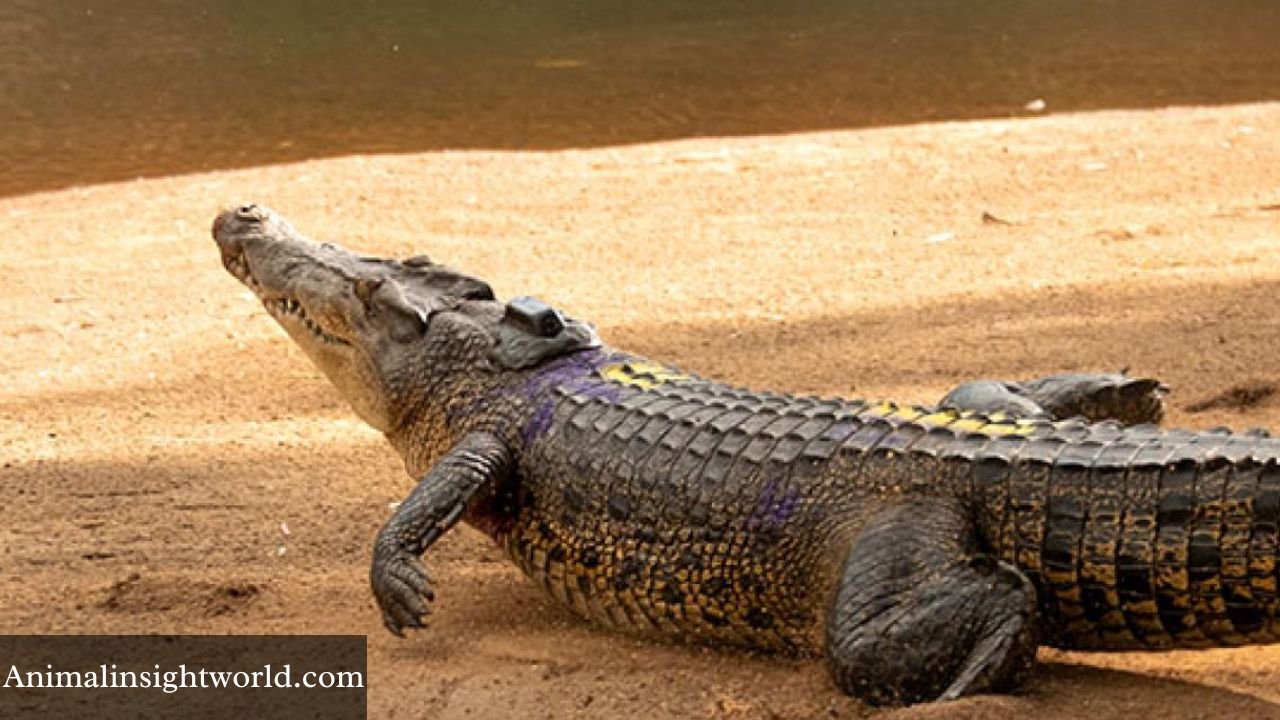
The saltwater crocodile is widely regarded as having the strongest bite of any living animal, with estimates often placed at around 3,700 PSI. This huge reptile lives in coastal waters, rivers, and estuaries across northern Australia, Southeast Asia, and parts of India. Males can grow to more than five metres long and weigh over a tonne, and their broad snouts are packed with powerful jaw muscles. Unlike many predators, a crocodile does not chew its food. It grabs prey in its teeth, drags it into the water, and uses a rolling motion known as the death roll to tear off pieces. Its bite is strong enough to crush the bones of large mammals, and its teeth are constantly replaced throughout its life, so a broken tooth is never a lasting problem.
2. Nile Crocodile
The Nile crocodile is another giant of African rivers and lakes, and its bite is estimated at around 3,000 to 5,000 PSI, depending on the size of the animal. It is one of the largest crocodile species in the world, with big males reaching five metres or more. Nile crocodiles are patient ambush hunters that wait near the water’s edge for antelope, zebras, and other animals to come down to drink. When prey comes close, the crocodile lunges forward with surprising speed and clamps its jaws shut. Once it has a grip, it pulls the animal into deeper water, where escape is almost impossible. Its powerful bite, armoured skin, and strong tail make it one of the most feared predators in Africa.
3. American Alligator
The American alligator may be smaller than the largest crocodiles, but its bite is still remarkable, with estimates of around 2,125 PSI. Found in the wetlands of the southeastern United States, especially Florida and Louisiana, this reptile can grow to more than four metres long. Its broad, rounded snout is well suited to crushing turtles and other hard-shelled prey, and its jaws close with far more force than they open. Alligators are opportunistic feeders that eat fish, birds, mammals, and reptiles, and they often hunt at night. They also play an important role in their habitat by digging ponds, known as gator holes, that hold water during dry periods and help many other species survive.
4. Hippopotamus
The hippopotamus might look slow and gentle, but it has one of the strongest bites of any land mammal, estimated at around 1,800 PSI. Hippos spend much of the day in rivers and lakes in sub-Saharan Africa, keeping cool and protecting their sensitive skin from the sun. At night, they come onto land to graze on grass. Their huge mouths can open to nearly 180 degrees, revealing long, sharp canine teeth that can grow to more than fifty centimetres. Male hippos use these teeth in fights over territory, and their bites can cause serious injuries. Despite their size and weight, which can reach several tonnes, hippos can run surprisingly fast on land when they feel threatened.
5. Jaguar
The jaguar has the strongest bite of any big cat relative to its size, with estimates of around 1,500 PSI. Native to the forests and wetlands of Central and South America, the jaguar is a powerful and stocky hunter. Unlike lions and tigers, which often kill by biting the throat, jaguars frequently bite directly through the skull of their prey, piercing the brain with their long canine teeth. This method lets them hunt animals with tough defences, including caimans and turtles, whose shells they can crack. Jaguars are excellent swimmers and climbers, and they hunt alone, mostly at night. Their spotted coats provide camouflage in dappled forest light.
6. Gorilla
Gorillas are the largest primates in the world, and their bite force is estimated at around 1,300 PSI. This strength comes from large jaw muscles and a diet that includes tough leaves, stems, bark, and roots, which need a lot of chewing. Gorillas live in the forests of central Africa in family groups led by a dominant silverback male. Despite their size and power, gorillas are generally gentle and peaceful animals that spend most of their time feeding, resting, and caring for their young. They use their bite mainly for eating and for defence, and a silverback may display his teeth to warn rivals. Their long arms and knuckle-walking movement help them move through dense forest.
7. Polar Bear
The polar bear is the largest land carnivore, and its bite is estimated at around 1,200 PSI. It lives in the Arctic, where it hunts seals on sea ice and in cold water. Polar bears have long, sharp teeth and powerful jaws that help them grip slippery prey and crush bones. Their sense of smell is extraordinary, allowing them to detect seals from a great distance, even under snow and ice. A polar bear may wait patiently beside a breathing hole in the ice for a seal to surface, then strike quickly. Its thick fur and layer of fat protect it from freezing temperatures, and its large paws work like snowshoes on ice and paddles in water.
8. Grizzly Bear
The grizzly bear, a subspecies of the brown bear, has a bite estimated at around 1,160 PSI. Found across North America, from Alaska to parts of the western United States and Canada, grizzlies are powerful omnivores that eat berries, roots, fish, insects, and mammals. Their large heads, strong neck muscles, and long canine teeth help them catch salmon, dig for food, and defend their cubs. Grizzlies can weigh several hundred kilograms, and males are larger than females. Although they look heavy and slow, they can run at speeds of around fifty kilometres per hour over short distances. In autumn, they eat huge amounts of food to build fat for winter hibernation.
9. Spotted Hyena
The spotted hyena is famous for its bone-crushing bite, estimated at around 1,100 PSI. Living in the grasslands and savannas of sub-Saharan Africa, spotted hyenas hunt in clans and can take down prey much larger than themselves, including wildebeest and zebras. Their jaws and teeth are specially adapted to crack open bones and eat almost every part of a carcass, including skin, hooves, and marrow. This ability lets them make full use of a meal and reduces waste. Spotted hyenas are also intelligent and social animals with a complex clan structure. Their distinctive whooping calls can carry for several kilometres across the savanna at night.
10. Great White Shark
The great white shark is one of the ocean’s most powerful predators, with a bite estimated at around 4,000 PSI in some models, although estimates vary widely. Found in coastal waters around the world, this large shark can grow to more than six metres long. Its mouth contains rows of sharp, serrated teeth that are replaced throughout its life. When a great white bites, it often uses a powerful burst of speed from below, striking seals and sea lions before they can react. Its jaws are designed to slice through flesh rather than crush bone, and its keen senses help it detect prey from far away. Despite its reputation, great whites usually avoid humans and prefer their natural prey.
11. Tiger
The tiger is the largest cat species, and its bite is estimated at around 1,050 PSI. Tigers live in forests and grasslands across Asia, from India to Siberia, and they hunt alone, relying on stealth and strength. A tiger usually stalks its prey quietly, then rushes forward and delivers a powerful bite to the neck or throat. Its long canine teeth, which can reach about ten centimetres, help it hold large animals such as deer and wild pigs. Tigers are also strong swimmers and often cool off in rivers and lakes. Each tiger has a unique pattern of stripes, much like a fingerprint, and they use scent marking and roars to communicate with other tigers across large territories.
12. Lion
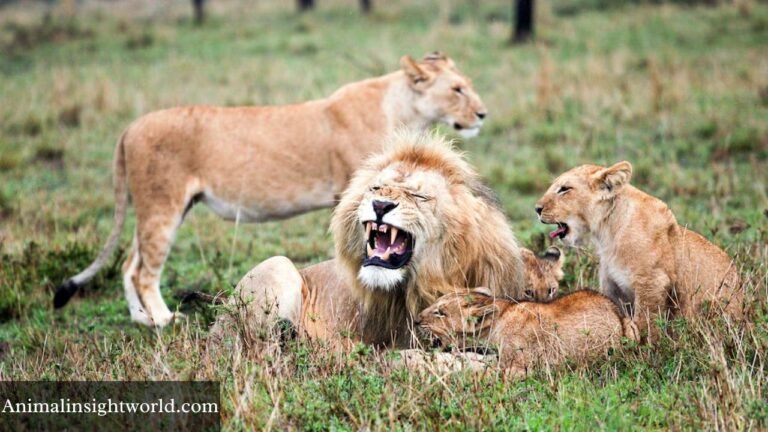
The lion has a bite estimated at around 650 to 1,000 PSI, and it uses that power in a very different way from a crocodile or hyena. Lions live in prides on the African savanna, and they often hunt together, surrounding and overpowering zebras, antelope, and buffalo. A lion’s bite is usually aimed at the throat, where it can cut off air and bring down prey quickly. Male lions are known for their thick manes, which protect their necks during fights with rivals. Lions are mostly active at night and rest for much of the day. Their roar can be heard from several kilometres away and helps them mark territory and keep the pride together.
13. Grey Wolf
The grey wolf has a bite estimated at around 400 to 1,200 PSI, with larger wolves at the upper end of that range. Wolves live in packs across North America, Europe, and Asia, and they hunt deer, elk, moose, and other large animals by working as a team. A wolf’s jaws are strong enough to crush bones, which lets the pack eat almost all of a carcass. Their long legs and stamina allow them to chase prey over long distances until it tires. Wolves communicate with howls, body language, and scent, and each pack has a clear social structure. Their thick fur protects them from cold weather, and their large paws help them travel through snow.
14. Leopard
The leopard is a strong and agile big cat with a bite estimated at around 300 to 700 PSI. Found across Africa and Asia, leopards live in forests, grasslands, mountains, and even near towns. They are solitary hunters that rely on camouflage and patience, creeping close to prey before making a short, fast attack. After a kill, a leopard often drags its prey up into a tree to keep it safe from lions and hyenas. This is an extraordinary feat of strength, because the prey can weigh as much as the leopard itself. Leopards eat a wide range of animals, from small rodents and birds to antelope and monkeys, and they are excellent climbers and swimmers.
15. Tasmanian Devil
The Tasmanian devil is small, but its bite is remarkably strong for its size, estimated at around 550 PSI. Found only on the island of Tasmania in Australia, this nocturnal marsupial is about the size of a small dog. Its powerful jaws and sharp teeth let it crush bones and eat an entire carcass, including fur and bones. Tasmanian devils are scavengers as well as hunters, and they play an important role in cleaning up dead animals in the wild. They are known for their loud screeches and growls when feeding, which help them warn off rivals. Sadly, their numbers have fallen because of a contagious facial tumour disease, and conservation work is helping protect the remaining population.
16. Komodo Dragon
The Komodo dragon is the world’s largest lizard, and its bite is estimated at around 500 to 600 PSI. It lives only on a few Indonesian islands, including Komodo, Rinca, and Flores. Komodo dragons can grow to three metres long and weigh around seventy kilograms. They hunt deer, pigs, and other animals, using their strong jaws, sharp teeth, and powerful legs. Their bite also carries bacteria and venom-like substances that can weaken prey over time. Komodo dragons have an excellent sense of smell and can detect carrion from several kilometres away. They are patient hunters that may wait for hours near a trail, then rush forward with surprising speed for such a large reptile.
17. Bull Shark
The bull shark is known for having one of the strongest bites of any shark relative to its size, with estimates of around 1,300 PSI. It lives in warm coastal waters around the world and is unusual because it can swim far up freshwater rivers, including the Amazon and the Mississippi. Bull sharks can grow to more than three metres long and are stocky and powerful. Their broad, triangular teeth are designed for gripping and tearing prey, including fish, turtles, dolphins, and other sharks. They are aggressive and territorial hunters, especially in murky water where visibility is low. Their ability to move between salt water and fresh water gives them access to a wide range of prey and habitats.
Bite force tells only part of the story of how an animal survives. A crocodile’s crushing jaws, a jaguar’s skull-piercing bite, a hyena’s bone-crushing teeth, and a gorilla’s chewing power all evolved for different diets, habitats, and hunting styles. Some of these animals use their bite to catch fast prey, others to break open tough food, and others mainly for defence. What they share is a remarkable combination of muscle, bone, and tooth design that lets them do far more with their jaws than most animals can. The next time you see one of these animals in a documentary or at a wildlife park, look closely at its head and jaw shape, because that shape holds the secret to one of nature’s most powerful tools.
Where They Live and How They Survive
Bite force is measured in pounds per square inch, and comparing the animals on this list shows how bite power follows diet. The saltwater crocodile leads with a bite of around 3,700 psi, the strongest ever measured in any animal, and the Nile crocodile and the American alligator are close behind. These reptiles use their bite to crush bones and hold struggling prey underwater, and their jaws are built like a trap that snaps shut.
Mammals bite differently. The hippopotamus can bite with around 1,800 psi, enough to crush a small boat, and the jaguar has the strongest bite of any big cat, able to pierce the skull of its prey. The gorilla, the polar bear and the grizzly bear all bite with more than 1,000 psi, while the spotted hyena crushes bones to get at the marrow inside. The Tasmanian devil, small but fierce, has the strongest bite for its body size of any mammal, and the great white shark and the bull shark use rows of serrated teeth that are replaced throughout their lives.
Questions People Ask
Which animal has the strongest bite on this list?
The saltwater crocodile has the strongest bite, measured at around 3,700 pounds per square inch. That is strong enough to crush a turtle shell or the bones of a large animal, and it is the most powerful bite ever recorded in any living animal.
How strong is a jaguar’s bite compared to a lion’s?
A jaguar’s bite is stronger than a lion’s, at around 1,500 psi compared with about 650 psi for a lion. Jaguars use their bite to pierce the skulls of their prey, while lions usually kill by biting the throat.
Can a hippopotamus really bite through a boat?
Hippos have been known to bite through small wooden boats and canoes. Their bite force is around 1,800 psi, and their large canine teeth can be more than 50 centimetres long, making them one of the most dangerous animals in Africa.
Why do hyenas have such strong jaws?
Spotted hyenas have jaws strong enough to crush bones, which lets them eat parts of a carcass that other predators leave behind, including the marrow inside. This gives them food that lions and leopards cannot reach.
Final Thoughts
Bite force tells only part of the story of how an animal survives, but it is a powerful part. From the saltwater crocodile’s crushing jaws to the jaguar’s skull-piercing bite and the tiny Tasmanian devil’s disproportionate strength, these seventeen animals show that a strong bite is a tool shaped by food, danger and millions of years of evolution.