Top 15 Animals With the Sharpest Claws
Claws are among the most versatile tools in the animal kingdom, used for hunting, climbing, digging, and defence. Some are long and curved for gripping branches, others are short and sharp for catching prey, and some are so powerful they can tear through flesh and bone. In this list, we look at fifteen animals with the sharpest claws, from the mighty harpy eagle to the tiny wolverine. Each one shows how claws have been shaped by the demands of hunting, climbing, and survival, and how a single feature can make the difference between life and death in the wild.
What Makes These Animals Special
What makes these sharp-clawed animals special is how differently they use the same weapon. The harpy eagle and the African crowned eagle use their huge talons to snatch monkeys and antelopes from the trees, with talons as long as a grizzly bear’s claws. The tiger and the jaguar use retractable claws that stay sharp because they are sheathed when not in use, while the wolverine and the grizzly bear use their claws to dig, climb and tear apart logs in search of food.
Other animals on this list use claws for defence or for climbing. The cassowary has a dagger-like claw on each foot that can be more than 12 centimetres long, and it is one of the most dangerous birds in the world. The domestic cat keeps its claws sharp by scratching, the cheetah’s claws are only semi-retractable, which gives it grip when running at high speed, and the sloth bear uses its long claws to dig into termite mounds. The komodo dragon’s claws help it climb and dig, and the honey badger uses its claws to dig out burrows and break into beehives.
1. Harpy Eagle
The harpy eagle has the largest and most powerful talons of any eagle, with claws as long as a grizzly bear’s and a grip strong enough to crush the bones of its prey. It lives in the rainforests of Central and South America, hunting monkeys, sloths, and other animals in the canopy. The harpy eagle’s talons can be up to thirteen centimetres long, and they are curved and razor-sharp, designed to pierce flesh and hold prey securely. It can carry prey weighing as much as its own body weight, flying through the dense forest with its catch. Harpy eagles build huge nests in the tops of tall emergent trees, where they raise a single chick every two or three years. Their talons are among the most formidable weapons in the bird world, and they make the harpy eagle one of the most powerful predators in the rainforest.
2. Tiger
The tiger has large, sharp, retractable claws that it uses to catch and hold prey, and to climb trees when it is young. Each paw has five claws on the front feet and four on the back, and they can be up to ten centimetres long. Tigers use their claws to grip prey, to slash at rivals, and to mark trees with scent. Their claws are kept sharp by retracting them into sheaths when they are not in use, which prevents them from becoming blunt. Tigers are powerful hunters, able to bring down prey much larger than themselves, including buffalo and wild boar. They hunt mainly at night, using their excellent night vision and striped camouflage to approach prey unseen. Their claws are essential for hunting, and they are one of the reasons tigers are among the most feared predators in Asia.
3. Wolverine
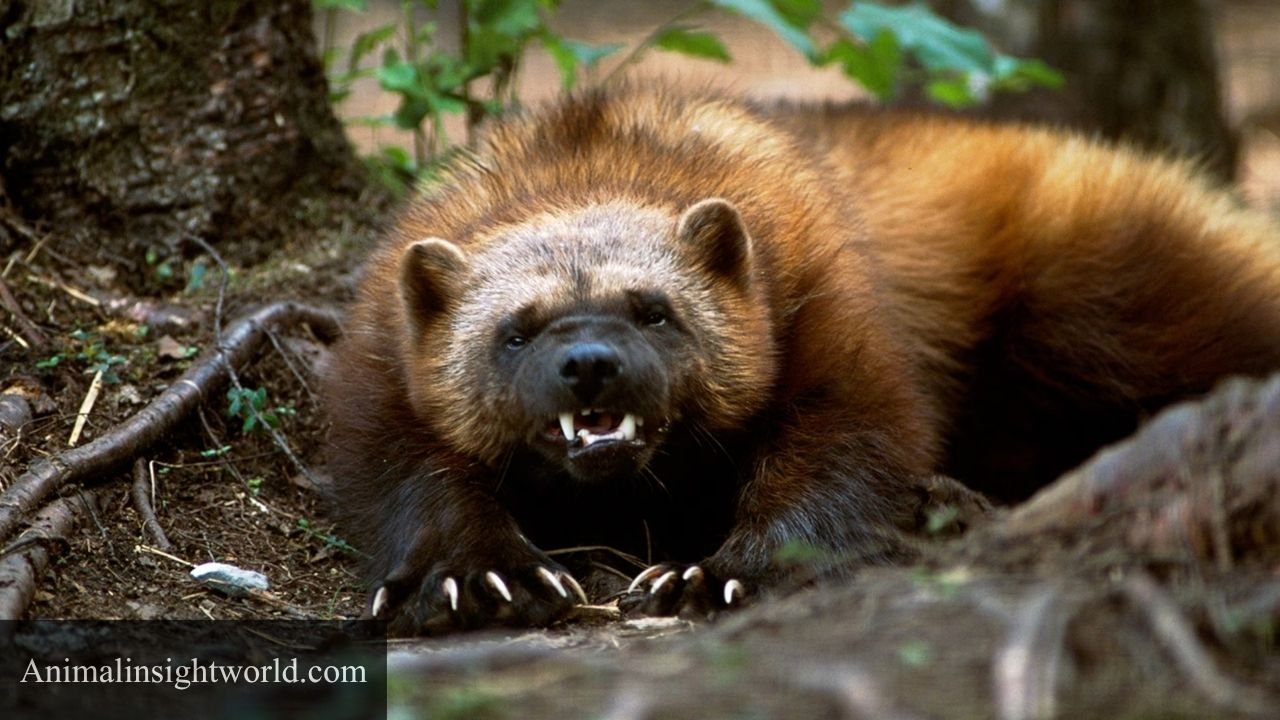
The wolverine has long, sharp, curved claws that it uses for digging, climbing, and defending itself. Its claws are up to five centimetres long, and they are strong enough to dig through frozen ground and snow to find food buried underneath. Wolverines use their claws to climb trees, to dig dens, and to defend carcasses from wolves and bears, which are much larger animals. They are famous for their strength and ferocity, and they can drive a bear away from a kill. Wolverines live in the northern forests and tundra, where they feed on carrion, small mammals, and berries. Their claws are essential for survival in harsh conditions, allowing them to dig through snow and ice to find food and to climb to safety when threatened.
4. Grizzly Bear
The grizzly bear has long, sharp claws that can be up to ten centimetres long, which it uses for digging, catching fish, and defending itself. Its claws are not retractable, so they are always exposed, and they are curved and powerful, designed for digging up roots and ground squirrels. Grizzlies use their claws to tear open logs to find insects, to dig dens for hibernation, and to catch salmon in rivers. They are powerful animals, able to flip over rocks weighing hundreds of kilograms in search of food. Grizzly bears are found in North America, from Alaska to the Rocky Mountains, and they are one of the largest land predators in the world. Their claws are a formidable weapon, and they are a reminder of the power of these magnificent animals.
5. Cassowary
The cassowary is a large, flightless bird of the rainforests of Australia and New Guinea, with powerful legs and dagger-like claws that can be up to twelve centimetres long. Its inner toe has a long, sharp claw that it uses as a weapon, kicking forward with great force when threatened. Cassowaries can be dangerous to humans, and they have been known to cause serious injuries with their kicks. They feed on fruit, insects, and small animals, and they play an important role in the rainforest by spreading seeds in their droppings. Cassowaries are shy birds that avoid humans, but they will defend themselves if cornered. Their claws are among the sharpest of any bird, and they are a reminder that even flightless birds can be formidable when they need to defend themselves.
6. Domestic Cat
The domestic cat has sharp, retractable claws that it uses for hunting, climbing, and defence. Each paw has five claws on the front feet and four on the back, and they are kept sharp by retracting them into sheaths when not in use. Cats use their claws to catch prey, to climb trees, and to defend themselves from other animals. They also use their claws to mark territory, scratching trees and posts to leave visual and scent marks. Cats sharpen their claws by scratching, which removes the old, blunt outer layer and reveals a new, sharp point underneath. Their claws are essential for hunting, and they are one of the reasons cats are such successful predators, even when they are kept as pets and do not need to hunt for food.
7. Cheetah
The cheetah has semi-retractable claws that are unique among cats, acting like the spikes on a running shoe to give it grip at high speed. Unlike other cats, which keep their claws retracted to stay sharp, the cheetah’s claws are always partly exposed, providing traction when it runs. Cheetahs can reach speeds of more than a hundred kilometres per hour, and their claws help them accelerate, turn, and stop quickly. They use their claws to trip prey, hooking a leg and bringing the animal down, before killing it with a bite to the throat. Cheetahs hunt mainly during the day, when their excellent vision gives them an advantage. Their claws are not as sharp as those of other cats, because they are worn down by running, but they are perfectly adapted for speed, which is the cheetah’s greatest weapon.
8. Sloth Bear
The sloth bear has long, curved claws that it uses to dig into termite mounds and to climb trees. Its claws can be up to ten centimetres long, and they are specially adapted for tearing open the hard mounds of termites, which are the bear’s main food. Sloth bears live in the forests of India and Sri Lanka, where they feed on termites, ants, and fruit. They have a long, shaggy coat, a pale muzzle, and a distinctive white chest mark. Sloth bears use their claws to dig for insects and to defend themselves from tigers and leopards. They are also excellent climbers, using their claws to grip tree trunks as they climb in search of honey and fruit. Their claws are essential for their survival, allowing them to reach food that other bears cannot.
9. Komodo Dragon
The Komodo dragon has long, sharp claws that it uses for digging, climbing, and catching prey. Its claws are curved and powerful, and they can tear through flesh with ease. Komodo dragons use their claws to dig burrows, to climb trees when they are young, and to hold prey while they bite it with their sharp teeth. They are the largest lizards in the world, growing to more than three metres long, and they hunt deer, pigs, and other animals on the islands of Indonesia. Their claws are an important part of their hunting strategy, helping them to grip prey and to defend themselves from rivals. Komodo dragons are ambush predators that wait patiently for prey to come within range, then launch a sudden attack with their claws and teeth.
10. African Crowned Eagle
The African crowned eagle is a powerful bird of prey of the rainforests of Africa, with large, sharp talons that it uses to hunt monkeys, antelope, and other animals in the canopy. Its hind talon can be up to ten centimetres long, and its grip is strong enough to crush the bones of its prey. Crowned eagles hunt by perching silently in a tree, waiting for prey to come within range, then swooping down with their talons extended. They are strong enough to carry prey weighing up to their own body weight, and they have been known to hunt animals as large as small antelope. Crowned eagles build huge nests in tall trees, where they raise a single chick every two years. Their talons are among the most powerful of any eagle, and they make the crowned eagle one of the most formidable predators in the African rainforest.
11. Golden Eagle
The golden eagle has powerful talons that it uses to catch and kill prey, with a grip strong enough to crush the bones of rabbits and other small animals. Its talons are curved and razor-sharp, and they can be up to five centimetres long. Golden eagles hunt by soaring high above the mountains and diving at speeds of more than three hundred kilometres per hour to strike prey with their talons. They are strong enough to carry prey weighing several kilograms, and they have been known to hunt animals as large as young deer. Golden eagles build large nests on cliff ledges, where they raise one or two chicks each year. Their talons are among the most powerful of any bird of prey, and they are a key part of the eagle’s hunting success.
12. Jaguar
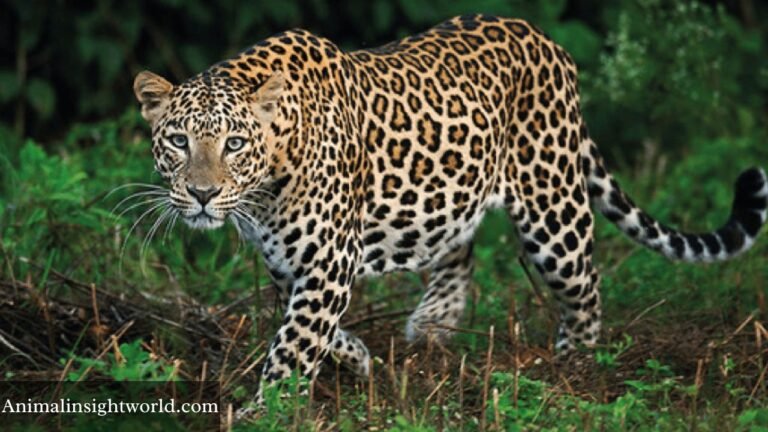
The jaguar has large, sharp, retractable claws that it uses to catch prey, to climb trees, and to defend itself. Its claws are powerful and curved, designed to grip prey and to deliver a killing bite through the skull. Jaguars are the largest cats in the Americas, and they are the top predators of the Amazon rainforest. They hunt on the ground and in the water, catching capybaras, deer, caimans, and turtles. Their claws help them climb trees, where they rest and where they drag their kills to keep them safe from scavengers. Jaguars are solitary animals that patrol large territories, and their claws are an essential part of their hunting and survival. Their retractable claws stay sharp because they are protected in sheaths when not in use.
13. Honey Badger
The honey badger has long, sharp claws that it uses for digging, climbing, and defending itself. Its front claws can be up to four centimetres long, and they are strong enough to dig through hard ground in search of rodents, snakes, and honey. Honey badgers are famous for their fearlessness, and they will take on animals much larger than themselves, including lions and leopards. They use their claws to dig burrows, to tear open beehives, and to fight off predators. Honey badgers have thick, loose skin that protects them from bites and stings, and they can twist around inside their skin to bite an attacker. They are found in Africa and Asia, and they are one of the most tenacious animals in the world. Their claws are a key part of their toughness and their ability to survive in harsh environments.
14. Fossa
The fossa is a cat-like predator of Madagascar, with sharp, retractable claws that it uses to climb trees and to hunt lemurs. It is the largest predator on the island, and it is an excellent climber, able to leap between branches and to descend trees headfirst. Fossas have long, muscular bodies, short legs, and a long tail for balance. Their claws are curved and sharp, helping them grip bark and catch prey in the canopy. Fossas hunt mainly at night, using their excellent night vision and hearing to find lemurs and other animals. They are solitary animals that patrol large territories in the rainforest. Their claws are essential for life in the trees, and they make the fossa one of the most agile predators in Madagascar.
15. Snow Leopard
The snow leopard has large, sharp, retractable claws that it uses to grip rocky slopes, to climb, and to catch prey in the mountains of Central Asia. Its claws are curved and powerful, helping it hold on to steep rock faces and to grip wild sheep and goats during a hunt. Snow leopards are excellent climbers and jumpers, able to leap up to fifteen metres in a single bound, and their claws give them traction on ice and rock. They hunt at dawn and dusk, stalking prey silently before launching a sudden attack. Snow leopards are solitary and elusive, and they are rarely seen in the wild. Their retractable claws stay sharp because they are protected in sheaths when not in use, and they are essential for life in the steep, rocky terrain of the high mountains.
Surprising Facts
The golden eagle is one of the most surprising clawed hunters on this list, because it can carry prey weighing several kilograms in its talons and has been seen hunting animals as large as young deer and cranes. The fossa, the top predator of Madagascar, uses its sharp claws and flexible ankles to chase lemurs through the trees, climbing down head-first like a squirrel.
The snow leopard’s claws are large and sharp, but they are mainly used for gripping prey and climbing rocky slopes, and its huge paws work like snowshoes in deep snow. Claws are not only weapons: they are tools for digging, climbing, holding and grooming, and every animal on this list uses them in its own way. A sharp claw is useful only when the animal knows how to use it.
Frequently Asked Questions
Which animal has the sharpest claws on this list?
The harpy eagle has some of the largest and sharpest talons of any bird, as long as a grizzly bear’s claws and strong enough to lift prey weighing several kilograms. The cassowary’s foot claw, more than 12 centimetres long, is one of the most dangerous claws of any living bird.
Why are a cat’s claws retractable?
Cats such as tigers, jaguars and domestic cats keep their claws sheathed inside their paws when they walk, which keeps them sharp and prevents them from wearing down. The claws extend only when the cat needs them to catch prey or climb.
How do wolverines use their claws?
Wolverines use their long, sharp claws to dig through snow and frozen ground, to climb trees, and to tear apart logs and carcasses in search of food. Their claws are also useful in defence, and wolverines are known for driving much larger animals away from a kill.
Are cassowary claws dangerous to people?
Yes. Cassowaries have a dagger-like claw on each inner toe that can be more than 12 centimetres long, and they can kick with great force. They are usually shy, but they can be dangerous if cornered or if people feed them, so they should always be given space.
Conclusion
The snow leopard has large, sharp, retractable claws that it uses to grip prey and climb rocky slopes, and every animal on this list uses its claws in its own way. From the harpy eagle’s talons to the honey badger’s digging claws, sharp claws are tools for hunting, climbing, digging and defence. In the animal kingdom, a good claw is worth more than a good tooth.