Top 12 Animals like Sugar Glider (Images Included)
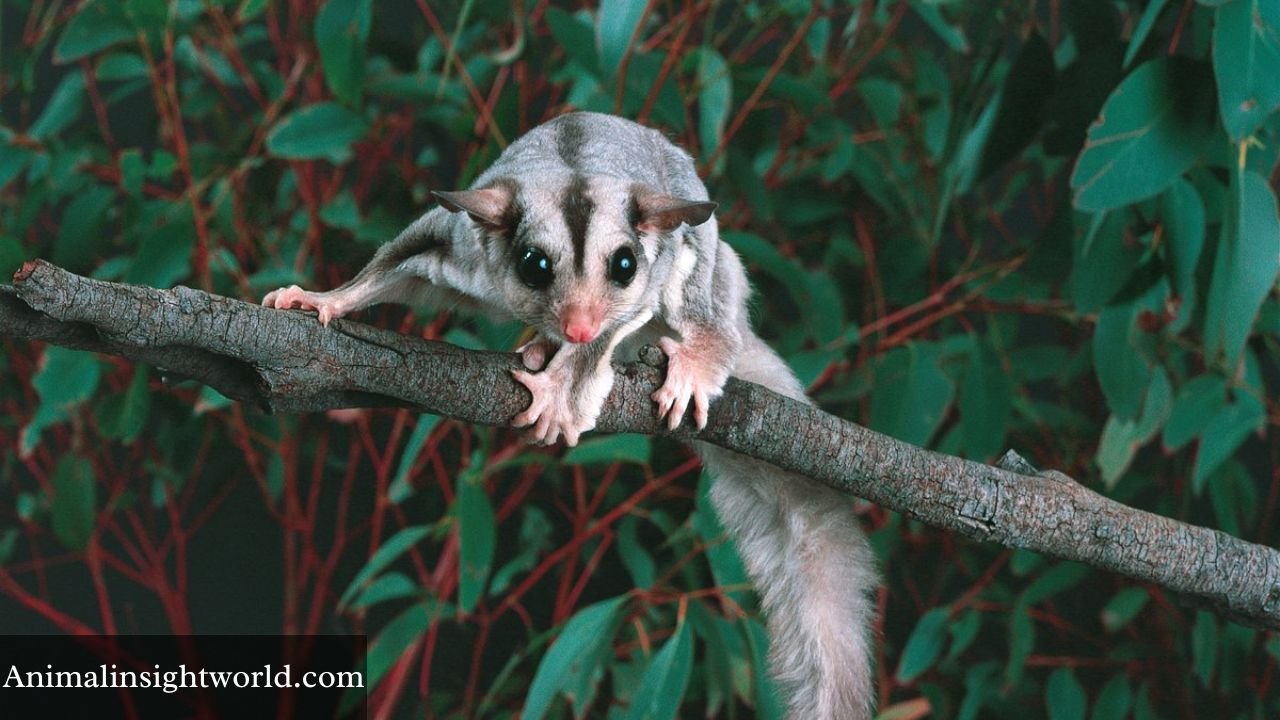
Animals like Sugar Glider might seem like the quirky sidekicks of the animal kingdom, but these adorable marsupials have much more to offer than just their endearing appearance. As small creatures with incredible gliding abilities, they captivate animal lovers and researchers alike.
In this article, we’ll dive into the fascinating world of Sugar Gliders and explore other intriguing animals that share similar traits. By the end, you’ll uncover some surprising facts that could spark your interest in adopting or studying these unique species.
List of Animals like Sugar Glider
Here is the list of animals that are like sugar glider:
- Draco Lizard
- Tate’s Triok
- Southern Greater Glider
- Mahogany Glider
- Common Striped Possum
- Gliding Frog
- Feather-tailed Possum
- Biak Glider
- Northern Flying Squirrel
- Feathertail Glider
- Pygmy Scaly-tailed Flying Squirrel
- Colugo
Draco Lizard
Scientific Name: Draco volans
Class: Reptilia
Diet: Insectivore
The Draco lizard, often referred to as the “flying dragon,” mesmerizes with its unique ability to glide gracefully through Southeast Asian forests. Unlike sugar gliders, which rely on furry membranes to soar through the air, the Draco employs a rib-extended throat flap known as a “dewlap” to create wing-like surfaces. This adaptation not only aids in gliding but also plays a crucial role in communication during mating displays and territorial confrontations. Watching a Draco gracefully float from tree to tree mimics the elegance of a ballet dancer, showcasing nature’s artistry.
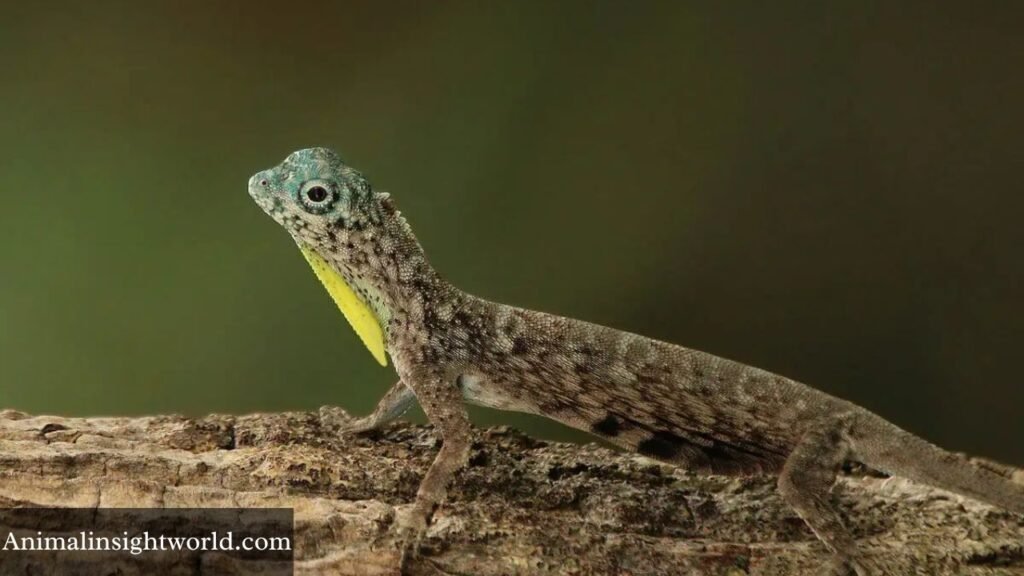
What’s particularly intriguing about the Draco lizard is its evolutionary strategy. While sugar gliders thrive in clusters, Draco lizards prefer a solitary life, which has led to fascinating adaptations for survival. Their cryptic coloration makes them experts in camouflage, allowing them to blend seamlessly with the bark and leaves of their arboreal homes. This clever disguise is not just for protection against predators but also aids in stalking their insect prey, providing an intriguing look at how nature designs multifaceted survival tactics in the animal kingdom. In essence, both these creatures, though vastly different, highlight the diverse strategies of adaptation and survival that exist in the animal world.
Tate’s Triok
Scientific Name: Dactylopsila tatei
Class: Mammalia
Diet: Insectivore
Tate’s Triok, a small marsupial native to the lush forests of New Guinea, shares fascinating traits with the more widely recognized sugar glider. These nocturnal creatures are social by nature, often seen gliding through the canopy in groups, showcasing their communal spirit. Unlike sugar gliders that have become popular pets in many households, Tate’s Triok remains largely wild, a reminder of the untouched beauty of biodiversity. Their distinctive fur pattern and large, expressive eyes make them an enchanting sight, truly capturing the imagination.
Environmental adaptations set Tate’s Triok apart, with their prehensile tails functioning as additional limbs, aiding in movement through dense foliage. This evolutionary trait not only promotes agility but also helps them forage for fruits and flowers that sustain their diet. Moreover, as part of their role in the ecosystem, these marsupials assist in pollination, echoing the symbiotic relationships seen in the sugar glider’s habitat. Embracing the wonder of creatures like Tate’s Triok reminds us of the importance of conservation, as their existence ties back to the health of their forest home and the greater ecological tapestry we all rely upon.
Southern Greater Glider
Scientific Name: Petauroides volans
Class: Mammalia
Diet: Herbivore
The Southern Greater Glider, a close relative of the beloved sugar glider, showcases a remarkable blend of adaptability and charm that captivates wildlife enthusiasts. While sugar gliders are known for their sociable nature, the Southern Greater Glider offers a unique glimpse into a more solitary and arboreal lifestyle. These larger marsupials, with their plush fur and expansive membrane for gliding, can traverse vast landscapes in search of eucalyptus leaves, their primary food source. This preference for a narrow diet highlights the complex relationships they maintain with their environment, fostering both a sense of ecological balance and vulnerability.
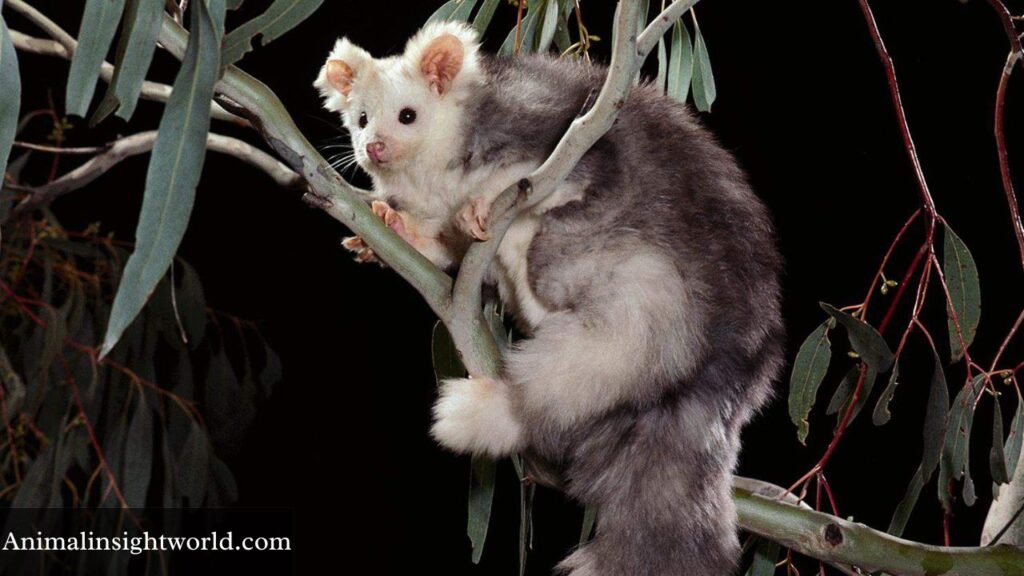
What sets the Southern Greater Glider apart is its ability to navigate the towering trees of its habitat with grace and precision, relying on advanced gliding techniques to move silently from branch to branch. Unlike sugar gliders, who often bond with their human companions, these gliders maintain a shy demeanor, offering a reminder of the wild’s untouched beauty. By observing their behavior and habitat preferences, conservationists can gain insights into the health of forest ecosystems, emphasizing the need for protective measures against habitat loss. In appreciating the Southern Greater Glider, we uncover deeper connections not just within the marsupial family but also within the intricate web of life that flourishes in the wild.
Readmore: Explore Top 13 Animals Like Skunks.
Mahogany Glider
Scientific Name: Petaurus gracilis
Class: Mammalia
Diet: Omnivore
The Mahogany Glider, often overshadowed by its more famous cousin, the Sugar Glider, is a fascinating marsupial native to the lush rainforests of eastern Australia. With its striking russet fur and uniquely elongated snout, this nocturnal creature has become a symbol of biodiversity and the delicate balance of its native habitat. Unlike the Sugar Glider, which thrives in urban environments, the Mahogany Glider is highly specialized, relying on a specific diet of eucalyptus and other native flora, making it particularly vulnerable to habitat destruction.
One of the most intriguing aspects of the Mahogany Glider is its communal lifestyle. Often found in small family groups, they exhibit remarkable social behaviors, including vocalizations that strengthen their bonds. Their ability to glide between trees — executed with precision and grace — highlights their agility and adaptation to life in the canopy. As conservation efforts ramp up, understanding the unique ecological role of the Mahogany Glider is essential. Protecting this enigmatic animal can also serve as a rallying point for preserving the rich biodiversity of Australia, reminding us that every species plays a crucial role in the tapestry of life.
Common Striped Possum
Scientific Name: Dactylopsila trivirgata
Class: Mammalia
Diet: Omnivore
The common striped possum, a fascinating marsupial native to the rainforests of New Guinea and surrounding islands, captivates wildlife enthusiasts with its unique characteristics. Sporting a striking coat of black and white stripes, these nocturnal creatures are not only visually appealing but also boast an incredible adaptability to their arboreal environment. Unlike sugar gliders, which are known for their gliding abilities, striped possums possess a more robust build that allows them to navigate through dense foliage with agility and precision.
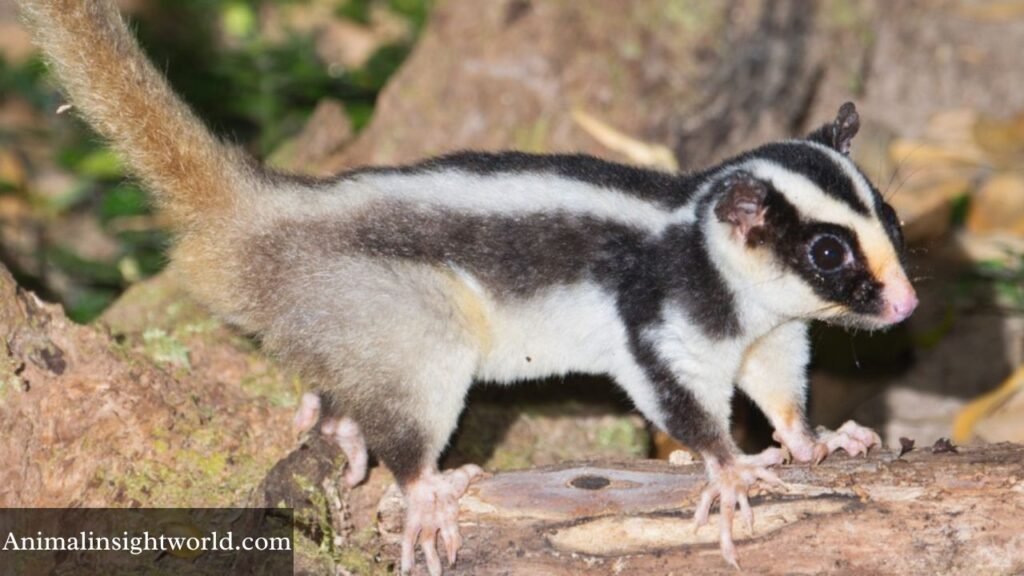
One of the most intriguing aspects of the common striped possum is its diet, which primarily consists of fruits and insects, particularly the larvae of wood-boring beetles. Their specialized teeth are designed for crushing tough exoskeletons, showcasing the evolutionary adaptations that enable them to thrive in their ecological niche. These animals also play a pivotal role in their ecosystem as pollinators and seed dispersers, helping to maintain the biodiversity of their rainforest habitat. Observing their behaviors, such as their limited social interactions and intricate grooming rituals, offers a glimpse into the rich social dynamics of these otherwise elusive marsupials.
You can also read: Explore Top 11 Animals Like Horses.
Gliding Frog
Scientific Name: Rhacophorus nigropalmatus
Class: Amphibia
Diet: Insectivore
The gliding frog, often overshadowed by its more famous counterparts, showcases an astonishing adaptation that allows it to navigate its arboreal habitat with grace and precision. Found primarily in the lush canopies of Southeast Asia, these frogs possess unique webbed feet and a membrane stretching from their limbs, enabling them to glide up to 10 meters. Unlike typical frogs that leap vertically, gliding frogs use controlled falls, maneuvering through the air with remarkable agility, akin to soaring through the treetops.
Their vivid colors and intricate patterns serve not just as camouflage but also as a means of attracting mates, highlighting the delicate balance between beauty and survival in the wild. These amphibians teach us invaluable lessons about adaptation; they have evolved to thrive in a niche that demands both aerial finesse and stealth. Observing them in their natural habitat reveals the intricate relationships within ecosystems, where gliding frogs play crucial roles as both predators and prey, contributing to the vibrant tapestry of life in the forest canopy.
Feather-Tailed Possum
Scientific Name: Distoechurus pennatus
Class: Mammalia
Diet: Omnivore
The Feather-Tailed Possum, native to the lush forests of Australia, captures the imagination with its delicate appearance and unique adaptations. Unlike the more commonly known Sugar Glider, this agile marsupial boasts a feather-like tail that serves both as a balancing tool and a striking display during courtship rituals. The tail’s distinct structure is not merely for show; it also aids in navigating through the dense canopy, allowing these creatures to glide gracefully between branches, evoking a sense of fluidity and elegance.
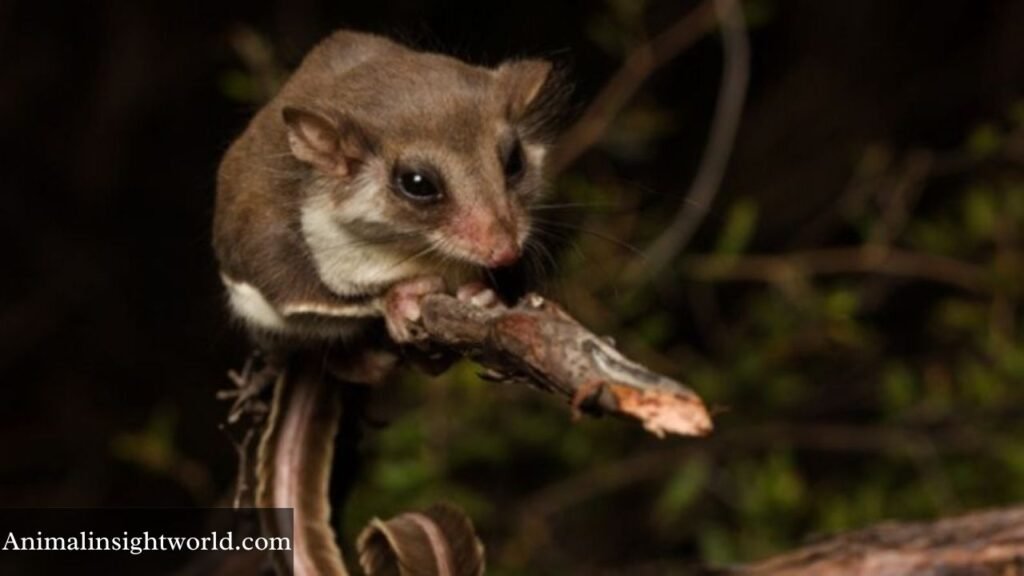
Beyond their captivating appearance, Feather-Tailed Possums hold an ecological role that often goes unnoticed. As nocturnal foragers, they help maintain the delicate balance of their environment by pollinating flowers and dispersing seeds. Their diet consists mainly of nectar and fruits, contributing to the health of their ecosystem. By learning about these enchanting animals, we can appreciate not only their beauty but also their vital role in sustaining biodiversity. Each glimpse of a Feather-Tailed Possum in its natural habitat enriches our understanding of nature’s interconnected web, urging us to protect these unique marsupials and their environments.
Also read: Explore Top 17 Animals Like Capybara.
Biak Glider
Scientific Name: Petaurus biacensis
Class: Mammalia
Diet: Omnivore
The Biak Glider, an enchanting relative of the sugar glider, boasts a strikingly distinctive appearance with its vibrant blue and green hues that serve as a captivating reminder of its exotic habitat in the Biak Islands of Indonesia. These small marsupials have adapted beautifully to their arboreal lifestyle, relying on their remarkable gliding abilities to navigate the lush forest canopy. Unlike their more commonly known cousins, Biak Gliders possess a unique blend of social behavior, often forming small, tight-knit groups that rely on cooperative foraging and grooming, creating bonds that are essential for their survival.
What sets the Biak Glider apart is its diet, which includes a variety of fruits, flowers, and nectar, essential for their health and vitality. Their role in the ecosystem extends beyond mere cuteness; as they flit between trees, they assist in pollination and seed dispersal, contributing to the vitality of their forest home. Conservation efforts are crucial for these unique creatures, as habitat loss threatens not only their population but also the intricate balance of their environment. By recognizing the significance of the Biak Glider, we gain a deeper appreciation for the diversity of life and the interconnectedness that binds all species within our ecosystems.
Northern Flying Squirrel
Scientific Name: Glaucomys sabrinus
Class: Mammalia
Diet: Omnivore
The Northern Flying Squirrel, much like Sugar Gliders, offers a fascinating glimpse into the world of gliding mammals. Unlike the Sugar Glider, which hails from Australia and New Guinea, the Northern Flying Squirrel is a native of North America, boasting a unique adaptation to its temperate forest habitats. With its soft, dense fur that can range from gray to reddish-brown, this nocturnal creature thrives in a world where stealth and agility are key to survival.
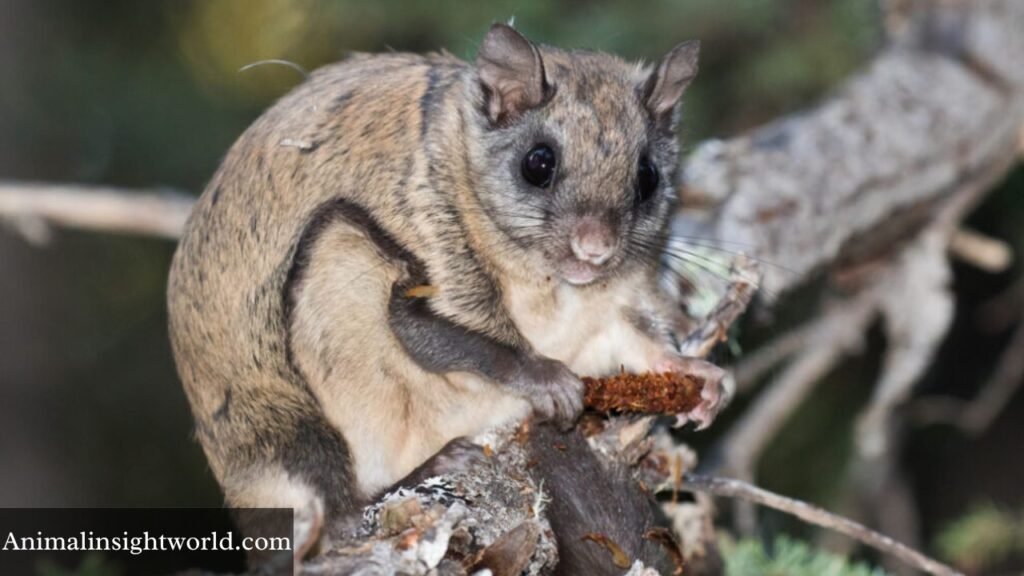
One of the more captivating aspects of the Northern Flying Squirrel is its impressive gliding ability, facilitated by a special membrane that stretches from its wrists to its ankles. This adaptation not only helps them navigate their wooded environments with ease but also aids in escaping predators. By launching from heights and gliding silently from tree to tree, they demonstrate a remarkable blend of grace and strategy, allowing them to forage for food while minimizing the risk of detection. Moreover, their diet consists of a diverse range of foods, from nuts and fruits to fungi, showcasing their adaptability in various ecosystems.
Feathertail Glider
Scientific Name: Acrobates pygmaeus
Class: Mammalia
Diet: Omnivore
The Feathertail Glider is a marvel of evolution, showcasing nature’s ingenuity. This tiny marsupial, native to the forests of eastern Australia, has a unique flattened tail that resembles a feather, which it deftly uses for balance and steering during its acrobatic flights. Unlike the Sugar Glider’s deeper, more rounded body, the Feathertail glides with a delicate precision, allowing it to navigate through intricate tree canopies in search of nectar and insects.
What makes the Feathertail Glider particularly fascinating is its social behavior. While they are generally solitary, these little creatures can exhibit a surprising level of social interaction, often found in small family groups. Their vocalizations — soft chirps and whistles — create an enchanting soundscape in the forest, hinting at a complex communication system that scientists are still striving to understand. Moreover, their habitat is a living testament to biodiversity; as they contribute to pollination and seed dispersal, their role is essential in maintaining the health of their ecosystem, making them a hidden hero of the flora around them.
You can also read: Explore Top 10 Animals Like Armadillos.
Pygmy Scaly-Tailed Flying Squirrel
Scientific Name: Idiurus zenkeri
Class: Mammalia
Diet: Herbivore
The Pygmy Scaly-Tailed Flying Squirrel, with its unique adaptations, is a testament to nature’s creativity. Unlike typical flying squirrels, this nocturnal marvel boasts a remarkable tail covered with specialized scales that aid in gliding. These scales provide enhanced traction when navigating their arboreal habitat, allowing them to effortlessly maneuver between trees. In this way, they are perfectly tailored for a life high up in the canopies of Africa, blending seamlessly into their leafy surroundings.
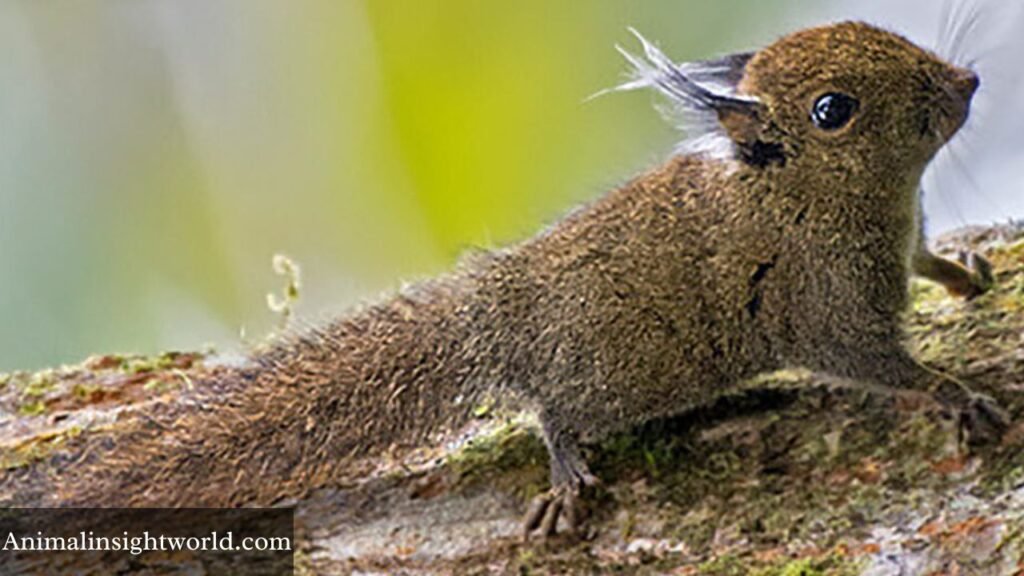
What sets them apart further is their intriguing social structure. Living in small familial groups, these squirrels exhibit fascinating behaviors that reflect a strong community bond. They communicate through a variety of calls and postures, fostering cooperation during foraging and evading predators. Their diet, primarily consisting of fruits, flowers, and insects, further demonstrates their adaptability to changing environments. With climate change impacting forests globally, the Pygmy Scaly-Tailed Flying Squirrel’s resilience and resourcefulness could provide vital insights for conservation efforts aimed at preserving endangered species.
Colugo
Scientific Name: Galeopterus variegatus
Class: Mammalia
Diet: Herbivore
Colugos, often overshadowed by their more popular relatives like sugar gliders, are extraordinary mammals that exhibit a unique blend of characteristics. Also known as “flying lemurs,” though they are neither true lemurs nor capable of true flight, colugos possess a remarkable membrane that stretches from their necks to the tips of their fingers and toes, allowing them to glide impressive distances between trees. This evolutionary adaptation highlights not only their arboreal lifestyle but also their ability to navigate the forest canopy with grace and agility.
What sets colugos apart is their prehensile tail, which provides added stability during their aerial maneuvers. These creatures have a fascinating diet consisting mainly of leaves, fruit, and flowers, showcasing their essential role in the ecosystem as herbivores. Often, colugos can engage in social behaviors, making them more than just solitary flyers, as they communicate through a range of vocalizations that can resonate through the treetops. Their nocturnal habits add an air of mystery, inviting curious observers to wonder about the secrets they hold in the dark, lush forests where they dwell.
Readmore: Explore Top 21 Animals With Scales.
Final Thoughts
Exploring animals that share similarities with sugar gliders reveals the rich diversity within the marsupial family and beyond. From the charming flying squirrels to the agile lemurs, each of these creatures brings unique traits and behaviors that capture the imagination. Understanding their habitats, social structures, and dietary needs enhances our appreciation for their nuances. Whether you’re considering a pet or simply looking to expand your knowledge, these animals offer a delightful glimpse into the wonders of nature. Take the time to learn more about these fascinating species, and perhaps even consider supporting conservation efforts to protect their habitats.
FAQs
What animal is similar to a sugar glider?
A great alternative to sugar gliders is the flying squirrel. Like sugar gliders, flying squirrels are nocturnal, small, and have a patagium — a membrane that extends from their wrists to their ankles, allowing them to glide between trees. They share a similar diet, primarily feeding on fruits, nuts, and insects, making them both adorable and fascinating pets. Another animal worth mentioning is the greater glider, which is native to Australia. While slightly larger than sugar gliders, greater gliders also possess the ability to glide and thrive in arboreal environments.
Is a sugar glider a monkey?
No, a sugar glider is not a monkey. Sugar gliders are small, nocturnal marsupials native to Australia and New Guinea. They belong to the family Petauridae and are known for their ability to glide from tree to tree, thanks to their special membrane stretching from their wrists to their ankles. Unlike monkeys, which are primates with more complex social structures and behaviors, sugar gliders have a different evolutionary lineage and are more closely related to animals like kangaroos and koalas.