Top 13 Animals Like Skunks (With Pictures)
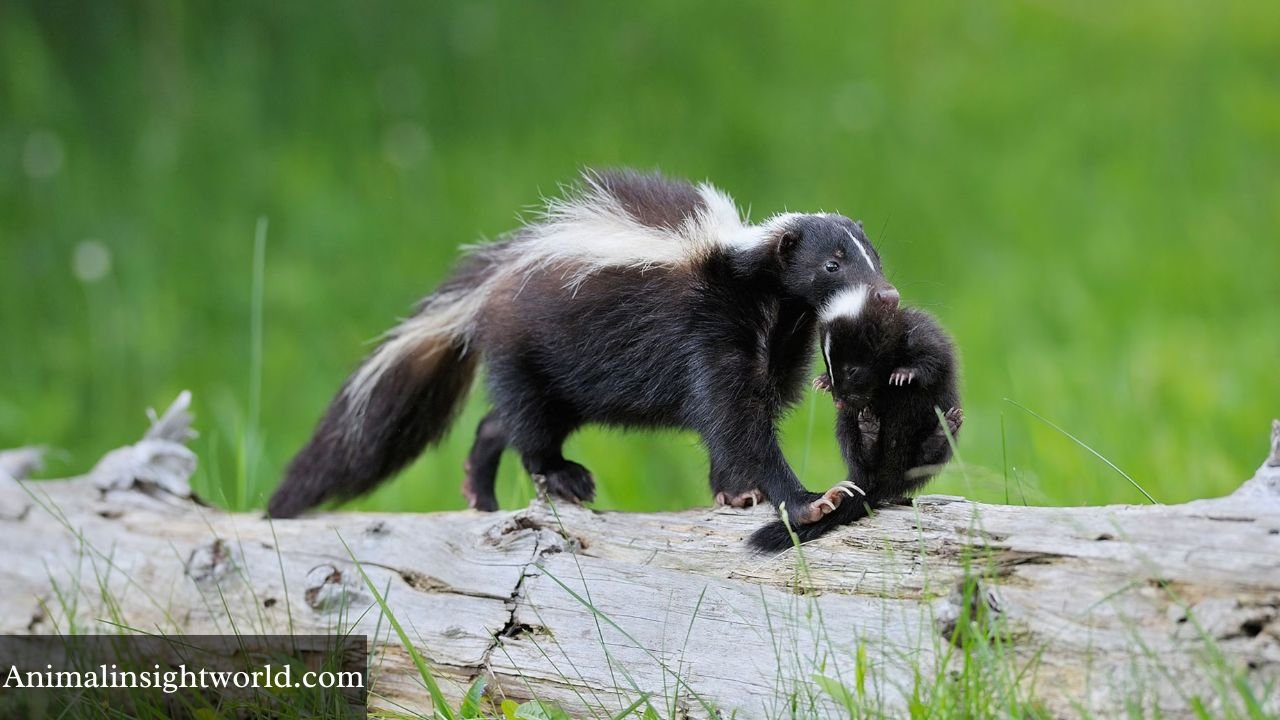
In this article, we’ll explore animals like skunks, delving into their similarities and the surprising traits many of them share with their striped counterparts. Understanding these creatures is not only intriguing but also important for appreciating the delicate balance of our ecosystems. By the end, you’ll discover a variety of other animals that, like skunks, contribute remarkable qualities to the animal kingdom.
List of Animals Like Skunks
Below is the list of animals that are like skunks:
- Otters
- European Badger
- Striped Polecat
- Wolverines
- Honey Badgers
- Mink
- Hedgehogs
- Raccoons
- Least Weasel
- Stink badgers
- Mongoose
- African Civet
- Tayra
Otters
Scientific name: Lutrinae
Class: Mammalia
Diet: Carnivore
Often overlooked in discussions about nature’s quirky inhabitants, otters share fascinating similarities with skunks, particularly in the realm of social behavior and environmental adaptability. Both species have unique methods of communication; while skunks are notorious for their signature defensive spray, otters express emotions through playful vocalizations and intricate social interactions. Their ability to form tight-knit groups, known as rafts, showcases a strong sense of community, akin to the familial bonds seen in skunk families.

Adaptive strategies reveal how both creatures thrive in diverse environments. Otters are masterful hunters, utilizing tools like rocks to crack open shellfish, showcasing their intelligence in finding solutions to challenges. In contrast, skunks employ their remarkable scent as a defense mechanism, inventively deterring predators without resorting to physical confrontation. This resourcefulness highlights nature’s ingenuity, where different species evolve unique adaptations to survive and flourish in their ecosystems.
European Badger
Scientific name: Meles meles
Class: Mammalia
Diet: Omnivore
The European badger, often overlooked, shares a captivating connection with animals like skunks, particularly in their lifestyles and defense mechanisms. Both creatures employ scent as a primary means of protection; while skunks have their notorious spray, badgers can emit a strong, musky odor when threatened. This shared reliance on olfactory defenses highlights a fascinating evolutionary strategy that allows these animals to ward off potential predators without engaging in physical confrontation.
Beyond their defensive tactics, European badgers are social creatures, living in complex family groups within elaborate burrow systems known as setts. These underground networks provide not just shelter but also a sense of community, reminiscent of the way some skunk species enjoy social interactions. The badger’s nocturnal habits and distinctive black-and-white markings make it a unique nocturnal ambassador of the forest, drawing parallels to the striking appearance of skunks.
Striped Polecat
Scientific name: Ictonyx striatus
Class: Mammalia
Diet: Carnivore
The striped polecat, often mistaken for a skunk due to its striking black and white markings, offers a fascinating glimpse into the evolutionary quirks of nature. Unlike the more familiar North American skunk, the striped polecat hails from the African continent, where it embodies a unique blend of beauty and defense. Its ice-white stripes serve not just as visual signals but also as a warning to potential predators, showcasing the captivating interplay between coloration and survival in the animal kingdom.

Remarkably, the striped polecat is part of the weasel family, challenging our preconceived notions about what defines a “skunky” appearance. These creatures possess a remarkable adaptability, thriving in diverse habitats — from grasslands to forests. Notably, their potent scent glands are not just offensive; they can also be used strategically for communication, allowing them to convey messages across vast distances. This duality of purpose suggests a sophisticated level of social interaction that often goes unnoticed in the animal world.
Readmore: Explore Top 13 Animals like Prairie Dogs.
Wolverines
Scientific name: Gulo gulo
Class: Mammalia
Diet: Carnivore
Wolverines, often overlooked in the animal kingdom, are fierce little fighters known for their tenacity and ruggedness. These stocky mammals roam the remote, cold regions of North America and Eurasia, primarily in alpine and boreal forests. Unlike skunks, wolverines boast a muscular build and a thick coat that allows them to thrive in harsh climates, yet they share an equally bold demeanor. Their cunning hunting skills, coupled with a scavenging diet, often lead them to confront much larger predators, showcasing their assertive nature.
Beyond their daring escapades, wolverines are true survivalists, capable of traversing vast distances in search of food. They possess a keen sense of smell, allowing them to detect carrion beneath thick snow, much like skunks utilize their sensory prowess to locate food. Interestingly, wolverines play a key role in their ecosystems as both scavengers and predators, contributing to the balance of their habitats. By understanding their unique adaptations and behaviors, we gain insight into the resilience of wildlife amid the changing landscapes shaped by climate change.
Honey Badgers
Scientific name: Mellivora capensis
Class: Mammalia
Diet: Omnivore
Honey badgers might be small in size, but they pack a significant punch in personality and resilience. Often dubbed “the world’s most fearless animal,” these tenacious creatures are renowned for their audacious spirit. Skunks, which rely on their notorious spray for defense, honey badgers employ an impressive mix of cunning and ferocity. When threatened, they confront their adversaries head-on, demonstrating a boldness that even larger predators find alarming.

Their dietary habits showcase their adaptability; honey badgers are known to eat anything from snakes to beehives, showcasing their remarkable foraging skills. This opportunistic nature not only highlights their versatility but also positions them as critical players in their ecosystem, helping to control pest populations. With skin thick enough to withstand bee stings and snake bites, they embody a unique blend of toughness and resourcefulness, inspiring fascination and admiration. Observing honey badgers in the wild reveals a captivating glimpse into survival strategies that defy conventional wisdom about animal behavior.
You can also read: Explore Top 13 Animals like Mongoose.
Mink
Scientific name: Neovison vison
Class: Mammalia
Diet: Carnivore
Minks are fascinating creatures that often get overshadowed by the more notorious skunks in the animal kingdom. With their sleek, dark fur and agile bodies, minks have adapted to a variety of environments, including the lush riverbanks and wetlands that serve as their natural habitat. skunks, which rely primarily on their notorious spray as a defense mechanism, minks are agile hunters. Their sharp teeth and keen sense of smell make them formidable predators, targeting fish, small birds, and even rodents.
Beyond their predatory skills, minks exhibit complex social behaviors. They are known to be solitary for most of their lives, but during mating season, they engage in vocalizations and playful interactions that reveal a surprising depth to their social intelligence. This adaptability and playful nature offer a compelling glimpse into the intricacies of animal behavior, showing that even the most unassuming creatures have rich internal lives.
Hedgehogs
Scientific name: Erinaceidae
Class: Mammalia
Diet: Insectivore
Hedgehogs, much like skunks, often defy conventional perceptions of cuteness with their unique defense mechanisms. These small mammals curl into a tight ball, exposing only their spines when threatened, rendering them almost impervious to predators. This instinctual behavior not only showcases their adaptability but also emphasizes their evolutionary prowess — a survival strategy that draws intriguing parallels to the odoriferous deterrents of skunks.

Despite their prickly exterior, hedgehogs have an endearing quality that captivates enthusiasts worldwide. In their nightly foraging, they exhibit a curious blend of playfulness and resourcefulness, often snuffling through leaves in search of insects and small invertebrates. This dietary preference aligns with their role in the ecosystem as natural pest controllers, paralleling the skunk’s own beneficial impact on the environment by consuming pests such as ticks.
Also read: Explore Top 12 Animals like Sugar Glider.
Raccoons
Scientific name: Procyon lotor
Class: Mammalia
Diet: Omnivore
Raccoons, often dubbed the “bandits of the night,” possess an uncanny ability to adapt to human environments, making them fascinating subjects of study. Their dexterous front paws allow them to manipulate objects with remarkable precision, often leading to unexpected culinary escapades in urban backyards and garbage bins. This adaptability speaks volumes about their intelligence; raccoons can remember the solutions to tasks for up to three years, showcasing a memory that rivals some pets.
Beyond their mischievous reputation, raccoons serve a vital ecological role. As omnivores, they help control insect and rodent populations, contributing to a balanced ecosystem. Their foraging habits also aid in seed dispersal, inadvertently promoting plant growth and biodiversity. Observing a raccoon in its natural habitat reveals a creature that, despite its reputation for mischief, plays a significant part in fostering the health of its community. Their playful behavior and social structures, often spotted in family units, remind us that there’s much more than meets the eye in the world of wildlife.
Least Weasel
Scientific name: Mustela nivalis
Class: Mammalia
Diet: Carnivore
The least weasel, a diminutive yet fascinating creature, often gets overshadowed by its more charismatic relatives, yet it brings a unique charm to the animal kingdom. Measuring only about 6 to 10 inches long, this tiny predator is a master of adaptability, thriving in diverse habitats from grasslands to forest edges. Unlike skunks, least weasels lack a foul defense mechanism; instead, they rely on agility and stealth. Their slender bodies and incredible speed allow them to navigate through dense foliage with remarkable ease, making them adept hunters of rodents and small birds.

What truly sets the least weasel apart is its impressive seasonal transformation. As winter approaches, their fur changes into a snow-white coat, providing camouflage against the frosty landscape. This striking adaptation not only aids in hunting but also offers insight into the nuanced relationship these animals share with their environment.
You can also read: Explore Top 13 Animals Like Seals.
Stink badgers
Scientific name: Mydaus
Class: Mammalia
Diet: Omnivore
Stink badgers, often overshadowed by their more famous skunk cousins, possess a unique charm that merits attention. Found primarily in Southeast Asia, these fascinating creatures belong to the family Mephitidae, which includes the notorious skunk. Unlike skunks, stink badgers are more elusive and have evolved distinct biological traits that help them thrive in their humid habitats. With their flattened bodies and thick fur, they scavenge for insects, crabs, and even fruits, showcasing a versatile diet that highlights their adaptability.
What truly sets stink badgers apart is their remarkable defense mechanism. While they share the skunk’s infamous pungent spray, their scent is often described as musky rather than outright foul. This nuanced aroma can be less offensive, allowing them to deter predators without overwhelming the senses. Their spray can coat could be used strategically — as a warning or an escape tactic, adding layers to their defensive behavior. This functional complexity invites a deeper appreciation for these creatures, reminding us of the intricacies of nature’s adaptations.
Exploring the ecological role of stink badgers reveals a significant contribution to their environment. These animals help control insect populations and contribute to nutrient recycling through their scavenging habits. As they forage, they inadvertently assist in seed dispersal, aiding plant growth and maintaining the balance of their tropical ecosystems.
Mongoose
Scientific name: Herpestidae
Class: Mammalia
Diet: Carnivore/Omnivore
Mongoose are fascinating creatures, often mistaken for mere pests in some regions, yet they possess remarkable adaptations that make them true marvels of the animal kingdom. With their sleek bodies and agile movements, mongooses are renowned for their ability to confront snakes, even venomous ones, with a level of fearlessness that belies their small size. Their specialized receptors allow them to detect the slightest vibrations in the ground, helping them anticipate a strike. This unique skill not only highlights their survival instincts but showcases a level of evolutionary prowess that’s both impressive and intriguing.
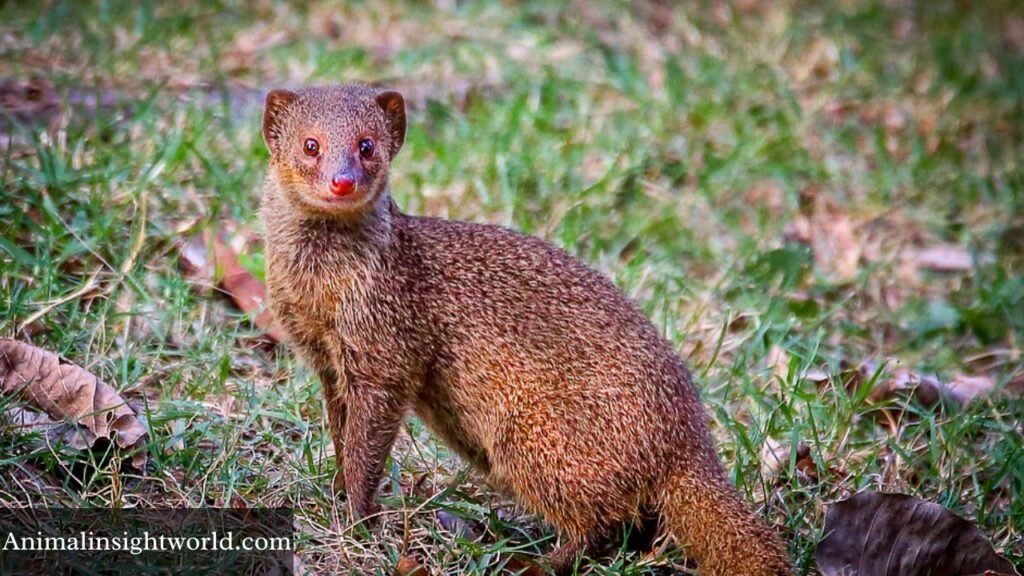
Socially, mongooses are often seen in family groups, displaying a complexity in their social structures that rivals that of many primates. These groups engage in cooperative behaviors, such as collective foraging and lookout duties, demonstrating a fascinating blend of instinct and intelligence. Their high-pitch vocalizations and body language further enrich their social interactions, revealing a depth of communication that sparks curiosity about the emotional lives of these creatures.
Also read: Explore Top 11 Animals Like Horses.
African Civet
Scientific name: Civettictis civetta
Class: Mammalia
Diet: Omnivore
The African civet, often mistaken for a cat or a small raccoon, boasts a unique blend of characteristics that make it a fascinating study in the animal kingdom. Skunks, known for their infamous defensive spray, the African civet utilizes scent in a more complex manner. This nocturnal creature secretes a musky substance known as civetone from glands near its genitals, which has been historically prized in perfumery. This remarkable adaptive use of scent not only serves as a form of communication but also plays a significant role in marking territory, allowing civets to assert their dominance without physical confrontation.
What sets the African civet apart is its impressive adaptability. Living in the forests and savannas of Africa, these solitary mammals have developed a diet that showcases their opportunistic nature. From fruits to small mammals and insects, their culinary flexibility allows them to thrive in various habitats. Their remarkable physical agility also enables them to climb trees — a trait not commonly associated with similar animals.
Tayra
Scientific name: Eira barbara
Class: Mammalia
Diet: Omnivore
Tayras, often overshadowed by their more famous relatives like skunks and weasels, are remarkable creatures that embody a unique blend of agility and curiosity. Native to Central and South America, these members of the weasel family display a striking coat of dark brown fur with a distinct, lighter underbelly, making them both attractive and stealthy. Skunks, which possess a notorious defense mechanism, tayras rely on their sharp senses and swift movements to navigate through the dense forests they inhabit.

One fascinating aspect of tayras is their social behavior; they thrive in groups, often working together to find food or defend their territory. This social structure contrasts with the more solitary nature of their skunk cousins. Their diet is eclectic, ranging from fruits and insects to small mammals, showing their adaptability in the wild. Tayras are expert climbers, spending much of their time in trees, which not only helps them evade predators but also enhances their foraging efficiency.
Readmore: Explore Top 10 Animals Like Armadillos.
Final Thoughts
While skunks are often misunderstood and regarded primarily for their defensive spray, several other animals exhibit similar characteristics or behaviors that make them fascinating in their own right. For instance, the striped polecat and various species of rodents display unique adaptations for survival, much like their skunky counterpart. These creatures often thrive in environments where their distinct traits provide protection from predators. By exploring these ‘skunk-like’ animals, we gain a deeper appreciation for the diverse strategies nature employs to ensure survival. Let’s continue to learn about these captivating animals and work towards their conservation.
FAQs
What looks like a skunk but not a skunk?
One animal that resembles a skunk but isn’t one is the striped polecat, also known as a zorrilla. Found mainly in Africa, it has a similar black-and-white coloration but belongs to a different family.
What other animal sprays like a skunk?
The stink badger is one of the few animals that spray a foul-smelling defensive fluid similar to skunks. Found in Southeast Asia, these creatures release a potent odor that can be quite disruptive. While their spray isn’t as well-known as a skunk’s, it’s still effective in deterring predators.
What animal smells like a skunk but isn’t?
Polecats are a good example of an animal that has a similar smell to a skunk. These small carnivores, native to Europe and parts of Asia, belong to the weasel family. When threatened, polecats can release a pungent odor from their scent glands, similar to the defense mechanism of skunks. This strong smell is often a deterrent to predators.