
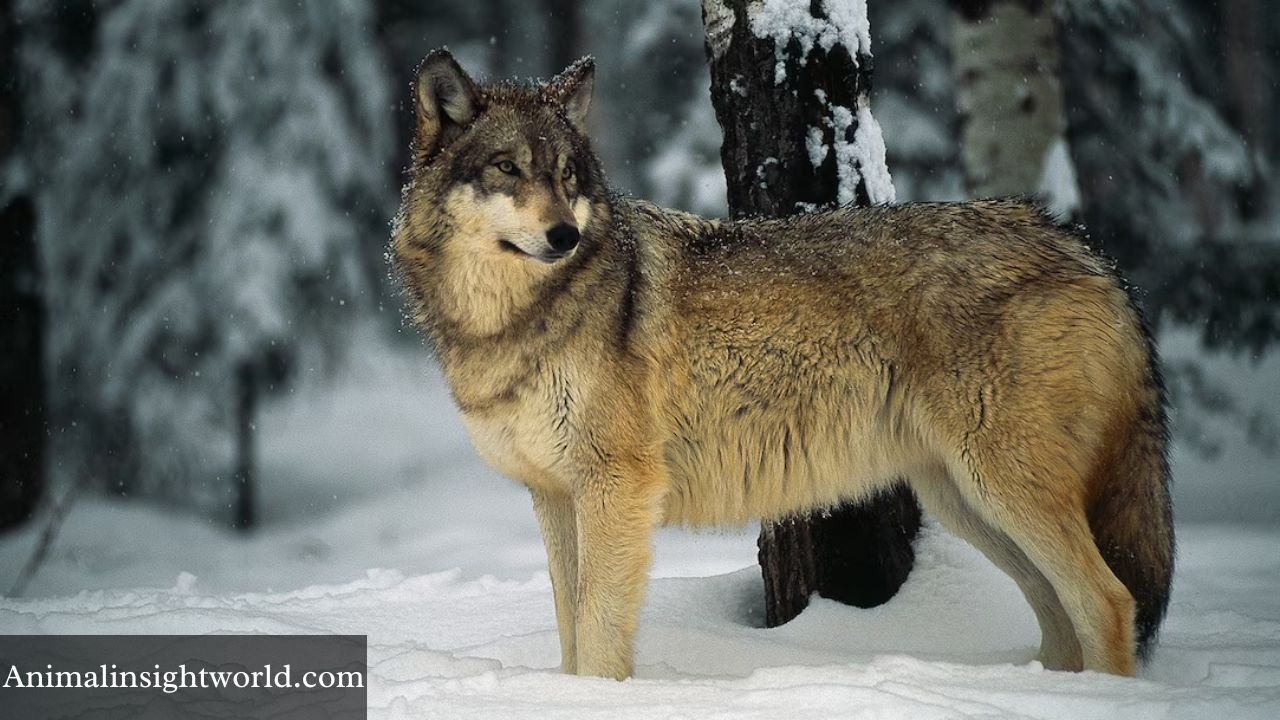
Interesting Facts: Do Wolves Have Whiskers?
The question, “Do wolves have whiskers?” isn’t just a quirky curiosity; it unveils a deeper understanding of these incredible creatures and their survival adaptations. In this article, we will explore the fascinating world of wolf anatomy and behavior, highlighting the significance of whiskers in the animal kingdom. By the end, you’ll have a clearer picture of how these seemingly small features play a vital role in the lives of wolves.
Do wolves have whiskers?
Scientific Name: Canis lupus
Class: Mammalia
Diet: Carnivorous
Wolves, like many other mammals, possess whiskers, known scientifically as vibrissae. These specialized hairs are not merely decorative; they serve crucial sensory functions, enhancing a wolf’s ability to navigate its environment. Positioned around the muzzle and above the eyes, whiskers can detect subtle changes in air currents, allowing wolves to sense obstacles and prey even in low visibility conditions. This heightened awareness can be a vital advantage during hunting or when traversing dense forests.
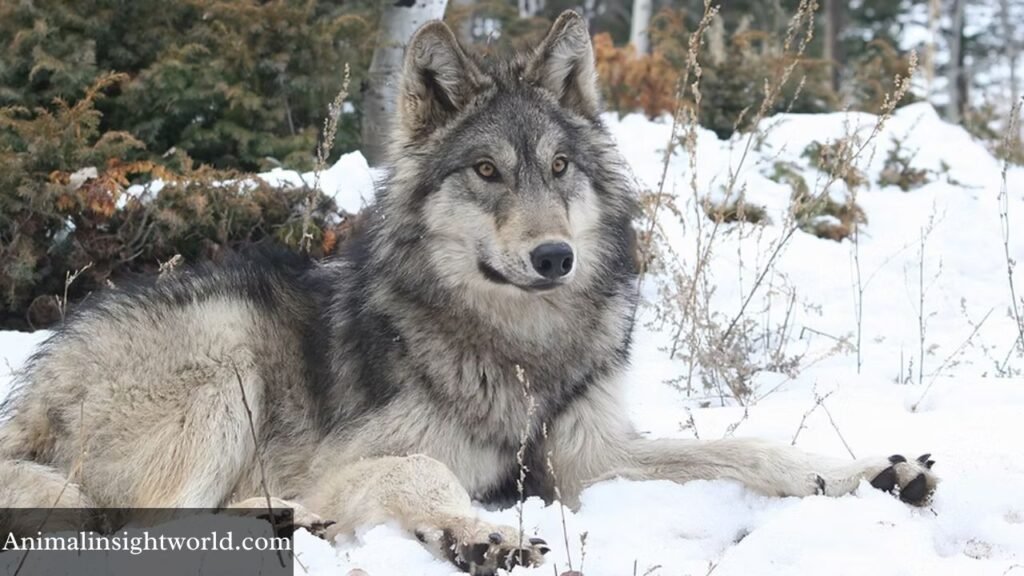
Interestingly, the structure of a wolf’s whiskers reflects its evolutionary adaptations. Whiskers are rooted deeply in the skin and connected to a rich supply of nerve endings. This design amplifies sensory feedback, making these hairs incredibly responsive to touch. For pack animals like wolves, nuanced communication also plays a role; the position and movement of whiskers can indicate a wolf’s mood or level of alertness, adding another layer to their social interactions.
What is the Role of Whiskers in Wolves?
Whiskers, or vibrissae, are often underestimated in their significance to wolves, yet they play a crucial role in their survival and social interactions. These sensitive structures not only enhance a wolf’s ability to navigate its environment, but they also serve as a form of communication. When a wolf scents the air or moves through dense underbrush, its whiskers can detect subtle changes, like the movements of prey or potential threats, allowing for more precise hunting and heightened awareness of their surroundings.
Whiskers provide vital feedback about spatial orientation. In low-light conditions or when navigating tight spaces, these specialized hairs help wolves gauge their proximity to objects, ensuring they maintain their agility and balance. More intriguingly, during social interactions, a wolf’s whiskers can convey emotional states or intentions to pack members, facilitating non-verbal communication. This intricate interplay of sensory feedback and social signaling highlights how these seemingly simple facial features are indispensable to the wolves’ complex lives, blending instinctual survival with nuanced social dynamics.
How Do Wolf Whiskers Work?
Wolf whiskers, or vibrissae, serve as an intricate sensory network that enhances a wolf’s interaction with its environment. Unlike ordinary fur, these specialized hairs are deeply rooted and packed with nerve endings, making them incredibly sensitive to touch and vibrations. This sensitivity allows wolves to navigate their surroundings, especially in low-light conditions or dense vegetation where visibility is limited.
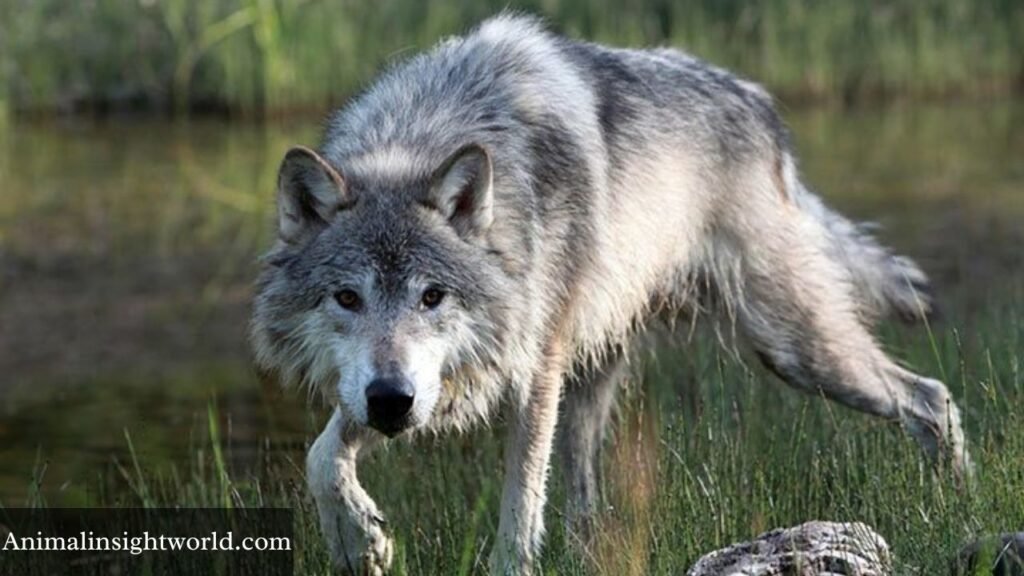
When a wolf moves through its territory, its whiskers act as an advanced radar system. They pick up subtle changes in the air, helping wolves detect nearby movements or even the presence of prey, which is vital for their predatory lifestyle. Whiskers can gauge spatial awareness, allowing wolves to judge openings and squeeze through tight spaces without bumping into obstacles. Thus, these seemingly unassuming features are essential tools that enhance a wolf’s hunting strategy and survival instincts, highlighting their remarkable adaptability in nature.
Regrowth of Wolf Whiskers
The regrowth of wolf whiskers, often overlooked, serves as a fascinating example of nature’s adaptability. These sensitive sensory tools are not merely decorative; they play a crucial role in a wolf’s survival by helping them navigate their environment. The ability of whiskers to regrow after being lost or damaged exemplifies the resilience inherent in wildlife. Unlike many other mammals, which may suffer extensive impairments from such losses, wolves can quickly restore these vital appendages, ensuring their hunting and spatial awareness remains intact.
This remarkable regeneration is a testament to the evolutionary advantages that whiskers confer. New research suggests that the regrowth process may be driven by complex signals between the hair follicle and surrounding skin, allowing for a swift return to functionality. Observing how wolves adapt their behaviors during the regrowth phase can also provide insights into their social structures. For instance, during the transitional phase, wolves may collaborate more closely, relying on other senses and heightened communication to compensate for temporary sensory loss.
Comparative Analysis of Whisker Regrowth in Canines
The process of whisker regrowth in canines offers fascinating insights into their biology and unique adaptations. Unlike hair, whiskers — known as vibrissae — are deeply embedded in the skin and connected to a rich supply of nerves, making them essential for spatial awareness and navigation. When a dog loses a whisker, whether due to natural shedding or an injury, the regrowth process can vary widely among breeds. Short-haired breeds may exhibit faster regrowth due to their more robust skin and follicle health, while long-haired breeds might experience a more gradual return to form.
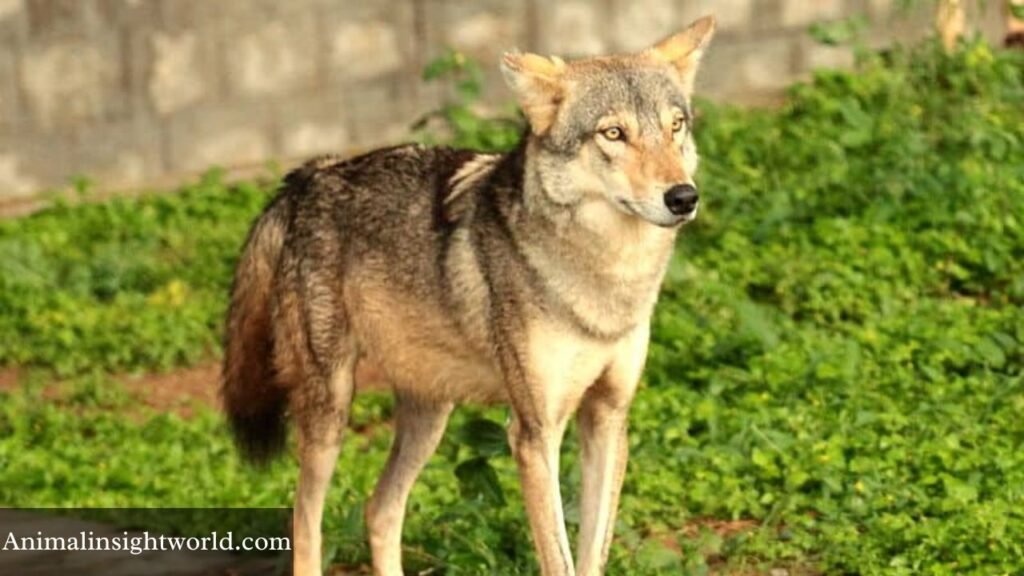
Another intriguing aspect is the psychological impact of whisker loss on canines. Dogs rely heavily on their vibrissae for sensory input, so a lost whisker could temporarily affect their confidence and spatial perception. Observations suggest that breeds traditionally used for hunting and tracking might demonstrate heightened adaptive behavior during regrowth, leveraging their other senses while rebuilding their whisker functionality.
Comparison Between Wolves vs Dogs Whiskers
Wolves and dogs, although closely related, exhibit distinct differences in their whisker dynamics that reflect their unique evolutionary paths. Wolves, with longer and more robust whiskers, use these sensory hairs to navigate their often challenging environments. The length and thickness of a wolf’s whiskers help them gauge distances, detect prey, and navigate through the thick underbrush of their natural habitats. This heightened sensitivity plays a vital role in survival, allowing wolves to thrive in the wild.
In contrast, domestic dogs have shorter and less pronounced whiskers, shaped by their adaptation to human environments. These whiskers serve a different purpose; they help dogs understand their surroundings indoors and outdoors, offering a subtle means of spatial awareness. Moreover, the variation in whisker length among dog breeds highlights the diverse functions these animals perform in their interactions with humans and their environments. As our canine companions, dogs have evolved to prioritize social bonds and communication, which is reflected even in their whisker structure, making it all the more fascinating to explore the sensory worlds of these two remarkable species.
Readmore: Explore Top 21 Animals With Sharp Claws.
Final Words
Wolves do possess whiskers which serve crucial functions in their daily lives. These specialized sensory hairs enable them to navigate their environments effectively, enhancing their hunting skills and social interactions. Whiskers play a vital role in helping wolves gauge their surroundings, especially in low-light conditions and dense vegetation. Understanding the significance of these features sheds light on the remarkable adaptations wolves have developed over time. As we continue to explore the complexities of these majestic creatures, let’s appreciate the intricacies of nature that allow them to thrive.
FAQs
Why do wolves have whiskers?
Wolves have whiskers, also known as vibrissae, primarily for sensory purposes. These long, stiff hairs are highly sensitive and help wolves navigate their environment. They can detect changes in air currents and nearby objects, which is crucial for hunting and avoiding obstacles, especially in low light conditions. Whiskers also aid in spatial awareness. By giving wolves a better sense of their surroundings, these sensory hairs enhance their ability to gauge distances and sizes of prey or threats. This is especially important for a predator that relies on stealth and precision. Overall, whiskers play a vital role in a wolf’s survival and hunting efficiency.