
Top 20 Annoying Animals in The World (With Image)
Welcome to the world of Annoying Animals in The World, where nature’s creatures can turn even the most serene moments into a headache. In this article, we’ll explore why these animals drive us crazy, their surprising behaviors, and how they impact our daily lives. Get ready to unravel the quirks of these pesky creatures!
List of Annoying Animals in The World
Below is the most annoying animals in the world:
- Skunks
- Cats
- Seagull
- Owls
- Fox
- Ticks
- Squirrels
- Cockroaches
- Gnats
- Raccoons
- Monkeys
- Crows
- Mosquitoes
- Groundhog
- Mice
- Rats
- Pigeons
- Flies
- Untrained Dogs
- Cicadas
Skunks
Scientific name: Mephitis mephitis
Class: Mammalia
Diet: Omnivore
Skunks often get a bad rap due to their infamous defense mechanism, the pungent spray that can clear a room faster than any alarm. However, these misunderstood creatures play an integral role in their ecosystems. As omnivores, skunks feast on a variety of pests, including insects, rodents, and even fallen fruit, helping to maintain a natural balance. Without them, the overpopulation of pests could lead to further ecological issues, creating a ripple effect throughout their habitats.
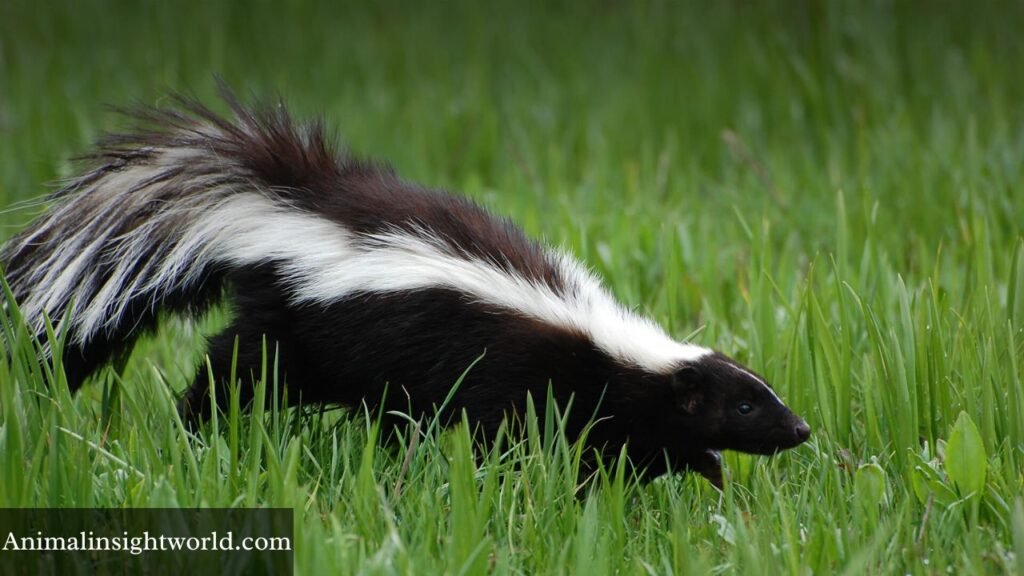
Moreover, skunks exhibit fascinating social behaviors that reveal their intelligence. They communicate using a range of sounds, from grunts to screams, and even use positional gestures to convey intent. This level of social interaction is often overlooked, as many people only focus on their notorious scent. By observing skunks in their natural environment, you can discover a world of complex relationships and behaviors, challenging the stereotype of these creatures as mere nuisances. Perhaps it’s time we give skunks a second look and appreciate them for more than just their aromatic defense strategy.
Cats
Scientific name: Felis catus
Class: Mammalia
Diet: Carnivore
Cats can be reliably annoying, but their antics often stem from a blend of instinct and sheer feline curiosity. When they insist on parking themselves right on your keyboard or lounging atop that carefully arranged stack of papers, it’s not just a minor nuisance; it’s a calculated bid for your attention. They understand they have a captive audience in humans and will often seize the chance to interrupt whatever you’re doing to demand some affection or, more likely, just to assert their dominance over your work space.
Moreover, their penchant for knocking things off tables isn’t merely mischief; it’s an innate behavior rooted in hunting instincts. In their minds, every fragile object is either prey or a toy waiting to be pounced upon. Such seemingly thoughtless actions can actually spark joy in observing their playful nature, revealing a deeper layer of communication between you and your feline friend. By embracing these quirks, we not only learn to roll with the interruptions but also foster a unique bond that transcends mere annoyance.
Seagull
Class: Aves
Diet: Omnivore
Seagulls, often seen as the beach’s noisy nuisances, possess a surprising intelligence that lends them an air of cunning. Their relentless scavenging isn’t just a call for food; it’s a showcase of adaptability. Many might overlook this, but their ability to thrive in urban environments speaks volumes about their resourcefulness — like foraging in trash cans or even lifting food from unsuspecting tourists. This adaptability frequently puts them in conflict with humans, leading to those notorious thefts, where a well-timed swoop can turn a peaceful lunch into a dramatic scene, transforming fries into airborne snacks.

But beyond their antics, seagulls offer valuable lessons in survival and community. These birds communicate with a range of vocalizations, each conveying different messages about danger, hunger, or the need for social bonding. Watching a group interact reveals a social structure filled with hierarchy and cooperation, challenging our perceptions about their solitary and greedy reputations.
You can also read: Explore Top 17 Bald Animals in The World.
Owls
Scientific name: Strigiformes
Class: Aves
Diet: Carnivore
Owls, with their wide-eyed stares and soft coos, might seem a symbol of wisdom, but their peculiar behaviors can quickly morph them into urban nuisances. For instance, many species are notorious for their late-night hooting that can disrupt peaceful evenings, transforming serene backyards into wildlife raves. This nocturnal serenade, while enchanting to some, can feel like an incessant alarm clock for the unsuspecting neighbors trying to catch a few precious hours of sleep.
Moreover, the hunting habits of owls reveal an unsettling truth for those living near their territories. Their knack for swooping down from towering branches to snatch unsuspecting rodents can leave a trail of remains that are less than appealing.
Fox
Scientific name: Vulpes vulpes
Class: Mammalia
Diet: Omnivore
Foxes, often seen as cunning and elusive, twist their charm into annoyance in the suburban sprawl. Their cleverness can quickly become a nuisance, as they dig through gardens, creating chaos among neatly planted vegetables and leading to late-night scuffling outside your window. Beyond their mischievous antics, these small predators have developed an uncanny ability to adapt to urban environments, showcasing an unexpected resilience that both fascinates and frustrates homeowners.

Moreover, their curious nature can turn into an irritating spectacle; the constant yipping and howling during mating season disrupts the tranquility of a peaceful night. Despite their reputation for being solitary hunters, foxes have mastered the art of community living, often seen scavenging with friends, leaving behind a mess that can be both comical and vexing.
Readmore: Explore Top 20 Animals That Whistle.
Ticks
Class: Arachnida
Diet: Parasite
Ticks may be tiny, but their impact can be significant, weaving themselves into the fabric of outdoor life. These parasitic pests aren’t just nuisances; they can harbor a dangerous cocktail of diseases like Lyme disease and Rocky Mountain spotted fever. Their stealthy approach is fascinating yet unnerving; they can latch onto unsuspecting hosts without the slightest notice, often going undetected until it’s too late.
Squirrels
Scientific name: Sciuridae
Class: Mammalia
Diet: Herbivore/Omnivore
Squirrels, those bushy-tailed acrobats of the city parks, can be a source of endless frustration. Watching them deftly navigate streetlight cables and picnic tables sparks both admiration and annoyance. With their relentless pursuit of snacks, these creatures have mastered the art of pilfering. They can crack open a bag of chips or dismantle a bird feeder effortlessly, leaving behind a mess that tests even the most patient nature lovers.
However, beyond their troublesome behavior lies an intriguing adaptability. Squirrels have evolved to thrive in urban environments, often outsmarting human attempts to deter them. Their cunning intelligence is on display as they devise elaborate strategies to access food sources, making them not just pests but fascinating urban wildlife.
Also read: Explore Top 24 Animals That Have Small Ears.
Cockroaches
Scientific name: Blattodea
Class: Insecta
Diet: Omnivore
Cockroaches, often regarded as the epitome of unwanted guests, possess a remarkable resilience that transcends mere annoyance. These tenacious creatures have been around for over 300 million years, adapting to environments and surviving conditions that would spell doom for many other species. Their ability to thrive — even in the darkest corners of human habitats — can transform an ordinary kitchen into a battleground of wits between man and pest, igniting our primal instincts of aversion and conquest.

What many overlook is the cockroach’s unexpected role in ecosystems: as decomposers, they contribute to nutrient cycling. By breaking down decaying organic material, they help maintain soil health, which is essential for plant growth and, ultimately, our food supply. This paradox reveals that nature’s so-called nuisances often play crucial roles, reminding us that even the most annoying animals carry their weight in the grand tapestry of life.
Gnats
Class: Insecta
Diet: Herbivore/Omnivore
Gnats, those tiny buzzing nuisances that seem to appear out of nowhere, often evoke an instinctive swat. While they may be small, their persistence and numbers can turn a serene outdoor gathering into an irritating struggle. Interestingly, these critters are not just a common annoyance; they play an essential role in the ecosystem. As decomposers, they feast on decaying organic matter, which helps return nutrients to the soil, fostering plant growth.
What’s particularly fascinating is the sheer diversity within the gnat family. From the ever-present fruit flies in our kitchens to the swarming black flies in humid areas, each type has unique behaviors that make them more than just pests. Some species, for instance, are attracted to moisture and can often be seen around pools of water, while others prefer the warmth of our homes, buzzing around light fixtures.
You can also read: Explore Top 11 Animals That Sweat.
Raccoons
Scientific name: Procyon lotor
Class: Mammalia
Diet: Omnivore
Raccoons are the ninja bandits of the animal kingdom, blending mischief with undeniable charm. With their dexterous front paws and notorious dumpster diving skills, these masked marauders have become local legends. While some view them as mere pests, raccoons are fascinating problem-solvers, adept at navigating urban landscapes and deciphering complex challenges in search of food. Research has shown that they can remember solutions to these challenges for up to three years, showcasing a level of intelligence that’s often underestimated.

Despite their reputation for annoying antics — like rummaging through trash and raiding bird feeders — raccoons play a vital role in the ecosystem. Their scavenging habits help clean up waste, while their foraging can aid in seed dispersal, promoting new plant growth. Observing a raccoon’s curious demeanor can be more enlightening than frustrating; their inquisitive nature reveals a species that thrives in the face of human encroachment, reminding us of our shared environment. Embracing the raccoon’s role can shift our perspective from annoyance to admiration for these clever creatures.
Monkeys
Class: Mammalia
Diet: Omnivore
Monkeys often parade around as playful creatures, but their mischievous antics can quickly veer into the realm of annoyance. Encountering a troop of macaques, for example, can lead to surprisingly disruptive behaviors — like snatching food right from unsuspecting tourists or relentlessly tugging at personal belongings. Imagine enjoying a serene picnic only to have it become a lively game of keep-away, with a cunning monkey darting in and out like a furry thief. This cheeky behavior transcends mere curiosity; it highlights their adaptability and intelligence, often leaving people in a mix of wonder and frustration.
Moreover, the vocalizations of these primates can be a source of irritation, especially in urban areas where they frequently invade human spaces. The loud chattering and howling can disrupt the peace, drowning out the serene sounds of nature. Yet, this vocal nature serves a crucial purpose in their social dynamics, signaling danger or maintaining group cohesion. Understanding this layer of complexity transforms annoyance into a broader appreciation of their place in the ecosystem, where chaos and order dance in a delicate balance, challenging us to coexist with these captivating yet irritating beings.
Readmore: Explore Top 16 Animals with Long Horns.
Crows
Scientific name: Corvus
Class: Aves
Diet: Omnivore
Crows, often labeled as the mischievous bandits of the avian world, possess an intelligence that can be both awe-inspiring and infuriating. These social birds have an uncanny ability to remember human faces, crafting long-term grudges against those who may have wronged them. Imagine a crow observing from the treetops, silently sizing you up, knowing every detail of your encounter from the moment you startled it with a loud noise. This level of awareness and adaptability makes them not only annoying at times but also intricate players in the urban ecosystem.

Moreover, crows are notorious for their food-scavenging antics. Whether it’s snatching your sandwich during a picnic or raiding a trash bin, their resourcefulness knows no bounds. But this behavior isn’t merely a nuisance; it serves a critical role in the environment by aiding in waste decomposition and seed dispersal. When viewed through this lens, what might initially seem like annoying antics reveal a highly evolved survival strategy. Rather than shooing them away, perhaps we should appreciate their cleverness and the delicate balance they help maintain in nature.
Mosquitoes
Scientific name: Culicidae
Class: Insecta
Diet: Omnivore/Parasite
Mosquitoes, the tiny tyrants of summer evenings, often get a bad rap for their irritating bites, but there’s more to these bloodsuckers than meets the eye. Did you know that only female mosquitoes bite, using our blood as a nutrient source to develop their eggs? This surprising twist makes their pesky presence a fascinating part of nature’s reproductive cycle, highlighting a complex interplay between species. They are intricately tied to their ecosystems, serving as food for numerous predators, including birds, bats, and other insects.
Their advanced sensory systems can detect body heat and the carbon dioxide we exhale, enabling them to zero in on a warm-blooded meal with alarming precision. This gift makes them not just pests, but also remarkable survivors in diverse ecosystems.
Also read: Explore Top 21 Animals With Sharp Claws.
Groundhog
Scientific name: Marmota monax
Class: Mammalia
Diet: Herbivore
Groundhogs, often dismissed as mere garden pests, possess a fascinating duality that transcends their reputation. These furry burrowers, with their undeniable charisma, emerge from hibernation each spring not only to signal the weather but to remind us of the intricate web of life in which they play a crucial role. Their tunneling habits aerate the soil, promoting healthier ecosystems, while their foraging habits serve as a critical food source for various predators.
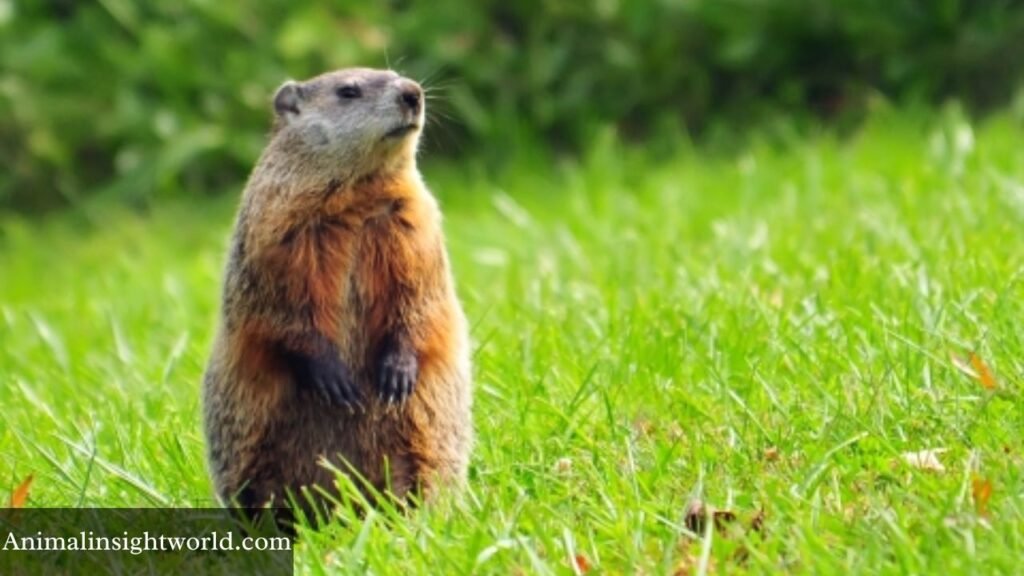
However, their undeniable charm can quickly turn into annoyance for homeowners. Groundhogs have a remarkable ability to devastate vegetable gardens, chomping through ripe tomatoes and fresh lettuce like they’re at an all-you-can-eat buffet. Yet, instead of solely viewing them as nuisances, consider observing their behavior. Their playful antics, like standing on their hind legs to scan for danger, offer a glimpse into their world and remind us that even the most bothersome animals contribute to the delicate balance of nature.
Mice
Scientific name: Mus musculus
Class: Mammalia
Diet: Omnivore
Mice might appear as cute little creatures, but they can quickly turn into unwelcome houseguests. Beyond their penchant for stealing crumbs and nesting in forgotten corners, mice are remarkably resourceful. Their incredible adaptability allows them to thrive in urban landscapes, scavenging for food and shelter in places humans wouldn’t expect. This tenacity makes them one of the most successful pests, and their rapid reproduction rates can transform a minor annoyance into a full-blown infestation in mere weeks.
Interestingly, while many see them solely as nuisances, mice play a pivotal ecological role. They serve as prey for a plethora of predators, contributing to the balance of local ecosystems. Their foraging activities also aid in seed dispersal, thereby supporting plant diversity.
You can also read: Explore Top 21 Animals With Flippers.
Rats
Scientific name: Rattus
Class: Mammalia
Diet: Omnivore
Rats often evoke a mixed bag of emotions — fear, disgust, or even fascination. While they scurry through city streets and basements, it’s easy to overlook their remarkable adaptability and intelligence. Studies have shown that these creatures can navigate complex mazes and demonstrate problem-solving abilities, traits that might surprise anyone deeming them as mere pests. In fact, researchers have noted their ability to learn from one another, reflecting a social structure that challenges our typical view of animal hierarchy. When considering their role in urban ecosystems, rats serve as both scavengers and a food source for predators, contributing to a delicate balance within the environment.

Pigeons
Scientific name: Columba livia
Class: Aves
Diet: Herbivore
Pigeons, often dismissed as urban nuisances, hold a surprisingly complex role in our ecosystems and urban landscapes. These birds are not just grey blobs pecking at crumbs; they possess remarkable intelligence and adaptability. Studies have shown that pigeons can recognize themselves in mirrors, a trait not common among most animals, indicating a level of self-awareness that challenges traditional perceptions of avian intelligence. Their ability to navigate using the Earth’s magnetic fields and landmarks has made them integral to communications, particularly during wartime when carrier pigeons delivered crucial messages.
While their cooing and quick movements might frustrate city dwellers, pigeons serve as vital components of our urban ecosystem. They act as scavengers, helping to clean up waste, and their presence can even indicate the health of urban environments.
Also read: Explore Top 21 Animals that Growl.
Flies
Scientific name: Diptera
Class: Insecta
Diet: Omnivore
Flies may seem like mere nuisances buzzing around our picnic spreads, but they play an intricate role in our ecosystems. These tiny creatures are nature’s unsung recyclers, feasting on decaying organic matter and helping to break it down. Their ability to thrive in less-than-pleasant environments allows them to assist in nutrient cycling, making them essential for soil health. Without their relentless appetite for decomposition, we would be overwhelmed by waste.

Untrained Dogs
Scientific name: Canis lupus familiaris
Class: Mammalia
Diet: Omnivore
Untrained dogs often embody the chaotic energy of their environment, becoming unwitting catalysts for both frustration and delight. Their erratic behaviors — such as incessant barking, jumping on unsuspecting guests, or scavenging through trash — can turn a peaceful evening into a comedic circus. What many don’t realize, however, is that this seemingly errant behavior often stems from pent-up energy and a need for stimulation. Understanding this can shift our perspective from annoyance to empathy, allowing us to see these four-legged companions as misunderstood beings just trying to express themselves.
At the heart of the issue lies the often-overlooked emotional impact on both the dog and the owner. An untrained dog isn’t just a nuisance; it reflects a lack of understanding and connection. These rambunctious pups often act out of boredom or anxiety, highlighting the need for stimulation and routine. Rather than merely attempting to curb their quirks, pet owners must dive into the psychology of their dogs, unraveling the underlying reasons for their misbehavior. A thoughtful approach that includes consistent training, socialization, and enrichment can not only rectify annoying behaviors but transform these spirited companions into well-mannered additions to their families.
Cicadas
Scientific name: Cicadidae
Class: Insecta
Diet: Herbivore
Cicadas, often regarded as nature’s persistent drummers, are notorious for their overwhelming chorus that fills the summer air. While their incessant buzzing can drive some to distraction, this fascinating insect offers more than just an auditory nuisance. With lifecycles that span from a few years to 17 years, they emerge en masse, creating a miraculous spectacle that underscores the delicate relationships within ecosystems. Their synchronized emergence ensures that predators are overwhelmed, allowing more cicadas to survive and thrive.
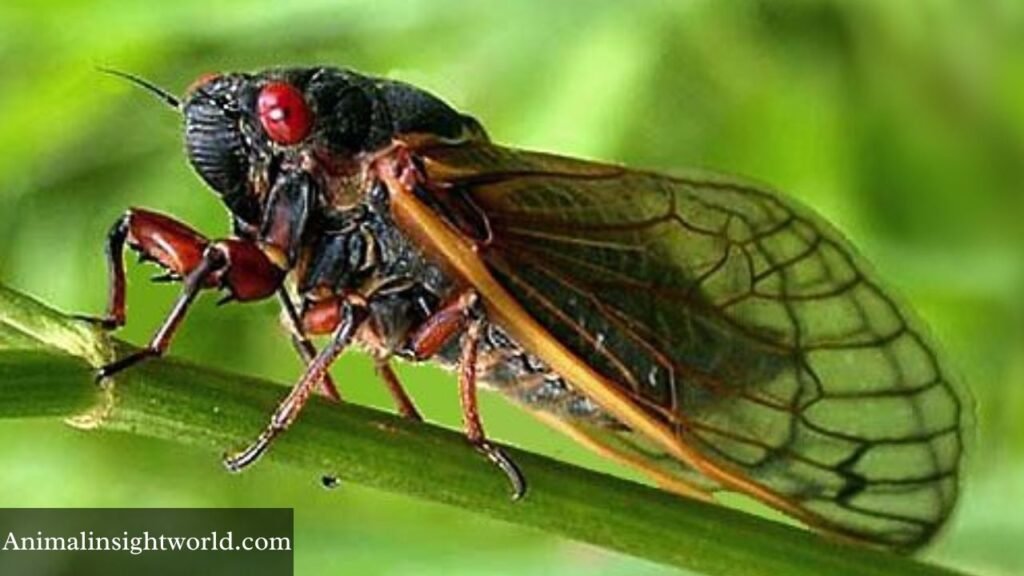
Beyond the sound, cicadas play a crucial role in nutrient cycling. Their decaying bodies enrich the soil, providing vital nourishment for plants once they perish after their brief but vibrant adult lives. Furthermore, their presence has profound impacts on local wildlife: birds, small mammals, and even other insects depend on cyclical surges of cicada populations as a feast for survival. In this light, the annoying buzz of cicadas transforms into a reminder of nature’s intricate web, where even the most bothersome elements contribute to the larger picture of life.
Readmore: Explore Top 20 Animals Without Legs.
Conclusion
While annoying animals can test our patience, it’s essential to remember that their behaviors are often rooted in instinct and natural tendencies. From the incessant chirping of crickets to the pesky antics of raccoons, each creature plays a role in the ecosystem, even if they disrupt our daily lives. Embracing the quirks of these animals can enhance our understanding of wildlife and foster appreciation for nature’s diversity. Instead of viewing them solely as nuisances, consider how we can coexist with these creatures through mindful interactions. Next time you encounter an annoying animal, take a moment to observe and appreciate their unique contributions to the world around us.
FAQs
What is the most annoying animal in the world?
The mosquito takes the top spot as the most annoying animal in the world. These tiny pests seem to thrive on our blood, buzzing around our ears and leaving itchy bites in their wake. They’re not just irritating; they also pose serious health risks, spreading diseases like malaria and dengue fever.
What animal is loud and annoying?
The howler monkey is notorious for its loud and often disruptive calls. Found in the forests of Central and South America, these primates can produce vocalizations that carry over three miles through the jungle. Their howls are used to communicate with each other and establish territory, but to humans, they can be quite grating, especially if you’re camping nearby.
What is the noisiest animal?
Sperm whales are often considered the noisiest animals on the planet. They can produce clicks and calls that reach up to 230 decibels, which is louder than a jet engine. These sounds are primarily used for communication and echolocation in the deep ocean, allowing them to navigate and hunt in the dark waters.