Top 20 Animals That Whistle (With Pictures)
In the animal kingdom, whistling isn’t just for birds; various species have developed this unique skill for communication and navigation. This article explores the fascinating world of animals that whistle, highlighting their diverse habitats and behaviors. By the end, you’ll gain a deeper appreciation for these remarkable creatures and their intriguing methods of interaction.
List of Animals That Whistle
Here is the list of animals that whistle:
- Bottlenose Dolphins
- Guinea Pigs
- American Pika
- Dholes
- Northern Cardinal
- Black‑tailed Prairie Dog
- Northern Mockingbird
- Common blackbird
- Pygmy Marmosets
- Walnut Sphinx Caterpillars
- Marmots
- Eastern Whip‑poor‑will
- American Robin
- Groundhog
- Elephants
- Tundra Swan
- Black‑capped Chickadee
- Canary
- Mice
- Bats
Bottlenose Dolphins
Scientific Name: Tursiops truncatus
Class: Mammalia
Diet: Carnivore
Bottlenose dolphins, known for their playful nature and highly social behavior, communicate through a complex array of whistles that serve distinct social functions. Each dolphin has a unique signature whistle, functioning almost like a name, allowing individuals to call out to one another in the vast ocean. This fascinating method of communication not only reflects their intelligence but also facilitates intricate social bonds within pods, enhancing cooperation during hunting and nurturing among mothers and calves.

Recent studies have unraveled how these whistles adapt in response to environmental changes and social dynamics. For instance, dolphins might alter their whistles when in the presence of unfamiliar pods or during challenging hunting conditions, showcasing their remarkable cognitive flexibility. This ability to innovate in vocalization hints at a deeper understanding of their surroundings, suggesting that their communication may extend beyond simple interaction to involve complex problem-solving and even emotional expression.
Guinea Pigs
Scientific Name: Cavia porcellus
Class: Mammalia
Diet: Herbivore
Guinea pigs are not just adorable companions; they’re also surprisingly expressive creatures, using a range of whistles to communicate. These vocalizations, often termed “wheeking,” can indicate excitement, especially during mealtime or when they see their owners. Their unique ability to produce a variety of pitches adds depth to their communication, allowing them to express everything from joy to displeasure. Observing a guinea pig’s behavior while it whistles can reveal its personality; a confident, assertive pig might emit a bold wheek, while a shy one may produce softer sounds.
Interestingly, the social dynamics of guinea pigs further enhance their whistling behaviors. In groups, they often respond to one another’s calls, creating a symphony of whistles that echoes their bonds. This vocal teamwork fosters a sense of community and reinforces their social hierarchies, making playtime an engaging performance for both the pigs and their human spectators. Understanding these vocal cues can transform how we interact with these charming pets, deepening the human-animal connection in delightful ways.
American Pika
Scientific Name: Ochotona princeps
Class: Mammalia
Diet: Herbivore
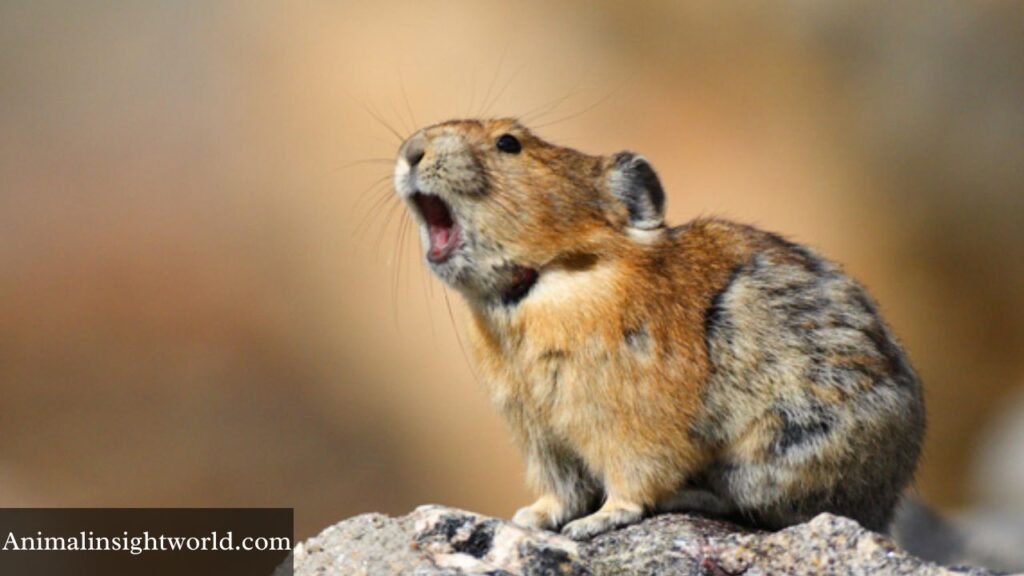
The American pika, a small, mountain-dwelling relative of the rabbit, has a unique ability that sets it apart from many other mammals — its captivating whistling calls. Observers often miss these diminutive creatures, but if you listen closely in their rocky, alpine habitats, you might hear a series of high-pitched whistles that echo off the mountainsides. This melodious communication serves not just for mating or territory demarcation, but also as a warning system. Pikas use their whistles to alert others about potential predators, a fascinating example of how sound plays a crucial role in their survival.
Dholes
Scientific Name: Cuon alpinus
Class: Mammalia
Diet: Carnivore
Dholes, also known as the Asian wild dog, are remarkable creatures that captivate wildlife enthusiasts not only for their striking appearance but also for their unique vocalizations. Unlike the typical howls of wolves, these highly social canines communicate primarily through a series of whistles, yips, and chirps. This intricate vocal repertoire allows them to coordinate hunting strategies and maintain social bonds within their packs, showcasing their intelligence and cooperative nature.
What’s particularly fascinating is how their whistling varies among different populations. These adaptations allow dholes to tailor their vocal communication to their specific environments, whether it be the dense forests of India or the grassy plains of Southeast Asia. Observing their interactions can reveal a lot about the nuances of social behavior in canid species, raising questions about how other animals might also use sound to navigate their worlds.
Northern Cardinal
Scientific Name: Cardinalis cardinalis
Class: Aves
Diet: Omnivore
The Northern Cardinal, with its vibrant red plumage and striking black mask, isn’t just a visual delight; it’s also a masterful musician. Male cardinals are renowned for their whistling songs, often described as cheerful and melodic. These tunes serve multiple purposes: territory claims, attracting mates, and communicating with their flock. Interestingly, these cards are not just feathery musicians but also skilled mimics. They often imitate other birds’ calls and even sounds from their surroundings, adding layers to their own whistling performance.
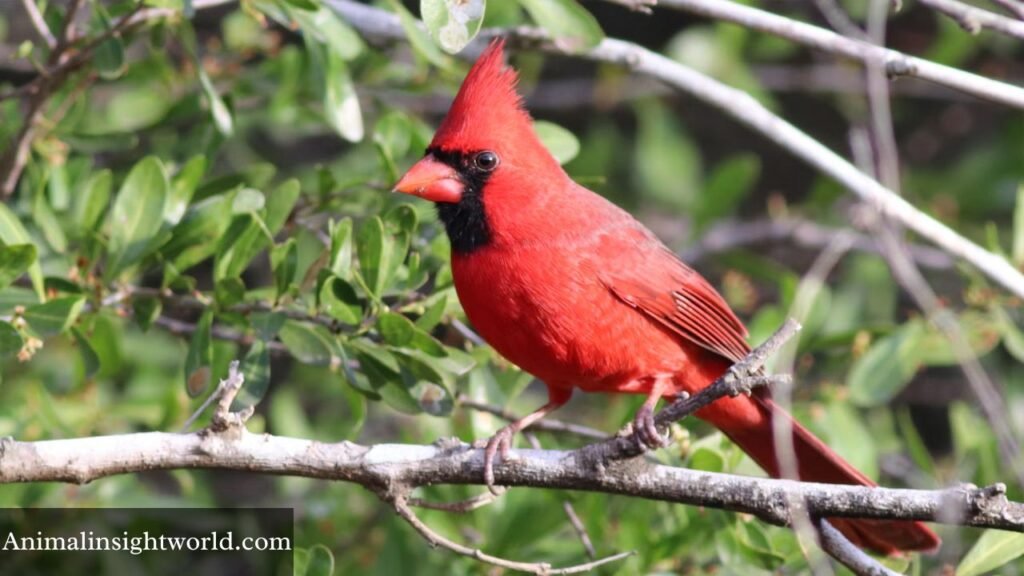
Observing a Northern Cardinal perched confidently on a branch, one can’t help but marvel at how its intricate vocalizations serve as both a means of survival and a form of expression, weaving a rich tapestry of sound that marks the changing seasons. Whether during the serene dawn or the vibrant twilight, their whistling continues to enchant birdwatchers and casual observers alike, reminding us of nature’s indelible artistry.
Black‑tailed Prairie Dog
Scientific Name: Cynomys ludovicianus
Class: Mammalia
Diet: Herbivore
The black-tailed prairie dog, a sociable rodent found primarily in the grasslands of North America, is more than just a charming ambassador of the prairie; it’s a master communicator. These fascinating creatures have developed a sophisticated warning system that transcends simple vocalizations. Their whistling, usually a sharp, quick sound, serves as a crucial alert to warn kin of impending danger, such as predators like hawks or coyotes. Remarkably, studies suggest that their calls can convey specific information about the type and size of the predator, indicating an advanced level of cognition rarely seen in non-human species.
Beyond their alarm calls, prairie dogs engage in a veritable symphony of sounds, including chirps and barks, reflecting a social structure that thrives on cooperation and cohesion. Living in vast colonies known as “coteries,” these little socialites exhibit complex behaviors, such as grooming and even play, which are essential for maintaining their social bonds. Interestingly, their communal living not only enhances their survival but also contributes to the overall health of the ecosystem; their burrowing aerates the soil and facilitates water absorption, making them ecological heroes in their own right.
Northern Mockingbird
Scientific Name: Mimus polyglottos
Class: Aves
Diet: Omnivore
The Northern Mockingbird, often celebrated for its remarkable vocal abilities, possesses an astonishing repertoire that can surpass 200 distinct notes and sounds. Unlike many birds that sing just for mating, these skillful mimics serenade throughout the day and night, weaving together melodies from their environment. From the rustle of leaves to the trills of other birds, their songs create a unique symphony that can resonate through urban parks and coastal meadows alike.
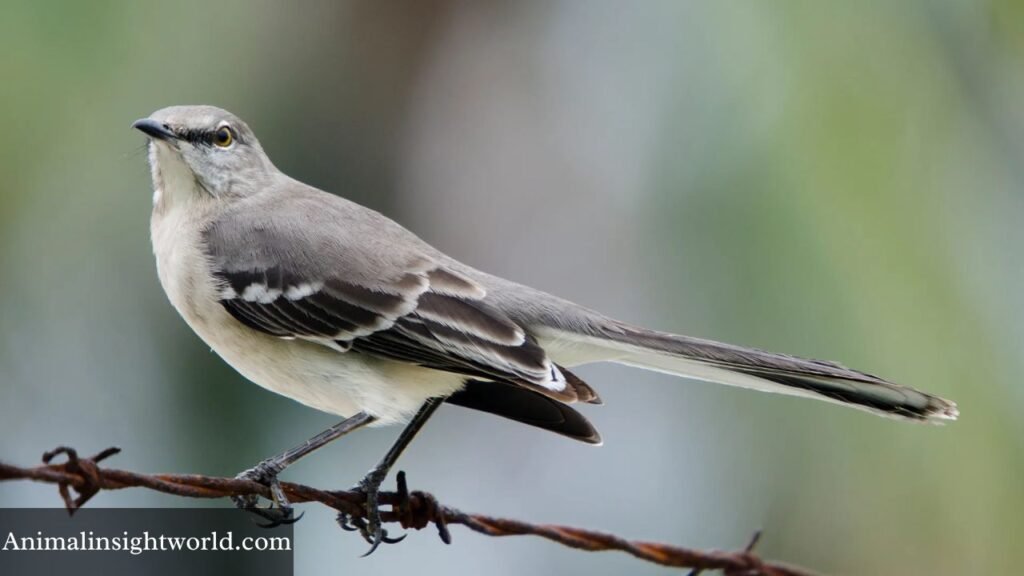
One of the most fascinating aspects of the Northern Mockingbird is its adaptive learning. They continually expand their repertoire throughout their lives, integrating new sounds with remarkable precision. This mimicking behavior not only showcases their intelligence but also functions as a survival tactic — by imitating the calls of potential predators or other birds, they can manipulate their environment and reduce competition, showcasing a remarkable blend of creativity and instinct.
Common blackbird
Scientific Name: Turdus merula
Class: Aves
Diet: Omnivore
The common blackbird is a master at whistling, turning everyday landscapes into melodious symphonies. With a call that fluctuates like a playful breeze, these birds can mimic a variety of sounds, adding an unexpected layer to their environment. Their whistling not only captivates human listeners but also serves crucial purposes in their communication. During courtship, the elaborate songs of male blackbirds can make them irresistible to potential mates, showcasing their vitality and territory.
What sets them apart is how they adapt their tunes based on their surroundings. Urban blackbirds often incorporate mechanical sounds from the city, blending nature with the hustle and bustle of human life. This versatility highlights their intelligence and ability to thrive in changing environments.
Pygmy Marmosets
Scientific Name: Cebuella pygmaea
Class: Mammalia
Diet: Omnivore
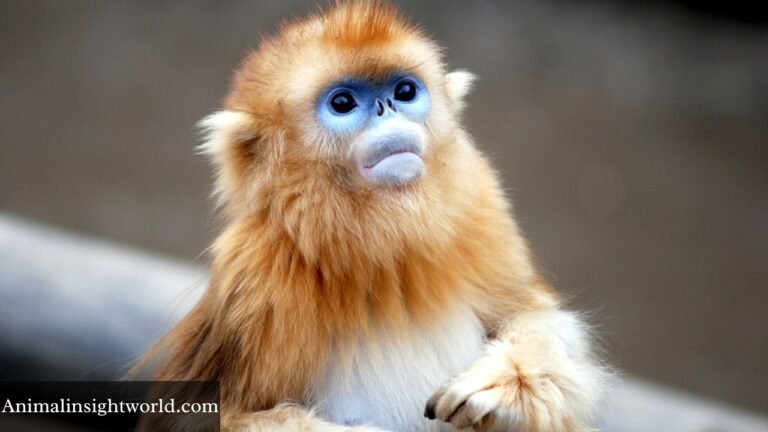
Pygmy marmosets, the tiniest monkeys in the world, bring a unique vocalization to the animal kingdom with their high-pitched whistles. These endearing primates use their sharp, melodic calls not just for communication but also as a tool for social bonding within their tight-knit groups. Their whistles echo through the lush canopies of the Amazon rainforest, serving as an intricate language that conveys emotions and territorial messages. Unlike many other animals, these diminutive creatures can produce varying pitches and tones, showcasing an unexpected complexity in their sonic repertoire.
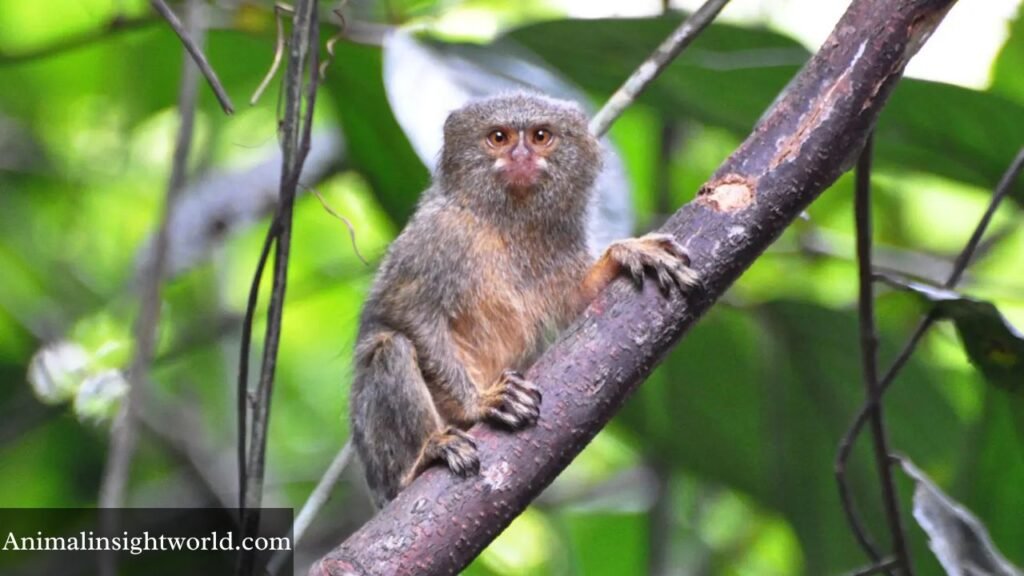
What’s truly fascinating is how these tiny monkeys leverage their vocal skills to navigate their dense habitat. The natural acoustics of their environment amplify their sounds, allowing them to communicate effectively over distances that would be challenging for larger animals. This unique adaptation highlights the interconnectedness of form and function in nature, as their small stature is balanced by an impressive auditory ability.
Walnut Sphinx Caterpillars
Scientific Name: Amorpha juglandis
Class: Insecta
Diet: Herbivore
Walnut sphinx caterpillars, the larvae of the impressive hawk moth, are not your typical insect. While they may seem unassuming at first glance, these caterpillars have a unique ability that catches the attention of entomologists and nature enthusiasts alike: they can produce a whistling sound. This curious behavior stems from the caterpillar’s method of expelling air through small openings, creating a sound that functions as a defense mechanism to ward off potential predators.
Interestingly, their whistling is not just a random collection of notes; it’s a sophisticated reply to threats. When disturbed, walnut sphinx caterpillars emit these piercing whistles to mimic the sounds of larger or more dangerous animals, serving as a signal that they are not easy prey. This fascinating adaptation highlights the complexities of survival strategies in the insect world, revealing that even the smallest creatures have developed remarkable ways to navigate the challenges of their environments.
Marmots
Scientific Name: Marmota
Class: Mammalia
Diet: Herbivore
Marmots, often celebrated for their charming personalities, are fascinating creatures that possess a unique musical talent — whistling. These social rodents, found in mountainous regions across North America, Europe, and Asia, use their whistles as a form of communication among their colonies. This acoustic signal serves multiple purposes, ranging from alerting others of potential predators to coordinating group activities. The pitch and duration of a marmot’s whistle can convey different messages, showcasing a complexity in their communication that rivals that of some birds.

Beyond their melodic capabilities, marmots play an integral role in their ecosystems. By burrowing and foraging, they aerate the soil and promote healthy plant growth, benefiting the entire habitat. Observing these lively creatures in their natural setting adds a dimension of wonder; a relaxed marmot basking in the sun can quickly transition to a vigilant sentry, emitting sharp whistles that echo off the mountainsides. Each whistle not only resonates through the air but also reflects the intricate social bonds and survival strategies within marmot communities, illustrating a blend of instinct and the beauty of nature’s script.
Eastern Whip‑poor‑will
Scientific Name: Antrostomus vociferus
Class: Aves
Diet: Carnivore
The Eastern Whip-poor-will, a nocturnal bird of the nightjar family, captivates us with its hauntingly beautiful calls that echo through the darkened woods. Known for its distinctive whistle-like song, the Whip-poor-will has become a symbol of serene summer evenings, yet its elusive nature often keeps it shrouded in mystery. Unlike many avian species, this bird doesn’t build traditional nests; instead, it relies on camouflage, laying its eggs on the forest floor among fallen leaves, a testament to its adaptation to the shadows of twilight.
The relationship between the Eastern Whip-poor-will and its habitat is also deeply intertwined. Active during dusk and dawn, it preys on insects, using its broad mouth to capture prey in mid-flight. This bird not only plays a crucial role in controlling insect populations but also serves as an important indicator of environmental health. As its numbers decline due to habitat loss and changes in land use, the Whip-poor-will’s eerie call might soon be less heard, ringing a clarion call for conservation efforts.
American Robin
Scientific Name: Turdus migratorius
Class: Aves
Diet: Omnivore
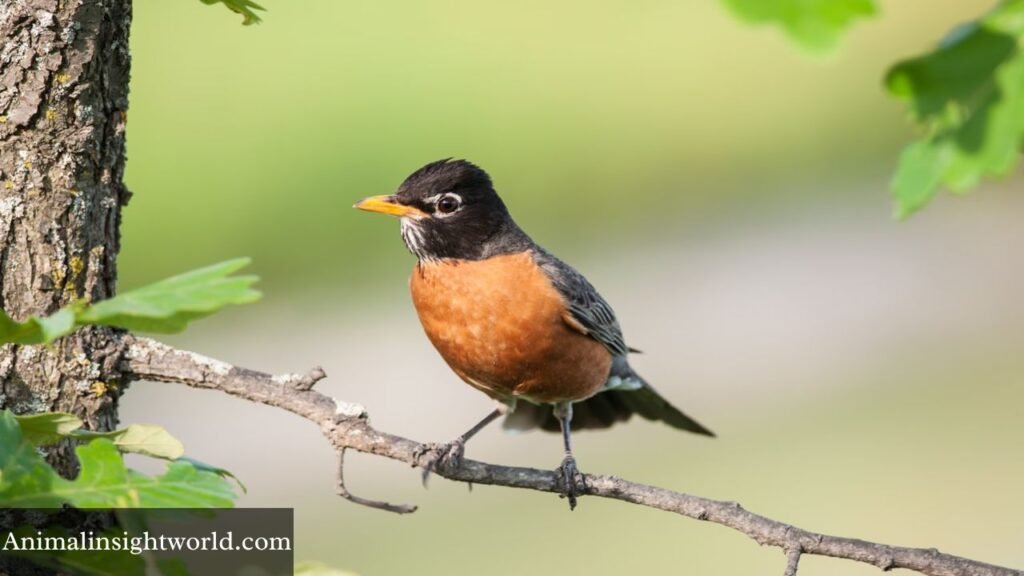
The American Robin, often celebrated for its vibrant orange breast and charming presence in gardens, has a lesser-known talent: it whistles. This melodic capability is not just an auditory delight but also serves crucial roles in communication and territory establishment. As spring arrives, the robin’s cheerful tunes fill the air, signaling the change of seasons and marking their territory with a rich array of whistles and trills. Each note is a distinct sound, conveying everything from mating calls to warnings about potential predators.
Groundhog
Scientific Name: Marmota monax
Class: Mammalia
Diet: Herbivore
Groundhogs, also known as woodchucks, are not just charming burrowers of the American landscape; they possess a unique vocalization that sets them apart — whistling. This engaging whistle serves as a form of communication among groundhogs, signaling alarm or alerting others to potential dangers. With a sharp, shrill sound, their whistle can be a startling reminder of the wildlife thriving just beyond our backyards.
What many may not realize is that this vocal talent plays a crucial role in their social structures. Groundhogs are generally solitary, but during breeding season or when foraging, these whistles can foster a sense of community and alert others to food sources. Observing a groundhog’s interactions, one can appreciate the nuances of their social behavior, where vocalizations are paramount for survival in a world filled with predators.
Elephants
Scientific Name: Loxodonta africana / Elephas maximus
Class: Mammalia
Diet: Herbivore
Elephants are renowned for their intelligence and social structures, but their ability to communicate through a variety of sounds, including whistles, adds another layer to their fascinating lives. These mammals can produce a range of vocalizations, and specific whistles have been observed in different contexts — signaling everything from distress to excitement. Researchers have noted that elephants use these sounds to coordinate group movements, especially in dense forests where visibility is limited, showcasing their remarkable teamwork and kinship.
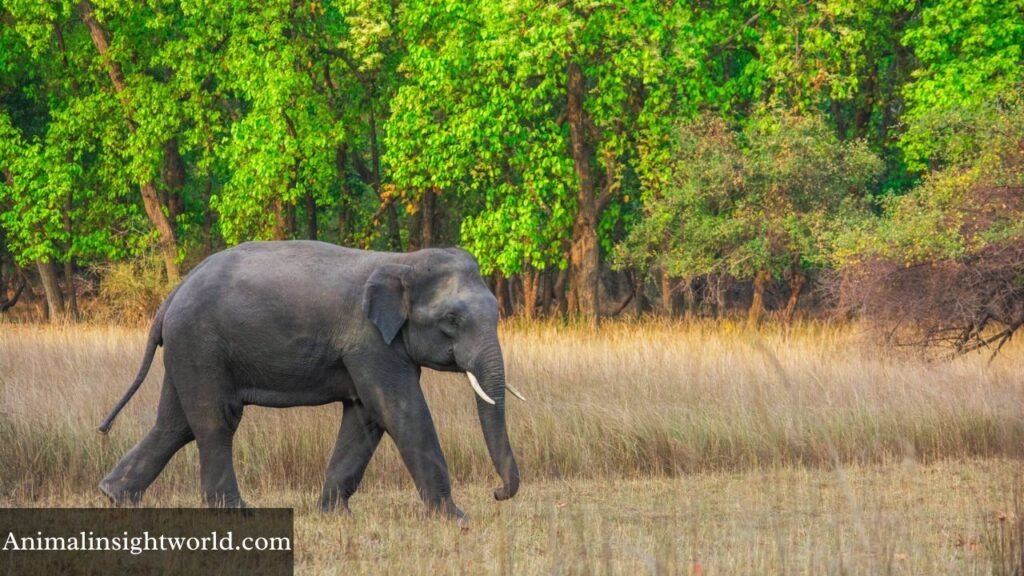
What truly captivates scientists and wildlife enthusiasts alike is the complexity of these whistles. They can vary in pitch, duration, and frequency, suggesting that each whistle may carry a unique meaning. Recent studies have even indicated that elephants can distinguish between different whistles associated with specific threats, allowing them to react intelligently to their environment.
Tundra Swan
Scientific Name: Cygnus columbianus
Class: Aves
Diet: Herbivore
The Tundra Swan, renowned for its striking beauty and graceful flight, is more than just a visual marvel. These birds are named for their unique, high-pitched whistling calls that echo across the icy landscapes of the Arctic tundra. Their vocalizations are not merely for communication; they serve as an orchestra of interactions within their family groups, reinforcing bonds and signaling presence to mates and offspring. Each whistle can be a nuanced message, conveying everything from alarm to affection.
Interestingly, the Tundra Swan’s migratory patterns are closely tied to these sounds. As they journey from their breeding grounds in the Arctic to wintering habitats in the warmer regions of North America, their whistles serve as a GPS of sorts, helping them navigate through vast distances and harsh weather. This auditory ability not only aids in maintaining family cohesion but also ensures safety from potential predators, making their calls a vital survival tool.
Black‑capped Chickadee
Scientific Name: Poecile atricapillus
Class: Aves
Diet: Omnivore
The Black-capped Chickadee, a small songbird found across North America, captivates birdwatchers not just with its striking black and white plumage but also with its remarkable vocal prowess. Known for its distinctive “chick-a-dee-dee-dee” call, this delightful bird employs various whistling notes to communicate and establish territory. Interestingly, the number of “dee” notes included in its call can indicate the level of threat posed by predators, showcasing an intricate form of avian language.
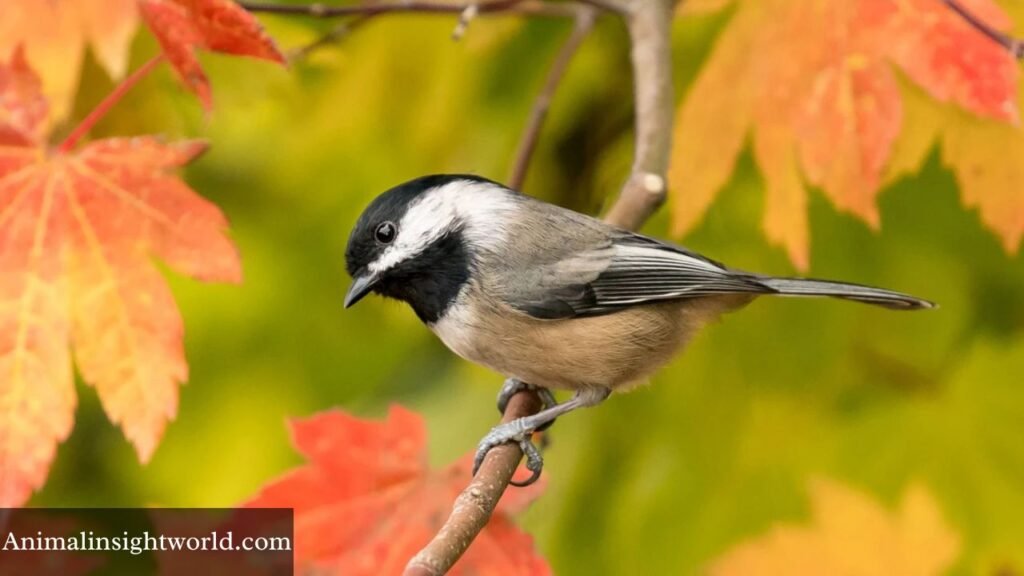
Beyond their vocal talents, Black-capped Chickadees exhibit fascinating social behaviors. These little acrobats often forage in flocks, relying on both cooperation and sharp communication to find food. Their ability to remember individual hiding spots for seeds — sometimes up to thousands — is a testament to their intelligence, making their melodic calls not just a means of communication but also a sign of their cognitive capabilities.
Canary
Scientific Name: Serinus canaria
Class: Aves
Diet: Herbivore/Omnivore
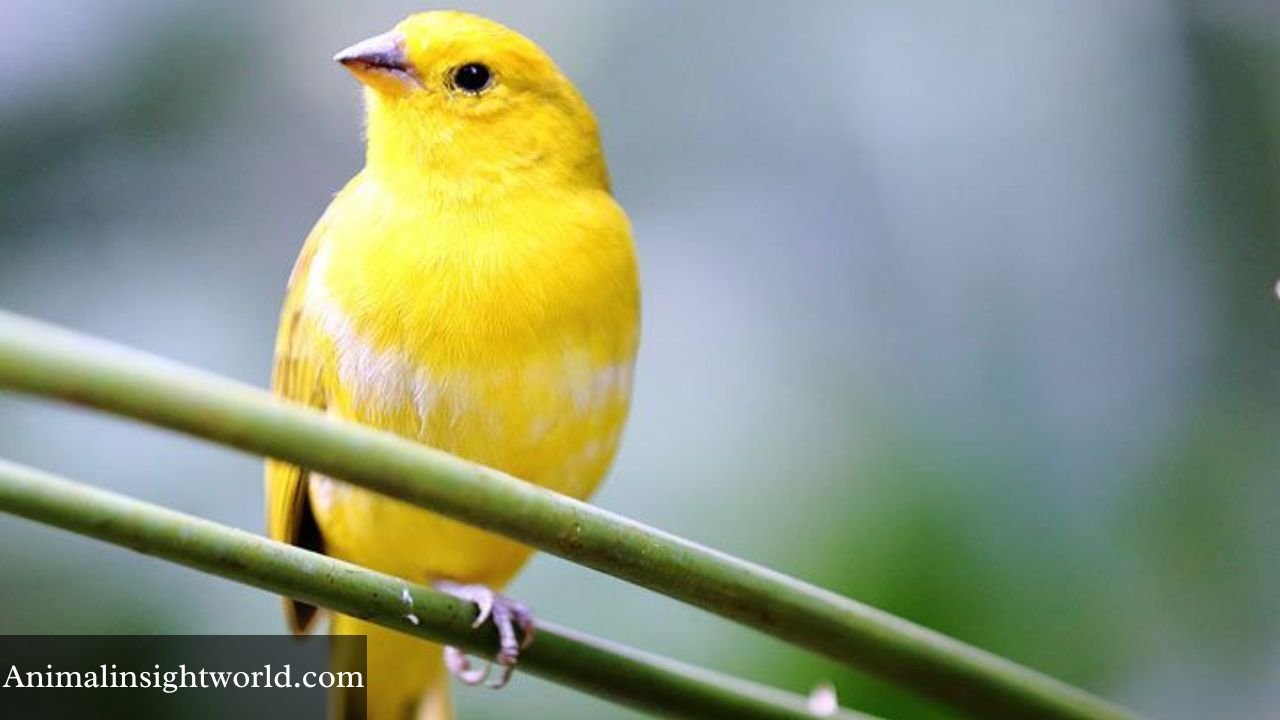
The canary, often celebrated for its vibrant plumage, truly captivates with its enchanting song. Originating from the Canary Islands, these small songbirds have been bred for centuries, resulting in a stunning variety of colors and a remarkable array of whistles. Their melodic whistles aren’t just for show; they serve as a vital means of communication among males, signaling territory and attracting mates. The uniqueness of their song, often referred to as a “canary warble,” can vary immensely from one bird to another, reflecting individual personalities and genetic heritage.
Mice
Scientific Name: Mus musculus
Class: Mammalia
Diet: Omnivore
Mice are often overlooked in the world of whistling animals, yet these small creatures possess a surprising vocal repertoire that includes a variety of whistles. Researchers have found that mice use these whistling sounds primarily for communication, especially during mating rituals. The high-frequency whistles can carry further than other vocalizations, making them effective in dense environments. This adaptation showcases their intricate social behaviors, as they navigate their often tumultuous lives with an impressive degree of nuance.
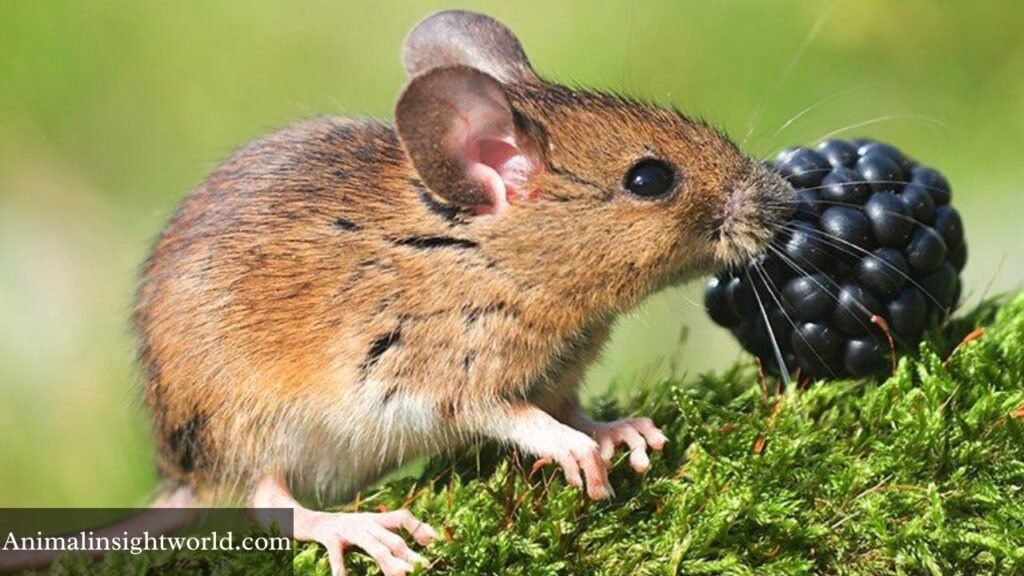
Interestingly, the specific pitches and patterns of these whistles can convey different meanings. For instance, a male mouse might produce a certain whistle to attract a mate, while a different sequence might signal alarm in the presence of a predator. This form of communication not only enhances their chances of survival but also fosters stronger social bonds within their colonies. As we uncover more about these tiny mammals, it becomes clear that their whistling is more than just a sound — it’s a reflection of their complex social dynamics, underscoring the value of even the smallest creatures in the tapestry of nature.
Bats
Scientific Name: Chiroptera
Class: Mammalia
Diet: Mostly insectivore
Bats, often misunderstood, play a fascinating role in the animal kingdom, particularly when it comes to their unique vocalizations. While many associate bats with eerie screeches, certain species, such as the greater spear-nosed bat, engage in a whistling communication that can be both social and functional. These whistles serve not just to attract mates but also to convey specific messages within their groups, showcasing a level of social complexity that rivals that of more commonly celebrated mammals.
What sets these whistling bats apart is their incredible ability to modulate pitch and rhythm, allowing for a nuanced dialogue in the dark. This sonic sophistication helps them navigate dense forest environments where visual cues are limited. Moreover, researchers have discovered that these calls can even reveal information about the bat’s emotional state, adding depth to our understanding of their social interactions.
Readmore: Explore Top 17 Animals That Hop.
Conclusion
The fascinating world of animals that whistle showcases not only the diversity of nature but also the remarkable ways in which species communicate. From the melodious tunes of birds to the unique sounds of marine mammals, these creatures have evolved diverse vocalizations that serve various purposes, from attracting mates to establishing territory. Observing these animals in their natural habitats can deepen our appreciation for the complexities of wildlife and the environments they inhabit. As we continue to study and learn more about these whistling wonders, it’s vital to protect their habitats to ensure their survival. Let’s take a moment to explore nature with open ears and an attentive heart, and consider ways we can contribute to wildlife conservation.
FAQs
What animals can whistle?
Several animals are known for their whistling abilities. Among the most notable are certain species of birds, like the American robin and some parrots, which can produce a variety of whistles as a form of communication. Whistling is often a way for these birds to attract mates or signal to other members of their flock. Dolphins and some whales are known to create whistling sounds as part of their complex vocalizations. These sounds help them communicate in the vast ocean and can convey important information about their surroundings or social interactions.
Which birds can whistle?
Many birds are capable of whistling, with some species particularly known for their melodic skills. Common examples include canaries, known for their delightful tunes, and mockingbirds, which can mimic a wide range of sounds, including whistles. Parrots are also proficient whistlers, often mimicking human sounds and whistling tunes they’ve heard. Other birds, like certain song sparrows and warblers, have beautiful whistling calls as part of their natural communication.
Do dholes really whistle?
Yes, dholes do make whistling sounds. Their vocalizations are quite unique and can include a variety of high-pitched whistles, yips, and barks. These sounds help them communicate with each other while hunting or when they’re in a pack.