Top 20 Animals With Fangs (With Pictures)
Animals with fangs showcase the incredible evolutionary strategies that help them thrive in their environments. This article will uncover the unique adaptations, behaviors, and ecological importance of these fang-bearing animals. By the end, you’ll appreciate how fangs are not just tools for feeding but vital instruments of survival in the wild.
List Of Animals With Fangs
Below is the list of animals that have fangs:
- Tigers
- Vipers
- Wolverine
- Lions
- Mamba
- Vampire Deer
- Hippopotamus
- Baboons
- Jaguars
- Gorilla
- Cats
- Opossums
- Leopard
- Puma
- Vampire Fish
- Wolf
- Bears
- Vampire Bats
- Dogs
- Cobras
Tigers
Scientific Name: Panthera tigris
Class: Mammalia
Diet: Carnivore
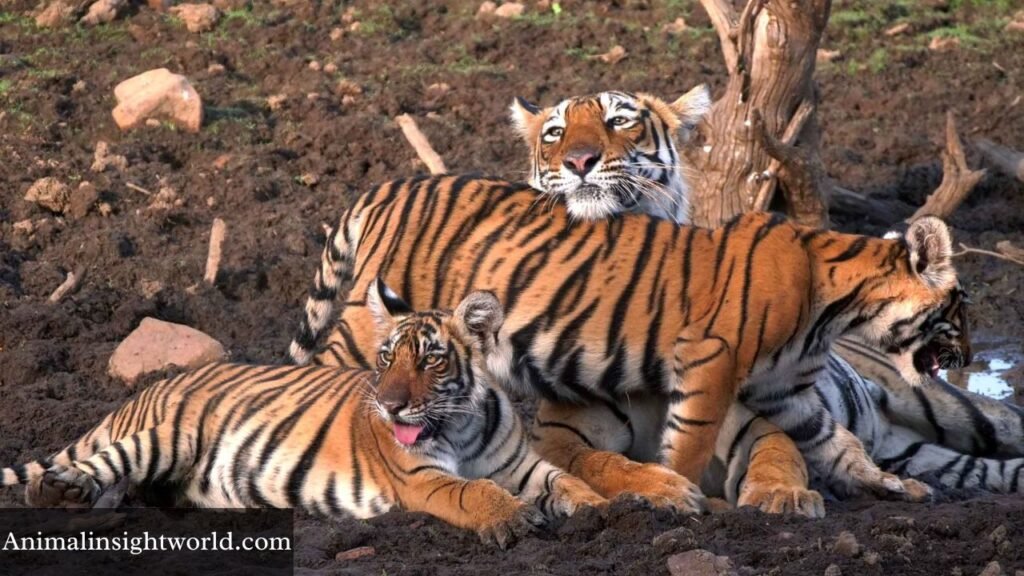
Tigers, the apex predators of the jungle, possess fangs that are not just formidable tools for hunting but are also marvels of evolution. Each upper canine can measure up to three inches long, allowing these majestic cats to deliver a lethal bite that can penetrate thick hides and crush bones. Unlike many other carnivores, tigers have a unique dental structure that minimizes wear, enabling them to maintain sharpness throughout their lives. This adaptation is crucial, as their hunting strategy relies on stealth and power, striking swiftly to take down prey like deer and wild boar.
Vipers
Scientific Name: Viperidae
Class: Reptilia
Diet: Carnivore
Vipers, with their distinctive fang structure, are a fascinating study in evolutionary specialization. Unlike many snakes, vipers possess long, hinged fangs that can swivel open and closed, allowing them to deliver venom deep into their prey with remarkable efficiency. This adaptation is not just for show; it’s a survival mechanism that has enabled vipers to thrive in diverse environments, from arid deserts to lush rainforests. The potency of their venom varies widely among species, revealing an intricate balance in nature where some vipers immobilize prey quickly, while others have venom that can digest tissue, making for a nutritious meal.
Beyond their lethal capabilities, vipers also display an intriguing array of behaviors that reveal their adaptability and cunning. Many species are expert camouflagers, blending seamlessly into their surroundings to ambush unsuspecting prey. A striking example is the Gaboon viper, adorned with intricate patterns that mimic fallen leaves and forest floor debris. This natural artistry serves a dual purpose: not only does it conceal the snake from predators, but it also enhances its stealth as a hunter.
Wolverine
Scientific Name: Gulo gulo
Class: Mammalia
Diet: Omnivore
Wolverines, despite their relatively small size, are often misconceived as mighty beasts due to their ferocious nature and impressive fangs. These resilient creatures, belonging to the weasel family, are equipped with sharp, curved canines that serve a multifaceted purpose. Not only do these fangs help them secure and tear apart prey — often larger animals — they also enable wolverines to defend their territory fiercely against larger predators, showcasing an impressive tenacity that belies their stature.
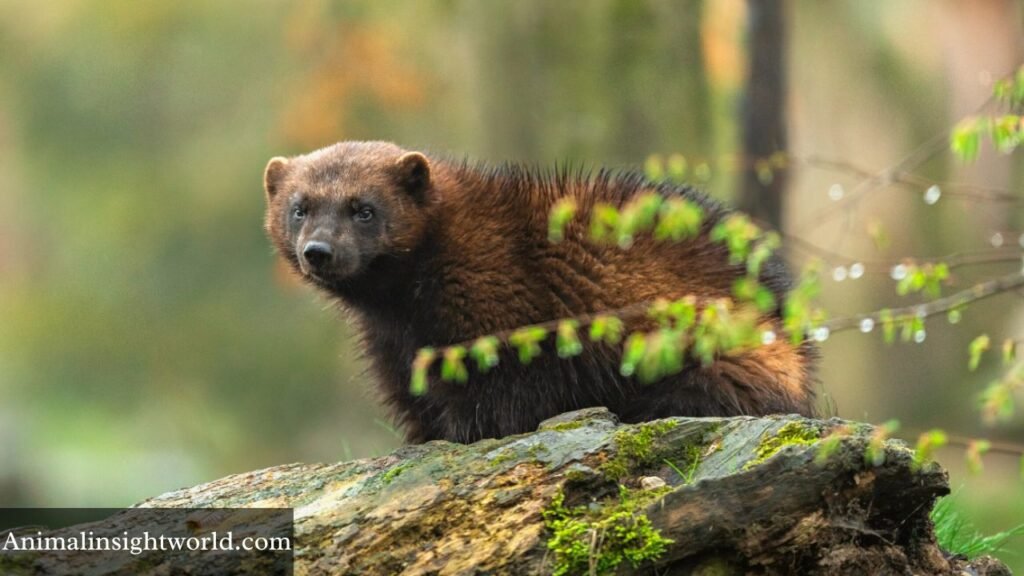
What truly captivates scientists and wildlife enthusiasts alike is the wolverine’s unique adaptability to harsh environments. With their fangs and powerful jaws, they can crack open frozen carcasses in the frigid landscapes of the Arctic, turning them into invaluable survival tools. This ability to feast on the remnants of winterkill, coupled with their solitary and elusive nature, evokes a sense of intrigue about their role in the ecosystem. In a world where survival often hinges on adaptability, the wolverine stands out not just for its fangs, but for its embodiment of resilience in the face of environmental challenges.
You can also read: Explore Top 21 Animals With Sharp Claws.
Lions
Scientific Name: Panthera leo
Class: Mammalia
Diet: Carnivore
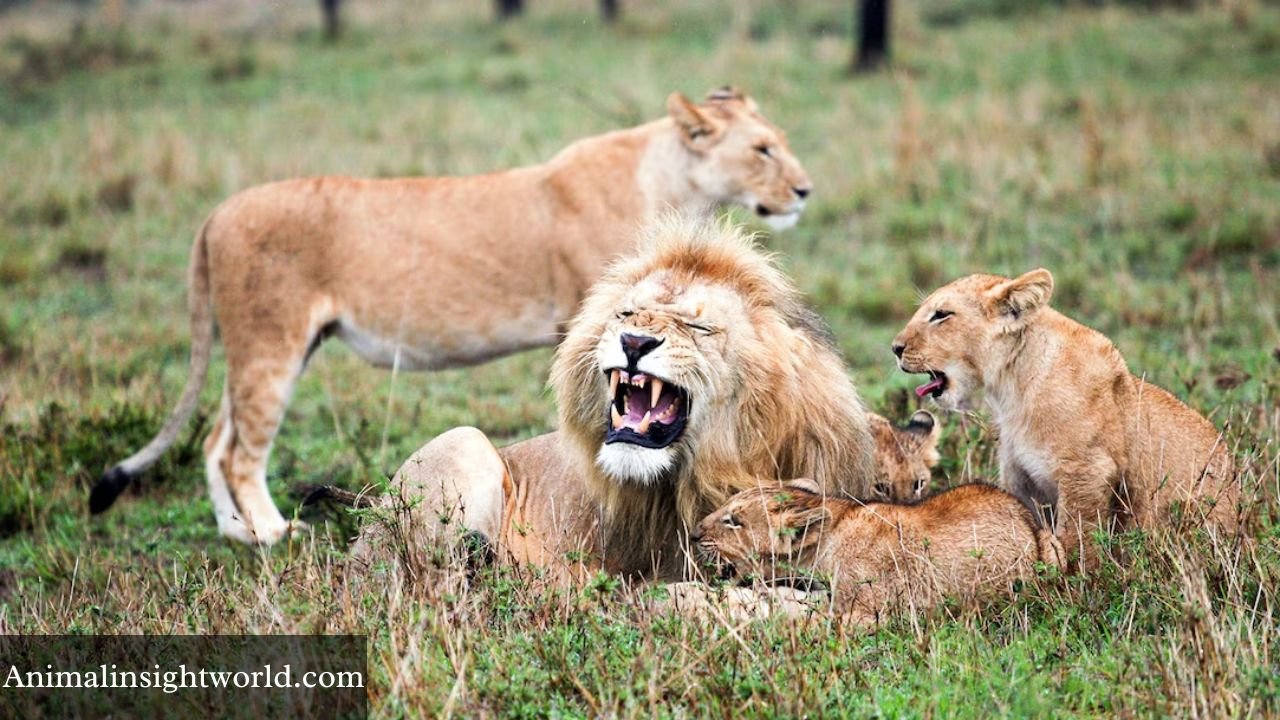
Lions, often called the “kings of the jungle,” wield fangs that are as much a symbol of power as they are tools for survival. Their elongated canine teeth, reaching up to three inches in length, play a critical role in their hunting strategy — not just for puncturing flesh, but also for gripping and holding onto prey during a chase or a struggle. This adaptation allows them to dominate the African savannah, where their strength and strategy can be observed in the intricate hunt of large ungulates.
Interestingly, lion fangs serve a dual purpose. Beyond their use in capturing food, they are vital in social interactions within prides. These formidable teeth come into play during displays of dominance or in establishing hierarchies among pride members. The very sight of a lion baring its fangs can convey authority and command respect, a silent language understood among these majestic creatures.
Mamba
Scientific Name: Dendroaspis
Class: Reptilia
Diet: Carnivore
The black mamba, a creature of both grace and menace, is renowned for its striking appearance and lethal potency. With fangs that can deliver one of the most toxic venoms on the planet, this snake embodies the duality of beauty and danger. These elongated fangs, reaching up to 1.5 centimeters, are perfectly adapted for a swift, deep bite, allowing the mamba to inject venom quickly and efficiently. Interestingly, the snake’s vibrant coloring — varying shades of olive to brown — offers remarkable camouflage among the foliage, turning its surroundings into both shelter and hunting ground.
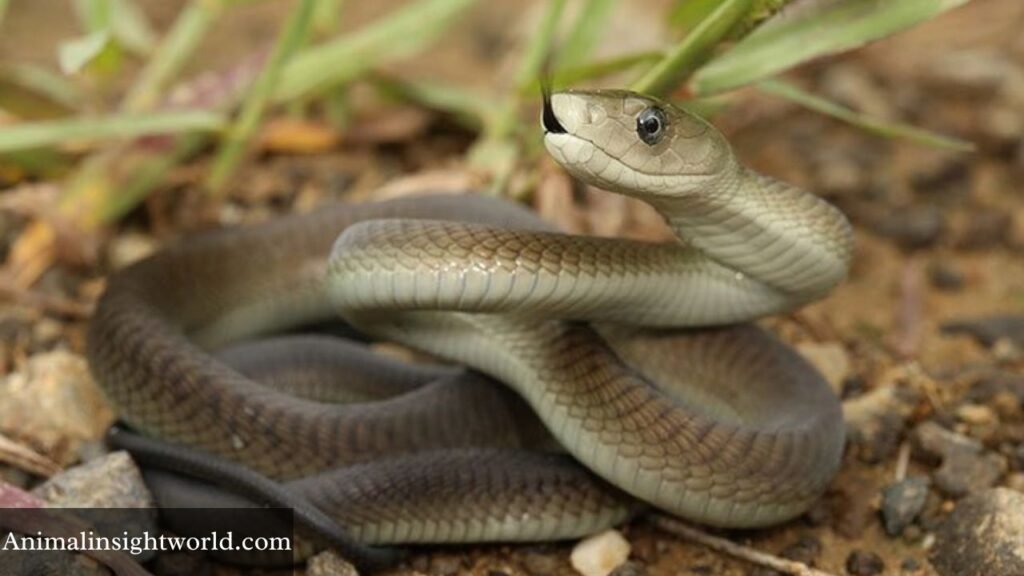
Beyond its notorious reputation, the black mamba also showcases extraordinary intelligence. Unlike many snakes that rely solely on ambush tactics, this agile predator is known for its speed and ability to outmaneuver threats. In fact, it can travel at speeds of up to 12 mph, making it one of the fastest snakes alive. But despite its ferocity, the black mamba is not inherently aggressive; it tends to avoid confrontation and will often flee when threatened, highlighting a fascinating paradox in its behavior.
Vampire Deer
Scientific Name: Hydropotes inermis
Class: Mammalia
Diet: Herbivore
Vampire deer, or the tufted deer, possess a unique charm that challenges our conventional perceptions of nature’s design. Unlike their more docile relatives, these enchanting creatures sport strikingly elongated canine teeth that can reach up to three inches long. These fangs aren’t just for show; they play a significant role in the males’ mating rituals and aggressive displays, transforming their otherwise gentle demeanor into a more formidable presence during the breeding season.
What sets them apart, however, is their elusive behavior and habitat. Preferring the dense underbrush of China and Southeast Asia, tufted deer often go unnoticed by humans. Their haunting, dark eyes and tuft of hair atop their heads give them a fairy-tale quality, while those sharp canines symbolize nature’s inherent contrasts: beauty mixed with the wild. By embracing their role as both prey and competitor in a complex ecosystem, vampire deer remind us of the diverse adaptations that allow life to thrive in the most unexpected forms.
Hippopotamus
Scientific Name: Hippopotamus amphibius
Class: Mammalia
Diet: Herbivore
Hippopotamuses are often recognized for their enormous size and massive mouths, but what many might overlook are their sizable fangs, which can reach up to 16 inches long. These impressive tusks, while primarily used for defense and social displays, reveal a fascinating layer to the hippo’s character beyond their seemingly docile demeanor. Many people envision hippos lazily lounging in water, yet these formidable fangs emerge as a testament to their aggressive temperament, protecting their territory in densest wetlands of Africa.
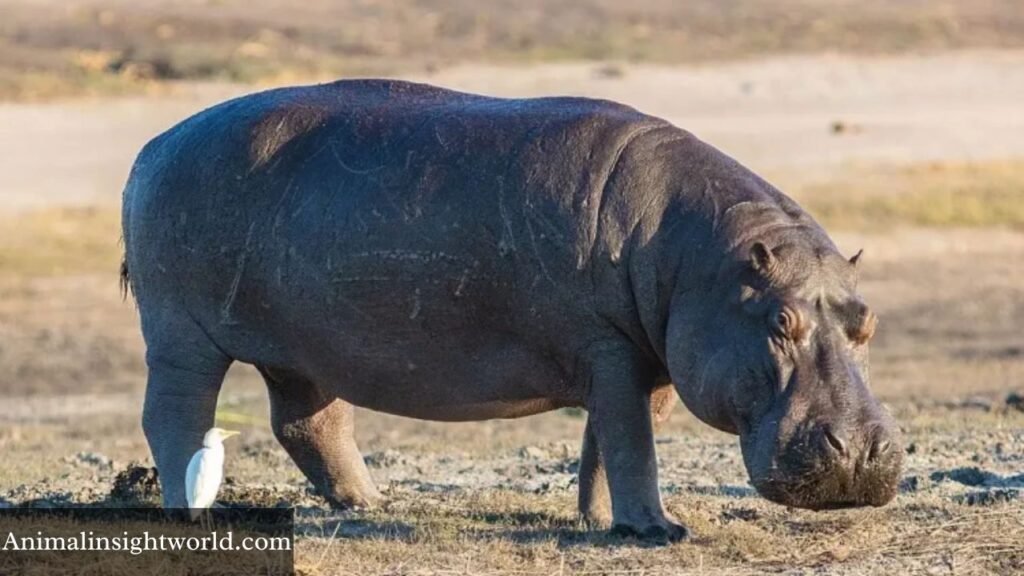
Interestingly, hippo fangs are not just tools for combat; they play a role in their social hierarchy as well. During confrontations, males will clash their teeth in a display of strength, often aiming to intimidate rivals without engaging in a full-blown fight. This behavior highlights the complex communication skills of these animals, emphasizing that their fangs are not merely weapons, but also instruments of diplomacy in the animal kingdom.
Baboons
Class: Mammalia
Diet: Omnivore
Baboons, often perceived as playful and social creatures, possess a less charming feature: their impressive fangs. These canine teeth can grow to lengths of up to two inches, serving as a remarkable tool for both social dominance and survival. Unlike the traditional view of baboons as mere foragers, their fangs signpost a fascinating duality in their behavior — while they are highly social animals that thrive in troops, the display of fangs underscores a deeply ingrained hierarchy and territory defense.
What’s particularly intriguing is how these fangs are not just weapons; they’re instruments of communication. In the tension-filled moments of troop dynamics, a well-timed baring of fangs can convey everything from playful aggression to a warning against encroachment. Observing a baboon flash its teeth in a non-threatening way often reveals layers of social strategy, showing that these animals navigate complex relationships not just through vocalizations but also through their formidable dental arsenal. Understanding the multifaceted role of fangs in baboon society paints a richer picture of these fascinating primates, revealing their intelligence and adaptability in a world of both camaraderie and competition.
Jaguars
Scientific Name: Panthera onca
Class: Mammalia
Diet: Carnivore
Jaguars, the majestic big cats of the Americas, are often lauded for their raw power and striking beauty. Their fangs, long and menacing, are not just tools for hunting; they are evolutionary masterpieces. These impressive canines enable jaguars to deliver a crushing bite that can penetrate the shells of turtles and crack through the thick hides of prey like capybaras. In fact, their bite force is one of the strongest of all felines, demonstrating a remarkable adaptation to their diverse diet.
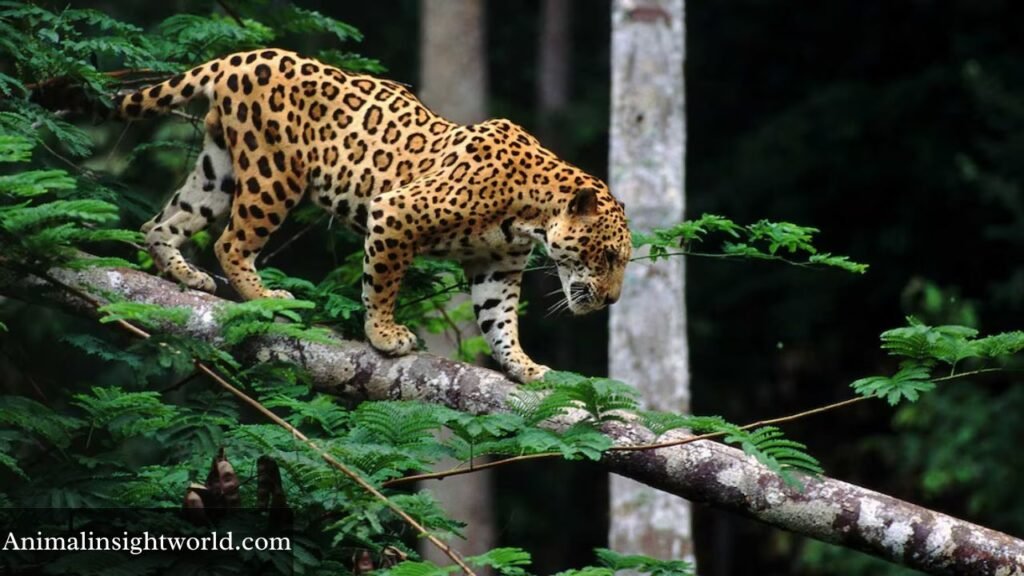
What sets jaguars apart from other big cats is their unique hunting strategy. Unlike lions or leopards, which typically engage in stealthy stalk-and-pounce tactics, jaguars often opt for a more ambush-style approach. With their fangs, they strike with incredible speed, usually targeting the skull or shell of their prey, ensuring a swift and efficient kill. This tactical prowess not only highlights their physical adaptations but also their intelligence in the wild. Every bite and every calculated movement speaks to the intricate dance of survival in their lush rainforest habitats, making jaguars fascinating subjects for study in both biology and behavior.
Gorilla
Scientific Name: Gorilla gorilla
Class: Mammalia
Diet: Herbivore
Gorillas, often associated with their formidable size and strength, possess a fascinating dental feature: their impressive fangs. While many people may overlook this aspect, the gorilla’s canine teeth serve more than just a purpose for display; they play a significant role in social dynamics and communication within troops. Males, especially, develop elongated canines that can exceed two inches in length, a striking feature that accentuates their dominance during interactions with rivals and potential mates.
These fangs are not primarily weapons but rather signals of maturity and social hierarchy. During confrontations, a gorilla might showcase its canines to establish presence and authority without resorting to violence. This display is emblematic of their complex social structure, where nonverbal communication often prevails.
Cats
Scientific Name: Felis catus
Class: Mammalia
Diet: Carnivore
Felines are often celebrated for their sleek elegance and playful charm, but their fangs tell a compelling story of survival and adaptation. Unlike the typical portrayal of house cats as cuddly companions, these creatures possess sharp, retractable canines designed for efficient hunting. When extended, these fangs serve not only to grasp and immobilize prey but also to deliver a swift, fatal bite. This unique dental adaptation allows even the smallest domestic cat to tap into its fierce ancestral instincts, revealing a hidden wildness beneath their fluffy exteriors.

Opossums
Scientific Name: Didelphidae
Class: Mammalia
Diet: Omnivore
Opossums, often misunderstood, boast a set of impressive fangs that set them apart in the animal kingdom. These nocturnal marsupials wield their sharp teeth not for aggression but as a means of defense against potential threats. When faced with danger, opossums have a unique strategy: rather than confront, they often play dead, but should an attacker come too close, their fangs can deliver a fierce warning. With up to fifty teeth, including elongated canines, they exhibit a delightful combination of dental prowess and evolutionary adaptation.
Not only are these fangs functional, but they also play a crucial role in the opossum’s diet. As omnivores, they feast on a range of foods, from fruits to insects, benefiting immensely from their ability to chew through tough exteriors. This adaptability in feeding behavior allows them to thrive in diverse habitats, making them excellent scavengers. Interestingly, thanks to their immune systems, opossums are resistant to many diseases, including rabies, making them an underappreciated asset in controlling vermin populations. Thus, the opossum and its fangs symbolize resilience in the wild — a fascinating blend of defense and survival strategies in our urban ecosystems.
Leopard
Scientific Name: Panthera pardus
Class: Mammalia
Diet: Carnivore
Leopards, with their striking rosettes and powerful builds, wield fangs that are essential tools for survival in the wild. Unlike the prominent canines of lions, a leopard’s fangs are more discreet but equally formidable. These sharp weapons not only help in gripping and immobilizing prey but also play a crucial role in the leopard’s unique hunting style — stealth and agility. When stalking through the dense underbrush, their keen senses and those lethal fangs work in tandem to deliver a swift kill, ensuring they thrive in diverse habitats, from grasslands to forests.
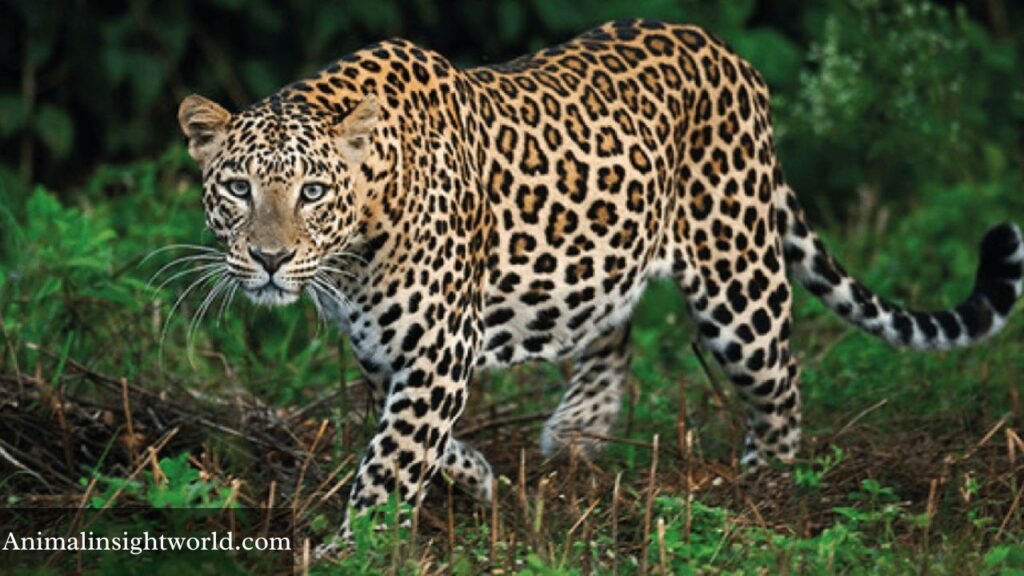
Beyond mere hunting, leopards use their fangs in social interactions, asserting dominance over territory and rivals. Their silent, calculated approach often contrasts with the roaring displays of other big cats, emphasizing their solitary nature. Moreover, when nursing their young, mothers use their fangs not just for protection, but to carry their cubs to safety, showcasing a softer side to this formidable predator.
Puma
Scientific Name: Puma concolor
Class: Mammalia
Diet: Carnivore
The puma, often underestimated due to its sleek physicality, wields a mouthful of impressive fangs that serve as both tools and weapons in its wilderness domain. These elongated canines, crucial for delivering a swift and lethal bite, hint at the species’ evolutionary adaptation to a variety of prey, from small rodents to larger ungulates. Their impressive dentition not only allows for effective hunting, but also plays a role in their social interactions, signaling dominance during confrontations or territorial disputes.
What sets the puma apart is its adaptability and stealth. Rather than relying solely on brute force, these big cats have evolved to be expert ambush predators, using their fangs in tandem with their powerful limbs for a swift attack. Observations show that their hunting technique often involves stalking quietly through the underbrush until they can leap onto their unsuspecting prey, using those fangs to secure a swift kill. This blend of agility, patience, and precision underscores the puma’s role as one of nature’s most formidable hunters, reminding us that sometimes, less is more when it comes to raw power and evolutionary prowess.
Vampire Fish/Payara
Scientific Name: Hydrolycus scomberoides
Class: Actinopterygii
Diet: Carnivore
Among the myriad of life lurking beneath the world’s waters, the vampire fish stands out not just for its awe-inspiring fangs but for the complex role it plays in its ecosystem. This predatory fish possesses elongated, razor-sharp teeth that can grow up to six inches in length, enabling it to snag slippery prey like piranhas or smaller fish. What makes the payara particularly fascinating isn’t just its menacing appearance; it employs a unique hunting technique that combines stealth and surprise, darting through the murky waters of the Amazon and Orinoco river basins.
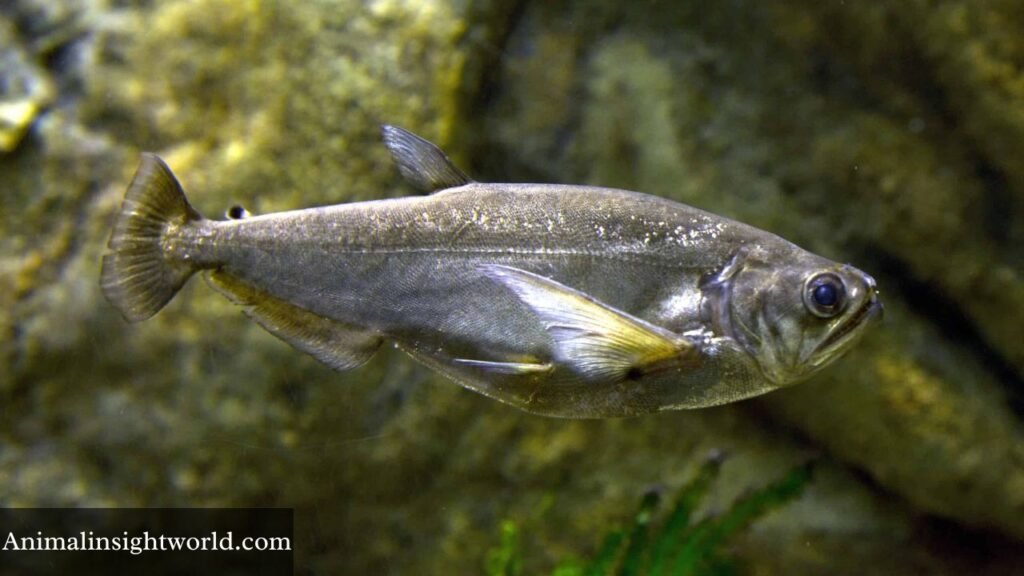
But beyond its fearsome demeanor, the vampire fish challenges our perceptions of predation in freshwater ecosystems. Unlike many predators that rely on strength or camouflage, the payara’s fangs represent an evolutionary specialization, allowing it to capture prey with agility and precision
Wolf
Scientific Name: Canis lupus
Class: Mammalia
Diet: Carnivore
Wolves are not just symbols of wilderness; their fangs are remarkable tools of survival, intricately designed by evolution. These elongated canine teeth serve multiple purposes — primarily for hunting and consuming prey. A wolf’s fangs are perfectly suited for gripping and tearing flesh, allowing these skilled predators to efficiently dispatch animals much larger than themselves, from deer to bison. But it’s not merely brute force that defines their hunting prowess; it’s the pack mentality. Working collaboratively, wolves leverage their fanged weapons in a strategic orchestration of tactics that showcases their intelligence and adaptability.
Interestingly, wolves also utilize their fangs in social interactions within the pack. Communication is vital in maintaining their social structure, and a gentle nip or a display of their impressive fangs can convey a wide range of emotions, from playfulness to dominance. This complex interplay of social behavior highlights their dual role as both fierce hunters and intricate social creatures.
Bears
Scientific Name: Ursidae
Class: Mammalia
Diet: Omnivore
Bears are often perceived as gentle giants, yet their fangs tell a different story. While their massive size and strength are intimidating, it’s their impressive set of canine teeth that portrays their role as opportunistic omnivores. These fangs, which can grow up to two inches long, are not just for tearing into meat; they also play a pivotal role in their largely herbivorous diet. When foraging for berries or roots, bears use their fangs to help break down tough plant materials, demonstrating nature’s ingenuity in crafting multipurpose adaptations.
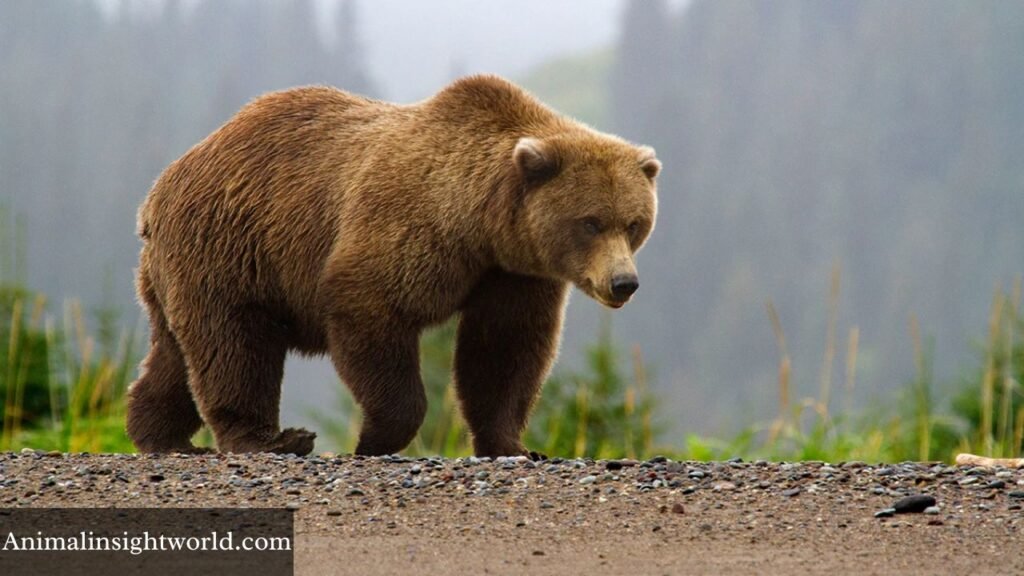
Moreover, the fangs of bears signify more than just prowess in hunting or feeding; they communicate their health and vitality within social dynamics. A bear’s fangs can reveal its age and physical condition, serving as an unspoken language during confrontations or mating rituals. In essence, these formidable teeth are a crucial aspect of the bear’s identity, balancing between fearsome carnivorous traits and essential herbivorous needs, showcasing the complex interplay of survival strategies in the wild. Their fangs, therefore, serve not only as weapons but also as vital tools in the ongoing tapestry of life in their diverse habitats.
Vampire Bats
Scientific Name: Desmodus rotundus
Class: Mammalia
Diet: Hematophagous
Vampire bats, the infamous bloodsuckers of the night, possess an intricate social structure that often goes unnoticed. Unlike the solitary nature attributed to many predators, these bats form tight-knit colonies and rely heavily on social interactions for survival. With their keen sense of loyalty, they often share food within the group, showcasing remarkable altruism. If one bat fails to feed, others will regurgitate blood to ensure its survival — an act that reflects the compelling dynamics of cooperation in the wild.
Beyond their intriguing social habits, vampire bats have evolved specialized adaptations that make their feeding surprisingly efficient. Their elongated fangs are not only sharp but also equipped with anticoagulants, allowing them to extract blood without alerting the host to their presence. This evolutionary edge has not only made them formidable nocturnal feeders but also fascinating subjects for scientific research, particularly in the development of blood-thinning medications.
Dogs
Scientific Name: Canis lupus familiaris
Class: Mammalia
Diet: Omnivore
Dogs, often seen as loyal companions, also possess unique evolutionary traits that echo their wild ancestors. While not every dog showcases pronounced fangs like wolves, these canines carry a set of elongated teeth that serve more than just a decorative purpose. In breeds with a more pronounced fang structure, these incisors reflect their history as hunters and scavengers, enabling them to tear into prey or defend their territory.

Interestingly, the way dogs use their fangs varies dramatically across breeds. A Greyhound, with its sleek, athletic frame, might rely more on speed and agility, reducing the emphasis on using its fangs for hunting. In contrast, breeds like the Rottweiler or the Belgian Malinois often have a more pronounced bite force, which speaks to their roles in protection and herding.
Cobras
Scientific Name: Naja
Class: Reptilia
Diet: Carnivore
Cobras, renowned for their elegant postures and striking hoods, are not just visually captivating; their fangs are a testament to their adaptive prowess. These snakes possess a unique set of hollow fangs that allow them to deliver venom with surgical efficiency. Unlike some reptiles, cobras can control the amount of venom they inject, enabling them to conserve their resources in non-lethal encounters, a fascinating example of ecological intelligence.
Yet, it’s not just their venom that sets them apart. Cobras are also remarkable communicators in the animal kingdom, displaying intricate behaviors to warn off threats. When they feel cornered, they raise their hoods and exhibit a menacing posture, employing both visual and auditory signals — as their iconic hiss reverberates through the air. This serves as a reminder that their fangs, while lethal, are but one aspect of a rich tapestry of survival strategies honed over millions of years.
Readmore: Explore Top 17 Animals With Whiskers .
Final Words
Animals with fangs play a crucial role in their ecosystems, showcasing the diverse ways nature has equipped creatures for survival. From the powerful bite of a tiger to the venomous fangs of a snake, these adaptations highlight not only the beauty of evolution but also the delicate balance of life. Understanding these fascinating animals can deepen our appreciation for biodiversity and the roles each species plays within its habitat. As we continue to explore the natural world, let us commit to nurturing and protecting the environments that support these unique creatures. Together, we can ensure that future generations will have the chance to marvel at the wonders of wildlife.
FAQs
Which animal has the longest fangs?
The hippopotamus has some of the longest canine teeth of any land animal, with fangs that can grow up to 16 inches long. These impressive teeth are primarily used for defense and can inflict serious damage. Despite their seemingly docile nature, hippos are incredibly territorial and protective, which makes their formidable fangs a crucial part of their survival.
Which animal has fangs?
Many animals possess fangs, primarily those in the predator category. Notable examples include snakes, which use their fangs to inject venom into their prey. Species like cobras and vipers are well-known for their highly developed fangs. Mammals such as cats and dogs also have fangs, though they’re less pronounced than those in snakes. In big cats like lions and tigers, these elongated canines help them secure and subdue their prey. Overall, fangs are a key adaptation for hunting and defense in various species.
Which fish has fangs?
Several fish species sport formidable fangs, but one of the most notable is the fangtooth. This deep-sea dweller is aptly named for its oversized teeth that can be more than an inch long. Despite its terrifying appearance, the fangtooth is relatively small, growing only up to 6 inches in length.