
Explore Top 21 Animals With Scales (With Images)
Animals with scales, like reptiles and fish, play crucial roles in our ecosystems, and their unique adaptations offer fascinating insights into survival. In this article, we will explore the diverse world of scaled animals, revealing their behaviors, habitats, and why they are more vital to our environment than many realize.
List of Animals With Scales
Here is the list of animals that have scales:
- Texas Horned Lizard
- Butterfly
- Arapaima
- Armadillos
- Green Iguana
- Goldfish
- Moth
- Common Carp
- Gila Monster
- Great White Shark
- Pangolins
- American Alligator
- Atlantic Sturgeon
- Monitor Lizard
- Gecko
- Tuataras
- Turtles
- Blue-Tongued Skink
- Eastern Diamondback Rattlesnake
- Caecilians
- Crocodiles
Texas Horned Lizard
Scientific Name: Phrynosoma cornutum
Class: Reptilia
Diet: Insectivore
The Texas horned lizard, often nicknamed the “horned toad,” is a fascinating example of evolutionary adaptation. This remarkable reptile is not just a creature of striking appearance but a master of camouflage, effortlessly blending into the arid landscapes of Texas’ deserts. Its flattened, spiky body and distinctive horns serve not only as a defense mechanism against predators but also as an effective means of regulating temperature, allowing it to thrive in extreme environments.

Beyond its stunning exterior, the Texas horned lizard plays a fundamental role in its ecosystem, primarily feeding on ants. This unique diet highlights the interconnectedness of species — while the lizard controls ant populations, it also serves as prey for larger animals. Unfortunately, habitat loss and declining ant populations have threatened their survival, underscoring the importance of conservation efforts. By understanding and protecting this ecological keystone, we embrace a broader narrative of biodiversity, reminding us of the intricate balance of our natural world and the scales of life that hold it together.
Butterfly
Scientific Name: Rhopalocera
Class: Insecta
Diet: Herbivore
While we often picture reptiles and fish when thinking of animals with scales, the mesmerizing world of butterflies introduces us to an astonishing variation of this concept. Butterfly wings are adorned with tiny, overlapping scales that create a kaleidoscope of colors and patterns. These scales are not merely decorative; they serve crucial roles in thermoregulation and camouflage, allowing butterflies to absorb heat and blend seamlessly into their environments.
Furthermore, the structure of these scales is a marvel of nature’s engineering. Each scale can reflect specific wavelengths of light, resulting in iridescent hues that can change depending on the angle of view. This optical phenomenon, known as structural coloration, captivates researchers and artists alike, revealing the intricate connection between form and function. As butterflies flutter through gardens, their scaled wings serve as a reminder of nature’s artistry and the hidden complexities that lie beneath their delicate surfaces.
Arapaima
Scientific Name: Arapaima gigas
Class: Actinopterygii
Diet: Carnivore
The Arapaima gigas, one of the largest freshwater fish in the world, flaunts a striking body covered in thick, bony scales that provide it both armor and elegance. These scales, shimmering like polished armor, serve more than just a protective function; they play a crucial role in the fish’s buoyancy and movement through the dense waters of the Amazon Basin. What’s particularly fascinating is how these scales are arranged in a way that allows the Arapaima to glide silently, an adaptation that aids its predatory skills, assuring it remains both hunter and hunted in its intricate aquatic ecosystem.
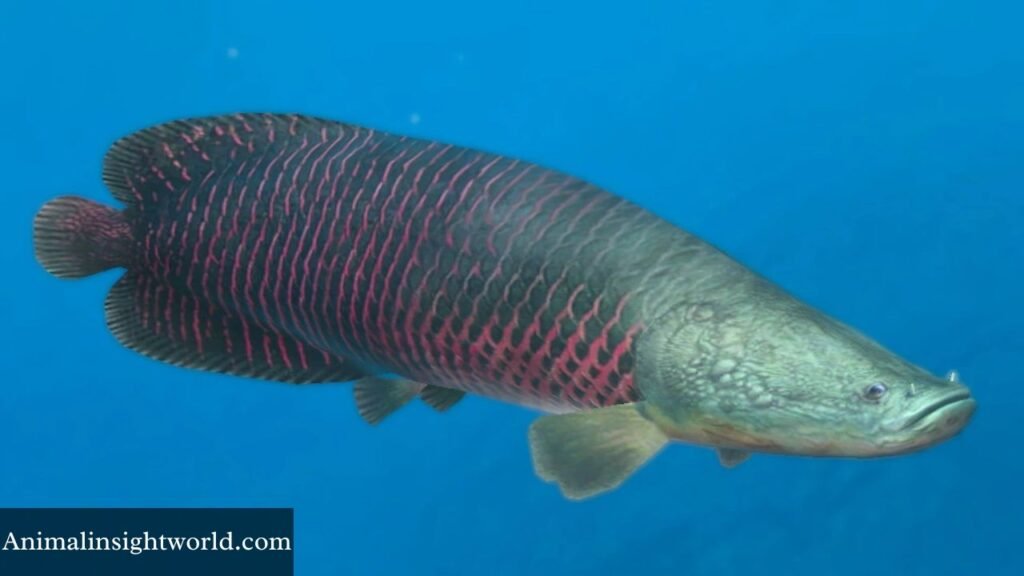
Unlike typical fish, the Arapaima possesses an air bladder that functions like a lung, allowing it to surface for air every 15 to 20 minutes. This unique respiratory adaptation not only showcases its evolutionary ingenuity but also makes it a keystone species in maintaining the ecological balance in its habitat. However, with its grandeur comes vulnerability; overfishing and habitat destruction have threatened its populations, reminding us of the delicate interplay between nature’s marvels and human activity. The Arapaima’s impressive presence in the waters of the Amazon serves as a compelling call for conservation efforts, urging us to appreciate and protect these magnificent creatures that glide through our planet’s wild heart.
Armadillos
Scientific Name: Dasypodidae
Class: Mammalia
Diet: Omnivore
Armadillos, often viewed as quirky little creatures, possess a remarkable evolutionary adaptation in their scaled armor, made from bony plates called osteoderms. These scales serve more than just a protective role; they are a stunning example of natural design. The flexibility of their armor allows armadillos to roll into a tight ball, a behavior seen in only a few other species, providing a stunning defense mechanism against predators. This unique feature not only keeps them safe but also showcases their intelligence in adapting to adverse situations.
Moreover, armadillos are fascinating in their ecological niche. They play a crucial role as insectivores, keeping the populations of insects like ants and termites in check, which indirectly supports healthier ecosystems. These little armored mammals are also known for their leaping abilities, making them surprisingly agile despite their tough exterior. Their ability to burrow deep into the earth further expands their repertoire, allowing them to seek shelter or thermoregulate in extreme temperatures — an adaptation that highlights their resiliency in various habitats.
Green Iguana
Scientific Name: Iguana iguana
Class: Reptilia
Diet: Herbivore
The Green Iguana, a fascinating symbol of reptilian elegance, possesses more than just striking appearance — it boasts a remarkable survival strategy with its scales. These scales serve as a protective armor, shielding the iguana from predators as well as the harsh environmental conditions of its native tropical habitats. Beyond mere defense, the scales play a crucial role in thermoregulation, helping the iguana to maintain its body temperature through absorption and reflection of heat from the sun.
In addition to their protective function, the vibrant, sometimes iridescent scales of the Green Iguana are a form of communication. During mating season, males display more vivid colors and puff up their bodies, showcasing their scalation as a form of courtship to attract females. This dynamic interplay between physical characteristics and behavior not only heightens the iguana’s allure but also highlights the complexity of their social interactions. Thus, the Green Iguana is not just a lizard with scales; it’s a master of adaptation, blending artistry and survival in a single, captivating package.
Goldfish
Scientific Name: Carassius auratus
Class: Actinopterygii
Diet: Omnivore
Goldfish, often celebrated for their vibrant hues and flowing fins, are a fascinating case study in the world of scaled animals. Unlike reptiles or many other fish, goldfish have a unique pattern of scales that adds beauty and complexity to their appearance. These scales not only provide protection from external threats but also play a crucial role in their locomotion and buoyancy in water, demonstrating a remarkable adaptation to aquatic life.
Beyond their aesthetic appeal, goldfish scales possess a range of textures that contribute to their health. The scales are covered in a protective slime layer that helps fend off parasites and infections, acting like a natural barrier and showcasing an evolutionary advantage. Moreover, when exposed to light, these scales can reflect and refract sunlight, creating mesmerizing displays of color that captivate observers and inspire countless aquarium designs. This combination of beauty and function highlights the sophisticated balance of evolution, making goldfish not just pets but also a window into the wonders of aquatic ecosystems.
Moth
Scientific Name: Lepidoptera
Class: Insecta
Diet: Herbivore
Moths, often overshadowed by their more colorful butterfly relatives, exhibit a fascinating relationship with scales that goes beyond mere aesthetics. Each scale on a moth’s wing acts like a tiny prism, reflecting light in unique ways that can create stunning displays of iridescence. This dazzling feature isn’t just for show; it serves critical purposes like camouflage and mate attraction, allowing moths to blend into their surroundings or stand out during courtship rituals.
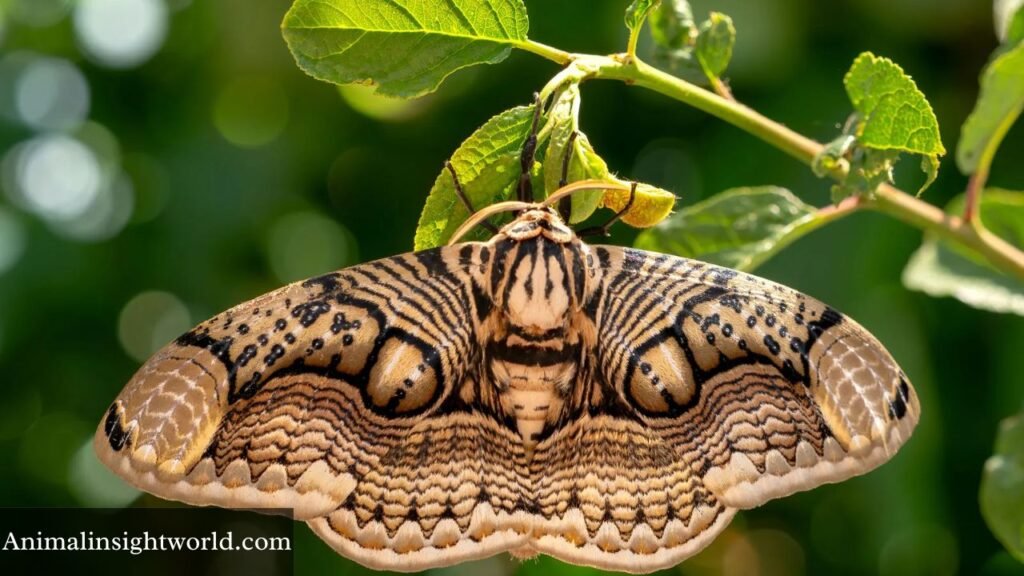
Moreover, the scales of a moth have evolved to meet various environmental challenges. Some species feature scales that are not only vibrant but also resistant to water, allowing them to thrive in diverse habitats. This adaptation showcases how nature’s designs can provide functional benefits while still embracing beauty. By understanding the role of scales in moths, we gain a deeper appreciation for these often-overlooked creatures and their vital importance in ecosystems as pollinators and as indicators of environmental health.
Common Carp
Scientific Name: Cyprinus carpio
Class: Actinopterygii
Diet: Omnivore
The Common Carp, with its shimmering scales, embodies the intricate balance of beauty and adaptability in aquatic ecosystems. These fish are often misunderstood; while they may be prevalent in many freshwater habitats, their role extends far beyond mere presence. Carp are remarkable for their omnivorous diet, which enables them to thrive in varied environments, consuming everything from algae to insects, thereby maintaining ecological health in their habitats.
Lesser-known is the Carp’s unique behavior during seasonal changes. In colder months, these resilient fish exhibit an intriguing adaptation by slowing their metabolism and seeking deeper waters to survive harsh conditions. This behavior underscores not just their physical toughness but also their instinctual wisdom as they navigate diverse ecosystems. As they spawn in spring, the spectacular scenes of swirling water and vibrant colors reveal a fascinating snapshot of the intricate life cycles that ensure the species’ persistence. Observing Common Carp reminds us that behind their seemingly simple existence lies a story of tenacity and ecological significance, contributing to biodiversity in rivers and lakes around the world.
Gila Monster
Scientific Name: Heloderma suspectum
Class: Reptilia
Diet: Carnivore
The Gila monster, a fascinating reptile native to the deserts of the Southwestern United States and Mexico, showcases a striking array of colors and textures that make it a standout in the animal kingdom. Its scales are not just for show; they serve critical functions in thermoregulation and moisture retention, helping this hardy creature thrive in arid environments. Interestingly, the Gila monster’s skin is composed of osteoderms — bony deposits embedded within the dermis — that contribute to its resilience, making it one of the few venomous lizards in the world.

Despite their fearsome reputation, Gila monsters are typically lethargic, often basking under the sun or retreating into their burrows during the hottest parts of the day. Their unique venom, which is delivered through grooves in their teeth, is an evolutionary adaptation primarily used to subdue prey such as small mammals and birds. This fascinating mechanism reveals the complexity of their feeding behavior and raises questions about evolutionary strategies among reptiles. In a world where we often overlook the subtleties of lesser-known species, the Gila monster reminds us of the intricate connections that exist within ecosystems and the vital roles that all creatures, scales included, play in maintaining the balance of their habitats.
Great White Shark
Scientific Name: Carcharodon carcharias
Class: Chondrichthyes
Diet: Carnivore
The Great White Shark, a marvel of evolutionary design, showcases an impressive adaptation in its scales — or lack thereof. Instead of traditional scales, the Great White is covered in a unique type of rough skin composed of tiny, tooth-like structures known as dermal denticles. These denticles not only reduce drag as the shark cuts through the water but also serve a crucial role in protecting against parasites and injuries. This evolutionary innovation makes the Great White an efficient predator, mastering both the art of stealth and speed.
Beyond their formidable appearance, Great Whites possess an intricate sensory system that works in tandem with their dermal denticles. They can detect electromagnetic fields generated by other beings, allowing them to sense prey from impressive distances. This remarkable ability combined with their skin’s texture creates a predatory efficiency that few can rival. As these creatures glide through their oceanic realms, they serve as a reminder of the intricate balance of nature and the fascinating adaptations that allow life to thrive in even the most challenging environments.
Pangolins
Scientific Name: Pholidota
Class: Mammalia
Diet: Insectivore
Pangolins, often referred to as the “scaly anteater,” are fascinating creatures that embody the intricate relationship between evolution and survival. These unique mammals are covered in keratin scales — an adaptation that not only serves as armor against predators but also as a means of regulating their body temperature. Unlike reptiles, pangolins are warm-blooded, yet their scales offer a protective barrier that is critical to their survival in the wild. Interestingly, these scales are so tough that they can withstand the bite of larger predators, demonstrating a remarkable aspect of natural engineering that has developed over millions of years.

Despite their captivating features, pangolins face significant threats from poaching and habitat loss, largely due to the high demand for their scales in traditional medicine and luxury goods. This has led to them becoming one of the most trafficked mammals globally. Conservation efforts are crucial, but they also reveal a paradox; the very traits that make pangolins iconic are the same ones that draw harmful human attention. As we deepen our understanding of these enigmatic creatures, we uncover not just a narrative of survival and adaptation, but also a poignant reminder of the need for preservation and respect towards biodiversity in a rapidly changing world.
American Alligator
Scientific Name: Alligator mississippiensis
Class: Reptilia
Diet: Carnivore
The American alligator, a mesmerizing icon of the swamp, showcases a fascinating interplay of evolution and adaptability through its scaly armor. These rugged scales, composed of keratin and bone, serve as both a defense mechanism and an adaptation to its aquatic lifestyle. Unlike many reptiles, alligators have bony plates called osteoderms embedded within their skin, offering resilience against predators, while also providing buoyancy as they glide through the water.
What sets the American alligator apart isn’t just its formidable exterior; it’s the intricate adaptations it has made to thrive in both freshwater lakes and brackish marshes. Their scales are not merely protective; they also play a pivotal role in thermoregulation, allowing these reptiles to bask in the sun while maintaining an optimal body temperature. The nurturing behavior of alligator mothers — who carefully guard their nests and even transport hatchlings to safety — reveals a complexity of social behavior that belies their fearsome reputation.
Atlantic Sturgeon
Scientific Name: Acipenser oxyrinchus
Class: Actinopterygii
Diet: Carnivore
The Atlantic Sturgeon, a prehistoric fish that has graced our oceans for over 200 million years, is adorned with fascinating scales that are more than just protective armor. These bony plates, known as scutes, give the sturgeon an ancient appearance, reminiscent of a living fossil. Unlike typical fish scales, scutes are embedded in the skin, providing added durability while allowing the sturgeon to glide gracefully through turbulent waters. This impressive adaptation not only serves as a defense mechanism against predators but also aids in their remarkable ability to navigate varying aquatic environments.

Moreover, the Atlantic Sturgeon plays a crucial role in its ecosystem, serving as a bioindicator for water quality, due to its sensitivity to environmental changes. These giants migrate upstream to spawn, traveling hundreds of miles and thus facilitating nutrient cycling between freshwater and saltwater habitats. Their presence in rivers is an indicator of a healthy aquatic ecosystem, making their conservation vital. As we explore their habitats, it’s essential to consider the human impact on their survival. With ongoing threats like pollution and habitat destruction, protecting the Atlantic Sturgeon is not only about preserving a unique species but also about safeguarding the intricate balance of our freshwater and estuarine ecosystems.
Monitor Lizard
Scientific Name: Varanus
Class: Reptilia
Diet: Carnivore
Among the fascinating creatures that sport scales, the monitor lizard stands out for its striking presence and adaptability. These reptiles possess an incredible array of colors and patterns, which not only serve as camouflage in their varied habitats — from arid deserts to lush forests — but also reflect their complex ecological roles. With some species reaching impressive lengths of over ten feet, monitor lizards are more than just a feast for the eyes; they’re apex predators in their ecosystems, helping to maintain the balance of wildlife populations.
What truly sets monitor lizards apart is their remarkable intelligence, often likened to that of mammals. They exhibit problem-solving abilities and social behaviors uncommon in reptiles, including the use of tools. These lizards have been observed hunting cooperatively, showcasing strategic thinking that captivates researchers. Their keen sense of sight and smell assists them not only in hunting but also in communication, as they often display intricate body language and chemical signaling through their tongue-flicking behavior, deepening our understanding of reptilian social interactions. Their beauty, intelligence, and unique behaviors make the Secretary Bird a fascinating subject of study and admiration in the avian world.
Gecko
Scientific Name: Gekkonidae
Class: Reptilia
Diet: Carnivore
Geckos, with their enchanting array of colors and patterns, are a striking example of the incredible adaptations found in animals with scales. These small reptiles not only captivate with their vibrant appearance but also showcase remarkable features like their ability to climb smooth surfaces effortlessly. A special adaptation of gecko skin, covered in microscopic hair-like structures called setae, allows them to adhere to a diverse range of materials. This amazing trait enables them to navigate precarious environments and evade predators with unmatched agility.
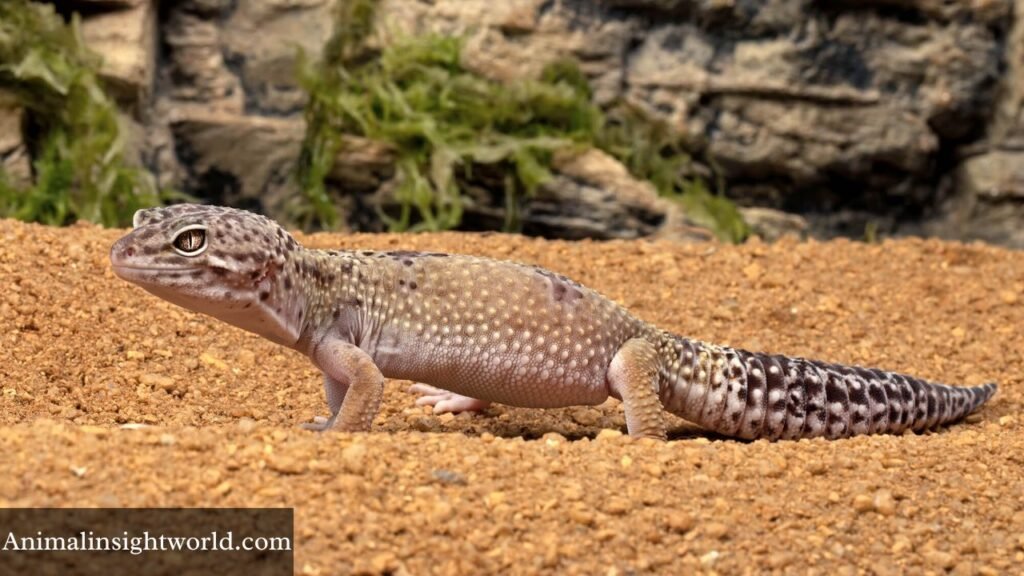
Moreover, the scales of a gecko play a vital role in their survival. Many species possess the ability to shed their tails when threatened, a phenomenon known as autotomy. This dramatic evasion tactic not only distracts predators but also creates an opportunity for the gecko to escape unharmed. Once the danger has passed, the gecko can regrow its tail, demonstrating the remarkable resilience of nature. With these unique adaptations, geckos highlight the fascinating interplay between evolutionary pressure and animal behavior, inspiring curiosity and awe in anyone fortunate enough to observe them.
Tuataras
Scientific Name: Sphenodon punctatus
Class: Reptilia
Diet: Carnivore
Tuataras are unique reptiles often referred to as “living fossils,” as they embody traits from the age of dinosaurs, yet possess distinctive characteristics that set them apart from their scaled relatives. Unlike most reptiles, tuataras have a third eye, known as the parietal eye, which is located on the top of their heads. This organ helps regulate circadian rhythms and may play a role in thermoregulation, showcasing an evolutionary adaptation unheard of in other reptiles. Their scales, while similar to those of lizards, have a more pronounced structure, resembling small, bony plates rather than traditional overlapping scales.
One of the most fascinating aspects of tuataras is their incredible longevity, often living up to 100 years. This extended lifespan allows researchers to study their unique adaptive traits over generations, offering insights into the impacts of climate change on slow-reproducing species. Unlike other reptiles, tuataras maintain a lower body temperature, which may be a significant factor in their ability to thrive in cooler environments. Their nocturnal behavior and preference for moist, shaded habitats further distinguish them, making the tuatara a remarkable example of evolutionary resilience in a world increasingly reshaped by human activities.
Turtles
Scientific Name: Testudines
Class: Reptilia
Diet: Omnivore
Turtles are fascinating not just for their slow-paced lifestyle but for their unique adaptations. Beneath their hard shells lies a remarkable structure; each turtle’s shell is comprised of hundreds of scutes, or scales, made of keratin, the same material found in human fingernails. This tough exterior serves a dual purpose: protection from predators and environmental conditions, while also playing a critical role in their buoyancy and mobility in water.
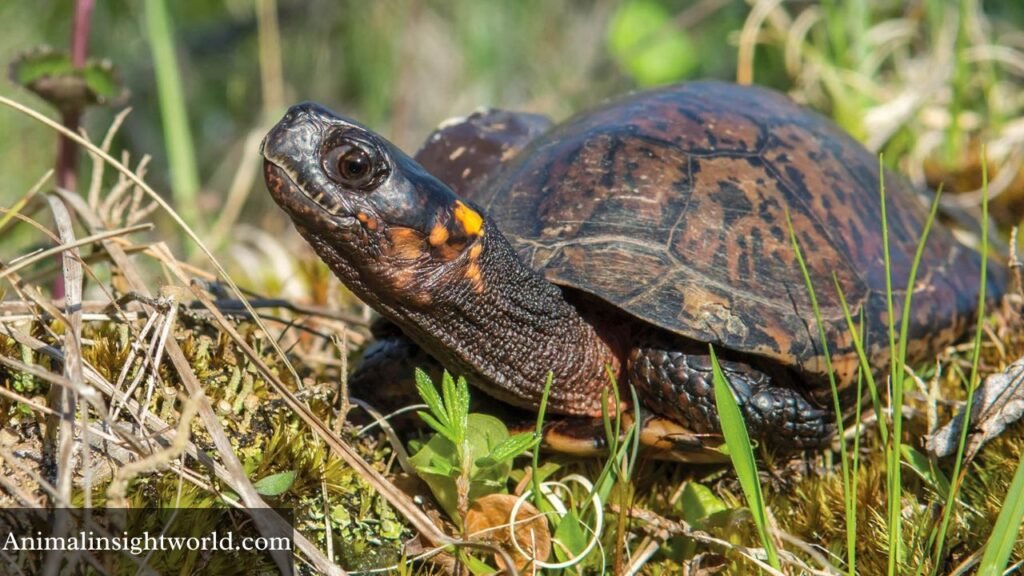
Interestingly, the evolutionary lineage of turtles stretches back over 200 million years, making them one of the oldest surviving reptile groups. Their scales, while similar in function to those of other reptiles, are intricately layered and can even provide clues to their age and health. Some species, like the ornate box turtle, can exhibit an array of colors and patterns, which can be essential for camouflage and mating displays. As such, the study of turtle scales not only reflects their ecological roles but also deepens our understanding of evolutionary biology and the adaptability of life forms across millennia.
Blue-Tongued Skink
Scientific Name: Tiliqua scincoides
Class: Reptilia
Diet: Omnivore
The blue-tongued skink, a remarkable lizard native to Australia and New Guinea, is known not only for its stunning scales but also its unique defense mechanism. When threatened, these skinks display their vibrant blue tongues in a vivid display, a behavior that often startles predators and can buy them time to escape. This striking coloration serves not only as a warning but also as a form of mimicry, suggesting the presence of more dangerous creatures to potential threats.
Their scales come in various patterns and colors, ranging from earthy browns to vibrant reds, which help them blend into their surroundings. Beyond aesthetics, these scales play a crucial role in protecting them from the harsh elements of their environments, providing insulation and reducing water loss. Furthermore, the blue-tongued skink’s diet of insects, fruit, and vegetables reveals their adaptability, showcasing a connection between their biology and the ecosystems they inhabit. Observing these fascinating reptiles not only highlights their unique traits but also underscores the intricate relationships within their habitats, inviting us to appreciate the delicate balance of nature.
Eastern Diamondback Rattlesnake
Scientific Name: Crotalus adamanteus
Class: Reptilia
Diet: Carnivore
The Eastern Diamondback Rattlesnake, known as one of North America’s largest venomous snakes, possesses a striking pattern of dark diamonds against a lighter background. This coloration not only serves as camouflage in its natural habitat of the southeastern United States but also reflects the intricate beauty of nature’s designs. The scales of this formidable serpent are not merely protective armor; they play a vital role in its behavioral adaptations. Each scale has a unique texture that aids in locomotion, allowing the snake to glide effortlessly over various terrains, from sandy dunes to dense underbrush.

Beyond their aesthetic and functional beauty, these scales are a marvel of evolutionary engineering. Embedded beneath each scale is a layer of specialized cells that provide sensitivity to vibrations, enabling the rattlesnake to detect the movement of its prey, a skill that enhances its hunting prowess. The rattle at the end of its tail, a cluster of interlocking keratin segments, is a distinctive feature that serves as a warning system in the wild — an audio cue that has deterred many potential threats. However, this fascinating serpent’s relationship with its environment extends beyond predation; it plays a crucial role in maintaining the ecological balance, controlling populations of small mammals and pests, thereby influencing the health of the entire ecosystem.
Caecilians
Scientific Name: Gymnophiona
Class: Amphibia
Diet: Carnivore
Caecilians, often overshadowed by their more glamorous amphibian relatives like frogs and salamanders, emerge as fascinating enigmas within their own realm. While they may not possess scales in the traditional sense, their smooth, elongated bodies are often covered in a layered skin texture that offers both protection and a unique adaptability. These limbless creatures have evolved in diverse habitats, from tropical rainforests to the subterranean depths, showcasing an incredible ability to navigate multiple environments.
What’s particularly captivating about caecilians is their sensory prowess. Lacking conventional eyesight, they rely on specialized skin cells to detect vibrations in their surroundings, akin to a living sonar system. This adaptation allows them to hunt effectively in the dark, underground realms they often inhabit. Furthermore, some species exhibit a surprising level of parental care, a rarity among amphibians, wherein mothers nourish their young with their own skin in an act of maternal devotion that underscores the complexities of their life cycle. Exploring the world of caecilians reveals not just a hidden biodiversity but also the intricate threads of survival woven through evolution’s tapestry.
Crocodiles
Scientific Name: Crocodylidae
Class: Reptilia
Diet: Carnivore
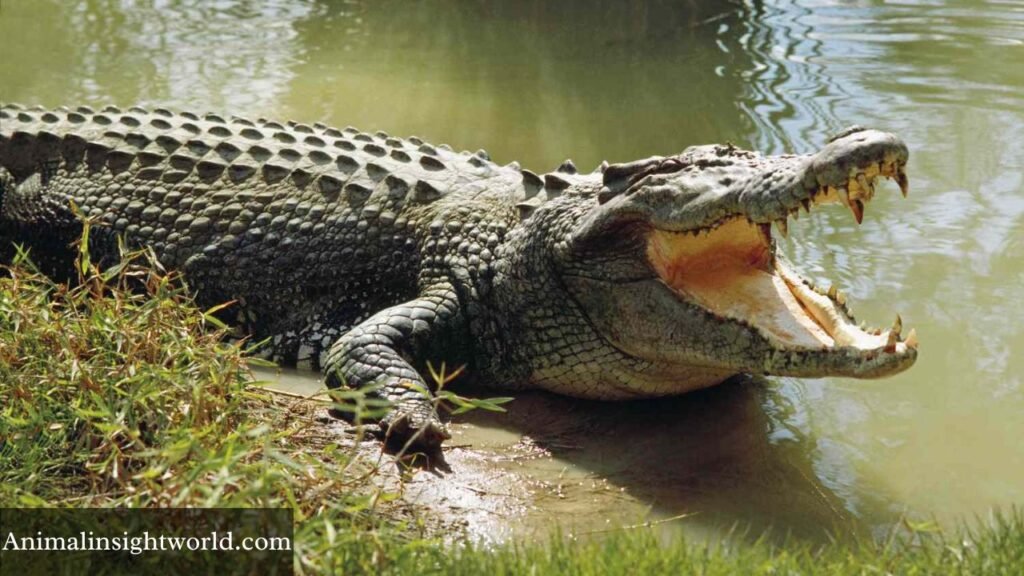
Crocodiles, often regarded as living fossils, are fascinating creatures that exemplify the remarkable adaptability of animals with scales. Their tough, scaly armor not only provides protection but also plays a crucial role in their thermoregulation. When basking in the sun, these reptiles can absorb heat through their scales, a process that allows them to efficiently manage their body temperature, especially in the fluctuating climates of their habitats. This unique adaptation underscores their evolutionary success, enabling them to thrive in diverse environments ranging from rivers to swamps.
In addition to their physical prowess, crocodiles exhibit complex social behaviors that reveal a surprising level of intelligence often overlooked by the casual observer. They communicate through a variety of vocalizations and body language, establishing hierarchies within their social groups. Interestingly, maternal care in crocodiles is exceptional among reptiles, with females actively guarding their nests and even aiding their hatchlings to water, showcasing a nurturing instinct that adds depth to their reputation as formidable predators. This combination of adaptability, communication, and maternal instinct makes crocodiles not just survivors but integral players in their ecosystems, shedding light on the rich tapestry of life in aquatic environments.
Readmore: Explore Top 17 Animals With Red Eyes.
Final Thoughts
Animals with scales play a vital role in maintaining the balance of ecosystems around the world. From the vibrant colors of tropical fish to the formidable armor of reptiles, these creatures exhibit an incredible diversity that fascinates researchers and nature enthusiasts alike. Their unique adaptations not only help them survive in a variety of habitats but also contribute to the health of the environments they inhabit. As human activities increasingly threaten these species, it is essential that we recognize their importance and work towards protecting their natural habitats. Let us take proactive steps to ensure that future generations can enjoy the wonders of scaled animals and the ecosystems they support.
FAQs
What mammal has scales?
The only mammals known to have scales are monotremes, specifically the echidna and the platypus. Among these, the echidna is often highlighted for its unique features. While it doesn’t have scales in the traditional sense, it possesses spiny keratinized structures on its back that offer protection. These spines are not true scales like those found in reptiles but serve a similar defensive purpose.
What animals have scales?
Animals with scales include reptiles, fish, and some mammals. Reptiles like snakes and lizards have protective scales that help with moisture retention and temperature regulation. Fish, such as salmon and trout, also sport scales that provide protection and aid in movement through water. In addition to these, certain mammals like pangolins have unique scales made of keratin, which serve as armor against predators.