Top 21 Animals With Sharp Claws (Pictures Included)
Animals with sharp claws are able to grip and tear through surfaces effortlessly. For many animals, sharp claws are more than mere physical features; they are crucial instruments for survival. In this article, we will explore various species that boast formidable claws and reveal how these adaptations contribute to their hunting and defensive strategies. Prepare to discover how these claws have shaped their lives and ecosystems, offering insights into the intricate balance of nature.
List of Animals With Sharp Claws
Here is the list of animals with sharp claws:
- Star-nosed Mole
- American Black Bear
- Jaguar
- Harpy Eagle
- Giant Anteater
- Polar Bear
- House Cat
- Wolverine
- Bald Eagle
- Sloth
- American Badger
- Tiger
- Armadillo
- Secretary Bird
- Great Horned Owl
- Lion
- Komodo Dragon
- Alligators
- Mountain Lion
- Grizzly Bear
- Red Kangaroo
Star-nosed Mole
Scientific Name: Condylura cristata
Class: Mammalia
Diet: Carnivore
The star-nosed mole, a creature that seems straight out of a fantastical tale, is more than just its unusual appearance; it’s a marvel of evolutionary adaptation. With its 22 fleshy appendages radiating from its snout, this small mammal boasts one of the most sensitive tactile organs in the animal kingdom. Each of these star-like protrusions is equipped with thousands of sensory receptors, allowing the mole to detect and identify food with incredible speed and precision, even in the murky depths of its wetland habitat.

Yet, what truly sets the star-nosed mole apart is its unique approach to navigating its environment. Unlike many mammals that rely heavily on vision, this mole is nearly blind, relying instead on its extraordinary sense of touch. The rapid and rhythmic movements of its star, akin to a delicate dance, allow it to forage for worms and insects in just a fraction of a second. This intriguing strategy highlights the adaptability of nature, showcasing that survival can take many forms — while some creatures may see their way through the world, others, like the star-nosed mole, feel their way through life with unmistakable finesse.
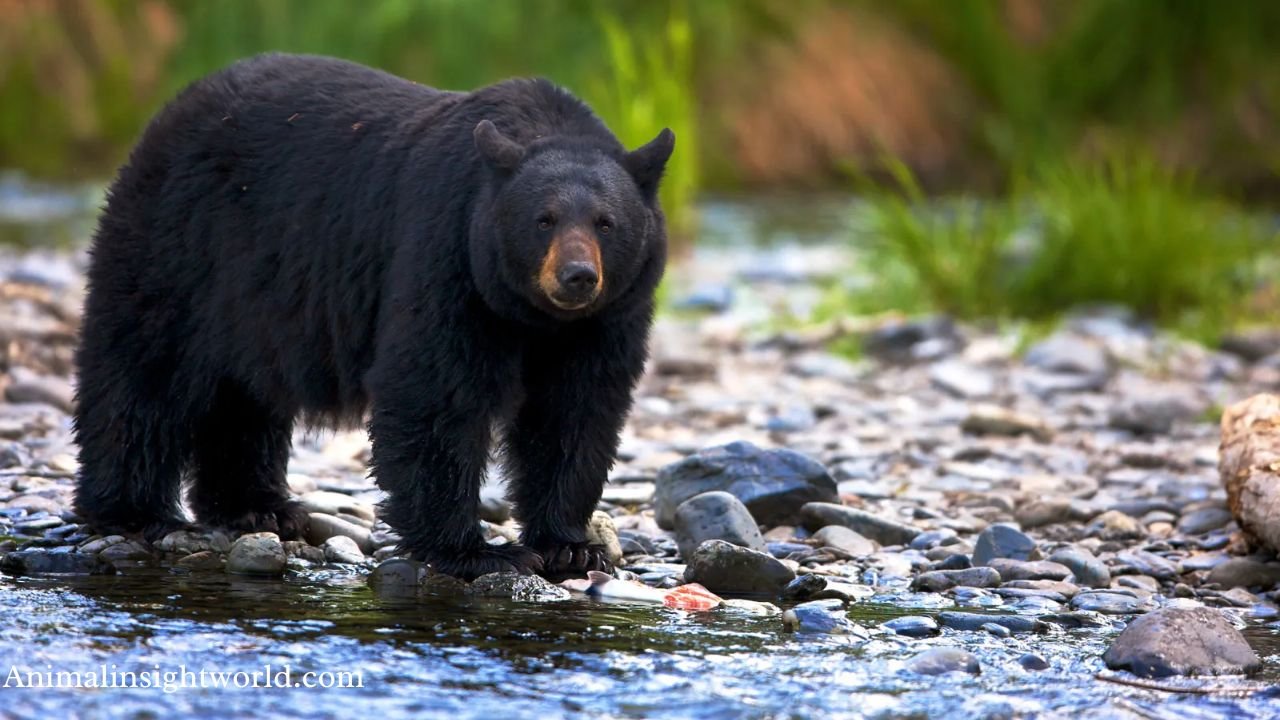
American Black Bear
Scientific Name: Ursus americanus
Class: Mammalia
Diet: Omnivore
The American Black Bear, with its sleek fur and striking contrast between black and brown shades, embodies both grace and strength. While commonly associated with North American forests, these bears are incredibly adaptable, thriving in a variety of habitats from swamps to mountainsides. This adaptability reflects not only their resilience but also their role in maintaining ecological balance as omnivores, foraging through flora and fauna and helping to disperse seeds.
American Black Bears display remarkable social structures and behaviors often overlooked. They engage in playful interactions, especially among cubs, which highlights their intelligence and emotional depth. Moreover, their hibernation patterns are fascinating; unlike many mammals that enter deep torpor, black bears can wake relatively quickly, a trait that ensures they can respond to threats even during the depths of winter. This nuanced adaptability and sophisticated social behavior invite us to not only admire their strength but also reconsider their place in our ecosystem and the delicate balance humans must maintain with these majestic creatures.
Jaguar
Scientific Name: Panthera onca
Class: Mammalia
Diet: Carnivore
The jaguar, a majestic apex predator, is often misunderstood as just a larger cousin of the domestic cat. However, these incredible creatures are steeped in cultural significance, symbolizing strength and the mysteries of the wild in various indigenous traditions of Central and South America. Unlike their leopard counterparts, jaguars are skilled swimmers, frequently hunting in water and even preying on caimans and fish. This adaptability not only highlights their prowess as hunters but also their integral role in maintaining the health of their ecosystems.
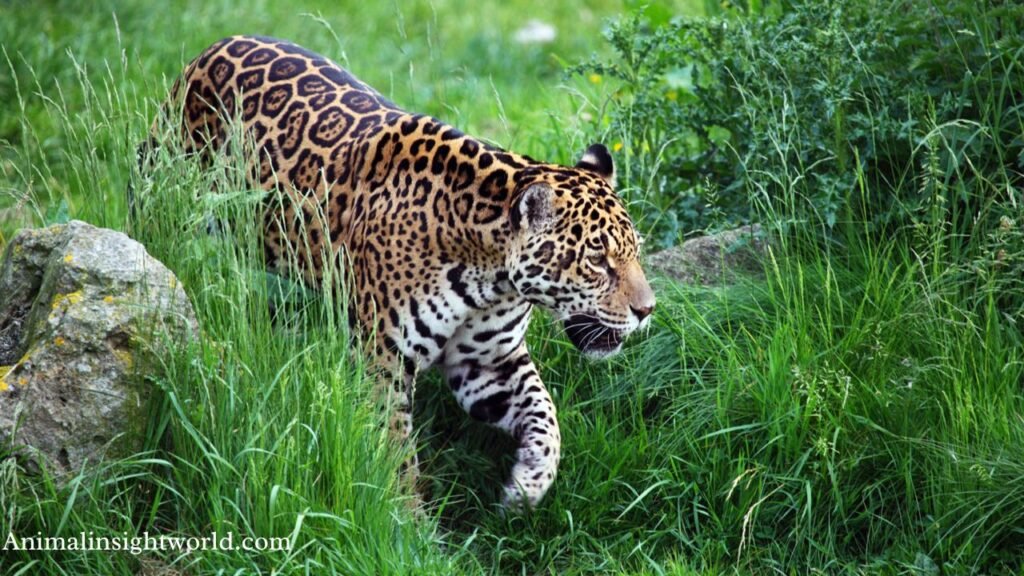
Interestingly, jaguar spots, known as rosettes, serve more than aesthetic beauty; they provide essential camouflage in the dappled sunlight of the rainforest. This evolution is a fascinating consequence of their habitat, where stealth and ambush tactics reign supreme. In recent years, conservation efforts have gained momentum, emphasizing the jaguar’s role as a guardian of biodiversity. By protecting these majestic cats, we also safeguard countless other species that thrive within their habitats. As we deepen our understanding of the jaguar, we are reminded of the delicate balance between human encroachment and the preservation of nature’s wonders.
Harpy Eagle
Scientific Name: Harpia harpyja
Class: Aves
Diet: Carnivore
The Harpy Eagle, a magnificent raptor found primarily in tropical rainforests, presents a striking figure with its powerful build and distinctive feathered crest. Renowned as one of the largest and most formidable birds of prey, it boasts impressive talons that can rival those of a Grizzly bear, allowing it to grasp and carry off a variety of prey, including monkeys and sloths. This eagle’s hunting prowess is not merely a testament to its size but also to its extraordinary agility and cunning, enabling it to navigate the dense canopy of its rainforest home with remarkable ease.
Beyond its physical attributes, the Harpy Eagle embodies the delicate balance of its ecosystem, serving as both predator and indicator of environmental health. Researchers have observed that fluctuating populations of these eagles often signal shifts in forest health, making them vital to ongoing conservation efforts. Their role in maintaining the populations of arboreal mammals emphasizes the interconnectedness of life in the jungle, highlighting how the decline of one often leads to cascading effects throughout the habitat. Protecting this majestic bird means safeguarding the intricate web of life upon which it, and countless other species, depend.
Giant Anteater
Scientific Name: Myrmecophaga tridactyla
Class: Mammalia
Diet: Insectivore
The giant anteater, with its elongated snout and strikingly large claws, is a marvel of evolutionary adaptation. This unique creature is not just a passive grazier; its powerful claws enable it to dig deep into anthills and termite mounds, showcasing a niche specialization that few other animals possess. While their diet predominantly consists of ants and termites, these gentle giants also serve a crucial ecological role by aiding in the control of insect populations, thus influencing the overall health of their habitats.

Beyond their foraging habits, giant anteaters exhibit a fascinating social structure that often goes unnoticed. Typically solitary, they communicate through a series of vocalizations and scent markings, revealing a rich tapestry of social interactions. Interestingly, their slow, deliberate movements hide a surprising agility; when threatened, they can swiftly defend themselves despite their seemingly unwieldy form. Observing these resilient creatures in their natural habitat not only inspires curiosity but also underscores the importance of conserving their delicate ecosystems, which face growing pressures from habitat loss and climate change. Through this lens, the giant anteater becomes a symbol of the intricate connections that underpin our planet’s biodiversity.
Polar Bear
Scientific Name: Ursus maritimus
Class: Mammalia
Diet: Carnivore
Polar bears, the apex predators of the Arctic, are more than just stunning white giants navigating the icy terrain; they embody the delicate balance of a fragile ecosystem. Unlike many land animals, their survival hinges on vast sea ice, which serves as both hunting ground and resting place. As these platforms diminish due to climate change, the implications ripple far beyond their immediate habitat. Polar bears are often seen as symbols of global warming, yet they remind us of a broader narrative: the interconnectedness of life. When the ice melts, not just these majestic creatures suffer; entire communities of species reliant on the same habitat face dire consequences.
Moreover, the social structure of polar bears is intriguing, challenging our assumptions about animal behavior. While they are generally solitary, mothers exhibit remarkable nurturing instincts, raising their cubs with a blend of tenacity and tenderness. This bond is essential, as the cubs must learn the skills to hunt and survive in an unforgiving environment. Observing their interactions reveals a nuanced social dynamic; when they do gather, for instance around shared hunting grounds, there’s a tension between cooperation and competition, reflecting the complexities of survival in the wild. Through the lens of polar bears, we gain profound insights into adaptation, resilience, and the pressing need for conservation efforts amid an ever-changing climate.
House Cat
Scientific Name: Felis catus
Class: Mammalia
Diet: Carnivore
House cats possess a fascinating blend of independence and affection, making them one of the most intriguing companions humans can have. Unlike their wild ancestors, domestic cats have evolved to thrive in home environments where their innate behaviors can be simultaneously nurtured and managed. Their ability to find joy in simple things — a sunbeam to nap in, a dot from a laser pointer — reminds us of the beauty of mindfulness and living in the moment.

Moreover, the bond between a cat and its owner often transcends traditional pet dynamics. Many studies now suggest that cats can sense human emotions, often offering comfort in times of stress. This subtle form of empathy reshapes our understanding of their social roles, showcasing that they engage with us on a deeper emotional level than simply sharing space. By observing the delicate ways cats communicate — through slow blinks, playful pounces, or soothing purrs — we uncover a rich tapestry of interaction that can elevate our everyday experiences and deepen our connection to the animal kingdom. Embracing a cat’s quirky personality encourages us to appreciate life’s unpredictability, reminding us that it’s okay to be both independent and affectionate at the same time.
Wolverine
Scientific Name: Gulo gulo
Class: Mammalia
Diet: Carnivore
The wolverine, often overlooked in discussions about formidable wildlife, is a fascinating embodiment of resilience and tenacity. This robust animal, often referred to as “the glutton,” is not named for its eating habits but for its impressive ability to take down prey much larger than itself, showcasing an astonishing blend of strength and cunning. Living predominantly in remote, cold habitats, these animals have adapted remarkably, relying on their thick fur and powerful limbs to navigate harsh terrains where few others thrive.
Delving into their behavior, wolverines exhibit an intriguing blend of solitude and shrewd intelligence. Unlike many of their carnivorous counterparts, they are known for their scavenging skills — not just hunting but also utilizing carrion to sustain themselves. This adaptability has made them particularly resilient to environmental changes, yet they remain vulnerable to habitat loss and climate change, presenting an ironic juxtaposition between their legendary toughness and fragility within modern ecosystems. Their presence in a habitat serves as a critical indicator of ecological health, reminding us that even the most rugged creatures have their delicate side in the grand tapestry of nature.
Bald Eagle
Scientific Name: Haliaeetus leucocephalus
Class: Aves
Diet: Carnivore
The bald eagle, often regarded as a symbol of freedom and strength, possesses striking physical features that are as captivating as its cultural significance. With a wingspan reaching up to seven feet, this majestic bird commands attention, soaring gracefully over expansive landscapes. Its stark contrast of white head and tail feathers against a dark brown body creates a striking silhouette against the sky, making it a breathtaking sight for those fortunate enough to observe it in flight.

Beyond its impressive appearance, the bald eagle embodies resilience and adaptability. These birds can thrive in a variety of environments, from coastal regions to riverbanks, and have shown remarkable resourcefulness in their hunting techniques. Though primarily fish eaters, they are opportunistic hunters, often stealing meals from other birds or scavenging for carrion when the need arises. This adaptability not only highlights their survival skills but also underscores the importance of preserving their habitats in a rapidly changing world, ensuring future generations can experience the grandeur of this iconic species.
Sloth
Scientific Name: Bradypus variegatus
Class: Mammalia
Diet: Herbivore
Sloths are often perceived as the embodiment of lethargy, but their peculiar lifestyle unveils a world of fascinating adaptations. With their famously slow movements, sloths conserve energy while simultaneously indulging in a diet that’s low in caloric intake — primarily leaves. This makes them masters of their habitat, capable of thriving on a nutrient-poor diet while performing remarkable feats, like an effortless hang from tree branches for hours on end. Their unique physiology allows them to process food slowly, giving them the ability to extract maximum nutrition from what they consume.
Sloths are well-equipped for their arboreal lives, sporting long claws that enable them to cling to branches securely. This adaptation not only aids in their slow-paced lifestyle but also protects them from ground-dwelling predators. Interestingly, the algae that often grows on their fur serves as a camouflage in the dense canopies of Central and South American forests, blending them seamlessly into their surroundings. This delightful partnership between sloths and nature highlights an unexpected synergy, where even the slowest of creatures find ingenious ways to thrive in their environment.
American Badger
Scientific Name: Taxidea taxus
Class: Mammalia
Diet: Carnivore
American badgers are not just fascinating creatures; they’re also remarkable survivors of the wild. Known for their stocky bodies and distinctive white facial markings, these mammals are expert diggers, using their powerful forelimbs to tunnel through the earth in search of prey. Their burrowing abilities allow them to create intricate underground networks that serve as homes and hunting grounds, showcasing their adaptability in various habitats, from prairies to grasslands.

What truly sets American badgers apart is their dietary preference and hunting techniques. While they primarily feast on small mammals such as rodents and rabbits, they are notorious for their ability to take on venomous snakes, showcasing a fearless approach to feeding. Their keen sense of smell rocks, enabling them to locate burrowing creatures below the surface, often leading to a dramatic chase that captivates wildlife enthusiasts. These attributes not only highlight their physical prowess but also their intelligent hunting strategies, making them a unique focus for wildlife observation and conservation efforts.
Tiger
Scientific Name: Panthera tigris
Class: Mammalia
Diet: Carnivore
Tigers are remarkable not just for their power and beauty, but also for their unique hunting techniques. These majestic felines rely on a combination of stealth and strength, utilizing their distinctive striped coats as natural camouflage to blend seamlessly into their surroundings. Often, they stalk their prey through the undergrowth, waiting patiently for the perfect moment to pounce. This mastery of patience showcases a level of intelligence that invites us to question the depths of animal cognition in the wild.
Moreover, the emotional landscape of tigers reveals fascinating nuances. Beyond their reputation as solitary predators, these big cats experience a range of emotions, from the joy of playfulness in cubs to the fierce loyalty of mother tigers fiercely guarding their young. Each interaction they have — whether with their offspring or even during territorial disputes — paints a complex picture of their behavioral intricacies. Observing them can shift our perspective and deepen our appreciation for the rich inner lives that many animals possess, urging us to recognize the sophistication in their emotional expressions.
Armadillo
Scientific Name: Dasypus novemcinctus
Class: Mammalia
Diet: Omnivore
The armadillo is a marvel of evolution with its unique armor-like shell and remarkable adaptations. These enigmatic creatures exhibit a fascinating ability to roll into a tight ball, a defensive maneuver that protects them from potential threats. This behavior is a testament to their resilience, showcasing how nature crafts clever survival strategies in the wild. Beyond their legendary armor, armadillos are also exceptional diggers, using their strong, clawed feet to tunnel through soil in search of insects and larvae, often transforming landscapes in their quest for food.

Their nocturnal lifestyle means that many people remain blissfully unaware of their existence. Their keen sense of smell and hearing make them adept foragers during the night, allowing them to navigate the world with remarkable dexterity. The armadillo’s unique digestive system is another point of intrigue; it allows them to thrive on a diet rich in ants and termites, reflecting a fascinating adaptation to their preferred environments. Moreover, their reproductive patterns, including the notable propensity for identical quadruplets among certain species, add a layer of complexity to their biology that is truly captivating. Each facet of the armadillo’s life invites us to appreciate the unexpected wonders of nature.
Secretary Bird
Scientific Name: Sagittarius serpentarius
Class: Aves
Diet: Carnivore
The Secretary Bird, with its elegant silhouette and striking appearance, captivates bird watchers and nature enthusiasts alike. This unique raptor, primarily found in the open savannas of sub-Saharan Africa, is not just a visual marvel but a masterful hunter that employs a fascinating strategy to catch its prey. Unlike typical birds of prey that swoop down with brute force, the Secretary Bird is renowned for its distinctive hunting technique of stomping on snakes and small mammals, displaying a mix of grace and power.
Beyond their remarkable hunting skills, Secretary Birds possess an intriguing social behavior during the breeding season. Known for their elaborate courtship displays, these birds engage in intricate dancing rituals that involve high leaps and fluttering wings, showcasing their agility and coordination. This captivating courtship not only serves to attract mates but also reinforces their bond as they embark on the challenging task of raising young together. These birds often build large nests up to several feet deep in acacia trees, a striking testament to their resourcefulness and adaptability in the diverse African landscape. Their beauty, intelligence, and unique behaviors make the Secretary Bird a fascinating subject of study and admiration in the avian world.
Great Horned Owl
Scientific Name: Bubo virginianus
Class: Aves
Diet: Carnivore
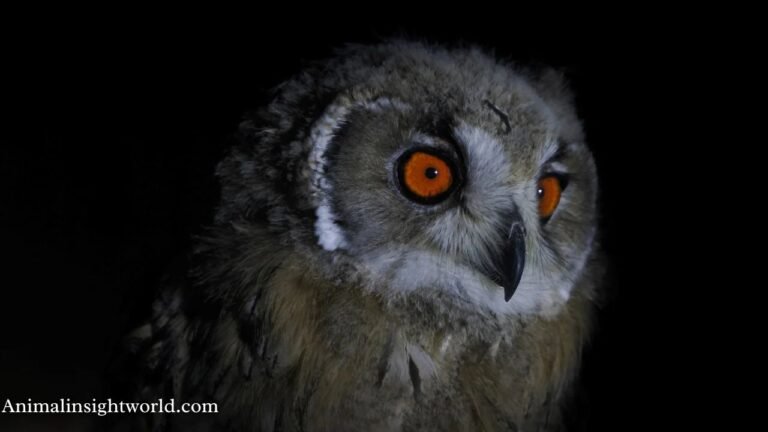
The Great Horned Owl, with its striking tufts and piercing gaze, is more than just a captivating figure in the night sky; it embodies a masterclass in adaptability. These formidable predators can thrive in diverse habitats, from dense forests to urban landscapes, showcasing an uncanny ability to blend into their surroundings while remaining at the top of the food chain. Their impressive size and powerful talons allow them to hunt a wide array of prey, from rabbits to other birds, demonstrating their versatility and resourcefulness.

What’s particularly intriguing is their role in local ecosystems. As nocturnal hunters, Great Horned Owls help control populations of small mammals, which in turn impacts the vegetation and overall health of the environment. The haunting call of the male, echoing through the stillness of the night, not only asserts territorial dominance but also serves as a mysterious lullaby, drawing in curious listeners keen to encounter the secrets of the nocturnal world. Engaging with the Great Horned Owl invites us to reflect not only on its impressive adaptations, but also on the interconnectedness of nature and the delicate balance that sustains it.
Lion
Scientific Name: Panthera leo
Class: Mammalia
Diet: Carnivore
The lion, often dubbed the “king of the jungle,” is more than just a regal symbol; it embodies a complex social structure that captivates observers and researchers alike. Living in prides, these magnificent creatures showcase a unique blend of cooperation and competition. The females, known for their hunting prowess, often work in unison to secure prey, demonstrating a remarkable teamwork that contrasts the typical solitary image we associate with big cats. Meanwhile, male lions assume the role of protectors, their majestic manes signaling strength and fitness, crucial traits in the survival of the pride.
Recent studies have revealed that lions exhibit a range of vocalizations and body language beyond the iconic roar, communicating intricate messages among pride members. Their social bonds are strengthened through grooming and playful interactions, reflecting an emotional intelligence that challenges our understanding of animal behavior. In a world increasingly shaped by human activity, these apex predators remind us of the delicate balance of ecosystems and the urgent need for conservation efforts. The lion’s fate is intricately tied to the health of their habitats, making their survival not just a wilderness concern, but a global responsibility.
Komodo Dragon
Scientific Name: Varanus komodoensis
Class: Reptilia
Diet: Carnivore
The Komodo dragon thrives in the volcanic landscapes of Indonesia’s Komodo National Park. These formidable lizards can grow over ten feet long and weigh up to 150 pounds, but it’s their hunting prowess that captivates. Recent studies reveal that these apex predators can detect carrion from miles away, employing a keen sense of smell that rivals many mammals. This olfactory strength enables them to dominate their island ecosystems, feasting on everything from deer to the occasional unlucky water buffalo.

Moreover, the Komodo dragon boasts a unique form of communication through their body language and vocalizations, signaling their moods and intentions. Their iconic “hissing” serves as a warning to potential threats or rivals, showcasing an intricate social structure often overlooked. Fascinatingly, recent genetic research suggests that these reptiles can reproduce via parthenogenesis — a form of asexual reproduction — allowing females to produce viable offspring without mating. This adaptation is particularly significant in remote habitats where potential mates may be scarce, underscoring the resilience of life in extreme environments. As conservation efforts intensify, understanding these behaviors not only highlights the intricate balance of ecosystems but also emphasizes our responsibility to protect such extraordinary creatures.
Alligators
Scientific Name: Alligator mississippiensis
Class: Reptilia
Diet: Carnivore
Alligators are often misunderstood creatures, painted as mere lurking predators in the swamps and rivers of the southeastern United States. However, these ancient reptiles play a vital role as ecosystem engineers. Their nesting behavior creates habitats for various species, as the holes and mounds they dig for laying eggs can form small ponds or wetlands, which become oases for countless organisms. Such interactions highlight their importance beyond the reptilian stereotype, illustrating a fascinating ecological balance.
Moreover, recent studies have unveiled the remarkable intelligence of alligators. Their ability to use tools is particularly astonishing; they’ve been observed employing sticks and other objects to lure birds. This insight reshapes our understanding of their cognitive abilities, suggesting that they possess a surprising level of problem-solving skill and adaptability rarely attributed to reptiles. Such findings encourage a re-evaluation of how we perceive these formidable creatures, pushing us to appreciate them not just as predators, but as complex beings contributing to the biodiversity of their habitats.
Mountain Lion
Scientific Name: Puma concolor
Class: Mammalia
Diet: Carnivore
Mountain lions, also known as cougars or pumas, embody the spirit of the wild with their elusive grace and powerful presence. Unlike many big cats, they are incredibly adaptable, thriving in diverse habitats ranging from dense forests to arid deserts. This adaptability not only makes them fascinating but also highlights their essential role in maintaining ecosystem balance; as apex predators, they help control the populations of deer and other herbivores, facilitating healthier plant communities.

What many might not realize is that mountain lions, much like lions, communicate through a complex array of vocalizations and body language. Unlike the typical roar associated with their feline cousins, they can create sounds such as screams, growls, and even hisses, each serving a specific purpose, from marking territory to attracting mates. Their solitary nature is also intriguing; mountain lions are not only fiercely independent but also masters of stealth, often covering vast territories alone in search of food. This solitary lifestyle emphasizes their remarkable agility and strength, making encounters with humans both rare and exhilarating. Understanding their behavior deepens our appreciation for these magnificent creatures and the challenges they face in an ever-changing world.
Grizzly Bear
Scientific Name: Ursus arctos horribilis
Class: Mammalia
Diet: Omnivore
Grizzly bears are often perceived as the lumbering giants of the wilderness, yet their agility and intelligence defy this stereotype. These remarkable creatures can sprint up to 30 miles per hour despite their hefty size, showcasing an unexpected grace that leaves many observers in awe. Beyond their physical prowess, grizzly bears exhibit complex social behaviors; they communicate through a series of vocalizations, facial expressions, and even body language. Observing their interactions can reveal intricate hierarchies and a surprising level of cooperation, especially during the salmon spawning season when they gather in large groups.
Grizzly bears play an essential role in their ecosystems, acting as keystone species that help maintain the balance of their habitats. As they forage for berries, roots, and insects, they inadvertently disperse seeds and encourage plant growth. Their presence can influence the behavior of other species, from smaller mammals to birds, creating ripple effects that benefit the entire ecosystem. By understanding these relationships, we can better appreciate the nuanced dynamics of the wild and the integral part grizzly bears play within it. This awareness can fuel conservation efforts, ensuring that future generations experience the majestic return of these incredible animals to their rightful place in nature.
Red Kangaroo
Scientific Name: Macropus rufus
Class: Mammalia
Diet: Herbivore
The Red Kangaroo is the largest marsupial on Earth and is known for its impressive size and remarkable adaptability. Found primarily in the arid center of Australia, this iconic animal thrives in environments that would challenge most species. With their powerful hind legs allowing them to leap distances of up to 30 feet in a single bound, Red Kangaroos have evolved over time to conserve water, a crucial adaptation for survival in their desert habitat.

These kangaroos exhibit a fascinating social structure, often living in groups called “mobs.” This provides not only protection but also an intriguing dynamic that facilitates communication among individuals, showcasing a level of social intelligence that has intrigued researchers. Observing their interactions, one can appreciate the subtle nuances of body language and social hierarchy, enlightening our understanding of animal behavior. Furthermore, the Red Kangaroo’s role as a keystone species in its ecosystem highlights the interconnectedness of life, reminding us that safeguarding these majestic creatures is vital for maintaining biodiversity in their unique habitats.
Final Thoughts
Animals with sharp claws play a vital role in their ecosystems, showcasing the incredible adaptations that nature has equipped them with. From the nimble hands of domestic cats to the powerful talons of raptors, these creatures exemplify both beauty and utility. Their claws not only aid in hunting and self-defense but also serve as essential tools for climbing and foraging. Understanding the significance of these sharp appendages enhances our appreciation for wildlife and the diverse habits they have cultivated. As we continue to study these fascinating animals, let us remember the importance of conserving their habitats to ensure they thrive for generations to come.
Readmore: Top 15 Most Active Animals in the World.
FAQs
What animals have sharp claws?
Many animals are equipped with sharp claws that serve various purposes, from hunting and climbing to self-defense. For instance, big cats like lions, tigers, and leopards boast retractable claws that allow them to grip their prey effectively and climb trees with agility. These sharp claws play a crucial role in their predatory lifestyle, aiding in both the capture and dismemberment of food. Birds of prey, such as eagles and hawks, also possess sharp talons, which are the equivalent of claws. Similarly, many reptiles, like alligators and certain lizards, have sharp claws adapted for gripping surfaces or capturing prey.
Are tiger claws sharper than bear claws?
Tiger claws are generally considered sharper than bear claws, primarily due to their hunting and feeding behaviors. Tigers are obligate carnivores, relying on their sharp, retractable claws to grasp and immobilize prey. These claws can penetrate deeply and are designed for piercing through fur and flesh, making them highly effective for hunting.
What animal has the sharpest claws?
The animal with the sharpest claws is often considered to be the jaguar. Their claws are not only sharp but also retractable, allowing them to maintain their cutting edge for hunting. Jaguars use these powerful claws to grasp and hold onto their prey, which often includes tough-skinned animals like armadillos and caimans.