Top 17 Animals That Eat Grasshoppers (With Pictures)
In this article, we will delve into the intriguing world of animals that eat grasshoppers, spotlighting their survival strategies and interactions. Understanding these relationships will enhance your appreciation for nature’s intricate connections. Get ready to discover how these grass-eating predators contribute to the health of our ecosystems.
List of Animals That Eat Grasshoppers
Here is the list of animals that eat grasshoppers
- Orioles
- Meerkats
- Foxes
- Blue jays
- Wasps
- Opossums
- Chickens
- Wolves
- Chameleons
- Raccoons
- Dragonflies
- Frogs
- Praying Mantis
- Coyotes
- Hedgehogs
- Cuckoos
- Turkeys
Orioles
Scientific Name: Icterus galbula
Class: Aves
Diet: Omnivore
Orioles, with their vibrant plumage and melodic songs, showcase a surprising versatility in their diet, making them fascinating creatures beyond their aesthetic appeal. While they are primarily known for their affinity for fruits and nectar, these agile birds are also adept hunters of insects, including the often-overlooked grasshopper. This insect snack not only provides essential protein for the orioles but also reflects their adaptability in varying habitats, from urban gardens to open woodlands.
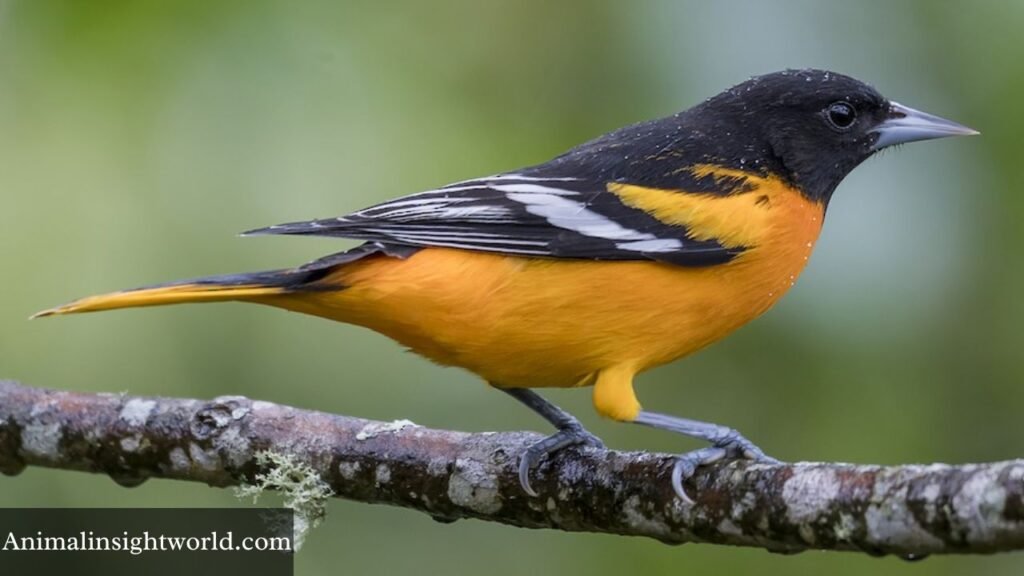
What sets orioles apart in their hunting techniques is their acrobatic style. They skillfully maneuver through branches, deftly stalking their prey. This behavior highlights their role in maintaining ecological balance by controlling grasshopper populations, which, if left unchecked, can cause significant damage to vegetation. Observing orioles in action reveals a blend of artistry and survival instinct, showcasing nature’s intricate relationships and the vital contributions of these colorful birds to their ecosystems.
Meerkats
Scientific Name: Suricata suricatta
Class: Mammalia
Diet: Carnivore
Meerkats, with their sociable nature and striking upright stance, are not only adorable but also skilled hunters of grasshoppers. Found in the arid regions of southern Africa, these small mammals exhibit a remarkable method of foraging. They rely on teamwork, employing a system of cues and alert calls to communicate with one another while on the hunt. Their keen eyesight and agility enable them to spot these hopping insects from a distance, allowing a meerkat to quickly pounce before the grasshopper can leap to safety.
Interestingly, meerkats have a nuanced palate and can differentiate between various types of prey. This adaptability means they choose grasshoppers not just for their abundance but also for the nutritional benefits they provide. The protein and chitin found in these insects contribute significantly to the meerkat’s diet, particularly during times when other food sources are scarce. By targeting grasshoppers, these clever hunters showcase their ability to thrive in a challenging environment while reinforcing the intricate balance of their ecosystem.
Foxes
Scientific Name: Vulpes vulpes
Class: Mammalia
Diet: Omnivore
Foxes, often celebrated for their cunning and adaptability, have a diverse diet that includes the surprisingly nimble grasshopper. While many view these small insects as mere background characters in nature’s drama, foxes demonstrate a keen appreciation for their role in the ecosystem. Grasshoppers can provide essential nutrients, making them an attractive snack during warmer months when they are abundant. This dietary flexibility showcases the fox’s resourcefulness, allowing them to thrive in various environments, from dense forests to open fields.
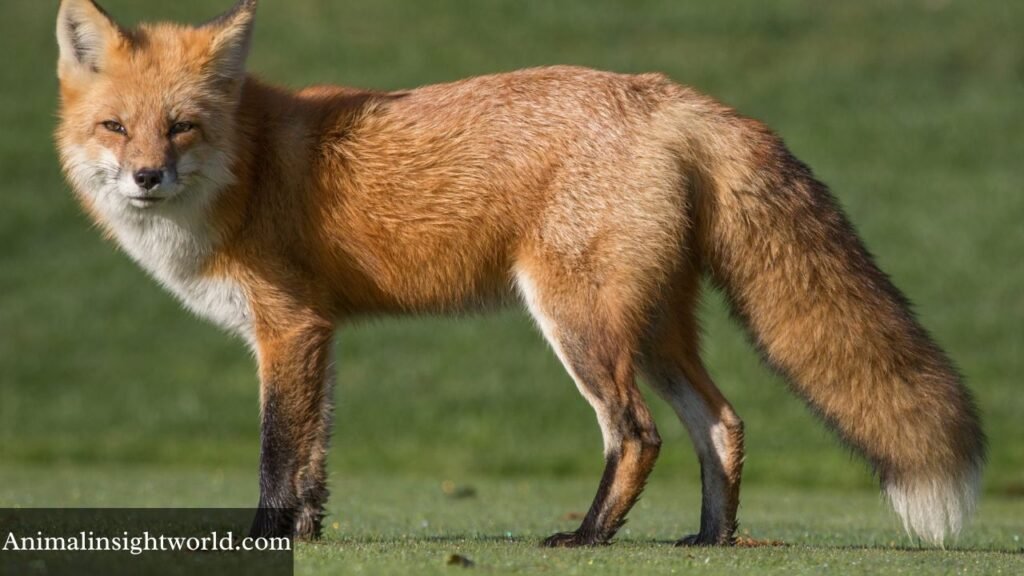
Observing a fox in pursuit of a grasshopper brings a fascinating perspective on agility and patience. The fox employs a strategic hunting technique, using its acute senses and swift movements to catch its prey. This behavior not only highlights their hunting prowess but also reminds us of the interconnectedness of species; as foxes help control grasshopper populations, they inadvertently support the biodiversity of their habitats.
Readmore: Explore Top 20 Animals That Eat Berries.
Blue Jays
Scientific Name: Cyanocitta cristata
Class: Aves
Diet: Omnivore
Blue Jays, known for their striking blue plumage and intelligent behavior, are not just beautiful to gaze upon; they play a crucial role in maintaining ecological balance by preying on various insects, including grasshoppers. These birds possess a remarkable adaptability that allows them to thrive in diverse habitats, from woodlands to urban parks, where grasshoppers often abound. Their keen eyesight and sharp beaks enable them to spot these elusive insects, making them highly effective hunters.
What sets Blue Jays apart is their complex social structure and vocalizations, which can signal danger or alert others to food sources. This communal behavior enhances their hunting success, as they communicate and collaborate in locating abundant grasshopper populations. Furthermore, their diet is not solely limited to insects; they also enjoy seeds, nuts, and even small vertebrates, showcasing their versatility as omnivores. Observing their interactions with the environment reveals a deeper understanding of how these birds contribute to pest control and the broader health of their ecosystems.
Wasps
Scientific Name: Vespula vulgaris
Class: Insecta
Diet: Omnivore
Wasps are often viewed as mere nuisances during outdoor picnics, yet their role as predators is fascinating and essential to their ecosystems. Certain wasp species, especially those in the family Vespidae, have developed a keen taste for grasshoppers. They hunt these agile insects with a precision that showcases their remarkable flying abilities and predatory instincts. Through an intricate dance of stealth and speed, wasps can capture grasshoppers, paralyzing them with their venom to transport back to their nests.
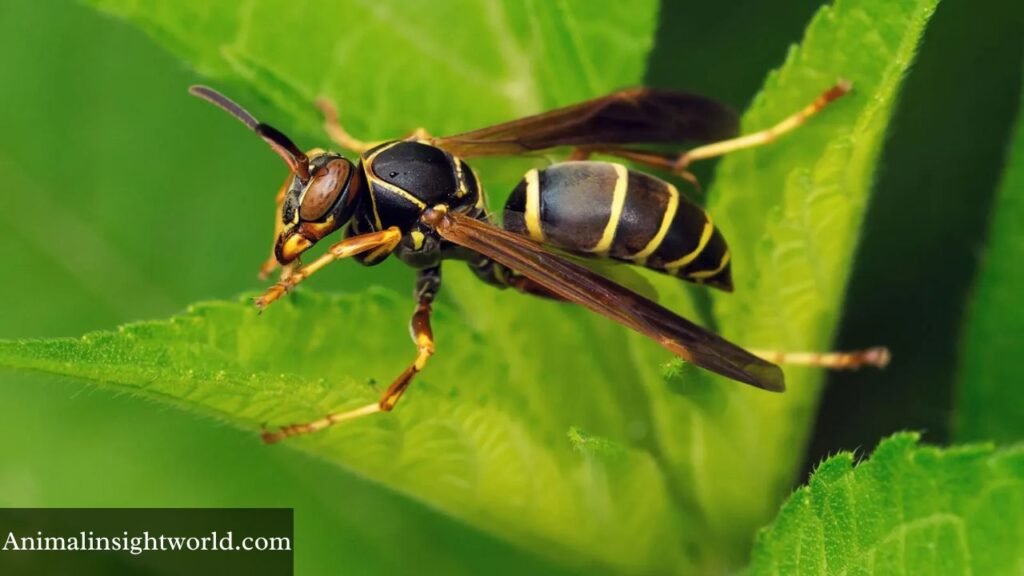
What’s truly intriguing is the role these captured grasshoppers play in the wasp’s reproductive cycle. The female wasp lays her eggs inside or on the living grasshopper, providing a fresh food source for the hatching larvae. This gruesome but efficient method of nourishing the young not only sustains the future generation of wasps but also helps control grasshopper populations, which can reach damaging levels if left unchecked. Thus, while wasps may be seen as aggressive hunters, they serve a vital ecological purpose, maintaining a balance within their habitats by keeping grasshopper numbers in check.
Opossums
Scientific Name: Didelphis virginiana
Class: Mammalia
Diet: Omnivore
Opossums are often underrated when it comes to their role in the ecosystem, yet these nocturnal marsupials are essential hunters of grasshoppers. As opportunistic foragers, they help regulate grasshopper populations, particularly in areas where these insects can become pests. Their unique feeding habits, including their ability to consume a significant number of grasshoppers during warmer months, contribute to a natural balance in local ecosystems, reducing the burden on vegetation and allowing other plant species to thrive.
What’s particularly fascinating about opossums is their adaptability to various environments. From urban backyards to rural fields, they use their keen sense of smell and low-light vision to locate grasshoppers with surprising skill. Opossums are equipped with a versatile diet, meaning grasshoppers are just one part of their broader role as scavengers and predators, which further emphasizes their ecological value. By embracing a range of food sources, these animals help maintain healthy ecosystems, showcasing the interconnectedness of all living creatures in their environments.
Chickens
Scientific Name: Gallus gallus domesticus
Class: Aves
Diet: Omnivore
Chickens are notorious for their diverse diet, but their affinity for grasshoppers speaks volumes about their foraging instincts. These feathered foragers eagerly patrol the ground, eyes alert for any hopping morsels. Consuming grasshoppers not only adds protein to their diet but also serves as an important source of other essential nutrients. The act of scratching and pecking mimics natural behaviors, allowing chickens to thrive both physically and mentally in their environment.
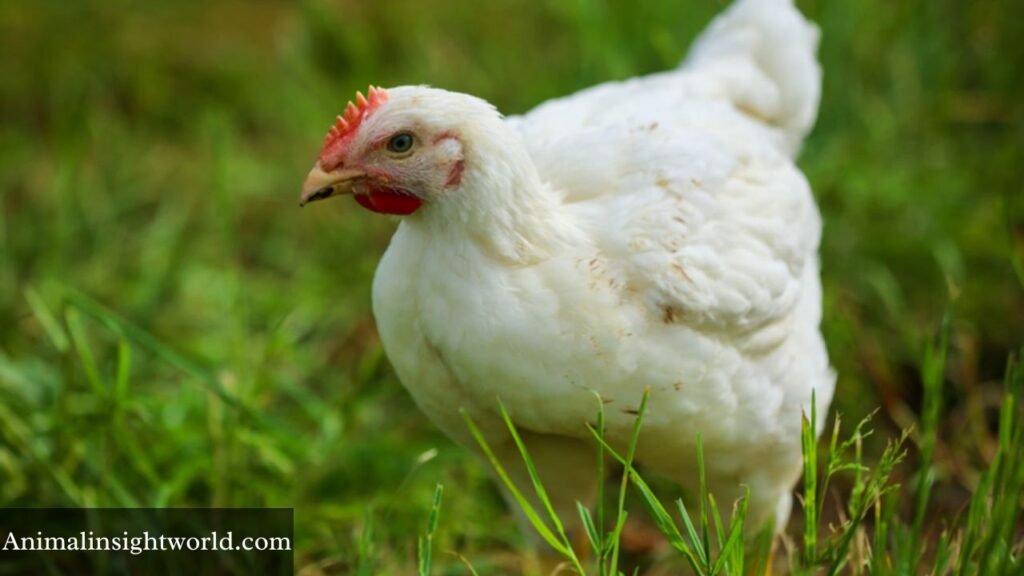
Moreover, having a flock of chickens can provide an appealing form of natural pest control. By incorporating these omnivorous birds into backyard habitats, gardeners can benefit from a reduction in grasshopper populations, safeguarding precious plants without resorting to chemical pesticides. This symbiotic relationship highlights the practical advantages of integrating animals into our ecosystems, where organic solutions often yield the best results. Embracing the chicken’s role in managing grasshoppers invites a deeper appreciation for their natural behaviors and their impact on sustainable gardening practices.
You can also read: Explore 16 Common Animals That Eat Seeds.
Wolves
Scientific Name: Canis lupus
Class: Mammalia
Diet: Carnivore
Wolves are often celebrated as apex predators, primarily feasting on larger mammals like deer and elk. However, their diet can be intriguingly diverse, and in certain situations, they may indulge in a surprising snack: grasshoppers. This behavior highlights the adaptability and opportunistic nature of wolves, showcasing their ability to modify their hunting strategies based on availability and environmental conditions.
Grasshoppers, while not a staple in the wolf’s diet, can serve as an essential source of protein during leaner times. Whether it’s a scarcity of larger prey or a burgeoning population of insects during peak summer months, wolves have been known to capitalize on these protein-rich, easy-to-catch morsels. This ecological flexibility not only demonstrates the wolves’ resourcefulness but also emphasizes the intricate relationships within ecosystems, where even the most formidable predators can sometimes embrace the role of foragers.
Chameleons
Scientific Name: Furcifer pardalis
Class: Reptilia
Diet: Carnivore
Chameleons, with their vibrant colors and remarkable ability to change hues, are not just masters of disguise; they are also proficient hunters. Among their diverse diet, grasshoppers make a tantalizing treat. As these small reptiles deftly blend into their surroundings, they leverage their sticky tongues and exceptional eyesight to pinpoint prey. Their specialized tongues can extend up to twice their body length in an astonishing display of speed and precision, snatching grasshoppers before they even know what hit them.
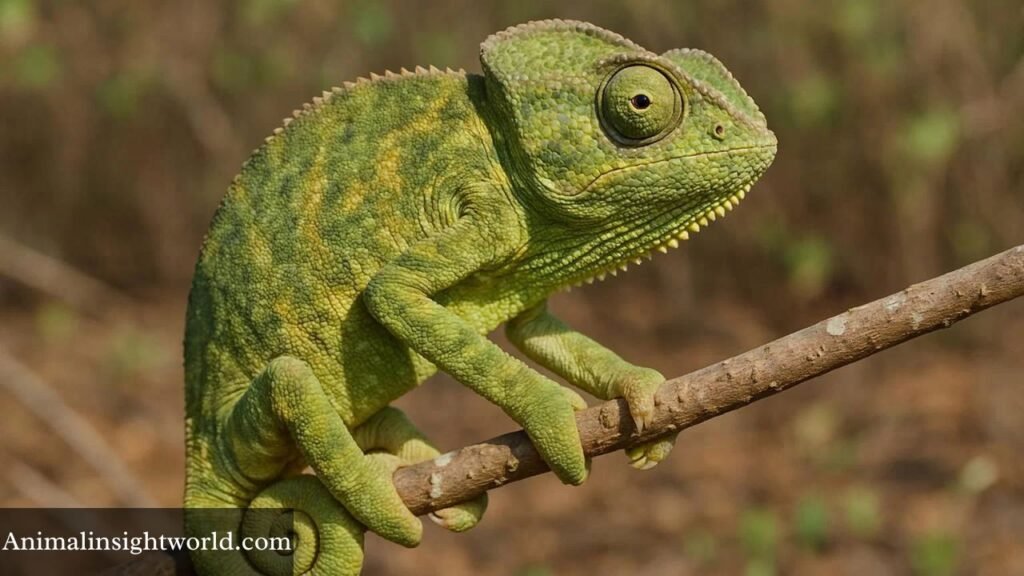
Interestingly, chameleons are also influenced by their environment when hunting. A grassy landscape filled with grasshoppers will coax them into a vivid display of greens, while more arid settings might see them adopt earthy browns. This adaptive camouflage not only protects them from predators but also enhances their ability to ambush unsuspecting grasshoppers. Each hunting expedition offers a unique interaction between the chameleon and its environment, highlighting the intricate balance of predator and prey in the wild. Such interactions remind us of the complexities of ecosystem dynamics, where even the smallest creatures play vital roles.
Raccoons
Scientific Name: Procyon lotor
Class: Mammalia
Diet: Omnivore
Raccoons are often celebrated for their dexterous paws and curious nature, but their diets reveal a surprising versatility that includes a taste for grasshoppers. In their quest for sustenance, these nocturnal foragers will delve into meadows and fields, scouring the ground and foliage for the crunchy critters. Their keen sense of smell, combined with an impressive ability to navigate their environment, allows them to find these insects even in the dim light of dusk.
What makes raccoons particularly interesting is their opportunistic feeding behavior. While grasshoppers may be a seasonal delicacy, they serve as a valuable protein source during the warmer months. This adaptability showcases how raccoons thrive in diverse habitats, turning seemingly ordinary landscapes into thriving buffet spreads. Such foraging habits not only enrich their diets but also play a role in maintaining ecological balance, as raccoons inadvertently help control grasshopper populations. The skillful dance of predator and prey unfolds constantly in the wild, reminding us of the intricate relationships that sustain our ecosystems.
Dragonflies
Scientific Name: Pantala flavescens
Class: Insecta
Diet: Carnivore
Dragonflies are fascinating predators that play a vital role in controlling grasshopper populations. These agile insects are equipped with remarkable hunting skills; their large, multifaceted eyes provide nearly 360-degree vision, allowing them to spot potential prey from afar. Once a grasshopper is in their sights, dragonflies can dart and hover with astonishing precision, using their razor-sharp mandibles to capture their target mid-air. This predation not only underscores the dragonfly’s role in the ecosystem but also highlights their evolutionary adaptations, which help maintain the balance of local insect populations.
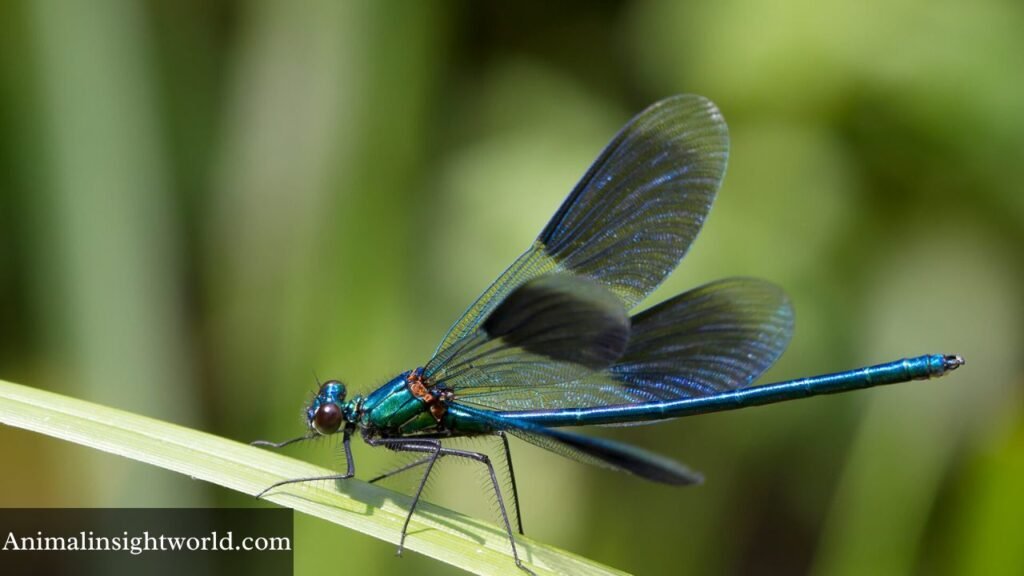
Interestingly, dragonflies exhibit a unique hunting strategy known as “hawk behavior.” They often patrol the same hunting route, marking their territory, and are known to employ a variety of aerial acrobatics to outmaneuver their prey. In doing so, they not only feed on grasshoppers but also contribute to the diversity of their environment by ensuring that no single insect species overwhelms the ecosystem.
Also read: Explore Top 13 Animals That Eat Honey.
Frogs
Scientific Name: Lithobates catesbeianus
Class: Amphibia
Diet: Carnivore
Frogs are not just the adorable amphibians we often see hopping around ponds; they are also agile hunters with a keen sense of their surroundings. Their diets largely consist of insects, and grasshoppers are a particular favorite among many species. Utilizing their long, sticky tongues, frogs can snap up these nimble insects in the blink of an eye, showcasing their incredible agility and precision. This ability is not only a display of their evolutionary prowess but also an essential part of the ecosystem, helping to control grasshopper populations that can otherwise become overwhelming.
Moreover, the environment plays a vital role in a frog’s hunting techniques. Different species adapt their strategies based on habitat; for instance, tree frogs often utilize their perch on leaves to ambush grasshoppers, blending seamlessly into their surroundings. This camouflage is not just for evading predators but enhances their success rate when capturing prey. As they consume grasshoppers, frogs contribute to ecological balance, impacting the food web in ways we might not immediately recognize. Through their role as both predator and prey, frogs underscore the interconnectedness of life in the wild, reminding us that even the smallest creatures have a significant place in nature’s complex puzzle.
Praying Mantis
Scientific Name: Mantis religiosa
Class: Insecta
Diet: Carnivore
Praying mantises are often viewed as the nimble ninjas of the insect world, and their diet reflects that predatory prowess. Amongst their favored meals are grasshoppers, which they ambush with remarkable precision. With their triangular heads and bulging eyes, mantises have a 180-degree range of sight, allowing them to track grasshoppers even in the hustle and bustle of a meadow. Once the mantis spots its target, it can strike with incredible speed, extending its spiny front legs to snare the unsuspecting insect.
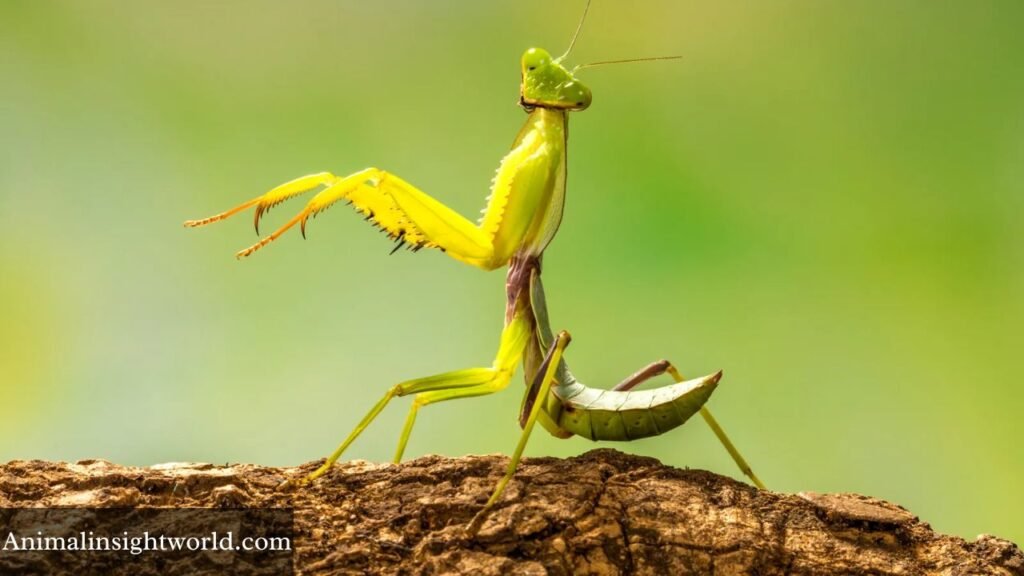
What’s truly fascinating is how this predation influences local ecosystems. By controlling grasshopper populations, praying mantises play a crucial role in maintaining the balance between species in their habitats. This dynamic interaction highlights the mantis as both a predator and a contributor to ecological stability. Observing a mantis in action offers a glimpse into the intricate web of life, where each creature serves a purpose, showcasing nature’s remarkable design.
Coyotes
Scientific Name: Canis latrans
Class: Mammalia
Diet: Omnivore
Coyotes, often celebrated for their adaptability, play a pivotal role in controlling grasshopper populations in various ecosystems. These clever canids exhibit a diverse diet that allows them to thrive in contrasting environments, from urban areas to wide-open plains. Their ability to shift their feeding habits in response to available prey means they can effectively target grasshoppers when these insects are abundant, providing a dynamic check on their numbers.
Interestingly, the coyote’s hunting style exhibits both solitary and pack behaviors, enabling them to exploit different opportunities based on the size and dispersion of grasshopper swarms. This flexibility not only showcases their intelligence but also highlights the complex interplay within food webs. Moreover, by consuming grasshoppers, coyotes indirectly support plant health, as fewer grasshoppers means less grazing pressure on vegetation, which in turn nourishes entire ecosystems. Thus, these cunning creatures embody a critical balance of predator and prey dynamics, reflecting nature’s intricate choreography.
Hedgehogs
Scientific Name: Erinaceus europaeus
Class: Mammalia
Diet: Omnivore
Hedgehogs, with their prickly spines and adorable faces, are often overlooked but play a fascinating role in the ecosystem as insectivores. While they are commonly known for munching on slugs and beetles, grasshoppers make up a sizable portion of their diverse diet. These small but mighty mammals are nocturnal foragers, utilizing their keen sense of smell to locate these crunchy critters hidden among the grass blades and foliage.
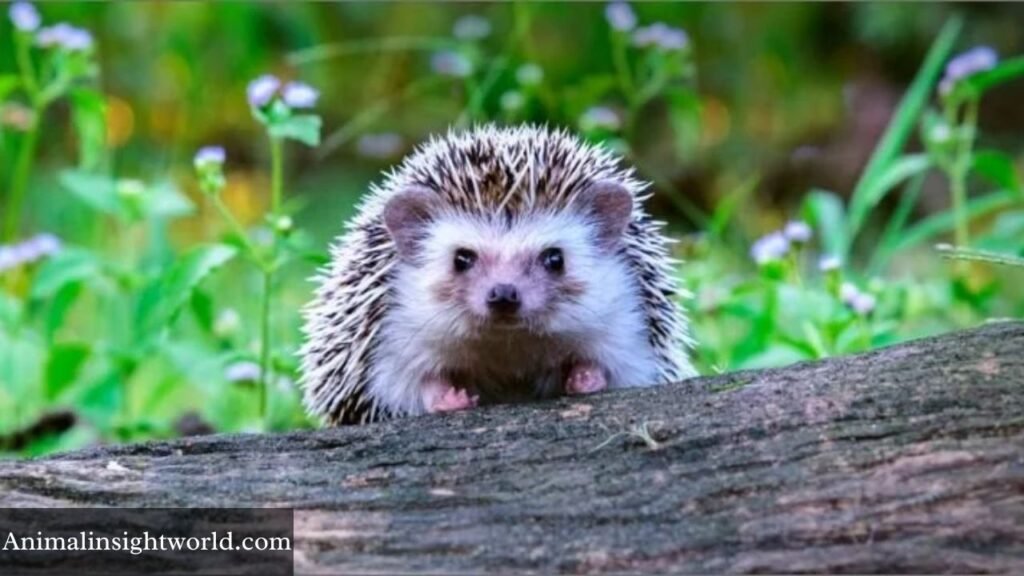
In the wild, hedgehogs can consume hundreds of grasshoppers in a single night, helping to control their populations and maintain ecological balance. This natural pest control not only benefits garden ecosystems but also highlights the interconnectedness of various species. Furthermore, the presence of hedgehogs can signify a healthy environment, as they thrive in habitats rich with diverse insects to satisfy their dietary needs. By encouraging hedgehog populations, we can foster vibrant ecosystems while enjoying the quiet charm that these little creatures bring to our backyards.
Cuckoos
Scientific Name: Cuculus canorus
Class: Aves
Diet: Omnivore
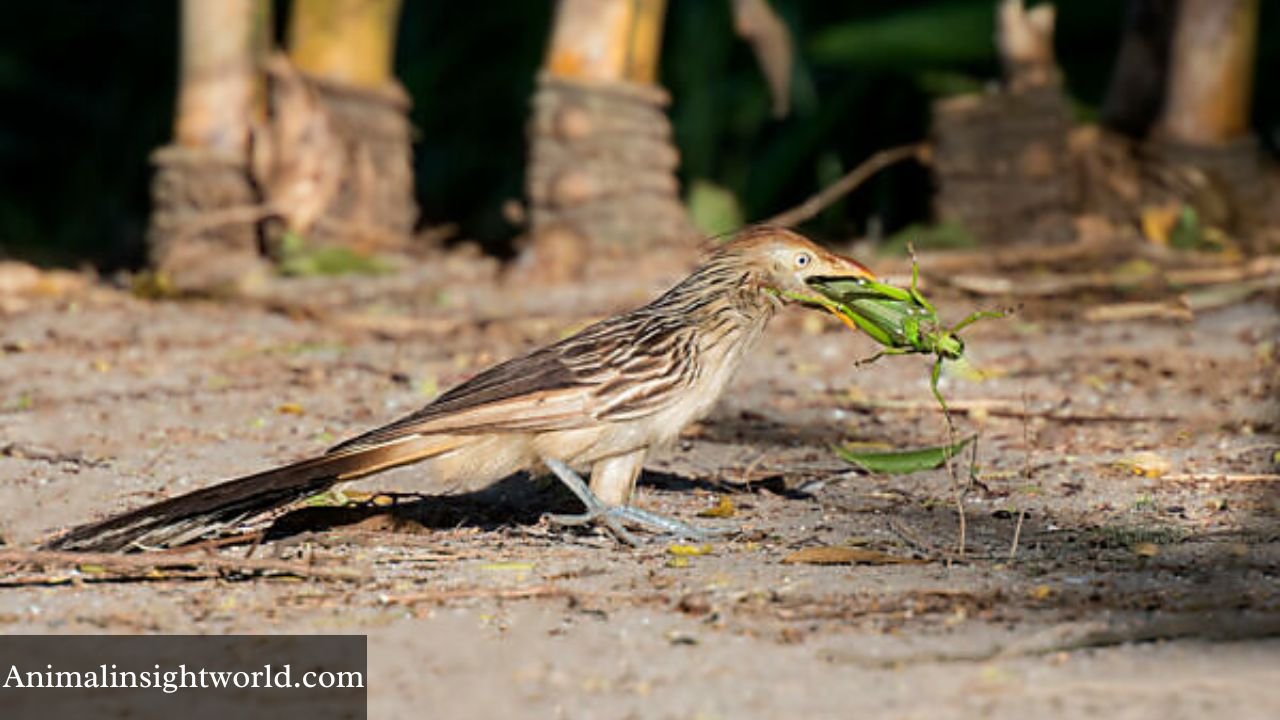
Cuckoos are fascinating avian predators that have developed a unique niche within the ecosystem by incorporating grasshoppers into their diet. These birds, known for their distinctive calls and brood parasitism, play a crucial role in controlling grasshopper populations while simultaneously showcasing their adaptive hunting skills. Unlike many other birds that primarily feed on seeds or fruits, cuckoos exhibit a remarkable predilection for insects, making grasshoppers a seasonal staple in their meals.
As adept foragers, cuckoos employ a strategy of stealth and patience, often perching quietly before pouncing on unsuspecting grasshoppers. Their long, slender bodies and sharp beaks enable them to navigate through dense vegetation, hunting in places where these insects hide. Interestingly, the relationship between cuckoos and grasshoppers extends beyond mere predation; it reflects a delicate balance within the ecosystem, where each species influences the population dynamics of the other. By keeping grasshopper numbers in check, cuckoos contribute to the health of their environment, enabling a diverse array of plant life to thrive.
Turkeys
Scientific Name: Meleagris gallopavo
Class: Aves
Diet: Omnivore
Turkeys are fascinating omnivores with a varied diet, and grasshoppers play a notable role in their culinary choices. These birds, often associated with Thanksgiving tables, exhibit a surprising affinity for these crunchy critters, especially during warmer months when grasshopper populations soar. In fact, studies have shown that in areas where grasshoppers are abundant, turkeys can consume large numbers of them, making it a significant part of their diet. This not only provides essential protein but also helps in maintaining the balance of local ecosystems by controlling grasshopper populations.
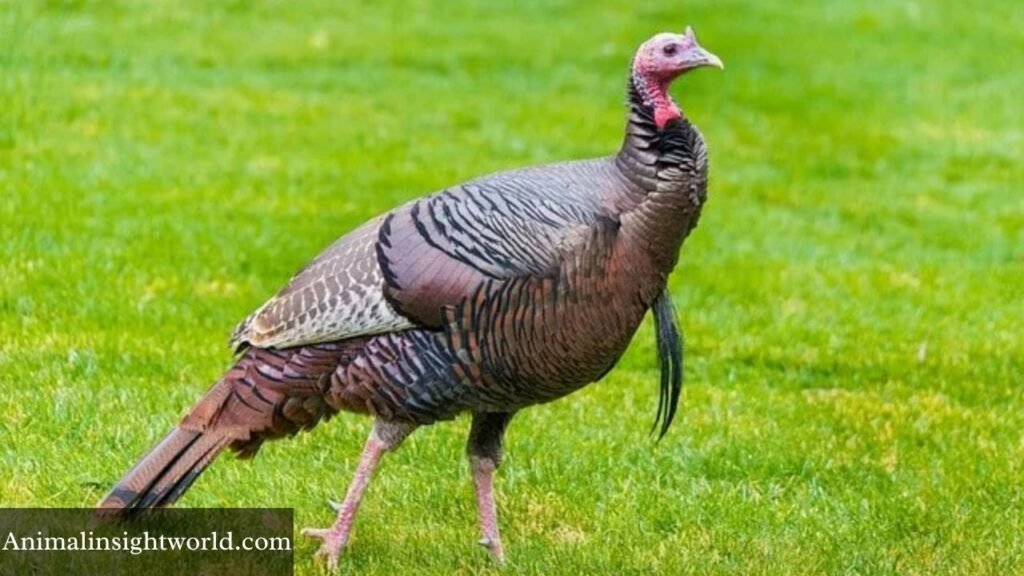
Beyond sustenance, the act of foraging for grasshoppers reveals the remarkable adaptability of turkeys. Their keen eyesight allows them to spot these insects camouflaged among grass and foliage, showcasing their role as agile hunters. Observing turkeys in this behavior can provide unique insights into their behavioral ecology, highlighting how they navigate their environment and interact with the ecosystem. Moreover, this example of birds integrating insects into their diet offers a glimpse into the broader narrative of food chains and interspecies relationships within their habitats.
Readmore: Explore Top 13 Animals That Eat Mushrooms.
Final Thoughts
Grasshoppers serve as an essential food source for a diverse array of animals, from birds to mammals and reptiles. This interconnectedness highlights the importance of maintaining healthy ecosystems where these animals can thrive alongside their insect counterparts. The relationship between predators and grasshoppers emphasizes natural balance and biodiversity, proving crucial for the stability of various habitats. Understanding these dynamics fosters a deeper appreciation for the role each species plays in the environment. By supporting conservation efforts, we can ensure that these relationships endure for future generations.
FAQs
What eats grasshoppers?
Grasshoppers have a variety of natural predators. Birds are perhaps the most common, as many species like sparrows and robins find them to be a tasty snack. Small mammals such as rodents and some reptiles, like lizards, also include grasshoppers in their diet. Insects like spiders and praying mantises are skilled at hunting grasshoppers as well. Even larger predators, such as frogs and toads, won’t pass up the chance to catch a grasshopper when they can.
Do rats eat grasshoppers?
Yes, rats do eat grasshoppers. They are omnivores, which means their diet consists of a variety of foods, including insects. Grasshoppers can be a good source of protein for rats, especially if other food sources are scarce.
Do birds eat grasshoppers?
Yes, many birds do eat grasshoppers. These insects are a common source of protein and are particularly favored by various species during the warmer months when they are abundant. Birds like sparrows, blue jays, and even larger birds of prey will hunt and consume grasshoppers, especially when other food sources are scarce.