Explore Top 16 Animals with Long Horns (With Images)
Horns are more than just impressive features; they serve vital functions in both defense and social interaction among species. In this article, we’ll delve into the fascinating world of animals with long horns, exploring their unique adaptations, behaviors, and the importance of preserving their habitats. By the end, you’ll have a newfound appreciation for these remarkable beings and their environmental significance.
List of Animals with Long Horns
Below is the list of animals with long horn:
- Scimitar Oryx
- Alpine Ibex
- Texas Longhorn
- Markhor
- Giant Eland
- Pronghorn
- White Rhinoceros
- Sable Antelope
- Springbok
- Wild Yak
- African Buffalo
- Greater Kudu
- Ankole-Watusi
- Asian Water Buffalo
- Bighorn Sheep
- Gazelle
Scimitar Oryx
Scientific Name: Oryx dammah
The Scimitar Oryx, an impressive antelope native to North Africa, boasts strikingly long, curved horns that can reach up to 4 feet. These slender, scimitar-like projections are not just for show; they serve essential roles in both defense and social hierarchy. Males use their horns to establish dominance during fierce sparring matches, while the dramatic silhouette of these oryxes helps them appear more formidable to potential predators. As they traverse arid landscapes, their long horns also play a role in thermoregulation, assisting in dissipating heat as they maintain a keen eye on their surroundings.
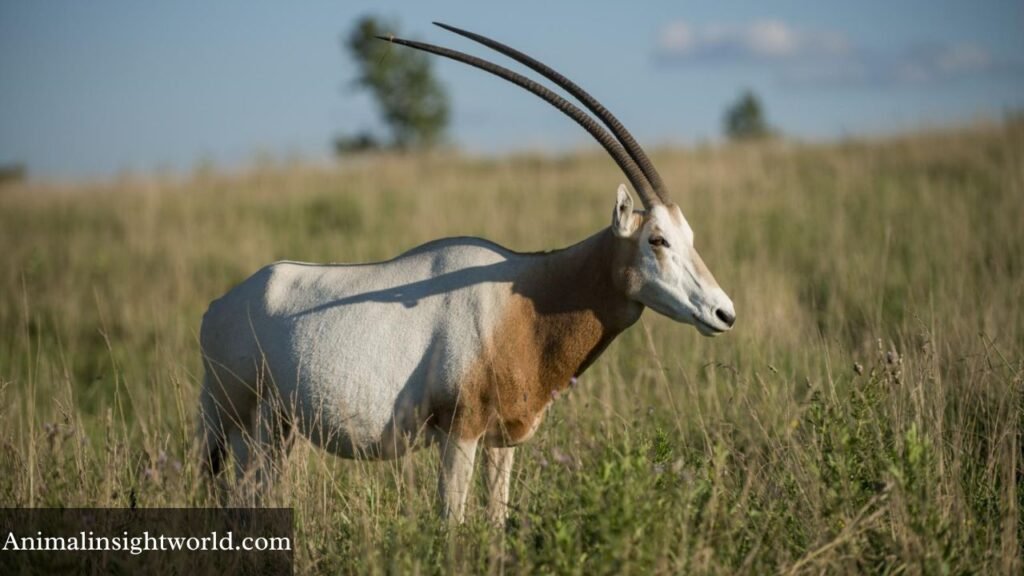
In a remarkable twist of conservation efforts, the Scimitar Oryx has made a comeback from the brink of extinction, thanks to dedicated captive breeding programs. Their distinctive appearance, coupled with their gentle demeanor, has captured the hearts of wildlife enthusiasts around the world. Observing these horned beauties in a natural setting reveals a fascinating dynamic; they navigate their harsh environment with grace, utilizing their impressive horns not just for survival but also as a means of communication with the herd.
Alpine Ibex
Scientific Name: Capra ibex
The Alpine ibex, a magnificent inhabitant of the rugged European Alps, sports impressive, backward-curving horns that can reach lengths of over three feet. These horns serve not only as a symbol of the ibex’s majestic presence but also as vital tools for survival. During the harsh winter months, they are employed in fierce battles for dominance among males, showcasing the animal’s strength and resilience in a challenging environment. The rocky cliffs that characterize its habitat provide a natural arena, where agility and courage define the victor.
What is particularly fascinating about the Alpine ibex is its remarkable adaptation to extreme altitudes. The grazing patterns of these creatures shift with the seasons, allowing them to exploit nutrient-rich grasses on sun-kissed slopes while avoiding the treacherous snow-covered terrain below. Their incredible climbing abilities enable them to navigate steep, rocky environments with ease, often ascending sheer cliffs that would deter most other species. This extraordinary combination of physical prowess and strategic foraging highlights the ibex’s unique role in maintaining the ecological balance of its alpine home.
Moreover, these long-horned wonders are not just iconic; they are a testament to nature’s ability to sculpt and adapt life in even the harshest conditions. As climate change poses increasing threats to alpine ecosystems, observing the resilience of the Alpine ibex serves as a poignant reminder of the delicate balance that sustains these beautiful mountain ranges.
Texas Longhorn
Scientific Name: Bos taurus
The Texas Longhorn, with its strikingly long and curved horns that can reach up to seven feet, isn’t just a symbol of the Lone Star State; it embodies resilience and adaptability. Originally bred from Spanish cattle in the 18th century, these animals have evolved to thrive in harsh environments, making them a testament to survival. Their horns, far more than mere physical attributes, serve multiple purposes: from defense against predators to a means of thermoregulation, helping them dissipate heat in the sweltering Texan sun.
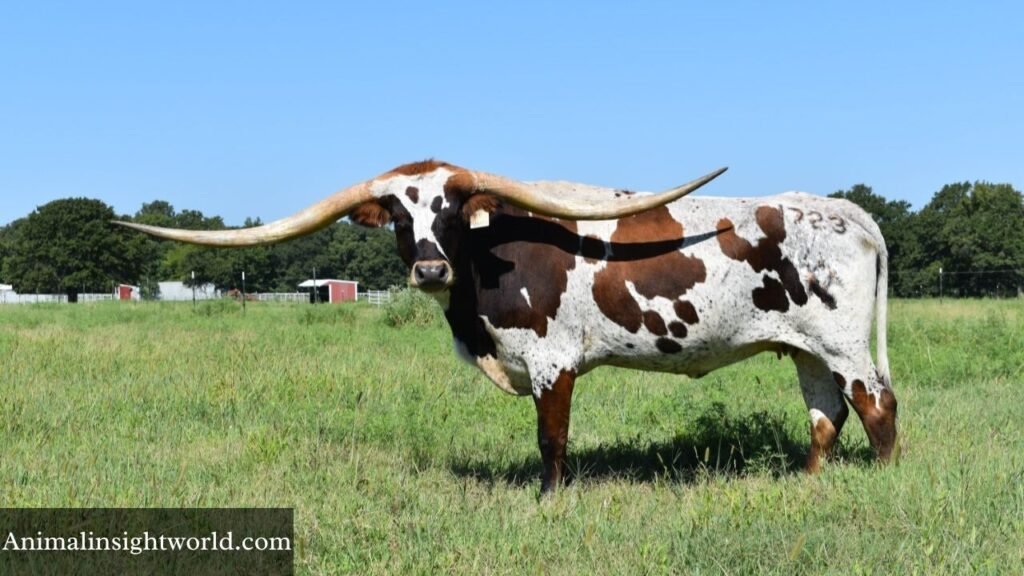
Beyond their impressive size, Texas Longhorns boast a rich tapestry of coloration and pattern, showcasing a palette that can range from deep browns to vivid whites, often splashed with unique markings. They possess a gentle temperament, which belies their fierce appearance; this makes them ideal for various agricultural settings. Moreover, their low-maintenance dietary needs and good health contribute to their popularity among ranchers, as they require less care than many other cattle breeds.
Readmore: Explore Top 20 Animals With Fangs.
Markhor
Scientific Name: Capra falconeri
The markhor, a striking wild goat native to Central Asia, is renowned for its impressive long horns, which can spiral up to seven feet long. These magnificent appendages are not just for show; they play a crucial role in establishing dominance during mating rituals and defending territory. Each markhor’s horns are unique, with intricate patterns that reflect their individual journey through life, making them a tangible symbol of resilience against the harsh mountainous terrains they inhabit.
One fascinating aspect of the markhor is its ability to adapt to extreme environments. Found at altitudes ranging from 2,000 to 4,000 meters, these animals have developed exceptional climbing skills and a remarkable agility, allowing them to navigate steep cliffs and rocky outcrops where predators lurk. Their diet mainly consists of tough vegetation, including shrubs and coarse grasses, showcasing their ability to thrive on limited resources while contributing to the ecological balance of their habitat.
Giant Eland
Scientific Name: Taurotragus derbianus
The Giant Eland, Africa’s largest antelope, boasts impressive horns that can reach lengths of up to four feet, spiraling elegantly as they rise from a majestic framework. These horns are not just for show; they serve crucial roles in social hierarchy and communication within herds. Males often engage in ritualistic displays, using their formidable antlers to assert dominance and attract mates, a spectacle that highlights both strength and grace.
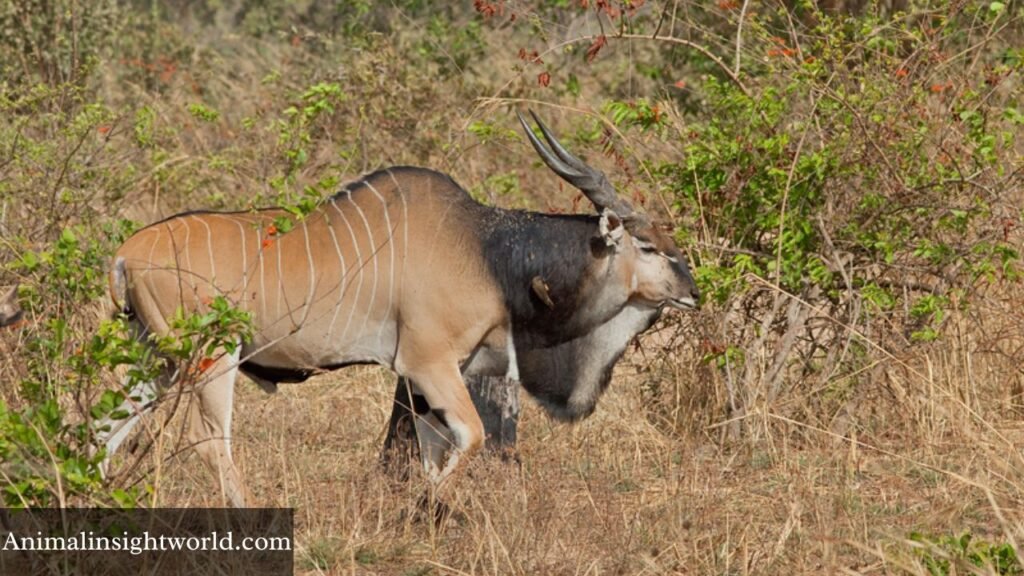
Adapted to the varying landscapes of sub-Saharan Africa, the Giant Eland’s long horns also assist in navigating dense bush, helping them reach high foliage while foraging. Their unique physiology allows them to thrive in the wild, where these antlers can ward off predators and serve as tools of defense during confrontations.
Pronghorn
Scientific Name: Antilocapra americana
Pronghorns, often mistaken for antelopes due to their striking similar features, are the fastest land mammals in North America, reaching speeds up to 55 mph. What’s particularly fascinating about these creatures is their unique horns, which are not true antlers but rather a distinct evolutionary adaptation. Unlike antlers that are shed annually, pronghorn horns grow year after year, showcasing a forked structure that emphasizes their remarkable individuality. This design isn’t just for show — it serves as a crucial defense mechanism against predators, signaling strength during confrontations.
Pronghorns possess an extraordinary ability to blend speed with endurance, allowing them to cover vast distances across open plains. Their long horns serve a dual purpose; while they can deter rivals during mating displays, they also play a role in complex social hierarchies within herds.
White Rhinoceros
Scientific Name: Ceratotherium simum
The white rhinoceros, one of the largest land mammals, is often recognized for its formidable horns, which can grow up to 1.5 meters long. These impressive structures are not merely tools for defense; they serve a wide range of purposes in the animal’s life. For instance, the white rhino uses its horns to dig up roots, scrape away vegetation, and even in social interactions with other rhinos. The horn’s keratin composition, similar to human hair and nails, symbolizes resilience and power in the wild.
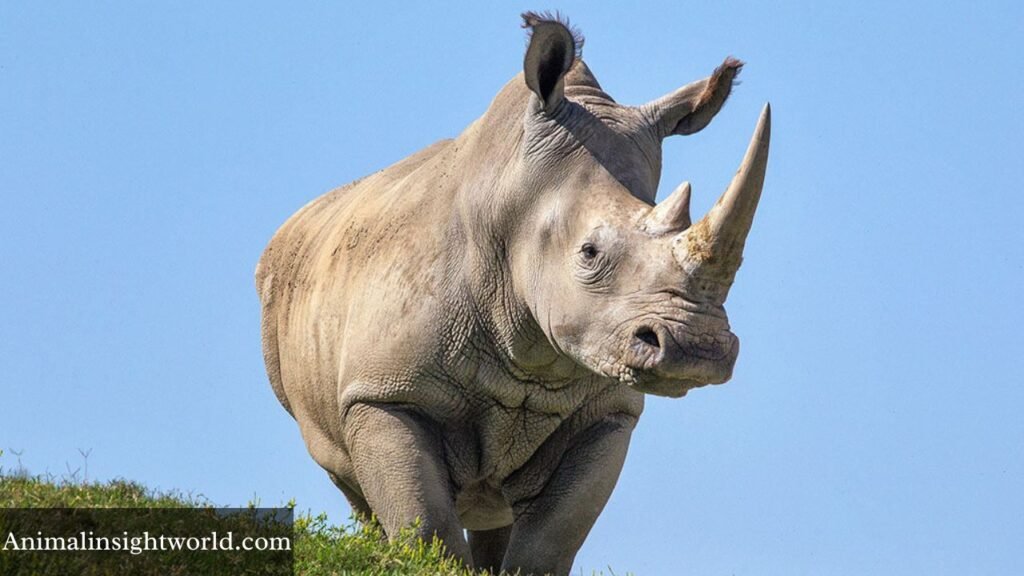
Interestingly, the social behavior surrounding these horns reveals much about their importance beyond survival. Males often engage in “horn clashes” during mating disputes, displaying their size and strength to potential mates. This ritual is not just a fight; it’s a way to establish dominance without excessive violence, showcasing the rhino’s intelligence and social complexity.
You can also read: Explore Top 24 Animals That Have Small Ears.
Sable Antelope
Scientific Name: Hippotragus niger
The sable antelope, with its strikingly long, curved horns, is a true icon of the African savannah. Males typically possess horns that can reach lengths of up to 39 inches, serving not only as impressive physical features but also as vital tools for territorial defense and social hierarchy. The horns of the sable antelope embody more than just aesthetics; they are critical for survival, allowing males to engage in fierce battles during mating season, where dominance can determine breeding rights.
What truly sets the sable antelope apart is its remarkable adaptability. This species thrives in varying habitats, from dense woodlands to open grasslands, showcasing a level of versatility that few other ungulates possess. Their characteristic dark coat not only blends seamlessly with the shadows of their habitats but also serves a practical purpose by reducing the risk of overheating in the midday sun. Moreover, sable antelopes are known for their strong social structures, often forming groups led by a dominant male, which reinforces the intricate dynamics of their communities. Observing these majestic creatures in the wild offers a unique glimpse into the intricate balance of nature, where strength meets strategy in a captivating dance of survival.
Springbok
Scientific Name: Antidorcas marsupialis
The Springbok, a graceful antelope native to southern Africa, showcases a unique adaptation in its long, slender horns that serve multiple purposes beyond mere display. These pronouncing features, which can reach lengths of up to 24 inches in males, are crucial for establishing dominance during mating rituals and warding off predators. As they navigate the rugged terrain of the savannah, their horns become symbols of agility and defense, allowing them to engage in a mesmerizing display known as “pronking,” where they leap into the air in a series of high jumps. This not only showcases their physical prowess but also confuses potential threats, making them one of nature’s most captivating survivors.
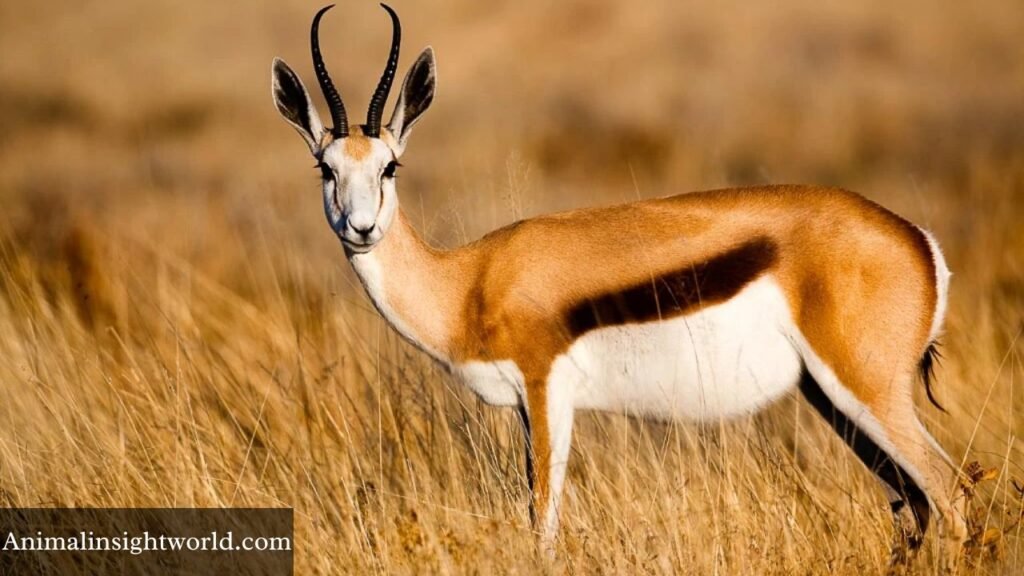
Moreover, the Springbok’s horns play an essential role in social hierarchy, where individuals determine their standing not just through size, but also through the intricacies of behavior and interaction. This social structure creates a dynamic environment within herds, fostering both competition and camaraderie.
Wild Yak
Scientific Name: Bos mutus
The wild yak, adorned with its impressive, sweeping horns, embodies the rugged majesty of the high Himalayas. These remarkable animals are not merely defined by their formidable horns; those distinctive appendages serve vital roles in their social dynamics. During mating season, the display of horn size and strength allows males to establish dominance and attract mates, showcasing nature’s intricate dance of survival. However, beyond the romantic realm, those long horns also act as essential tools for foraging and maintaining balance on treacherous mountain terrain.
Wild yaks are remarkable survivors, thriving in altitude where few other mammals dare to tread. Their thick, shaggy coats are not just a defense against the biting cold; they also play a pivotal role in their eco-system by assisting with nutrient cycling. As these magnificent creatures graze, they help manage the sparse vegetation, shaping the landscape and creating habitats for other species. In essence, the wild yak is not just an iconic symbol of its habitat but also a crucial player in maintaining the ecological equilibrium of its high-altitude home.
African Buffalo
Scientific Name: Syncerus caffer
The African buffalo, often overshadowed by its more glamorous counterparts, boasts formidable horns that curve elegantly and grow in distinctively unique shapes. Each buffalo carries a set of these impressive weapons that serve as both tools for defense and a symbol of status within their herds, showcasing the diverse patterns each individual develops over time. The thick, fused bases of their horns, also known as the “boss,” provide added protection during the inevitable skirmishes with predators or rival males.
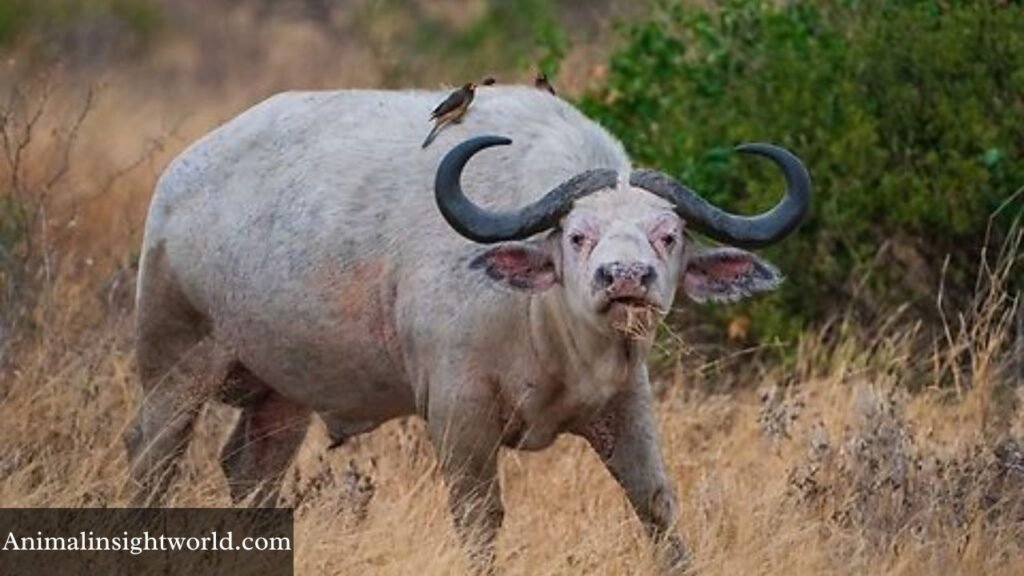
Beyond their physical prowess, the horns of the African buffalo play a crucial role in social dynamics. These animals are known for their complex social structures, where hierarchy and relationships are subtly woven into their daily interactions. The size and shape of a buffalo’s horns can influence its standing in the troop, often determining mating rights and access to resources.
Also read: Explore Top 21 Animals With Sharp Claws.
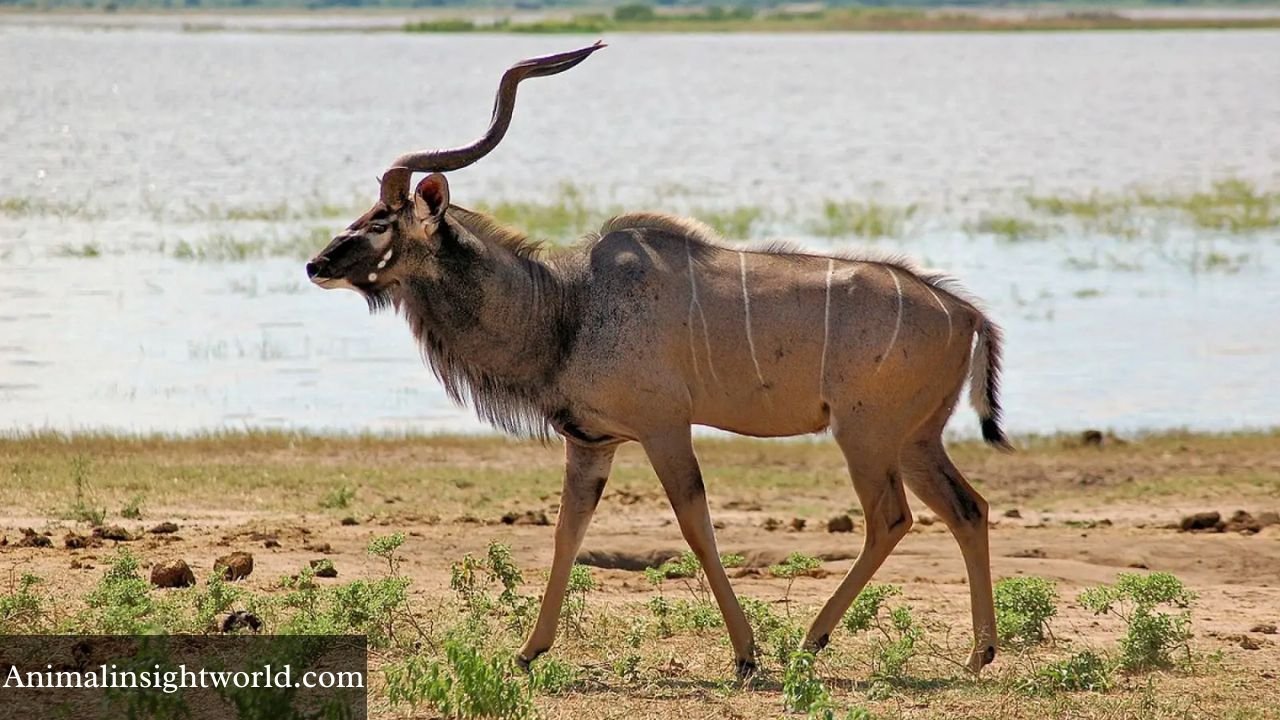
Greater Kudu
Scientific Name: Tragelaphus strepsiceros
The Greater Kudu, a magnificent antelope native to the woodlands and savannas of eastern and southern Africa, is celebrated not just for its striking appearance but also for the intricate symbolism of its long, spiraled horns. These impressive appendages, which can reach lengths of nearly four feet in males, serve as both a tool of dominance during mating season and a means of defense against predators. Yet, the greater significance lies in their unique structure, which is a testament to the evolutionary dance between form and function, allowing these animals to navigate dense vegetation with remarkable grace.
Ankole-Watusi
Scientific Name: Bos taurus watusi
The Ankole-Watusi, often referred to as the “cattle with the crown,” boasts some of the longest horns of any domestic cattle breed, reaching up to eight feet in length. These majestic structures, which arch gracefully from their skulls, serve not only as a striking characteristic but also play vital roles in thermoregulation. The extensive surface area allows heat dissipation, helping these magnificent animals thrive in the harsh climates of East Africa.
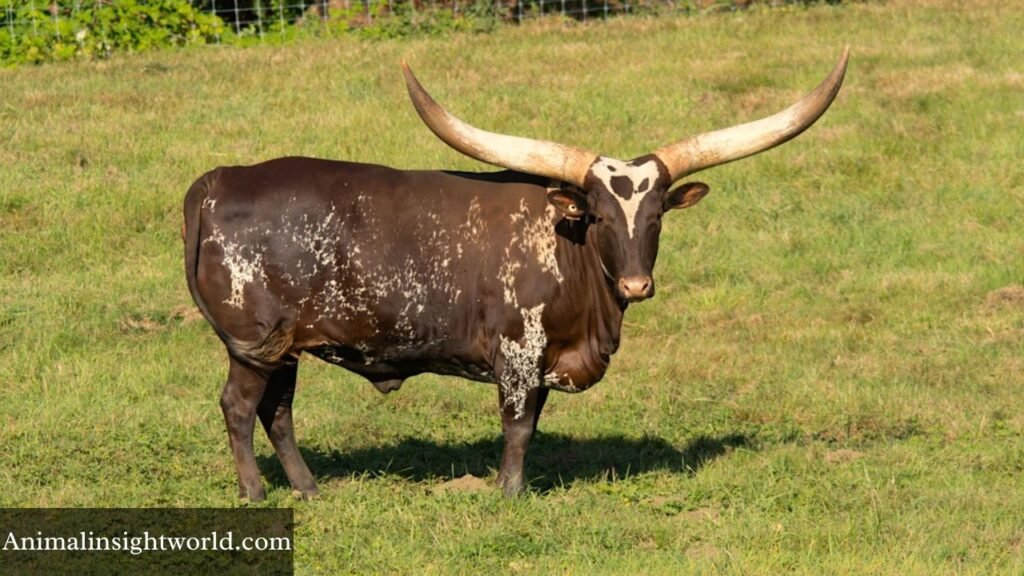
Beyond their impressive horns, Ankole-Watusi embody a rich cultural heritage. Revered by the Tutsi people of Rwanda and Burundi, these cattle are symbols of wealth, status, and kinship. The animals are often adorned with colorful beads and ceremonial decorations during festivals, reflecting their significance in daily life and traditional practices.
Asian Water Buffalo
Scientific Name: Bubalus bubalis
The Asian Water Buffalo, with its impressive long horns, is not just a majestic creature; it’s a vital part of agricultural life in many Asian cultures. These horns, which can stretch up to five feet in length, serve multiple purposes. While they may look fierce, they help the buffalo regulate body temperature by releasing heat, especially in the humid environments they often inhabit. This adaptation highlights a fascinating intersection of form and function in nature. Beyond their physical prowess, these animals embody resilience. Farmers depend on them for plowing fields, making them indispensable to rice cultivation across regions like Southeast Asia.
You can also read: Explore Top 15 Animals With Hooves.
Bighorn Sheep
Scientific Name: Ovis canadensis
Bighorn sheep, renowned for their impressive, spiraled horns, are not just a visual marvel; they embody a fascinating blend of strength and social dynamics. These enormous horns, which can weigh up to 30 pounds, serve a dual purpose: they are tools for vying for dominance among rams and also act as protective devices against predators. Their grandeur isn’t merely for show; the unique curvature of the horns allows them to absorb and disperse the impact during fierce headbutting contests, which are essential to establishing social hierarchies.
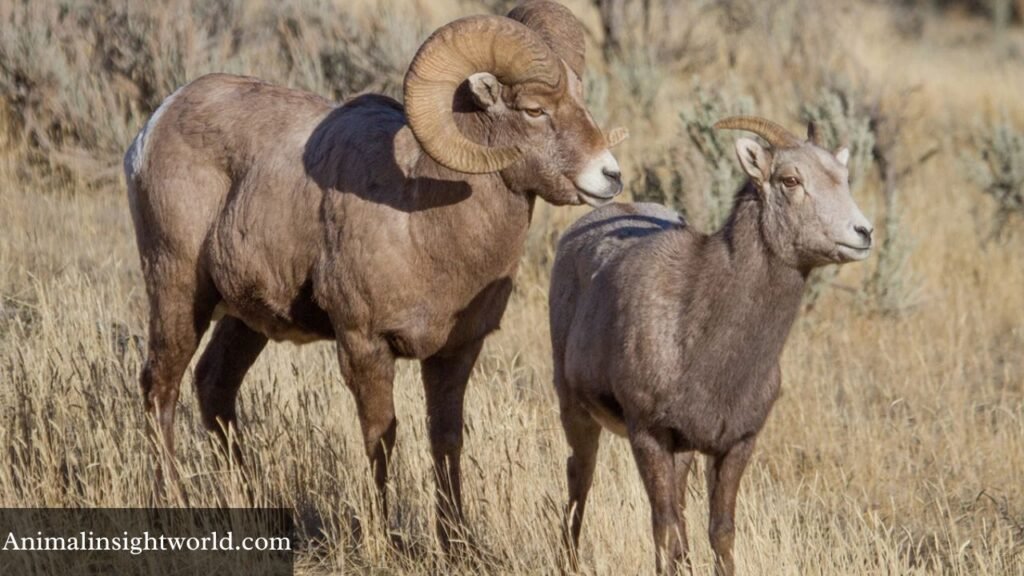
Beyond their iconic appearance, bighorn sheep present a compelling case study in adaptation. These agile grazers navigate rocky terrains with remarkable ease, showcasing their specialized hoof structure designed to provide grip and balance. They are primarily social animals, forming tight-knit groups that foster cooperation and protection against threats. This social dynamic is critical during the harsh winter months when survival hinges on finding food and shelter, demonstrating that cooperation is key in the wild, even for those clad in horns of fierce resilience.
Gazelle
The gazelle’s long, elegantly curved horns serve more than just aesthetic appeal; they are a testament to adaptation in an unforgiving environment. These horns, which can reach impressive lengths depending on the species, play a crucial role in both defense and mating displays. Males often engage in elaborate sparring matches, clashing their horns in a graceful dance that showcases both strength and agility. This display not only attracts potential mates but also reaffirms social hierarchy within herds.
Interestingly, the structure of gazelle horns is designed to withstand the stresses of combat while maintaining lightness, allowing for swift maneuvers. This balance is key to their survival in the vast grasslands where speed and agility are critical in evading predators.
Readmore: Explore Top 20 Animals Without Legs.
Conclusion
Animals with long horns are not just fascinating in their appearance but also play critical roles in their ecosystems. From the majestic bison grazing on the plains to the agile ibex navigating rocky terrains, these creatures demonstrate the diverse ways horns can be utilized for survival. Their impressive appendages serve purposes ranging from defense against predators to attracting mates during the breeding season. Many of these species are facing threats due to habitat loss and climate change, making conservation efforts essential. As stewards of the planet, it’s our responsibility to protect these magnificent animals and their habitats for future generations to appreciate.
FAQs
Which animal has the longest horns in the world?
The Ankole-Watusi cattle are known for having the longest horns in the world, with some measuring over 8 feet from tip to tip. These impressive horns are not just for show; they help regulate the animal’s body temperature in their native African environment. The size and shape of the horns vary among individuals, contributing to their unique look.
What animal has long straight horns?
The oryx is a striking animal known for its long, straight horns that can reach up to 4 feet in length. These horns are not only impressive but also serve a purpose; they can be used for defense against predators.