Top 19 Animals That Eat Spiders (With Pictures)
Did you know that not all creatures scurry away in fear at the sight of a spider? In fact, several fascinating animals thrive on a diet of these eight-legged arachnids. In this article, we’ll delve into the intriguing world of animals that eat spiders, highlighting their unique adaptations and roles in maintaining ecological balance. By understanding these predatory relationships, you’ll gain a deeper appreciation for nature’s complex web of interactions.
List of Animals that Eat Spiders
Here is the list of animals that eat spiders:
- Tarantula Hawks
- Robins
- blackbirds
- Western Toads
- Natterjack
- Centipedes
- Archers
- Trout
- Mosquitofish
- Spider Wasps
- Praying Mantises
- Scorpions
- Geckos
- Other Spiders
- Dragonflies
- Shrews
- Monkeys
- Bats
- Snakes
Tarantula Hawks
Scientific Name: Pepsis
Class: Insecta
Diet: Carnivore
Tarantula hawks, belonging to the peacock wasp family, are remarkable creatures that strike a fascinating balance in the ecosystem as predators of one of the world’s most notorious arachnids. These striking wasps, with their iridescent blue-black bodies and vibrant orange wings, have an astonishing life cycle that centers around tarantulas. Female tarantula hawks seek out these massive spiders, delivering a paralyzing sting that immobilizes their prey without killing it. Then, they lay their eggs within the living spider, ensuring their larvae have a fresh meal that’s still breathing.
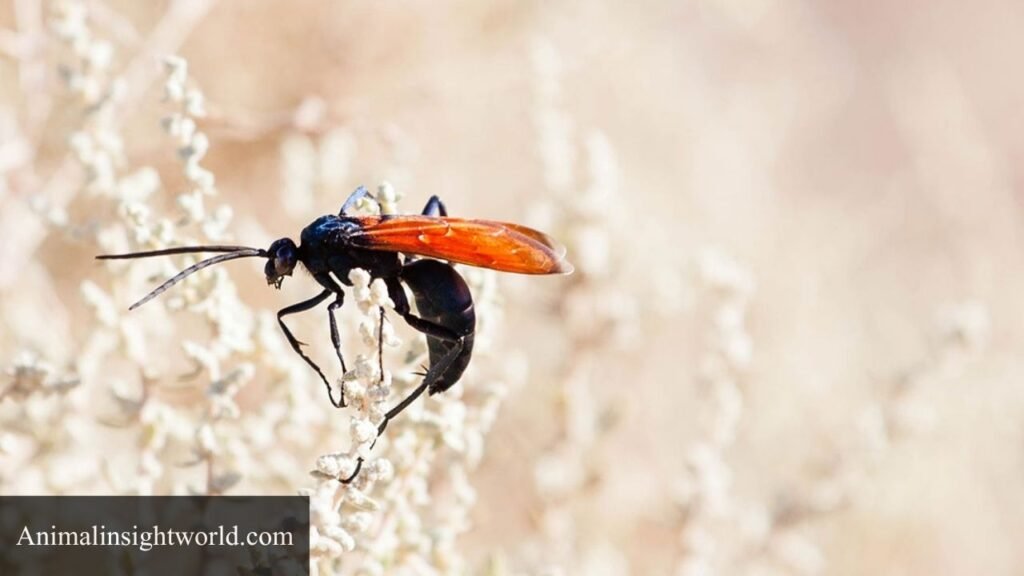
What’s particularly intriguing is the tarantula hawk’s methodical search for the right spider. Each species of tarantula hawk has its specific prey, showcasing a specialized relationship that emphasizes the complex web of life in the natural world. Observing these wasps in action reveals a brutal yet captivating dance of survival, reflecting nature’s relentless cycle of life and death. The drama unfolds as the paralyzed tarantula becomes an unwilling host, and the wasp larvae achieve a macabre form of nourishment, turning the tables on one of nature’s most formidable hunters.
Robins
Scientific Name: Turdus migratorius
Class: Aves
Diet: Omnivore
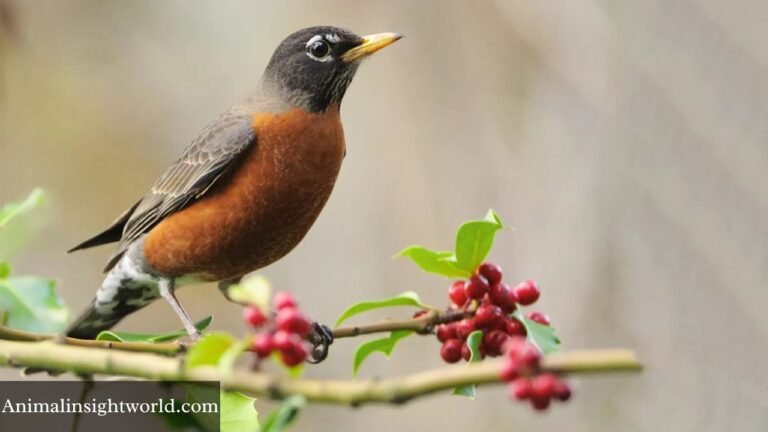
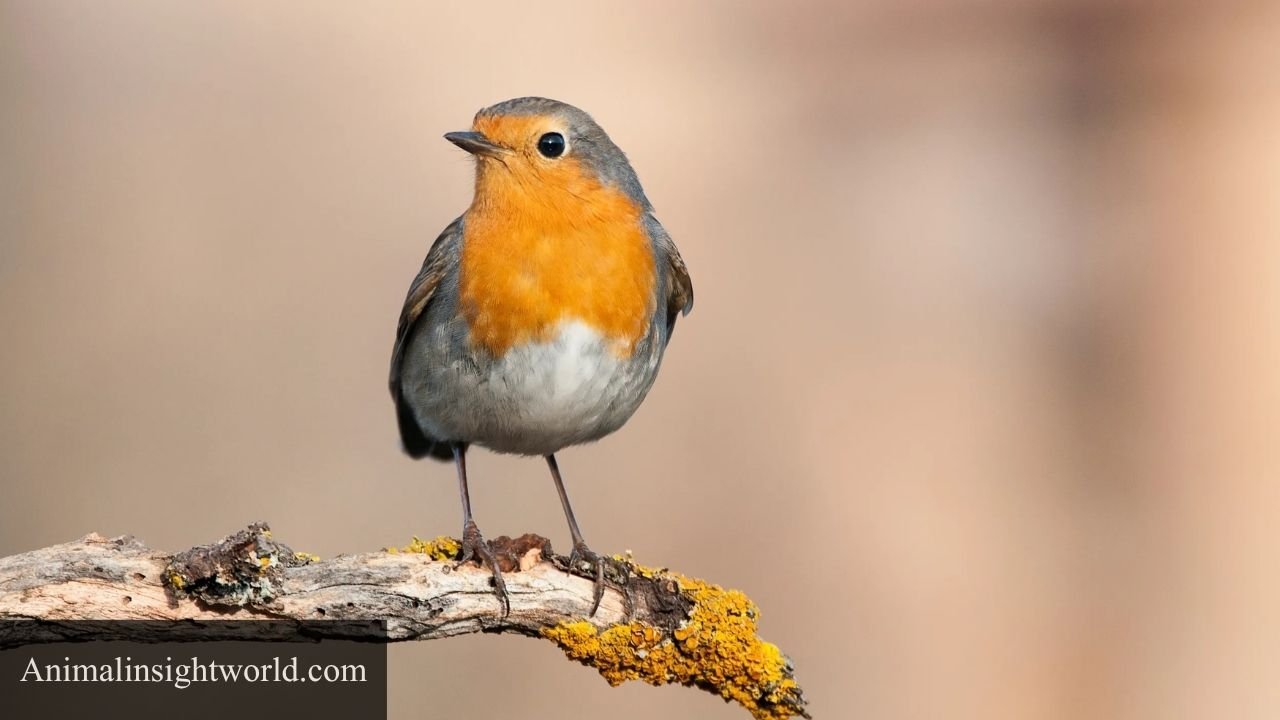
Robins, often seen hopping about in gardens and parks, play a surprisingly significant role in controlling spider populations. These nimble foragers are equipped with keen eyesight, allowing them to spot even the slightest movements in grassy undergrowth, where many spiders lurk. When robins hunt, they employ a combination of quick pecks and agile leaps, showcasing their adaptability and finesse in securing a protein-rich meal that often includes not only insects but also arachnids.
Beyond their hunting prowess, robins contribute to the ecological balance by acting as natural pest controllers. As they consume spiders, they help prevent these eight-legged creatures from overpopulating, which can lead to a disruption in local ecosystems. Interestingly, robins are also a primary food source for many backyard predators, creating a delicate web of interdependence. This relationship highlights the intricate balance of nature, as each species, from the tiniest spider to the graceful robin, plays a crucial role in maintaining biodiversity.
Blackbirds
Scientific Name: Turdus merula
Class: Aves
Diet: Omnivore
One of the most fascinating avian predators of spiders is the blackbird, a species known for its adaptability and foraging skills. These birds actively scavenge a variety of habitats, from urban gardens to wetlands, making them natural hunters of spiders. With their keen eyesight, blackbirds can spot webs glistening in the morning dew, alerting them to a potential meal hiding within. Their agile movements allow them to deftly unearth spiders from their silken retreats or even snatch them mid-flight, showcasing their dexterity.
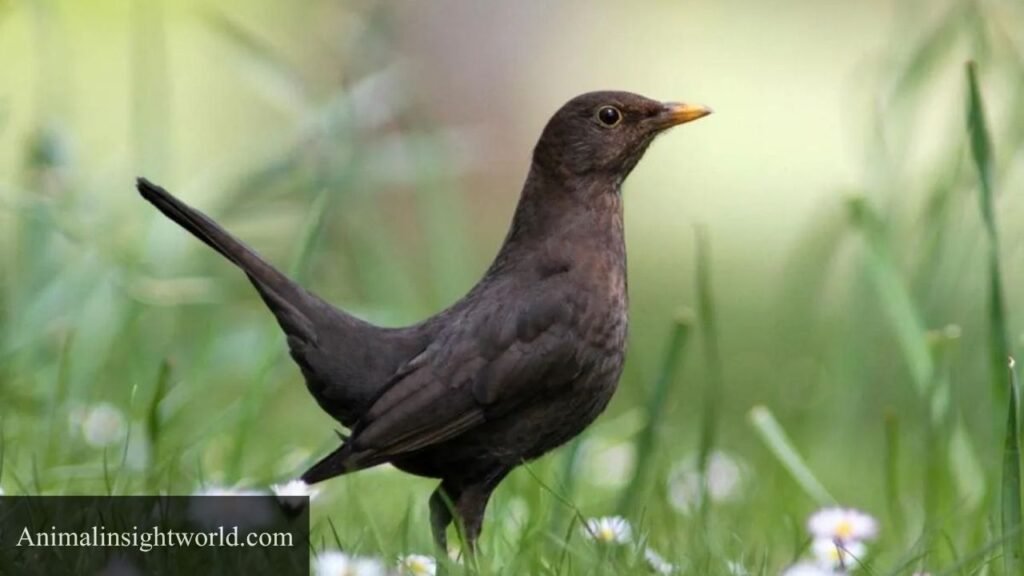
Beyond simple sustenance, blackbirds play a crucial role in controlling spider populations, contributing to the balance of their ecosystems. Interestingly, certain species exhibit a preference for specific spider types, indicating a level of dietary selectivity that speaks to their ecological intelligence. Moreover, by consuming spiders, blackbirds inadvertently assist in the dispersal of these arachnids, helping to seed new sites for future hunts. This dynamic interaction not only benefits the blackbirds but also enriches the biodiversity of their environments, underscoring the intricate web of life where even the smallest predators have a significant impact.
Readmore: Explore Top 13 Animals That Eat Mushrooms.
Western Toads
Scientific Name: Anaxyrus boreas
Class: Amphibia
Diet: Carnivore
Western toads are unassuming yet formidable predators when it comes to their diet, which intriguingly includes spiders. With their wide mouths and quick tongues, these amphibians are adept at catching a variety of arthropods, and spiders are among their favorite snacks. This predation plays a crucial role in the ecosystem by helping to regulate spider populations, ensuring that these eight-legged creatures don’t overwhelm their surroundings.
Interestingly, the Western toad employs a unique hunting strategy that showcases their adaptability. While many creatures rely on sight, these toads utilize both vision and chemical cues to locate their prey. This olfactory prowess allows them to detect spiders lurking in hidden crevices or underneath vegetation, making them efficient hunters during both day and night. By consuming spiders, Western toads also contribute to nutrient cycling within their habitats, as they break down these arthropods and return nutrients to the soil through their waste.
Natterjack
Scientific Name: Epidalea calamita
Class: Amphibia
Diet: Carnivore
The natterjack toad, a fascinating amphibian native to Europe, has a particular penchant for dining on spiders. Unlike their more common cousins, natterjacks thrive in sandy, coastal habitats, where spiders are not just abundant but diverse. What sets the natterjack apart is its ability to consume prey larger than itself, showcasing a remarkable adaptability in its diet that can include various invertebrates. This opportunistic feeding behavior highlights a lesser-known aspect of their ecology, illustrating how these toads fit into the intricate web of their ecosystem.
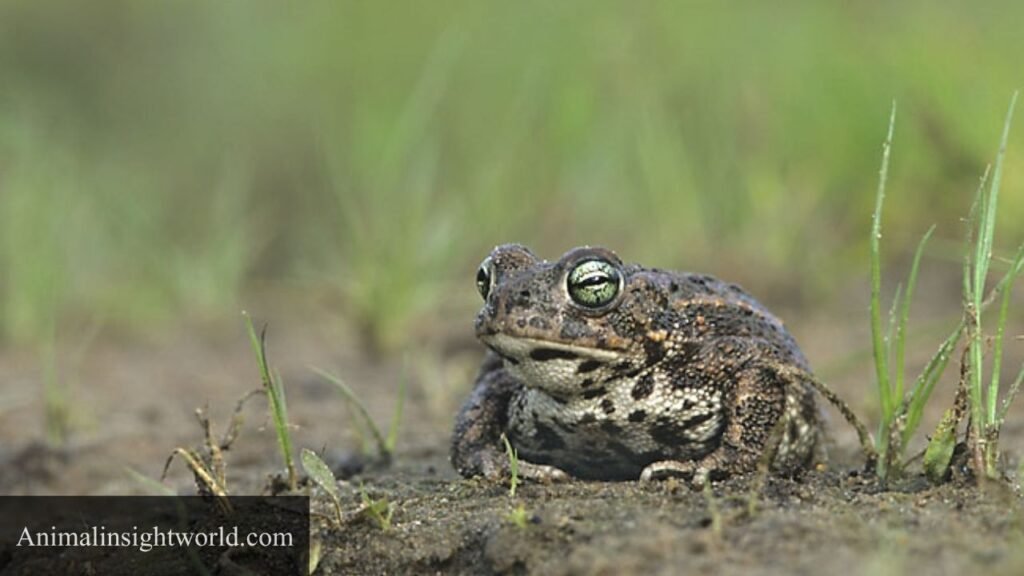
Interestingly, natterjacks employ a unique hunting strategy that enhances their success rate. Using their sticky tongues, they capture spiders with impressive speed. Their nocturnal lifestyle aids them in this pursuit, allowing them to exploit the active evening hours when spiders are more easily found. What’s more, their potent skin secretions serve as an effective deterrent to potential predators, granting them the confidence to tackle prey that might otherwise be intimidating. This interplay of predation and survival makes the natterjack not just a spider-eater but a crucial player in maintaining the balance of its environment.
Centipedes
Scientific Name: Chilopoda
Class: Chilopoda
Diet: Carnivore
Centipedes are among the most formidable predators in the insect world, and their dining preferences might surprise many. With their long, segmented bodies adorned with a plethora of legs, centipedes possess a unique predatory strategy that makes them exceptionally efficient at hunting down spiders. These agile creatures utilize speed and venom to subdue their prey, injecting toxins that paralyze or immobilize spiders before devouring them whole. Their ambush tactics mirror those of their six-legged counterparts, allowing them to thrive in diverse environments, from damp leaf litter to arid deserts.
What’s particularly fascinating is the role of centipedes in maintaining ecosystem balance. By preying on spiders, they help control spider populations, which can otherwise explode in abundance, potentially disrupting the delicate equilibrium of their habitats. This predation is crucial, especially in densely populated areas where insects and arachnids compete for resources. Furthermore, researchers have uncovered that the venom of certain centipede species contains compounds with potential medicinal properties, shedding light on the intricate connection between predation and pharmaceutical discovery. In the secretive world of nature, centipedes remind us that even the smallest hunters play a significant role in the grand tapestry of life.
Archers
Scientific Name: Toxotidae
Class: Actinopterygii
Diet: Carnivore
Archers, fascinating creatures more commonly known as Archerfish, are adept hunters with a knack for precision and strategy. These aquatic marvels possess an extraordinary ability to knock insects, including spiders, off overhanging branches with a well-aimed jet of water. Their remarkable adaptation allows them to survive in murky waters where visibility is low, relying on a skill often likened to that of a sharpshooter. When targeting a prey, an Archerfish can adjust the angle of its trajectory, taking into account factors like refraction, showcasing a level of cognitive function that intrigues researchers.
What’s even more captivating is the social learning exhibited by these fish. Young Archers observe and mimic the hunting techniques of adults, a behavior rarely seen in fish but crucial for honing their skills in capturing elusive insects. This interplay between individual capability and communal wisdom highlights not only survival but the evolutionary drive for sophistication in hunting methods. In a world that often overlooks the intricate behaviors of freshwater species, the Archerfish stands out as a testament to adaptability and intelligence, proving that even the simplest of diets can lead to profound insights into nature’s complexities.
Trout
Scientific Name: Salmonidae
Class: Actinopterygii
Diet: Carnivore
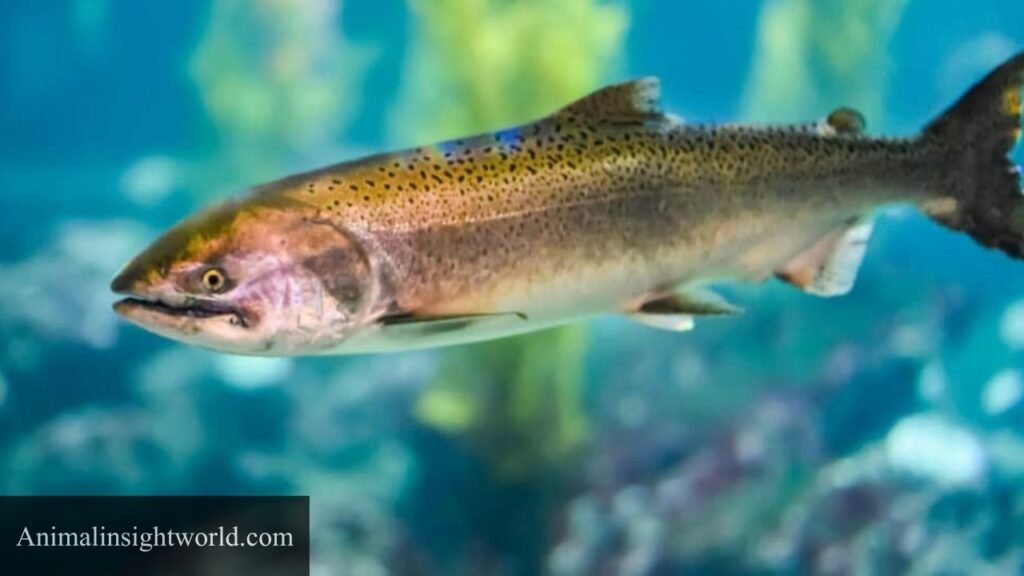
Trout are fascinating creatures that surprise many with their dietary preferences, especially when it comes to the unexpected consumption of spiders. In their quest for sustenance, these agile fish will often skim the water’s surface, snapping up anything that lands, including unwitting arachnids. During warmer months, when spiders venture too close to the water’s edge, trout capitalize on this opportunity, exhibiting remarkable hunting skills that showcase their adaptability.
Beyond the mere act of consumption, the relationship between trout and spiders highlights the interconnectedness of ecosystems. Spiders, drawn to moist environments near rivers and lakes, become a key protein source for trout, enriching the fish’s diet and contributing to their growth and health. This behavior not only supports the trout’s survival but also indicates the underlying balance of nature — how organisms often rely on unexpected partners in the food web. As observers, we’re reminded that even the most familiar species can reveal hidden complexities in their dietary habits, prompting us to appreciate the intricate tapestry of life.
Mosquitofish
Scientific Name: Gambusia affinis
Class: Actinopterygii
Diet: Carnivore
Mosquitofish, often overlooked in the grand tapestry of ecosystems, play a crucial role in controlling spider populations in aquatic environments. These small, agile fish have an appetite for not only mosquitoes but also other tiny creatures, including water-dwelling spiders. While they may not seem like the typical predator for such eight-legged critters, their relentless foraging habits make them vital allies in maintaining ecological balance.
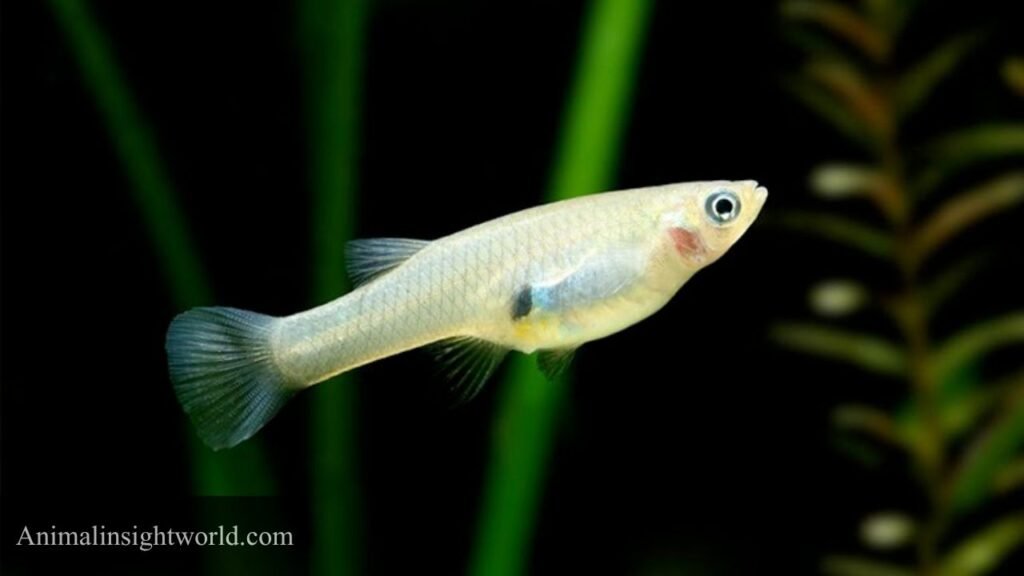
What sets mosquitofish apart is their adaptability to various habitats, from ponds to marshes. As they dart through the water, their keen senses allow them to spot and target spiderlings or even adult aquatic spiders that might venture beneath the water’s surface. This serves as a fascinating reminder of how interconnected food webs are and how creatures that seem benign can impact the populations of those we often consider pests. The presence of mosquitofish can significantly diminish spider numbers in water bodies, revealing yet another testament to nature’s ingenious methods of pest control.
Spider Wasps
Scientific Name: Pompilidae
Class: Insecta
Diet: Carnivore
Spider wasps, part of the Pompilidae family, are remarkable predators that exhibit an extraordinary relationship with their eight-legged prey. These wasps are equipped with a keen sense of smell and remarkable agility, allowing them to hunt down spiders with impressive precision. Once a spider is captured, the wasp paralyzes it with a swift sting, ensuring it remains alive but immobile — a strategy that serves a dual purpose. Not only does this provide fresh food for the wasp’s larvae, but it also keeps the spider fresh for the young to consume upon hatching.
The reproductive behavior of spider wasps is as fascinating as their hunting technique. Female wasps deftly create a burrow where they deposit the paralyzed spider alongside their eggs. This gruesome yet efficient method is a testament to nature’s brutal pragmatism — by keeping the spider alive, the larvae have access to a continuous food source when they emerge. In a world where survival often hinges on resourcefulness, spider wasps embody an eloquent dance of life and death, showcasing the intricate webs of relationships in the ecosystem.
Praying Mantises
Scientific Name: Mantodea
Class: Insecta
Diet: Carnivore
Praying mantises are fascinating predators, known not just for their unique appearance but for their exceptional hunting skills. These insects exhibit a remarkable level of ambush predation, using their, well, prayer-like stance to survey their surroundings for unsuspecting prey, including spiders. With their rapid reflexes and powerful forelegs, mantises can snatch a spider from its web with astonishing precision. This adaptation showcases the praying mantis’s role as a formidable predator in its ecosystem.
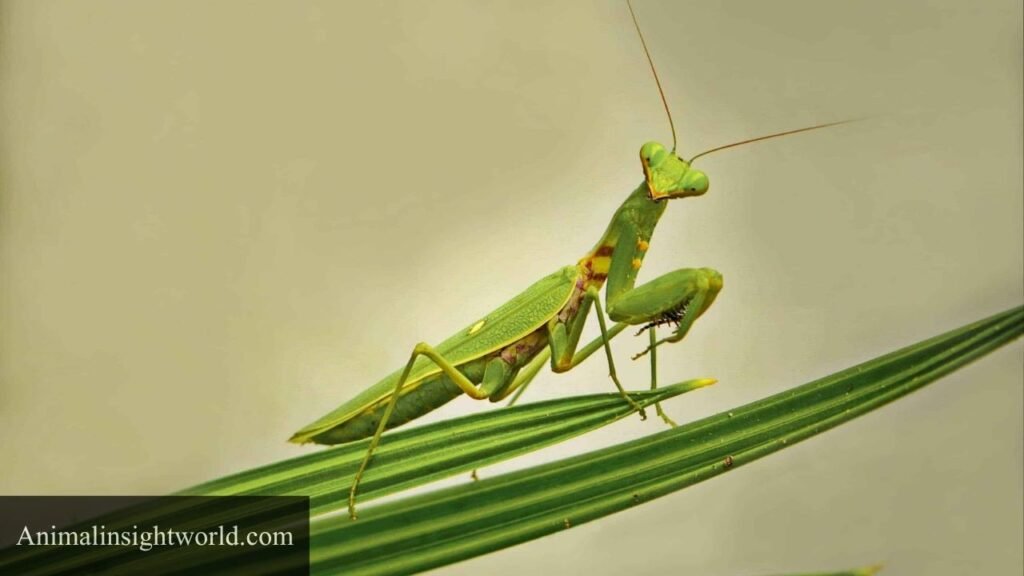
Interestingly, mantises are not picky eaters; their diet extends beyond spiders to include a variety of insects, sometimes even small vertebrates. Their voracious appetite cultivates balance within ecosystems by controlling spider populations, which can otherwise proliferate unchecked. Some researchers argue that the presence of praying mantises may influence the behavior and distribution of spiders, leading these arachnids to adapt their silk-waving techniques or web structures for better evasion. Thus, the interaction between mantises and spiders highlights a complex web of ecological relationships that drive the diversity and dynamics of our natural world.
Scorpions
Scientific Name: Scorpiones
Class: Arachnida
Diet: Carnivore
Scorpions, often seen as fearsome predators in their own right, have an unsettlingly diverse diet that includes other arachnids like spiders. These nocturnal hunters utilize their specialized pincers to capture and subdue their prey, often employing a methodical approach that emphasizes patience and precision. Their venomous sting not only incapacitates their victims but also serves as a skillful means to digest prey more efficiently, allowing the scorpion to savor its meal without the competition of scavengers.
Interestingly, scorpions are particularly adept at seeking out spiders that are evasive and cunning. They can even hunt down species that are skilled in camouflage, showcasing their remarkable sensory adaptations. In this predator-prey relationship, scorpions serve a crucial ecological role, helping maintain the balance of populations in their habitats. This intricate dance of survival between these arachnids highlights a lesser-known aspect of nature’s complexity, where even the most formidable creatures are part of a tangled web of life.
Geckos
Scientific Name: Gekkonidae
Class: Reptilia
Diet: Carnivore
Geckos are fascinating little predators, often overlooked in discussions about the animal kingdom’s pest controllers. Their diet includes a variety of insects, but spiders are a particularly welcome treat. With their impressive agility and specialized toe pads, geckos can easily navigate the surfaces where spiders tend to hide. This not only serves a practical purpose for the gecko — filling their stomachs — but also helps maintain ecological balance by keeping spider populations in check.
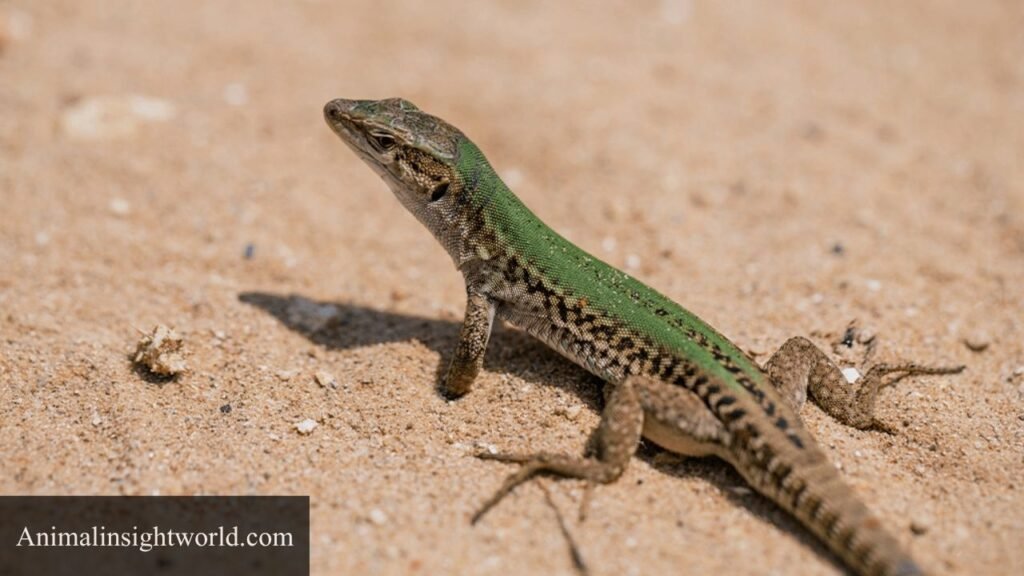
What’s particularly intriguing is the gecko’s hunting technique. Some species locate their prey using sight to spot spiders hanging in webs, while others rely on their acute sense of smell. Once they pounce, their sticky tongues flick out at remarkable speed, ensnaring spiders before they even have a chance to escape. This swift predation, combined with their nocturnal habits, makes geckos highly effective hunters in both urban and natural ecosystems, showcasing how even the smallest of creatures can play a vital role in shaping their environment.
Other Spiders
Scientific Name: Araneae
Class: Arachnida
Diet: Carnivore
In the intricate web of predator and prey, some spiders have evolved to be both nimble hunters and desperate for survival, leading them to embrace an unexpected diet: other spiders. This cannibalistic behavior isn’t merely about nourishment; it’s a strategy for survival in a world where competition is fierce and resources can be scarce. For instance, the tarantula hawk wasp, despite being an insect itself, often targets spiders as prey for its larval stage, showcasing nature’s astonishing ability to intertwine various life forms in complex food webs.
Interestingly, certain species of spiders, like the diving bell spider, will even engage in the ultimate act of intrafamilial rivalry — consuming siblings when food is scarce. This instinctive drive not only helps control population density but also ensures the survival of the fittest within their environments. Such behaviors reveal a stark reality about the natural world, where the line between predator and prey often blurs, and the quest for sustenance can lead to unexpected and sometimes gruesome outcomes. Each bite taken in this silent battle creates ripples throughout the ecosystem, emphasizing the delicate balance of life that often goes unnoticed in the webs we tread upon.
Dragonflies
Scientific Name: Anisoptera
Class: Insecta
Diet: Carnivore
Dragonflies are remarkable aerial predators, showcasing a unique blend of beauty and efficiency in their pursuit of food. With their keen eyesight and agile flight, these insects are adept hunters, capable of snatching spiders right from their webs mid-flight. Their ability to hover and maneuver with precision allows them to outsmart many arachnids, making them one of the few creatures that can challenge the stealth of a spider.
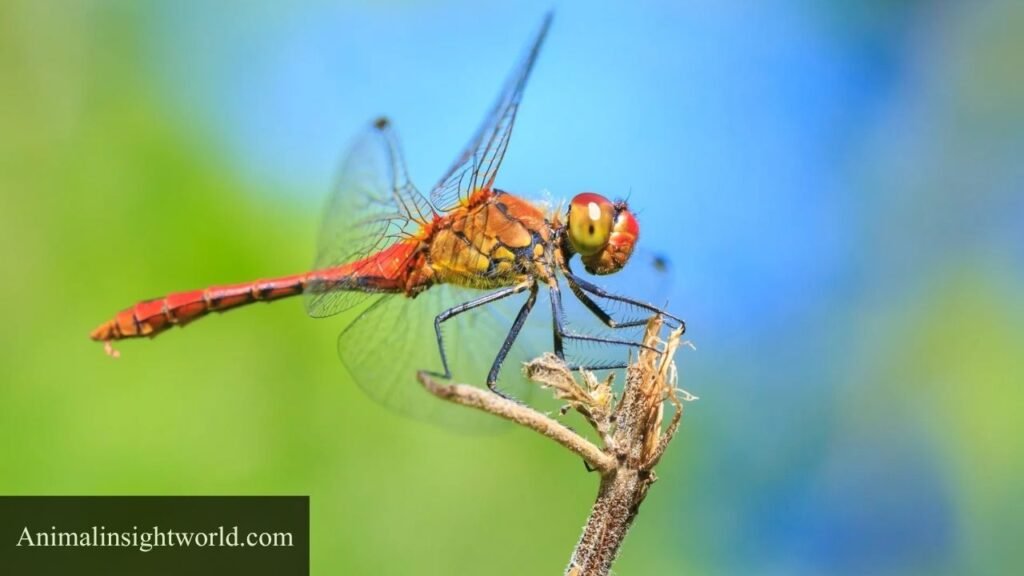
What’s fascinating is the dragonfly’s evolutionary adaptation for capturing these eight-legged prey. Their specialized mouthparts can easily grasp and consume smaller spiders, contributing to their role in maintaining ecological balance. This predatory behavior not only highlights the interconnectedness of ecosystems but also showcases the dragonfly’s versatility in hunting strategies. Observing a dragonfly’s hunting technique provides a glimpse into the intricate dance of predator and prey that defines the natural world. Each encounter serves as a reminder of the delicate balance within our ecosystems, where even the smallest of hunters can shape the narrative of life.
Shrews
Scientific Name: Soricidae
Class: Mammalia
Diet: Carnivore
Shrews, often overlooked in the animal kingdom, are secretive yet formidable predators in their own right. With their high metabolism and insatiable appetites, these tiny mammals will consume almost anything they can catch, including spiders. What sets shrews apart is their unique hunting strategy; they often rely on a combination of speed, agility, and an acute sense of smell to locate their eight-legged prey hidden under leaf litter or inside crevices.
Fascinatingly, shrews possess venomous saliva, which allows them to subdue larger prey and is particularly effective against spiders and insects. This capability shifts the narrative around these small creatures from mere scavengers to efficient hunters in the wild. Their voracious feeding habits not only help control spider populations but also aid in maintaining ecological balance. So, while shrews may appear diminutive, their impact on their environment is anything but small, making them crucial players in their ecosystems.
Monkeys
Scientific Name: Simiiformes
Class: Mammalia
Diet: Omnivore
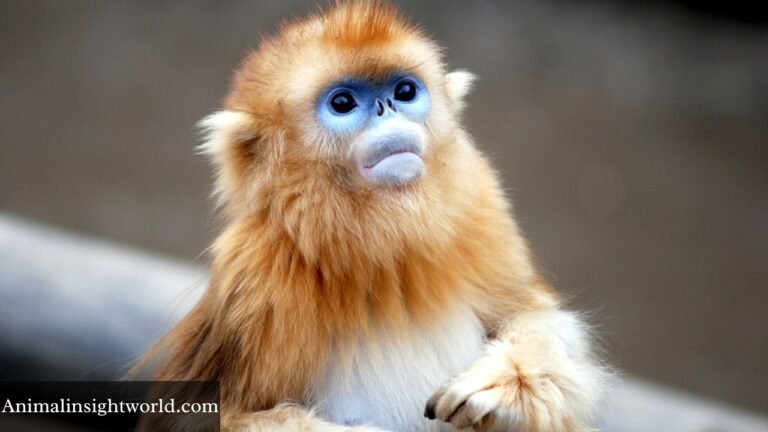
Monkeys, often characterized by their playful nature and complex social structures, have a surprisingly diverse diet that sometimes includes an unexpected treat: spiders. These nimble primates utilize their agility to navigate through trees, allowing them to hunt down less conspicuous arachnids nestled within branches and foliage. Their keen eyesight aids in spotting these delicate creatures, turning what might seem like a mere snack into a critical source of protein, especially in lean seasons.
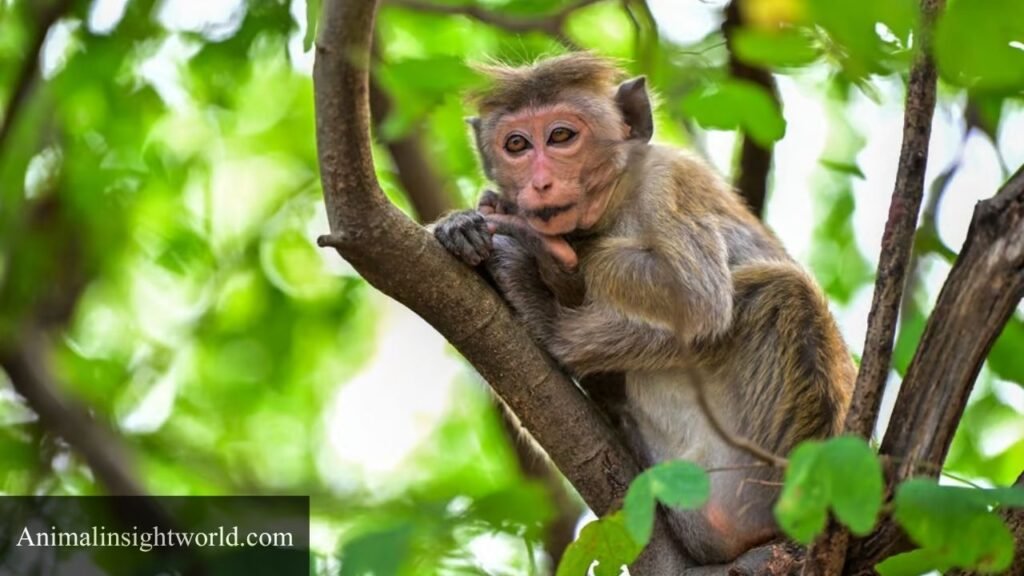
Observing how monkeys target spiders provides insight into their adaptive behaviors. For instance, species such as capuchins demonstrate impressive intelligence by employing tools; they might use sticks to poke into spider webs, efficiently extracting their tasty rewards. This behavior highlights not only their problem-solving skills but also the intricate relationships they maintain with their ecosystem, where consuming spiders contributes to pest control and biodiversity balance. Thus, in the hunt for these eight-legged delicacies, monkeys embody a fascinating interplay of instinct, intellect, and ecological responsibility.
Bats
Scientific Name: Chiroptera
Class: Mammalia
Diet: Carnivore
Bats, often celebrated for their role as pollinators and seed dispersers, also play a surprising part in controlling spider populations. Among their diverse diets, certain bat species, particularly the big brown bat and the Brazilian free-tailed bat, have developed a taste for arachnids. When these nocturnal hunters swoop gracefully through the night, their echolocation guides them not only to insects but also to unsuspecting spiders tucked away in the shadows. This adaptability highlights the intricate balance of ecosystems, where even the smallest creatures contribute to the food web.
The relationship between bats and spiders extends beyond mere consumption; it underscores a fascinating predatory dynamic. For instance, during a summer evening, a bat can consume an impressive number of spiders, effectively limiting their reproductive potential. In this sense, bats act as natural pest controllers, maintaining ecological harmony in their habitats. As urban environments expand, understanding these interactions becomes crucial, as we realize that protecting bat populations could indirectly safeguard us from an overabundance of spiders, ensuring a healthier environment.
Snakes
Scientific Name: Serpentes
Class: Reptilia
Diet: Carnivore
Among the myriad of predators in the animal kingdom, snakes are remarkable specialists, often consuming spiders as part of their diverse diet. While many might envision snakes feasting on larger mammals or birds, certain species excel at hunting the nimble, eight-legged arachnids. For instance, garter snakes and rat snakes are known to have an appetite for both terrestrial and web-weaving spiders. Their ability to flick out their tongues not only aids in sensing their environment but also helps them track down these elusive creatures hidden among foliage or in shadows.
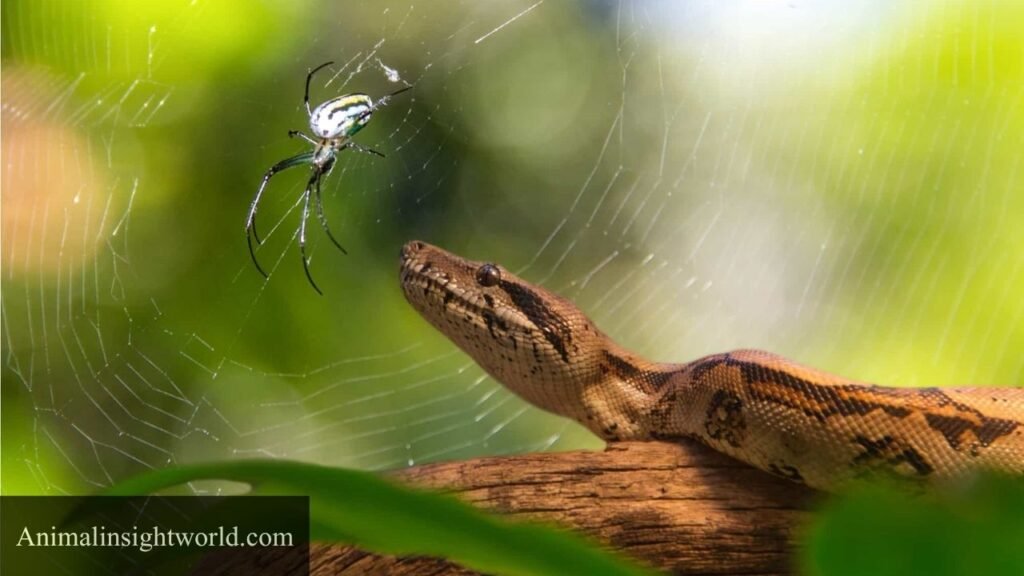
Interestingly, the relationship between snakes and spiders goes beyond mere predation; it reflects an intricate balance within the ecosystem. By preying on spiders, snakes help control arachnid populations, which in turn can influence insect dynamics in their habitats. This interplay illustrates the complexity of food webs, with unexpected connections that remind us how interconnected all life is. Observing a snake devour a spider can shift our perspective — these reptiles are not just fearsome hunters but are also vital contributors to ecological stability, ensuring that no single species dominates. Thus, the role snakes play in managing populations of spiders offers an often-overlooked insight into the delicate dance of nature.
Readmore: Explore Top 17 Animals That Eat Snakes.
Final Thoughts
The fascinating world of animals that prey on spiders showcases the intricate web of nature’s food chains. From birds and lizards to specialized insects, these predators play a vital role in controlling spider populations, ultimately contributing to the balance of ecosystems. Understanding these relationships not only serves to highlight the complexity of biodiversity but also emphasizes the importance of preserving natural habitats. By respecting and protecting these environments, we ensure the survival of both the predators and their spider prey. Let’s continue to explore and appreciate the wonders of wildlife, encouraging awareness and advocacy for all creatures, great and small.
FAQs
What eats spiders?
Several animals eat spiders as part of their diet. Birds are among the most common predators, with many species, such as sparrows and starlings, actively hunting spiders. Lizards and frogs also enjoy a tasty spider snack, using their quick reflexes to catch them. In addition, some insects, like wasps and certain types of beetles, hunt spiders. Even other spiders will occasionally prey on their kin, especially larger species that can overpower them.
Do hawks eat spiders?
Yes, hawks can eat spiders, though it’s not a primary part of their diet. These birds of prey typically focus on small mammals, birds, and reptiles. However, in a pinch or if food is scarce, hawks may snag a spider, especially if it’s easily accessible or part of a larger prey item.